
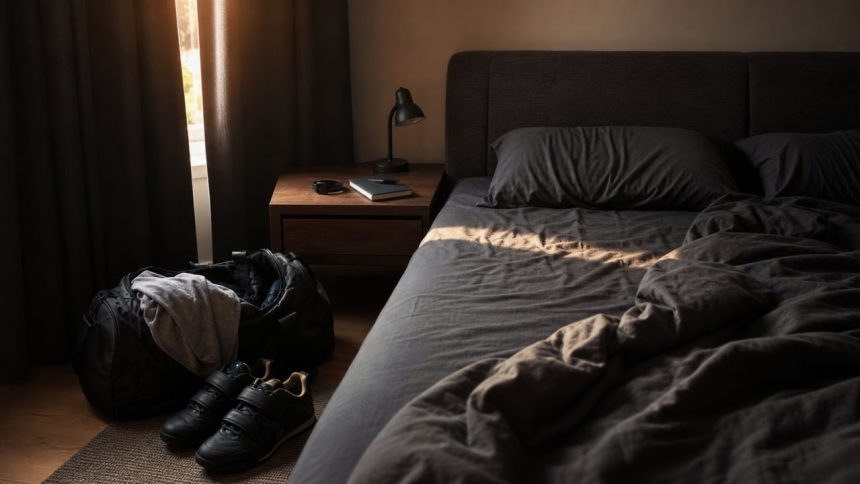
Testosterone content usually jumps straight to boosters, injections, or fear. Sleep is less dramatic, but it is the first place a serious lifter should look. A week of short sleep can push testosterone in the wrong direction, and the same sleep debt also hurts training drive, appetite control, glucose regulation, and recovery.
The point is not that sleep fixes every hormone problem. It does not. The point is that you should not evaluate testosterone while living in a constant recovery deficit and then act surprised when the result looks poor. Start with the controllable baseline.
Men who train should usually protect 7-9 hours of sleep opportunity per night. In a JAMA study, one week of sleep restriction to five hours per night lowered daytime testosterone in healthy young men. If symptoms persist despite adequate sleep, body composition, nutrition, and training recovery, get medical testing.
How does sleep affect testosterone?
Testosterone follows a daily rhythm, and sleep helps organize that rhythm. Levels tend to rise during sleep and peak near morning. When sleep is shortened or fragmented, the endocrine system loses part of the recovery window that supports normal hormone signaling.
Leproult and Van Cauter reported that one week of five-hour sleep restriction reduced daytime testosterone in young healthy men. That does not mean every bad night causes clinically low testosterone. It means sleep debt is strong enough to show up in hormone data, not just mood.
How much sleep do men need for healthy testosterone?
Most adults need at least seven hours, and hard-training lifters often do better with a larger sleep opportunity. The CDC recommends adults get seven or more hours, but training load, dieting, stress, and age can raise the practical need. A body trying to recover from heavy lifting on six broken hours is negotiating from a weak position.
Use sleep opportunity instead of time in bed as your target. If you need to wake at 6:00, a midnight bedtime is already a compromised plan. Build the schedule backward and protect the wind-down like a training session.
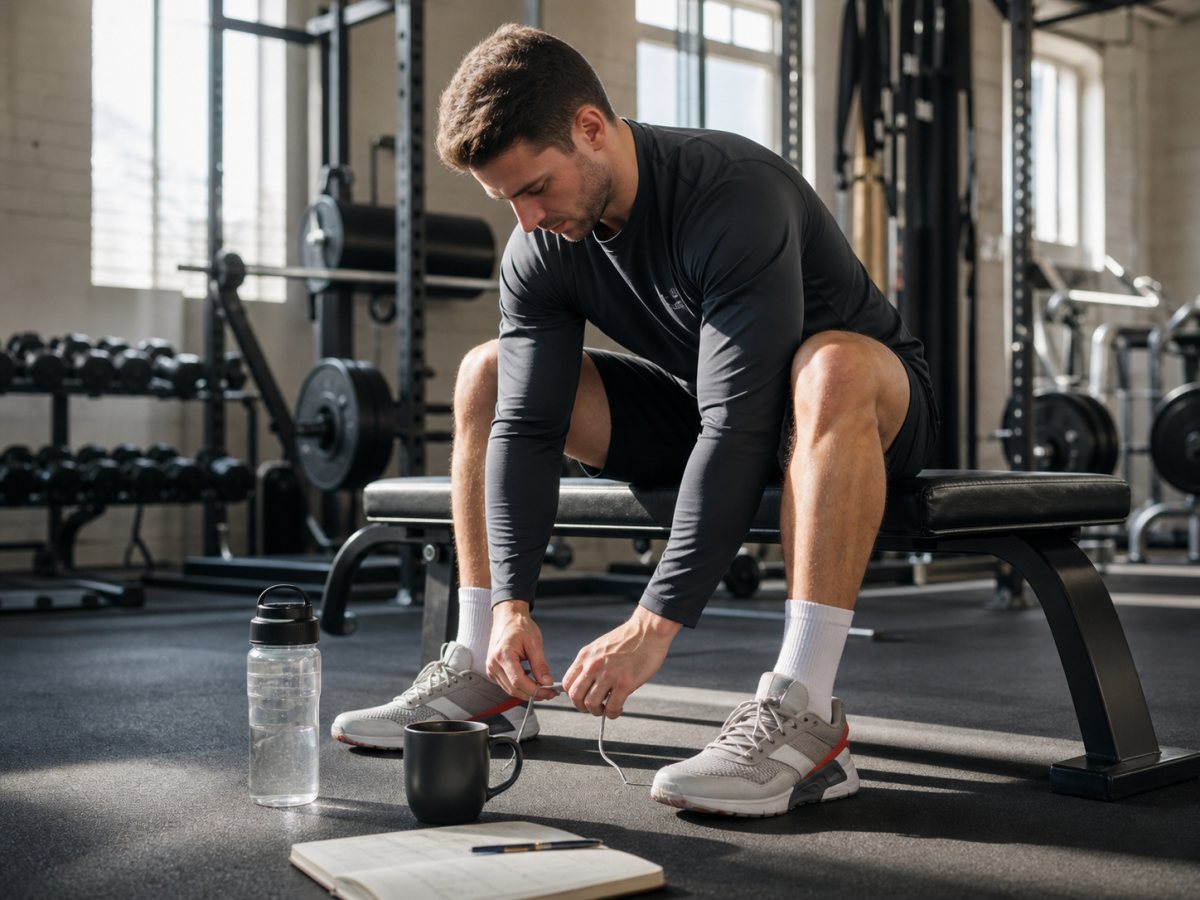
What symptoms suggest sleep is part of the problem?
Low libido, poor morning energy, irritability, stalled strength, higher cravings, weaker pumps, and slower recovery can all appear when sleep is poor. None of those symptoms are specific enough to diagnose low testosterone by themselves, but they are useful warning lights.
If the pattern improves after two to four weeks of better sleep, calories, and training load management, sleep was probably part of the issue. If symptoms remain, bloodwork is the adult next step.
Can one bad night lower testosterone?
One bad night can make you feel flat, but the bigger problem is repeated restriction. Hormones, appetite, and training output are built from patterns. A single late night before a flight is different from months of five to six hours, late caffeine, alcohol, and revenge bedtime scrolling.
The practical rule: do not panic over one bad night, but do not normalize chronic short sleep. A lifter who would never skip protein for three months should not casually skip sleep for three months either.
What ruins sleep quality for lifters?
The usual culprits are late caffeine, alcohol, hard late-night training, inconsistent bedtimes, too much light, sleep apnea risk, aggressive dieting, and stress. Some pre-workouts also linger longer than readers expect. If you train after work, caffeine timing deserves special attention.
Supplements can be useful for specific gaps, but they do not erase bad inputs. If you are comparing options, our sleep supplement guide is a better starting point than random hormone booster claims.
What is the best sleep routine?
A useful routine starts 60-90 minutes before bed. Lower lights, finish work, avoid heated arguments with your phone, keep the room cool, and place caffeine earlier in the day. The routine does not need to be precious. It needs to be repeatable.
| Sleep lever | Target | Why it matters |
|---|---|---|
| Sleep opportunity | 7-9 hours | Protects endocrine and recovery rhythm |
| Caffeine cutoff | 8-10 hours before bed for sensitive users | Reduces sleep fragmentation risk |
| Room setup | Dark, cool, quiet | Supports deeper sleep continuity |
| Training timing | Avoid all-out late sessions if sleep worsens | Keeps arousal from bleeding into bedtime |
Do ZMA, magnesium, or herbs raise testosterone?
Supplements may help if they correct a deficiency or improve sleep quality, but they should not be sold as guaranteed testosterone boosters. Zinc, magnesium, and vitamin D status matter for health, yet more is not automatically better. Ginseng and other herbs also need safety context and realistic expectations.
If you are considering a product, read our ZMA supplement guide and ginseng guide with the same standard: what gap does this solve, and what risk does it add?
How do dieting and body fat fit in?
Sleep does not act alone. Large calorie deficits, very low fat intake, overtraining, high alcohol intake, and excess body fat can all affect testosterone and recovery. The worst plan is to diet aggressively, sleep poorly, train too hard, then blame the first lab marker that looks bad.
Set calories and macros with the macronutrient calculator, then watch performance. If strength, mood, libido, and sleep are all falling, the plan is too expensive for the result.
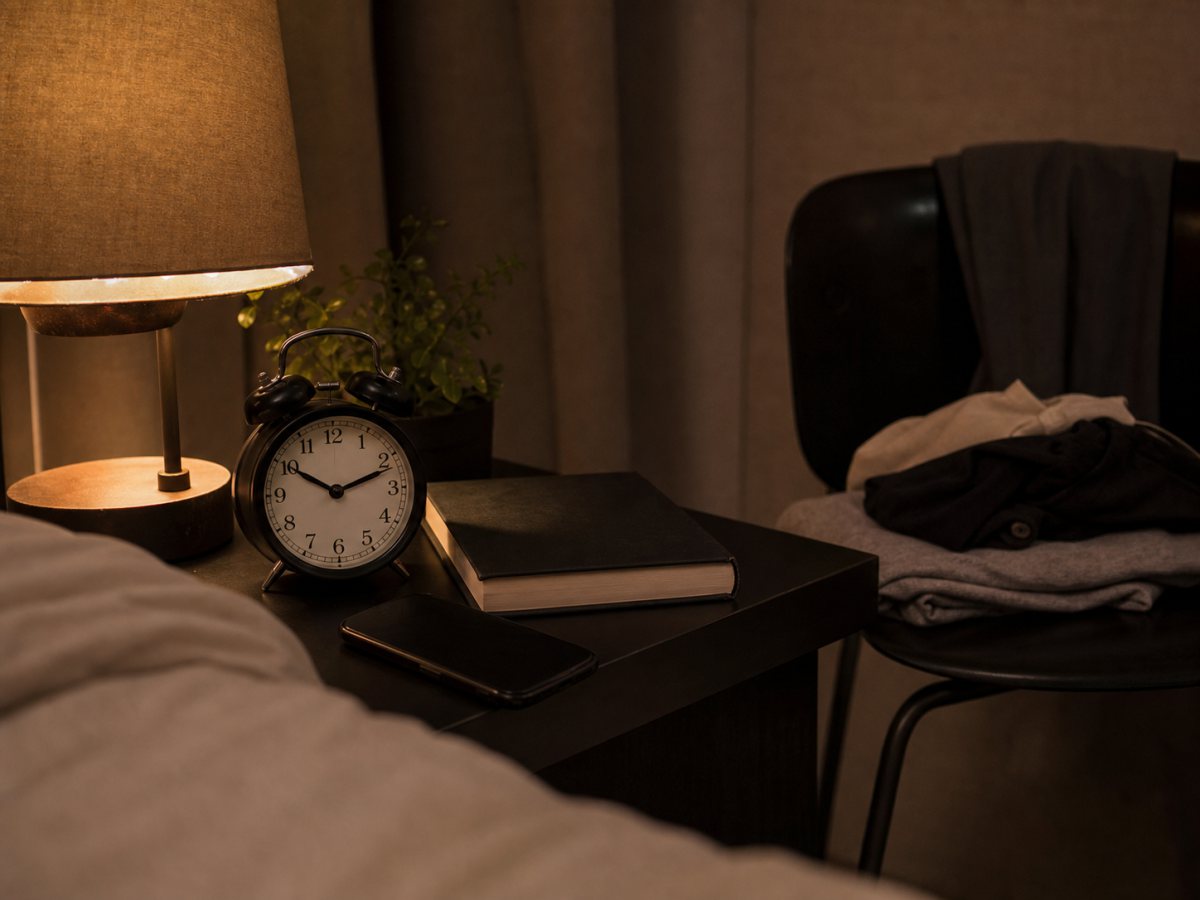
When should you test testosterone?
Test if symptoms are persistent, meaningful, and not explained by a clear short-term stressor. Testing is also reasonable when libido, erectile function, infertility, depression symptoms, or unexplained fatigue are affecting life. Do not diagnose from a single afternoon number or a home quiz.
Discuss timing with a clinician. Testosterone is usually evaluated with morning bloodwork, repeat confirmation when needed, and related markers. Sleep apnea, medications, alcohol, body composition, thyroid status, and other issues may matter.
What should lifters do this week?
For seven days, record bedtime, wake time, caffeine timing, alcohol, training time, morning energy, and libido. Do not overcomplicate it. If you find a pattern, change the biggest lever first. Most readers do not need a hormone stack before they need a consistent bedtime.
Then run the same audit for another week. If morning energy, training readiness, and mood improve, keep going. If symptoms do not move, you now have cleaner information for a medical conversation.
FitnessVolt bottom line
Sleep is not a testosterone hack. It is basic endocrine maintenance. Men who train hard should protect it with the same seriousness they give sets, protein, and progressive overload. If you are sleeping five to six hours, fixing that is the first natural testosterone move.
If you already sleep well and symptoms persist, stop guessing. Get proper bloodwork and medical interpretation.
How should night-shift workers think about testosterone?
Night-shift work makes the sleep-testosterone conversation harder because the issue is not only sleep quantity. Circadian timing, light exposure, meal timing, caffeine, and social obligations all fight the schedule. The goal is not perfection. It is making the main sleep block as protected and repeatable as possible.
Shift workers should use blackout curtains, a cool room, bright light during the work period, caffeine rules that protect the planned sleep block, and a consistent anchor sleep whenever possible. If symptoms of low testosterone or sleep apnea appear, testing and medical support matter more than generic supplement advice.
Can overtraining lower testosterone through poor sleep?
Hard training is not the enemy. Poorly recovered training is. When volume, intensity, life stress, and calorie restriction exceed recovery, sleep often gets lighter and more fragmented. That can worsen the same symptoms readers blame on hormones: low motivation, low libido, poor strength, irritability, and persistent soreness.
The fix is usually a deload, fewer junk sets, better calorie timing, and a stricter sleep window. You do not lose discipline by reducing training stress for a week. You prove discipline by making the plan recoverable enough to keep working.
| Problem pattern | Likely driver | First adjustment |
|---|---|---|
| Wired at night after training | Late intensity or stimulants | Move hard sessions earlier or reduce caffeine |
| Low libido plus poor sleep | Recovery debt | Deload and protect 7-9 hours sleep opportunity |
| Morning fatigue despite long time in bed | Fragmented sleep or apnea risk | Discuss sleep quality and screening with a clinician |
What labs should you discuss if symptoms persist?
If symptoms remain after improving sleep, ask a clinician which labs make sense. Total testosterone alone may not tell the whole story. Free testosterone, SHBG, LH, FSH, prolactin, thyroid markers, metabolic markers, medication history, and sleep apnea screening may be relevant depending on the person.
Do not start testosterone therapy based on a single borderline result while sleeping badly. Also do not ignore real symptoms for years because you assume sleep is the only issue. The practical middle is simple: clean up the lifestyle variables you can control, then test properly if the problem remains.
What is the simplest two-week sleep experiment?
For two weeks, choose a wake time and protect an eight-hour sleep opportunity. Stop caffeine earlier, keep alcohol out of the experiment, lower light before bed, and keep hard training away from the final hour of the day. Track morning energy, libido, mood, strength, hunger, and sleep interruptions.
If those markers improve, the experiment gave you a high-value answer. If they do not, you have better evidence for the next step. Either way, the experiment beats guessing, buying another booster, or changing your training plan every three days.
How does alcohol change the sleep-testosterone picture?
Alcohol can make you sleepy while making sleep worse. It can fragment the second half of the night, worsen snoring or apnea risk, and leave morning recovery worse even when total time in bed looks normal. For a lifter already worried about testosterone, that trade is expensive.
You do not need a moral rule to use the information. Run a two-week test with no alcohol on training nights and no alcohol within three hours of bed. If morning energy, resting heart rate, libido, and training output improve, you found a simple lever that no supplement can outperform.
What should morning lifters do differently?
Morning lifters need to protect bedtime more aggressively because the alarm is fixed. If training starts at 6:00, the sleep decision was made the night before. Late meals, late scrolling, late caffeine, and late work all borrow from the session before it begins.
Prepare the gym bag, breakfast, and first hydration step before bed. That reduces friction in the morning and makes the routine feel less chaotic. The easier the morning is, the less likely you are to steal time from sleep to make training happen.
What if your sleep tracker says you slept enough?
Use trackers as trend tools, not verdicts. A watch can help you notice bedtime drift, wake-ups, and consistency, but it cannot diagnose hormone status. If you feel unrefreshed despite adequate time in bed, pay attention to snoring, breathing pauses, morning headaches, and daytime sleepiness. Those patterns deserve medical attention, especially when training recovery and libido are also poor.
Sources
- Leproult, R., and Van Cauter, E. (2011). Effect of 1 week of sleep restriction on testosterone levels in young healthy men. JAMA.
- Andersen, M. L., et al. (2011). The association of testosterone, sleep, and sexual function in men and women. Brain Research.
- Rosenbaum, M., and Leibel, R. L. (2010). Adaptive thermogenesis in humans. International Journal of Obesity.
- Centers for Disease Control and Prevention. (n.d.). About sleep. Accessed June 4, 2026.