

10 Best Barbell Incline Reverse-grip Press Alternatives for Home Gyms
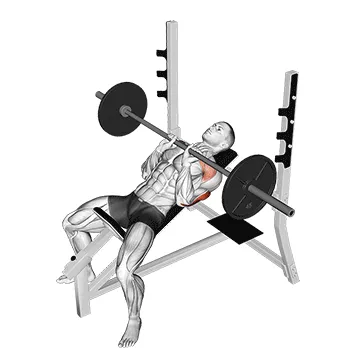
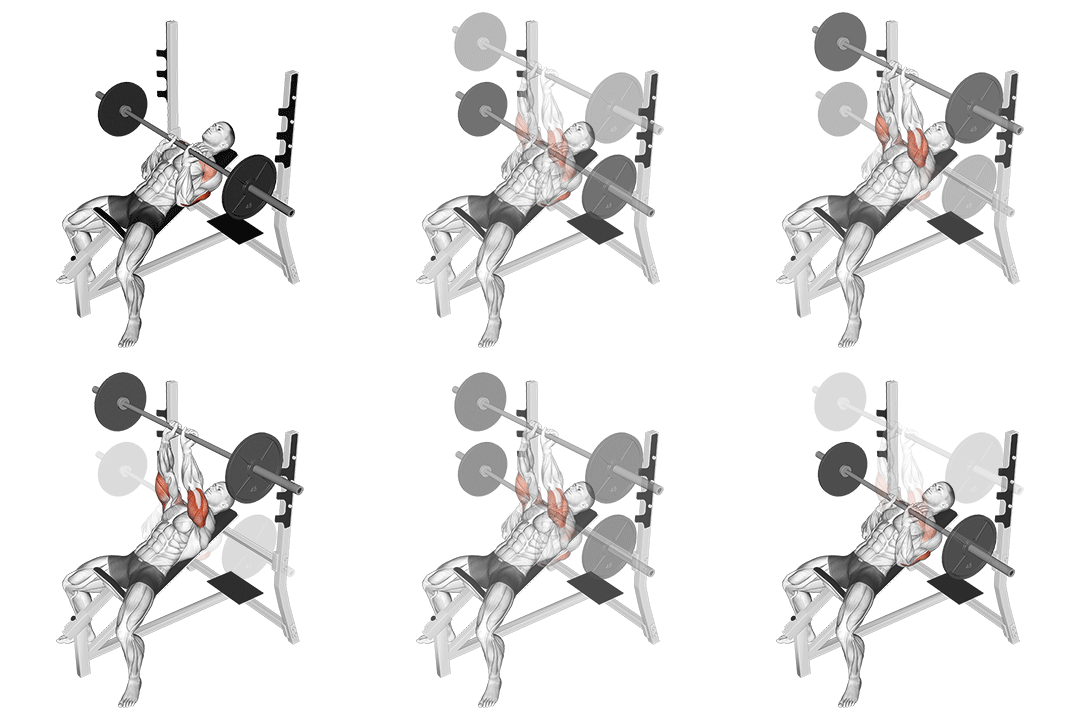
The Barbell Incline Reverse-grip Press is done lying on your back with a barbell. Ranked closest by our scoring: the Barbell Incline Close Grip Bench Press, the Incline Barbell Triceps Extension and the EZ Barbell Incline Triceps Extension. Two harder versions, the Reverse Triceps Bench Press and the Close-grip Barbell Bench Press, are listed below as progressions rather than swaps.
Updated Ranked by our 12-factor similarity model How it works
Original Exercise: Barbell Incline Reverse-grip Press
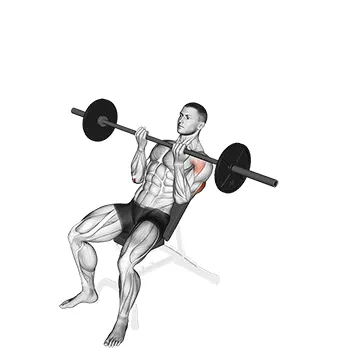
- Primary muscle
- Triceps
- Equipment
- Barbell
- Difficulty
- Intermediate
- Type
- Compound
Secondary muscles: Chest, Shoulders
How to perform Barbell Incline Reverse-grip Press
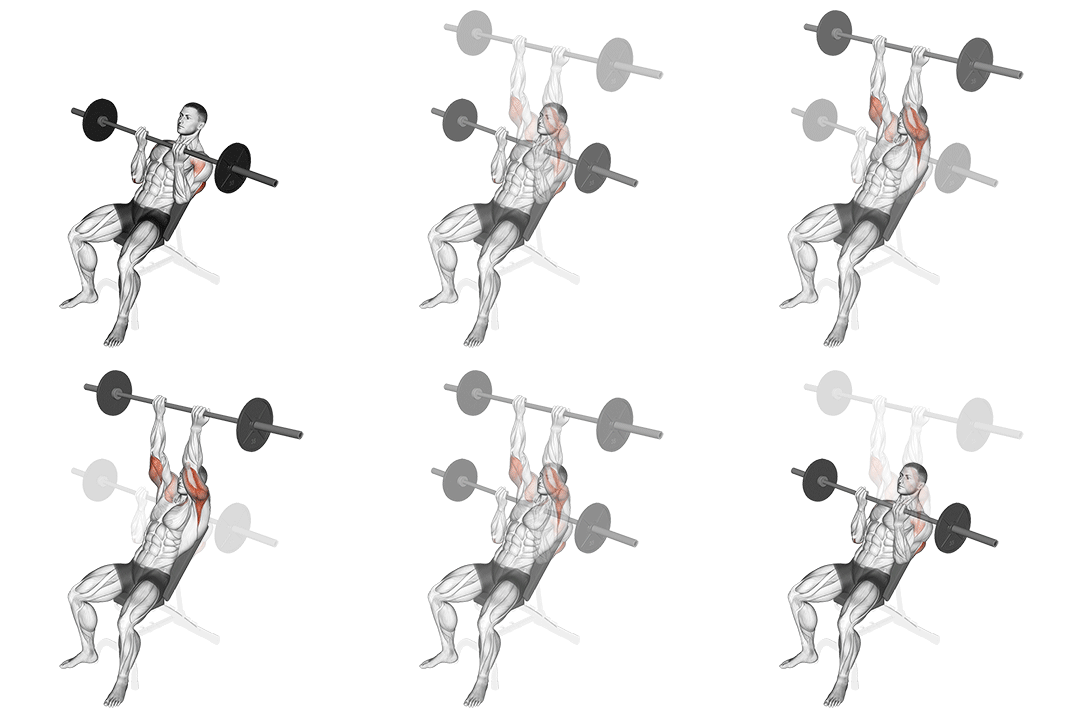
- Set up an incline bench at a 45-degree angle.
- Lie back on the bench and grasp the barbell with a reverse grip, hands slightly wider than shoulder-width apart.
- Unrack the barbell and lower it towards your upper chest, keeping your elbows tucked in.
- Pause for a moment at the bottom, then push the barbell back up to the starting position.
- Repeat for the desired number of repetitions.
Ranked Barbell Incline Reverse-grip Press Alternatives
10 substitutes, ranked by how closely each one matches the Barbell Incline Reverse-grip Press on movement pattern, muscles worked, equipment and body position. The higher the score, the less you change. Open "How to perform this exercise" on a card for the steps; every card title links to that exercise's own alternatives page. Harder versions are tagged as progressions and kept out of the top spot even when they score higher.
Best match - Triceps
- Barbell
- Intermediate
- Compound
The same equipment, taken with a close grip.
How to perform this exercise
- Set up an incline bench at a 45-degree angle.
- Lie down on the bench with your feet flat on the ground.
- Grasp the barbell with a close grip, slightly narrower than shoulder-width apart.
- Unrack the barbell and lower it slowly towards your chest, keeping your elbows close to your body.
- Pause for a moment when the barbell touches your chest.
- Push the barbell back up to the starting position, fully extending your arms.
- Repeat for the desired number of repetitions.
Sets and reps: 3 or 4 sets of 6 to 10 reps.
Why this matches
- Movement: incline press, the same as the Barbell Incline Reverse-grip Press
- Primary muscle: triceps, the same as the Barbell Incline Reverse-grip Press
- Equipment: free weights, the same as the Barbell Incline Reverse-grip Press
- Body position: lying on your back, the same as the Barbell Incline Reverse-grip Press
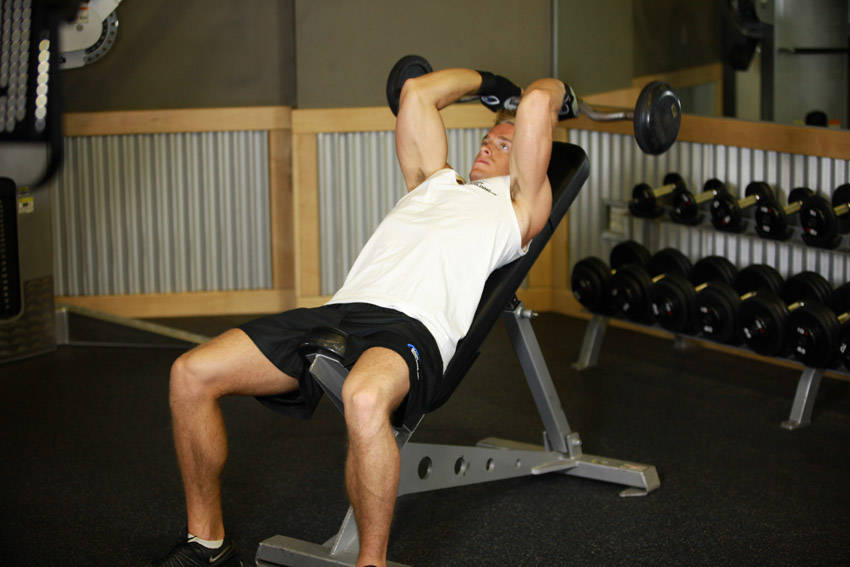
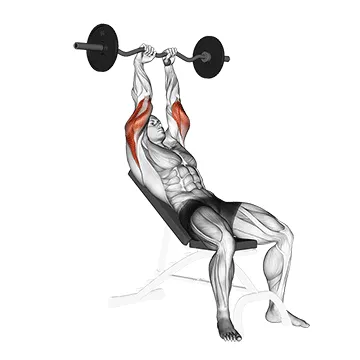
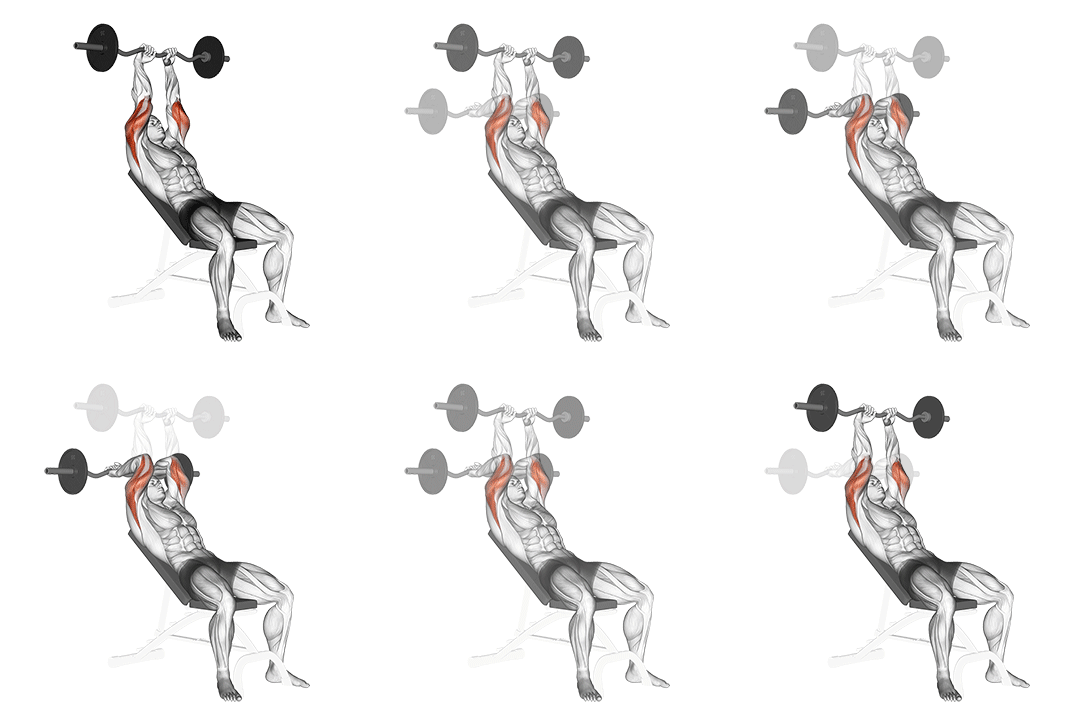
2. Incline Barbell Triceps Extension
86% match- Triceps
- Barbell
- Intermediate
- Isolation
The same equipment, taken with a narrow grip.
How to perform this exercise
- Hold a barbell with an overhand grip (palms down) that is a little closer together than shoulder width.
- Lie back on an incline bench set at any angle between 45-75-degrees.
- Bring the bar overhead with your arms extended and elbows in. The arms should be in line with the torso above the head. This will be your starting position.
- Now lower the bar in a semicircular motion behind your head until your forearms touch your biceps. Inhale as you perform this movement. Tip: Keep your upper arms stationary and close to your head at all times. Only the forearms should move.
- Return to the starting position as you breathe out and you contract the triceps. Hold the contraction for a second.
- Repeat for the recommended amount of repetitions.
Sets and reps: 3 sets of 10 to 15 reps.
Why this matches
- Movement: incline press, the same as the Barbell Incline Reverse-grip Press
- Primary muscle: triceps, the same as the Barbell Incline Reverse-grip Press
- Equipment: free weights, the same as the Barbell Incline Reverse-grip Press
- Body position: lying on your back, the same as the Barbell Incline Reverse-grip Press
- Triceps
- Ez-barbell
- Intermediate
- Isolation
A good swap when you have an EZ bar to work with, and it still works the triceps.
How to perform this exercise
- Set up an incline bench at a 45-degree angle.
- Sit on the bench with your back against the pad and hold the ez barbell with an overhand grip.
- Extend your arms fully overhead, keeping your elbows close to your head.
- Lower the barbell behind your head by bending your elbows, keeping your upper arms stationary.
- Pause for a moment, then extend your arms back to the starting position.
- Repeat for the desired number of repetitions.
Sets and reps: 3 sets of 10 to 15 reps.
Why this matches
- Movement: incline press, the same as the Barbell Incline Reverse-grip Press
- Primary muscle: triceps, the same as the Barbell Incline Reverse-grip Press
- Equipment: free weights, the same as the Barbell Incline Reverse-grip Press
- Body position: lying on your back, the same as the Barbell Incline Reverse-grip Press
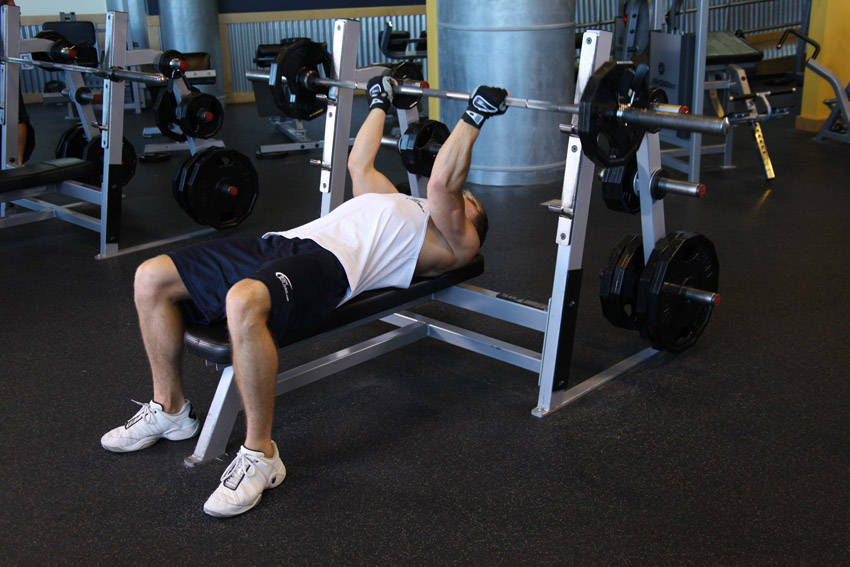
Progression
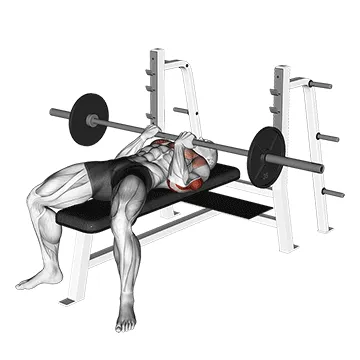
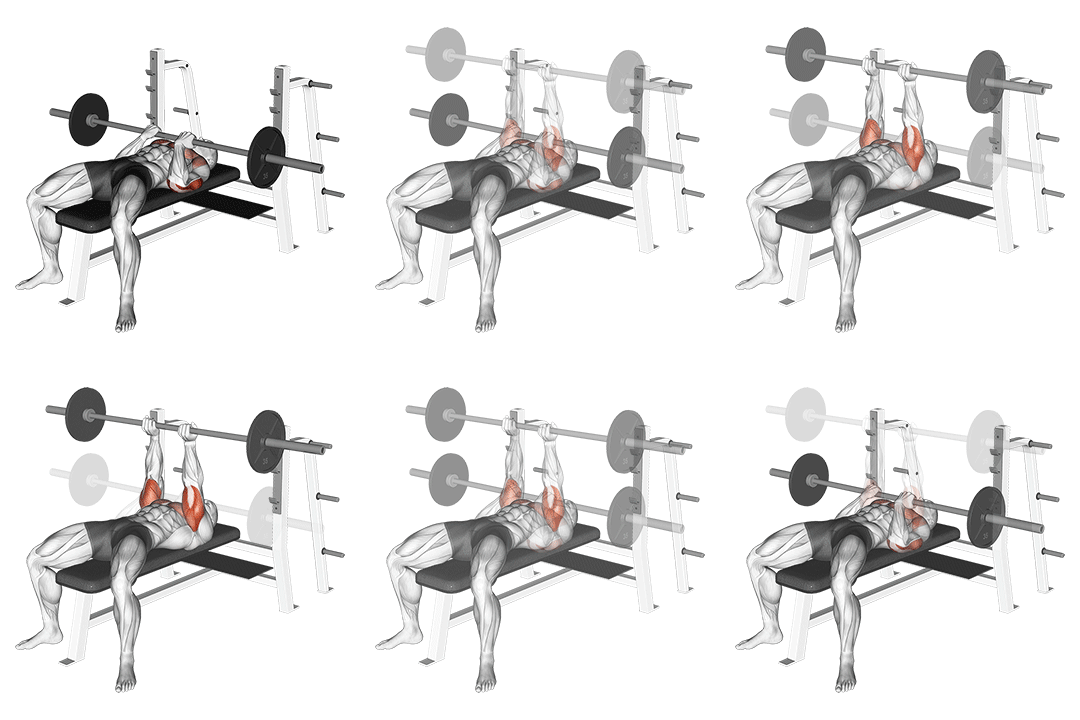
4. Reverse Triceps Bench Press
85% match- Triceps
- Barbell
- Advanced
- Compound
Pick this when you want a harder version that still works the triceps.
How to perform this exercise
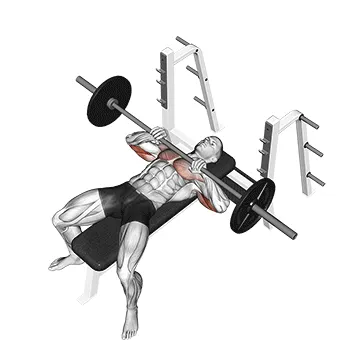
- Lie back on a flat bench. Using a close, supinated grip (around shoulder width), lift the bar from the rack and hold it straight over you with your arms locked extended in front of you and perpendicular to the floor. This will be your starting position.
- As you breathe in, come down slowly until you feel the bar on your middle chest. Tip: Make sure that as opposed to a regular bench press, you keep the elbows close to the torso at all times in order to maximize triceps involvement.
- After a second pause, bring the bar back to the starting position as you breathe out and push the bar using your triceps muscles. Lock your arms in the contracted position, hold for a second and then start coming down slowly again. Tip: It should take at least twice as long to go down than to come up.
- Repeat the movement for the prescribed amount of repetitions.
- When you are done, place the bar back in the rack.
Sets and reps: 3 to 5 sets of 5 to 8 reps.
Why this matches
- Primary muscle: triceps, the same as the Barbell Incline Reverse-grip Press
- Equipment: free weights, the same as the Barbell Incline Reverse-grip Press
- Body position: lying on your back, the same as the Barbell Incline Reverse-grip Press
- Triceps
- Barbell
- Intermediate
- Compound
It uses the same equipment and still works the triceps.
How to perform this exercise
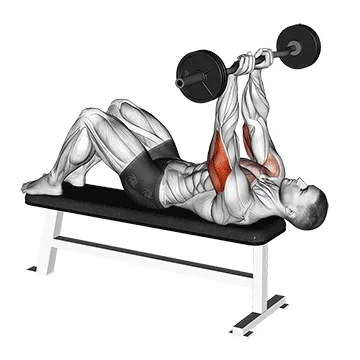
- Lie flat on a bench with your feet flat on the ground and your back pressed against the bench.
- Grasp the barbell with a reverse grip, hands shoulder-width apart.
- Lift the barbell off the rack and hold it directly above your chest with your arms fully extended.
- Slowly lower the barbell down towards your chest, keeping your elbows close to your body.
- Pause for a moment when the barbell is just above your chest.
- Push the barbell back up to the starting position, fully extending your arms.
- Repeat for the desired number of repetitions.
Sets and reps: 3 or 4 sets of 6 to 10 reps.
Why this matches
- Primary muscle: triceps, the same as the Barbell Incline Reverse-grip Press
- Equipment: free weights, the same as the Barbell Incline Reverse-grip Press
- Body position: lying on your back, the same as the Barbell Incline Reverse-grip Press
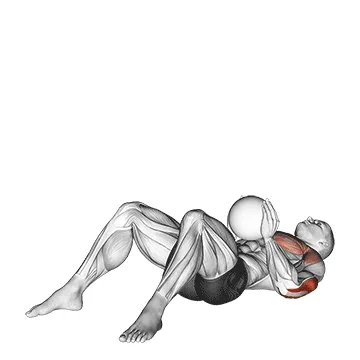
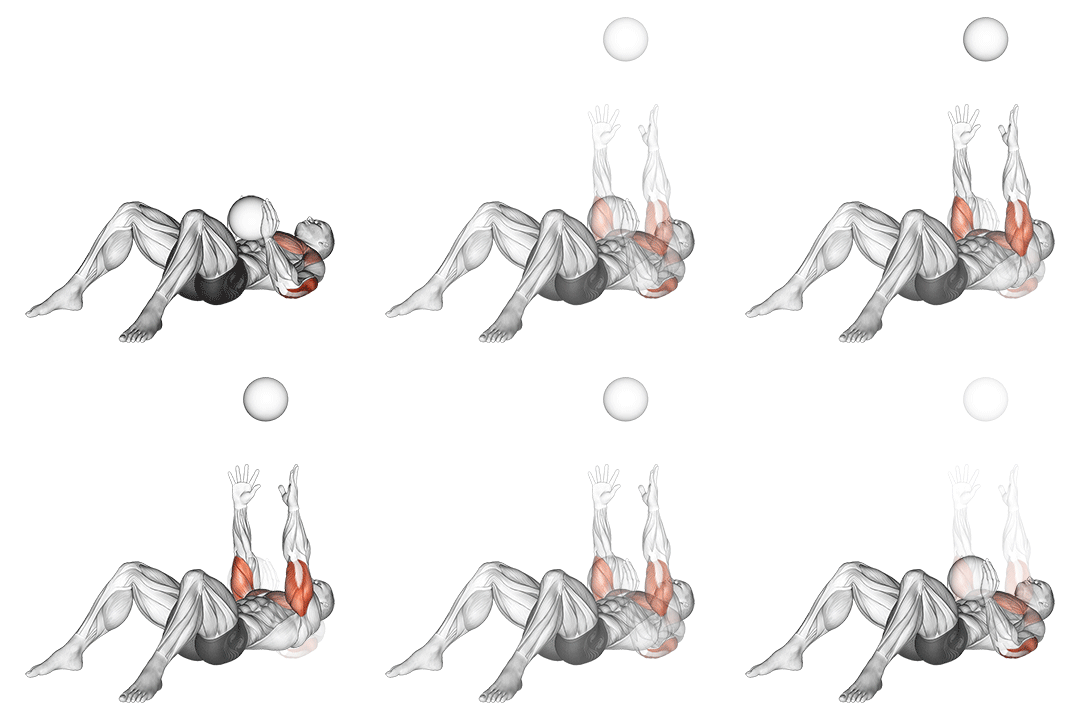
6. Medicine Ball Supine Chest Throw
85% match- Triceps
- Medicine-ball
- Intermediate
- Compound
A good swap when you have a medicine ball to work with, and it still works the triceps.
How to perform this exercise
- Lie flat on your back on a bench with your knees bent and feet flat on the ground.
- Hold the medicine ball with both hands, extending your arms straight up above your chest.
- Lower the medicine ball towards your chest, keeping your elbows close to your body.
- Explosively push the medicine ball upwards, extending your arms fully and throwing the ball as high as possible.
- Catch the medicine ball and repeat for the desired number of repetitions.
Sets and reps: 3 to 5 sets of 5 to 8 reps.
Why this matches
- Primary muscle: triceps, the same as the Barbell Incline Reverse-grip Press
- Equipment: free weights, the same as the Barbell Incline Reverse-grip Press
- Body position: lying on your back, the same as the Barbell Incline Reverse-grip Press
7. EZ Barbell JM Bench Press
84% match- Triceps
- Ez-barbell
- Advanced
- Compound
How to perform this exercise
- Lie flat on a bench with your feet flat on the ground and your back pressed against the bench.
- Grasp the ez barbell with an overhand grip, slightly wider than shoulder-width apart.
- Lower the barbell to your chest, keeping your elbows tucked in close to your body.
- Push the barbell back up to the starting position, fully extending your arms.
- Repeat for the desired number of repetitions.
Sets and reps: 3 to 5 sets of 5 to 8 reps.
Why this matches
- Primary muscle: triceps, the same as the Barbell Incline Reverse-grip Press
- Equipment: free weights, the same as the Barbell Incline Reverse-grip Press
- Body position: lying on your back, the same as the Barbell Incline Reverse-grip Press
8. Barbell Lying Close-grip Press
83% match- Triceps
- Barbell
- Intermediate
- Compound
How to perform this exercise
- Lie flat on a bench with your feet flat on the ground and your back pressed against the bench.
- Grasp the barbell with a close grip, hands shoulder-width apart, palms facing towards your feet.
- Lift the barbell off the rack and hold it directly above your chest with your arms fully extended.
- Slowly lower the barbell towards your chest, keeping your elbows close to your body.
- Pause for a moment when the barbell touches your chest, then push it back up to the starting position.
- Repeat for the desired number of repetitions.
Sets and reps: 3 or 4 sets of 6 to 10 reps.
Why this matches
- Primary muscle: triceps, the same as the Barbell Incline Reverse-grip Press
- Equipment: free weights, the same as the Barbell Incline Reverse-grip Press
- Body position: lying on your back, the same as the Barbell Incline Reverse-grip Press
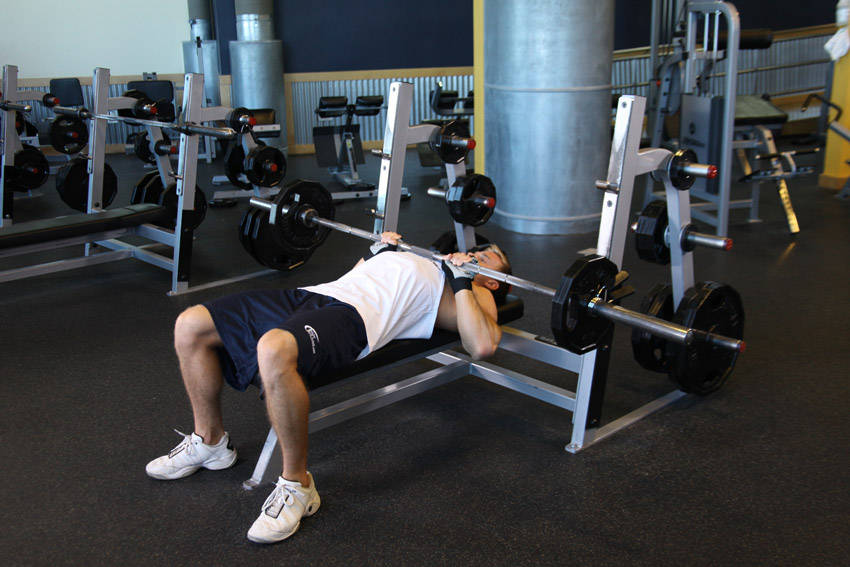
Progression
9. Close-grip Barbell Bench Press
83% match- Triceps
- Barbell
- Intermediate
- Compound
How to perform this exercise
- Lie back on a flat bench. Using a close grip (around shoulder width), lift the bar from the rack and hold it straight over you with your arms locked. This will be your starting position.
- As you breathe in, come down slowly until you feel the bar on your middle chest. Tip: Make sure that - as opposed to a regular bench press - you keep the elbows close to the torso at all times in order to maximize triceps involvement.
- After a second pause, bring the bar back to the starting position as you breathe out and push the bar using your triceps muscles. Lock your arms in the contracted position, hold for a second and then start coming down slowly again. Tip: It should take at least twice as long to go down than to come up.
- Repeat the movement for the prescribed amount of repetitions.
- When you are done, place the bar back in the rack.
Sets and reps: 3 to 5 sets of 5 to 8 reps.
Why this matches
- Primary muscle: triceps, the same as the Barbell Incline Reverse-grip Press
- Equipment: free weights, the same as the Barbell Incline Reverse-grip Press
- Body position: lying on your back, the same as the Barbell Incline Reverse-grip Press
- Triceps
- Ez-barbell
- Intermediate
- Compound
How to perform this exercise
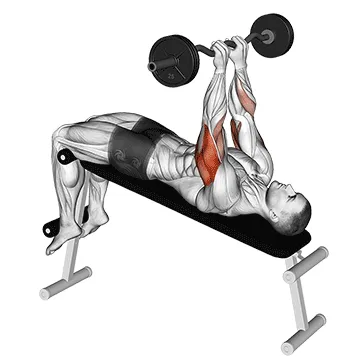
- Lie on a decline bench with your head lower than your feet.
- Grasp the ez barbell with a close grip, palms facing each other.
- Extend your arms straight up above your chest, keeping your elbows close to your body.
- Lower the barbell towards your forehead by bending your elbows.
- Pause for a moment, then press the barbell back up to the starting position.
- Repeat for the desired number of repetitions.
Sets and reps: 3 to 5 sets of 5 to 8 reps.
Why this matches
- Primary muscle: triceps, the same as the Barbell Incline Reverse-grip Press
- Equipment: free weights, the same as the Barbell Incline Reverse-grip Press
- Body position: lying on your back, the same as the Barbell Incline Reverse-grip Press
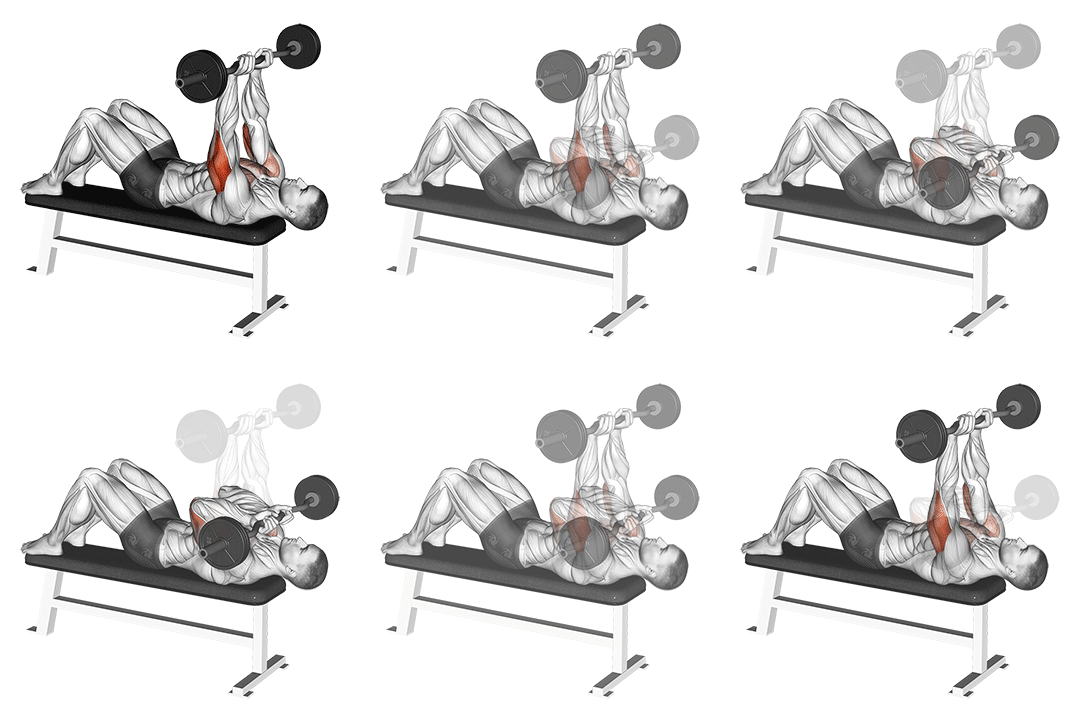
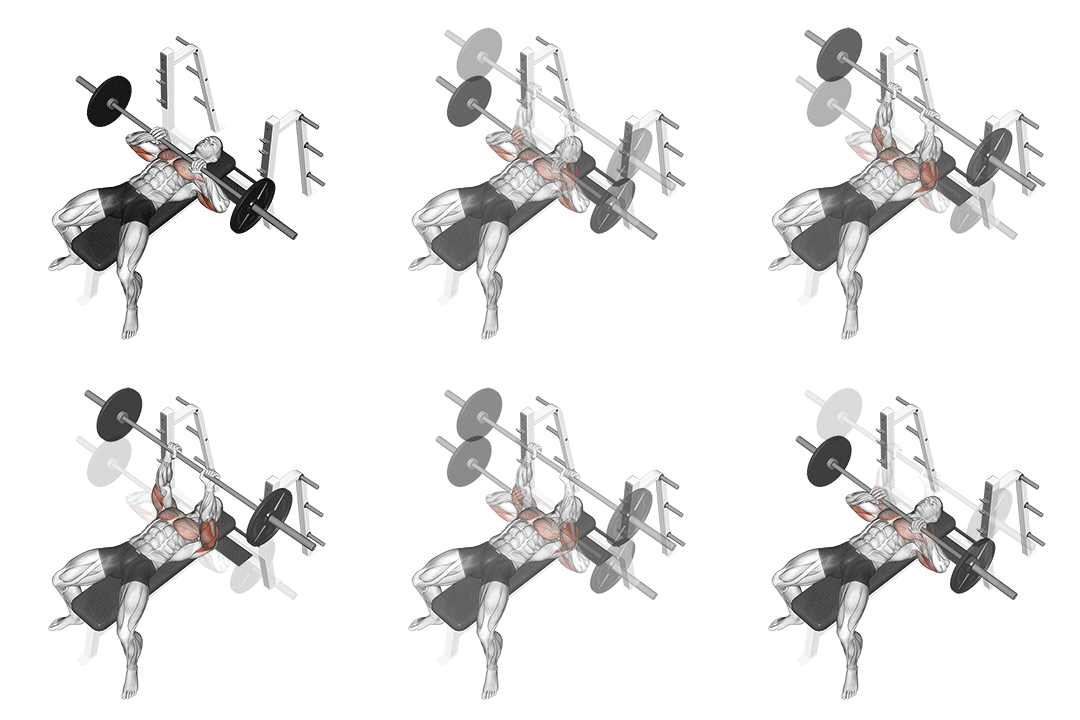
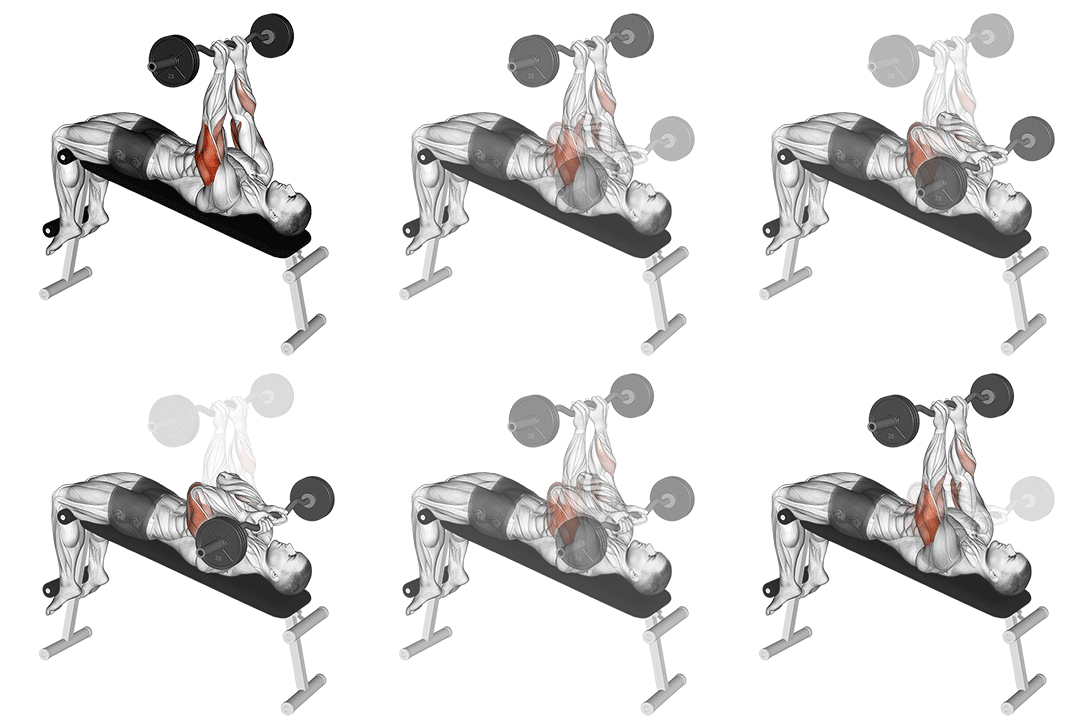
Why You Might Need a Barbell Incline Reverse-grip Press Alternative
You might substitute this lift for wrist or shoulder pain from the supinated bar grip, lack of an incline bench or barbell, or a desire to shift emphasis between triceps heads. The reverse grip increases elbow-extension torque and stresses forearm supinators; that biomechanical change can aggravate wrists or biceps tendons. Equipment limitations push you toward dumbbells, cables, or bodyweight variants that preserve the incline pressing vector but permit neutral or rotated grips. Training goals also matter: compound presses maintain pressing strength, while skull crushers or cable extensions isolate the long head through a greater shoulder extension range. Cue: prioritize scapular stability and avoid flaring elbows to keep triceps dominant activation.
Barbell Incline Reverse-grip Press FAQ
What muscles does Barbell Incline Reverse-grip Press work?
The primary mover is the triceps (long and lateral heads), with secondary loading of the clavicular chest and anterior deltoids. The reverse grip increases elbow-extension torque and shifts load toward the triceps via forearm supination, cue: keep elbows tucked to emphasize triceps over chest.
Find Alternatives for Any Exercise
Search the exercise database and filter the ranked substitutes by the equipment you own.
Similarity scores compare exercise metadata such as movement pattern, muscles, equipment and body position. They are not a safety rating or a check that you own the equipment. Learn about our methodology