

10 Best Car Drivers Alternatives for Shoulder Development
Car Drivers are done standing with a barbell. Ranked closest by our scoring: the Rack Delivery, the Medicine Ball Scoop Throw and the Backward Medicine Ball Throw. A harder version, the Single-arm Linear Jammer, is listed below as a progression rather than a swap.
Updated Ranked by our 12-factor similarity model How it works
Original Exercise: Car Drivers
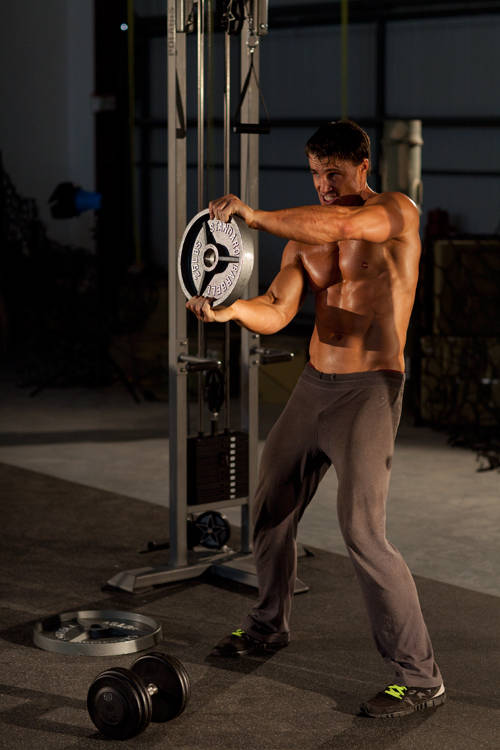
- Primary muscle
- Delts
- Equipment
- Barbell
- Difficulty
- Intermediate
- Type
- Compound
Secondary muscles: Forearms
How to perform Car Drivers
- While standing upright, hold a barbell plate in both hands at the 3 and 9 o'clock positions. Your palms should be facing each other and your arms should be extended straight out in front of you. This will be your starting position.
- Initiate the movement by rotating the plate as far to one side as possible. Use the same type of movement you would use to turn a steering wheel to one side.
- Reverse the motion, turning it all the way to the opposite side.
- Repeat for the recommended amount of repetitions.
Ranked Car Drivers Alternatives
10 substitutes, ranked by how closely each one matches Car Drivers on movement pattern, muscles worked, equipment and body position. The higher the score, the less you change. Open "How to perform this exercise" on a card for the steps; every card title links to that exercise's own alternatives page. Harder versions are tagged as progressions and kept out of the top spot even when they score higher.
Best match 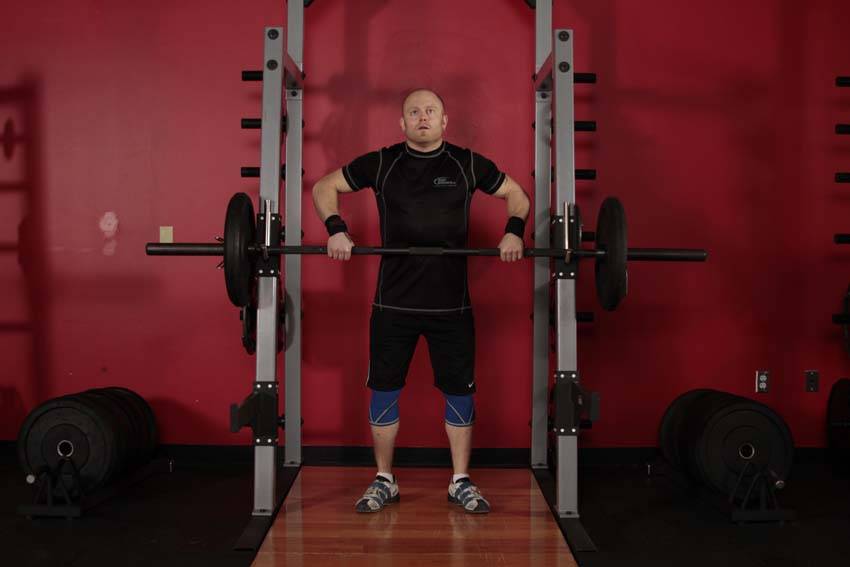
1. Rack Delivery
86% match- Delts
- Barbell
- Intermediate
- Compound
Pick this when you want to work the delts with less balance to manage.
How to perform this exercise
- This drill teaches the delivery of the barbell to the rack position on the shoulders. Begin holding a bar in the scarecrow position, with the upper arms parallel to the floor, and the forearms hanging down. Use a hook grip, with your fingers wrapped over your thumbs.
- Begin by rotating the elbows around the bar, delivering the bar to the shoulders. As your elbows come forward, relax your grip. The shoulders should be protracted, providing a shelf for the bar, which should lightly contact the throat.
- It is important that the bar stay close to the body at all times, as with a heavier load any distance will result in an unwanted collision. As the movement becomes smoother, speed and load can be increased before progressing further.
Sets and reps: 3 or 4 sets of 6 to 10 reps.
Why this matches
- Primary muscle: delts, the same as Car Drivers
- Equipment: free weights, the same as Car Drivers
- Body position: standing, the same as Car Drivers
- Balance: easier to stay steady on than Car Drivers
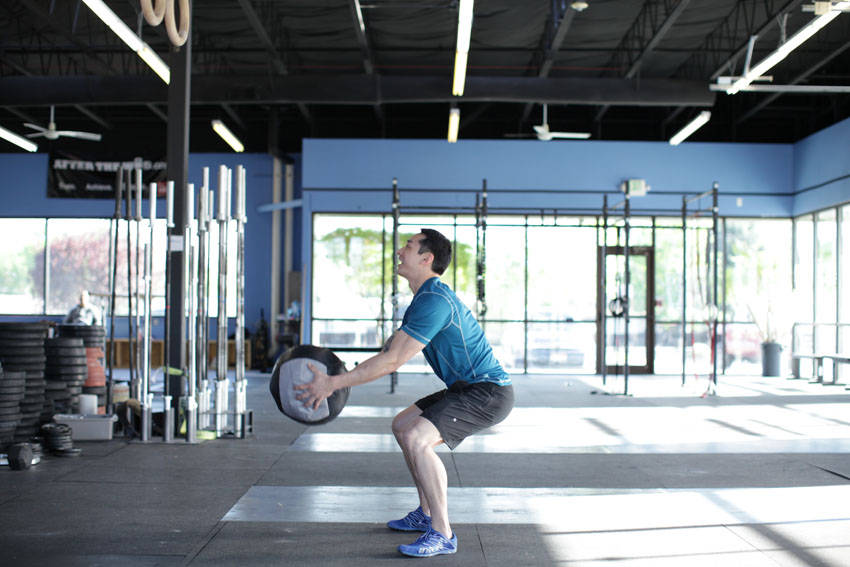
2. Medicine Ball Scoop Throw
84% match- Delts
- Medicine-ball
- Intermediate
- Compound
A good swap when you have a medicine ball to work with, and it still works the delts.
How to perform this exercise
- Assume a semisquat stance with a medicine ball in your hands. Your arms should hang so the ball is near your feet.
- Begin by thrusting the hips forward as you extend through the legs, jumping up.
- As you do, swing your arms up and over your head, keeping them extended, releasing the ball at the peak of your movement. The goal is to throw the ball the greatest distance behind you.
Sets and reps: 3 or 4 sets of 6 to 10 reps.
Why this matches
- Primary muscle: delts, the same as Car Drivers
- Equipment: free weights, the same as Car Drivers
- Body position: standing, the same as Car Drivers
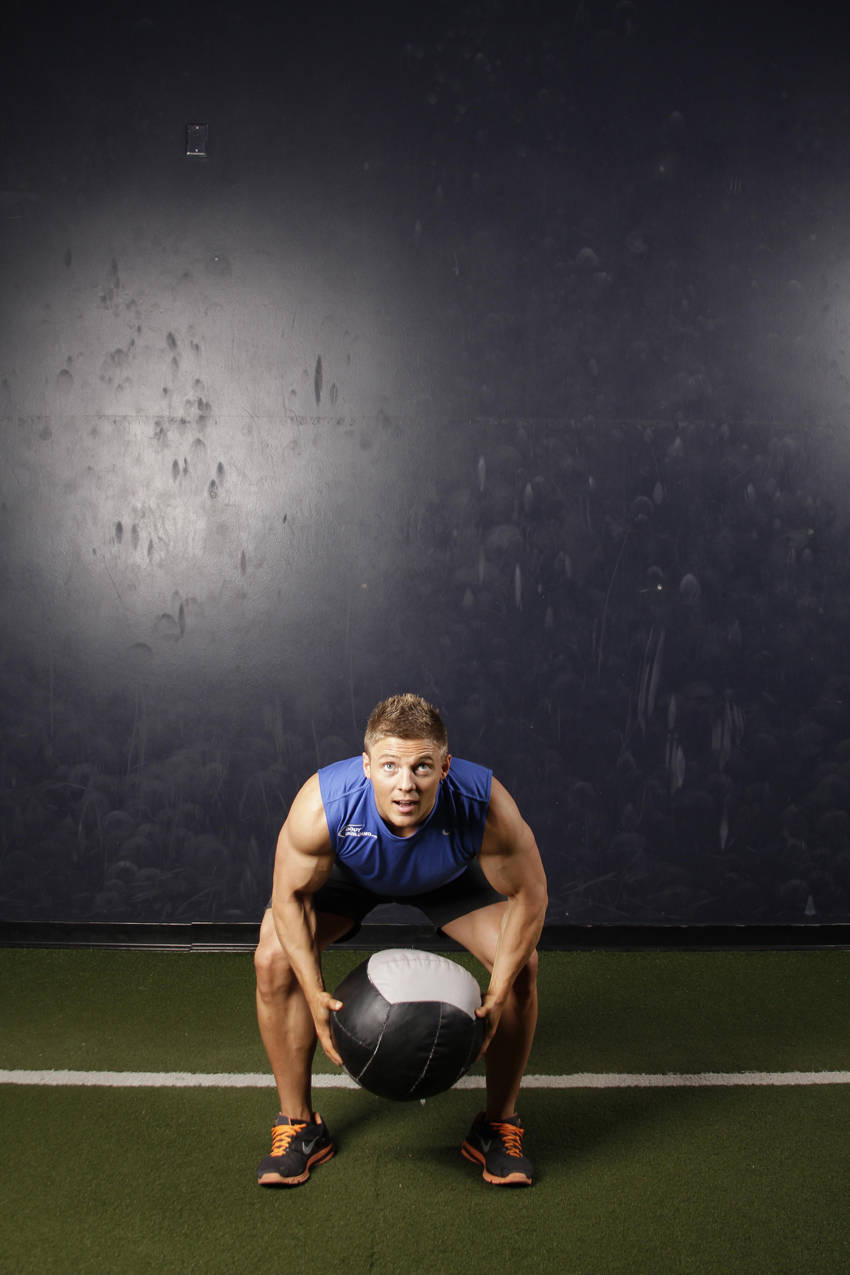
3. Backward Medicine Ball Throw
83% match- Delts
- Medicine-ball
- Intermediate
- Compound
How to perform this exercise
- This exercise is best done with a partner. If you lack a partner, the ball can be thrown and retrieved or thrown against a wall.
- Begin standing a few meters in front of your partner, both facing the same direction. Begin holding the ball between your legs.
- Squat down and then forcefully reverse direction, coming to full extension and you toss the ball over your head to your partner.
- Your partner can then roll the ball back to you. Repeat for the desired number of repetitions.
Sets and reps: 3 or 4 sets of 6 to 10 reps.
Why this matches
- Primary muscle: delts, the same as Car Drivers
- Equipment: free weights, the same as Car Drivers
- Body position: standing, the same as Car Drivers
- Balance: easier to stay steady on than Car Drivers
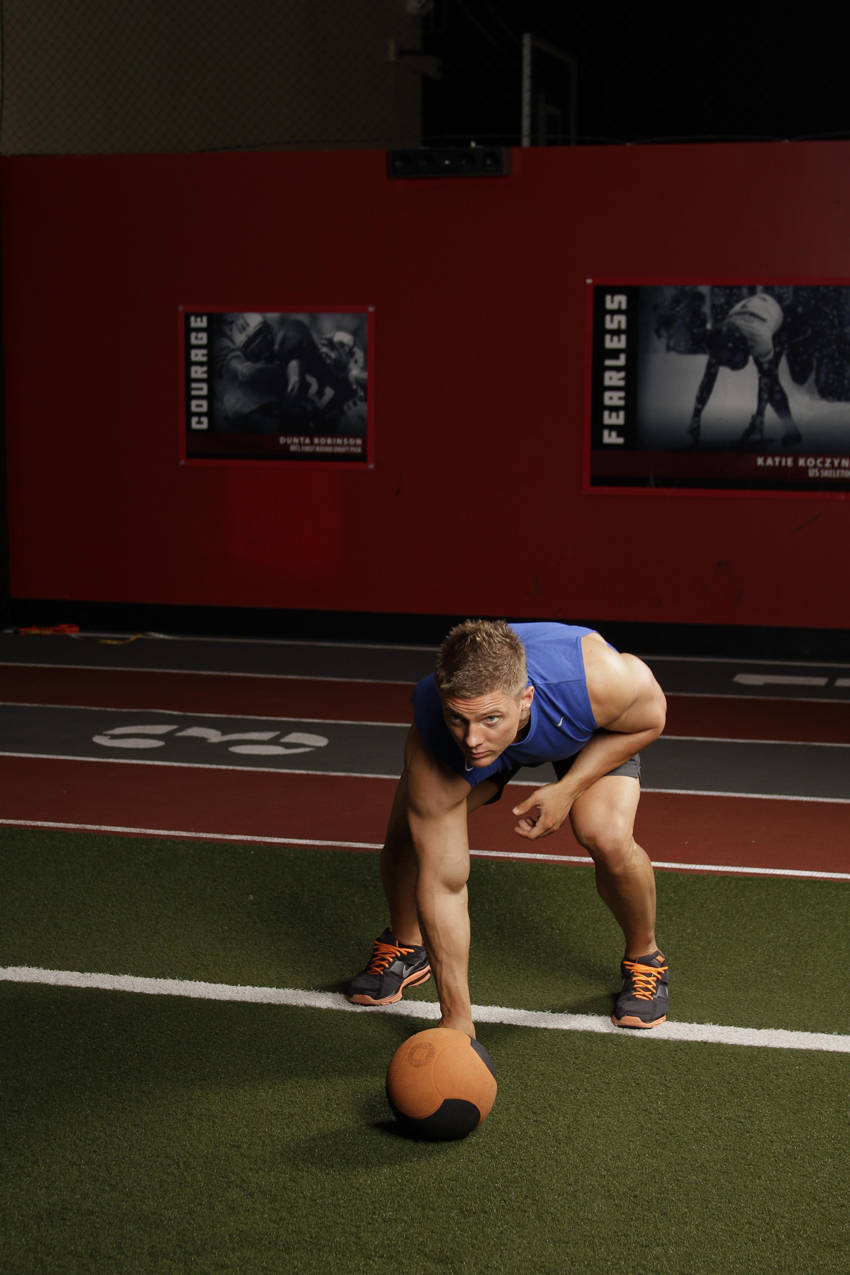
4. Chest Push From 3 Point Stance
81% match- Pectorals
- Medicine-ball
- Intermediate
- Compound
A looser match: it works the pectorals rather than the delts.
How to perform this exercise
- Begin in a three point stance, squatted down with your back flat and one hand on the ground. Place the medicine ball directly in front of you.
- To begin, take your first step as you pull the ball to your chest, positioning both hands to prepare for the throw.
- As you execute the second step, explosively release the ball forward as hard as possible.
Sets and reps: 3 or 4 sets of 6 to 10 reps on each side.
Why this matches
- Primary muscle: pectorals, not delts
- Equipment: free weights, the same as Car Drivers
- Body position: standing, the same as Car Drivers
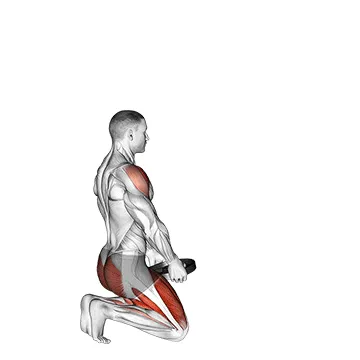
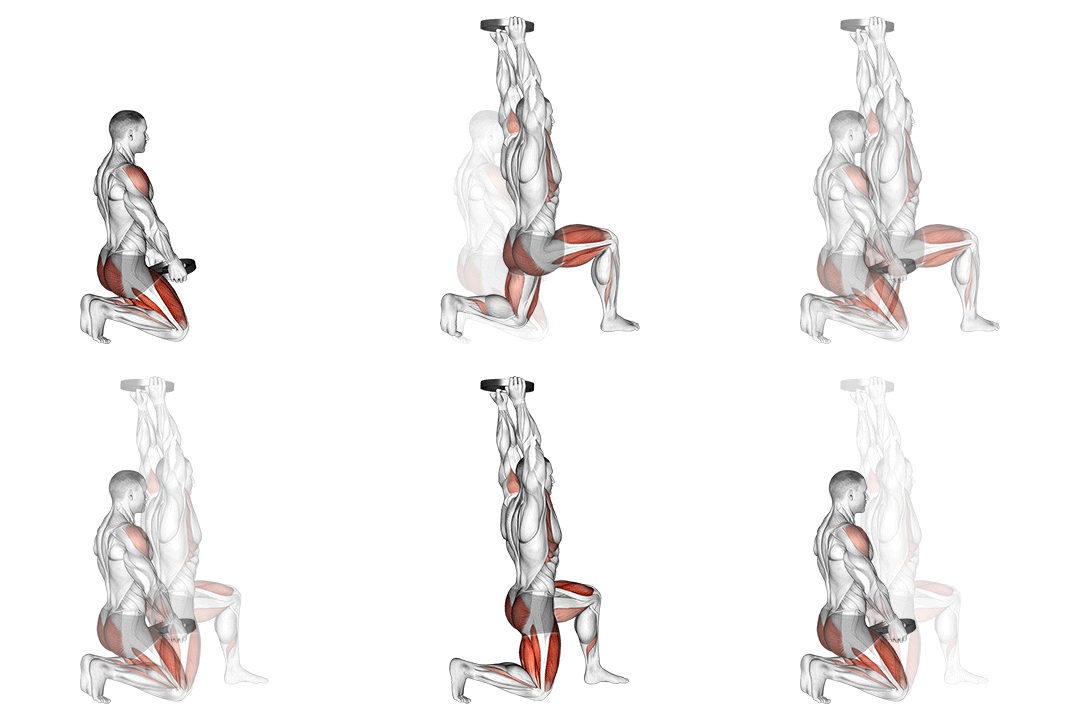
5. Weighted Kneeling Step With Swing
80% match- Delts
- Weighted
- Intermediate
- Compound
A straight swap when you want to keep working the delts.
How to perform this exercise
- Start in a kneeling position with your knees hip-width apart and your back straight.
- Hold a weight in each hand, with your arms extended straight down in front of you.
- Engage your core and swing the weights up and overhead, keeping your arms straight.
- Lower the weights back down to the starting position and repeat for the desired number of repetitions.
Sets and reps: 3 or 4 sets of 6 to 10 reps on each side.
Why this matches
- Primary muscle: delts, the same as Car Drivers
- Equipment: free weights, the same as Car Drivers
- Body position: kneeling, not standing
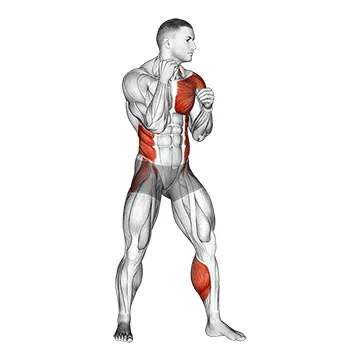
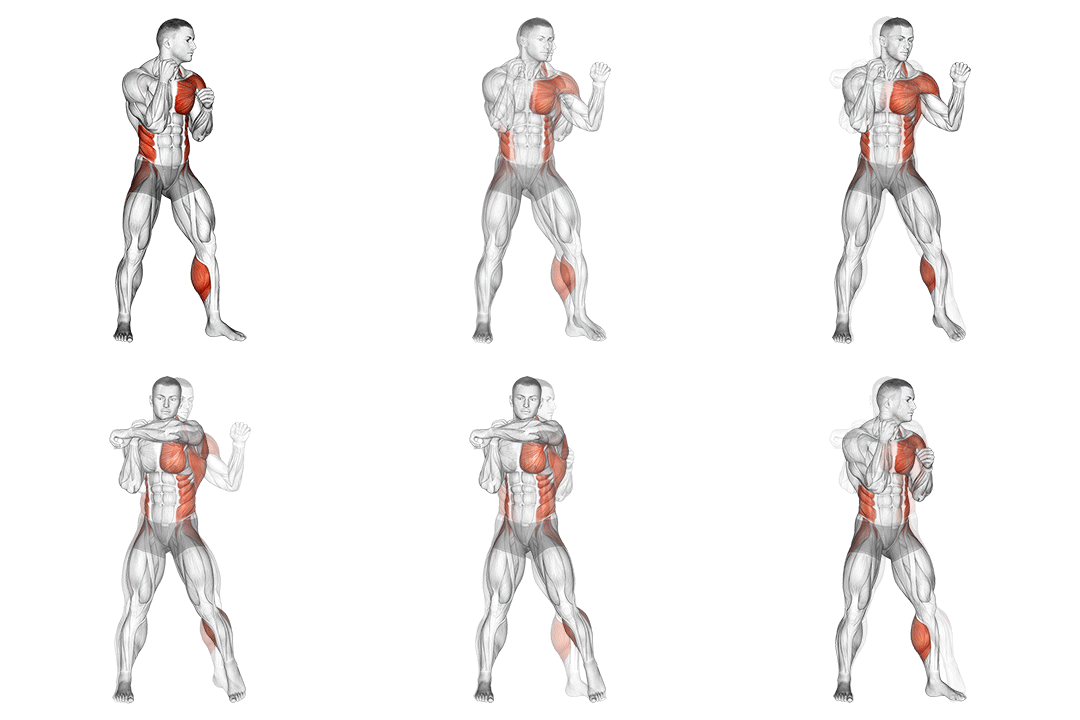
6. Left Hook. Boxing
78% match- Delts
- Bodyweight
- Intermediate
- Compound
Use this when you have nothing to train with, because it works the delts with bodyweight alone.
How to perform this exercise
- Stand with your feet shoulder-width apart and your knees slightly bent.
- Keep your left hand up to protect your face and your right hand by your chin.
- Rotate your hips and pivot on your left foot as you extend your left arm forward in a punching motion.
- Twist your torso and engage your core muscles to generate power in the punch.
- Snap your arm back to the starting position and repeat for the desired number of repetitions.
Sets and reps: 3 or 4 sets of 6 to 10 reps on each side.
Why this matches
- Primary muscle: delts, the same as Car Drivers
- Equipment: bodyweight only, not free weights
- Body position: standing, the same as Car Drivers
Progression
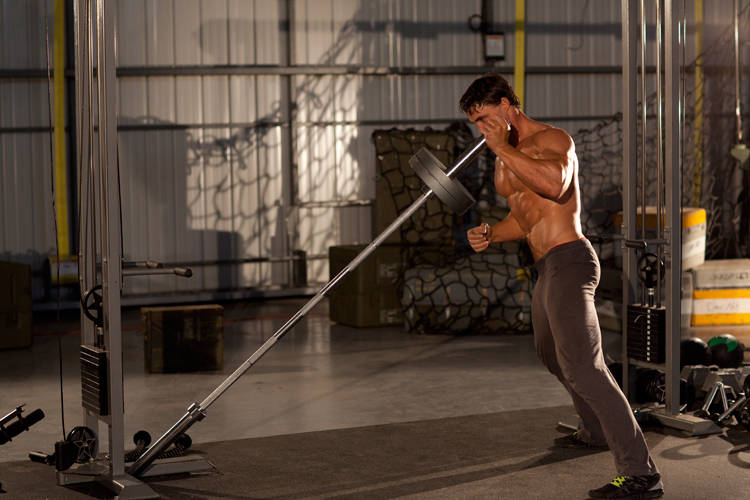
7. Single-arm Linear Jammer
78% match- Delts
- Barbell
- Advanced
- Compound
Pick this when you want a harder version that still works the delts.
How to perform this exercise
- Position a bar into a landmine or securely anchor it in a corner. Load the bar to an appropriate weight.
- Raise the bar from the floor, taking it to your shoulders with one or both hands. Adopt a wide stance. This will be your starting position.
- Perform the movement by extending the elbow, pressing the weight up. Move explosively, extending the hips and knees fully to produce maximal force.
- Return to the starting position.
Sets and reps: 3 to 5 sets of 5 to 8 reps on each side.
Why this matches
- Primary muscle: delts, the same as Car Drivers
- Equipment: free weights, the same as Car Drivers
- Body position: standing, the same as Car Drivers
8. Heavy Bag Thrust
75% match- Pectorals
- Other
- Intermediate
- Compound
How to perform this exercise
- Utilize a heavy bag for this exercise. Assume an upright stance next to the bag, with your feet staggered, fairly wide apart. Place your hand on the bag at about chest height. This will be your starting position.
- Begin by twisting at the waist, pushing the bag forward as hard as possible. Perform this move quickly, pushing the bag away from your body.
- Receive the bag as it swings back by reversing these steps.
Sets and reps: 3 or 4 sets of 6 to 10 reps.
Why this matches
- Primary muscle: pectorals, not delts
- Body position: standing, the same as Car Drivers
- Balance: easier to stay steady on than Car Drivers
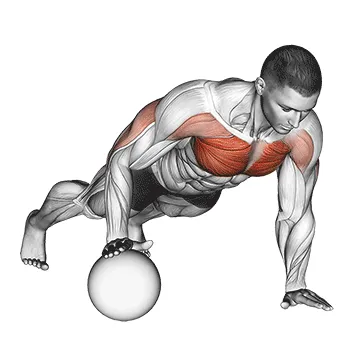
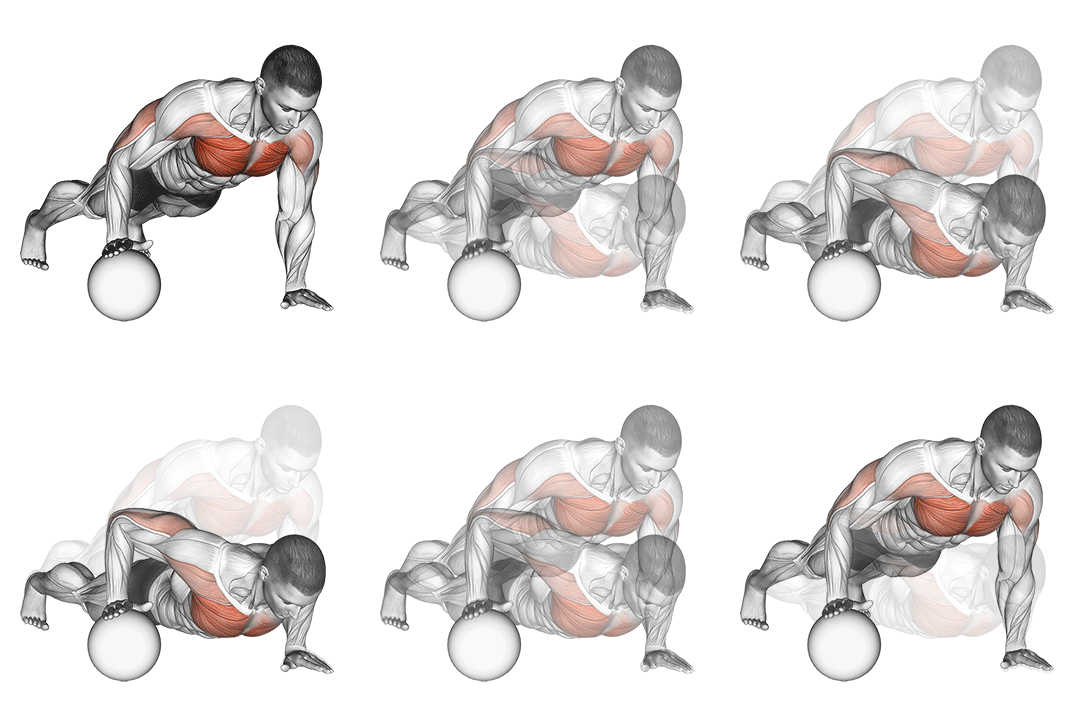
9. Push-up Medicine Ball
75% match- Pectorals
- Medicine-ball
- Intermediate
- Compound
How to perform this exercise
- Start in a high plank position with your hands on the medicine ball, shoulder-width apart.
- Engage your core and lower your body towards the ground by bending your elbows, keeping your back straight.
- Push through your palms to extend your arms and return to the starting position.
- Repeat for the desired number of repetitions.
Sets and reps: 3 or 4 sets of 6 to 10 reps on each side.
Why this matches
- Primary muscle: pectorals, not delts
- Equipment: free weights, the same as Car Drivers
- Body position: lying face down, not standing
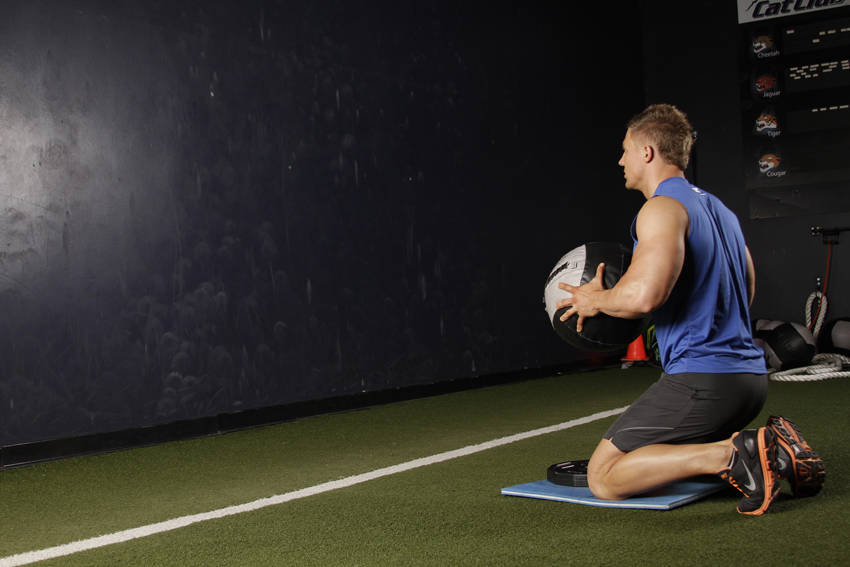
10. Chest Push (Multiple Response)
74% match- Pectorals
- Medicine-ball
- Intermediate
- Compound
How to perform this exercise
- Begin in a kneeling position facing a wall or utilize a partner. Hold the ball with both hands tight into the chest.
- Execute the pass by exploding forward and outward with the hips while pushing the ball as hard as possible.
- Follow through by falling forward, catching yourself with your hands.
- Immediately return to an upright position. Repeat for the desired number of repetitions.
Sets and reps: 3 or 4 sets of 6 to 10 reps.
Why this matches
- Primary muscle: pectorals, not delts
- Equipment: free weights, the same as Car Drivers
- Body position: standing, the same as Car Drivers
Car Drivers FAQ
What muscles does Car Drivers work?
Car Drivers primarily target the deltoids, especially the lateral and anterior heads, while recruiting the upper trapezius, triceps, and scapular stabilizers. The compound movement produces shoulder abduction and flexion torque, so the rotator cuff and serratus anterior also work to stabilize the humeral head during the lift.
Find Alternatives for Any Exercise
Search the exercise database and filter the ranked substitutes by the equipment you own.
Similarity scores compare exercise metadata such as movement pattern, muscles, equipment and body position. They are not a safety rating or a check that you own the equipment. Learn about our methodology