

10 Best Dumbbell Seated One Arm Rotate Alternatives for Home and Gym
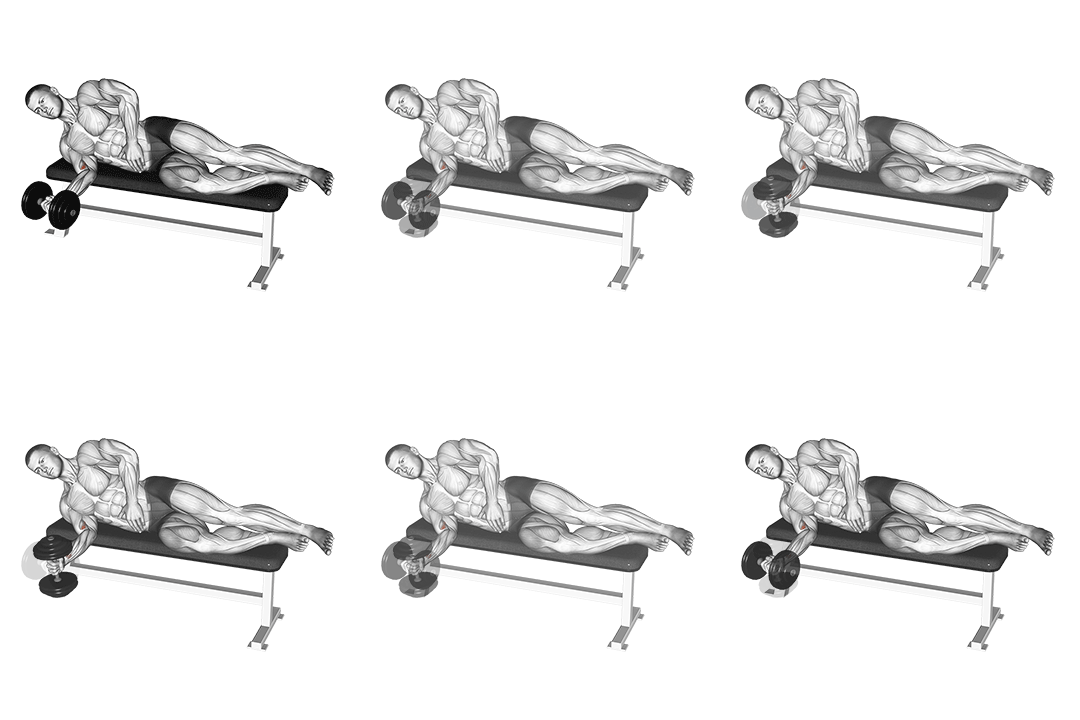
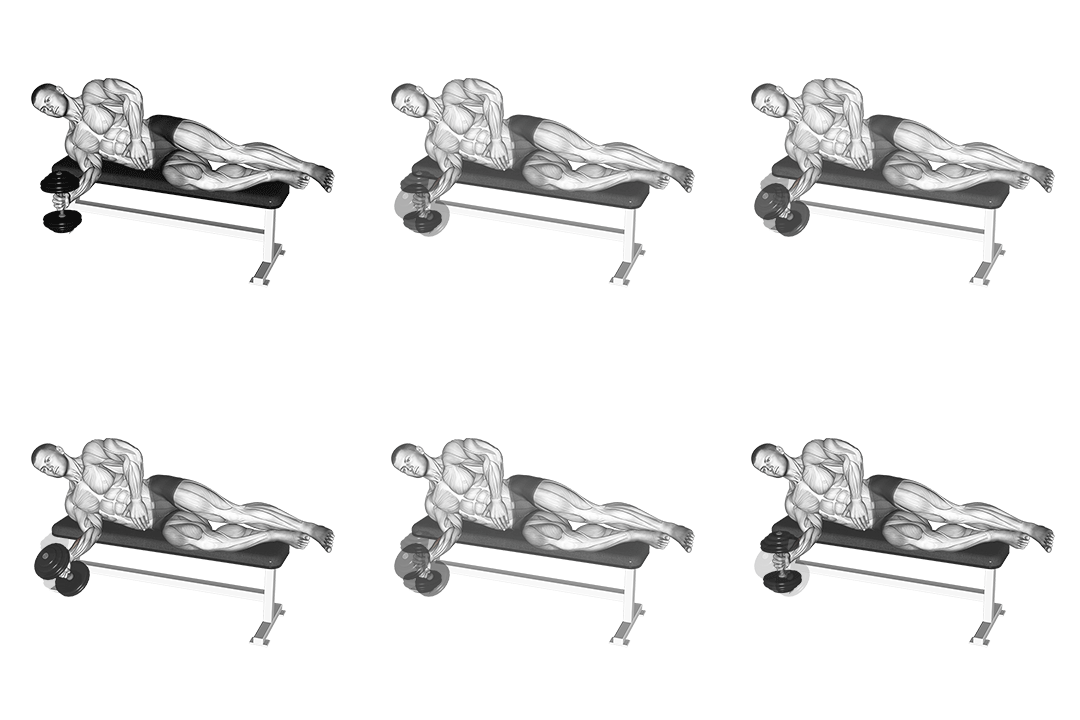
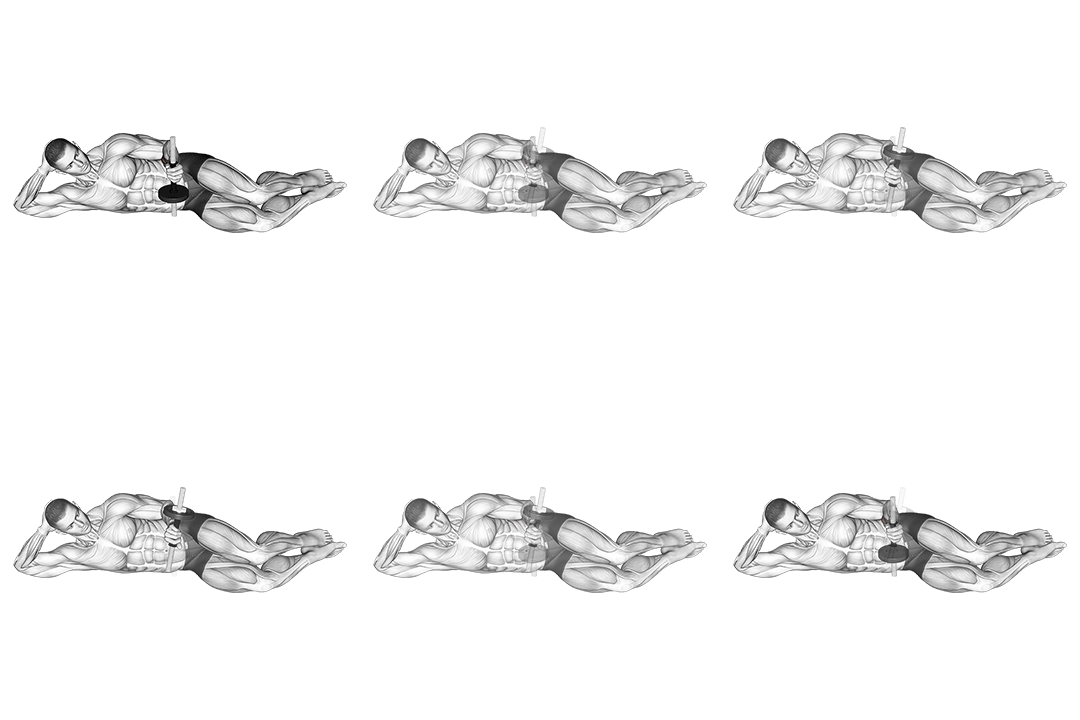
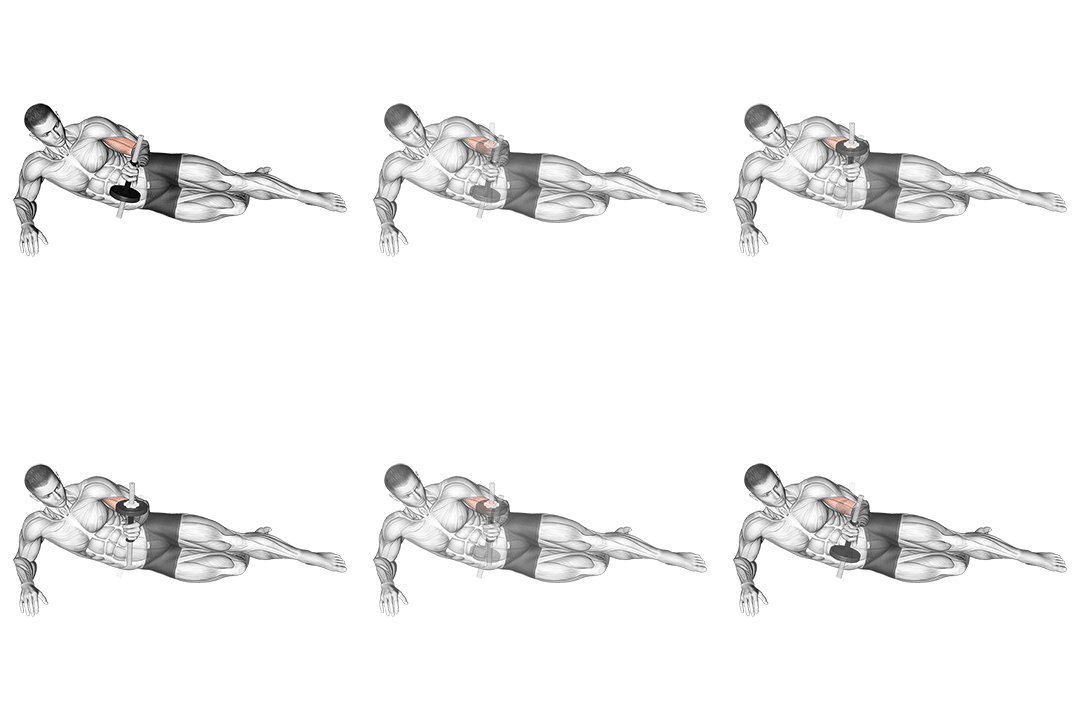
The Dumbbell Seated One Arm Rotate is done seated with dumbbells. Ranked closest by our scoring: the Dumbbell Lying Pronation, the Dumbbell Lying Supination and the Dumbbell Lying Pronation On Floor.
Updated Ranked by our 12-factor similarity model How it works
Original Exercise: Dumbbell Seated One Arm Rotate
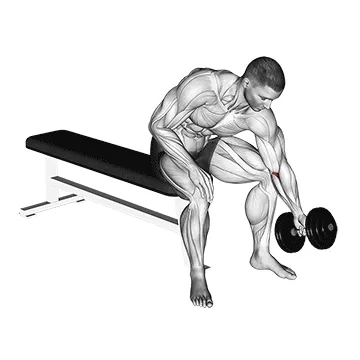
- Primary muscle
- Forearms
- Equipment
- Dumbbell
- Difficulty
- Beginner
- Type
- Isolation
Secondary muscles: Shoulders, Biceps
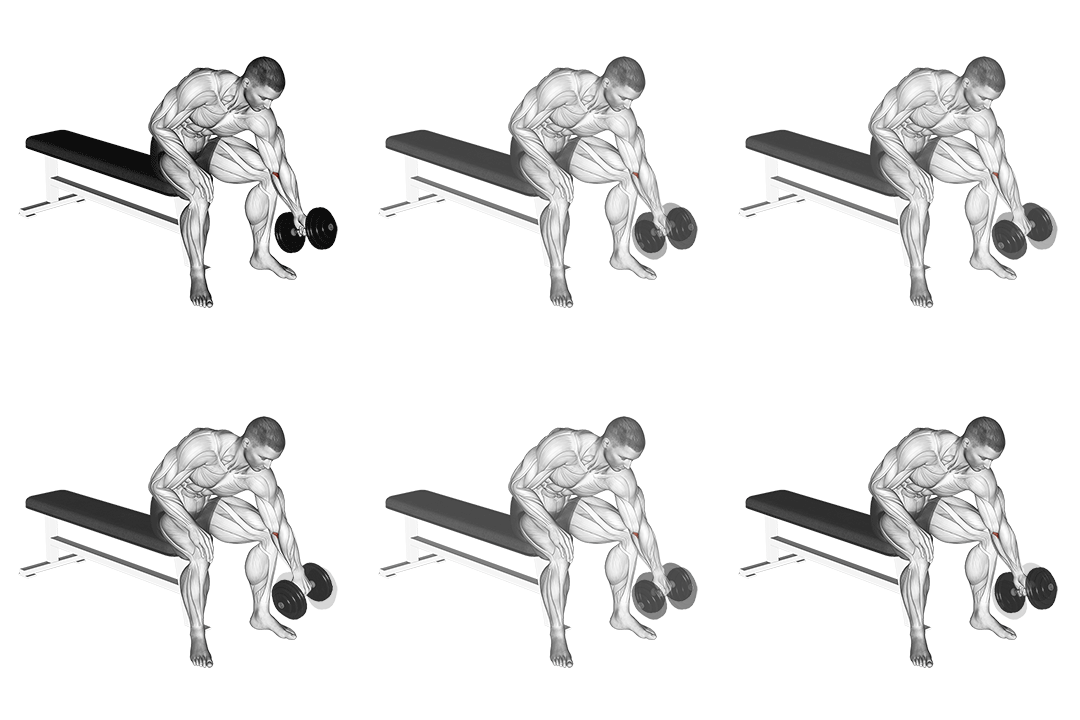
How to perform Dumbbell Seated One Arm Rotate
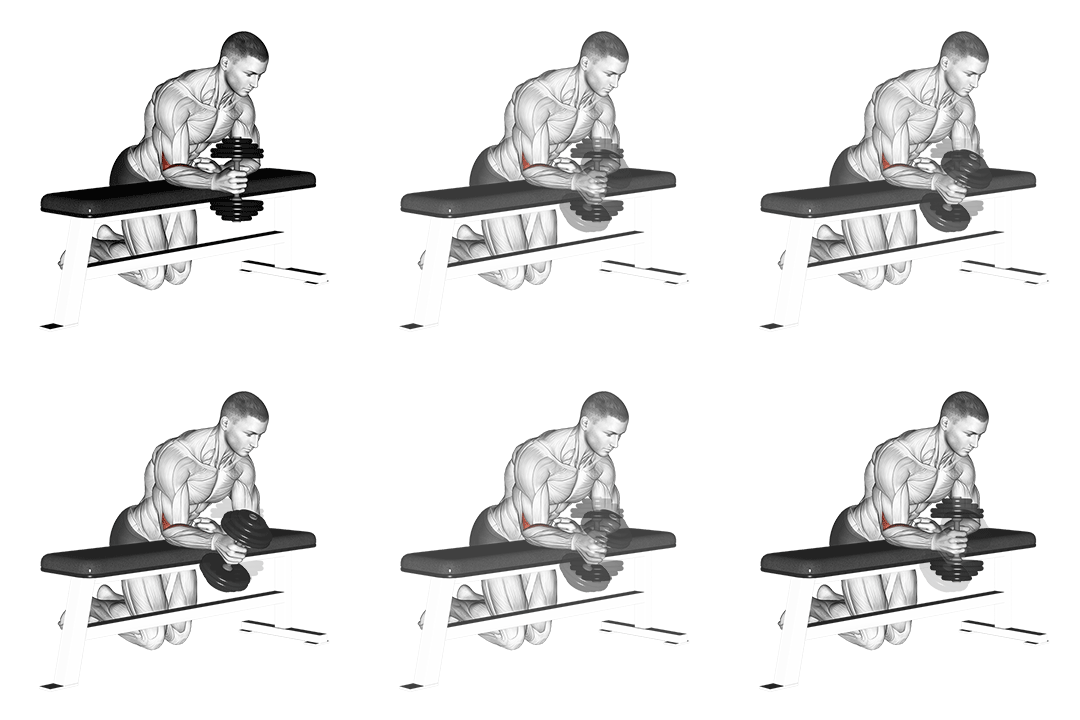
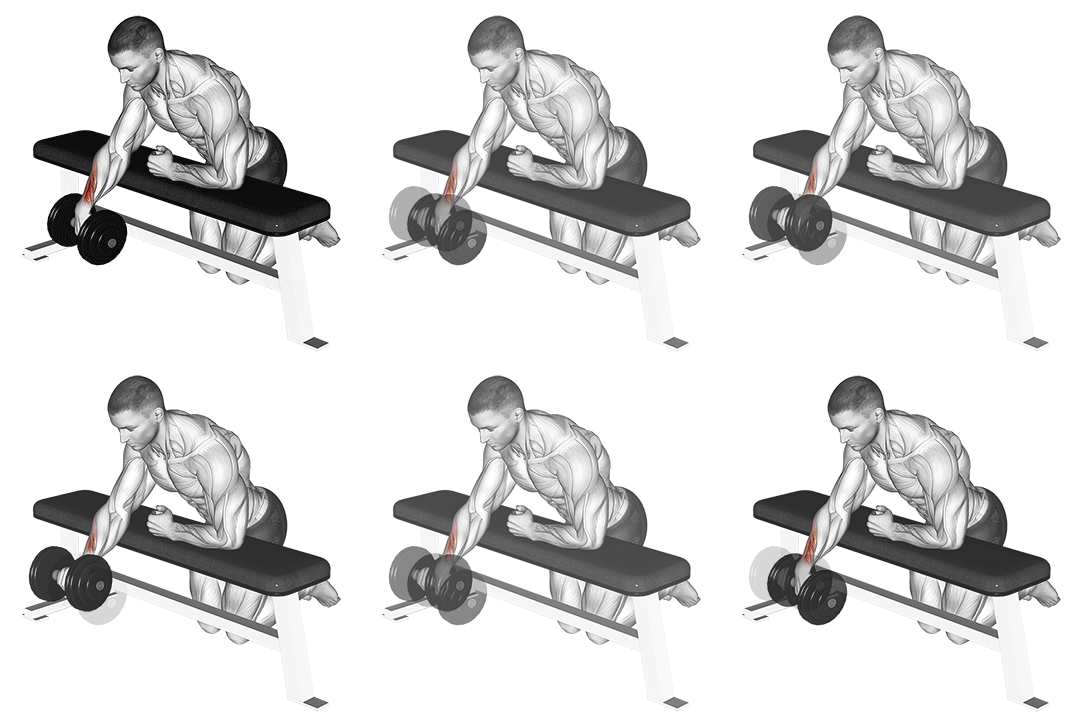
- Sit on a bench with your back straight and hold a dumbbell in one hand, resting it on your thigh.
- Raise the dumbbell up to shoulder height, keeping your elbow close to your body.
- Rotate your forearm outward, away from your body, while keeping your upper arm stationary.
- Pause for a moment at the top, then slowly rotate your forearm back to the starting position.
- Repeat for the desired number of repetitions, then switch to the other arm.
Ranked Dumbbell Seated One Arm Rotate Alternatives
10 substitutes, ranked by how closely each one matches the Dumbbell Seated One Arm Rotate on movement pattern, muscles worked, equipment and body position. The higher the score, the less you change. Open "How to perform this exercise" on a card for the steps; every card title links to that exercise's own alternatives page.
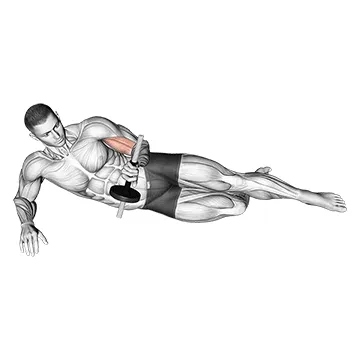
Best match 1. Dumbbell Lying Pronation
92% match- Forearms
- Dumbbell
- Beginner
- Isolation
Pick this when you want an easier version that still works the forearms.
How to perform this exercise
- Lie flat on a bench with your chest facing down and your arms extended straight down, holding a dumbbell in each hand.
- Rotate your palms so they are facing up.
- Keeping your upper arms stationary, exhale and curl the dumbbells as you rotate your palms to face down.
- Inhale and slowly lower the dumbbells back to the starting position.
- Repeat for the desired number of repetitions.
Sets and reps: 3 sets of 10 to 15 reps on each side.
Why this matches
- Primary muscle: forearms, the same as the Dumbbell Seated One Arm Rotate
- Equipment: free weights, the same as the Dumbbell Seated One Arm Rotate
- Body position: lying on your back, not seated
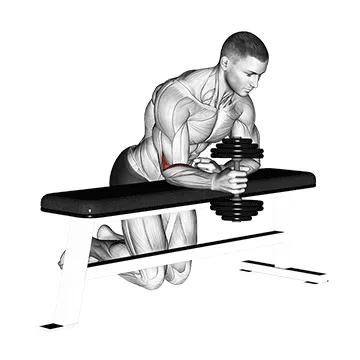
2. Dumbbell Lying Supination
92% match- Forearms
- Dumbbell
- Beginner
- Isolation
How to perform this exercise
- Lie flat on a bench with your feet flat on the ground.
- Hold a dumbbell in each hand with your palms facing up and your arms fully extended.
- Keeping your upper arms stationary, curl the dumbbells towards your shoulders by contracting your forearms.
- Pause for a moment at the top, then slowly lower the dumbbells back to the starting position.
- Repeat for the desired number of repetitions.
Sets and reps: 3 sets of 10 to 15 reps on each side.
Why this matches
- Primary muscle: forearms, the same as the Dumbbell Seated One Arm Rotate
- Equipment: free weights, the same as the Dumbbell Seated One Arm Rotate
- Body position: lying on your back, not seated
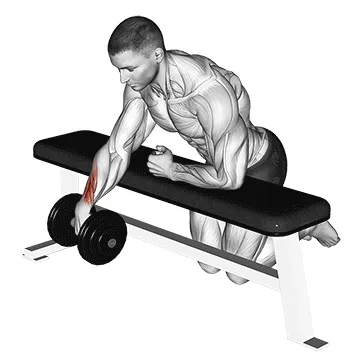
3. Dumbbell Lying Pronation On Floor
87% match- Forearms
- Dumbbell
- Beginner
- Isolation
How to perform this exercise
- Lie flat on the floor with your face down and your arms extended straight out in front of you, holding a dumbbell in each hand.
- Rotate your palms so they are facing down towards the floor.
- Keeping your arms straight, lift the dumbbells off the floor by contracting your forearms.
- Continue lifting until your forearms are fully contracted and the dumbbells are at shoulder level.
- Hold for a moment, then slowly lower the dumbbells back down to the starting position.
- Repeat for the desired number of repetitions.
Sets and reps: 3 sets of 10 to 15 reps on each side.
Why this matches
- Primary muscle: forearms, the same as the Dumbbell Seated One Arm Rotate
- Equipment: free weights, the same as the Dumbbell Seated One Arm Rotate
- Body position: lying on your back, not seated
- Forearms
- Dumbbell
- Beginner
- Isolation
How to perform this exercise
- Lie flat on your back on the floor with your legs extended and your arms by your sides, holding a dumbbell in each hand.
- Rotate your palms to face up, keeping your elbows close to your sides.
- Slowly curl the dumbbells towards your shoulders, squeezing your forearms.
- Pause for a moment at the top, then slowly lower the dumbbells back down to the starting position.
- Repeat for the desired number of repetitions.
Sets and reps: 3 sets of 10 to 15 reps on each side.
Why this matches
- Primary muscle: forearms, the same as the Dumbbell Seated One Arm Rotate
- Equipment: free weights, the same as the Dumbbell Seated One Arm Rotate
- Body position: lying on your back, not seated
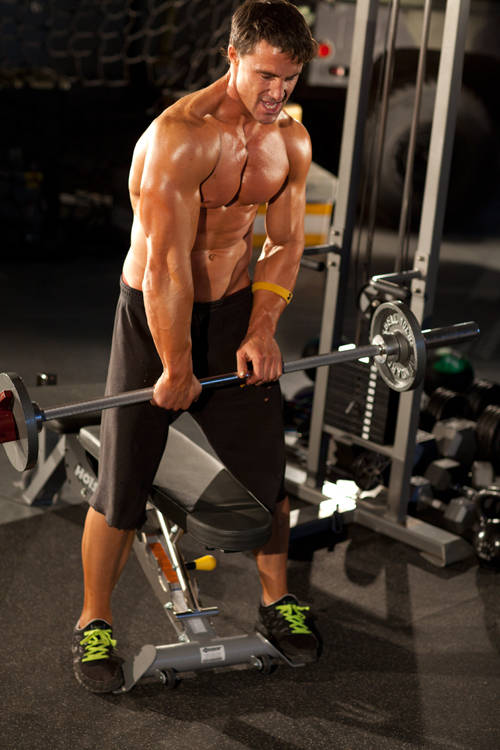
5. Wrist Rotations With Straight Bar
81% match- Forearms
- Barbell
- Beginner
- Isolation
A good swap when you have a barbell to work with, and it still works the forearms.
How to perform this exercise
- Hold a barbell with both hands and your palms facing down; hands spaced about shoulder width. This will be your starting position.
- Alternating between each of your hands, perform the movement by extending the wrist as though you were rolling up a newspaper. Continue alternating back and forth until failure.
- Reverse the motion by flexing the wrist, rolling the opposite direction. Continue the alternating motion until failure.
Sets and reps: 3 sets of 10 to 15 reps.
Why this matches
- Primary muscle: forearms, the same as the Dumbbell Seated One Arm Rotate
- Equipment: free weights, the same as the Dumbbell Seated One Arm Rotate
- Body position: standing, not seated
- Forearms
- Dumbbell
- Beginner
- Isolation
It uses the same equipment and still works the forearms.
How to perform this exercise
- Sit on a bench with a dumbbell in one hand and your arm extended over the bench, palm facing up.
- Keep your upper arm stationary and curl the dumbbell towards your shoulder, keeping your wrist in a neutral position.
- Pause for a moment at the top, then slowly lower the dumbbell back to the starting position.
- Repeat for the desired number of repetitions, then switch arms.
Sets and reps: 3 sets of 10 to 15 reps on each side.
Why this matches
- Primary muscle: forearms, the same as the Dumbbell Seated One Arm Rotate
- Equipment: free weights, the same as the Dumbbell Seated One Arm Rotate
- Body position: seated, the same as the Dumbbell Seated One Arm Rotate
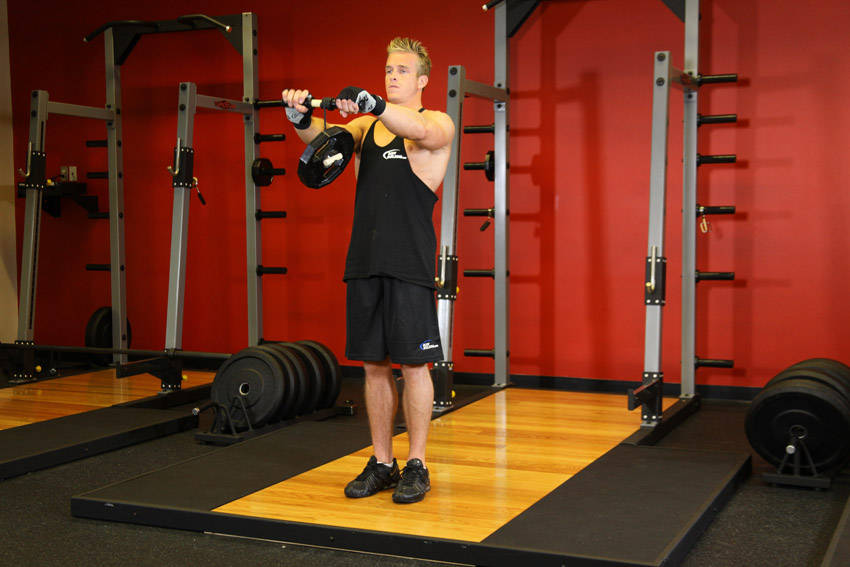
7. Wrist Roller
77% match- Forearms
- Other
- Intermediate
- Isolation
Pick this when you want a harder version that still works the forearms.
How to perform this exercise
- To begin, stand straight up grabbing a wrist roller using a pronated grip (palms facing down). Your feet should be shoulder width apart.
- Slowly lift both arms until they are fully extended and parallel to the floor in front of you. Note: Make sure the rope is not wrapped around the roller. Your entire body should be stationary except for the forearms. This is the starting position.
- Rotate one wrist at a time in an upward motion to bring the weight up to the bar by rolling the rope around the roller.
- Once the weight has reached the bar, slowly begin to lower the weight back down by rotating the wrist in a downward motion until the weight reaches the starting position.
- Repeat for the prescribed amount of repetitions in your program.
Sets and reps: 3 sets of 10 to 15 reps.
Why this matches
- Primary muscle: forearms, the same as the Dumbbell Seated One Arm Rotate
- Body position: standing, not seated
- Forearms
- Dumbbell
- Beginner
- Isolation
How to perform this exercise
- Sit on a bench with your feet flat on the ground and hold a dumbbell in one hand, palm facing down.
- Rest your forearm on the bench with your wrist hanging off the edge.
- Slowly curl your wrist upwards, bringing the dumbbell towards your forearm.
- Pause for a moment at the top, then slowly lower the dumbbell back down to the starting position.
- Repeat for the desired number of repetitions, then switch to the other arm.
Sets and reps: 3 sets of 10 to 15 reps on each side.
Why this matches
- Primary muscle: forearms, the same as the Dumbbell Seated One Arm Rotate
- Equipment: free weights, the same as the Dumbbell Seated One Arm Rotate
- Body position: seated, the same as the Dumbbell Seated One Arm Rotate
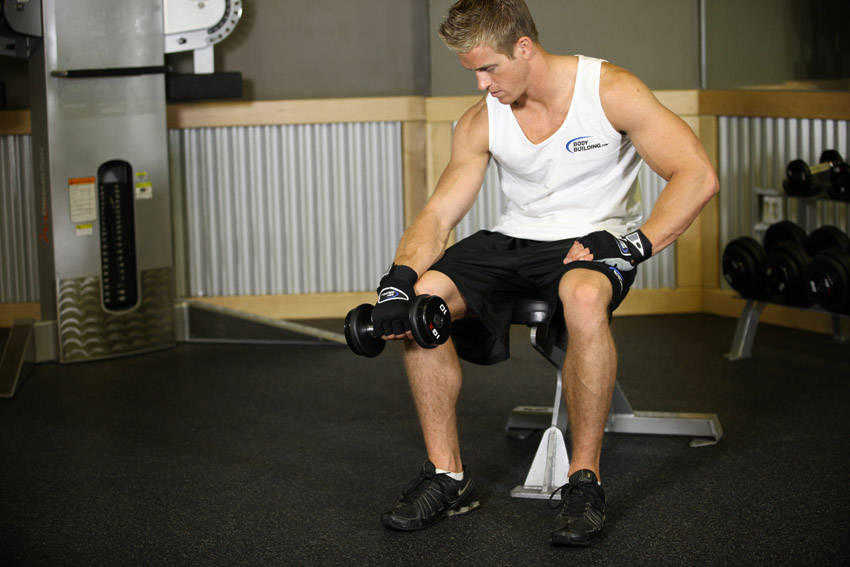
- Forearms
- Dumbbell
- Beginner
- Isolation
How to perform this exercise
- Sit on a flat bench with a dumbbell in your right hand.
- Place your feet flat on the floor, at a distance that is slightly wider than shoulder width apart.
- Lean forward and place your right forearm on top of your upper right thigh with your palm down. Tip: Make sure that the back of the wrist lies on top of your knees. This will be your starting position.
- Lower the dumbbell as far as possible as you keep a tight grip on the dumbbell. Inhale as you perform this movement.
- Now curl the dumbbell as high as possible as you contract the forearms and as you exhale. Keep the contraction for a second before you lower again. Tip: The only movement should happen at the wrist.
- Perform for the recommended amount of repetitions, switch arms and repeat the movement.
Sets and reps: 3 sets of 10 to 15 reps on each side.
Why this matches
- Primary muscle: forearms, the same as the Dumbbell Seated One Arm Rotate
- Equipment: free weights, the same as the Dumbbell Seated One Arm Rotate
- Body position: seated, the same as the Dumbbell Seated One Arm Rotate
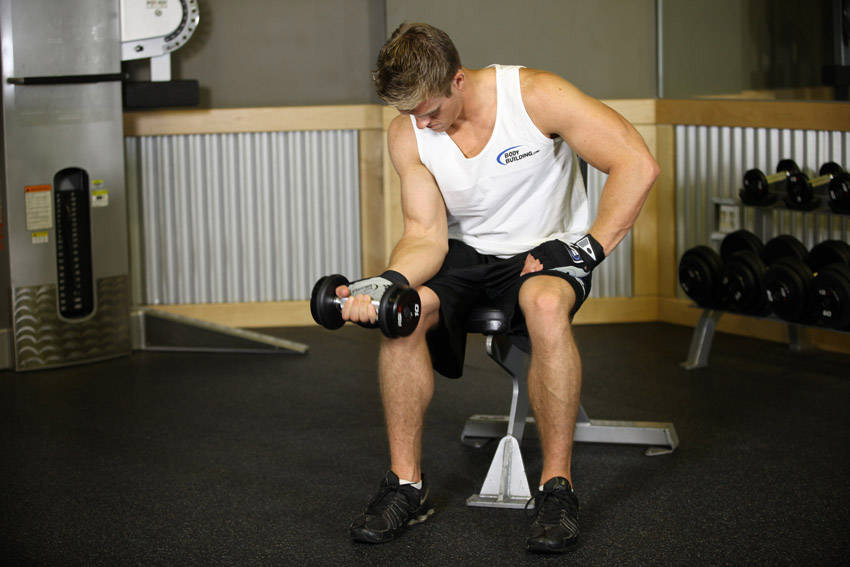
- Forearms
- Dumbbell
- Beginner
- Isolation
How to perform this exercise
- Sit on a flat bench with a dumbbell in your right hand.
- Place your feet flat on the floor, at a distance that is slightly wider than shoulder width apart.
- Lean forward and place your right forearm on top of your upper right thigh with your palm up. Tip: Make sure that the front of the wrist lies on top of your knees. This will be your starting position.
- Lower the dumbbell as far as possible as you keep a tight grip on the dumbbell. Inhale as you perform this movement.
- Now curl the dumbbell as high as possible as you contract the forearms and as you exhale. Keep the contraction for a second before you lower again. Tip: The only movement should happen at the wrist.
- Perform for the recommended amount of repetitions, switch arms and repeat the movement.
Sets and reps: 3 sets of 10 to 15 reps on each side.
Why this matches
- Primary muscle: forearms, the same as the Dumbbell Seated One Arm Rotate
- Equipment: free weights, the same as the Dumbbell Seated One Arm Rotate
- Body position: seated, the same as the Dumbbell Seated One Arm Rotate
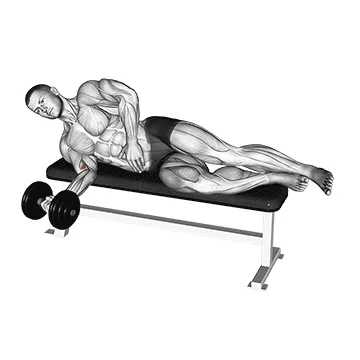
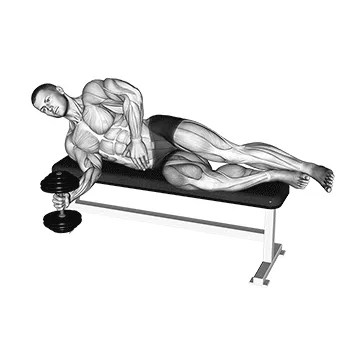
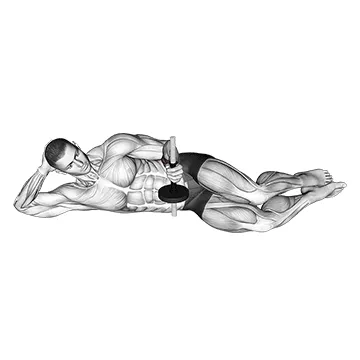
How to Choose the Right Dumbbell Seated One Arm Rotate Substitute
Pick a substitute based on the movement pattern, loading needs, and any joint limitations. If you want rotational strength, choose slow pronation/supination or a wrist roller and perform 3-second concentric rotations to maximize supinator recruitment. For pure flexor hypertrophy, use seated wrist curls with a full wrist flexion and controlled eccentric. If you lack equipment, fingertip holds or heavy carries increase isometric forearm activation. Always match range of motion and tempo to preserve muscle activation and avoid positions that provoke wrist or distal radioulnar joint stress.
Dumbbell Seated One Arm Rotate FAQ
What muscles does Dumbbell Seated One Arm Rotate work?
The move emphasizes forearm musculature, brachioradialis, pronator teres, supinator, and wrist flexors/extensors. Performing slow rotational reps through full supination and pronation recruits stabilizers and increases forearm torque capacity.
Find Alternatives for Any Exercise
Search the exercise database and filter the ranked substitutes by the equipment you own.
Similarity scores compare exercise metadata such as movement pattern, muscles, equipment and body position. They are not a safety rating or a check that you own the equipment. Learn about our methodology