

10 Best Dumbbell Seated Alternate Shoulder Alternatives for Home Gyms
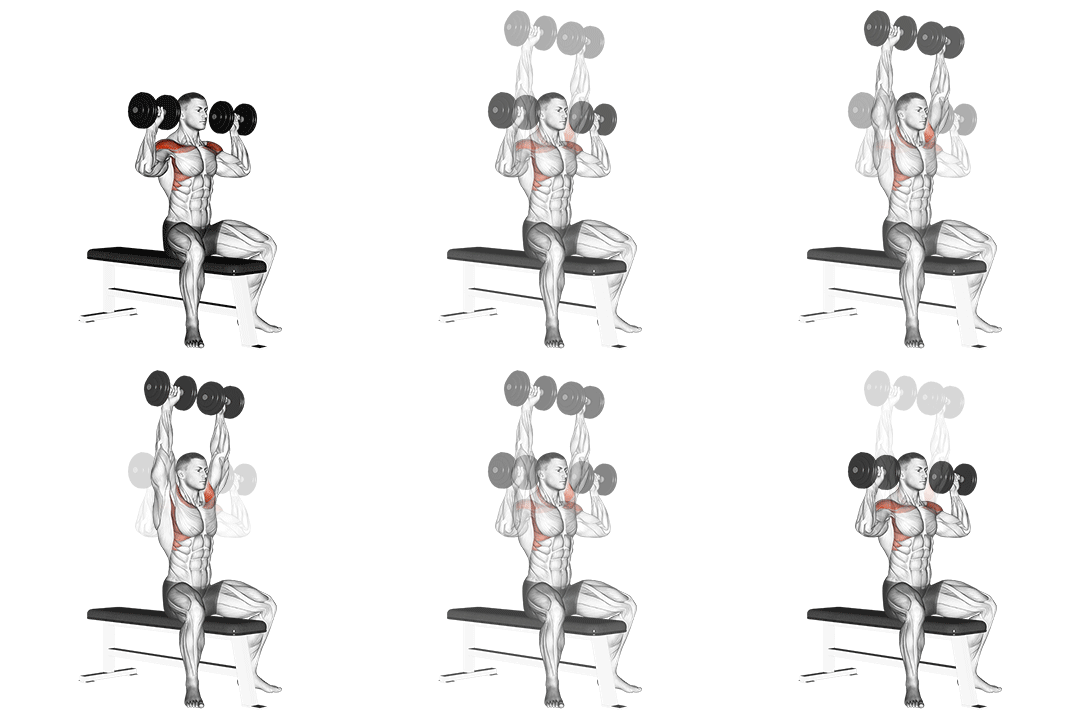
The Dumbbell Seated Alternate Shoulder is done seated with dumbbells. Ranked closest by our scoring: the Barbell Thruster, the Kettlebell Thruster and the Dumbbell Seated Alternate Press.
Updated Ranked by our 12-factor similarity model How it works
Original Exercise: Dumbbell Seated Alternate Shoulder
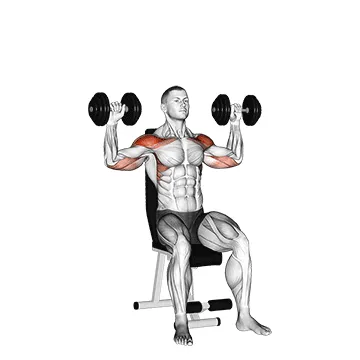
- Primary muscle
- Delts
- Equipment
- Dumbbell
- Difficulty
- Intermediate
- Type
- Compound
Secondary muscles: Triceps, Upper Back
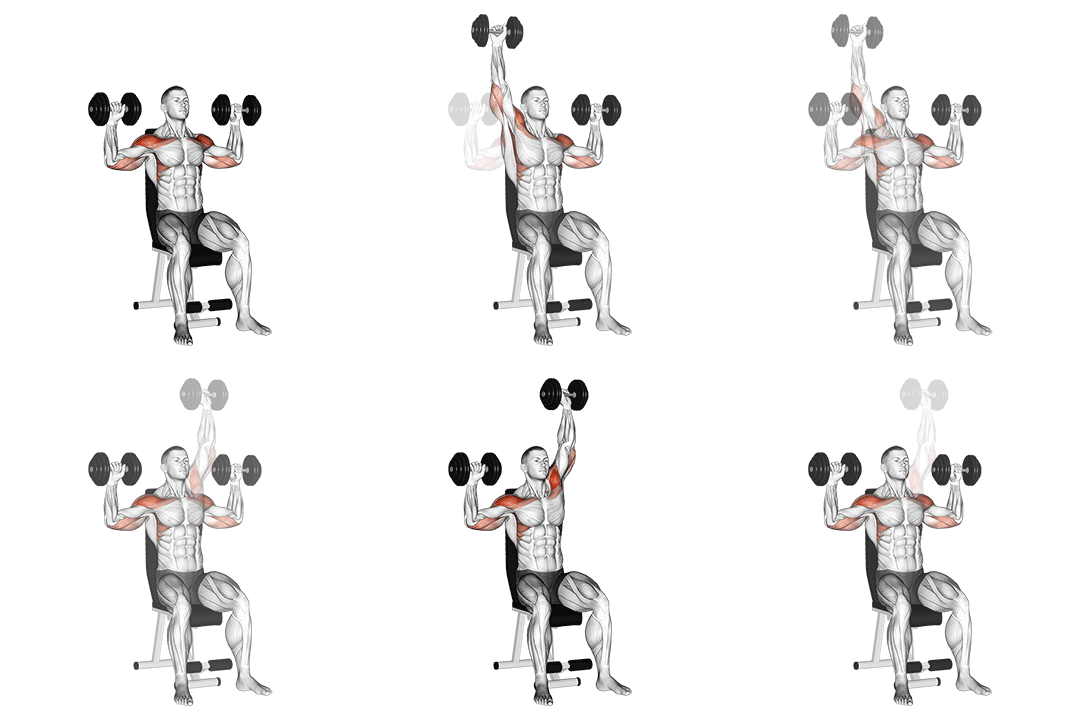
How to perform Dumbbell Seated Alternate Shoulder
- Sit on a bench with your back straight and feet flat on the ground.
- Hold a dumbbell in each hand, palms facing inwards, and raise them to shoulder height.
- Press one dumbbell up overhead while keeping the other dumbbell at shoulder height.
- Lower the raised dumbbell back to shoulder height while simultaneously pressing the other dumbbell up overhead.
- Continue alternating between arms for the desired number of repetitions.
Ranked Dumbbell Seated Alternate Shoulder Alternatives
10 substitutes, ranked by how closely each one matches the Dumbbell Seated Alternate Shoulder on movement pattern, muscles worked, equipment and body position. The higher the score, the less you change. Open "How to perform this exercise" on a card for the steps; every card title links to that exercise's own alternatives page.
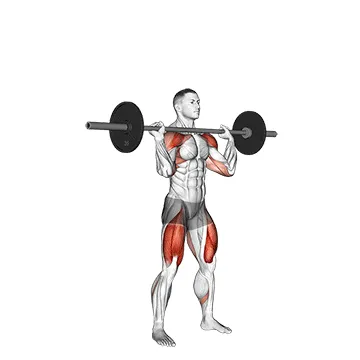
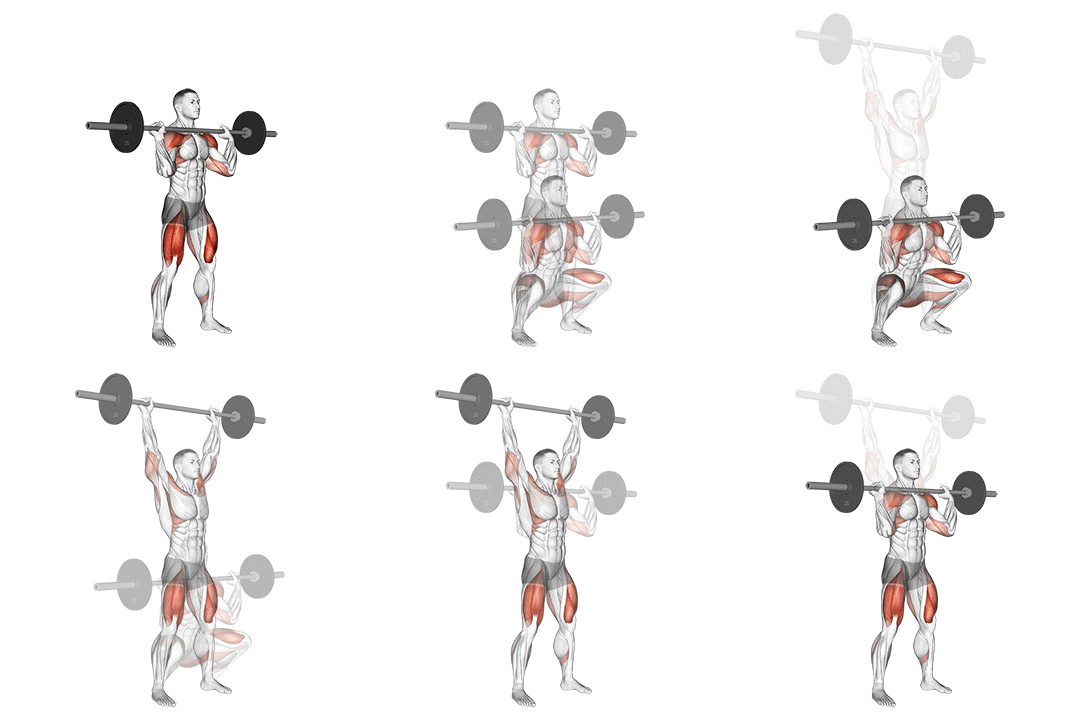
Best match 1. Barbell Thruster
82% match- Delts
- Barbell
- Intermediate
- Compound
A good swap when you have a barbell to work with, and it still works the delts.
How to perform this exercise
- Start by standing with your feet shoulder-width apart, holding a barbell at shoulder height with an overhand grip.
- Lower into a squat position by bending your knees and pushing your hips back.
- As you reach the bottom of the squat, explosively drive through your heels to stand up, simultaneously pressing the barbell overhead.
- Lower the barbell back to shoulder height as you lower back into the squat position.
- Repeat for the desired number of repetitions.
Sets and reps: 3 or 4 sets of 6 to 10 reps.
Why this matches
- Primary muscle: delts, the same as the Dumbbell Seated Alternate Shoulder
- Equipment: free weights, the same as the Dumbbell Seated Alternate Shoulder
- Body position: standing, not seated
- Balance: harder to stay steady on than the Dumbbell Seated Alternate Shoulder
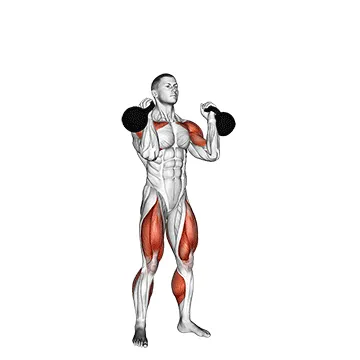
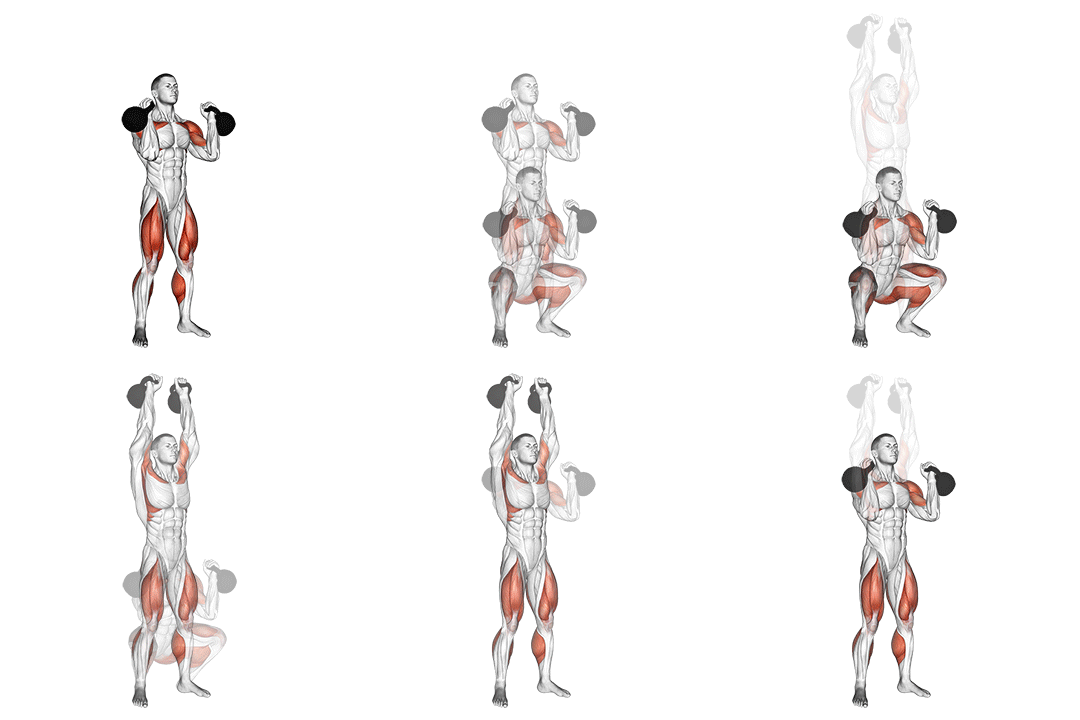
2. Kettlebell Thruster
78% match- Delts
- Kettlebell
- Intermediate
- Compound
A good swap when you have a kettlebell to work with, and it still works the delts.
How to perform this exercise
- Start by standing with your feet shoulder-width apart, holding a kettlebell in front of your chest with both hands, palms facing each other.
- Lower into a squat position by bending your knees and pushing your hips back, keeping your chest up and your back straight.
- As you reach the bottom of the squat, explosively drive through your heels to stand up, simultaneously pressing the kettlebell overhead.
- Lock out your arms at the top of the movement, fully extending your elbows.
- Lower the kettlebell back to the starting position by reversing the movement, bending your elbows and lowering the weight back to your chest.
- Repeat for the desired number of repetitions.
Sets and reps: 3 or 4 sets of 6 to 10 reps.
Why this matches
- Primary muscle: delts, the same as the Dumbbell Seated Alternate Shoulder
- Equipment: free weights, the same as the Dumbbell Seated Alternate Shoulder
- Body position: standing, not seated
- Balance: harder to stay steady on than the Dumbbell Seated Alternate Shoulder
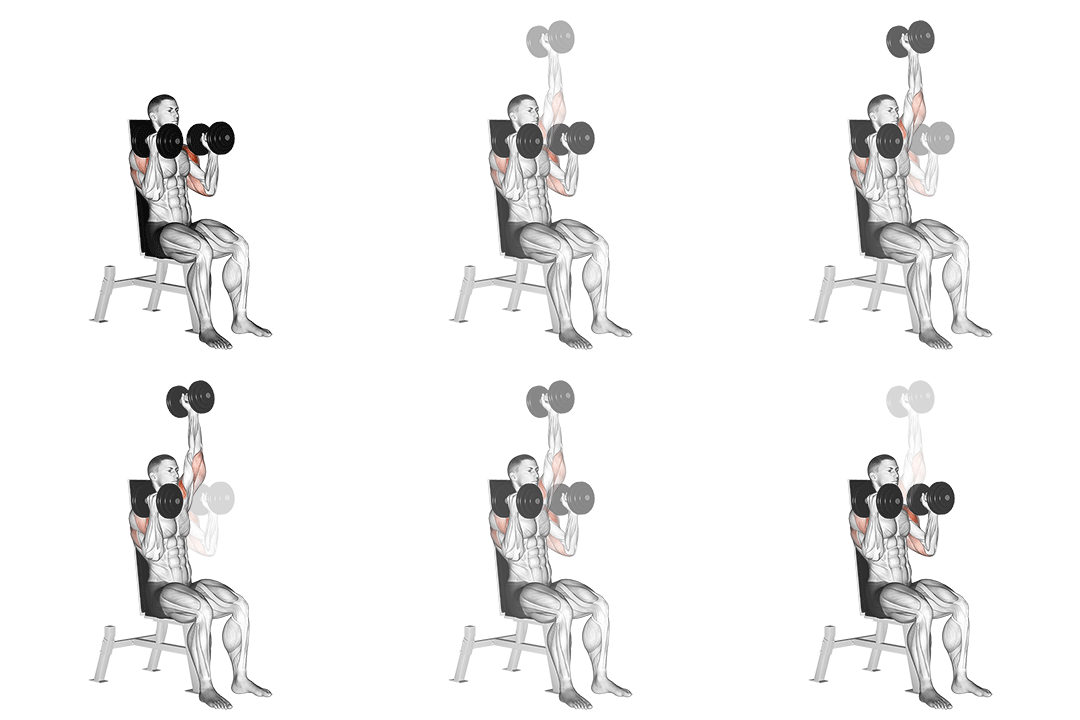
3. Dumbbell Seated Alternate Press
74% match- Delts
- Dumbbell
- Intermediate
- Compound
It still works the delts, through a different movement.
How to perform this exercise
- Sit on a bench with a dumbbell in each hand, palms facing forward.
- Raise the dumbbells to shoulder height, with your elbows bent and palms facing forward.
- Press one dumbbell up overhead, fully extending your arm.
- Lower the dumbbell back down to shoulder height.
- Repeat with the other arm.
- Continue alternating arms for the desired number of repetitions.
Sets and reps: 3 or 4 sets of 6 to 10 reps on each side.
Why this matches
- Primary muscle: delts, the same as the Dumbbell Seated Alternate Shoulder
- Equipment: free weights, the same as the Dumbbell Seated Alternate Shoulder
- Body position: seated, the same as the Dumbbell Seated Alternate Shoulder
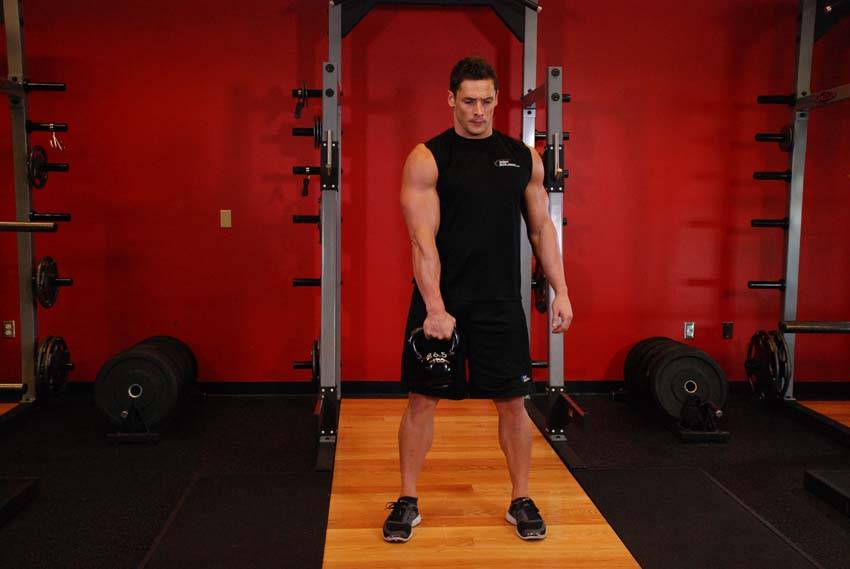
4. One-arm Kettlebell Split Snatch
74% match- Delts
- Kettlebell
- Advanced
- Compound
How to perform this exercise
- Hold a kettlebell in one hand by the handle.
- Squat towards the floor, and then reverse the motion, extending the hips, knees, and finally the ankles, to raise the kettlebell overhead.
- After fully extending the body, descend into a lunge position to receive the weights overhead, one leg forward and one leg back. Ensure you drive through with your hips and lock the ketttlebells overhead in one uninterrupted motion.
- Return to a standing position, holding the weight overhead, and bring the feet together. Lower the weight to return to the starting position.
Sets and reps: 3 to 5 sets of 5 to 8 reps on each side.
Why this matches
- Primary muscle: delts, the same as the Dumbbell Seated Alternate Shoulder
- Equipment: free weights, the same as the Dumbbell Seated Alternate Shoulder
- Body position: standing, not seated
- Balance: harder to stay steady on than the Dumbbell Seated Alternate Shoulder
- Delts
- Barbell
- Advanced
- Compound
How to perform this exercise
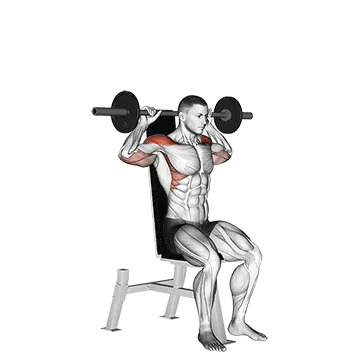
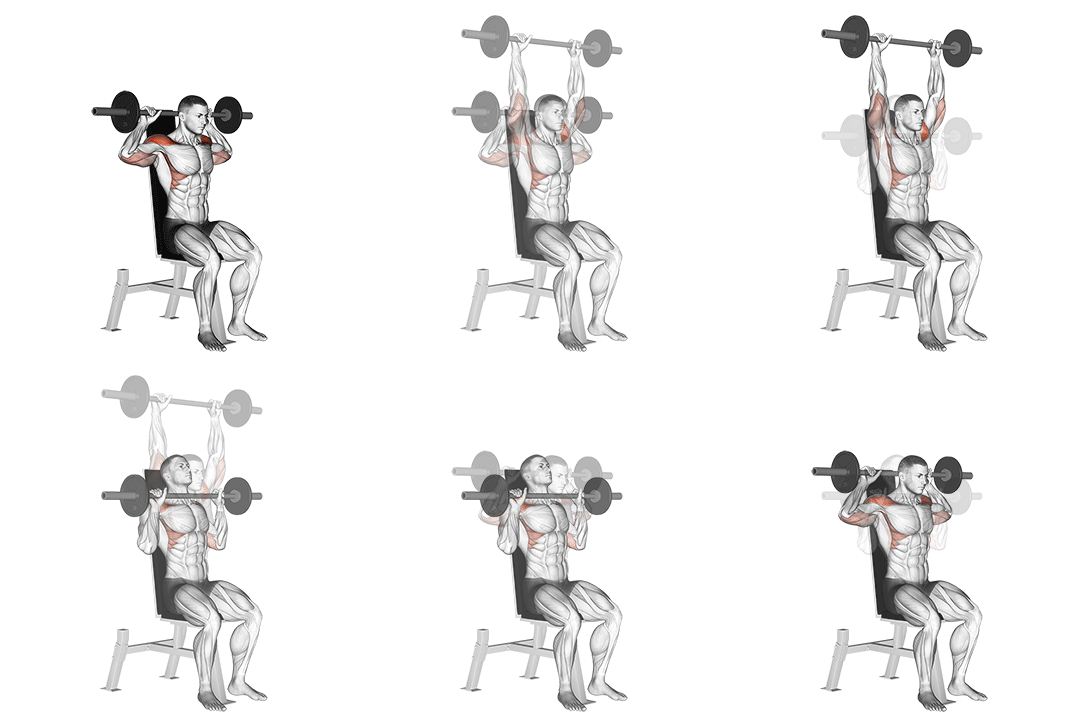
- Sit on a bench with your back straight and feet flat on the ground.
- Hold the barbell with an overhand grip, slightly wider than shoulder-width apart.
- Lift the barbell to shoulder height, keeping your elbows slightly bent and pointing forward.
- Press the barbell overhead, fully extending your arms.
- Lower the barbell back to shoulder height and repeat for the desired number of repetitions.
Sets and reps: 3 to 5 sets of 5 to 8 reps.
Why this matches
- Primary muscle: delts, the same as the Dumbbell Seated Alternate Shoulder
- Equipment: free weights, the same as the Dumbbell Seated Alternate Shoulder
- Body position: seated, the same as the Dumbbell Seated Alternate Shoulder
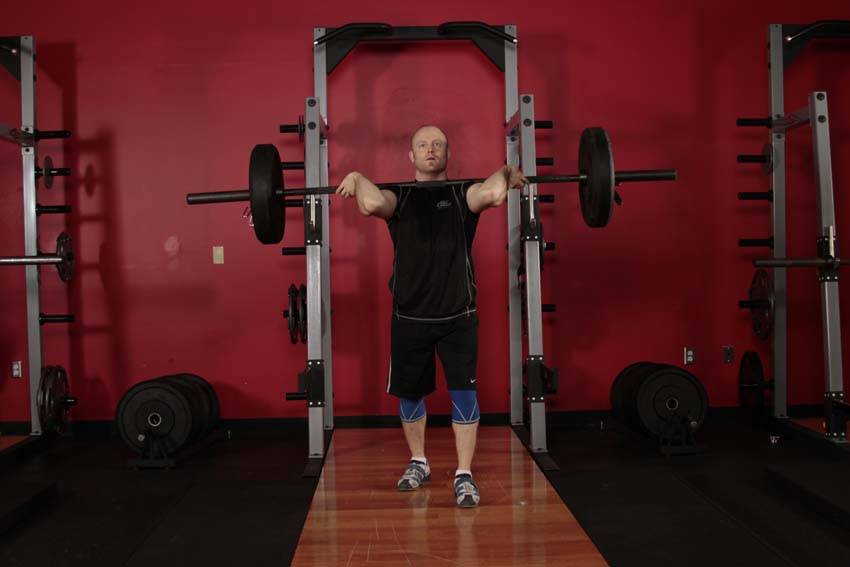
6. Jerk Balance
70% match- Delts
- Barbell
- Advanced
- Compound
How to perform this exercise
- This drill helps you learn to drive yourself low enough during the jerk and corrects those who move backward during the movement. Begin with the bar racked in the jerk position, with the shoulders forward, torso upright, and the feet split slightly apart.
- Initiate the movement as you would a normal jerk, dipping at the knees while keeping your torso vertical, and driving back up forcefully, using momentum and not your arms to elevate the weight.
- Keep the rear foot in place, using it to drive your body forward into a full split as you jerk the weight. Recover by standing up with the weight overhead.
Sets and reps: 3 to 5 sets of 5 to 8 reps.
Why this matches
- Primary muscle: delts, the same as the Dumbbell Seated Alternate Shoulder
- Equipment: free weights, the same as the Dumbbell Seated Alternate Shoulder
- Body position: standing, not seated
- Balance: harder to stay steady on than the Dumbbell Seated Alternate Shoulder
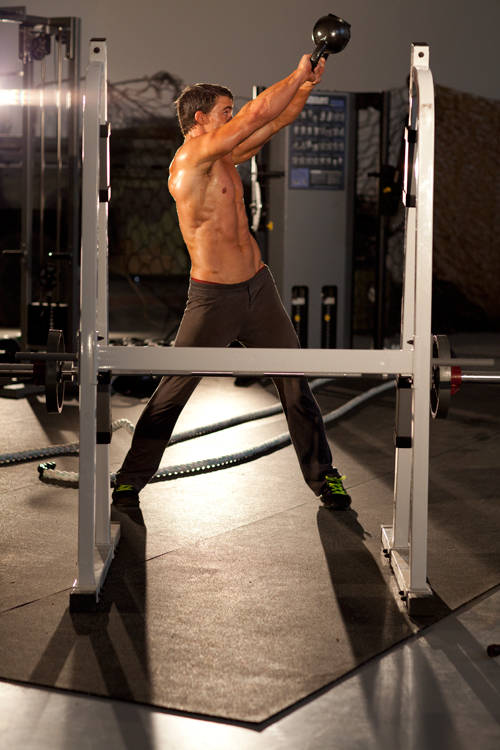
7. Kettlebell Pirate Ships
69% match- Shoulders
- Kettlebell
- Intermediate
- Compound
A looser match: it works the shoulders rather than the delts.
How to perform this exercise
- With a wide stance, hold a kettlebell with both hands. Allow it to hang at waist level with your arms extended. This will be your starting position.
- Initiate the movement by turning to one side, swinging the kettlebell to head height. Briefly pause at the top of the motion.
- Allow the bell to drop as you rotate to the opposite side, again raising the kettlebell to head height.
- Repeat for the desired amount of repetitions.
Sets and reps: 3 or 4 sets of 6 to 10 reps on each side.
Why this matches
- Primary muscle: shoulders, not delts
- Equipment: free weights, the same as the Dumbbell Seated Alternate Shoulder
- Body position: standing, not seated
- Balance: harder to stay steady on than the Dumbbell Seated Alternate Shoulder
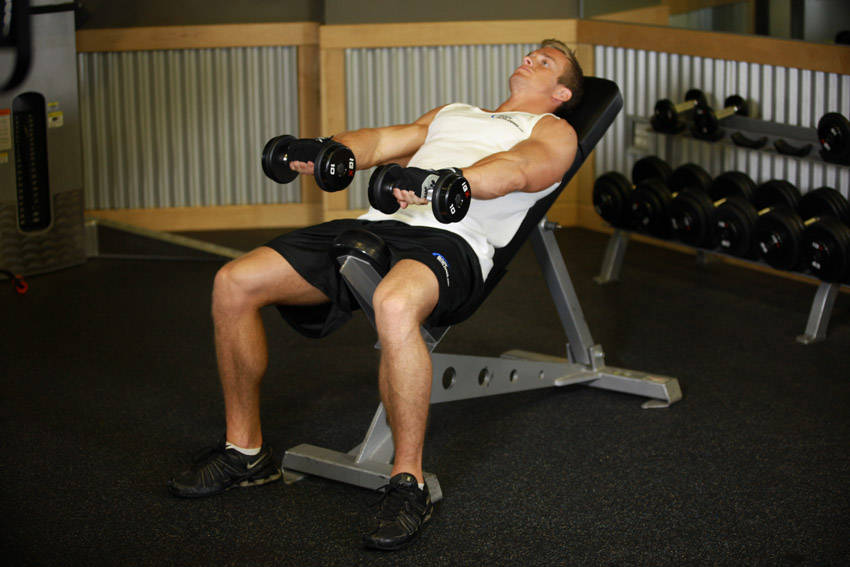
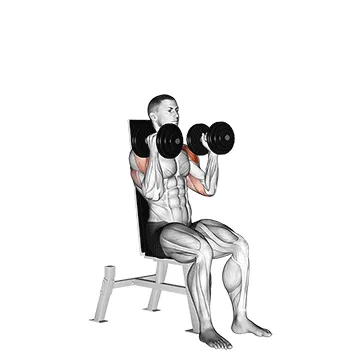
8. Front Incline Dumbbell Raise
68% match- Delts
- Dumbbell
- Intermediate
- Isolation
How to perform this exercise
- Sit down on an incline bench with the incline set anywhere between 30 to 60 degrees while holding a dumbbell on each hand. Tip: You can change the angle to hit the muscle a little differently each time.
- Extend your arms straight in front of you and have your palms facing down with the dumbbells raised about 1 inch above your thighs. This will be your starting position.
- Slowly raise the dumbbells straight up until they are slightly above your shoulders, while keeping your elbows locked. Squeeze at the top for a second and make sure you breathe out during this portion of the movement. Tip: Keep your head resting down against the bench and your legs on the floor at all times.
- Lower the arms back to the starting position as you inhale.
- Repeat for the recommended amount of repetitions.
Sets and reps: 3 sets of 10 to 15 reps.
Why this matches
- Primary muscle: delts, the same as the Dumbbell Seated Alternate Shoulder
- Equipment: free weights, the same as the Dumbbell Seated Alternate Shoulder
- Body position: seated, the same as the Dumbbell Seated Alternate Shoulder
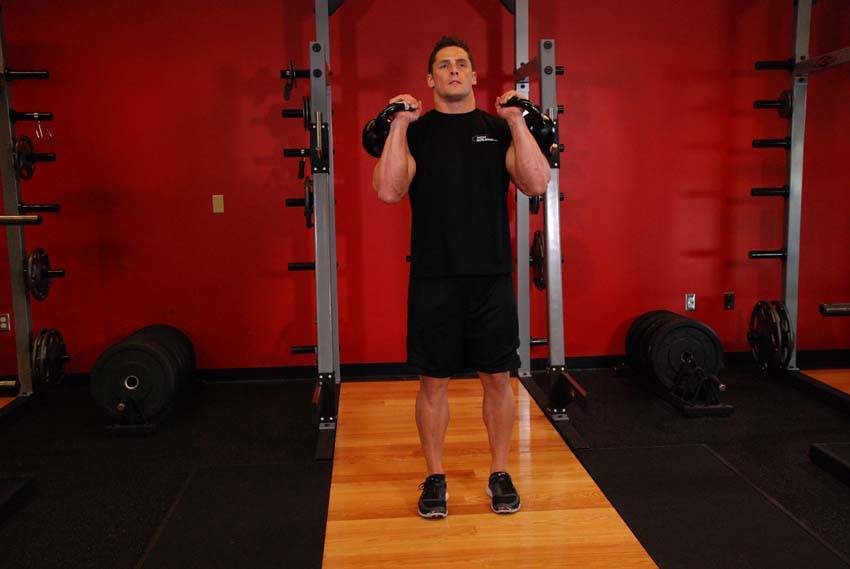
9. Double Kettlebell Jerk
68% match- Delts
- Kettlebell
- Advanced
- Compound
How to perform this exercise
- Hold a kettlebell by the handle in each hand.
- Clean the kettlebells to your shoulders by extending through the legs and hips as you pull the kettlebells towards your shoulders. Rotate your wrists as you do so, so that the palms face forward. This will be your starting position.
- Dip your body by bending the knees, keeping your torso upright.
- Immediately reverse direction, driving through the heels, in essence jumping to create momentum.
- As you do so, press the kettlebells overhead to lockout by extending the arms, using your body's momentum to move the weights.
- Return your feet to the ground in a split fashion, with one foot forward and one foot back.
- Keeping the weights overhead, return to a standing position, bringing your feet together. Lower the weights to perform the next repetition.
Sets and reps: 3 to 5 sets of 5 to 8 reps.
Why this matches
- Primary muscle: delts, the same as the Dumbbell Seated Alternate Shoulder
- Equipment: free weights, the same as the Dumbbell Seated Alternate Shoulder
- Body position: standing, not seated
- Balance: harder to stay steady on than the Dumbbell Seated Alternate Shoulder
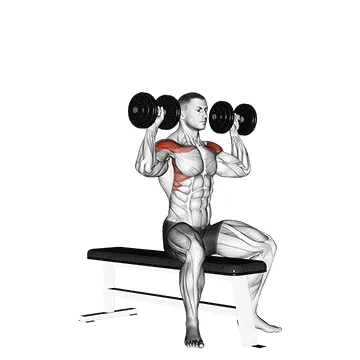
10. Dumbbell Bench Seated Press
67% match- Delts
- Dumbbell
- Intermediate
- Compound
How to perform this exercise
- Sit on a bench with a dumbbell in each hand, resting on your thighs.
- Lean back and position the dumbbells to the sides of your chest, palms facing forward.
- Press the dumbbells upward until your arms are fully extended.
- Pause for a moment at the top, then slowly lower the dumbbells back to the starting position.
- Repeat for the desired number of repetitions.
Sets and reps: 3 or 4 sets of 6 to 10 reps.
Why this matches
- Primary muscle: delts, the same as the Dumbbell Seated Alternate Shoulder
- Equipment: free weights, the same as the Dumbbell Seated Alternate Shoulder
- Body position: seated, the same as the Dumbbell Seated Alternate Shoulder
Why You Might Need a Dumbbell Seated Alternate Shoulder Alternative
You might substitute the Dumbbell Seated Alternate Shoulder for several reasons: shoulder pain, lack of bilateral stability, limited dumbbell weight, or a need to focus a specific deltoid head. Someone with impingement may avoid deep internal rotation and pick neutral-grip presses; cue: keep thumbs pointed slightly up to reduce anterior shoulder stress. Other times you want more transverse-plane work for the lateral delts or posterior chain engagement for posture. Substitutes let you vary load, range of motion, and scapular mechanics while still driving deltoid hypertrophy and strength.
Dumbbell Seated Alternate Shoulder FAQ
What muscles does Dumbbell Seated Alternate Shoulder work?
The exercise primarily targets the deltoids, especially the anterior and lateral heads, while recruiting the upper trapezius, triceps for lockout, and rotator cuff muscles for stabilization. Scapular stabilizers engage to maintain posture during each unilateral press.
Find Alternatives for Any Exercise
Search the exercise database and filter the ranked substitutes by the equipment you own.
Similarity scores compare exercise metadata such as movement pattern, muscles, equipment and body position. They are not a safety rating or a check that you own the equipment. Learn about our methodology