

10 Best Dumbbell Side Lying One Hand Raise Alternatives for Shoulder Training
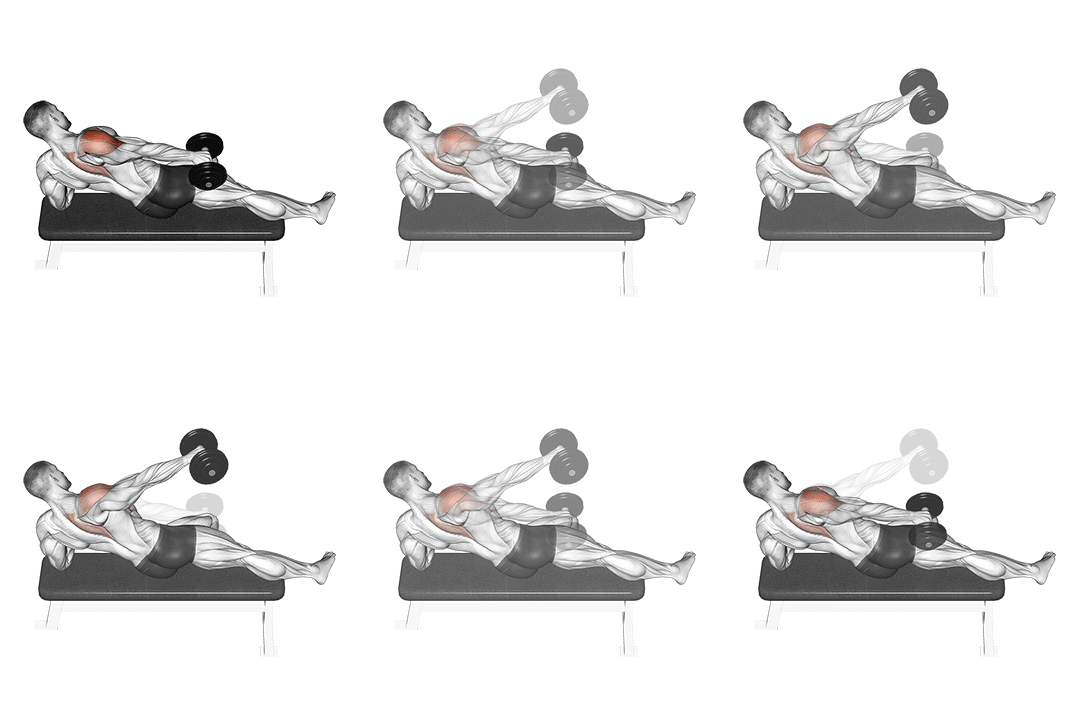
The Dumbbell Side Lying One Hand Raise is done lying face down with dumbbells. Ranked closest by our scoring: the Dumbbell Standing Alternate Raise, the Cable One Arm Lateral Raise and the Kettlebell One Arm Military Press To The Side. Three harder versions, the Dumbbell Alternate Side Press, the Dumbbell One Arm Shoulder Press and the Dumbbell Standing One Arm Palm In Press, are listed below as progressions rather than swaps.
Updated Ranked by our 12-factor similarity model How it works
Original Exercise: Dumbbell Side Lying One Hand Raise
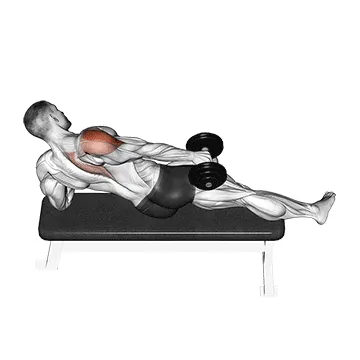
- Primary muscle
- Delts
- Equipment
- Dumbbell
- Difficulty
- Beginner
- Type
- Isolation
Secondary muscles: Trapezius, Rhomboids
How to perform Dumbbell Side Lying One Hand Raise
- Lie on your side with your legs extended and your head supported by your arm.
- Hold a dumbbell in your top hand with your palm facing down.
- Keeping your arm straight, raise the dumbbell up to shoulder height.
- Pause for a moment at the top, then slowly lower the dumbbell back down to the starting position.
- Repeat for the desired number of repetitions, then switch sides.
Ranked Dumbbell Side Lying One Hand Raise Alternatives
10 substitutes, ranked by how closely each one matches the Dumbbell Side Lying One Hand Raise on movement pattern, muscles worked, equipment and body position. The higher the score, the less you change. Open "How to perform this exercise" on a card for the steps; every card title links to that exercise's own alternatives page. Harder versions are tagged as progressions and kept out of the top spot even when they score higher.
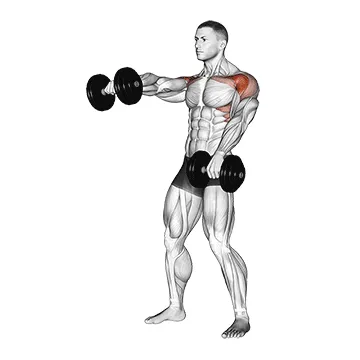
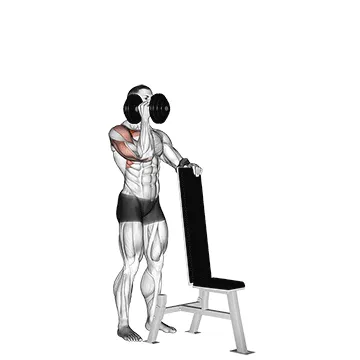
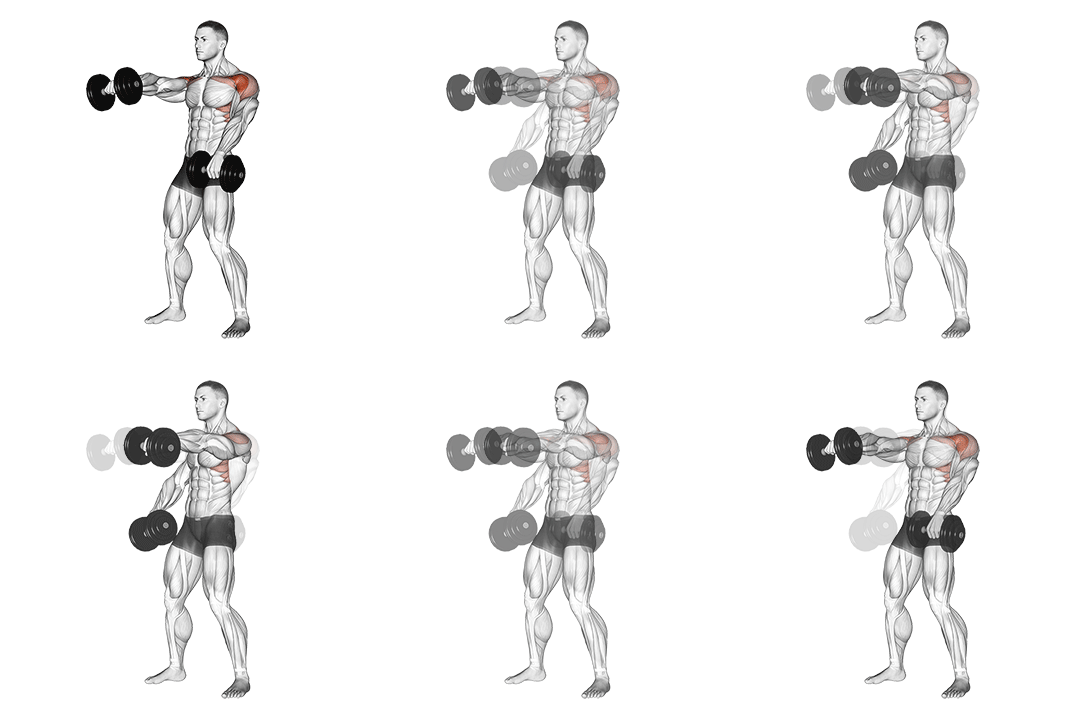
Best match 1. Dumbbell Standing Alternate Raise
80% match- Delts
- Dumbbell
- Intermediate
- Isolation
The same equipment, done standing instead.
How to perform this exercise
- Stand with your feet shoulder-width apart, holding a dumbbell in each hand with your palms facing your body.
- Keep your back straight and your core engaged.
- Raise one dumbbell to the side, keeping your arm straight and your palm facing down.
- Continue lifting until your arm is parallel to the ground.
- Pause for a moment at the top, then slowly lower the dumbbell back to the starting position.
- Repeat with the other arm.
- Alternate between arms for the desired number of repetitions.
Sets and reps: 3 sets of 10 to 15 reps on each side.
Why this matches
- Primary muscle: delts, the same as the Dumbbell Side Lying One Hand Raise
- Equipment: free weights, the same as the Dumbbell Side Lying One Hand Raise
- Body position: standing, not lying face down
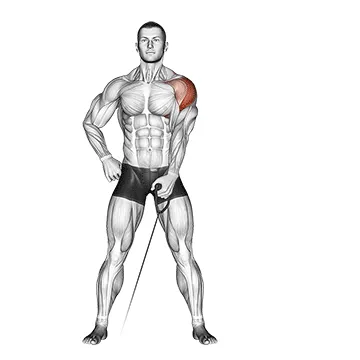
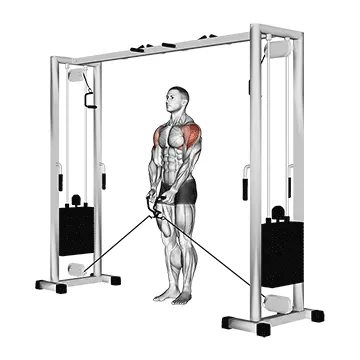
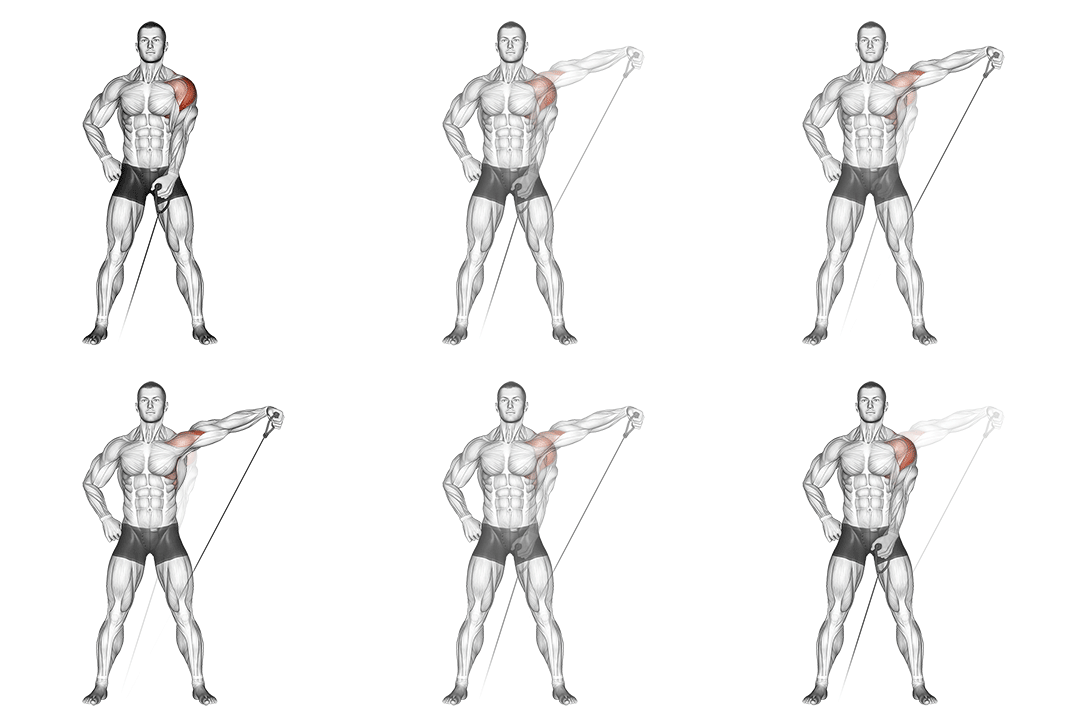
2. Cable One Arm Lateral Raise
80% match- Delts
- Cable
- Beginner
- Isolation
A good swap when you have a cable machine to work with, and it still works the delts.
How to perform this exercise
- Stand with your feet shoulder-width apart, facing the cable machine.
- Hold the cable handle with one hand, palm facing down, and stand far enough away from the machine so that there is tension on the cable.
- Keep your arm straight and slowly raise it out to the side until it is parallel to the ground.
- Pause for a moment at the top, then slowly lower your arm back down to the starting position.
- Repeat for the desired number of repetitions, then switch sides.
Sets and reps: 3 sets of 10 to 15 reps on each side.
Why this matches
- Primary muscle: delts, the same as the Dumbbell Side Lying One Hand Raise
- Equipment: a cable, not free weights
- Body position: standing, not lying face down
- Balance: harder to stay steady on than the Dumbbell Side Lying One Hand Raise
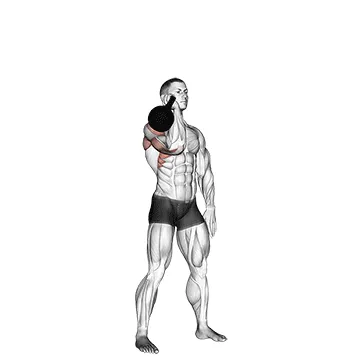
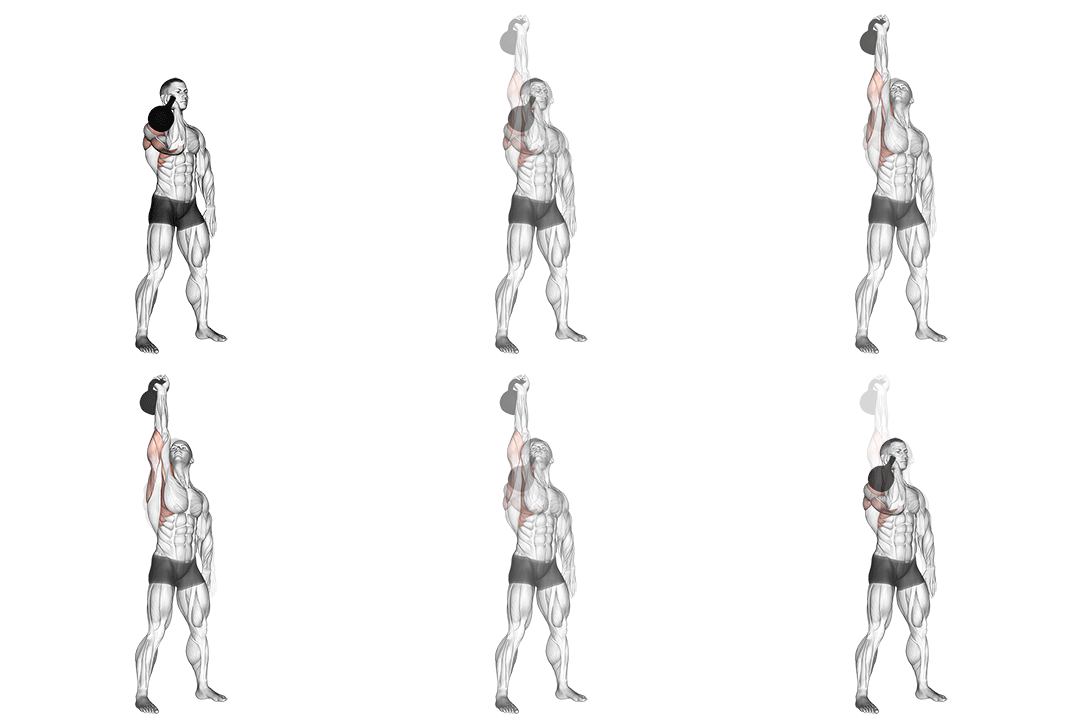
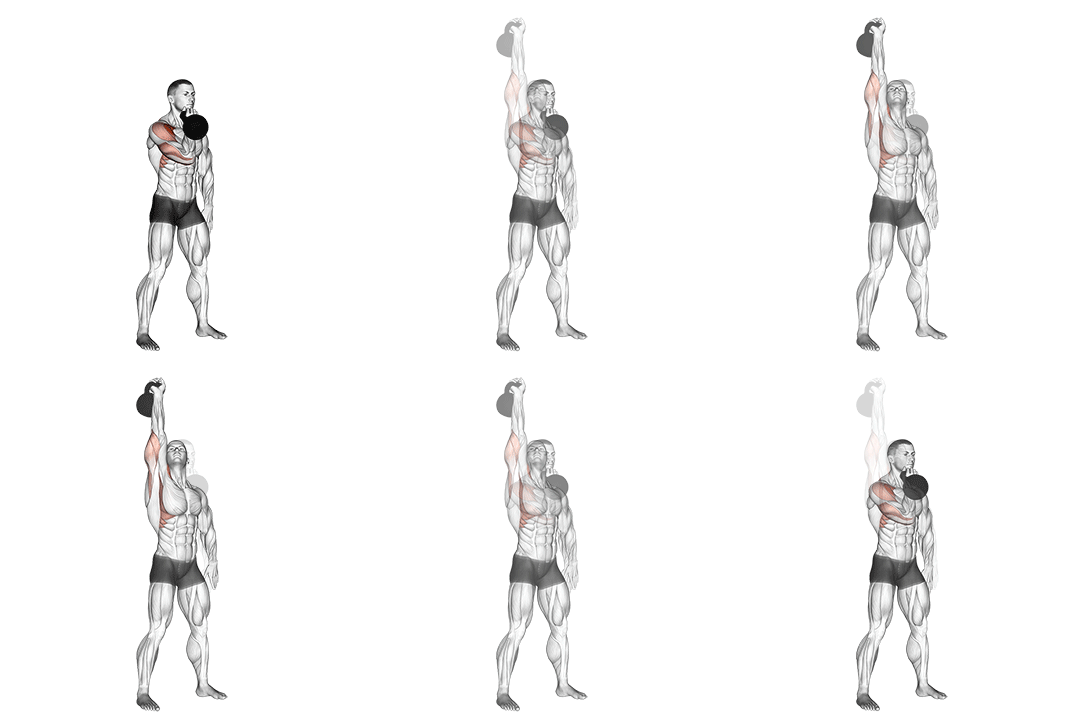
- Delts
- Kettlebell
- Intermediate
- Compound
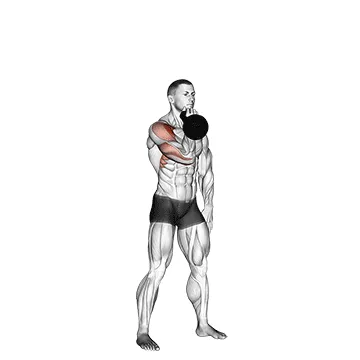
A good swap when you have a kettlebell to work with, and it still works the delts.
How to perform this exercise
- Stand with your feet shoulder-width apart, holding a kettlebell in one hand at shoulder height.
- Engage your core and keep your back straight.
- Press the kettlebell overhead, extending your arm fully.
- Pause for a moment at the top, then slowly lower the kettlebell back to the starting position.
- Repeat for the desired number of repetitions, then switch sides.
Sets and reps: 3 or 4 sets of 6 to 10 reps on each side.
Why this matches
- Primary muscle: delts, the same as the Dumbbell Side Lying One Hand Raise
- Equipment: free weights, the same as the Dumbbell Side Lying One Hand Raise
- Body position: standing, not lying face down
- Balance: harder to stay steady on than the Dumbbell Side Lying One Hand Raise
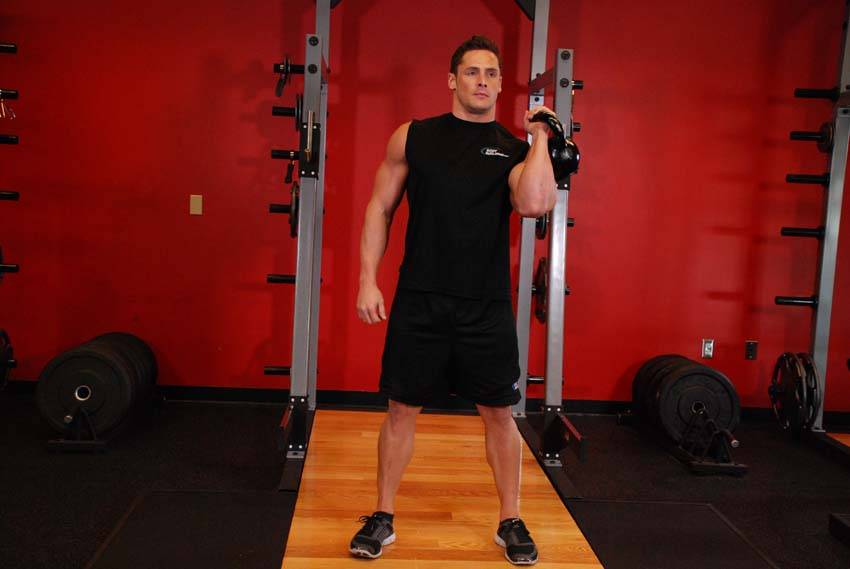
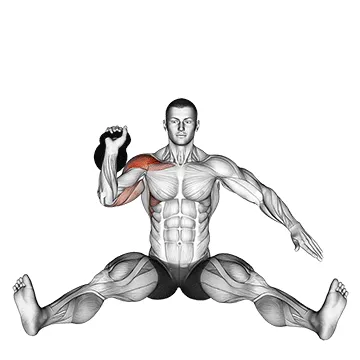
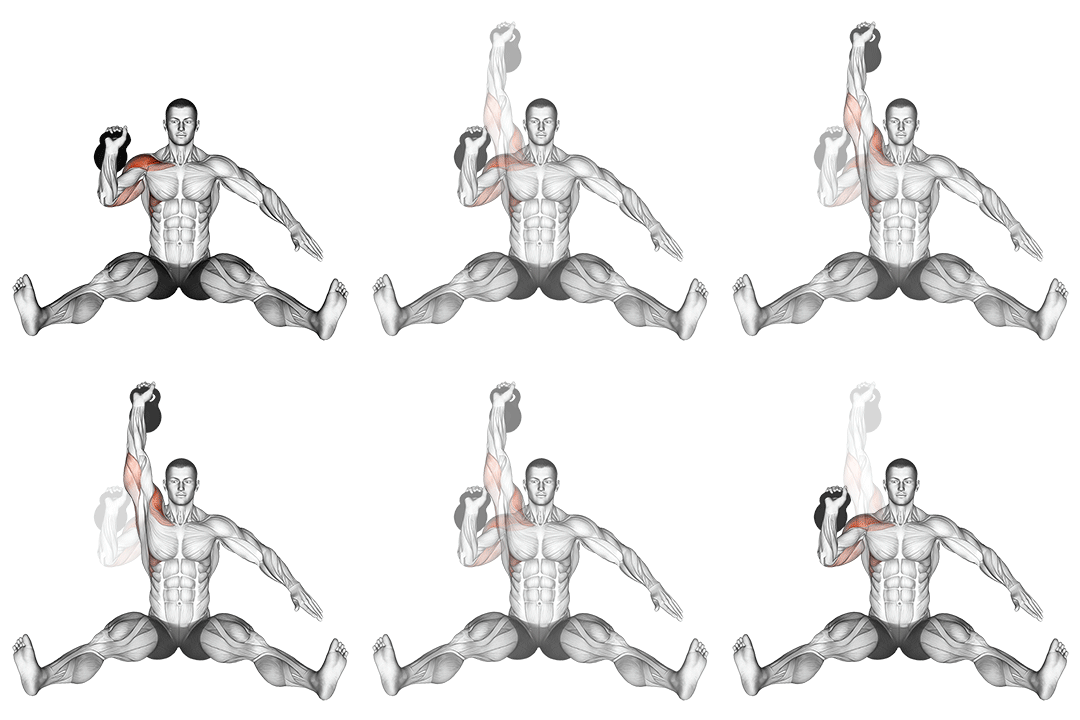
4. Bent Press
77% match- Delts
- Kettlebell
- Advanced
- Compound
How to perform this exercise
- Clean a kettlebell to your shoulder. Clean the kettlebell to your shoulders by extending through the legs and hips as you raise the kettlebell towards your shoulder. The wrist should rotate as you do so. This will be your starting position.
- Begin my leaning to the side opposite the kettlebell, continuing until you are able to touch the ground with your free hand, keeping your eyes on the kettlebell. As you do so, press the weight vertically be extending through the elbow, keeping your arm perpendicular to the ground.
- Return to an upright position, with the kettlebell above your head. Return the kettlebell to the shoulder and repeat for the desired number of repetitions.
Sets and reps: 3 to 5 sets of 5 to 8 reps on each side.
Why this matches
- Primary muscle: delts, the same as the Dumbbell Side Lying One Hand Raise
- Equipment: free weights, the same as the Dumbbell Side Lying One Hand Raise
- Body position: standing, not lying face down
- Balance: harder to stay steady on than the Dumbbell Side Lying One Hand Raise
Progression
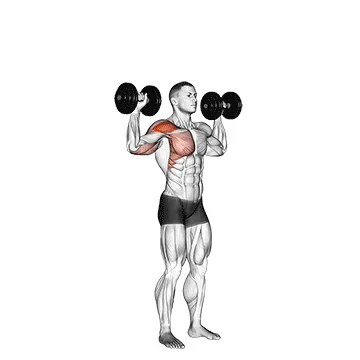
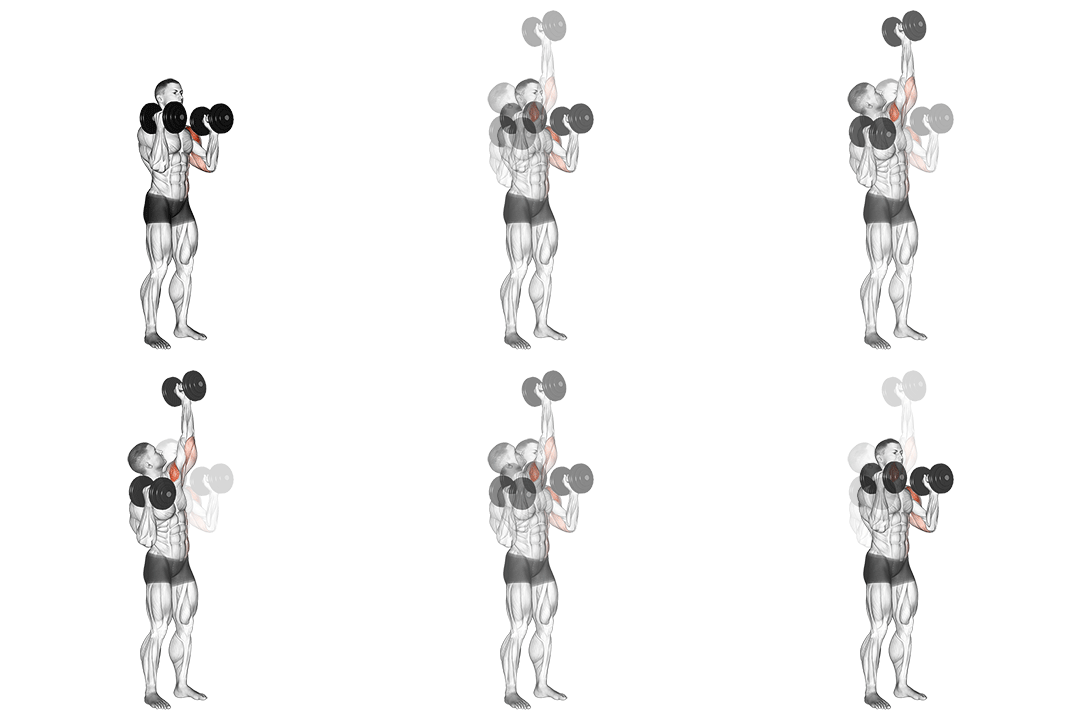
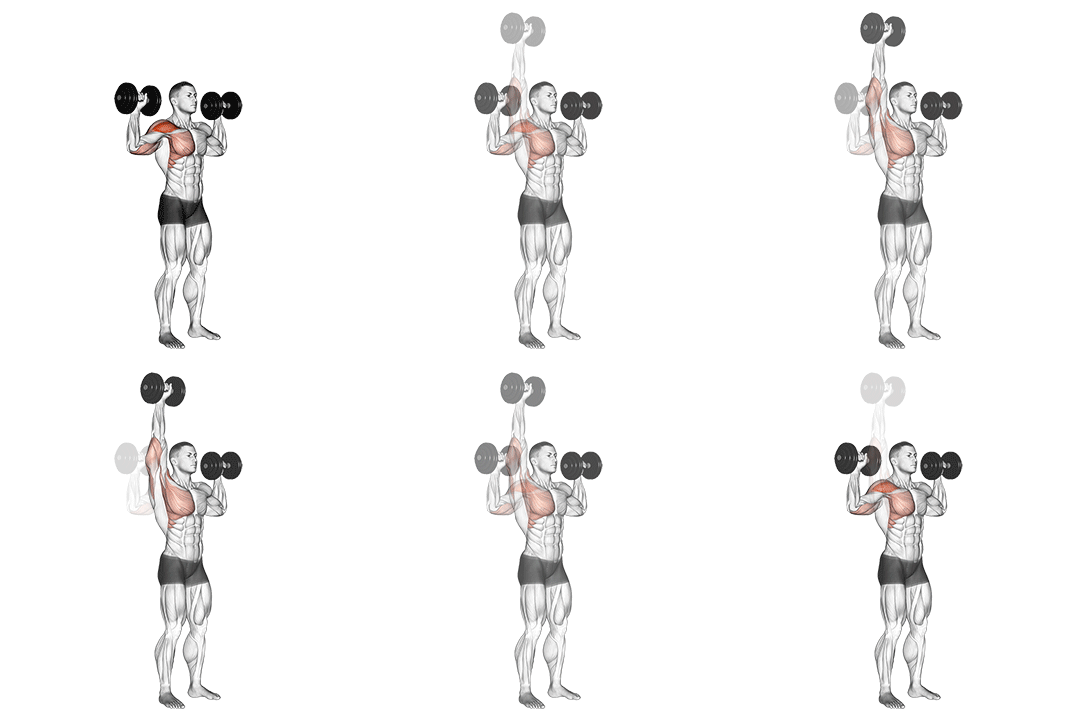
5. Dumbbell Alternate Side Press
73% match- Delts
- Dumbbell
- Intermediate
- Compound
Pick this when you want a harder version that still works the delts.
How to perform this exercise
- Stand with your feet shoulder-width apart, holding a dumbbell in each hand at shoulder height.
- Press one dumbbell overhead while keeping the other dumbbell at shoulder height.
- Lower the pressed dumbbell back to shoulder height while pressing the other dumbbell overhead.
- Continue alternating sides for the desired number of repetitions.
Sets and reps: 3 or 4 sets of 6 to 10 reps on each side.
Why this matches
- Primary muscle: delts, the same as the Dumbbell Side Lying One Hand Raise
- Equipment: free weights, the same as the Dumbbell Side Lying One Hand Raise
- Body position: standing, not lying face down
- Balance: harder to stay steady on than the Dumbbell Side Lying One Hand Raise
6. Kettlebell Seated Press
71% match- Delts
- Kettlebell
- Intermediate
- Compound
How to perform this exercise
- Sit on a bench with your back straight and feet flat on the ground.
- Hold a kettlebell in each hand at shoulder height, palms facing forward.
- Press the kettlebells overhead, fully extending your arms.
- Lower the kettlebells back to shoulder height.
- Repeat for the desired number of repetitions.
Sets and reps: 3 or 4 sets of 6 to 10 reps on each side.
Why this matches
- Primary muscle: delts, the same as the Dumbbell Side Lying One Hand Raise
- Equipment: free weights, the same as the Dumbbell Side Lying One Hand Raise
- Body position: seated, not lying face down
Progression
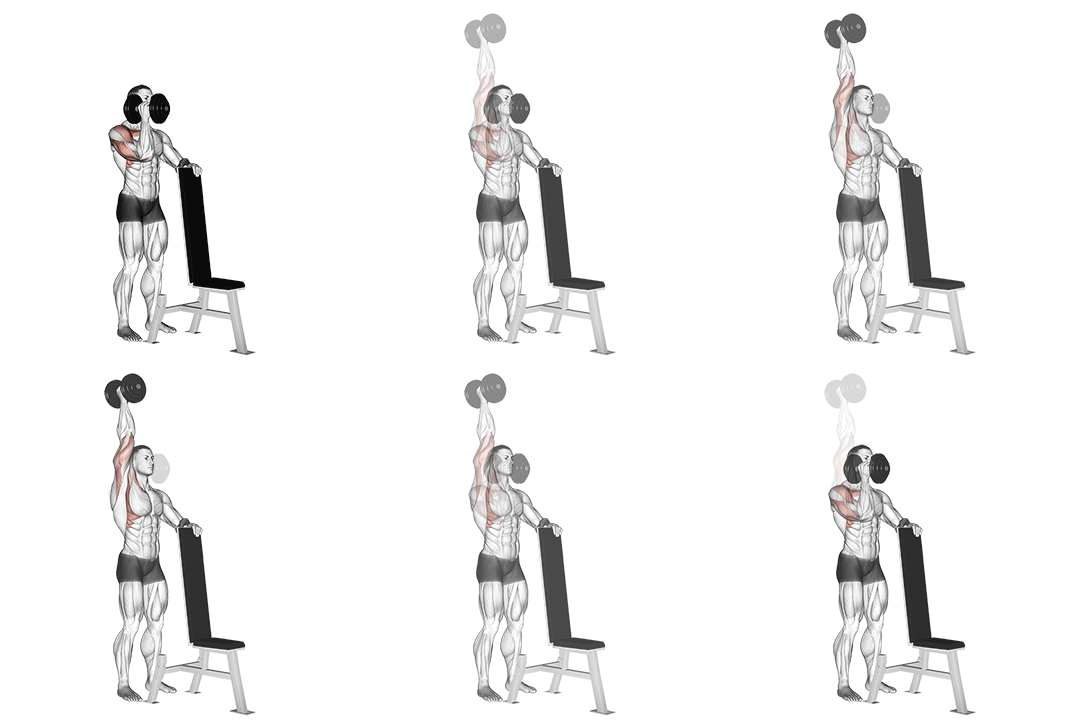
7. Dumbbell One Arm Shoulder Press
69% match- Delts
- Dumbbell
- Intermediate
- Compound
How to perform this exercise
- Stand with your feet shoulder-width apart and hold a dumbbell in one hand at shoulder level, palm facing forward.
- Press the dumbbell upward until your arm is fully extended overhead.
- Pause for a moment at the top, then slowly lower the dumbbell back to the starting position.
- Repeat for the desired number of repetitions, then switch to the other arm.
Sets and reps: 3 or 4 sets of 6 to 10 reps on each side.
Why this matches
- Primary muscle: delts, the same as the Dumbbell Side Lying One Hand Raise
- Equipment: free weights, the same as the Dumbbell Side Lying One Hand Raise
- Body position: standing, not lying face down
- Balance: harder to stay steady on than the Dumbbell Side Lying One Hand Raise
Progression
- Delts
- Dumbbell
- Intermediate
- Compound
How to perform this exercise
- Stand with your feet shoulder-width apart, holding a dumbbell in one hand at shoulder height with your palm facing inwards.
- Engage your core and keep your back straight.
- Press the dumbbell upwards until your arm is fully extended.
- Pause for a moment at the top, then slowly lower the dumbbell back to the starting position.
- Repeat for the desired number of repetitions, then switch to the other arm.
Sets and reps: 3 or 4 sets of 6 to 10 reps on each side.
Why this matches
- Primary muscle: delts, the same as the Dumbbell Side Lying One Hand Raise
- Equipment: free weights, the same as the Dumbbell Side Lying One Hand Raise
- Body position: standing, not lying face down
- Balance: harder to stay steady on than the Dumbbell Side Lying One Hand Raise
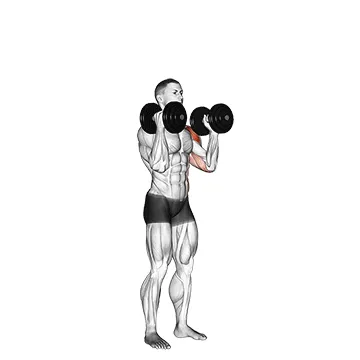
9. Kettlebell Arnold Press
69% match- Delts
- Kettlebell
- Intermediate
- Compound
How to perform this exercise
- Stand with your feet shoulder-width apart, holding a kettlebell in each hand at shoulder height with your palms facing towards you.
- Engage your core and press the kettlebells overhead, rotating your palms to face forward as you extend your arms.
- Pause at the top of the movement, then slowly lower the kettlebells back to the starting position.
- Repeat for the desired number of repetitions.
Sets and reps: 3 or 4 sets of 6 to 10 reps on each side.
Why this matches
- Primary muscle: delts, the same as the Dumbbell Side Lying One Hand Raise
- Equipment: free weights, the same as the Dumbbell Side Lying One Hand Raise
- Body position: standing, not lying face down
- Balance: harder to stay steady on than the Dumbbell Side Lying One Hand Raise
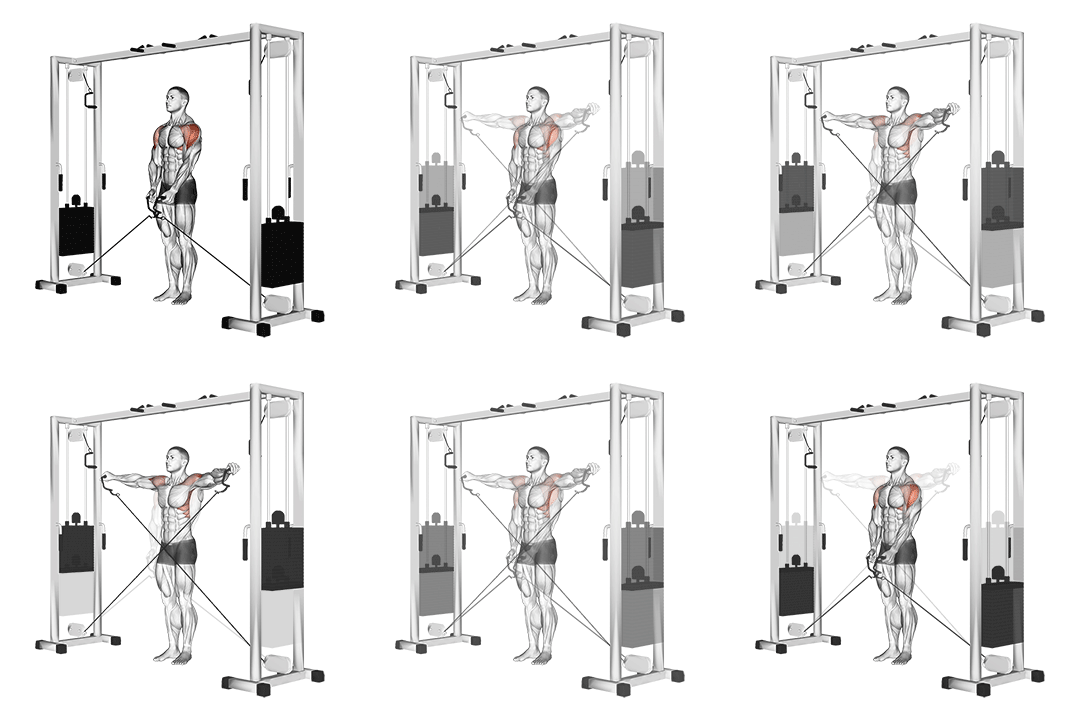
10. Cable Lateral Raise
69% match- Delts
- Cable
- Beginner
- Isolation
How to perform this exercise
- Stand with your feet shoulder-width apart and grasp the cable handles with an overhand grip.
- Keep your arms straight and your core engaged.
- Raise your arms out to the sides until they are parallel to the floor.
- Pause for a moment at the top, then slowly lower your arms back down to the starting position.
- Repeat for the desired number of repetitions.
Sets and reps: 3 sets of 10 to 15 reps.
Why this matches
- Primary muscle: delts, the same as the Dumbbell Side Lying One Hand Raise
- Equipment: a cable, not free weights
- Body position: standing, not lying face down
Why You Might Need a Dumbbell Side Lying One Hand Raise Alternative
People swap the dumbbell side lying one hand raise for reasons like shoulder pain, impingement, limited range of motion, or lack of appropriate dumbbells. Substitutes let you preserve lateral deltoid recruitment while reducing compressive load on the glenohumeral joint. For rehab, choose movements that minimize humeral elevation into impingement zones and emphasize scapular control; cue the scapula to remain depressed and lead the movement with the elbow to keep tension on the lateral head. For progression or variety, cables and bands provide constant tension and smoother eccentric control to increase time under tension for the delts.
How to Choose the Right Dumbbell Side Lying One Hand Raise Substitute
Select a substitute based on your goal (strength, hypertrophy, rehab), equipment availability, and pain response. If the goal is isolation hypertrophy, use cable lateral raises or light dumbbell standing raises with a 1–2 second eccentric to maximize lateral delt activation. For rehab or pain, choose isometric or band variations that allow you to stop before painful ranges and focus on scapular stabilization, keep the elbow slightly flexed and maintain neutral spine. Prioritize exercises that reproduce frontal-plane abduction to target the lateral deltoid while allowing progressive overload or safer ROM.
Dumbbell Side Lying One Hand Raise FAQ
What muscles does Dumbbell Side Lying One Hand Raise work?
The movement primarily targets the lateral (middle) deltoid through humeral abduction in the frontal plane. The rotator cuff and scapular stabilizers act isometrically to control the glenohumeral joint; keep the elbow slightly bent and lead with the elbow to isolate the lateral head.
What is the best bodyweight alternative to Dumbbell Side Lying One Hand Raise?
A practical bodyweight option is the side-lying arm raise without load or an isometric wall abduction: press the hand into the wall at shoulder height and hold tension. Maintain a small elbow bend and focus on contracting the lateral deltoid and stabilizing the scapula to replicate the activation pattern.
Can I build muscle without doing Dumbbell Side Lying One Hand Raise?
Yes. You can stimulate the lateral delts with alternatives like standing lateral raises, cable lateral raises, bands, or machine abductions while applying progressive overload. Emphasize controlled eccentrics, time under tension, and keep the elbow angle consistent to maintain lateral deltoid recruitment.
Find Alternatives for Any Exercise
Search the exercise database and filter the ranked substitutes by the equipment you own.
Similarity scores compare exercise metadata such as movement pattern, muscles, equipment and body position. They are not a safety rating or a check that you own the equipment. Learn about our methodology