

10 Best Bent Press Alternatives for Shoulder Strength
The Bent Press is done standing with a kettlebell. Ranked closest by our scoring: the Kettlebell One Arm Military Press To The Side, the One-arm Kettlebell Para Press and the One-arm Kettlebell Push Press.
Updated Ranked by our 12-factor similarity model How it works
Original Exercise: Bent Press
- Primary muscle
- Delts
- Equipment
- Kettlebell
- Difficulty
- Advanced
- Type
- Compound
Secondary muscles: Glutes, Hamstrings, Lower Back, Quadriceps, Shoulders, Triceps
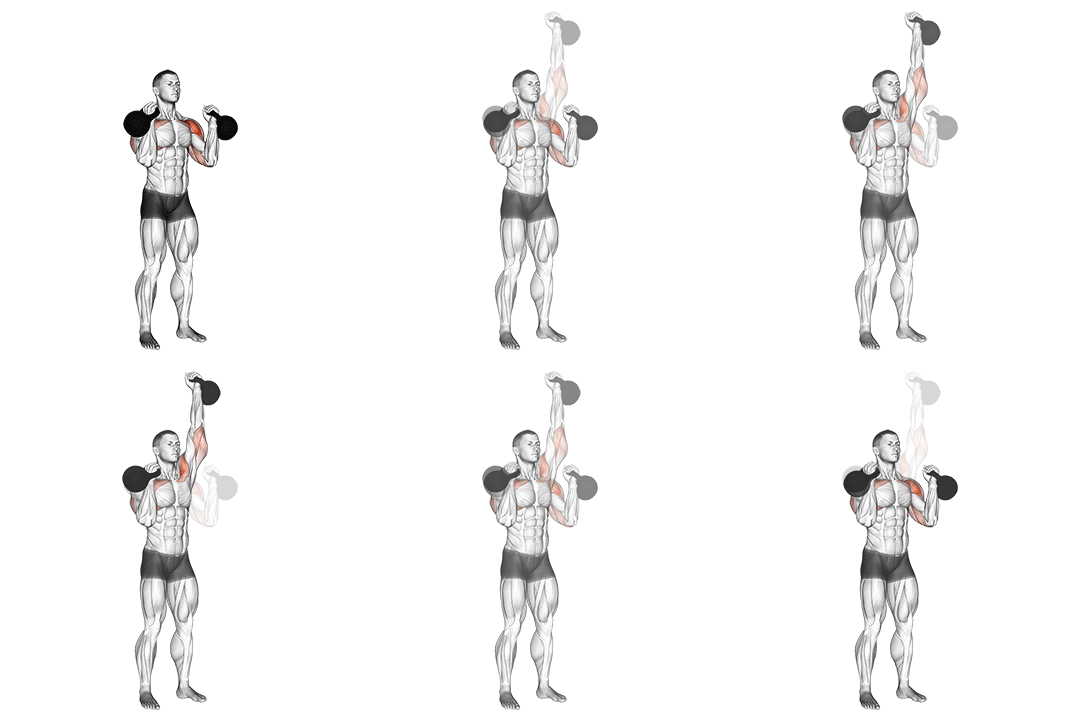
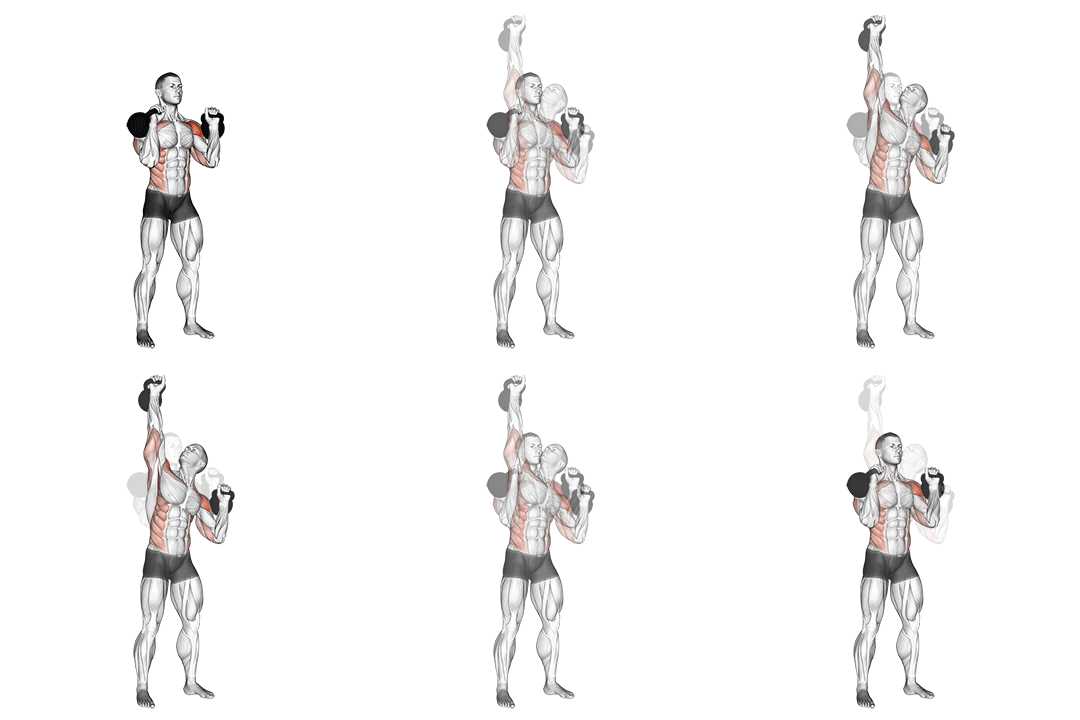
How to perform Bent Press
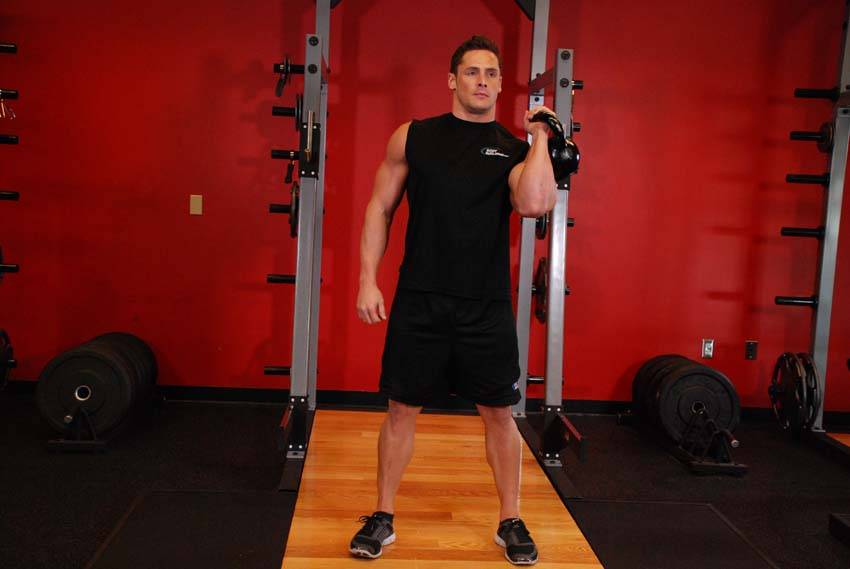
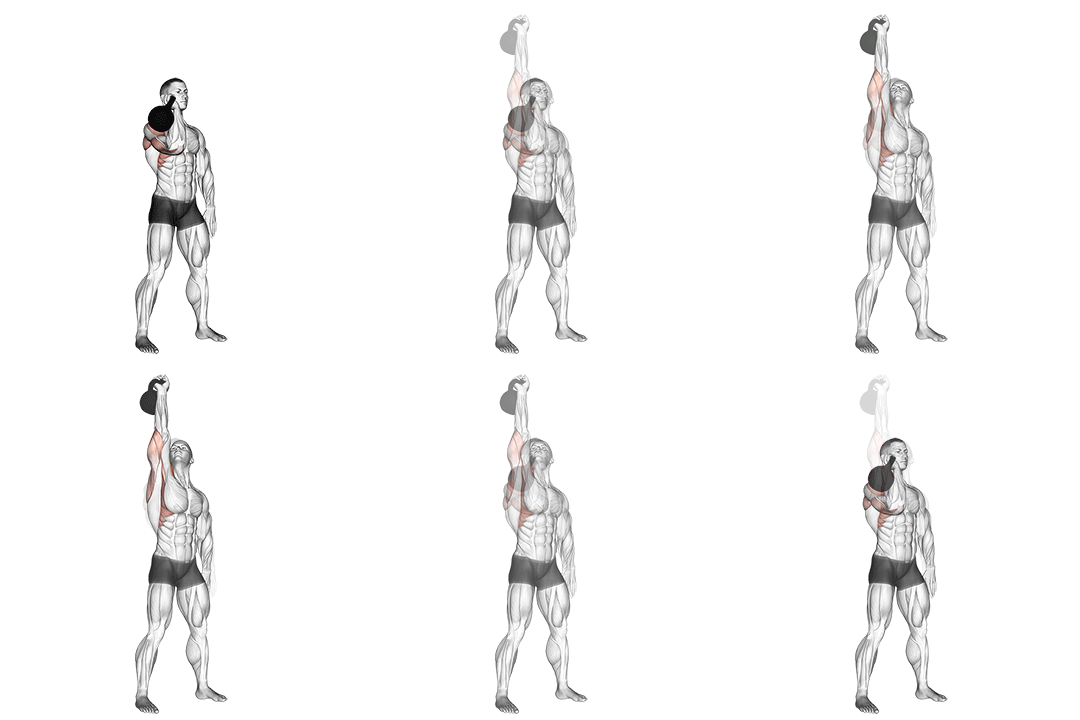
- Clean a kettlebell to your shoulder. Clean the kettlebell to your shoulders by extending through the legs and hips as you raise the kettlebell towards your shoulder. The wrist should rotate as you do so. This will be your starting position.
- Begin my leaning to the side opposite the kettlebell, continuing until you are able to touch the ground with your free hand, keeping your eyes on the kettlebell. As you do so, press the weight vertically be extending through the elbow, keeping your arm perpendicular to the ground.
- Return to an upright position, with the kettlebell above your head. Return the kettlebell to the shoulder and repeat for the desired number of repetitions.
Ranked Bent Press Alternatives
10 substitutes, ranked by how closely each one matches the Bent Press on movement pattern, muscles worked, equipment and body position. The higher the score, the less you change. Open "How to perform this exercise" on a card for the steps; every card title links to that exercise's own alternatives page.
Best match - Delts
- Kettlebell
- Intermediate
- Compound
Pick this when you want an easier version that still works the delts.
How to perform this exercise
- Stand with your feet shoulder-width apart, holding a kettlebell in one hand at shoulder height.
- Engage your core and keep your back straight.
- Press the kettlebell overhead, extending your arm fully.
- Pause for a moment at the top, then slowly lower the kettlebell back to the starting position.
- Repeat for the desired number of repetitions, then switch sides.
Sets and reps: 3 or 4 sets of 6 to 10 reps on each side.
Why this matches
- Primary muscle: delts, the same as the Bent Press
- Equipment: free weights, the same as the Bent Press
- Body position: standing, the same as the Bent Press
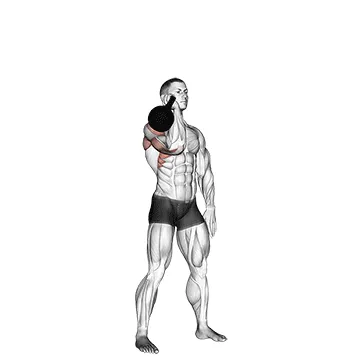
2. One-arm Kettlebell Para Press
89% match- Delts
- Kettlebell
- Intermediate
- Compound
How to perform this exercise
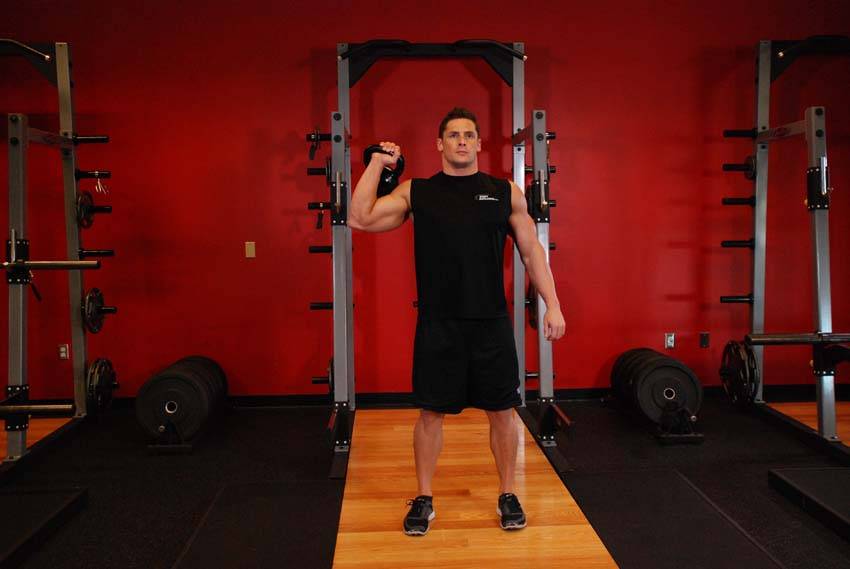
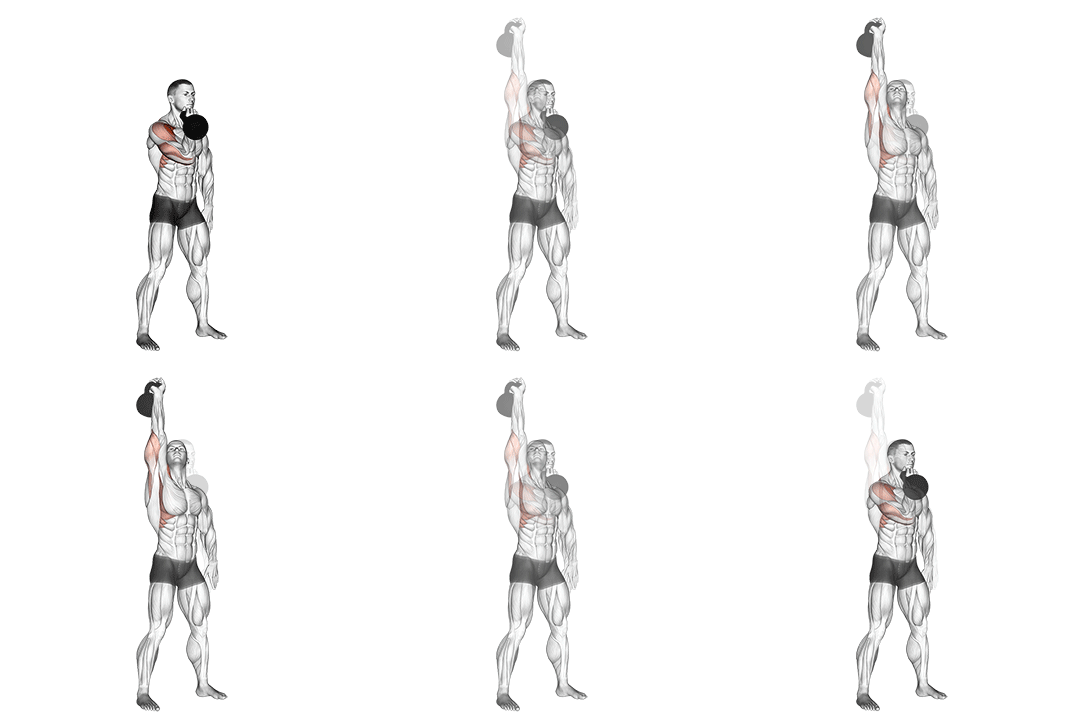
- Clean a kettlebell to your shoulder. Clean the kettlebell to your shoulder by extending through the legs and hips as you pull the kettlebell towards your shoulder. Rotate your wrist as you do so, so that the palm faces forward. This will be your starting position.
- Hold the kettlebell with the elbow out to the side, and press it up and out until it is locked out overhead.
- Lower the kettlebell back to your shoulder under control and repeat. Make sure to contract your lat, butt, and stomach forcefully for added stability and strength.
Sets and reps: 3 or 4 sets of 6 to 10 reps on each side.
Why this matches
- Primary muscle: delts, the same as the Bent Press
- Equipment: free weights, the same as the Bent Press
- Body position: standing, the same as the Bent Press
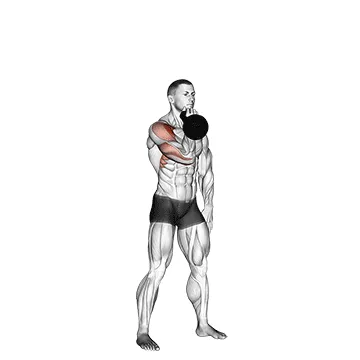
3. One-arm Kettlebell Push Press
89% match- Delts
- Kettlebell
- Intermediate
- Compound
How to perform this exercise
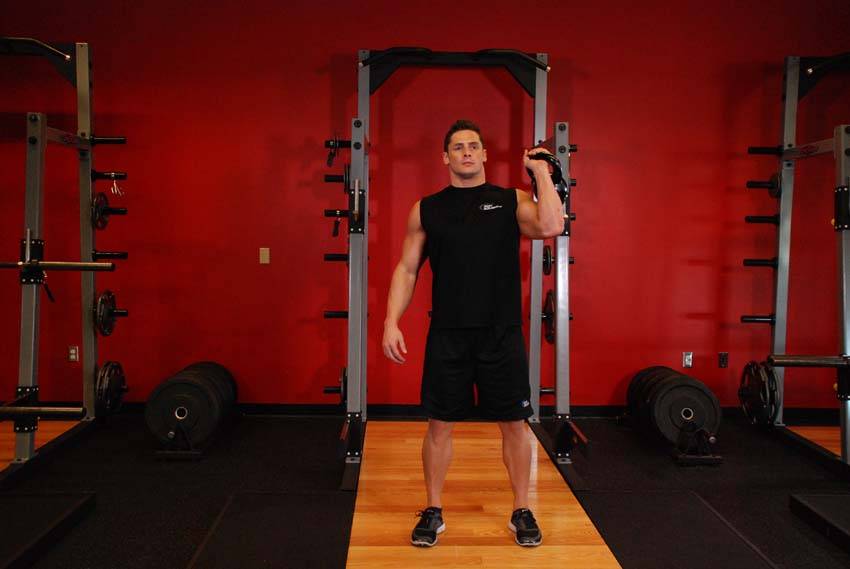
- Hold a kettlebell by the handle. Clean the kettlebell to your shoulder by extending through the legs and hips as you pull the kettlebell towards your shoulder. Rotate your wrist as you do so, so that the palm faces forward. This will be your starting position.
- Dip your body by bending the knees, keeping your torso upright.
- Immediately reverse direction, driving through the heels, in essence jumping to create momentum. As you do so, press the kettlebell overhead to lockout by extending the arms, using your body's momentum to move the weight. Lower the weight to perform the next repetition.
Sets and reps: 3 or 4 sets of 6 to 10 reps on each side.
Why this matches
- Primary muscle: delts, the same as the Bent Press
- Equipment: free weights, the same as the Bent Press
- Body position: standing, the same as the Bent Press
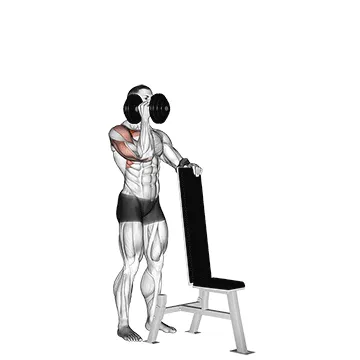
- Delts
- Dumbbell
- Intermediate
- Compound
A good swap when you have dumbbells to work with, and it still works the delts.
How to perform this exercise
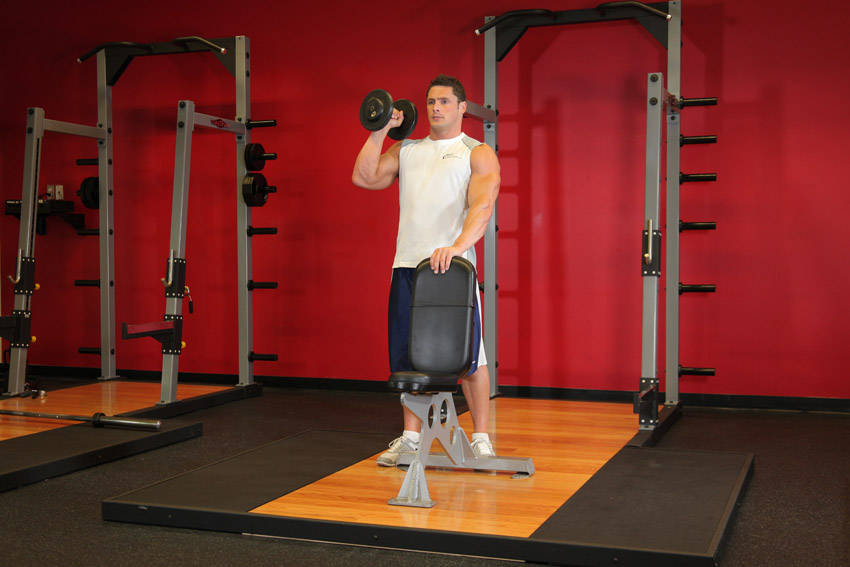
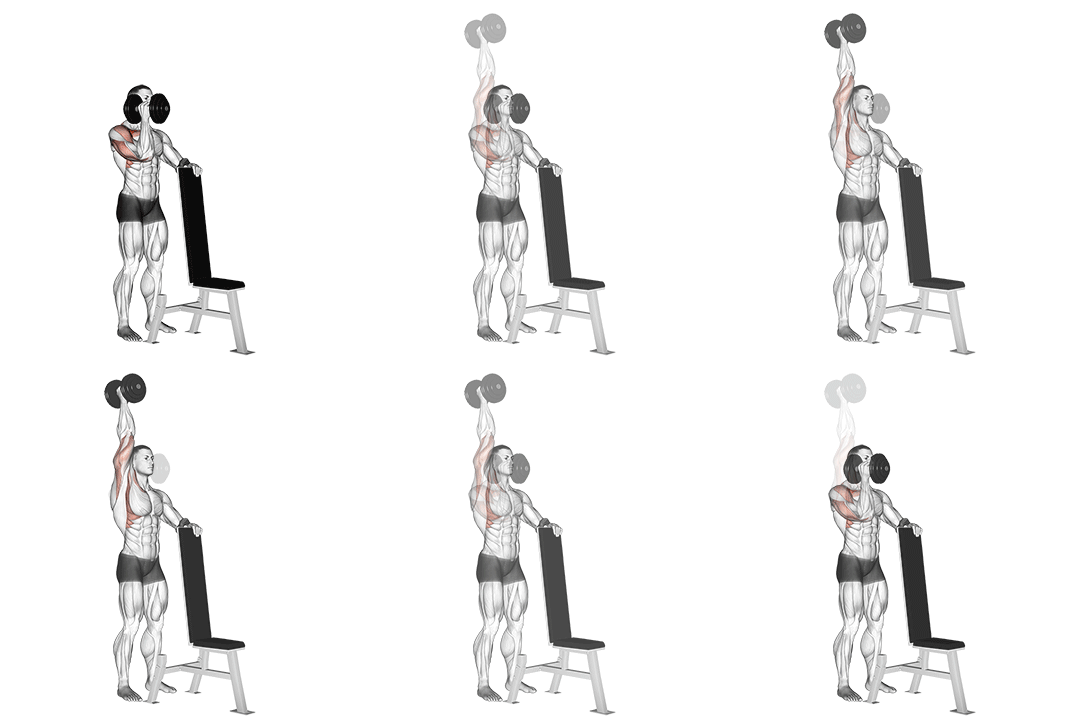
- Start by having a dumbbell in one hand with your arm fully extended to the side using a neutral grip. Use your other arm to hold on to an incline bench to keep your balance.
- Your feet should be shoulder width apart from each other. Now slowly lift the dumbbell up until you create a 90 degree angle with your arm. Note: Your forearm should be perpendicular to the floor. Continue to maintain a neutral grip throughout the entire exercise.
- Slowly lift the dumbbell up until your arm is fully extended. This the starting position.
- While inhaling lower the weight down until your arm is at a 90 degree angle again.
- Feel the contraction for a second and then lift the weight back up towards the starting position while exhaling. Remember to hold on to the incline bench and keep your feet positioned to keep balance during the exercise.
- Repeat for the recommended amount of repetitions.
- Switch arms and repeat the exercise.
Sets and reps: 3 or 4 sets of 6 to 10 reps on each side.
Why this matches
- Primary muscle: delts, the same as the Bent Press
- Equipment: free weights, the same as the Bent Press
- Body position: standing, the same as the Bent Press
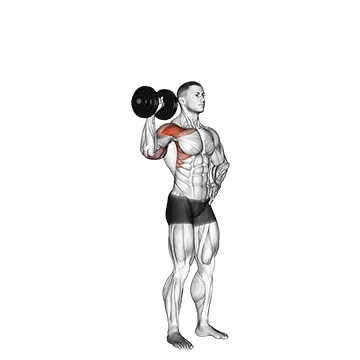
5. Dumbbell One Arm Shoulder Press
89% match- Delts
- Dumbbell
- Intermediate
- Compound
How to perform this exercise
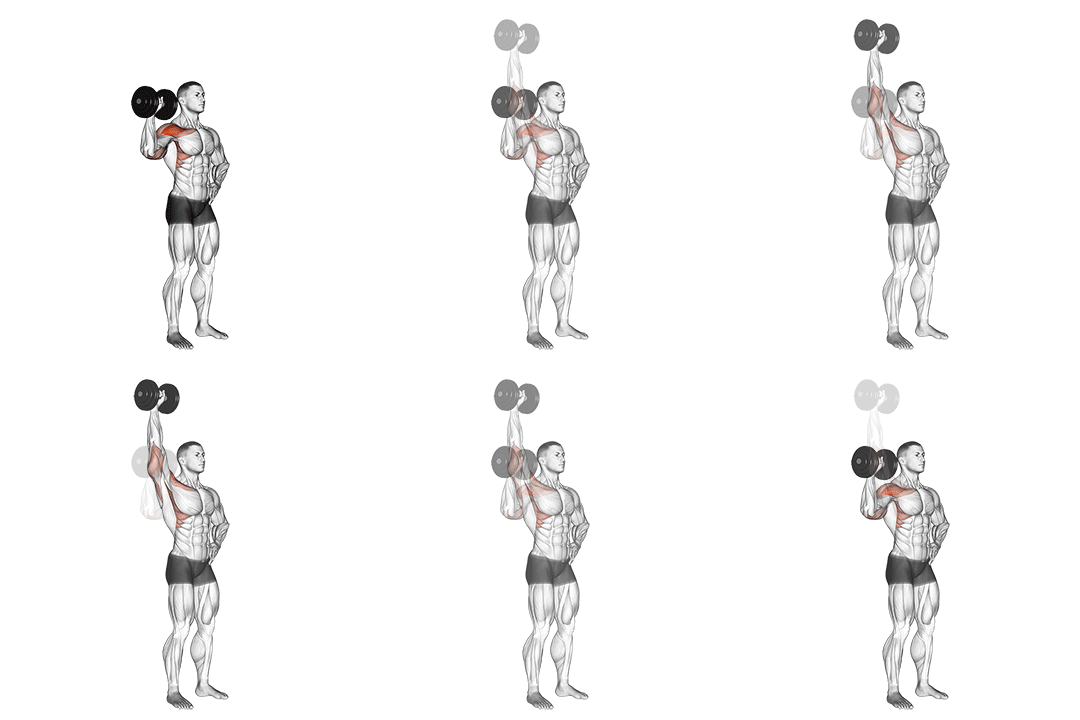
- Stand with your feet shoulder-width apart and hold a dumbbell in one hand at shoulder level, palm facing forward.
- Engage your core and press the dumbbell straight up overhead, fully extending your arm.
- Pause for a moment at the top, then slowly lower the dumbbell back to shoulder level.
- Repeat for the desired number of repetitions, then switch to the other arm.
Sets and reps: 3 or 4 sets of 6 to 10 reps on each side.
Why this matches
- Primary muscle: delts, the same as the Bent Press
- Equipment: free weights, the same as the Bent Press
- Body position: standing, the same as the Bent Press
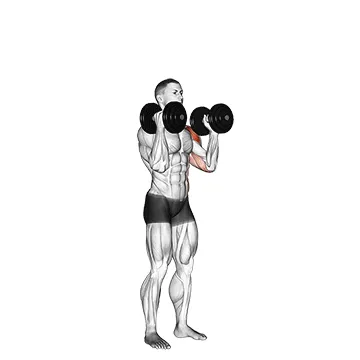
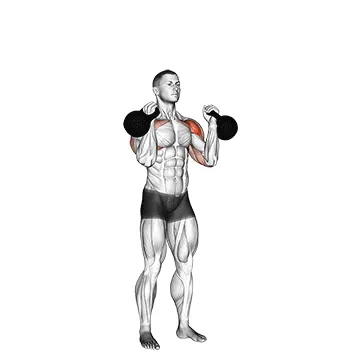
6. Kettlebell Arnold Press
88% match- Delts
- Kettlebell
- Intermediate
- Compound
How to perform this exercise
- Stand with your feet shoulder-width apart, holding a kettlebell in each hand at shoulder height with your palms facing towards you.
- Engage your core and press the kettlebells overhead, rotating your palms to face forward as you extend your arms.
- Pause at the top of the movement, then slowly lower the kettlebells back to the starting position.
- Repeat for the desired number of repetitions.
Sets and reps: 3 or 4 sets of 6 to 10 reps on each side.
Why this matches
- Primary muscle: delts, the same as the Bent Press
- Equipment: free weights, the same as the Bent Press
- Body position: standing, the same as the Bent Press
7. Dumbbell Alternate Side Press
86% match- Delts
- Dumbbell
- Intermediate
- Compound
How to perform this exercise
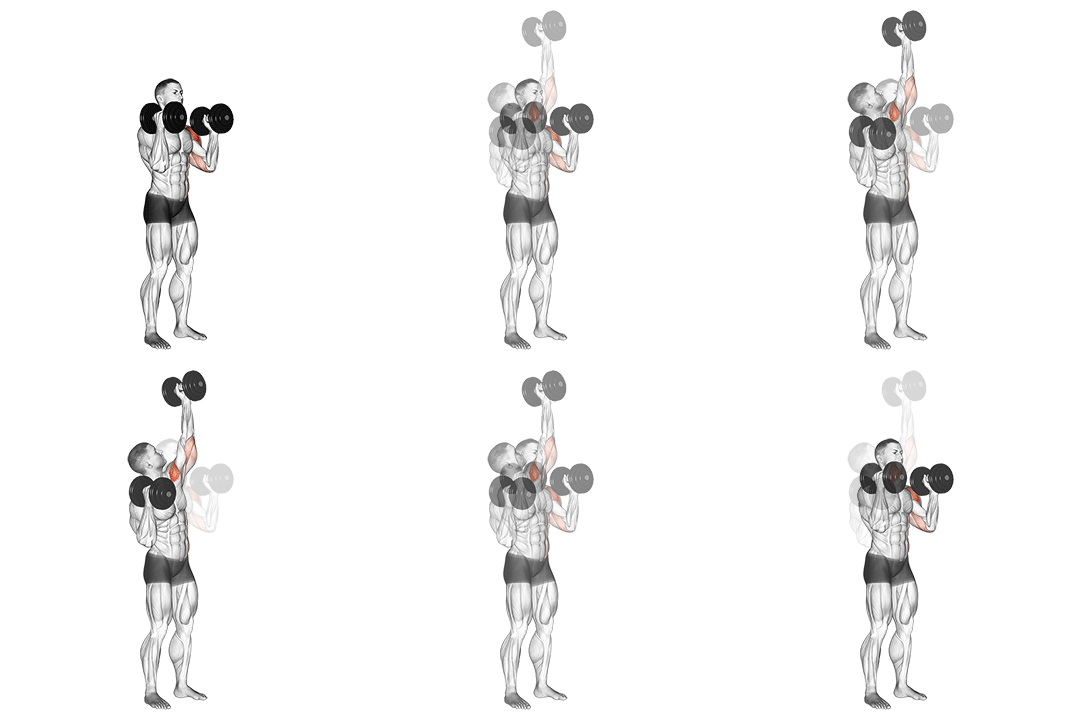
- Stand with your feet shoulder-width apart, holding a dumbbell in each hand at shoulder height.
- Press one dumbbell overhead while keeping the other dumbbell at shoulder height.
- Lower the pressed dumbbell back to shoulder height while pressing the other dumbbell overhead.
- Continue alternating sides for the desired number of repetitions.
Sets and reps: 3 or 4 sets of 6 to 10 reps on each side.
Why this matches
- Primary muscle: delts, the same as the Bent Press
- Equipment: free weights, the same as the Bent Press
- Body position: standing, the same as the Bent Press
- Delts
- Dumbbell
- Intermediate
- Compound
How to perform this exercise
- Stand with your feet shoulder-width apart, holding a dumbbell in one hand at shoulder height with your palm facing inwards.
- Engage your core and keep your back straight.
- Press the dumbbell upwards until your arm is fully extended.
- Pause for a moment at the top, then slowly lower the dumbbell back to the starting position.
- Repeat for the desired number of repetitions, then switch to the other arm.
Sets and reps: 3 or 4 sets of 6 to 10 reps on each side.
Why this matches
- Primary muscle: delts, the same as the Bent Press
- Equipment: free weights, the same as the Bent Press
- Body position: standing, the same as the Bent Press
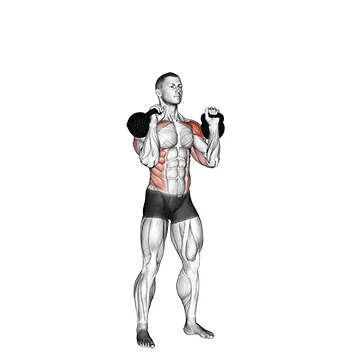
9. Kettlebell Alternating Press
81% match- Delts
- Kettlebell
- Intermediate
- Compound
How to perform this exercise
- Stand with your feet shoulder-width apart, holding a kettlebell in each hand at shoulder height.
- Press one kettlebell overhead, fully extending your arm.
- Lower the kettlebell back to shoulder height.
- Repeat with the other arm.
- Continue alternating arms for the desired number of repetitions.
Sets and reps: 3 or 4 sets of 6 to 10 reps on each side.
Why this matches
- Primary muscle: delts, the same as the Bent Press
- Equipment: free weights, the same as the Bent Press
- Body position: standing, the same as the Bent Press
10. Kettlebell Seesaw Press
81% match- Delts
- Kettlebell
- Intermediate
- Compound
How to perform this exercise
- Stand with your feet shoulder-width apart, holding a kettlebell in each hand at shoulder height.
- Press one kettlebell overhead while keeping the other kettlebell at shoulder height.
- Lower the pressed kettlebell back to shoulder height while simultaneously pressing the other kettlebell overhead.
- Continue alternating the pressing motion, creating a seesaw-like movement.
- Repeat for the desired number of repetitions.
Sets and reps: 3 or 4 sets of 6 to 10 reps on each side.
Why this matches
- Primary muscle: delts, the same as the Bent Press
- Equipment: free weights, the same as the Bent Press
- Body position: standing, the same as the Bent Press
Why You Might Need a Bent Press Alternative
You may substitute the Bent Press because it requires high thoracic mobility, precise shoulder-scapular control and a kettlebell you might not have. Bent Press also places asymmetric load and torsion through the ribcage and lumbar spine; alternatives reduce rotation while still loading the anterior and lateral delts. For example, the single-arm kettlebell strict press keeps the torso upright so the deltoid does more work and the lats stabilize the shoulder. Landmine presses shift the force path and lower shear on the spine. Use technique cues such as keeping the scapula slightly protracted and driving through the elbow to emphasize deltoid activation and protect the rotator cuff.
Bent Press FAQ
What muscles does Bent Press work?
The Bent Press primarily targets the anterior and lateral deltoids while recruiting the triceps for lockout. It also engages the lats and obliques to brace and control the torso; cue: maintain scapular stability and feel the lateral delt through the concentric press.
Find Alternatives for Any Exercise
Search the exercise database and filter the ranked substitutes by the equipment you own.
Similarity scores compare exercise metadata such as movement pattern, muscles, equipment and body position. They are not a safety rating or a check that you own the equipment. Learn about our methodology