

10 Best Incline Dumbbell Flyes - With A Twist Alternatives
Incline Dumbbell Flyes - With A Twist are done lying on your back with dumbbells. Ranked closest by our scoring: the Dumbbell Decline Twist Fly, the Dumbbell Decline Fly and the Dumbbell Fly.
Updated Ranked by our 12-factor similarity model How it works
Original Exercise: Incline Dumbbell Flyes - With A Twist
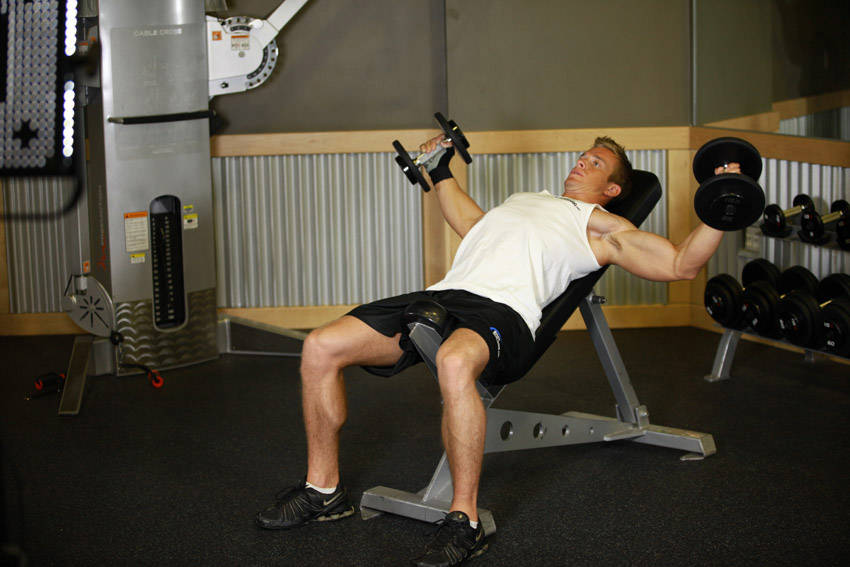
- Primary muscle
- Pectorals
- Equipment
- Dumbbell
- Difficulty
- Intermediate
- Type
- Isolation
Secondary muscles: Shoulders
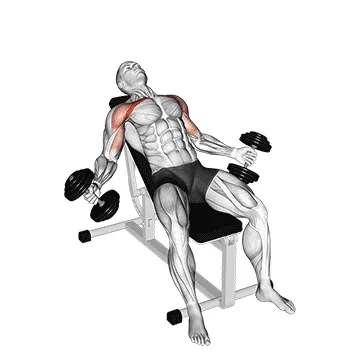
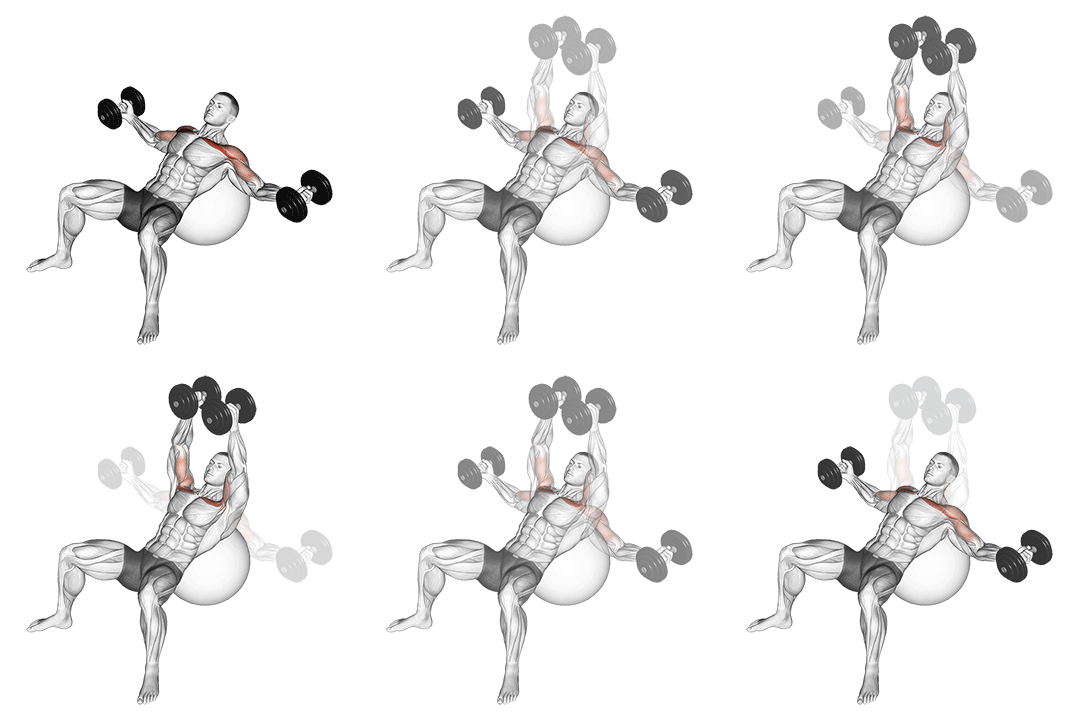
How to perform Incline Dumbbell Flyes - With A Twist
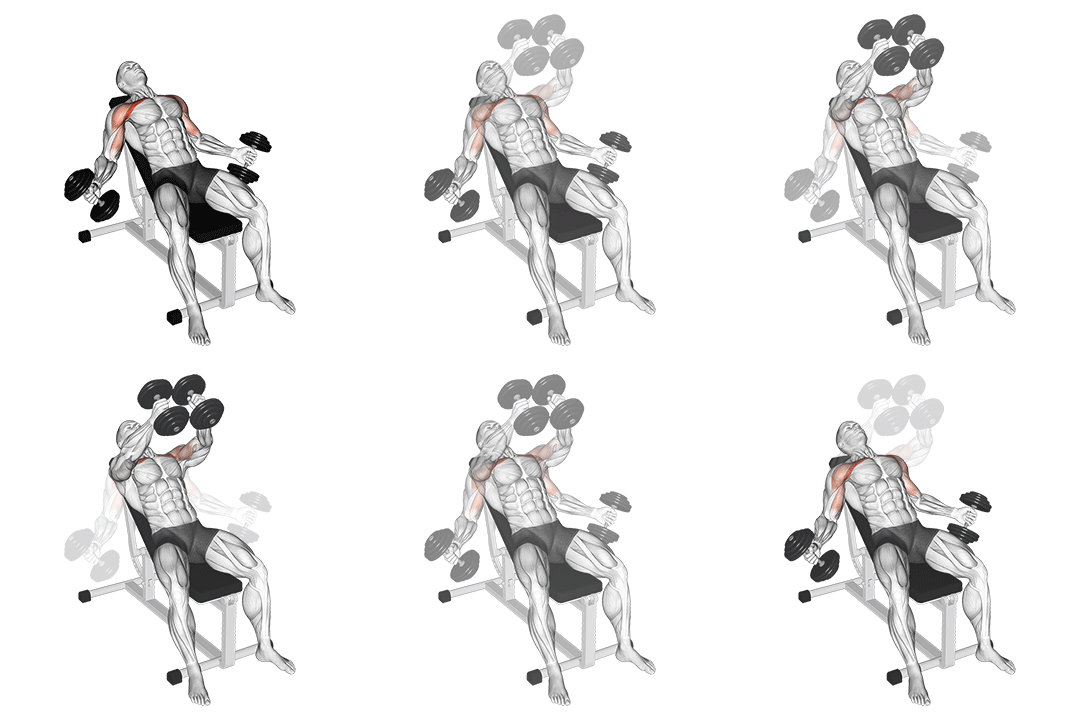
- Hold a dumbbell in each hand and lie on an incline bench that is set to an incline angle of no more than 30 degrees.
- Extend your arms above you with a slight bend at the elbows.
- Now rotate the wrists so that the palms of your hands are facing you. Tip: The pinky fingers should be next to each other. This will be your starting position.
- As you breathe in, start to slowly lower the arms to the side while keeping the arms extended and while rotating the wrists until the palms of the hand are facing each other. Tip: At the end of the movement the arms will be by your side with the palms facing the ceiling.
- As you exhale start to bring the dumbbells back up to the starting position by reversing the motion and rotating the hands so that the pinky fingers are next to each other again. Tip: Keep in mind that the movement will only happen at the shoulder joint and at the wrist. There is no motion that happens at the elbow joint.
- Repeat for the recommended amount of repetitions.
Ranked Incline Dumbbell Flyes - With A Twist Alternatives
10 substitutes, ranked by how closely each one matches Incline Dumbbell Flyes - With A Twist on movement pattern, muscles worked, equipment and body position. The higher the score, the less you change. Open "How to perform this exercise" on a card for the steps; every card title links to that exercise's own alternatives page.
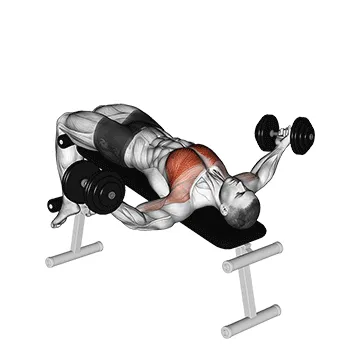
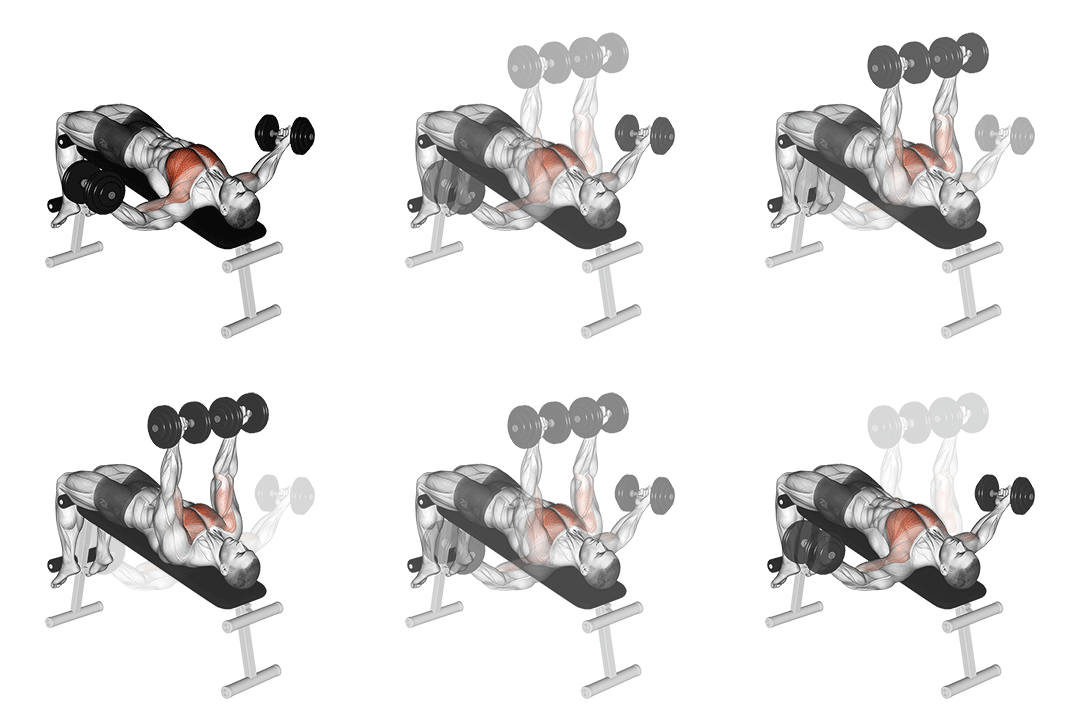
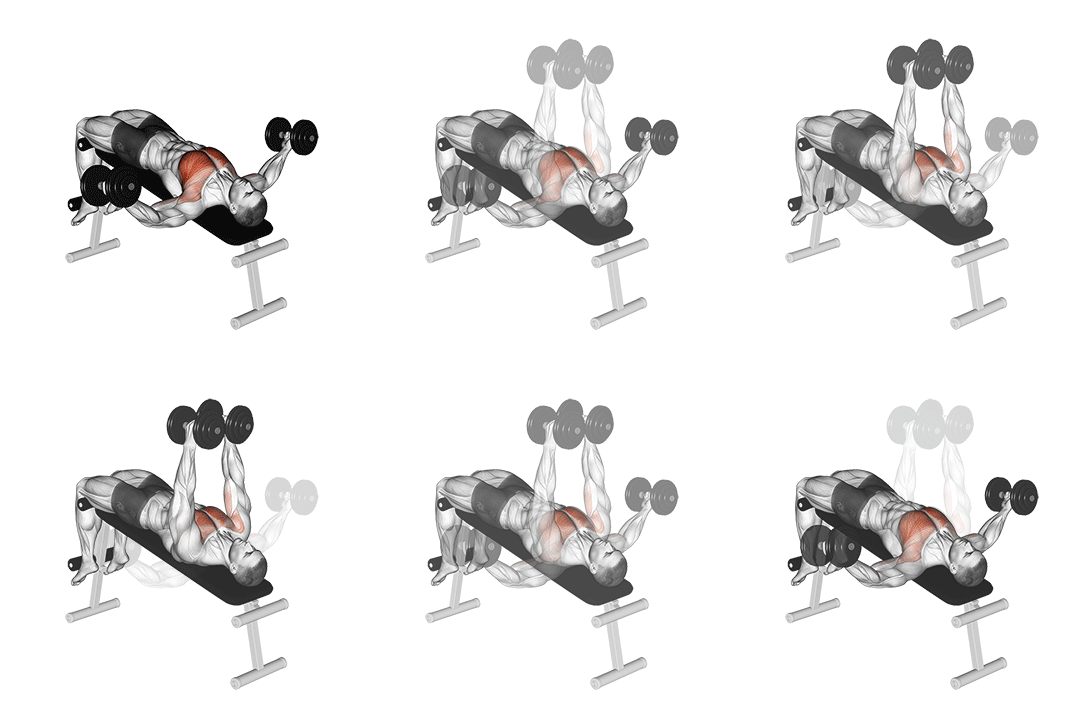
Best match 1. Dumbbell Decline Twist Fly
99% match- Pectorals
- Dumbbell
- Intermediate
- Isolation
It uses the same equipment and still works the pectorals.
How to perform this exercise
- Lie down on a decline bench with your head lower than your hips.
- Hold a dumbbell in each hand with your palms facing each other and your arms extended straight up over your chest.
- Lower the dumbbells out to the sides in a wide arc until you feel a stretch in your chest.
- As you lower the dumbbells, twist your wrists so that your palms face forward at the bottom of the movement.
- Reverse the motion and bring the dumbbells back up to the starting position, squeezing your chest muscles at the top.
- Repeat for the desired number of repetitions.
Sets and reps: 3 sets of 10 to 15 reps.
Why this matches
- Movement: chest fly, the same as Incline Dumbbell Flyes - With A Twist
- Primary muscle: pectorals, the same as Incline Dumbbell Flyes - With A Twist
- Equipment: free weights, the same as Incline Dumbbell Flyes - With A Twist
- Body position: lying on your back, the same as Incline Dumbbell Flyes - With A Twist
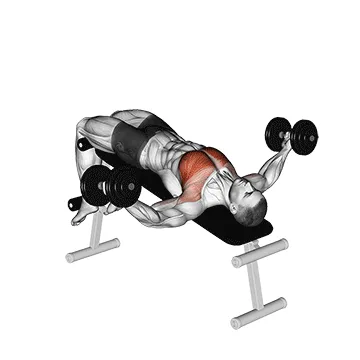
2. Dumbbell Decline Fly
99% match- Pectorals
- Dumbbell
- Beginner
- Isolation
Pick this when you want an easier version that still works the pectorals.
How to perform this exercise
- Lie on a decline bench with your feet secured and your head lower than your hips.
- Hold a dumbbell in each hand with your palms facing each other and your arms extended above your chest.
- Lower the dumbbells out to the sides in a wide arc until you feel a stretch in your chest.
- Pause for a moment, then squeeze your chest muscles to bring the dumbbells back to the starting position.
- Repeat for the desired number of repetitions.
Sets and reps: 3 sets of 10 to 15 reps.
Why this matches
- Movement: chest fly, the same as Incline Dumbbell Flyes - With A Twist
- Primary muscle: pectorals, the same as Incline Dumbbell Flyes - With A Twist
- Equipment: free weights, the same as Incline Dumbbell Flyes - With A Twist
- Body position: lying on your back, the same as Incline Dumbbell Flyes - With A Twist
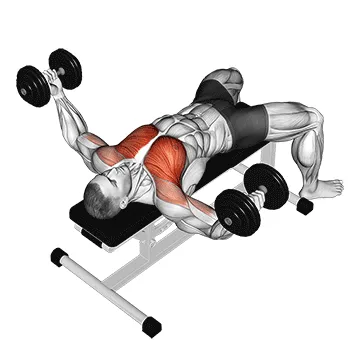
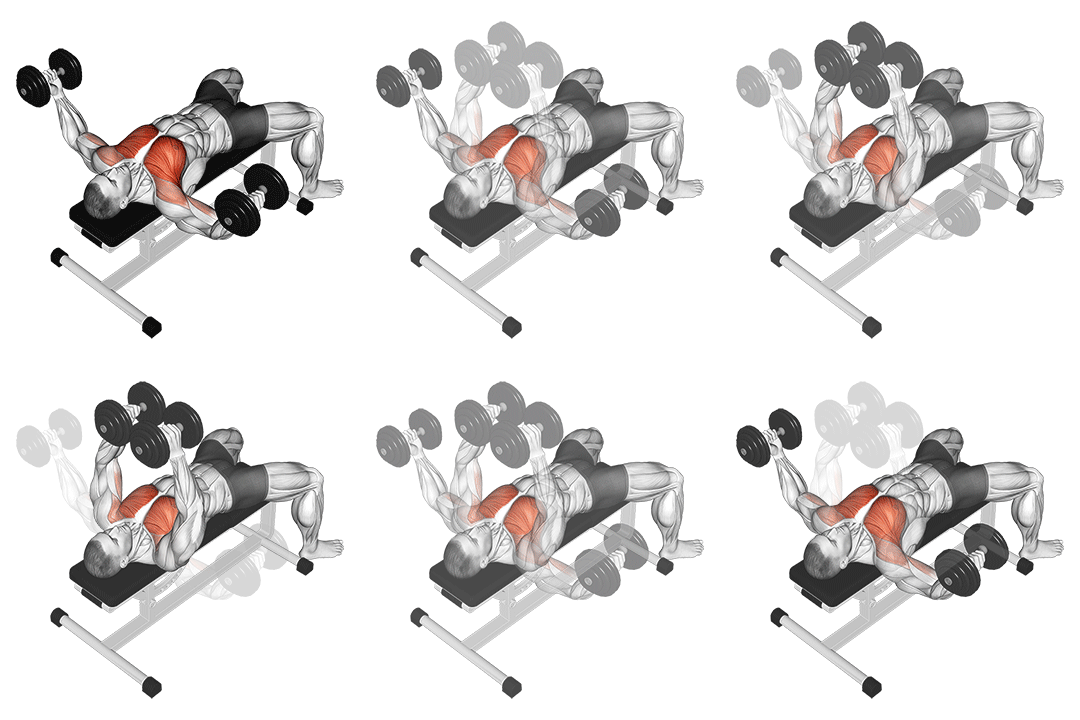
3. Dumbbell Fly
99% match- Pectorals
- Dumbbell
- Intermediate
- Isolation
How to perform this exercise
- Lie flat on a bench with a dumbbell in each hand, palms facing each other.
- Extend your arms straight up over your chest, with a slight bend in your elbows.
- Keeping a slight bend in your elbows, lower your arms out to the sides in a wide arc until you feel a stretch in your chest.
- Pause for a moment, then reverse the movement and bring the dumbbells back up to the starting position.
- Repeat for the desired number of repetitions.
Sets and reps: 3 sets of 10 to 15 reps.
Why this matches
- Movement: chest fly, the same as Incline Dumbbell Flyes - With A Twist
- Primary muscle: pectorals, the same as Incline Dumbbell Flyes - With A Twist
- Equipment: free weights, the same as Incline Dumbbell Flyes - With A Twist
- Body position: lying on your back, the same as Incline Dumbbell Flyes - With A Twist
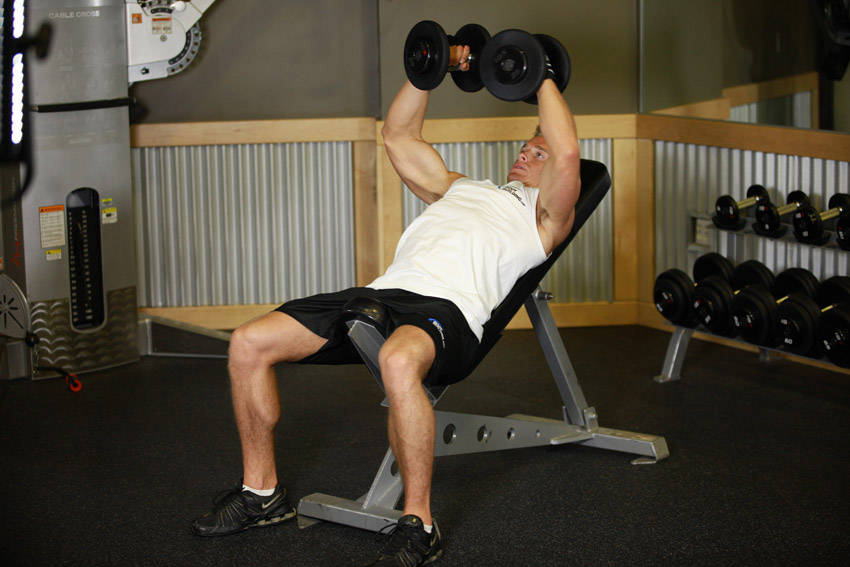
4. Incline Dumbbell Flyes
99% match- Pectorals
- Dumbbell
- Beginner
- Isolation
How to perform this exercise
- Hold a dumbbell on each hand and lie on an incline bench that is set to an incline angle of no more than 30 degrees.
- Extend your arms above you with a slight bend at the elbows.
- Now rotate the wrists so that the palms of your hands are facing you. Tip: The pinky fingers should be next to each other. This will be your starting position.
- As you breathe in, start to slowly lower the arms to the side while keeping the arms extended and while rotating the wrists until the palms of the hand are facing each other. Tip: At the end of the movement the arms will be by your side with the palms facing the ceiling.
- As you exhale start to bring the dumbbells back up to the starting position by reversing the motion and rotating the hands so that the pinky fingers are next to each other again. Tip: Keep in mind that the movement will only happen at the shoulder joint and at the wrist. There is no motion that happens at the elbow joint.
- Repeat for the recommended amount of repetitions.
Sets and reps: 3 sets of 10 to 15 reps.
Why this matches
- Movement: chest fly, the same as Incline Dumbbell Flyes - With A Twist
- Primary muscle: pectorals, the same as Incline Dumbbell Flyes - With A Twist
- Equipment: free weights, the same as Incline Dumbbell Flyes - With A Twist
- Body position: lying on your back, the same as Incline Dumbbell Flyes - With A Twist
5. Hyght Dumbbell Fly
98% match- Pectorals
- Dumbbell
- Intermediate
- Isolation
Pick this when you want to work the pectorals with less balance to manage.
How to perform this exercise
- Lie flat on a bench with a dumbbell in each hand, palms facing each other.
- Extend your arms straight up over your chest, with a slight bend in your elbows.
- Keeping a slight bend in your elbows, lower the dumbbells out to the sides in a wide arc until you feel a stretch in your chest.
- Pause for a moment, then reverse the movement and bring the dumbbells back to the starting position.
- Repeat for the desired number of repetitions.
Sets and reps: 3 sets of 10 to 15 reps.
Why this matches
- Movement: chest fly, the same as Incline Dumbbell Flyes - With A Twist
- Primary muscle: pectorals, the same as Incline Dumbbell Flyes - With A Twist
- Equipment: free weights, the same as Incline Dumbbell Flyes - With A Twist
- Body position: lying on your back, the same as Incline Dumbbell Flyes - With A Twist
- Balance: easier to stay steady on than Incline Dumbbell Flyes - With A Twist
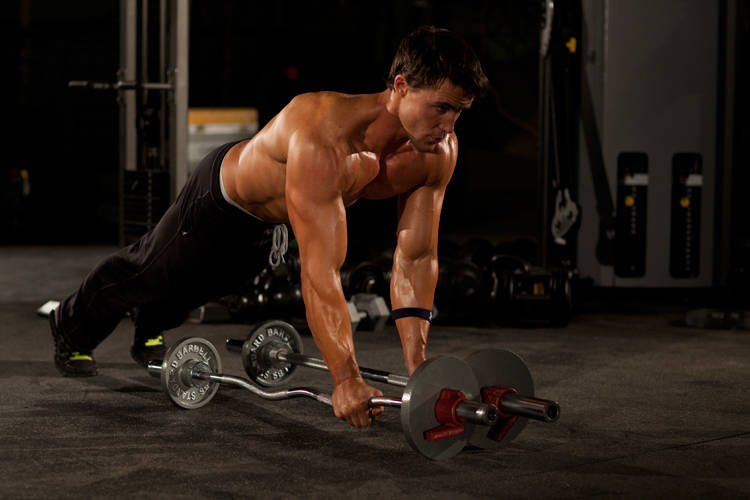
6. Bodyweight Flyes
98% match- Pectorals
- Ez-barbell
- Intermediate
- Isolation
A good swap when you have an EZ bar to work with, and it still works the pectorals.
How to perform this exercise
- Position two equally loaded EZ bars on the ground next to each other. Ensure they are able to roll.
- Assume a push-up position over the bars, supporting your weight on your toes and hands with your arms extended and body straight.
- Place your hands on the bars. This will be your starting position.
- Using a slow and controlled motion, move your hands away from the midline of your body, rolling the bars apart. Inhale during this portion of the motion.
- After moving the bars as far apart as you can, return to the starting position by pulling them back together. Exhale as you perform this movement.
Sets and reps: 3 sets of 10 to 15 reps.
Why this matches
- Movement: chest fly, the same as Incline Dumbbell Flyes - With A Twist
- Primary muscle: pectorals, the same as Incline Dumbbell Flyes - With A Twist
- Equipment: free weights, the same as Incline Dumbbell Flyes - With A Twist
- Body position: lying on your back, the same as Incline Dumbbell Flyes - With A Twist
- Balance: easier to stay steady on than Incline Dumbbell Flyes - With A Twist
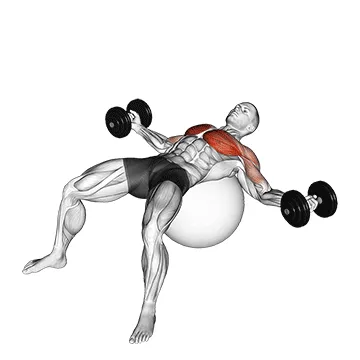
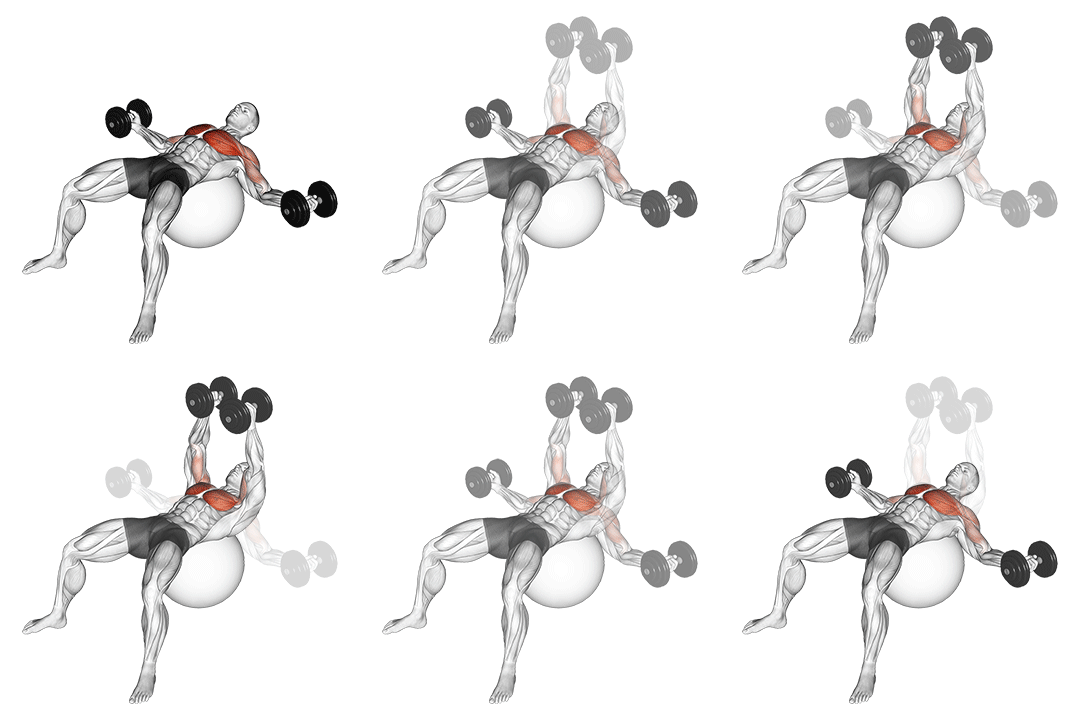
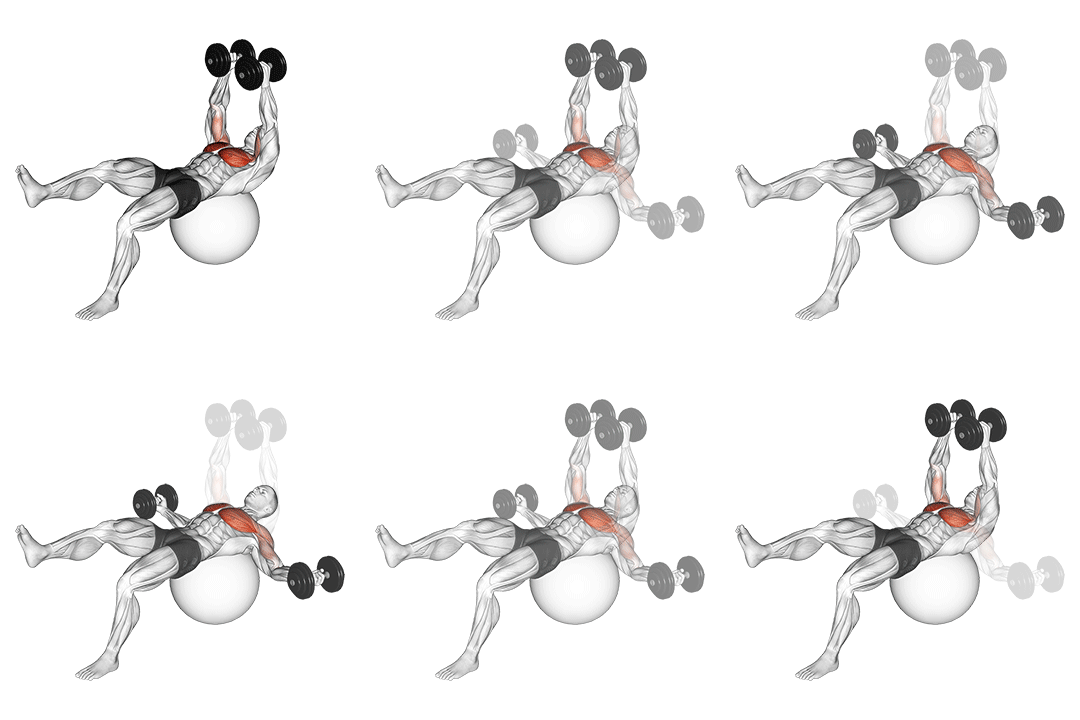
7. Dumbbell Fly On Exercise Ball
97% match- Pectorals
- Stability-ball
- Intermediate
- Isolation
A good swap when you have a stability ball to work with, and it still works the pectorals.
How to perform this exercise
- Sit on an exercise ball and hold a dumbbell in each hand.
- Walk your feet forward and roll your body down until your head, neck, and upper back are supported by the ball.
- Extend your arms straight up above your chest, palms facing each other.
- Bend your elbows slightly and lower your arms out to the sides in a wide arc until you feel a stretch in your chest.
- Pause for a moment, then reverse the movement and squeeze your chest muscles as you bring the dumbbells back to the starting position.
- Repeat for the desired number of repetitions.
Sets and reps: 3 sets of 10 to 15 reps.
Why this matches
- Movement: chest fly, the same as Incline Dumbbell Flyes - With A Twist
- Primary muscle: pectorals, the same as Incline Dumbbell Flyes - With A Twist
- Body position: lying on your back, the same as Incline Dumbbell Flyes - With A Twist
- Balance: harder to stay steady on than Incline Dumbbell Flyes - With A Twist
- Pectorals
- Stability-ball
- Intermediate
- Isolation
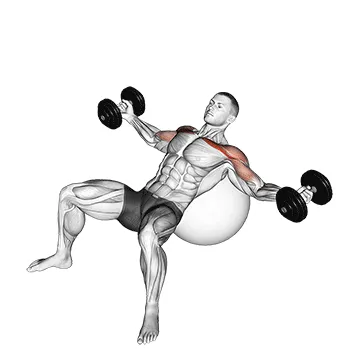
How to perform this exercise
- Set up an incline bench at a 45-degree angle.
- Sit on an exercise ball and roll forward until your upper back is resting on the incline bench.
- Hold a dumbbell in each hand with your palms facing each other and your arms extended above your chest.
- Lower the dumbbells out to the sides in a wide arc until you feel a stretch in your chest.
- Pause for a moment, then squeeze your chest muscles to bring the dumbbells back to the starting position.
- Repeat for the desired number of repetitions.
Sets and reps: 3 sets of 10 to 15 reps.
Why this matches
- Movement: chest fly, the same as Incline Dumbbell Flyes - With A Twist
- Primary muscle: pectorals, the same as Incline Dumbbell Flyes - With A Twist
- Body position: lying on your back, the same as Incline Dumbbell Flyes - With A Twist
- Balance: harder to stay steady on than Incline Dumbbell Flyes - With A Twist
- Pectorals
- Dumbbell
- Intermediate
- Isolation
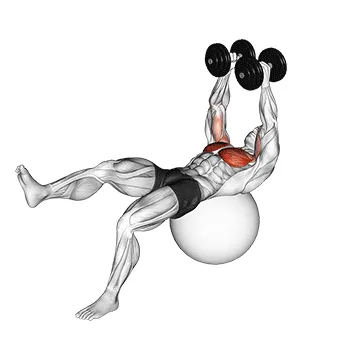
How to perform this exercise
- Sit on an exercise ball with a dumbbell in each hand, palms facing each other.
- Place one foot on the ground and extend the other leg straight out in front of you.
- Lean forward slightly and bring your arms out to the sides, keeping a slight bend in your elbows.
- Slowly lower the dumbbells down and out to the sides, feeling a stretch in your chest.
- Pause for a moment at the bottom, then squeeze your chest muscles to bring the dumbbells back up to the starting position.
- Repeat for the desired number of repetitions, then switch legs and repeat.
Sets and reps: 3 sets of 10 to 15 reps.
Why this matches
- Movement: chest fly, the same as Incline Dumbbell Flyes - With A Twist
- Primary muscle: pectorals, the same as Incline Dumbbell Flyes - With A Twist
- Equipment: free weights, the same as Incline Dumbbell Flyes - With A Twist
- Body position: lying on your back, the same as Incline Dumbbell Flyes - With A Twist
- Balance: harder to stay steady on than Incline Dumbbell Flyes - With A Twist
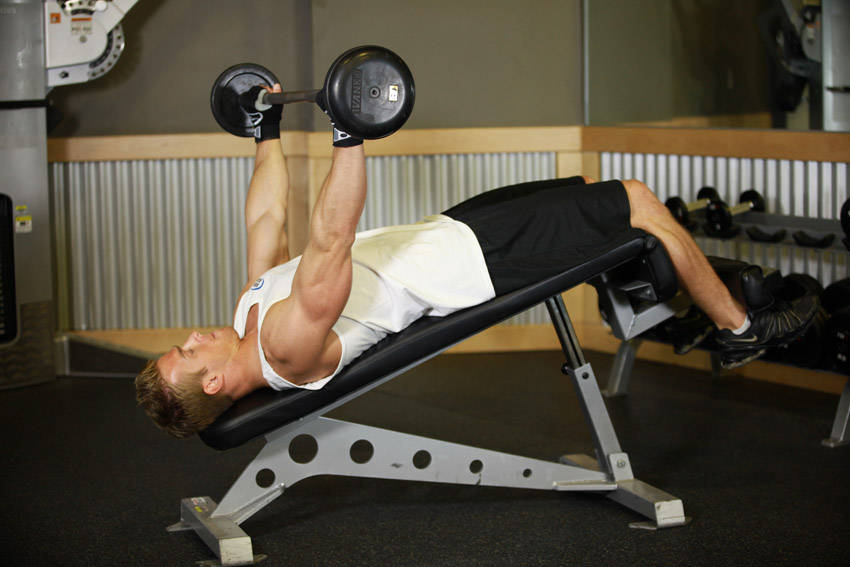
- Pectorals
- Barbell
- Intermediate
- Isolation
How to perform this exercise
- Lie down on a decline bench with both legs securely locked in position. Reach for the barbell behind the head using a pronated grip (palms facing out). Make sure to grab the barbell wider than shoulder width apart for this exercise. Slowly lift the barbell up from the floor by using your arms.
- When positioned properly, your arms should be fully extended and perpendicular to the floor. This is the starting position.
- Begin by moving the barbell back down in a semicircular motion as if you were going to place it on the floor, but instead, stop when the arms are parallel to the floor. Tip: Keep the arms fully extended at all times. The movement should only happen at the shoulder joint. Inhale as you perform this portion of the movement.
- Now bring the barbell up while exhaling until you are back at the starting position. Remember to keep full control of the barbell at all times.
- Repeat the movement for the prescribed amount of repetitions of your training program.
- When finished with your set, slowly lower the barbell back down until it is level with your head and release it.
Sets and reps: 3 sets of 10 to 15 reps.
Why this matches
- Primary muscle: pectorals, the same as Incline Dumbbell Flyes - With A Twist
- Equipment: free weights, the same as Incline Dumbbell Flyes - With A Twist
- Body position: lying on your back, the same as Incline Dumbbell Flyes - With A Twist
Incline Dumbbell Flyes - With A Twist FAQ
What muscles does Incline Dumbbell Flyes - With A Twist work?
It primarily targets the clavicular head of the pectoralis major, with secondary involvement from the anterior deltoid and serratus for scapular control. Biomechanically it emphasizes horizontal adduction; cue a small elbow bend and consciously adduct the humerus to maximize pec tension.
Can I build muscle without doing Incline Dumbbell Flyes - With A Twist?
Yes. You can stimulate the same upper-pec fibers with presses, cables, or bodyweight progressions as long as you apply progressive overload and sufficient volume. Track load, reps, or tempo and cue full horizontal adduction with controlled eccentrics to maximize hypertrophy.
Find Alternatives for Any Exercise
Search the exercise database and filter the ranked substitutes by the equipment you own.
Similarity scores compare exercise metadata such as movement pattern, muscles, equipment and body position. They are not a safety rating or a check that you own the equipment. Learn about our methodology