

10 Best Lying Hamstring Alternatives for Limited Equipment
What can you do instead of the Lying Hamstring? Use Romanian deadlifts, Nordic hamstring curls, glute-ham raises, single-leg RDLs, or seated/standing hamstring curls to hit the same posterior chain. Emphasize a controlled eccentric: hinge at the hips, keep a slight knee bend, and feel tension along the distal hamstrings.
Original Exercise: Lying Hamstring
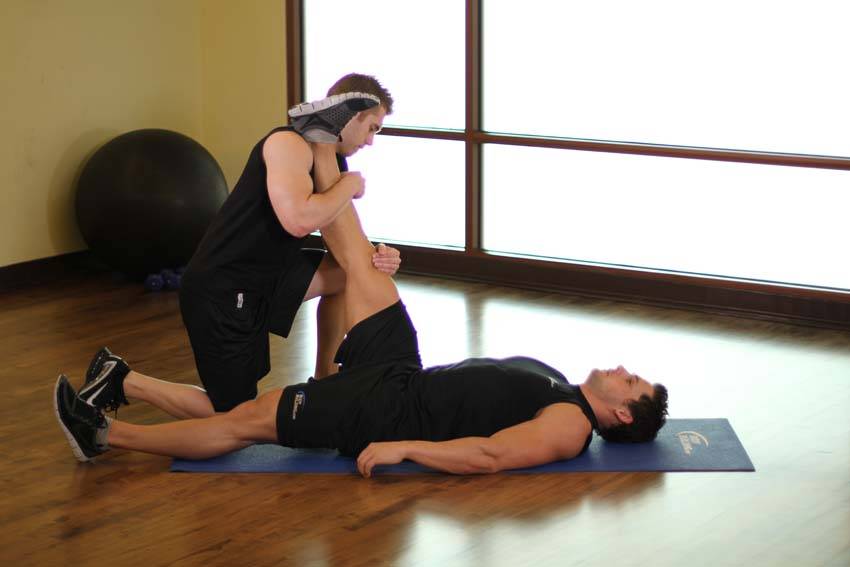
How to Perform Lying Hamstring
- Lie on your back with your legs extended. Your partner should be kneeling beside you. Raise one leg up towards the ceiling and have your partner hold the ankle. Your partner can use their shoulder to brace your leg if necessary. This will be your starting position.
- With your partner holding your leg in place, attempt to flex the knee, contracting the hamstrings for 10-20 seconds.
- Then relax your leg, allowing your partner to gently push the leg towards your head. Be sure to inform your helper when the stretch is adequate to prevent injury or overstretching. Switch sides once complete.
Pro Tips
- Category: Stretching
- Force: Static
Ranked Lying Hamstring Alternatives
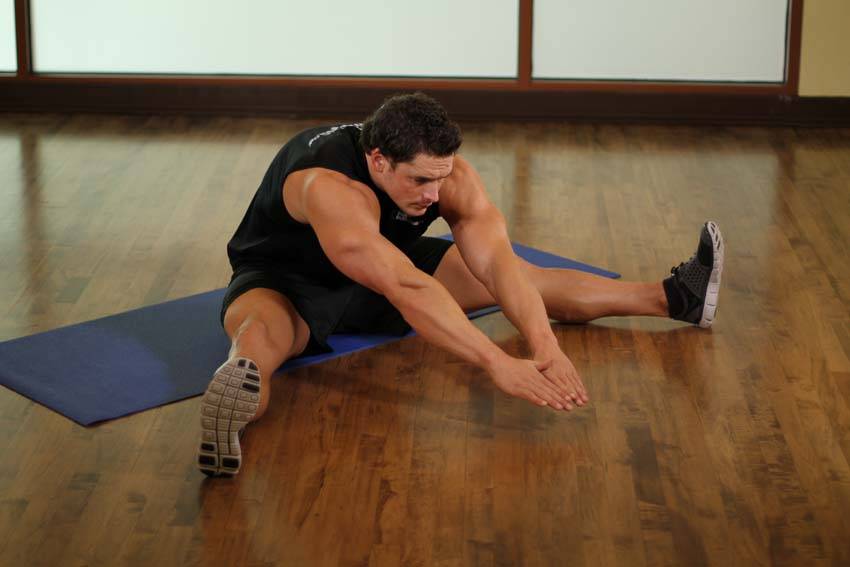
1. The Straddle
81.2% MatchHow to perform this exercise
- Begin in a seated, upright position. Start by extending your legs in front of you in a V.
- With your hands on the floor, lean forward as far as possible. Hold for 10 to 20 seconds.
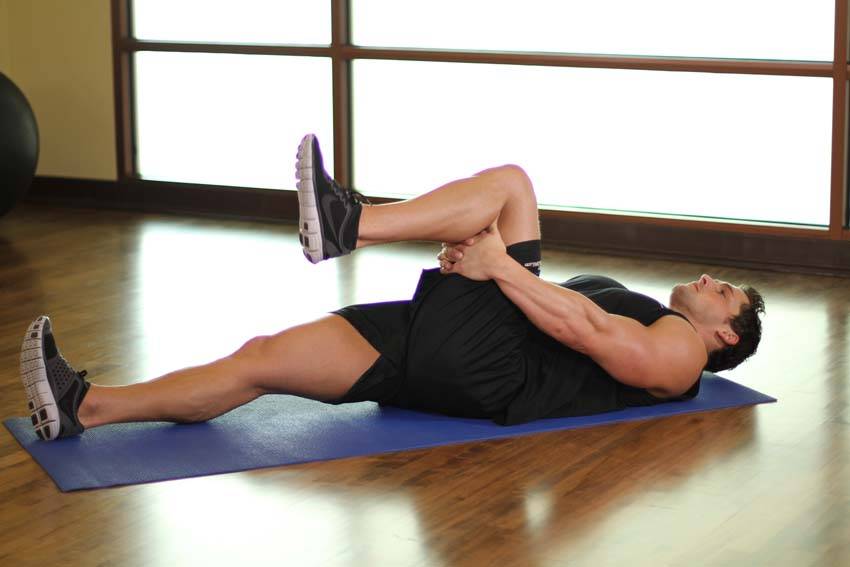
2. Leg-Up Hamstring Stretch
79% MatchHow to perform this exercise
- Lie flat on your back, bend one knee, and put that foot flat on the floor to stabilize your spine.
- Extend the other leg in the air. If you're tight, you wont be able to straighten it. That's okay. Extend the knee so that the sole of the lifted foot faces the ceiling (or as close as you can get it).
- Slowly straighten the legs as much as possible and then pull the leg toward your nose. Switch sides.
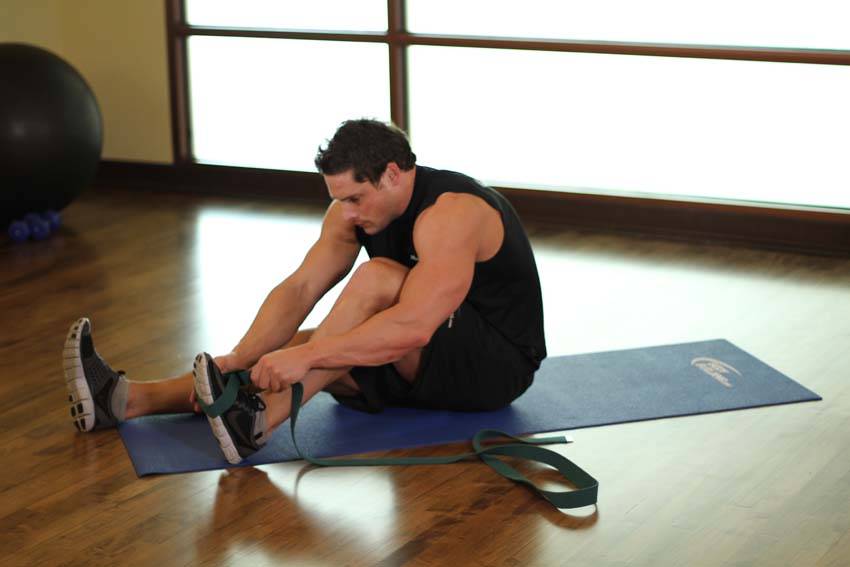
3. Seated Hamstring And Calf Stretch
78% MatchHow to perform this exercise
- Loop a belt, rope, or band around one foot. Sit down with both legs extended . This will be your starting position.
- Leaning forward slightly, pull on the belt to draw the toes of your foot back. Hold this position for 10-20 seconds and then repeat with the other leg.
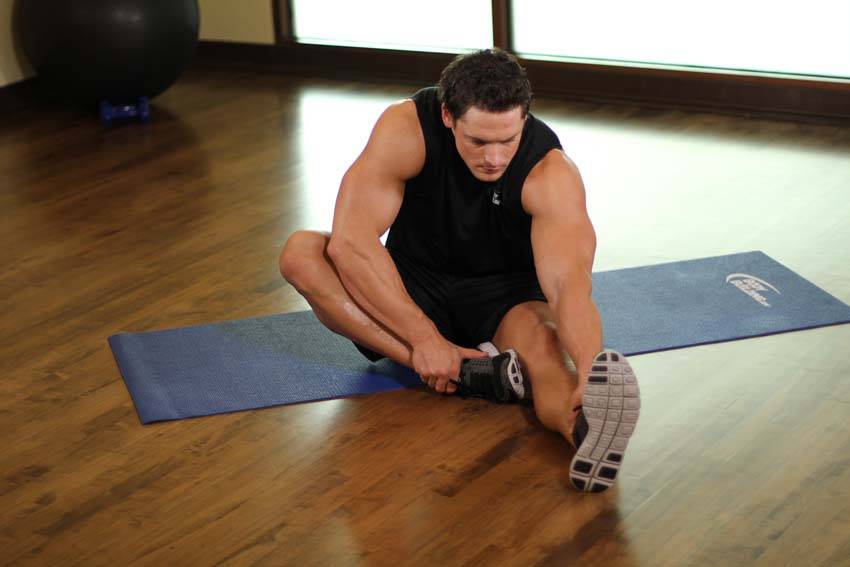
4. Seated Floor Hamstring Stretch
78% MatchHow to perform this exercise
- Sit on a mat with your right leg extended in front of you and your left leg bent with your foot against your right inner thigh.
- Lean forward from your hips and reach for your ankle until you feel a stretch in your hamstring. Hold for 15 seconds, then repeat for your other side.
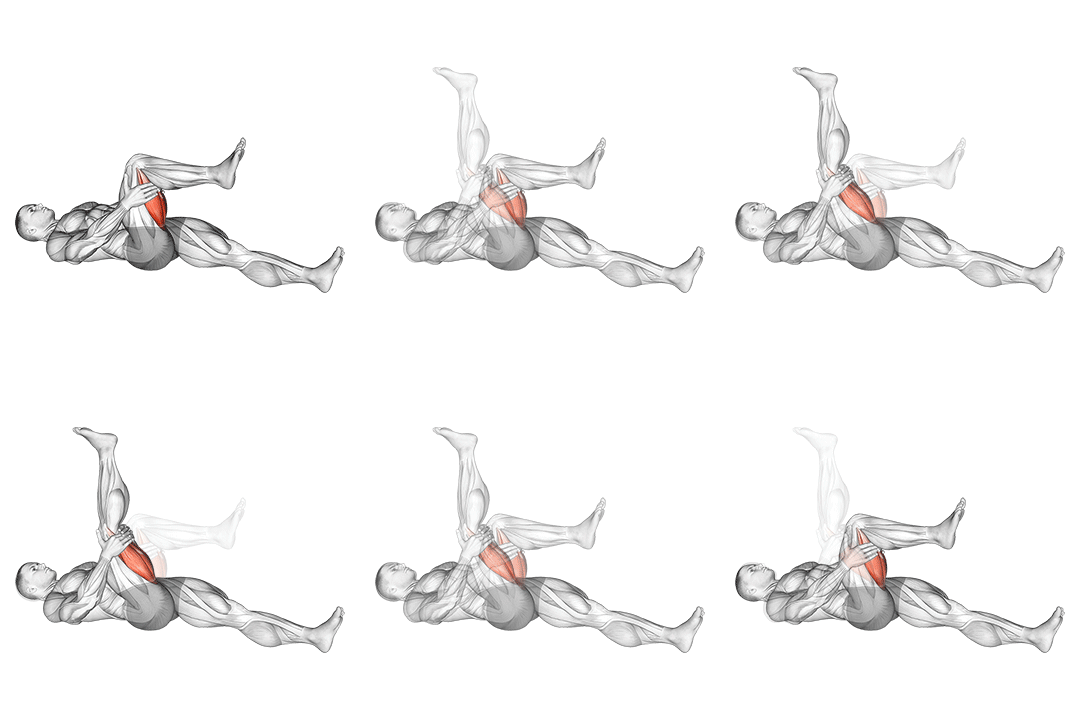
5. Hamstring Stretch
77.2% MatchHow to perform this exercise
- Stand with your feet shoulder-width apart.
- Step forward with your right foot and shift your weight onto your right leg.
- Keeping your back straight, slowly bend forward at the hips, reaching towards your right foot with both hands.
- Hold the stretch for 20-30 seconds, then return to the starting position.
- Repeat on the other side.
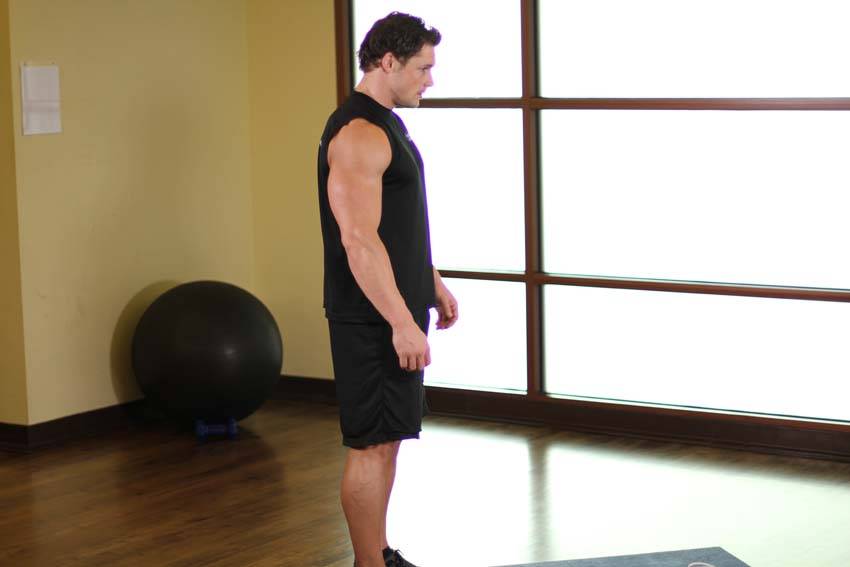
6. Runner's Stretch
76.2% MatchHow to perform this exercise
- It's easiest to get into this stretch if you start standing up, put one leg behind you, and slowly lower your torso down to the floor.
- Keep the front heel on the floor (if it lifts up, scoot your other leg further back).
- Place your hands on either side of your front leg. To get more out of this stretch, push your butt up toward the ceiling, and then gradually lower it back toward the floor. You'll Stretch the hip flexor of the back leg and the hamstring and buttocks of the front.
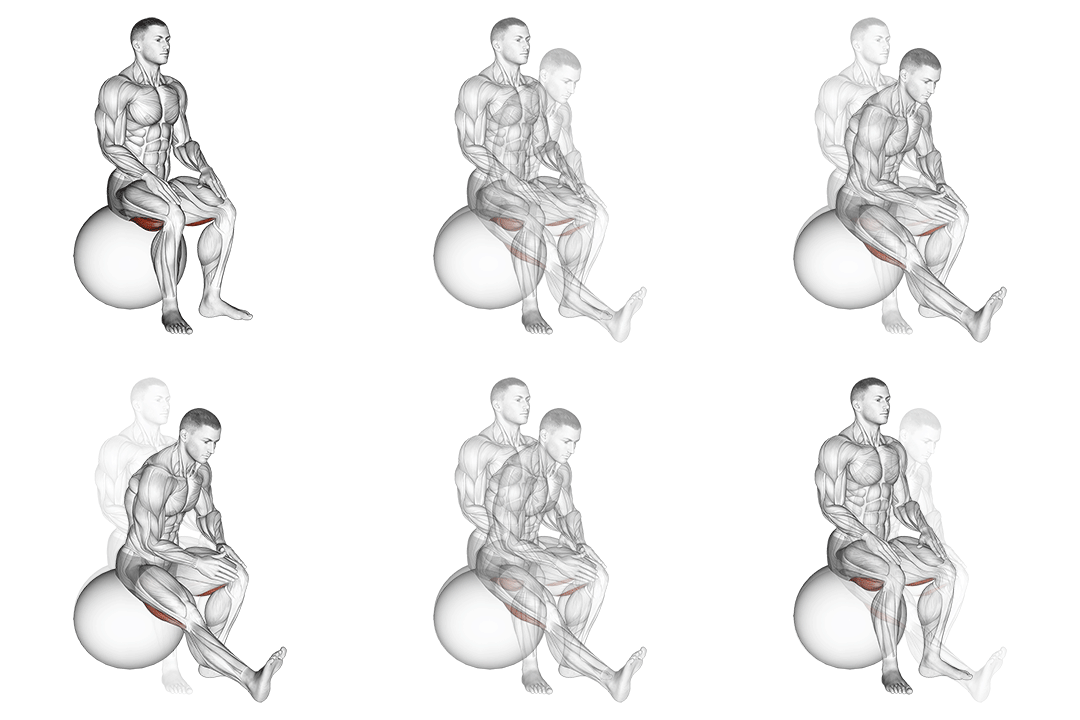
7. Exercise Ball Seated Hamstring Stretch
75.9% MatchHow to perform this exercise
- Sit on the stability ball with your feet flat on the ground and your knees bent at a 90-degree angle.
- Slowly roll the ball forward, walking your feet out until your upper back is resting on the ball and your legs are extended straight in front of you.
- Place your hands on your hips for support.
- Engage your core and slowly lower your upper body towards the ground, keeping your back straight and your chest lifted.
- Stop when you feel a stretch in your hamstrings, and hold the position for 20-30 seconds.
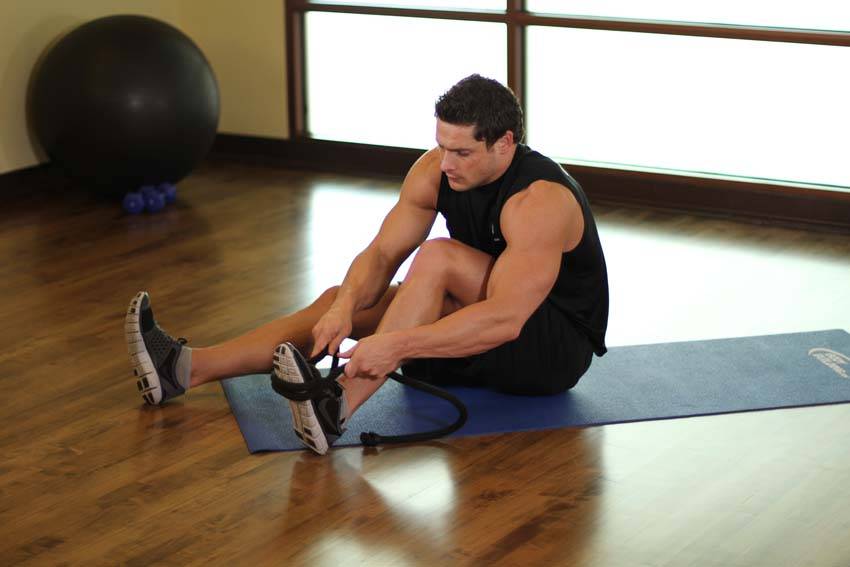
8. Intermediate Groin Stretch
73% MatchHow to perform this exercise
- Lie on your back with your legs extended. Loop a belt, rope, or band around one of your feet, and swing that leg as far to the side as you can. This will be your starting position.
- Pull gently on the belt to create tension in your groin and hamstring muscles. Hold for 10-20 seconds, and repeat on the other side.
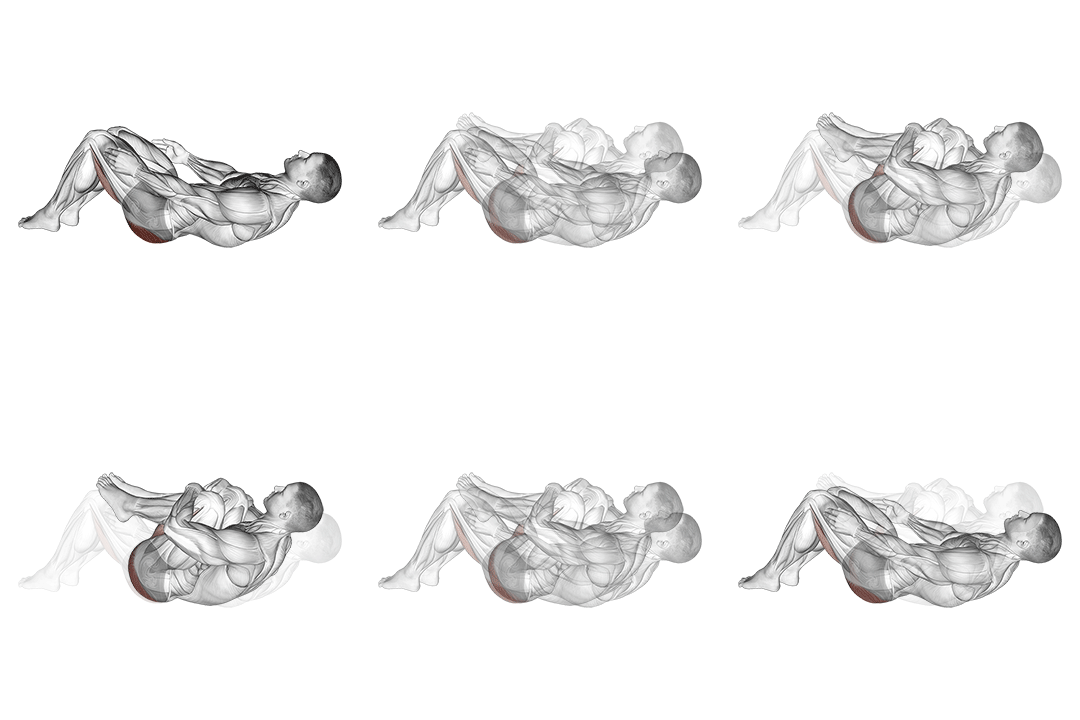
9. Hug Keens To Chest
71% MatchHow to perform this exercise
- Start by standing with your feet shoulder-width apart.
- Bend your knees and lower your body down into a squat position.
- As you squat down, bring your knees up towards your chest and hug them with your arms.
- Hold this position for a moment, then slowly return to the starting position.
- Repeat for the desired number of repetitions.
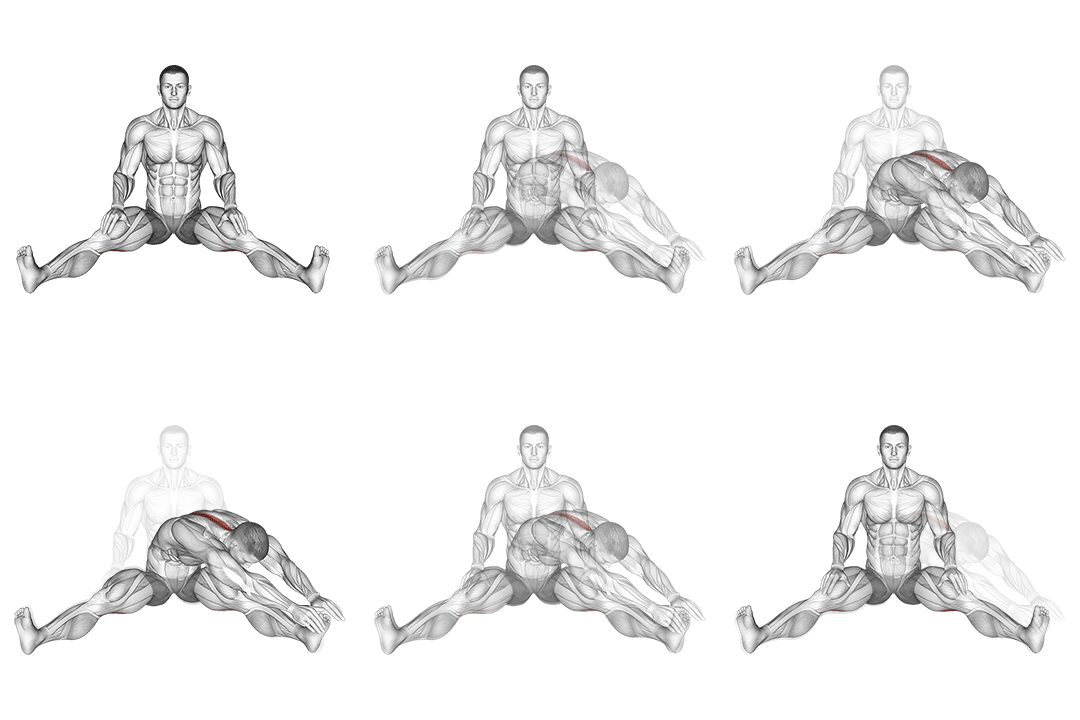
10. Seated Wide Angle Pose Sequence
70.7% MatchHow to perform this exercise
- Sit on the ground with your legs extended in a wide angle.
- Flex your feet and engage your quadriceps.
- Place your hands on the ground behind you for support.
- Keeping your back straight, lean forward from your hips.
- Continue leaning forward until you feel a stretch in your hamstrings.
Why You Might Need a Lying Hamstring Alternative
You may need substitutes because equipment is unavailable, you feel kneecap or low-back pain, or you want a different loading pattern. Lying hamstring primarily isolates knee flexion and stresses the distal hamstrings; hip-dominant options like RDLs shift activation to the proximal hamstrings and glutes. Choose an alternative when you need more load capacity, unilateral balance work, or eccentric overload for tendon rehab. For example, pick a Nordic curl for high eccentric hamstring activation (anchor the ankles and lower slowly for 3–5 seconds) or a single-leg RDL to address side-to-side strength deficits while preserving lumbar stability.
How to Choose the Right Substitute
Match the substitute to the movement pattern, available equipment, and training goal. If you want knee-flexion isolation and distal hamstring emphasis, use seated/standing curls or Nordic curls (anchor feet, control the descent). For hip-extension strength and heavier loading, choose Romanian deadlifts or single-leg RDLs, hinge from the hips, maintain a neutral spine, and keep a soft knee to protect the tendon. Consider progressive overload options, the need for unilateral training, and any pain history; select the exercise that lets you load safely while maintaining clear hamstring tension through the intended range of motion.
Frequently Asked Questions
What muscles does Lying Hamstring work?
Lying hamstring curls primarily load the three hamstring muscles: biceps femoris, semitendinosus, and semimembranosus, with secondary involvement of the calves and glutes. The exercise isolates knee flexion, so you should feel contraction at the back of the thigh just above the knee when curling.
What is the best bodyweight alternative to Lying Hamstring?
The Nordic hamstring curl is the most effective bodyweight substitute for isolation and eccentric overload; anchor your ankles and lower slowly while keeping hips extended. That long, controlled eccentric targets distal hamstring fibers and builds strength useful for sprinting and injury prevention.
Can I build muscle without doing Lying Hamstring?
Yes. You can build hamstring mass with hip-dominant lifts (Romanian deadlifts, single-leg RDLs) and high-tension knee-flexion variants (Nordic curls, glute-ham raises). Progress load and control eccentrics, for example, lengthen the lowering phase to 3–4 seconds, to drive hypertrophy without the lying curl.
More Exercise Alternatives
Find Alternatives for Any Exercise
Use the exercise substitution finder to compare ranked alternatives for your available equipment and training preference.
Try the Exercise Substitution Finder →