

10 Best Upper Back-leg Grab Alternatives for At-Home Training
The Upper Back-leg Grab is done seated. Ranked closest by our scoring: the 90/90 Hamstring, the Intermediate Groin Stretch and the The Straddle.
Updated Ranked by our 12-factor similarity model How it works
Original Exercise: Upper Back-leg Grab
- Primary muscle
- Hamstrings
- Equipment
- Bodyweight
- Difficulty
- Beginner
- Type
- Isolation
Secondary muscles: Lower Back, Middle Back
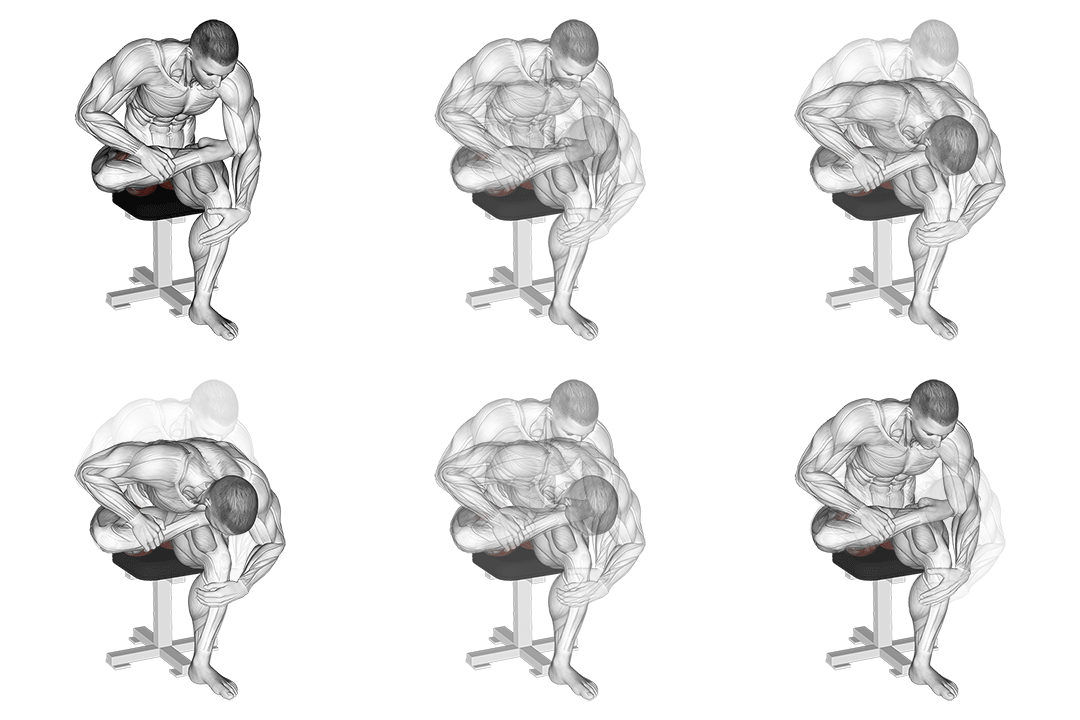
How to perform Upper Back-leg Grab
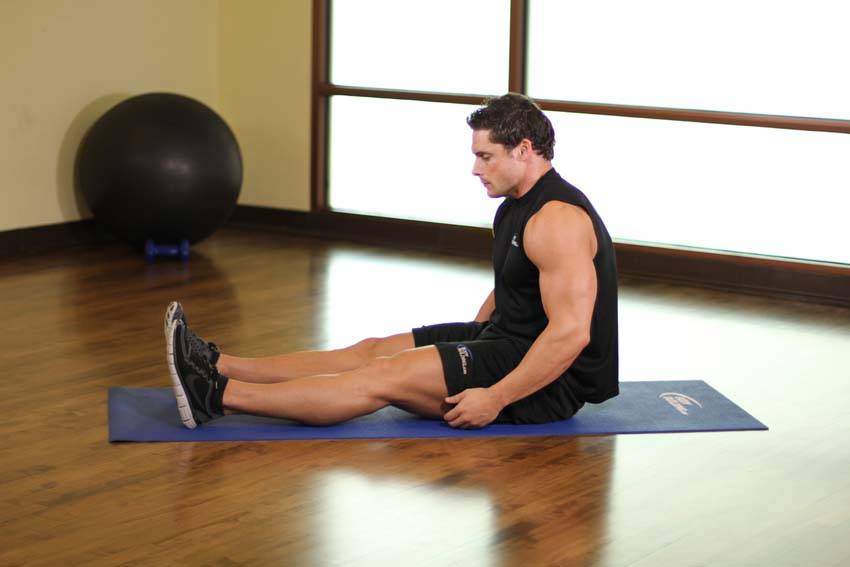
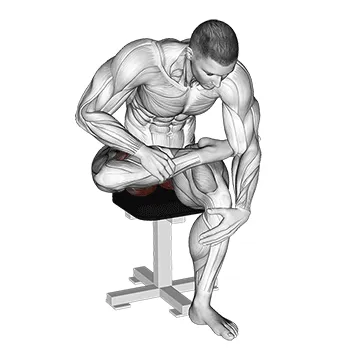
- While seated, bend forward to hug your thighs from underneath with both arms.
- Keep your knees together and your legs extended out as you bring your chest down to your knees. You can also stretch your middle back by pulling your back away from your knees as your hugging them.
Ranked Upper Back-leg Grab Alternatives
10 substitutes, ranked by how closely each one matches the Upper Back-leg Grab on movement pattern, muscles worked, equipment and body position. The higher the score, the less you change. Open "How to perform this exercise" on a card for the steps; every card title links to that exercise's own alternatives page.
Best match 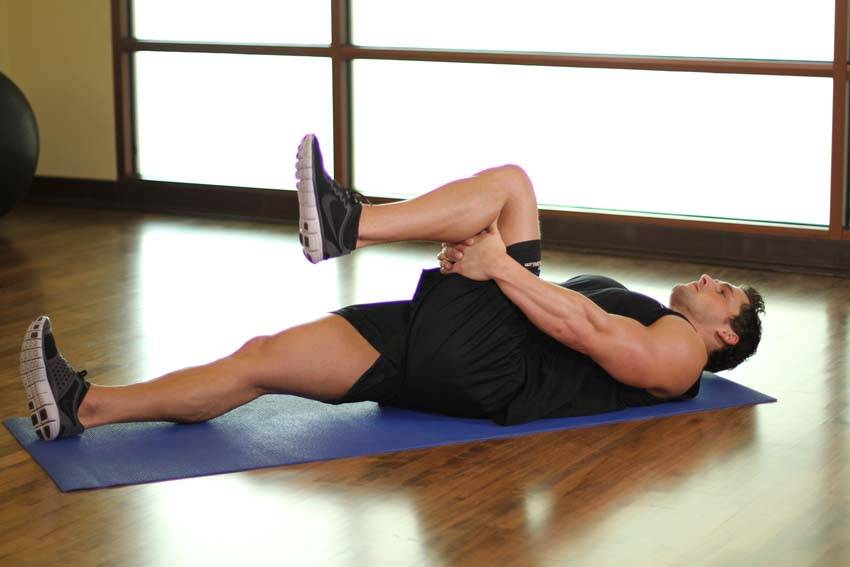
1. 90/90 Hamstring
90% match- Hamstrings
- Bodyweight
- Beginner
- Isolation
It uses the same equipment and still works the hamstrings.
How to perform this exercise
- Lie on your back, with one leg extended straight out.
- With the other leg, bend the hip and knee to 90 degrees. You may brace your leg with your hands if necessary. This will be your starting position.
- Extend your leg straight into the air, pausing briefly at the top. Return the leg to the starting position.
- Repeat for 10-20 repetitions, and then switch to the other leg.
Sets and reps: Hold for 20 to 30 seconds on each side, 3 sets.
Why this matches
- Primary muscle: hamstrings, the same as the Upper Back-leg Grab
- Equipment: bodyweight only, the same as the Upper Back-leg Grab
- Body position: seated, the same as the Upper Back-leg Grab
2. Intermediate Groin Stretch
89% match- Hamstrings
- Other
- Intermediate
- Isolation
Pick this when you want a harder version that still works the hamstrings.
How to perform this exercise
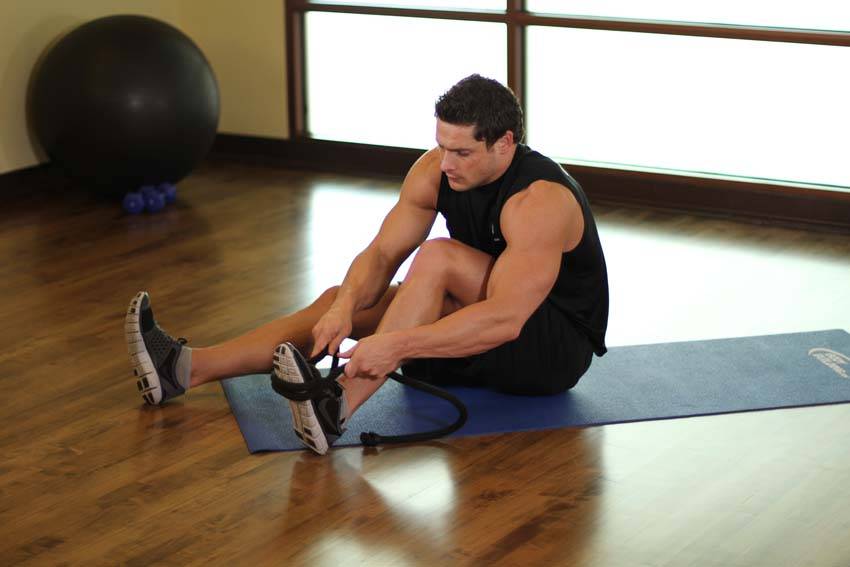
- Lie on your back with your legs extended. Loop a belt, rope, or band around one of your feet, and swing that leg as far to the side as you can. This will be your starting position.
- Pull gently on the belt to create tension in your groin and hamstring muscles. Hold for 10-20 seconds, and repeat on the other side.
Sets and reps: Hold for 20 to 30 seconds, 3 sets.
Why this matches
- Primary muscle: hamstrings, the same as the Upper Back-leg Grab
- Equipment: bodyweight only, the same as the Upper Back-leg Grab
- Body position: seated, the same as the Upper Back-leg Grab
3. The Straddle
87% match- Hamstrings
- Bodyweight
- Beginner
- Isolation
How to perform this exercise
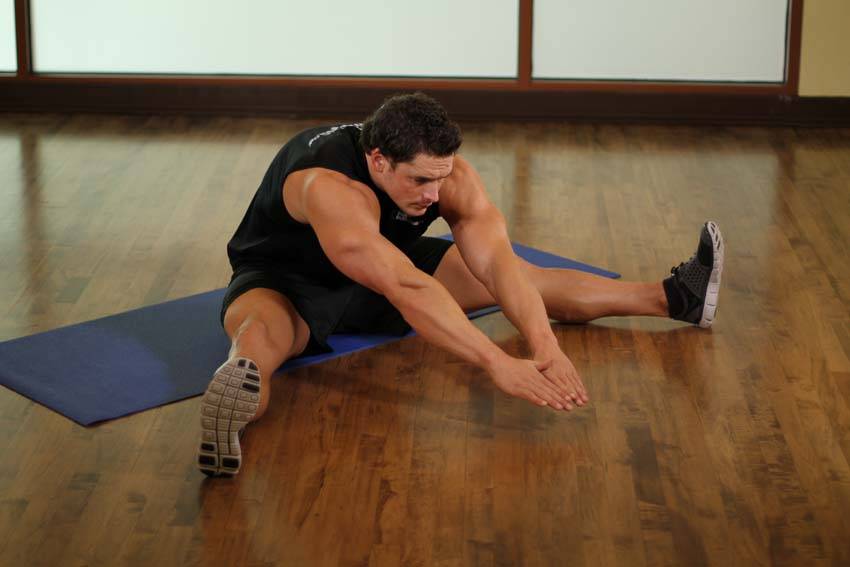
- Begin in a seated, upright position. Start by extending your legs in front of you in a V.
- With your hands on the floor, lean forward as far as possible. Hold for 10 to 20 seconds.
Sets and reps: Hold for 30 to 60 seconds and repeat 2 or 3 times.
Why this matches
- Primary muscle: hamstrings, the same as the Upper Back-leg Grab
- Equipment: bodyweight only, the same as the Upper Back-leg Grab
- Body position: seated, the same as the Upper Back-leg Grab
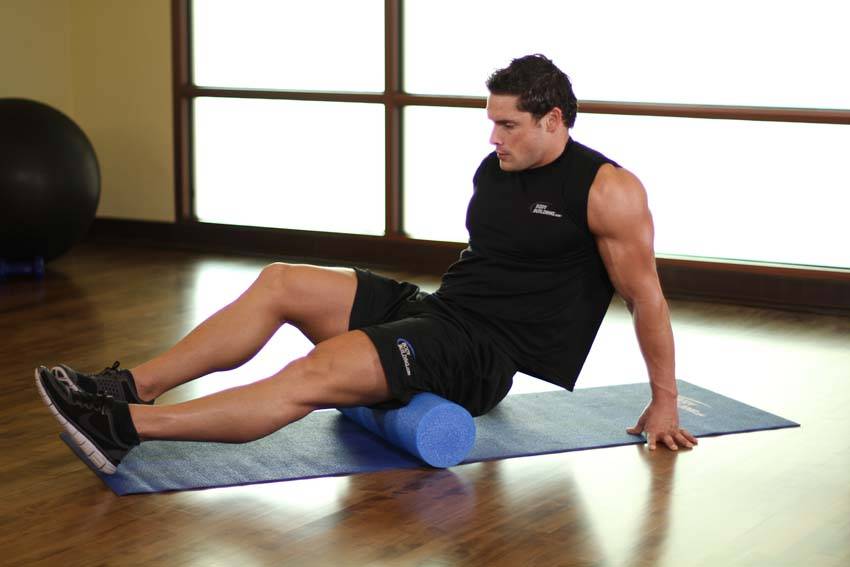
4. Hamstring-smr
85% match- Hamstrings
- Foam-roll
- Beginner
- Isolation
A good swap when you have a foam roller to work with, and it still works the hamstrings.
How to perform this exercise
- In a seated position, extend your legs over a foam roll so that it is position on the back of the upper legs. Place your hands to the side or behind you to help support your weight. This will be your starting position.
- Using your hands, lift your hips off of the floor and shift your weight on the foam roll to one leg. Relax the hamstrings of the leg you are stretching.
- Roll over the foam from below the hip to above the back of the knee, pausing at points of tension for 10-30 seconds. Repeat for the other leg.
Sets and reps: Hold for 30 to 60 seconds and repeat 2 or 3 times.
Why this matches
- Primary muscle: hamstrings, the same as the Upper Back-leg Grab
- Equipment: bodyweight only, the same as the Upper Back-leg Grab
- Body position: seated, the same as the Upper Back-leg Grab
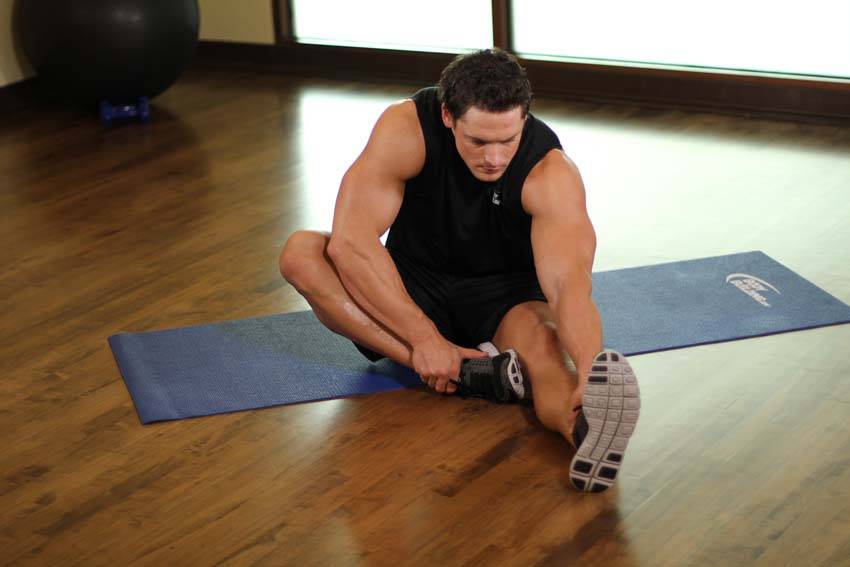
5. Seated Floor Hamstring Stretch
84% match- Hamstrings
- Bodyweight
- Beginner
- Isolation
How to perform this exercise
- Sit on a mat with your right leg extended in front of you and your left leg bent with your foot against your right inner thigh.
- Lean forward from your hips and reach for your ankle until you feel a stretch in your hamstring. Hold for 15 seconds, then repeat for your other side.
Sets and reps: Hold for 20 to 30 seconds, 3 sets.
Why this matches
- Primary muscle: hamstrings, the same as the Upper Back-leg Grab
- Equipment: bodyweight only, the same as the Upper Back-leg Grab
- Body position: seated, the same as the Upper Back-leg Grab
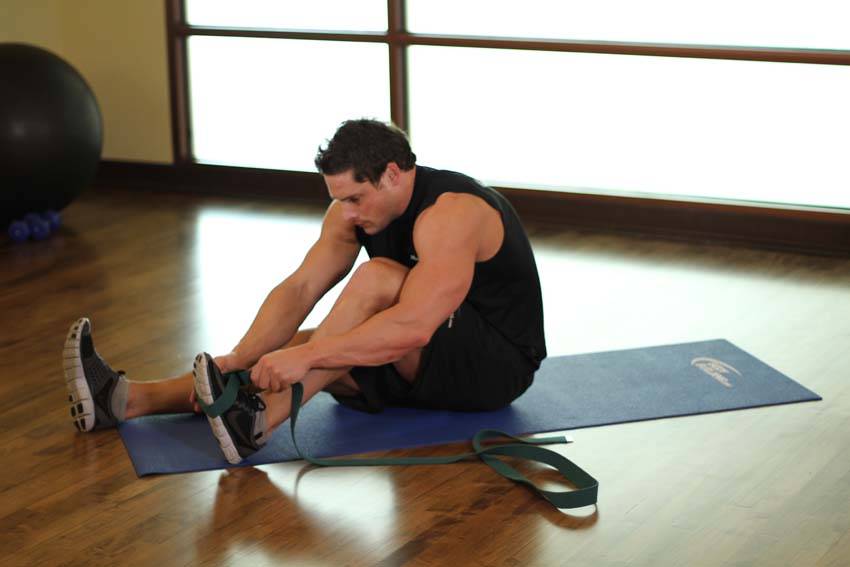
6. Seated Hamstring And Calf Stretch
84% match- Hamstrings
- Other
- Beginner
- Isolation
A straight swap when you want to keep working the hamstrings.
How to perform this exercise
- Loop a belt, rope, or band around one foot. Sit down with both legs extended . This will be your starting position.
- Leaning forward slightly, pull on the belt to draw the toes of your foot back. Hold this position for 10-20 seconds and then repeat with the other leg.
Sets and reps: Hold for 20 to 30 seconds, 3 sets.
Why this matches
- Primary muscle: hamstrings, the same as the Upper Back-leg Grab
- Equipment: bodyweight only, the same as the Upper Back-leg Grab
- Body position: seated, the same as the Upper Back-leg Grab
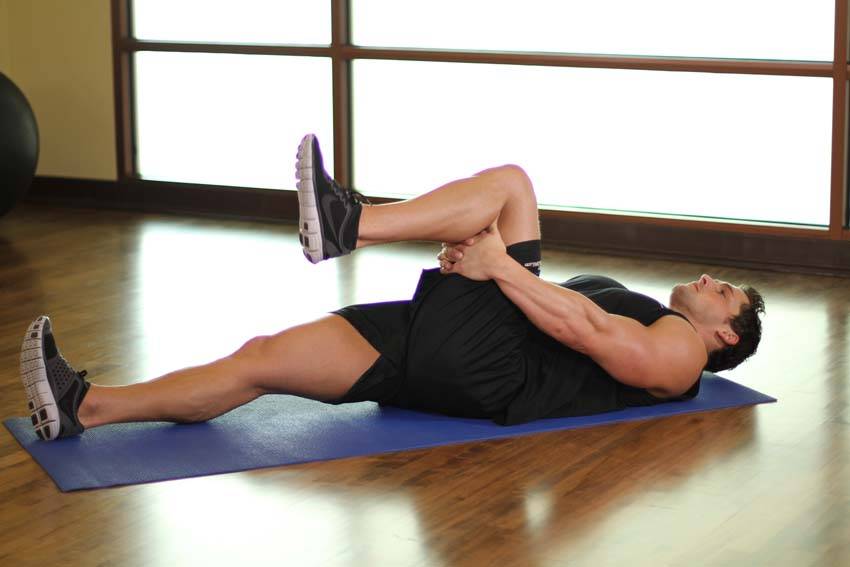
7. Leg-up Hamstring Stretch
83% match- Hamstrings
- Bodyweight
- Beginner
- Isolation
Pick this when you want an easier version that still works the hamstrings.
How to perform this exercise
- Lie flat on your back, bend one knee, and put that foot flat on the floor to stabilize your spine.
- Extend the other leg in the air. If you're tight, you wont be able to straighten it. That's okay. Extend the knee so that the sole of the lifted foot faces the ceiling (or as close as you can get it).
- Slowly straighten the legs as much as possible and then pull the leg toward your nose. Switch sides.
Sets and reps: Hold for 20 to 30 seconds on each side, 3 sets.
Why this matches
- Primary muscle: hamstrings, the same as the Upper Back-leg Grab
- Equipment: bodyweight only, the same as the Upper Back-leg Grab
- Body position: lying on your back, not seated
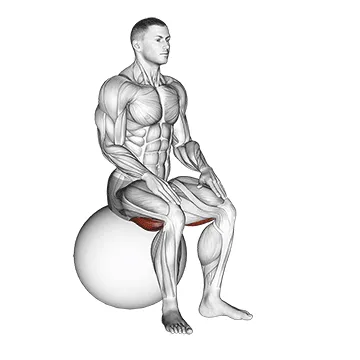
- Hamstrings
- Stability-ball
- Beginner
- Isolation
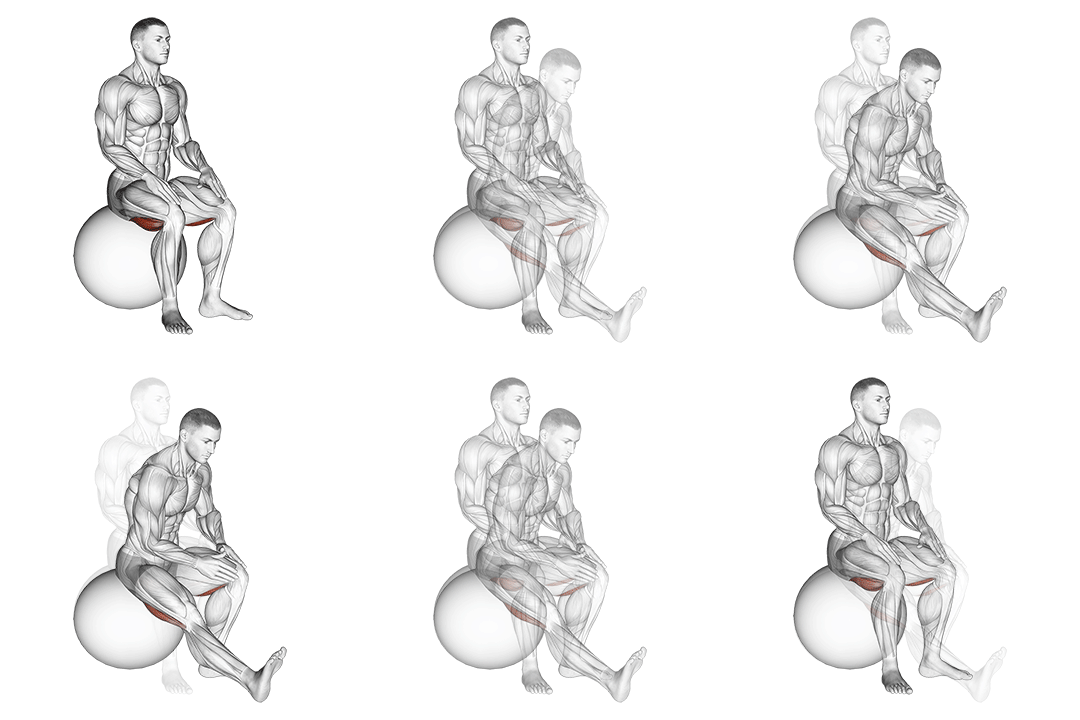
How to perform this exercise
- Sit on the stability ball with your feet flat on the ground and your knees bent at a 90-degree angle.
- Slowly roll the ball forward, walking your feet out until your upper back is resting on the ball and your legs are extended straight in front of you.
- Place your hands on your hips for support.
- Engage your core and slowly lower your upper body towards the ground, keeping your back straight and your chest lifted.
- Stop when you feel a stretch in your hamstrings, and hold the position for 20-30 seconds.
- Slowly return to the starting position by pushing through your heels and using your hamstrings to pull yourself back up.
- Repeat for the desired number of repetitions.
Sets and reps: Hold for 30 to 60 seconds and repeat 2 or 3 times.
Why this matches
- Primary muscle: hamstrings, the same as the Upper Back-leg Grab
- Equipment: bodyweight only, the same as the Upper Back-leg Grab
- Body position: seated, the same as the Upper Back-leg Grab
- Balance: harder to stay steady on than the Upper Back-leg Grab
9. Seated Piriformis Stretch
81% match- Glutes
- Bodyweight
- Beginner
- Isolation
How to perform this exercise
- Sit on the ground with your legs extended in front of you.
- Bend your right knee and place your right foot on the outside of your left knee.
- Place your left elbow on the outside of your right knee and gently twist your torso to the right.
- Hold the stretch for 20-30 seconds, then switch sides and repeat.
Sets and reps: Hold for 20 to 30 seconds on each side, 3 sets.
Why this matches
- Primary muscle: glutes, not hamstrings
- Equipment: bodyweight only, the same as the Upper Back-leg Grab
- Body position: seated, the same as the Upper Back-leg Grab
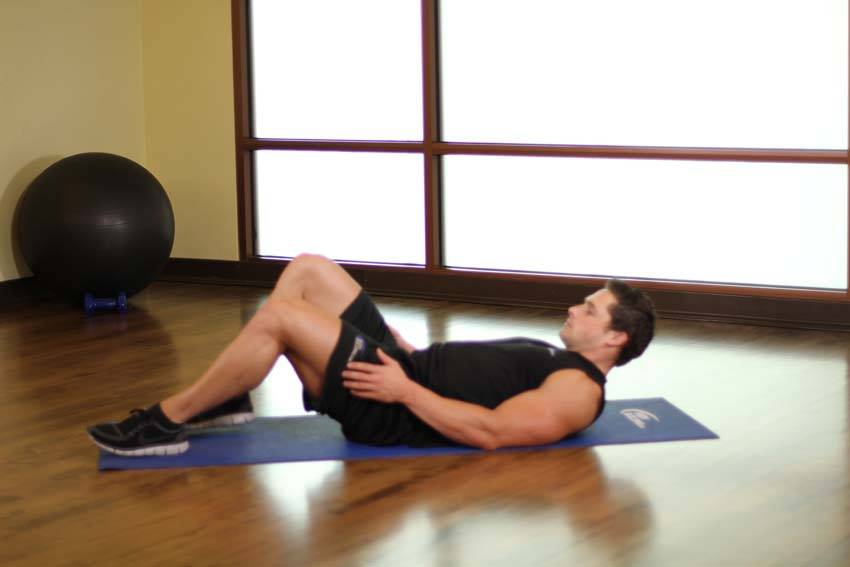
10. Ankle On The Knee
80% match- Glutes
- Bodyweight
- Beginner
- Isolation
How to perform this exercise
- From a lying position, bend your knees and keep your feet on the floor.
- Place your ankle of one foot on your opposite knee.
- Grasp the thigh or knee of the bottom leg and pull both of your legs into the chest. Relax your neck and shoulders. Hold for 10-20 seconds and then switch sides.
Sets and reps: Hold for 20 to 30 seconds on each side, 3 sets.
Why this matches
- Primary muscle: glutes, not hamstrings
- Equipment: bodyweight only, the same as the Upper Back-leg Grab
- Body position: seated, the same as the Upper Back-leg Grab
Why You Might Need an Upper Back-leg Grab Alternative
You may substitute the Upper Back-leg Grab for several practical reasons: pain or knee sensitivity, limited mobility, lack of confidence with the movement, or no access to a specific setup. Some people need less knee-flexion emphasis and more hip-dominant loading; others require a progression for eccentric strength. Choose an alternative to protect injury sites, preserve hamstring tension via slow eccentrics, and maintain posterior-chain recruitment. For example, switching to single-leg RDLs shifts load to hip extension and improves unilateral balance; cue: hinge from the hips, keep the torso long, and load the hamstrings rather than the lower back.
How to Choose the Right Upper Back-leg Grab Substitute
Match the substitute to the movement pattern you need: select hip-dominant options (RDLs, bridges) to prioritize hip extension, or knee-dominant choices (Nordic curls, slider curls) to stress eccentric knee flexion. Consider equipment, training goal, and progression potential. If you lack weight, pick Nordic curls for high eccentric demand and use a slow 3–5 second descent; if you need balance and unilateral strength, choose single-leg RDLs and keep the non-working leg passive behind you. Monitor hamstring soreness and technique, prioritize full hip extension and controlled eccentric loading to ensure safe muscle activation and progression.
Upper Back-leg Grab FAQ
What is the best bodyweight alternative to Upper Back-leg Grab?
The Nordic hamstring curl is the best pure bodyweight alternative because it heavily loads the hamstrings eccentrically and trains knee flexion strength. Set your feet under a secure anchor, control a 3–5 second descent, and catch yourself with hands before pushing back up to prioritize hamstring recruitment.
Can I build muscle without doing Upper Back-leg Grab?
Yes. You can build hamstring size and strength using progressive alternatives like single-leg RDLs, Nordic curls, and loaded hip hinges. Increase time under tension, add reps or external load, and maintain slow eccentrics with full hip extension to produce consistent hypertrophy and neural adaptation.
Find Alternatives for Any Exercise
Search the exercise database and filter the ranked substitutes by the equipment you own.
Similarity scores compare exercise metadata such as movement pattern, muscles, equipment and body position. They are not a safety rating or a check that you own the equipment. Learn about our methodology