

6 Best Neck-smr Alternatives for Rehab and Strength
The Neck-smr is done standing. Ranked closest by our scoring: the Chin To Chest Stretch, the Side Neck Stretch and the Side Push Neck Stretch.
Each substitute is scored on movement pattern, muscles worked, equipment and body position. Read how we rank alternatives
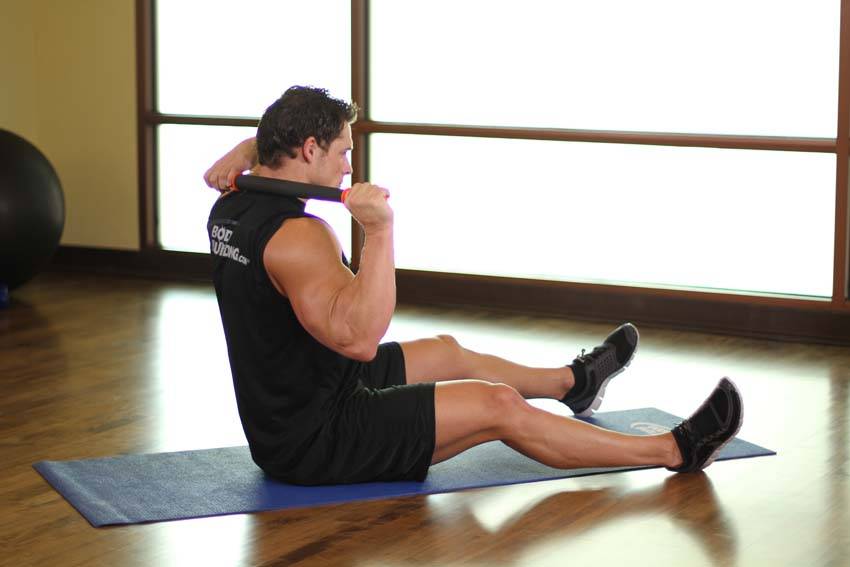
How to Do the Neck-smr
The steps for the Neck-smr itself, so you can judge how close each substitute below really is.
Neck · Other · Beginner · Isolation
- Using a muscle roller or a rolling pin, place the roller behind your head and against your neck. Make sure that you do not place the roller directly against the spine, but turned slightly so that the roller is pressed against the muscles to either side of the spine. This will be your starting position.
- Starting at the top of your neck, slowly roll down the muscles of your neck, pausing at points of tension for 10-30 seconds.
The 6 Best Neck-smr Alternatives
6 substitutes, ranked by how closely each one matches the Neck-smr on movement pattern, muscles worked, equipment and body position. The higher the score, the less you change. Cards with a "How to perform it" link open to show the steps; every card title links to that exercise's own alternatives page.
Each link re-ranks the list below for the kit it names. Pick one to hide the substitutes you cannot set up.
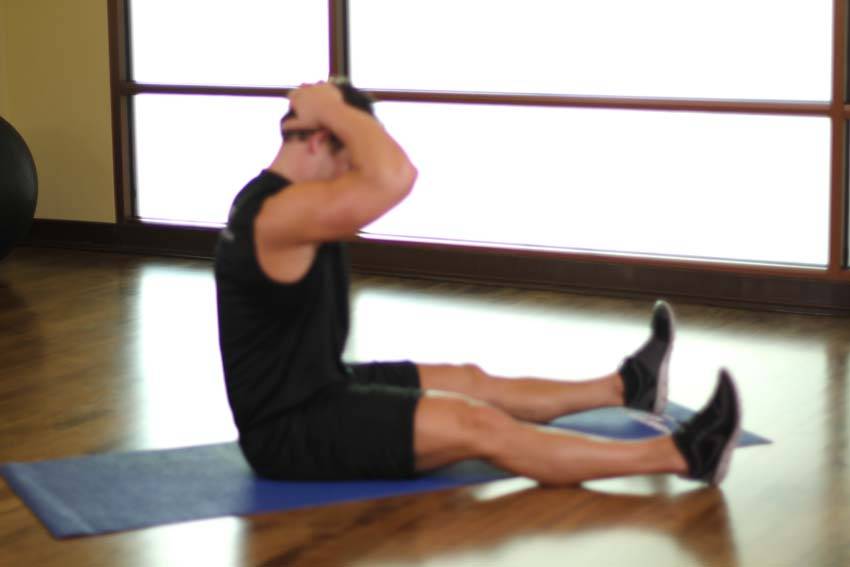
1. Chin To Chest Stretch
76% matchNeck · Beginner · Isolation
It still works the neck, through a different movement.
- Bodyweight
How to perform it
- Get into a seated position on the floor.
- Place both hands at the rear of your head, fingers interlocked, thumbs pointing down and elbows pointing straight ahead. Slowly pull your head down to your chest. Hold for 20-30 seconds.
Sets and reps: Hold for 30 to 60 seconds and repeat 2 or 3 times.
Why this matches
- Primary muscle: neck, the same as the Neck-smr
- Equipment: bodyweight only, the same as the Neck-smr
- Body position: seated, not standing
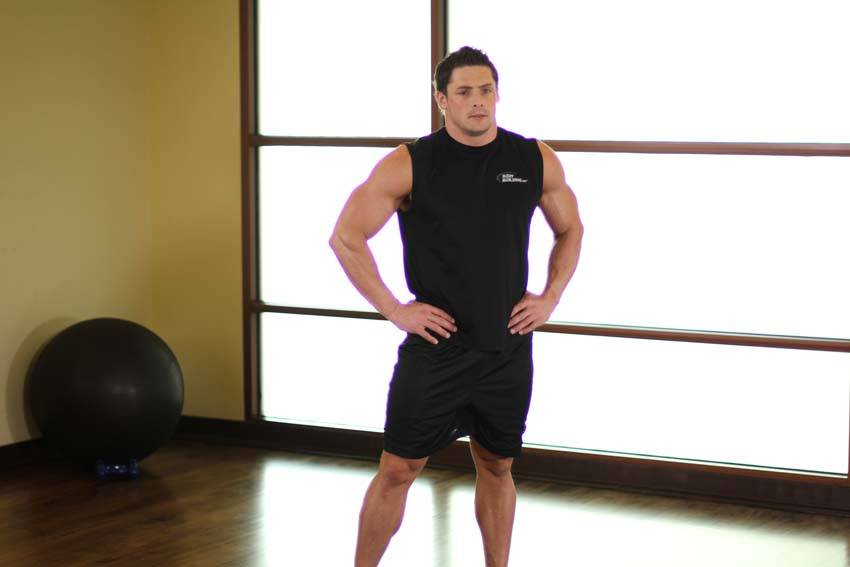
2. Side Neck Stretch
73% matchNeck · Beginner · Isolation
Pick this when you want to work the neck one side at a time.
- Bodyweight
How to perform it
- Start with your shoulders relaxed, gently tilt your head towards your shoulder.
- Assist stretch with a gentle pull on the side of the head.
Sets and reps: Hold for 20 to 30 seconds on each side, 3 sets.
Why this matches
- Primary muscle: neck, the same as the Neck-smr
- Equipment: bodyweight only, the same as the Neck-smr
- Body position: standing, the same as the Neck-smr
3. Side Push Neck Stretch
59% matchNeck · Beginner · Isolation
4. Neck Side Stretch
57% matchNeck · Beginner · Isolation
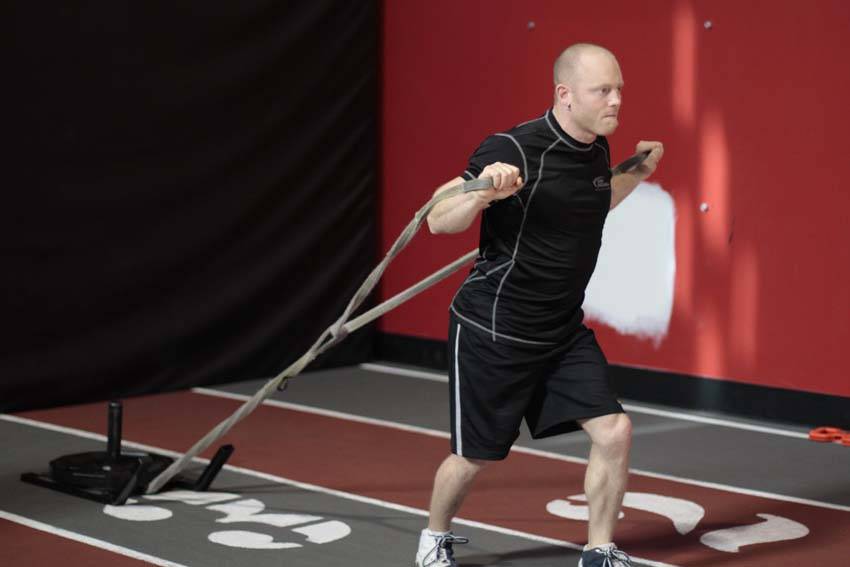
5. Forward Drag With Press
33% matchPectorals · Intermediate · Compound
A looser match: it works the pectorals rather than the neck.
- Other
How to perform it
- Attach a dual handled chain or rope attachment to the sled. You should be facing away from the sled, holding a handle in each hand.
- Begin the movement by moving forward for one step. Leaning forward, extend through the legs and hips to move, pausing with each step to extend through the elbows, pressing your hands forward. Step forward until you return to the start position prepared to press.
Sets and reps: 3 or 4 sets of 6 to 10 reps.
Why this matches
- Primary muscle: pectorals, not neck
- Body position: standing, the same as the Neck-smr
- Balance: harder to stay steady on than the Neck-smr
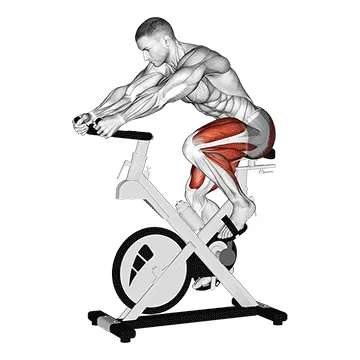
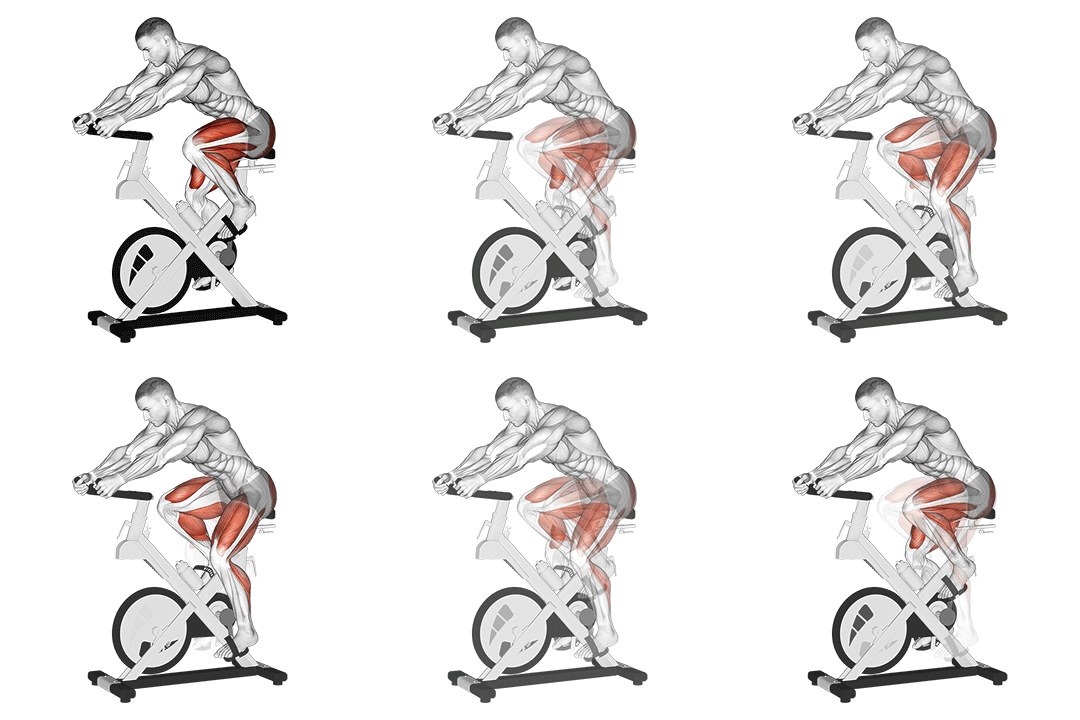
6. Stationary Bike Run
32% matchCardio · Intermediate · Compound
A looser match: it works the heart and lungs rather than the neck.
- Other
How to perform it
- Adjust the seat height and position to ensure proper alignment.
- Place your feet on the pedals and secure them with the straps if available.
- Start pedaling at a comfortable pace.
- Maintain a steady rhythm and increase the resistance as desired.
- Engage your core muscles to maintain stability and proper posture.
- Continue pedaling for the desired duration of your workout.
- Gradually decrease the resistance and slow down before coming to a complete stop.
- Stretch your legs and cool down after the workout.
Sets and reps: Work for 30 to 60 seconds, rest as long as you worked, and repeat 6 to 10 times.
Why this matches
- Primary muscle: your heart and lungs, not neck
- Equipment: a cardio machine, not bodyweight only
- Body position: seated, not standing
Why You Might Need a Neck-smr Alternative
You might substitute Neck-smr because of acute pain, limited equipment, recent surgery, or intolerance to direct compression on the posterior neck. Foam rolling the cervical spine can increase shear and aggravate irritated tissues; low-load isometrics and banded exercises let you control force and range of motion. Choose an isometric chin tuck (retract chin, hold 8–12s) to activate the deep cervical flexors without translational stress. For posterior activation, do prone neck extensions with slow 2–3 second eccentrics to load splenius and upper trapezius while preserving a neutral cervical curve and minimizing compressive loading.
How to Choose the Right Neck-smr Substitute
Base your substitute on pain response, equipment, and training goals. If compression causes pain, select low-load isometrics like chin tucks and progress by increasing hold time; cue a neutral cervical spine and gentle suboccipital lengthening. If your goal is hypertrophy or strength, use banded neck extensions or weighted harness work with controlled eccentrics to increase time under tension and target posterior cervical extensors. For mobility or release, add controlled active range-of-motion drills while maintaining scapular stability and avoiding excessive rotation. Prioritize exercises that allow measurable progression (tension, duration, or range) and preserve safe cervical biomechanics.
Neck-smr FAQ
What muscles does Neck-smr work?
Neck-smr primarily affects superficial and deep cervical muscles: upper trapezius, splenius capitis, sternocleidomastoid, scalenes, and deep cervical flexors. Rolling can change tissue stiffness and briefly alter neuromuscular activation, but targeted exercises like chin tucks specifically activate the deep cervical flexors when you retract the chin and hold tension.
What is the best bodyweight alternative to Neck-smr?
A controlled isometric chin tuck is the best bodyweight substitute: sit upright, retract the chin without tilting, press gently into your hand, and hold 8–15 seconds to load deep cervical flexors. For posterior work, perform prone head lifts off a bench with a 2–3 second eccentric to engage splenius and upper trapezius without external compression.
Can I build muscle without doing Neck-smr?
Yes. You can build neck muscle with progressive isometrics, banded resistance, or weighted neck harness work by increasing hold time, band tension, or eccentric tempo. Maintain neutral cervical alignment and emphasize controlled eccentrics (2–3 seconds) to maximize mechanical tension on the target neck muscles.
Find Alternatives for Any Exercise
Search the exercise database and filter the ranked substitutes by the equipment you own.