

10 Best Side Neck Stretch Alternatives for Neck Mobility & Relief
The Side Neck Stretch is done standing. Ranked closest by our scoring: the Side Push Neck Stretch, the Chin To Chest Stretch and the Neck-smr.
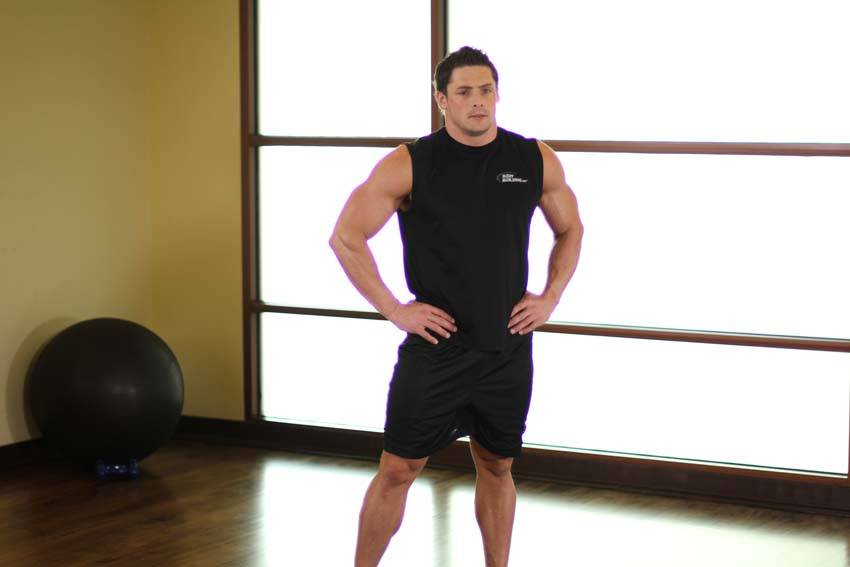
Each substitute is scored on movement pattern, muscles worked, equipment and body position. Read how we rank alternatives
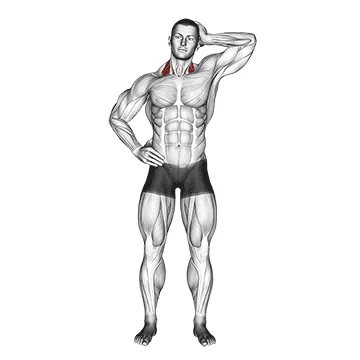
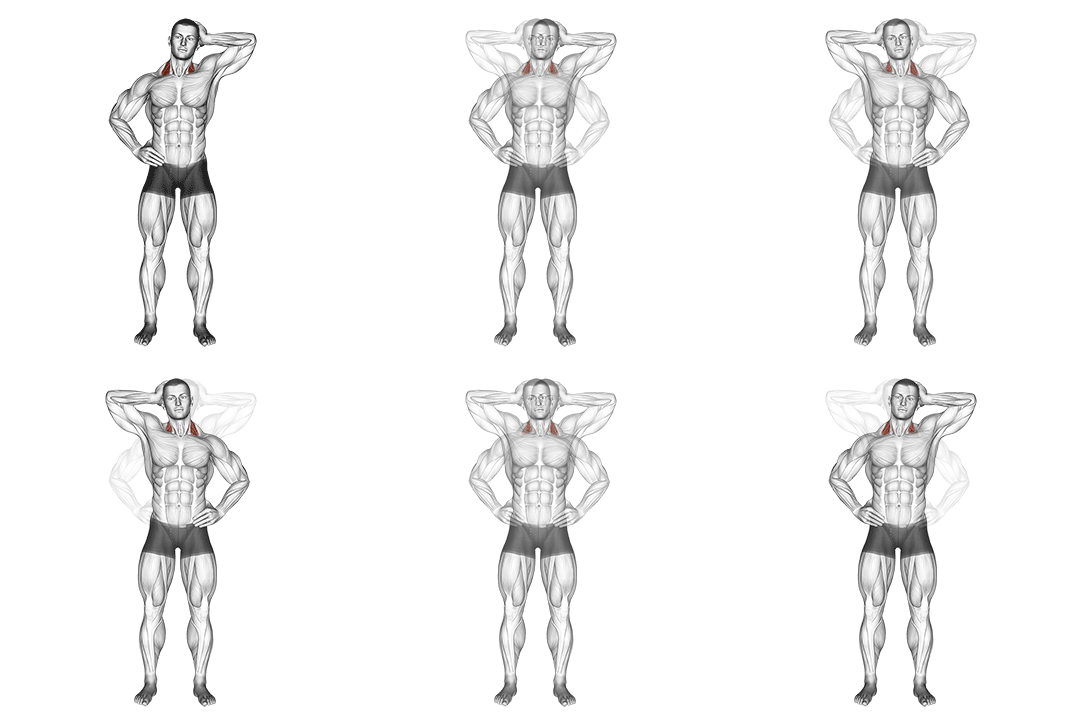
How to Do the Side Neck Stretch
The steps for the Side Neck Stretch itself, so you can judge how close each substitute below really is.
Neck · Bodyweight · Beginner · Isolation
- Start with your shoulders relaxed, gently tilt your head towards your shoulder.
- Assist stretch with a gentle pull on the side of the head.
The 10 Best Side Neck Stretch Alternatives
10 substitutes, ranked by how closely each one matches the Side Neck Stretch on movement pattern, muscles worked, equipment and body position. The higher the score, the less you change. Cards with a "How to perform it" link open to show the steps; every card title links to that exercise's own alternatives page.
1. Side Push Neck Stretch
84% matchNeck · Beginner · Isolation
It uses the same equipment and still works the neck.
- Bodyweight
How to perform it
- Stand or sit up straight with your shoulders relaxed.
- Tilt your head to the right, bringing your right ear towards your right shoulder.
- Place your right hand on the left side of your head and gently apply pressure to increase the stretch.
- Hold the stretch for 15-30 seconds.
- Repeat on the other side, tilting your head to the left and applying pressure with your left hand.
- Repeat the stretch 2-3 times on each side.
Sets and reps: Hold for 20 to 30 seconds on each side, 3 sets.
Why this matches
- Movement: static stretch, the same as the Side Neck Stretch
- Primary muscle: neck, the same as the Side Neck Stretch
- Equipment: bodyweight only, the same as the Side Neck Stretch
- Body position: standing, the same as the Side Neck Stretch
2. Chin To Chest Stretch
76% matchNeck · Beginner · Isolation
The same equipment, done seated instead.
- Bodyweight
How to perform it
- Get into a seated position on the floor.
- Place both hands at the rear of your head, fingers interlocked, thumbs pointing down and elbows pointing straight ahead. Slowly pull your head down to your chest. Hold for 20-30 seconds.
Sets and reps: Hold for 30 to 60 seconds and repeat 2 or 3 times.
Why this matches
- Movement: static stretch, the same as the Side Neck Stretch
- Primary muscle: neck, the same as the Side Neck Stretch
- Equipment: bodyweight only, the same as the Side Neck Stretch
- Body position: seated, not standing
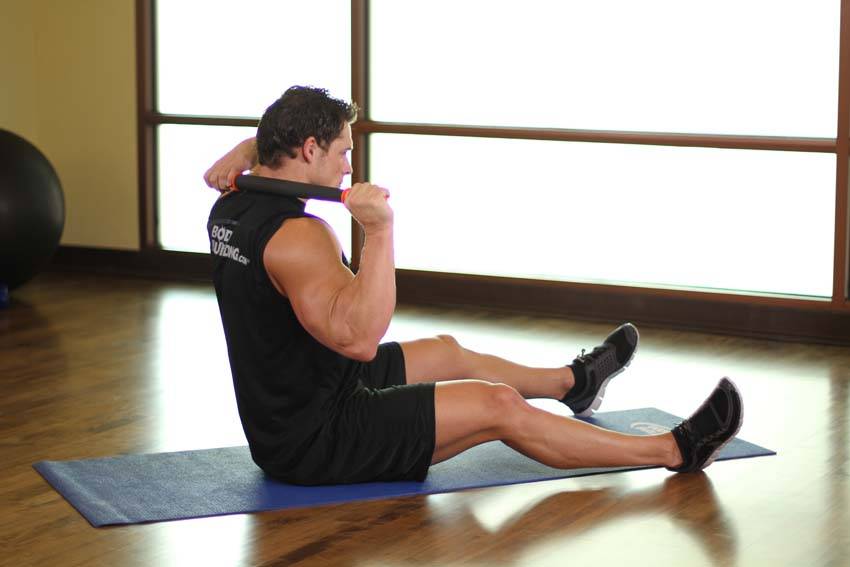
3. Neck-smr
73% matchNeck · Beginner · Isolation
It still works the neck, through a different movement.
- Other
How to perform it
- Using a muscle roller or a rolling pin, place the roller behind your head and against your neck. Make sure that you do not place the roller directly against the spine, but turned slightly so that the roller is pressed against the muscles to either side of the spine. This will be your starting position.
- Starting at the top of your neck, slowly roll down the muscles of your neck, pausing at points of tension for 10-30 seconds.
Sets and reps: Hold for 30 to 60 seconds and repeat 2 or 3 times.
Why this matches
- Primary muscle: neck, the same as the Side Neck Stretch
- Equipment: bodyweight only, the same as the Side Neck Stretch
- Body position: standing, the same as the Side Neck Stretch
4. Neck Side Stretch
70% matchNeck · Beginner · Isolation
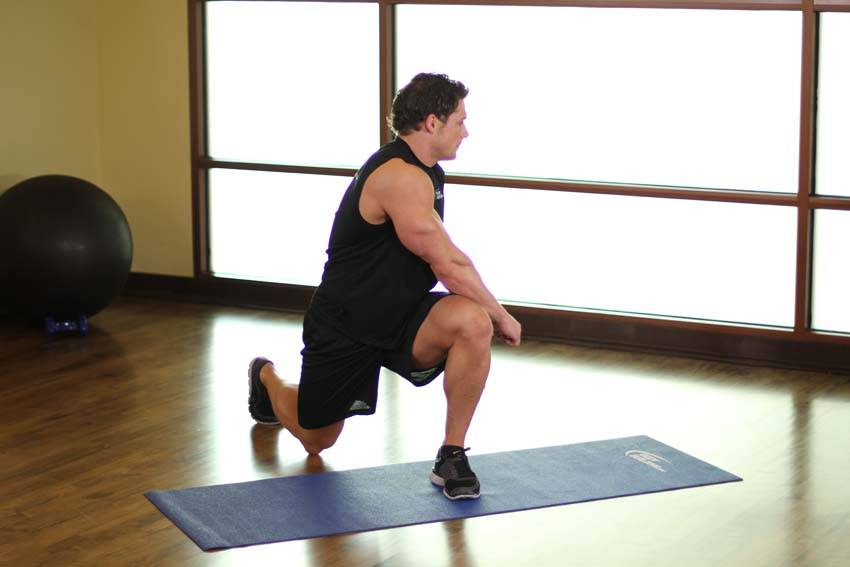
5. Crossover Reverse Lunge
39% matchGlutes · Intermediate · Compound
A looser match: it uses the same equipment, but it works the glutes rather than the neck.
- Bodyweight
How to perform it
- Stand with your feet shoulder width apart. This will be your starting position.
- Perform a rear lunge by stepping back with one foot and flexing the hips and front knee. As you do so, rotate your torso across the front leg.
- After a brief pause, return to the starting position and repeat on the other side, continuing in an alternating fashion.
Sets and reps: 3 or 4 sets of 6 to 10 reps on each side.
Why this matches
- Primary muscle: glutes, not neck
- Equipment: bodyweight only, the same as the Side Neck Stretch
- Body position: standing, the same as the Side Neck Stretch
- Balance: harder to stay steady on than the Side Neck Stretch
6. March Sit (Wall)
35% matchGlutes · Beginner · Compound
7. Curtsey Squat
34% matchGlutes · Beginner · Compound
8. Split Squats
34% matchQuads · Intermediate · Compound
9. Balance Board
34% matchQuads · Intermediate · Compound
10. Run
34% matchCardio · Beginner · Compound
Why You Might Need a Side Neck Stretch Alternative
You may substitute the side neck stretch for several practical reasons: acute pain with passive stretching, cervical radiculopathy, recent neck surgery, limited range of motion, or simply a preference for active control over passive holds. Alternatives let you control muscle activation, favor isometrics to reduce abrupt stretch on the nerve roots, use self-myofascial release to address trigger points in the levator scapulae, or perform assisted lateral flexion to improve joint mobility without overstretching the sternocleidomastoid. Choose moves that maintain a neutral cervical spine and avoid pain-provoking positions while you progress.
How to Choose the Right Side Neck Stretch Substitute
Select a substitute based on your goal (pain relief, mobility, strength) and the neck’s tolerance for load and stretch. If pain limits motion, choose short-duration isometrics (press 5–10 seconds, 3–5 reps) to activate deep neck flexors and unload irritated tissues. For mobility, use controlled assisted lateral flexion with a towel for support and a retracted chin to preserve cervical alignment. If you want strength, progress to resisted neck lateral flexion with a band while stabilizing the scapulae. Always prioritize pain-free range, scapular stability, and gradual loading.
Side Neck Stretch FAQ
What muscles does Side Neck Stretch work?
The side neck stretch targets lateral neck muscles: sternocleidomastoid, upper trapezius, levator scapulae, and scalenes. The stretch places those muscles in lengthened positions, reducing resting tone and improving lateral cervical range of motion.
What is the best bodyweight alternative to Side Neck Stretch?
A seated lateral neck isometric is the best bodyweight alternative: sit tall, tuck the chin, press your palm into the side of your head and resist motion for 5–10 seconds. This activates the deep neck flexors and lateral stabilizers without forcing a painful end-range stretch.
Can I build muscle without doing Side Neck Stretch?
Yes. The side neck stretch is a mobility/isolation technique, not a hypertrophy stimulus. To build neck muscle you need progressive overload, use weighted shrugs, neck harness work, or resisted lateral flexion while maintaining neutral cervical alignment and scapular stability.
Find Alternatives for Any Exercise
Search the exercise database and filter the ranked substitutes by the equipment you own.