

10 Best Pelvic Tilt Alternatives for Lower-Back Pain
The Pelvic Tilt is done lying on your back. Ranked closest by our scoring: the Band Horizontal Pallof Press, the Band Vertical Pallof Press and the Stomach Vacuum. Seven harder versions, among them the Dead Bug and the V-sit On Floor, are listed below as progressions rather than swaps.
Updated Ranked by our 12-factor similarity model How it works
Original Exercise: Pelvic Tilt
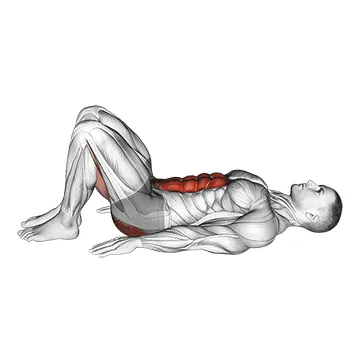
- Primary muscle
- Abs
- Equipment
- Bodyweight
- Difficulty
- Beginner
- Type
- Isolation
Secondary muscles: Lower Back
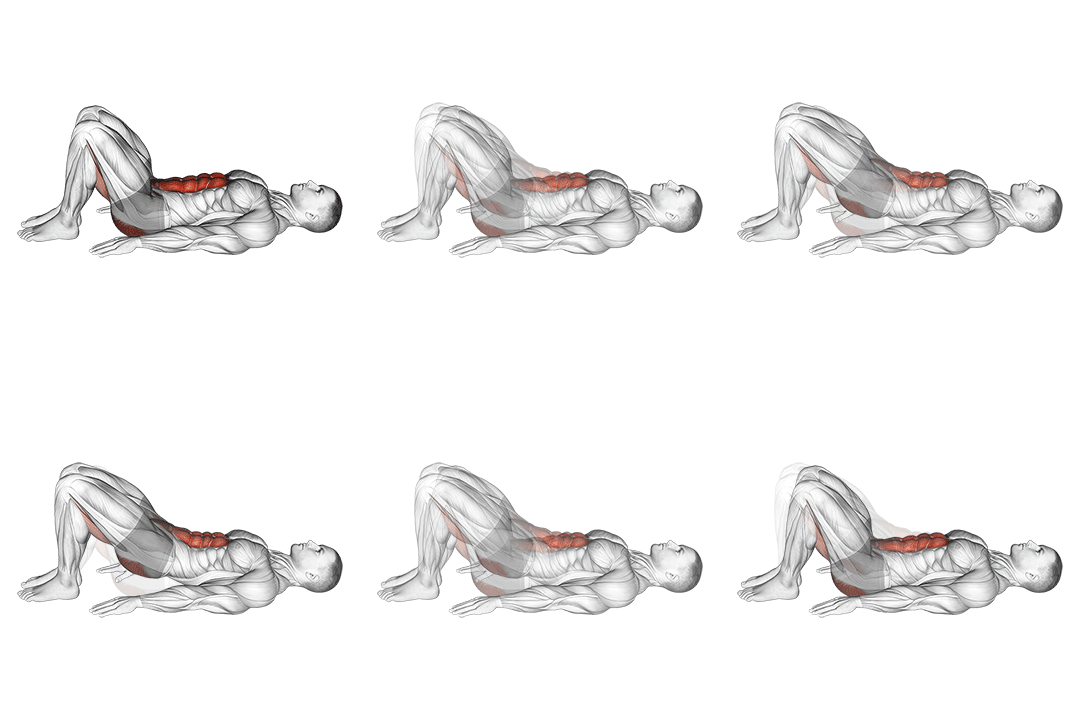
How to perform Pelvic Tilt
- Lie flat on your back with your knees bent and feet flat on the ground.
- Place your hands by your sides.
- Engage your abs and tilt your pelvis upward, pressing your lower back into the ground.
- Hold this position for a few seconds, focusing on contracting your abs.
- Release the tilt and return to the starting position.
- Repeat for the desired number of repetitions.
Ranked Pelvic Tilt Alternatives
10 substitutes, ranked by how closely each one matches the Pelvic Tilt on movement pattern, muscles worked, equipment and body position. The higher the score, the less you change. Open "How to perform this exercise" on a card for the steps; every card title links to that exercise's own alternatives page. Harder versions are tagged as progressions and kept out of the top spot even when they score higher.
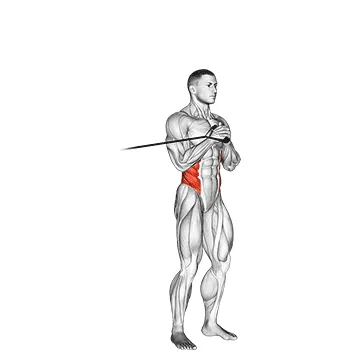
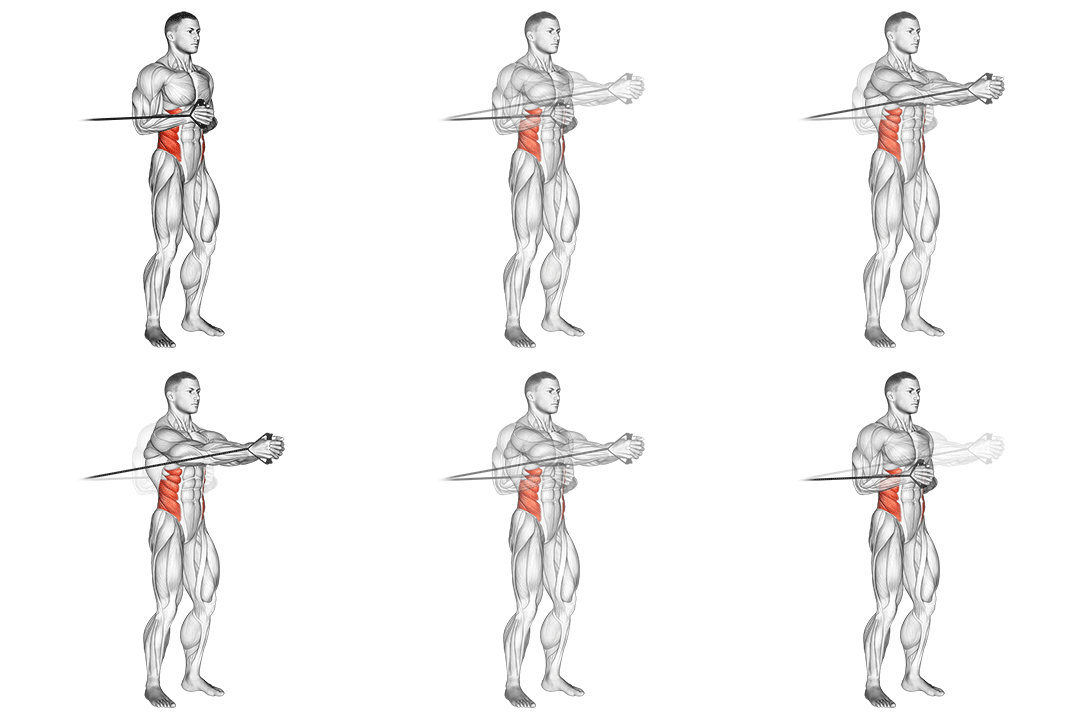
Best match 1. Band Horizontal Pallof Press
79% match- Abs
- Band
- Intermediate
- Isolation
A good swap when you have a band to work with, and it still works the abs.
How to perform this exercise
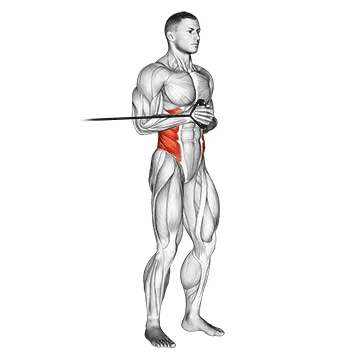
- Attach the band to a sturdy anchor point at waist height.
- Stand perpendicular to the anchor point with your feet shoulder-width apart.
- Grasp the band handle with both hands and step away from the anchor point to create tension in the band.
- Bring your hands to your chest, keeping your elbows bent and close to your body.
- Engage your core and maintain a stable stance.
- Extend your arms straight out in front of you, pushing the band away from your body.
- Hold the extended position for a few seconds, focusing on maintaining tension in your core.
- Slowly bring your hands back to your chest, resisting the pull of the band.
- Repeat for the desired number of repetitions.
Sets and reps: 3 sets of 10 to 15 reps.
Why this matches
- Movement: anti-rotation hold, the same as the Pelvic Tilt
- Primary muscle: abs, the same as the Pelvic Tilt
- Equipment: a band, not bodyweight only
- Body position: standing, not lying on your back
- Balance: harder to stay steady on than the Pelvic Tilt
Progression
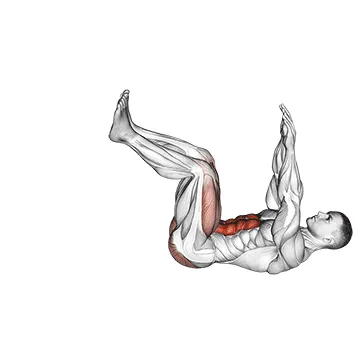
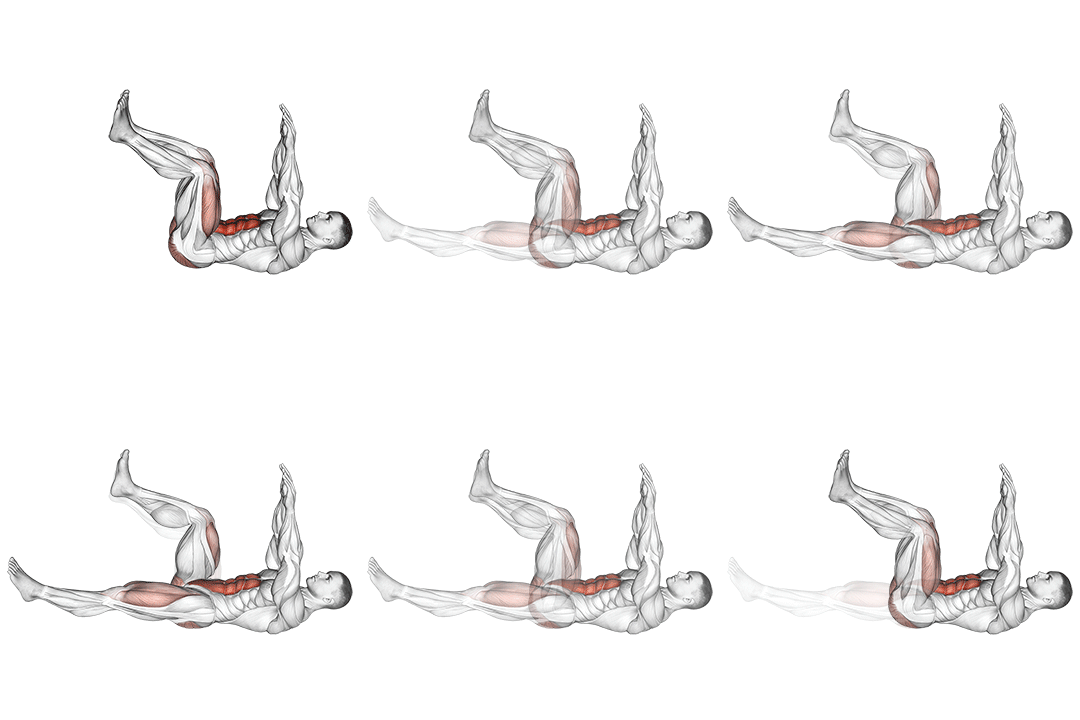
2. Dead Bug
82% match- Abs
- Bodyweight
- Beginner
- Isolation
Pick this when you want a harder version that works the abs one side at a time.
How to perform this exercise
- Lie flat on your back with your arms extended towards the ceiling.
- Bend your knees and lift your legs off the ground, creating a 90-degree angle at your hips and knees.
- Engage your core and lower back to press your lower back into the ground.
- Slowly lower your right arm and left leg towards the ground, keeping them straight and hovering just above the floor.
- Pause for a moment, then return to the starting position.
- Repeat the movement with your left arm and right leg.
- Continue alternating sides for the desired number of repetitions.
Sets and reps: 3 sets of 8 to 12 reps on each side, and add reps before you add load.
Why this matches
- Primary muscle: abs, the same as the Pelvic Tilt
- Equipment: bodyweight only, the same as the Pelvic Tilt
- Body position: lying on your back, the same as the Pelvic Tilt
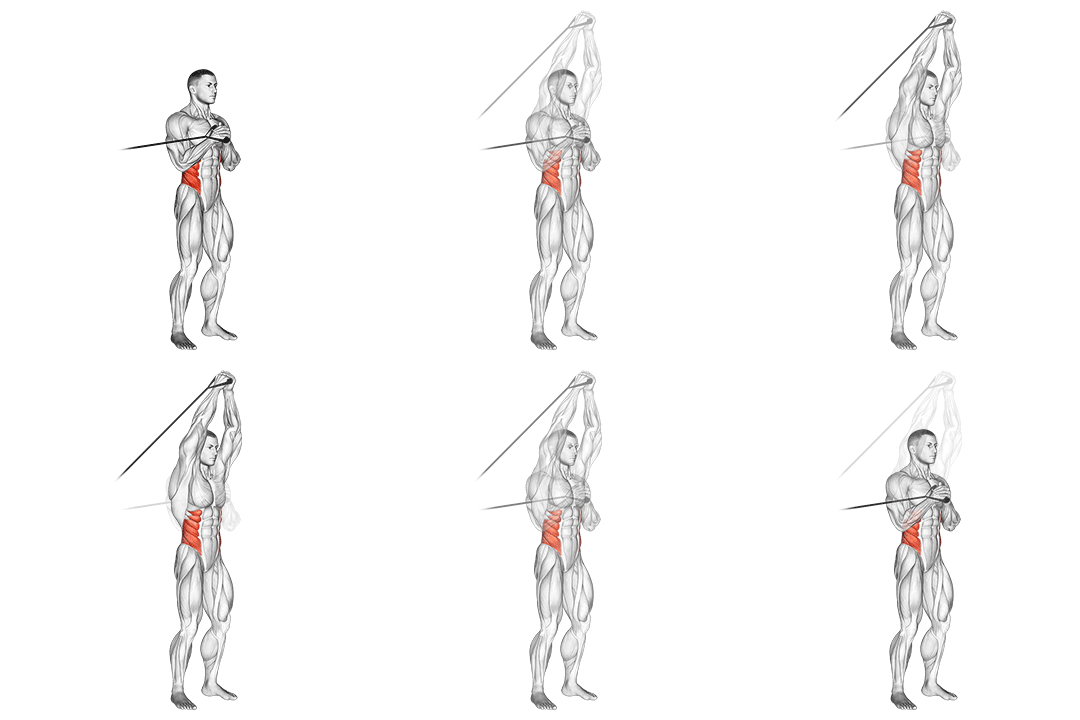
3. Band Vertical Pallof Press
77% match- Abs
- Band
- Intermediate
- Isolation
How to perform this exercise
- Stand with your feet shoulder-width apart and wrap the band around a sturdy object at chest height.
- Hold the band with both hands and step away from the anchor point, creating tension in the band.
- Position yourself perpendicular to the anchor point, with your side facing the band.
- Extend your arms straight out in front of you, keeping your hands at chest height.
- Engage your core and press the band away from your chest, fully extending your arms.
- Hold the position for a few seconds, then slowly bring the band back towards your chest.
- Repeat for the desired number of repetitions, then switch sides.
Sets and reps: 3 sets of 10 to 15 reps.
Why this matches
- Movement: anti-rotation hold, the same as the Pelvic Tilt
- Primary muscle: abs, the same as the Pelvic Tilt
- Equipment: a band, not bodyweight only
- Body position: standing, not lying on your back
- Balance: harder to stay steady on than the Pelvic Tilt
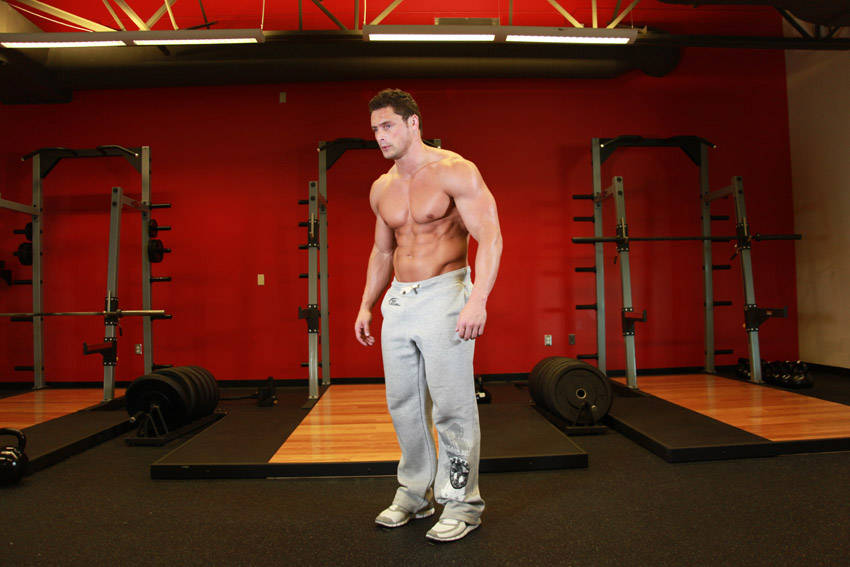
4. Stomach Vacuum
77% match- Abs
- Bodyweight
- Beginner
- Isolation
The same equipment, done standing instead.
How to perform this exercise
- To begin, stand straight with your feet shoulder width apart from each other. Place your hands on your hips. This is the starting position.
- Now slowly inhale as much air as possible and then start to exhale as much as possible while bringing your stomach in as much as possible and hold this position. Try to visualize your navel touching your backbone.
- One isometric contraction is around 20 seconds. During the 20 second hold, try to breathe normally. Then inhale and bring your stomach back to the starting position.
- Once you have practiced this exercise, try to perform this exercise for longer than 20 seconds. Tip: You can work your way up to 40-60 seconds.
- Repeat for the recommended amount of sets.
Sets and reps: Hold for 20 to 30 seconds, 3 sets.
Why this matches
- Movement: anti-rotation hold, the same as the Pelvic Tilt
- Primary muscle: abs, the same as the Pelvic Tilt
- Equipment: bodyweight only, the same as the Pelvic Tilt
- Body position: standing, not lying on your back
Progression
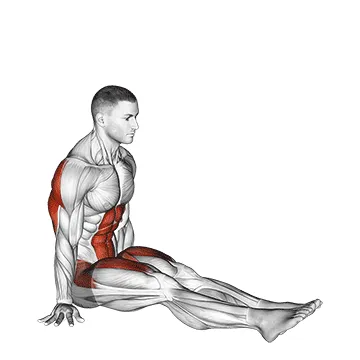
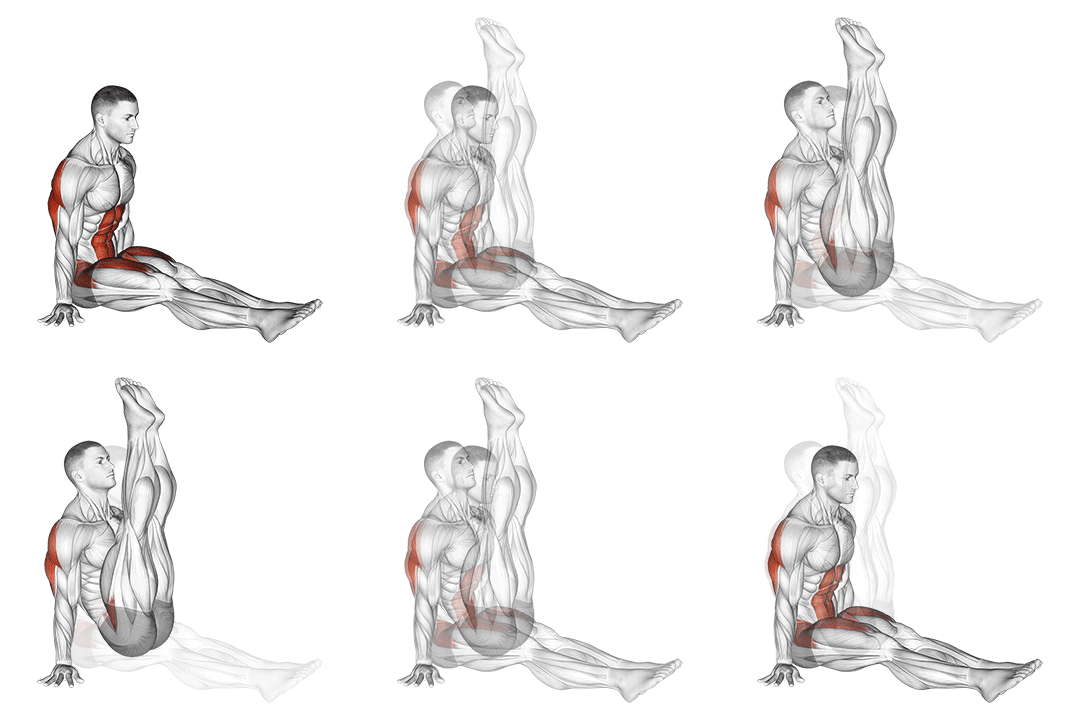
5. V-sit On Floor
75% match- Abs
- Bodyweight
- Advanced
- Compound
Pick this when you want a harder version that still works the abs.
How to perform this exercise
- Sit on the floor with your legs extended in front of you.
- Lean back slightly and lift your legs off the ground, keeping them straight.
- Simultaneously, lift your upper body off the ground and reach your arms towards your legs.
- Hold this position for a few seconds, then slowly lower your upper body and legs back down to the starting position.
- Repeat for the desired number of repetitions.
Sets and reps: 3 or 4 sets of 6 to 10 reps.
Why this matches
- Movement: anti-rotation hold, the same as the Pelvic Tilt
- Primary muscle: abs, the same as the Pelvic Tilt
- Equipment: bodyweight only, the same as the Pelvic Tilt
- Body position: seated, not lying on your back
- Balance: harder to stay steady on than the Pelvic Tilt
Progression
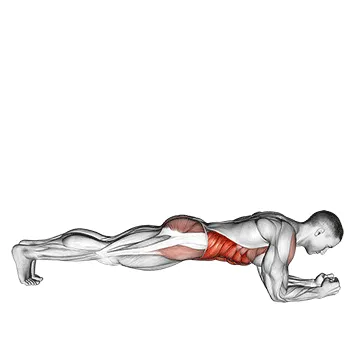
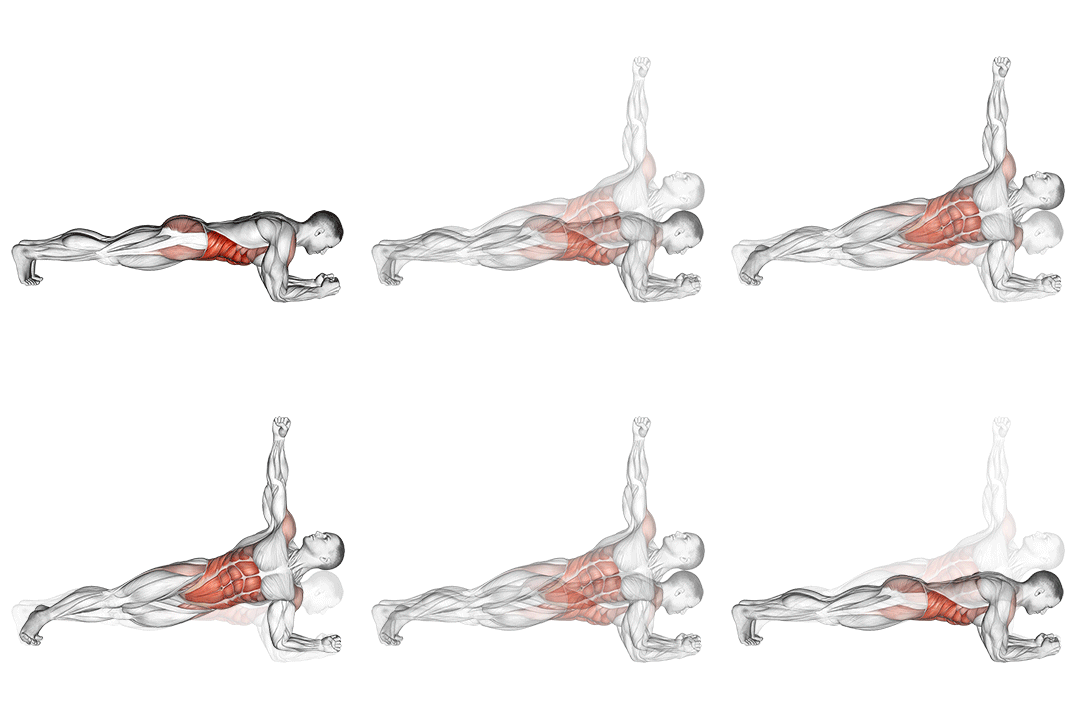
6. Front Plank With Twist
74% match- Abs
- Bodyweight
- Intermediate
- Compound
How to perform this exercise
- Start in a high plank position with your hands directly under your shoulders and your body in a straight line from head to toe.
- Engage your core and glutes to maintain a stable position.
- Rotate your torso to the right, lifting your right arm and extending it towards the ceiling.
- Keep your hips and legs stable as you twist.
- Hold for a moment, then return to the starting position.
- Repeat the twist on the left side.
- Continue alternating sides for the desired number of repetitions.
Sets and reps: 3 or 4 sets of 6 to 10 reps on each side.
Why this matches
- Movement: an anti-extension hold, close to the Pelvic Tilt
- Primary muscle: abs, the same as the Pelvic Tilt
- Equipment: bodyweight only, the same as the Pelvic Tilt
- Body position: lying face down, not lying on your back
Progression
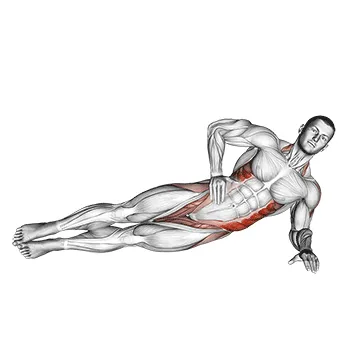
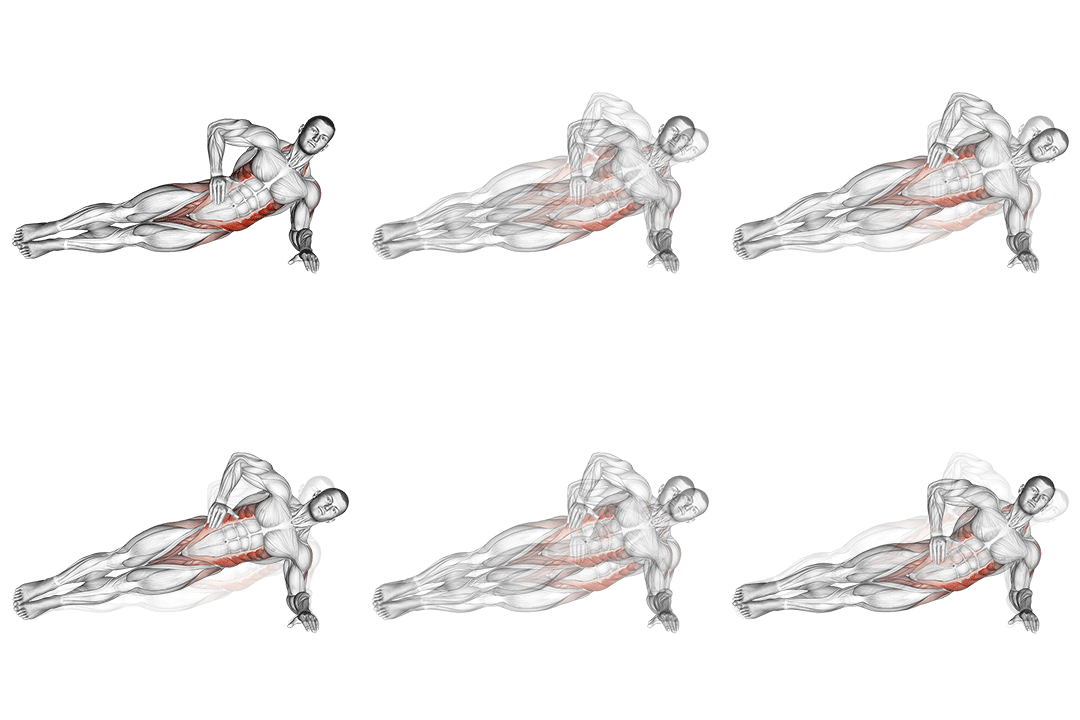
7. Side Bridge
74% match- Abs
- Bodyweight
- Intermediate
- Compound
How to perform this exercise
- Lie on your side with your legs extended and stacked on top of each other.
- Place your forearm on the ground directly below your shoulder, with your elbow bent at a 90-degree angle.
- Engage your core and lift your hips off the ground, creating a straight line from your head to your feet.
- Hold this position for the desired amount of time.
- Lower your hips back down to the starting position.
- Repeat on the other side.
Sets and reps: Hold for 20 to 30 seconds on each side, 3 sets.
Why this matches
- Movement: a lateral hold, close to the Pelvic Tilt
- Primary muscle: abs, the same as the Pelvic Tilt
- Equipment: bodyweight only, the same as the Pelvic Tilt
Progression
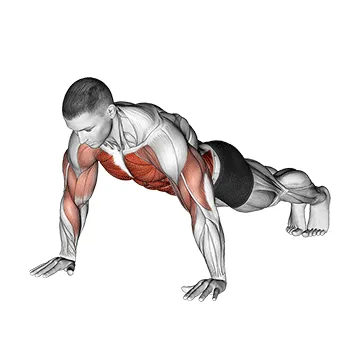
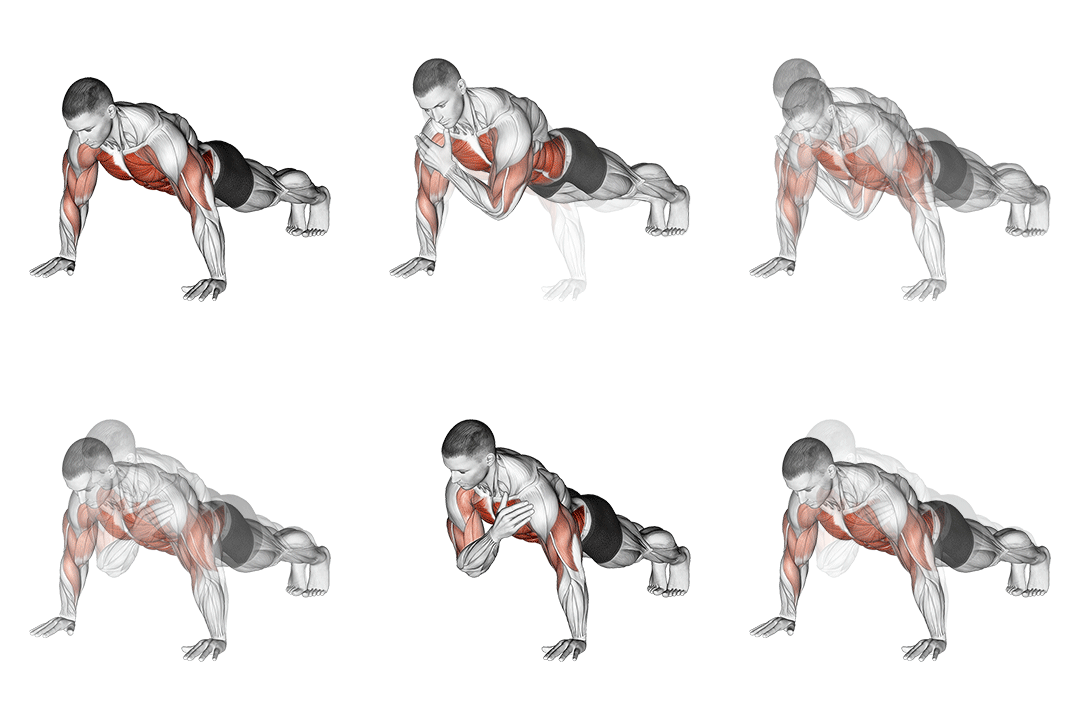
8. Shoulder Tap
72% match- Abs
- Bodyweight
- Intermediate
- Compound
How to perform this exercise
- Start in a high plank position with your hands directly under your shoulders and your body in a straight line.
- Engage your core and lift your right hand off the ground, reaching across to tap your left shoulder.
- Place your right hand back on the ground and repeat with your left hand tapping your right shoulder.
- Continue alternating shoulder taps while keeping your hips and torso stable.
- Repeat for the desired number of repetitions.
Sets and reps: 3 or 4 sets of 6 to 10 reps on each side.
Why this matches
- Movement: an anti-extension hold, close to the Pelvic Tilt
- Primary muscle: abs, the same as the Pelvic Tilt
- Equipment: bodyweight only, the same as the Pelvic Tilt
- Body position: lying face down, not lying on your back
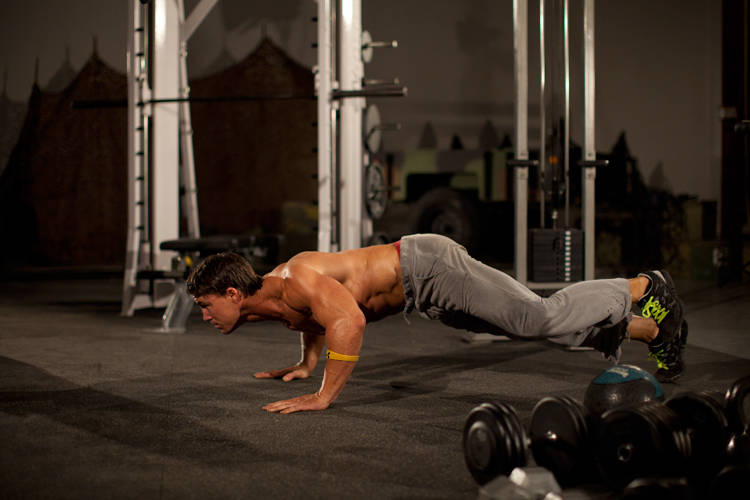
Progression
9. Spider Crawl
72% match- Abs
- Bodyweight
- Advanced
- Compound
How to perform this exercise
- Begin in a prone position on the floor. Support your weight on your hands and toes, with your feet together and your body straight. Your arms should be bent to 90 degrees. This will be your starting position.
- Initiate the movement by raising one foot off of the ground. Externally rotate the leg and bring the knee toward your elbow, as far forward as possible.
- Return this leg to the starting position and repeat on the opposite side.
Sets and reps: Hold for 20 to 30 seconds on each side, 3 sets.
Why this matches
- Movement: an anti-extension hold, close to the Pelvic Tilt
- Primary muscle: abs, the same as the Pelvic Tilt
- Equipment: bodyweight only, the same as the Pelvic Tilt
- Body position: lying face down, not lying on your back
Progression
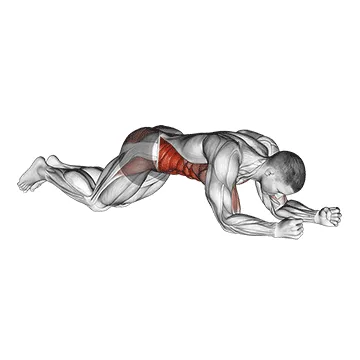
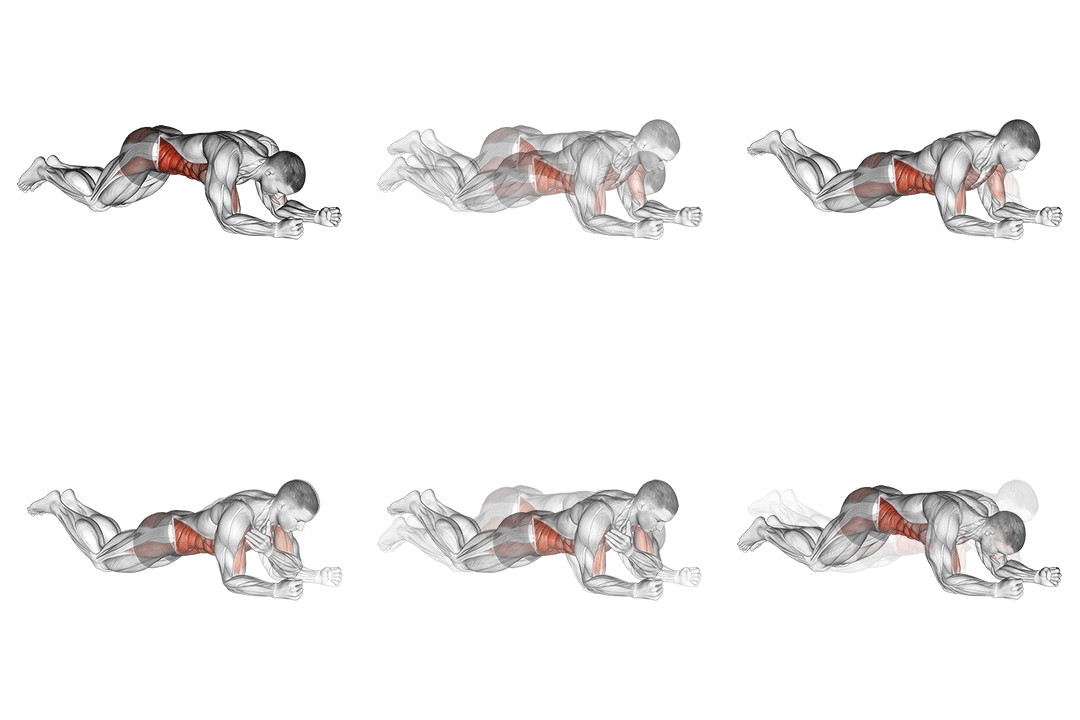
10. Kneeling Plank Tap Shoulder
68% match- Abs
- Bodyweight
- Intermediate
- Compound
How to perform this exercise
- Start in a kneeling position with your hands on the ground, shoulder-width apart.
- Extend your legs behind you, resting on your toes, and lift your body into a plank position.
- Keeping your core engaged and your hips stable, lift one hand off the ground and tap the opposite shoulder.
- Return the hand to the ground and repeat with the other hand.
- Continue alternating sides for the desired number of repetitions.
Sets and reps: 3 or 4 sets of 6 to 10 reps on each side.
Why this matches
- Movement: an anti-extension hold, close to the Pelvic Tilt
- Primary muscle: abs, the same as the Pelvic Tilt
- Equipment: bodyweight only, the same as the Pelvic Tilt
- Body position: kneeling, not lying on your back
Why You Might Need a Pelvic Tilt Alternative
You may substitute pelvic tilts for several reasons: acute low-back pain, hip mobility limits, postoperative restrictions, or preference for a more functional pattern. Alternatives let you maintain transverse abdominis and rectus abdominis activation without repeated lumbar flexion; for example, a dead bug emphasizes anti-extension control while a glute bridge recruits hip extensors to reduce lumbar shear. Use cues like pressing the lower back gently into the floor or tucking the tailbone to bias posterior pelvic rotation. Selecting a substitute also lets you scale load, range of motion, and breathing to protect the sacroiliac joint while still improving pelvic control.
How to Choose the Right Pelvic Tilt Substitute
Match the substitute to your problem: prioritize anti-extension drills like dead bug if you need lumbar stability, or choose glute bridges if hip extension weakness increases anterior pelvic tilt. Consider pain provocation, available equipment, and the primary muscle you want to target, deep core (transverse abdominis) versus superficial rectus abdominis or glutes. Check biomechanics: if hip flexor tightness drives anterior tilt, avoid repeated hip flexion and cue 'brace and exhale while tucking the tailbone' to keep lumbar neutral. Progress with increased time under tension, slower eccentrics, or added resistance once you can maintain pelvic control without compensatory lumbar movement.
Pelvic Tilt FAQ
What muscles does Pelvic Tilt work?
Pelvic tilt primarily targets the rectus abdominis and transverse abdominis by producing posterior rotation of the pelvis and flattening the lumbar spine. It also reduces hip flexor tension and teaches the posterior chain to stabilize the pelvis through low-load motor control.
What is the best bodyweight alternative to Pelvic Tilt?
Dead bug is the best bodyweight alternative for most people because it trains anti-extension core control with minimal lumbar compression. Cue extending the opposite arm and leg while drawing the navel to the spine and keeping the lower back pressed to the floor to maintain transverse abdominis activation.
Find Alternatives for Any Exercise
Search the exercise database and filter the ranked substitutes by the equipment you own.
Similarity scores compare exercise metadata such as movement pattern, muscles, equipment and body position. They are not a safety rating or a check that you own the equipment. Learn about our methodology