

10 Best Pyramid Alternatives for Training Your Lower Back
If you can’t perform the Pyramid on a stability ball, use exercises that preserve spinal extension and posterior chain loading. Try back extensions, reverse hypers, supermans, bird dogs, or Romanian deadlifts. Cue: brace your core, hinge at the hips, and lift through the erector spinae while keeping a neutral spine.
Original Exercise: Pyramid
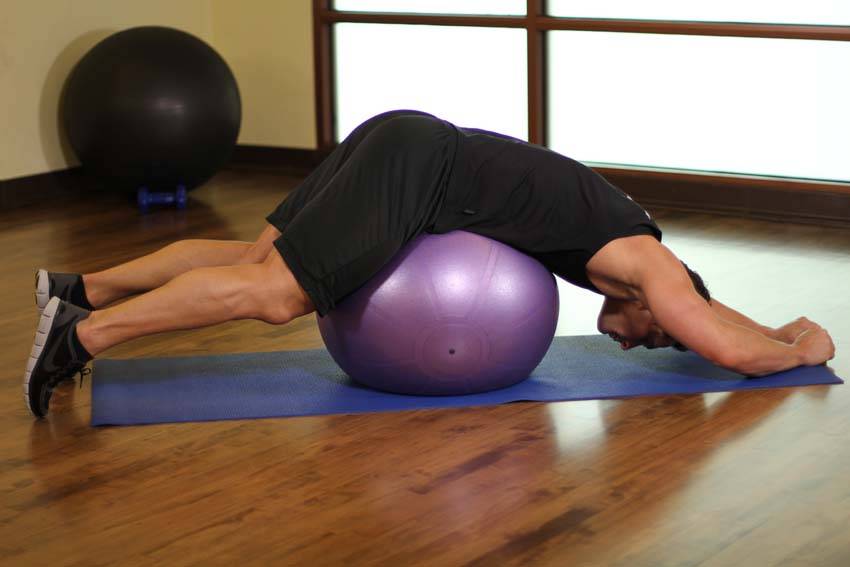
How to Perform Pyramid
- Start off by rolling your torso forward onto the ball so your hips rest on top of the ball and become the highest point of your body.
- Rest your hands and feet on the floor. Your arms and legs can be slightly bent or straight, depending on the size of the ball, your flexibility, and the length of your limbs. This also helps develop stabilizing strength in your torso and shoulders.
Pro Tips
- Category: Stretching
- Force: Static
Ranked Pyramid Alternatives
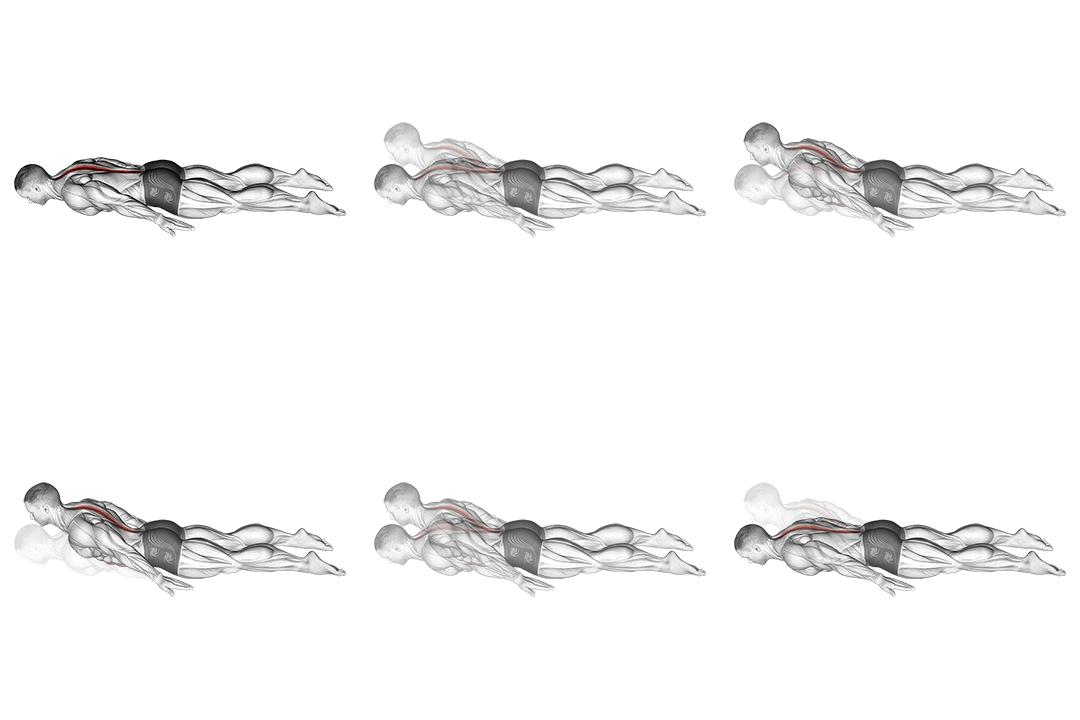
1. Lower Back Curl
76% MatchHow to perform this exercise
- Lie flat on your stomach with your legs extended and your arms by your sides.
- Engage your glutes and hamstrings, and slowly lift your upper body off the ground, curling your back upwards.
- Pause for a moment at the top, then slowly lower your upper body back down to the starting position.
- Repeat for the desired number of repetitions.
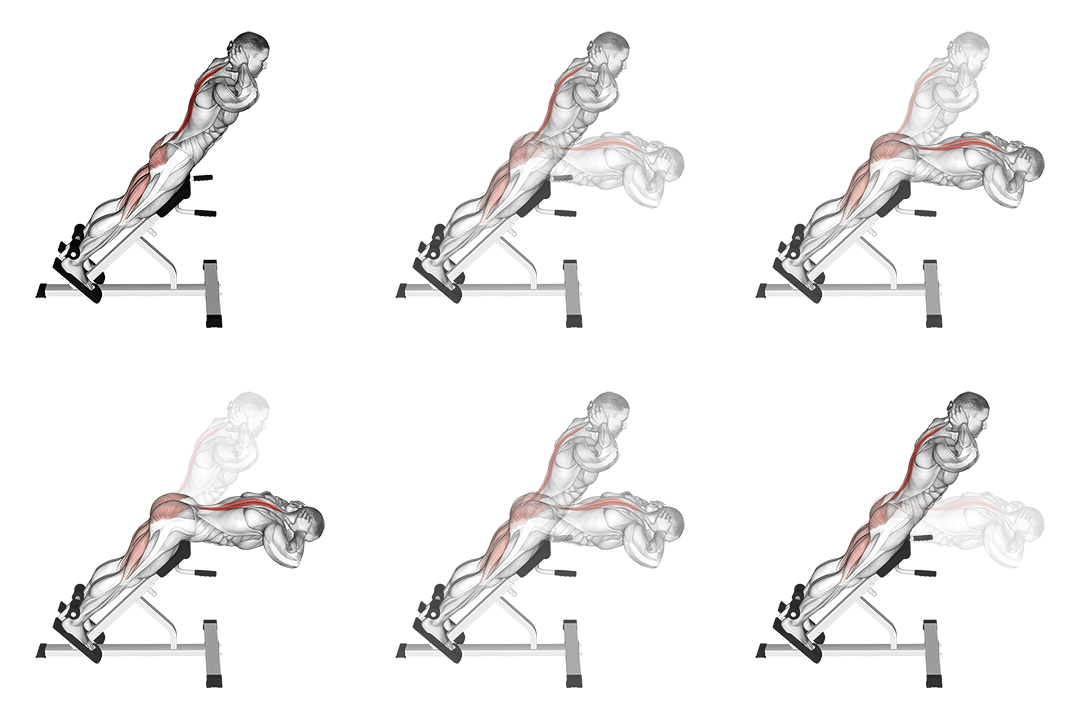
2. Hyperextension
75% MatchHow to perform this exercise
- Adjust the hyperextension bench so that your upper thighs are resting on the pad and your feet are secured.
- Cross your arms over your chest or place your hands behind your head.
- Lower your upper body towards the ground while keeping your back straight.
- Pause for a moment at the bottom, then raise your upper body back up until it is in line with your legs.
- Repeat for the desired number of repetitions.
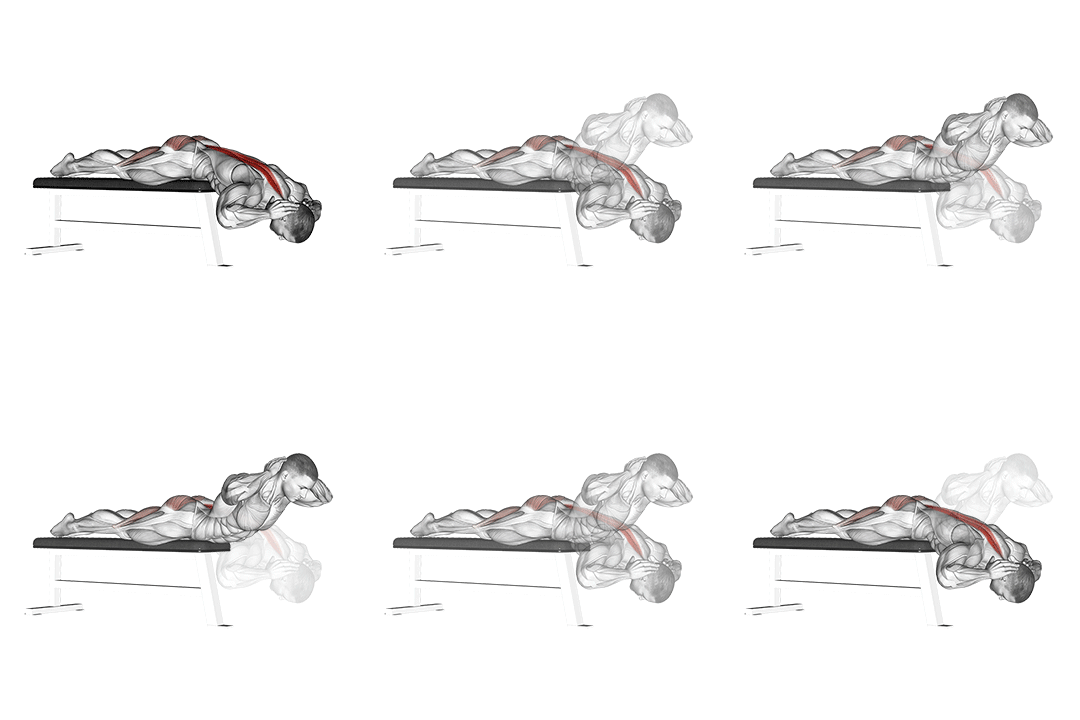
3. Hyperextension (on Bench)
75% MatchHow to perform this exercise
- Adjust the hyperextension bench so that your hips are resting comfortably on the pad and your feet are secured.
- Cross your arms over your chest or place your hands behind your head.
- Slowly lower your upper body towards the ground while keeping your back straight.
- Pause for a moment at the bottom, then raise your upper body back up until it is in line with your legs.
- Repeat for the desired number of repetitions.
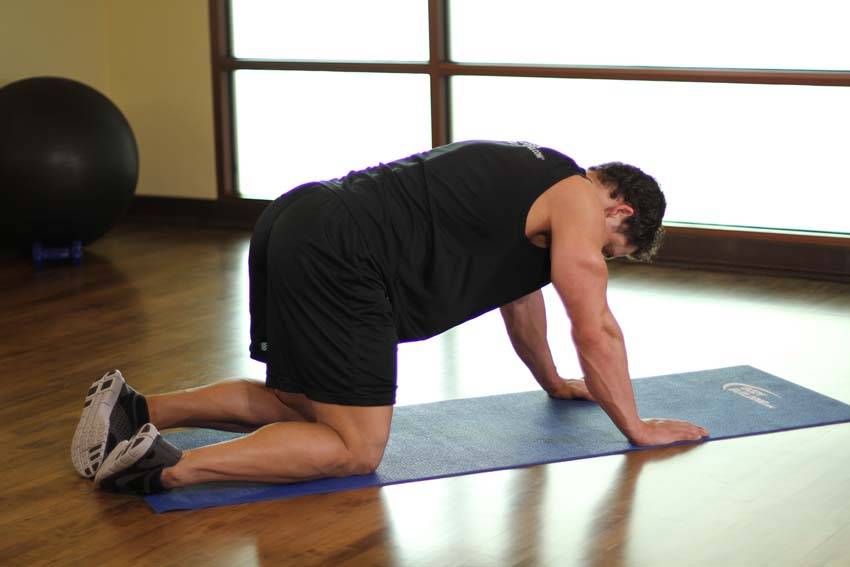
4. One Half Locust
74.1% MatchHow to perform this exercise
- Lie facedown on the floor.
- Put your left hand under your left hipbone to pad your hip and pubic bone.
- Bend your right knee so you can hold the foot in your right hand.
- Lift the foot in the air and simultaneously lift your shoulders off the floor. This also stretches the right hip flexor and the chest and shoulders. Switch sides. If it doesn't bother your back, you can try it with both arms and legs at the same time.
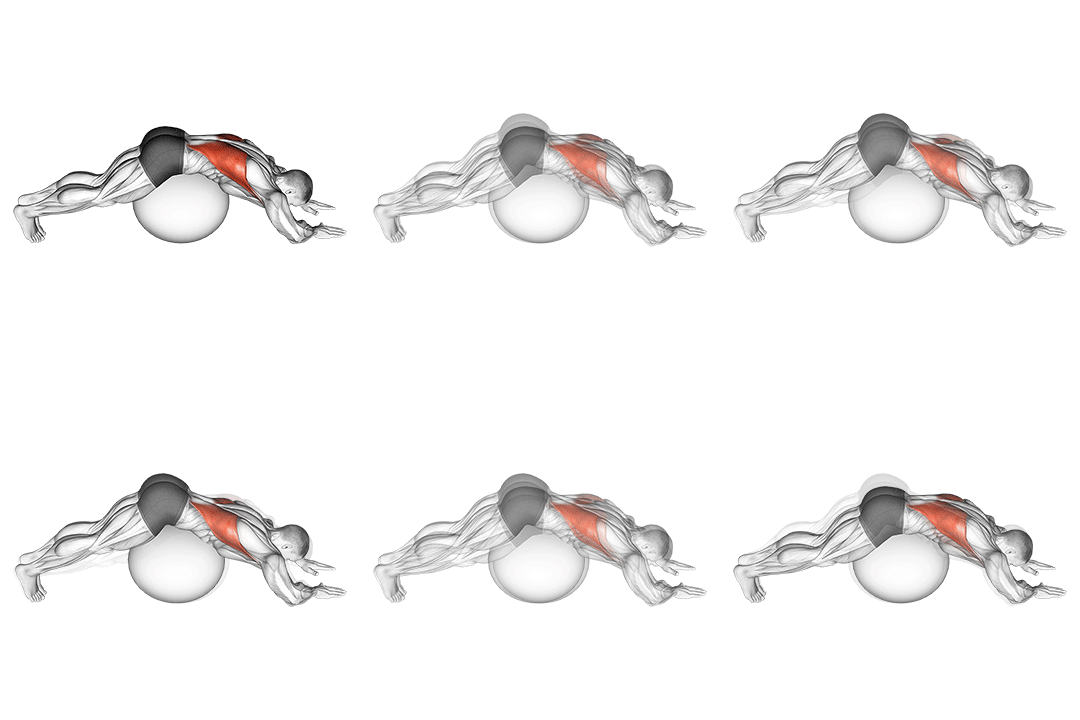
5. Exercise Ball Lower Back Stretch (pyramid)
74% MatchHow to perform this exercise
- Sit on the stability ball with your feet flat on the ground and your knees bent at a 90-degree angle.
- Slowly walk your feet forward, rolling the ball down your back until your lower back is resting on the ball.
- Place your hands behind your head or cross them over your chest.
- Engage your core and slowly lower your upper body towards the ground, allowing your lower back to stretch over the ball.
- Hold the stretch for a few seconds, then slowly return to the starting position.
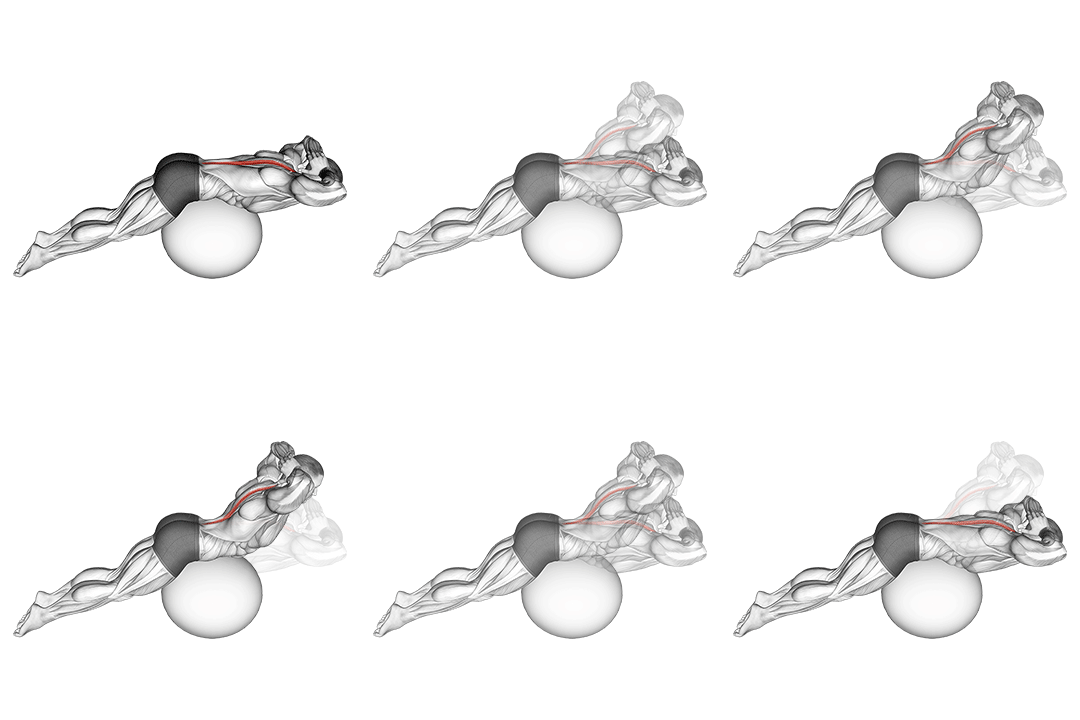
6. Back Extension On Exercise Ball
73.9% MatchHow to perform this exercise
- Place the stability ball on the ground and lie face down on top of it, with your hips resting on the ball and your feet against a wall or other stable surface.
- Position your hands behind your head or crossed over your chest.
- Engage your core and slowly lift your upper body off the ball, extending your back until your body forms a straight line from your head to your heels.
- Pause for a moment at the top, then slowly lower your upper body back down to the starting position.
- Repeat for the desired number of repetitions.
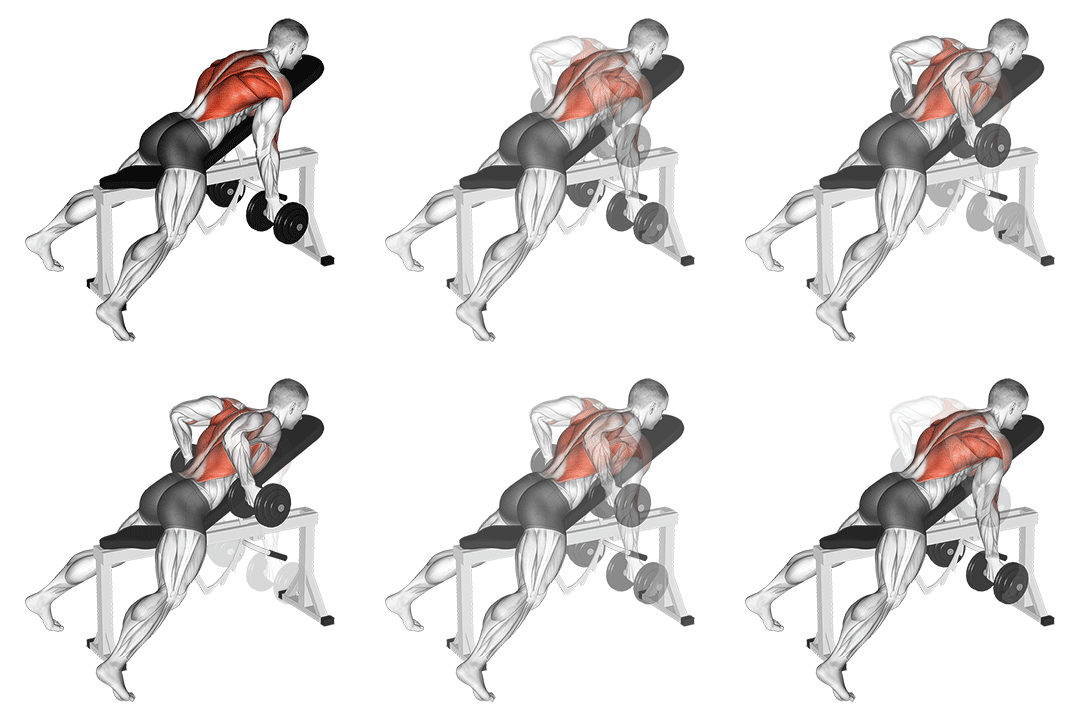
7. Dumbbell Lying Rear Delt Row
70.8% MatchHow to perform this exercise
- Lie face down on a flat bench with a dumbbell in each hand, palms facing inwards.
- Extend your arms straight down towards the floor, keeping a slight bend in your elbows.
- Engaging your back muscles, lift the dumbbells up towards your chest, squeezing your shoulder blades together.
- Pause for a moment at the top, then slowly lower the dumbbells back down to the starting position.
- Repeat for the desired number of repetitions.
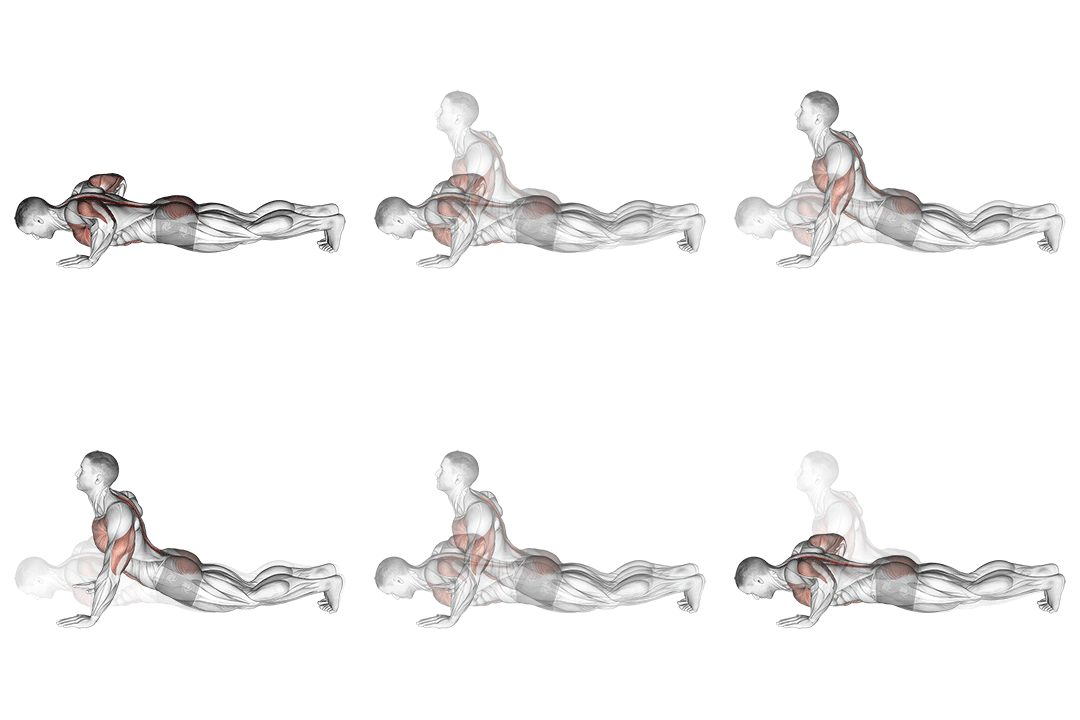
8. Upward Facing Dog
68.9% MatchHow to perform this exercise
- Lie face down on the floor with your legs extended behind you.
- Place your hands on the floor next to your lower ribs, fingers pointing forward.
- Press your hands firmly into the floor and straighten your arms, lifting your torso and thighs off the ground.
- Roll your shoulders back and down, opening your chest and lifting your gaze towards the ceiling.
- Hold this position for a few breaths, then slowly lower your body back down to the starting position.
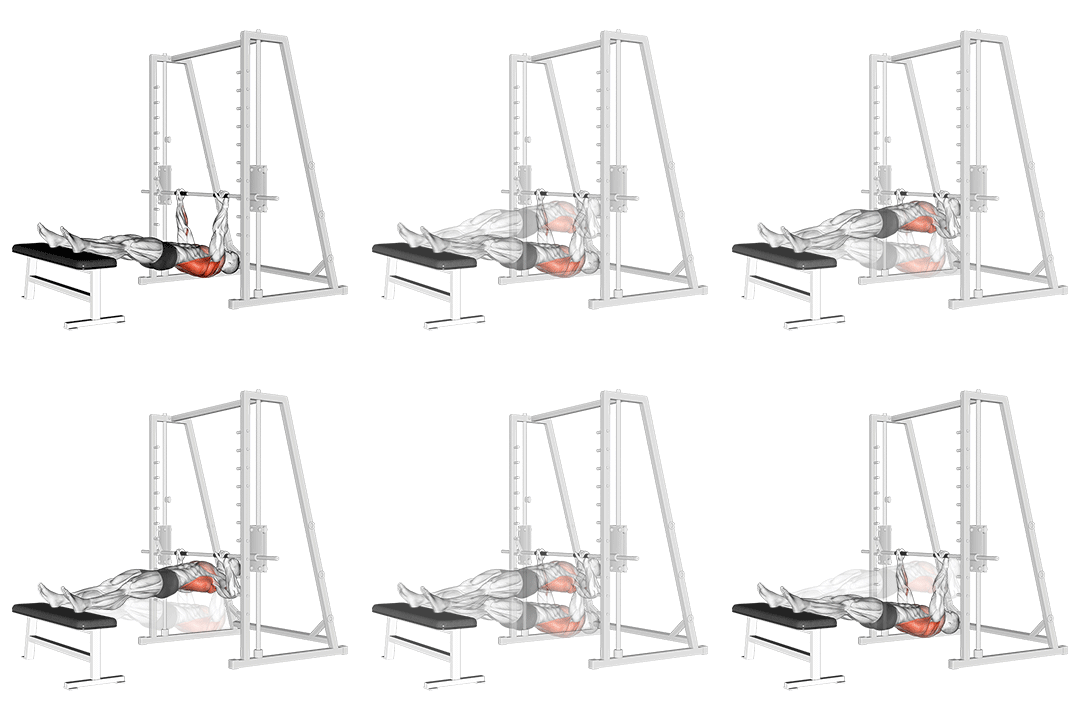
9. Inverted Row On Bench
67.2% MatchHow to perform this exercise
- Set up a bench at a height that allows your body to hang freely underneath it.
- Lie face up on the ground with your head towards the bench.
- Reach up and grab the bench with an overhand grip, slightly wider than shoulder-width apart.
- Position your body so that your heels are on the ground and your arms are fully extended.
- Engage your core and squeeze your shoulder blades together as you pull your chest up towards the bench.
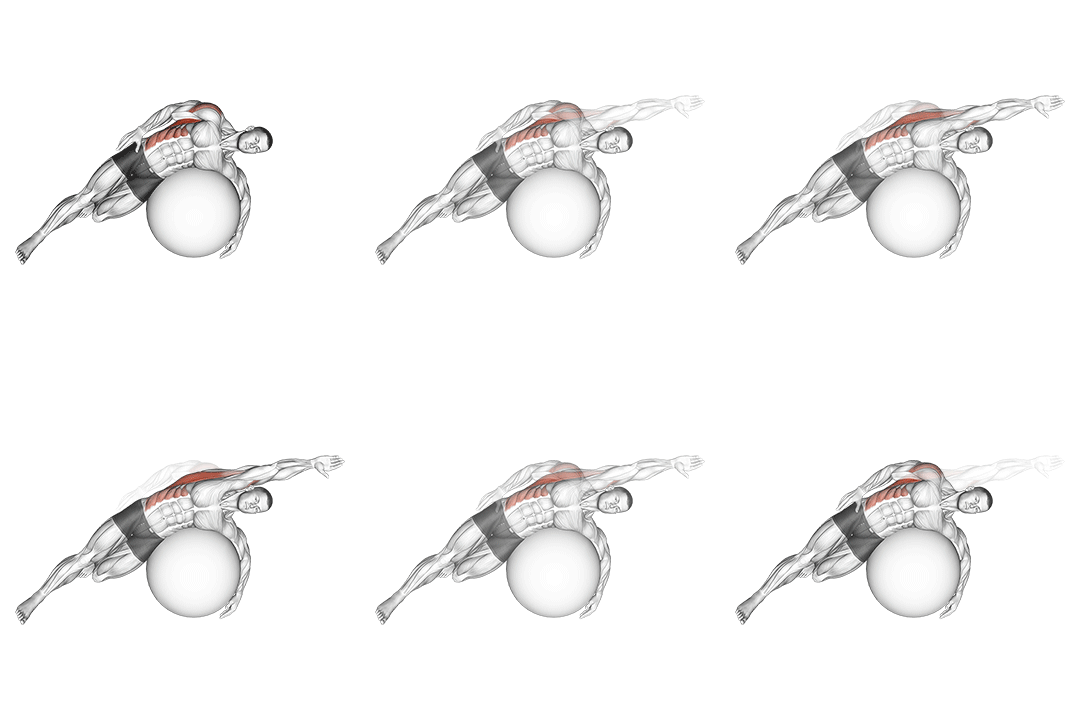
10. Exercise Ball Lying Side Lat Stretch
67% MatchHow to perform this exercise
- Lie on your side with your legs extended and your head supported by the stability ball.
- Place your top arm on the ball for stability.
- Reach your top arm overhead and allow your torso to rotate slightly.
- Feel the stretch in your lat muscles on the side of your body.
- Hold the stretch for 20-30 seconds, then switch sides and repeat.
Why You Might Need a Pyramid Alternative
You may substitute Pyramid for several reasons: lack of a stability ball, low back pain, poor balance, or a need for heavier loading. Some athletes require a hip-hinge dominant option (RDL) to load the hamstrings and glutes, while others need isolated spinal extension (back extension or reverse hyper) to target erector spinae without compressive spinal load. If you feel lumbar flexion or rounding, choose a reverse hyper or prone extension to reduce compression. Technique cue: keep the pelvis stable, avoid thoracic collapse, and initiate movement with the erectors and glutes to maximize targeted lower-back activation.
How to Choose the Right Substitute
Select a substitute by matching movement pattern, load capacity, and stability demands to your goals. For pure lower-back isolation pick prone back extensions or reverse hypers to emphasize erector spinae with minimal hip-hinge. For posterior chain strength choose RDLs or single-leg RDLs to engage hamstrings and glutes along with the lower back. If balance or equipment is limited use bird dog or superman to train motor control and static spinal extension. Technique cue: prioritize a neutral spine, controlled tempo, and full glute squeeze at the top for safe, efficient muscle activation.
Frequently Asked Questions
What muscles does Pyramid work?
Pyramid primarily targets the erector spinae (lower back) with secondary activation of the glutes and hamstrings for pelvic control. It emphasizes spinal extension and anti-flexion torque, so you’ll feel the load along the lumbar extensors when you lift against resistance.
What is the best bodyweight alternative to Pyramid?
The best bodyweight alternative is the Superman or prone back extension on the floor. Cue: lift chest and legs simultaneously with a tight glute contraction, draw the shoulder blades down, and hold briefly to maximize erector spinae activation without equipment.
Can I build muscle without doing Pyramid?
Yes. You can build lower-back muscle with reverse hypers, romanian deadlifts, back extensions, and progressive-loaded RDLs. Focus on progressive overload, controlled eccentric tempo, and full contraction of the erectors and glutes to stimulate hypertrophy.
More Exercise Alternatives
Find Alternatives for Any Exercise
Use the exercise substitution finder to compare ranked alternatives for your available equipment and training preference.
Try the Exercise Substitution Finder →