

10 Best One Half Locust Alternatives for Home Workouts
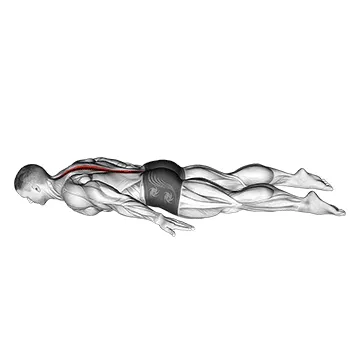
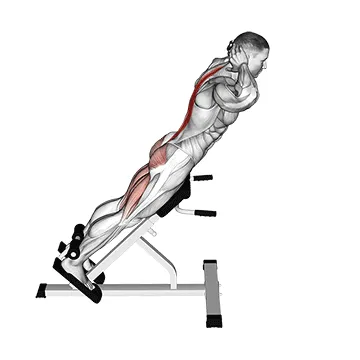
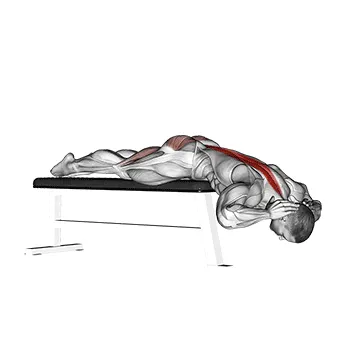
The One Half Locust is done lying face down. Ranked closest by our scoring: the Lower Back Curl, the Hyperextension and the Hyperextension (On Bench).
If you can't perform the One Half Locust, use other prone or hinge-based moves to load the erector spinae. Effective swaps include the Prone Superman, Full Locust (Salabhasana), Swiss‑ball back extension, reverse hyper on a bench, and the Swimmer. Cue: lift chest and thighs together, squeeze glutes, and avoid excessive lumbar hyperextension.
Updated Ranked by our 12-factor similarity model How it works
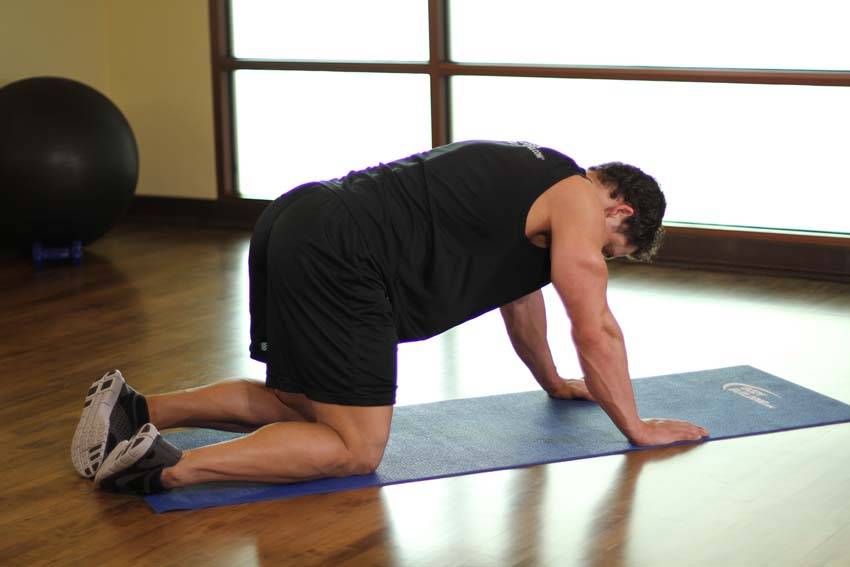
Original Exercise: One Half Locust
- Primary muscle
- Erector Spinae
- Equipment
- Bodyweight
- Difficulty
- Beginner
- Type
- Isolation
Secondary muscles: Abdominals, Biceps, Chest
How to perform One Half Locust
- Lie facedown on the floor.
- Put your left hand under your left hipbone to pad your hip and pubic bone.
- Bend your right knee so you can hold the foot in your right hand.
- Lift the foot in the air and simultaneously lift your shoulders off the floor. This also stretches the right hip flexor and the chest and shoulders. Switch sides. If it doesn't bother your back, you can try it with both arms and legs at the same time.
Ranked One Half Locust Alternatives
10 substitutes, ranked by how closely each one matches the One Half Locust on movement pattern, muscles worked, equipment and body position. The higher the score, the less you change. Open "How to perform this exercise" on a card for the steps; every card title links to that exercise's own alternatives page. Harder versions are tagged as progressions and kept out of the top spot even when they score higher.
Progression
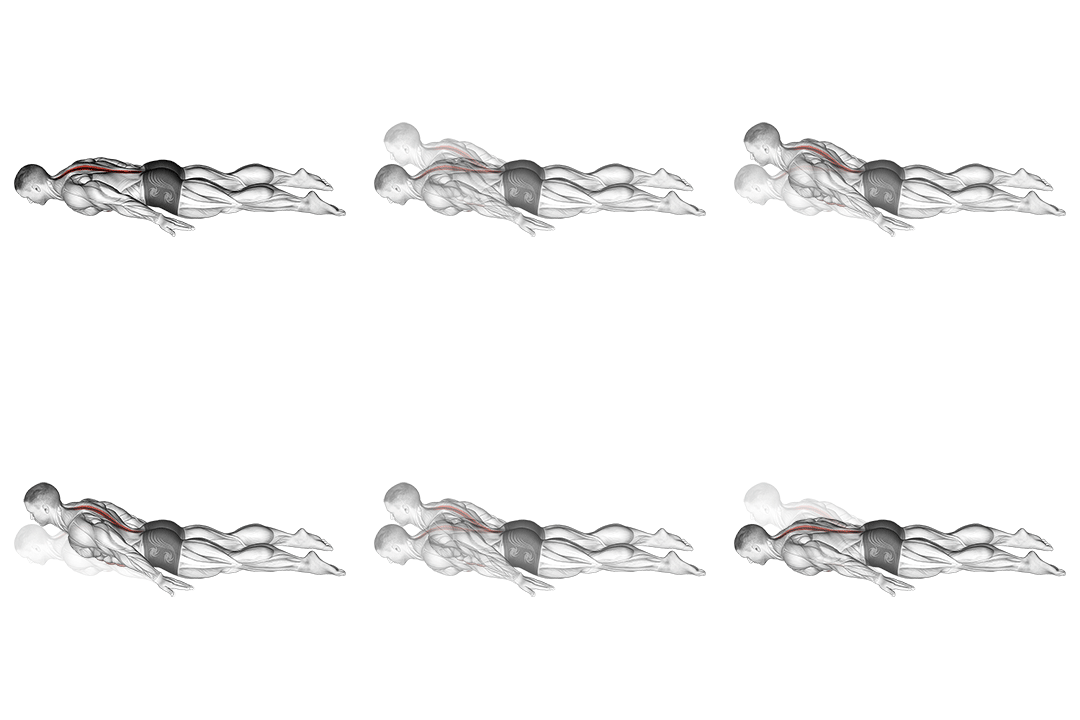
1. Lower Back Curl
79% match- Spine
- Bodyweight
- Intermediate
- Isolation
A looser match: it uses the same equipment, but it works the spinal erectors rather than the erector spinae.
How to perform this exercise
- Lie flat on your stomach with your legs extended and your arms by your sides.
- Engage your glutes and hamstrings, and slowly lift your upper body off the ground, curling your back upwards.
- Pause for a moment at the top, then slowly lower your upper body back down to the starting position.
- Repeat for the desired number of repetitions.
Sets and reps: 3 sets of 10 to 15 reps.
Why this matches
- Primary muscle: spine, not erector spinae
- Equipment: bodyweight only, the same as the One Half Locust
- Body position: lying face down, the same as the One Half Locust
Progression
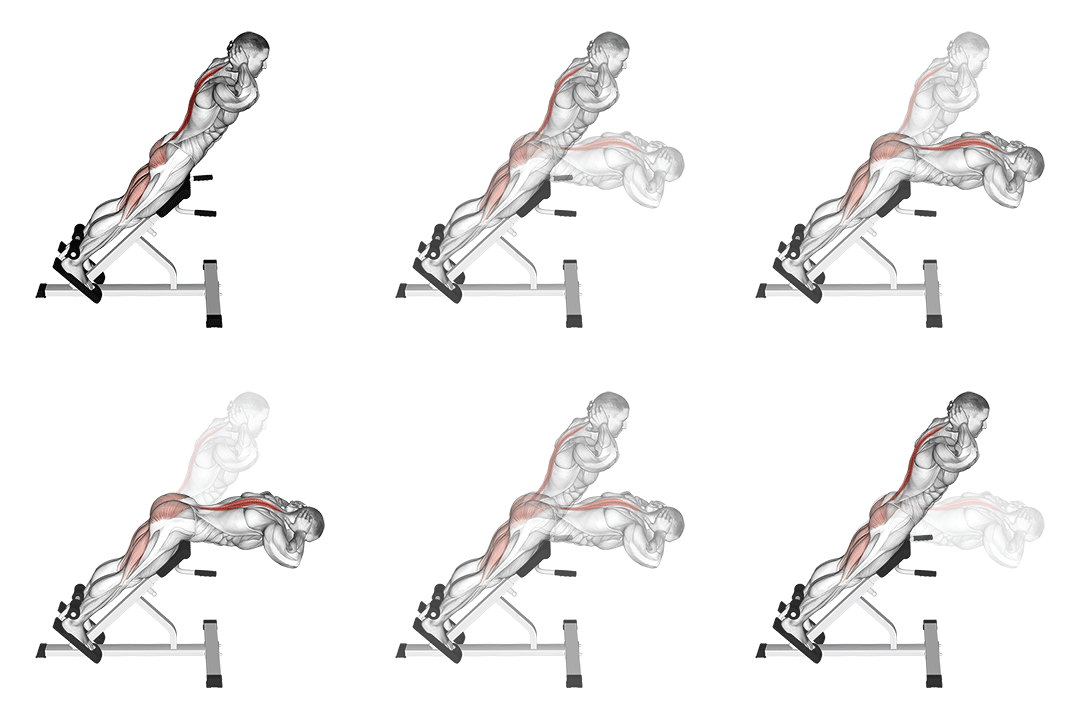
2. Hyperextension
74% match- Spine
- Bodyweight
- Intermediate
- Compound
How to perform this exercise
- Adjust the hyperextension bench so that your upper thighs are resting on the pad and your feet are secured.
- Cross your arms over your chest or place your hands behind your head.
- Lower your upper body towards the ground while keeping your back straight.
- Pause for a moment at the bottom, then raise your upper body back up until it is in line with your legs.
- Repeat for the desired number of repetitions.
Sets and reps: 3 or 4 sets of 6 to 10 reps.
Why this matches
- Primary muscle: spine, not erector spinae
- Equipment: bodyweight only, the same as the One Half Locust
- Body position: lying face down, the same as the One Half Locust
Progression
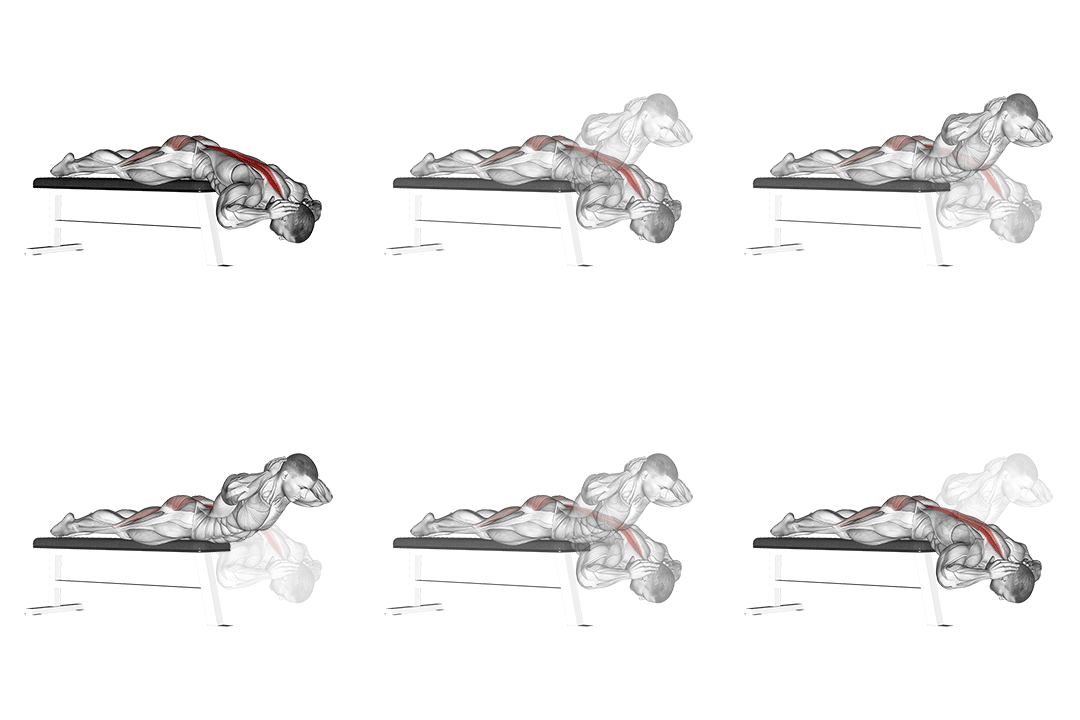
3. Hyperextension (On Bench)
74% match- Spine
- Bodyweight
- Intermediate
- Compound
How to perform this exercise
- Adjust the hyperextension bench so that your hips are resting comfortably on the pad and your feet are secured.
- Cross your arms over your chest or place your hands behind your head.
- Slowly lower your upper body towards the ground while keeping your back straight.
- Pause for a moment at the bottom, then raise your upper body back up until it is in line with your legs.
- Repeat for the desired number of repetitions.
Sets and reps: 3 or 4 sets of 6 to 10 reps.
Why this matches
- Primary muscle: spine, not erector spinae
- Equipment: bodyweight only, the same as the One Half Locust
- Body position: lying face down, the same as the One Half Locust
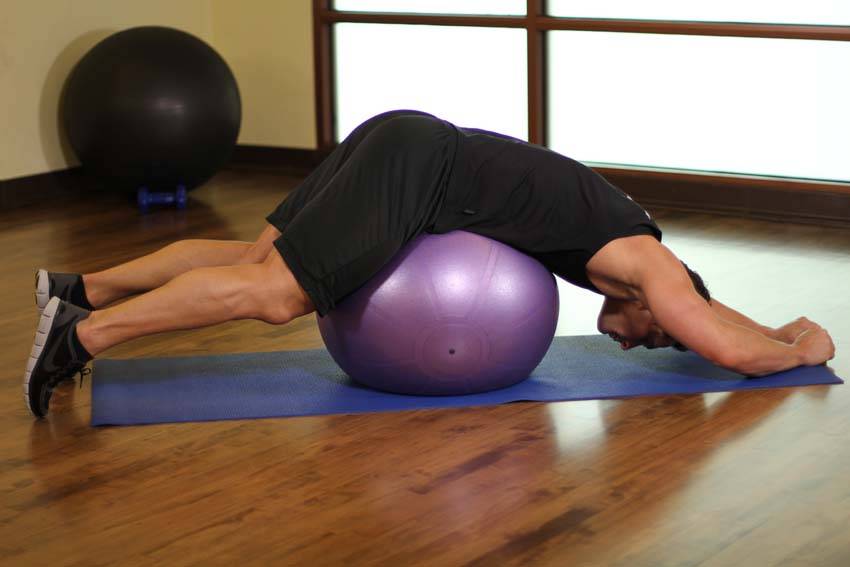
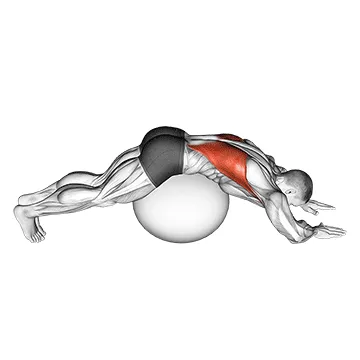
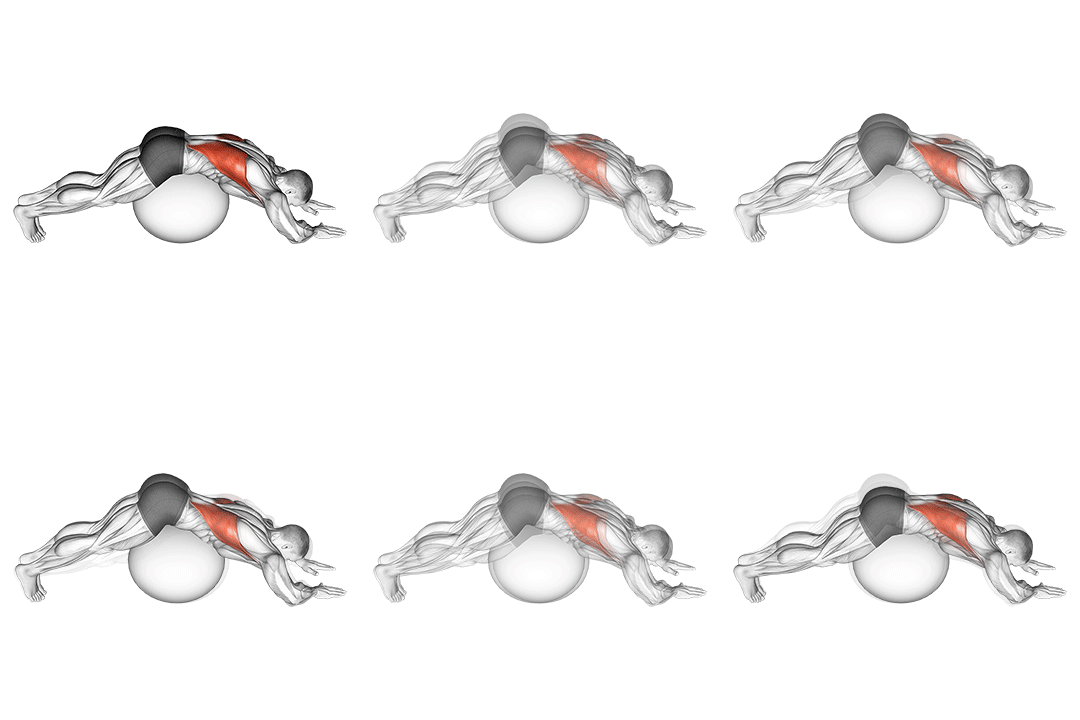
4. Pyramid
74% match- Lower_back
- Stability-ball
- Intermediate
- Isolation
A looser match: it works the lower back rather than the erector spinae.
How to perform this exercise
- Start off by rolling your torso forward onto the ball so your hips rest on top of the ball and become the highest point of your body.
- Rest your hands and feet on the floor. Your arms and legs can be slightly bent or straight, depending on the size of the ball, your flexibility, and the length of your limbs. This also helps develop stabilizing strength in your torso and shoulders.
Sets and reps: 3 sets of 10 to 15 reps.
Why this matches
- Primary muscle: lower back, not erector spinae
- Equipment: bodyweight only, the same as the One Half Locust
- Body position: lying face down, the same as the One Half Locust
- Balance: harder to stay steady on than the One Half Locust
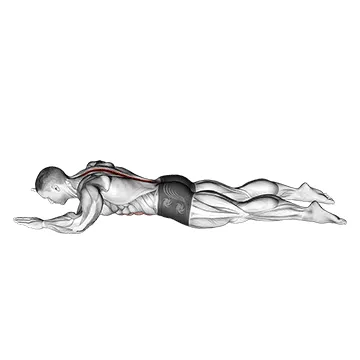
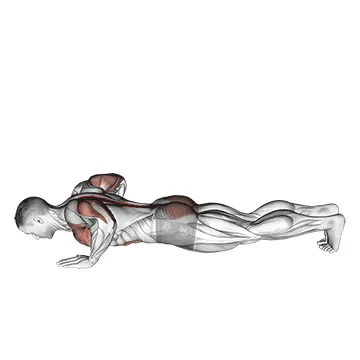
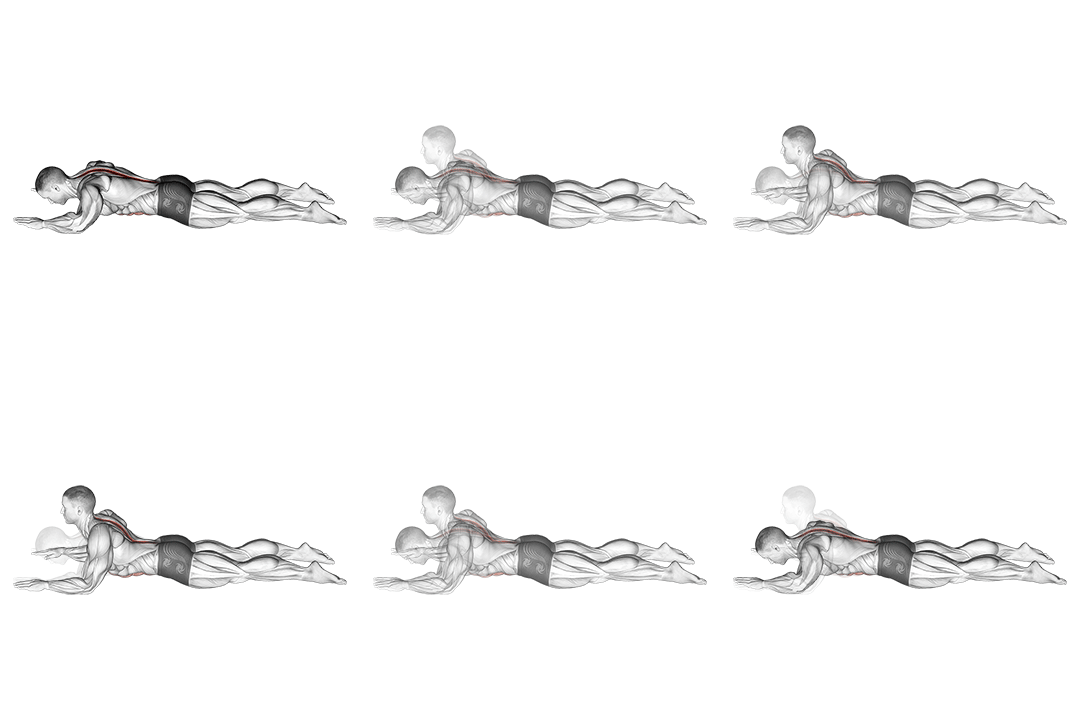
5. Sphinx
71% match- Spine
- Bodyweight
- Beginner
- Isolation
How to perform this exercise
- Lie face down on the ground with your forearms flat on the floor, elbows directly under your shoulders.
- Engage your core and lift your chest off the ground, keeping your forearms and toes on the floor.
- Hold this position for a few seconds, making sure to keep your neck in a neutral position.
- Slowly lower your chest back down to the starting position.
- Repeat for the desired number of repetitions.
Sets and reps: 3 sets of 8 to 12 reps, and add reps before you add load.
Why this matches
- Primary muscle: spine, not erector spinae
- Equipment: bodyweight only, the same as the One Half Locust
- Body position: lying face down, the same as the One Half Locust
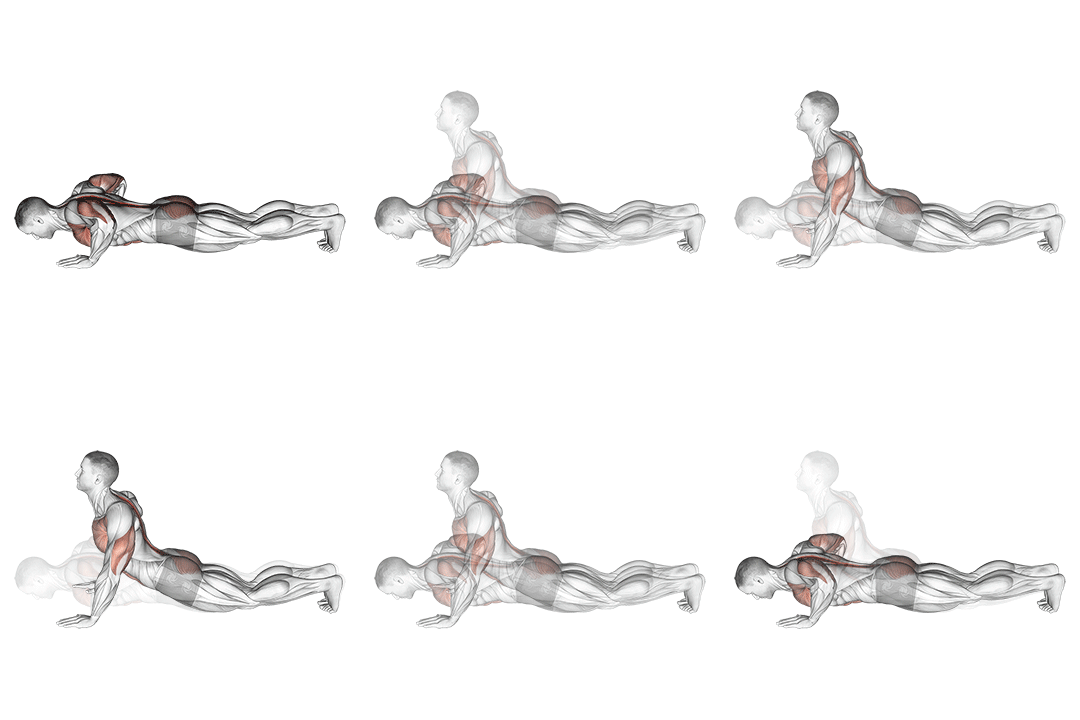
6. Upward Facing Dog
70% match- Spine
- Bodyweight
- Beginner
- Isolation
How to perform this exercise
- Lie face down on the floor with your legs extended behind you.
- Place your hands on the floor next to your lower ribs, fingers pointing forward.
- Press your hands firmly into the floor and straighten your arms, lifting your torso and thighs off the ground.
- Roll your shoulders back and down, opening your chest and lifting your gaze towards the ceiling.
- Hold this position for a few breaths, then slowly lower your body back down to the starting position.
- Repeat for the desired number of repetitions.
Sets and reps: 3 sets of 8 to 12 reps, and add reps before you add load.
Why this matches
- Primary muscle: spine, not erector spinae
- Equipment: bodyweight only, the same as the One Half Locust
- Body position: lying face down, the same as the One Half Locust
- Lats
- Stability-ball
- Beginner
- Isolation
A looser match: it works the lats rather than the erector spinae.
How to perform this exercise
- Sit on the stability ball with your feet flat on the ground and your knees bent at a 90-degree angle.
- Slowly walk your feet forward, rolling the ball down your back until your lower back is resting on the ball.
- Place your hands behind your head or cross them over your chest.
- Engage your core and slowly lower your upper body towards the ground, allowing your lower back to stretch over the ball.
- Hold the stretch for a few seconds, then slowly return to the starting position.
- Repeat for the desired number of repetitions.
Sets and reps: 3 sets of 8 to 12 reps, and add reps before you add load.
Why this matches
- Primary muscle: lats, not erector spinae
- Equipment: bodyweight only, the same as the One Half Locust
- Body position: lying on your back, not lying face down
- Balance: harder to stay steady on than the One Half Locust
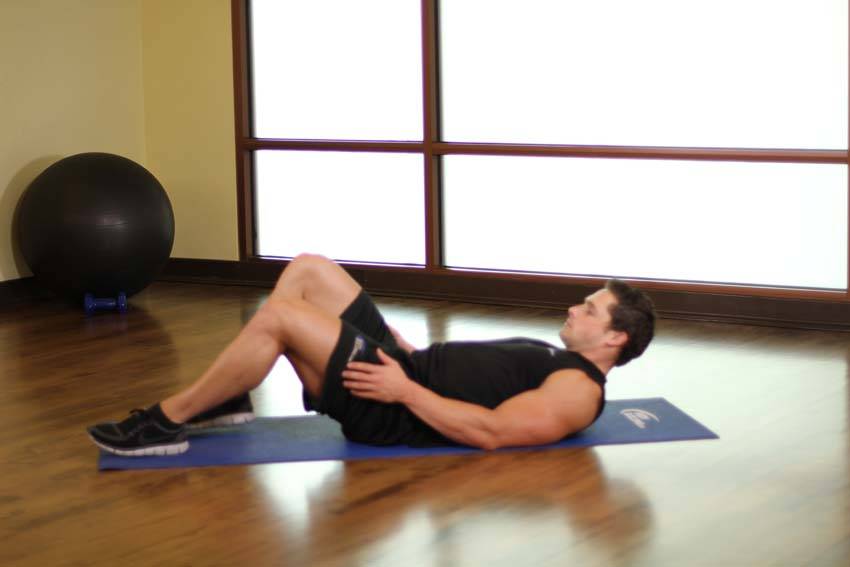
8. Hug Knees To Chest
68% match- Lower Back
- Bodyweight
- Beginner
- Isolation
How to perform this exercise
- Lie down on your back and pull both knees up to your chest.
- Hold your arms under the knees, not over (that would put to much pressure on your knee joints).
- Slowly pull the knees toward your shoulders. This also stretches your buttocks muscles.
Sets and reps: 3 sets of 8 to 12 reps, and add reps before you add load.
Why this matches
- Primary muscle: lower back, not erector spinae
- Equipment: bodyweight only, the same as the One Half Locust
- Body position: lying on your back, not lying face down
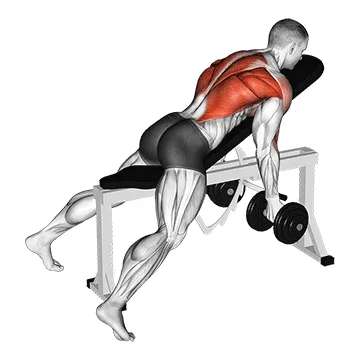
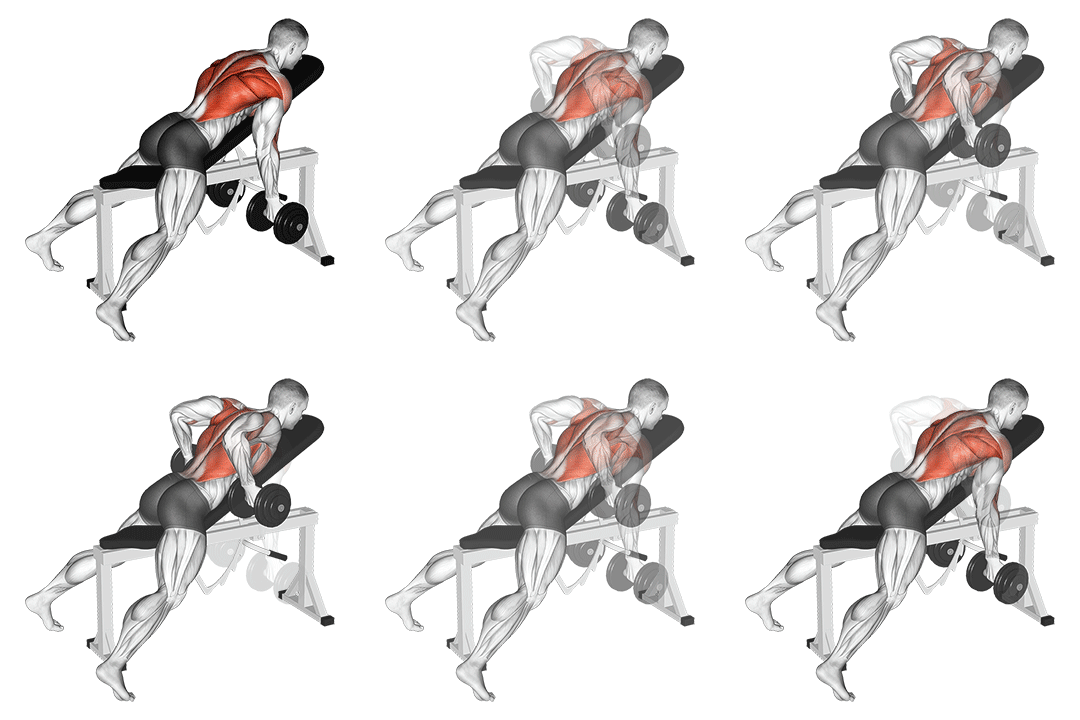
9. Dumbbell Lying Rear Delt Row
68% match- Upper Back
- Dumbbell
- Intermediate
- Isolation
How to perform this exercise
- Lie face down on a flat bench with a dumbbell in each hand, palms facing inwards.
- Extend your arms straight down towards the floor, keeping a slight bend in your elbows.
- Engaging your back muscles, lift the dumbbells up towards your chest, squeezing your shoulder blades together.
- Pause for a moment at the top, then slowly lower the dumbbells back down to the starting position.
- Repeat for the desired number of repetitions.
Sets and reps: 3 sets of 10 to 15 reps.
Why this matches
- Primary muscle: upper back, not erector spinae
- Equipment: free weights, not bodyweight only
- Body position: lying face down, the same as the One Half Locust
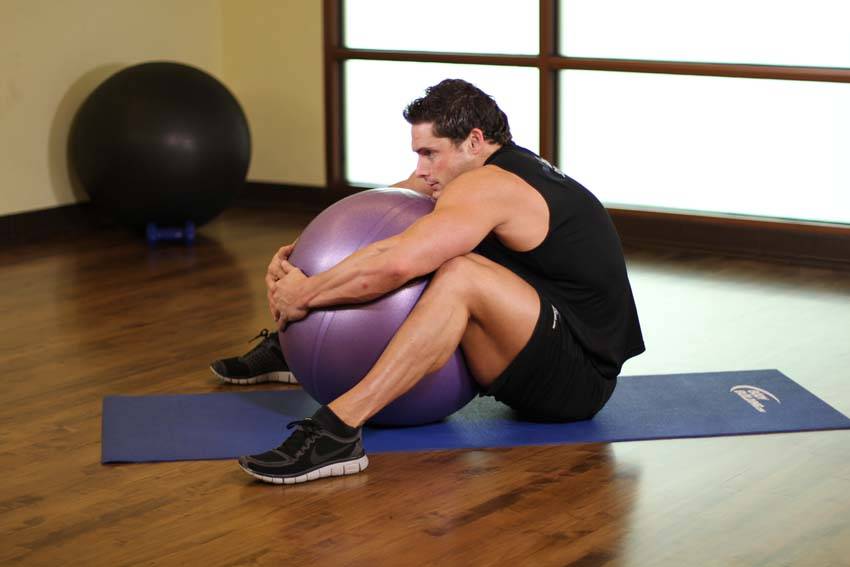
10. Hug A Ball
68% match- Lower Back
- Stability-ball
- Beginner
- Isolation
How to perform this exercise
- Seat yourself on the floor.
- Straddle an exercise ball between both legs and lower your hips down toward the floor.
- Hug your arms around the ball to support your body. Adjust your legs so that your feet are flat on the floor and your knees line up over your ankles. Keep a good grip on the ball so it doesn't roll away from you and send you back onto your buttocks.
Sets and reps: Hold for 20 to 30 seconds, 3 sets.
Why this matches
- Primary muscle: lower back, not erector spinae
- Equipment: bodyweight only, the same as the One Half Locust
- Body position: lying on your back, not lying face down
Why You Might Need a One Half Locust Alternative
You may substitute the One Half Locust for several reasons: acute low‑back irritation, limited mobility, or lack of a comfortable prone surface. Some people feel too much localized lumbar shear with repeated lumbar extension; a Swiss‑ball or bench reverse hyper shifts load to the hips and glutes and reduces shear. Other times you want progressive overload, switching to a weighted back extension or single‑leg variant increases demand on the erectors and posterior chain. Cue for a safer pattern: hinge from the hips or lead the motion with the chest rather than forcing excessive lumbar extension.
One Half Locust FAQ
What muscles does One Half Locust work?
The One Half Locust primarily targets the erector spinae along the lumbar and thoracic spine, with secondary activation of the glutes and posterior shoulder stabilizers. It emphasizes spinal extension and anti‑flexion control through the posterior chain.
What is the best bodyweight alternative to One Half Locust?
Prone Superman (Full Locust) is the best bodyweight substitute: lie prone, lift chest and thighs together, squeeze glutes, and retract the scapulae to engage the erectors and upper back. Keep a neutral neck and avoid excessive lumbar arching to limit shear.
Find Alternatives for Any Exercise
Search the exercise database and filter the ranked substitutes by the equipment you own.
Similarity scores compare exercise metadata such as movement pattern, muscles, equipment and body position. They are not a safety rating or a check that you own the equipment. Learn about our methodology