

10 Best Upward Facing Dog Alternatives for Back Mobility
The Upward Facing Dog is done lying face down. Ranked closest by our scoring: the Sphinx, the Spine Stretch and the Standing Pelvic Tilt. Three harder versions, the Lower Back Curl, the Hyperextension and the Hyperextension (On Bench), are listed below as progressions rather than swaps.
What can you use instead of Upward Facing Dog? Use Cobra, Sphinx, Locust, Bridge, or Superman to target the spinal extensors and thoracic extension with less wrist or shoulder strain. For Cobra, press the tops of your feet into the mat and lift the sternum while engaging the erector spinae to initiate the movement.
Updated Ranked by our 12-factor similarity model How it works
Original Exercise: Upward Facing Dog
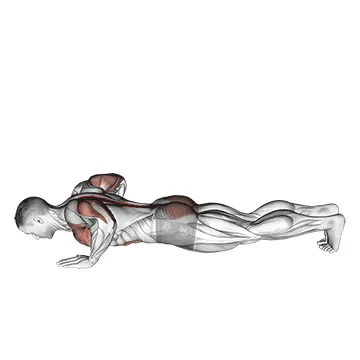
- Primary muscle
- Spine
- Equipment
- Bodyweight
- Difficulty
- Beginner
- Type
- Isolation
Secondary muscles: Shoulders, Chest
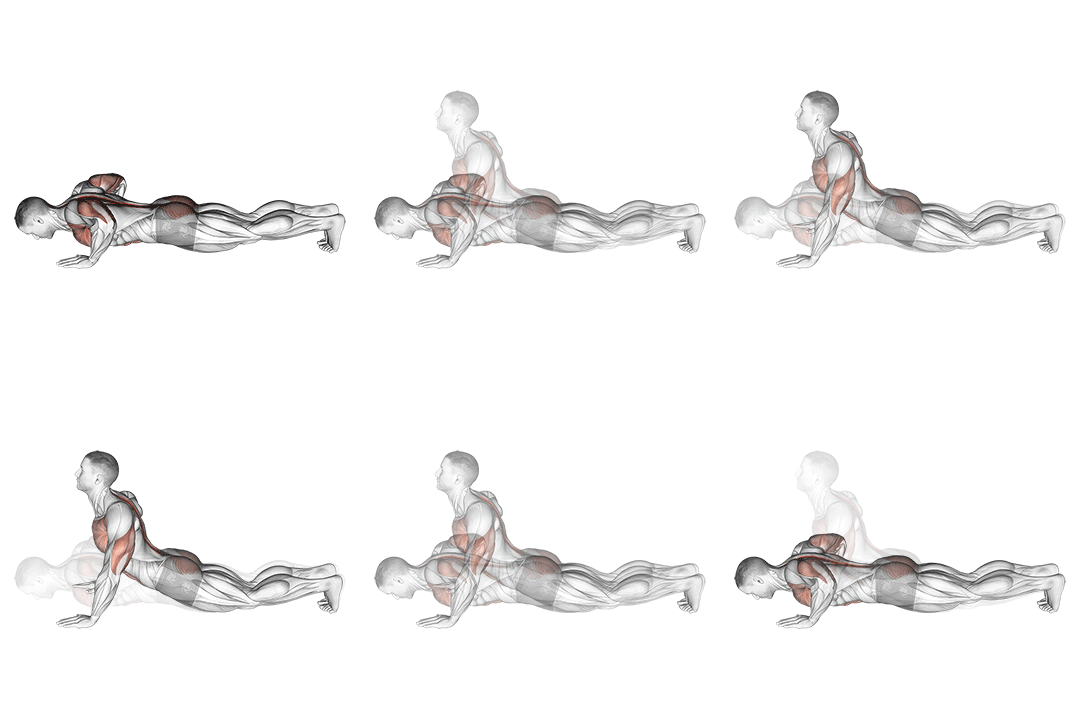
How to perform Upward Facing Dog
- Lie face down on the floor with your legs extended behind you.
- Place your hands on the floor next to your lower ribs, fingers pointing forward.
- Press your hands firmly into the floor and straighten your arms, lifting your torso and thighs off the ground.
- Roll your shoulders back and down, opening your chest and lifting your gaze towards the ceiling.
- Hold this position for a few breaths, then slowly lower your body back down to the starting position.
- Repeat for the desired number of repetitions.
Ranked Upward Facing Dog Alternatives
10 substitutes, ranked by how closely each one matches the Upward Facing Dog on movement pattern, muscles worked, equipment and body position. The higher the score, the less you change. Open "How to perform this exercise" on a card for the steps; every card title links to that exercise's own alternatives page. Harder versions are tagged as progressions and kept out of the top spot even when they score higher.
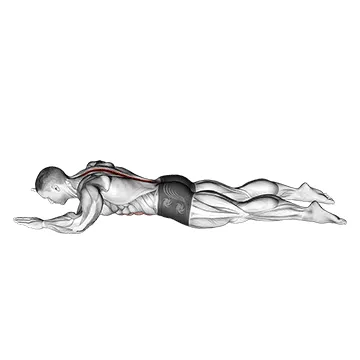
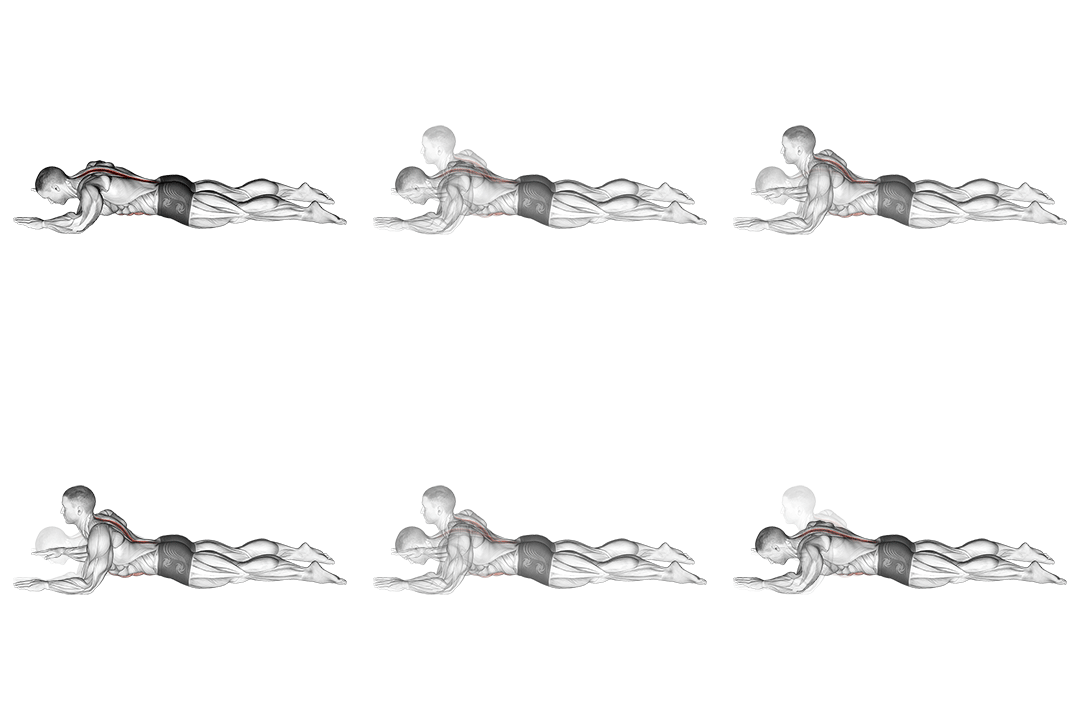
Best match 1. Sphinx
95% match- Spine
- Bodyweight
- Beginner
- Isolation
It uses the same equipment and still works the spinal erectors.
How to perform this exercise
- Lie face down on the ground with your forearms flat on the floor, elbows directly under your shoulders.
- Engage your core and lift your chest off the ground, keeping your forearms and toes on the floor.
- Hold this position for a few seconds, making sure to keep your neck in a neutral position.
- Slowly lower your chest back down to the starting position.
- Repeat for the desired number of repetitions.
Sets and reps: 3 sets of 8 to 12 reps, and add reps before you add load.
Why this matches
- Primary muscle: spine, the same as the Upward Facing Dog
- Equipment: bodyweight only, the same as the Upward Facing Dog
- Body position: lying face down, the same as the Upward Facing Dog
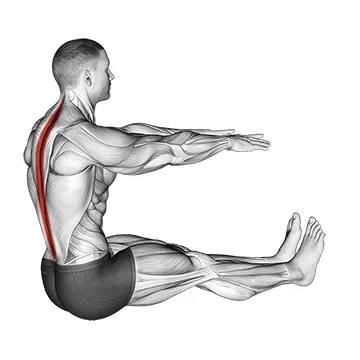
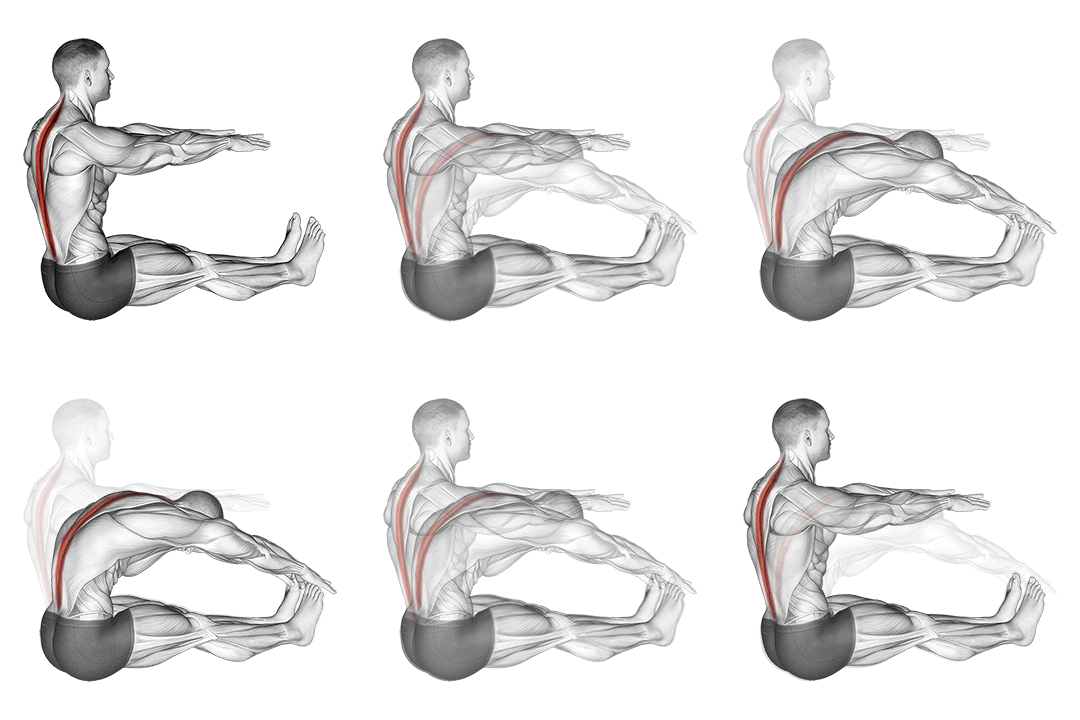
2. Spine Stretch
90% match- Spine
- Bodyweight
- Beginner
- Isolation
Pick this when you want to work the spinal erectors with less balance to manage.
How to perform this exercise
- Sit on the ground with your legs extended in front of you.
- Place your hands on the ground behind you, fingers pointing towards your body.
- Engage your core and slowly lean back, keeping your back straight.
- Continue leaning back until you feel a stretch in your spine.
- Hold the stretch for a few seconds, then slowly return to the starting position.
- Repeat for the desired number of repetitions.
Sets and reps: 3 sets of 8 to 12 reps, and add reps before you add load.
Why this matches
- Primary muscle: spine, the same as the Upward Facing Dog
- Equipment: bodyweight only, the same as the Upward Facing Dog
- Body position: seated, not lying face down
- Balance: easier to stay steady on than the Upward Facing Dog
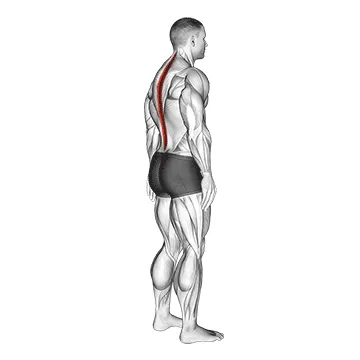
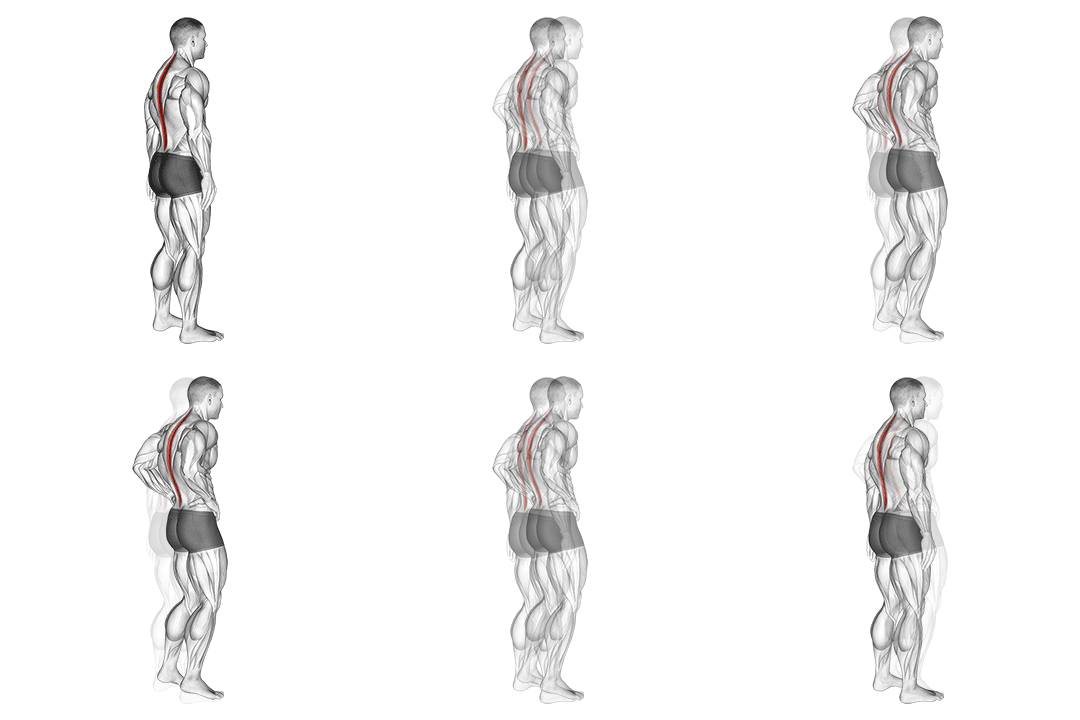
3. Standing Pelvic Tilt
86% match- Spine
- Bodyweight
- Beginner
- Isolation
How to perform this exercise
- Stand with your feet shoulder-width apart and your knees slightly bent.
- Place your hands on your hips or let them hang by your sides.
- Engage your core muscles and tilt your pelvis forward, pushing your lower back towards the wall behind you.
- Hold the position for a few seconds, then release and return to the starting position.
- Repeat for the desired number of repetitions.
Sets and reps: 3 sets of 8 to 12 reps, and add reps before you add load.
Why this matches
- Primary muscle: spine, the same as the Upward Facing Dog
- Equipment: bodyweight only, the same as the Upward Facing Dog
- Body position: standing, not lying face down
- Balance: easier to stay steady on than the Upward Facing Dog
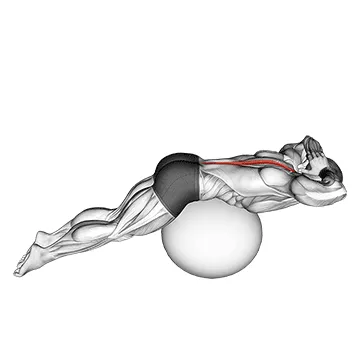
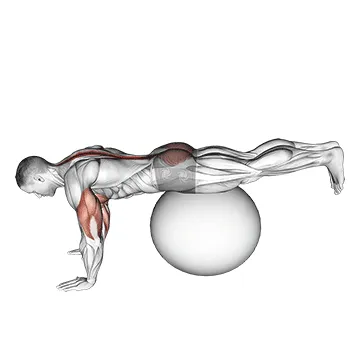
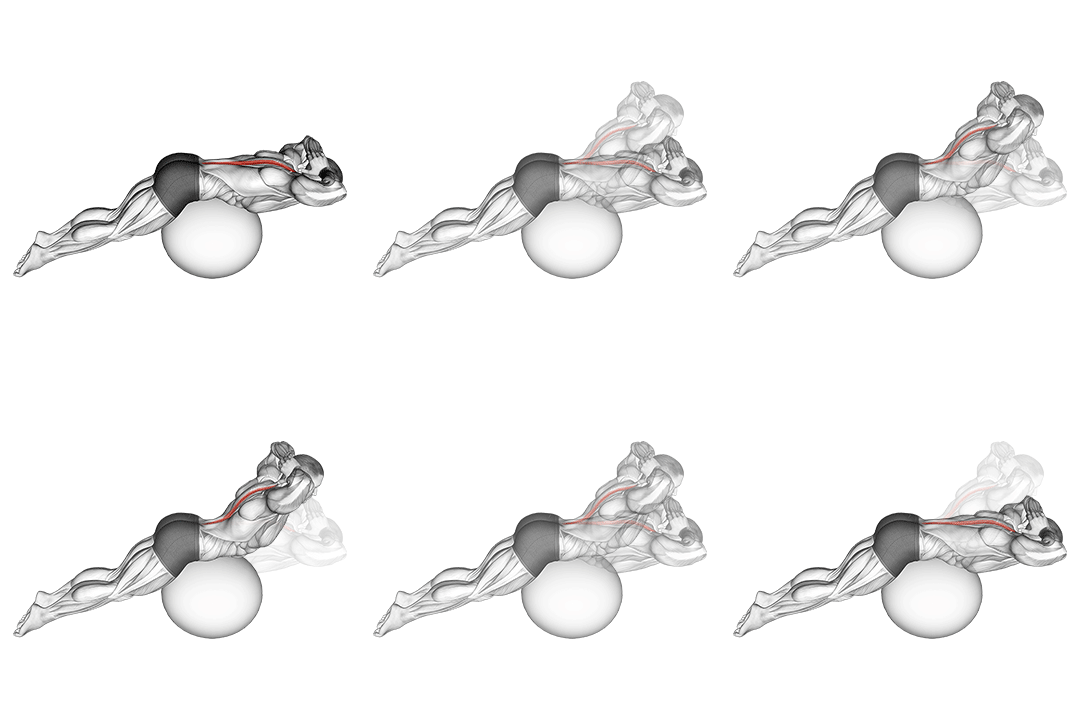
4. Back Extension On Exercise Ball
85% match- Spine
- Stability-ball
- Beginner
- Isolation
A good swap when you have a stability ball to work with, and it still works the spinal erectors.
How to perform this exercise
- Place the stability ball on the ground and lie face down on top of it, with your hips resting on the ball and your feet against a wall or other stable surface.
- Position your hands behind your head or crossed over your chest.
- Engage your core and slowly lift your upper body off the ball, extending your back until your body forms a straight line from your head to your heels.
- Pause for a moment at the top, then slowly lower your upper body back down to the starting position.
- Repeat for the desired number of repetitions.
Sets and reps: 3 sets of 8 to 12 reps, and add reps before you add load.
Why this matches
- Primary muscle: spine, the same as the Upward Facing Dog
- Equipment: bodyweight only, the same as the Upward Facing Dog
- Body position: lying face down, the same as the Upward Facing Dog
Progression
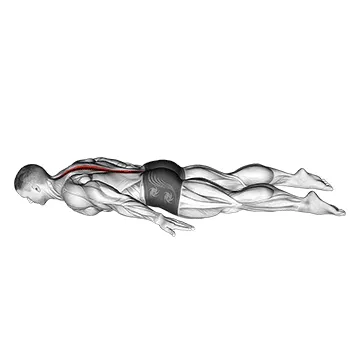
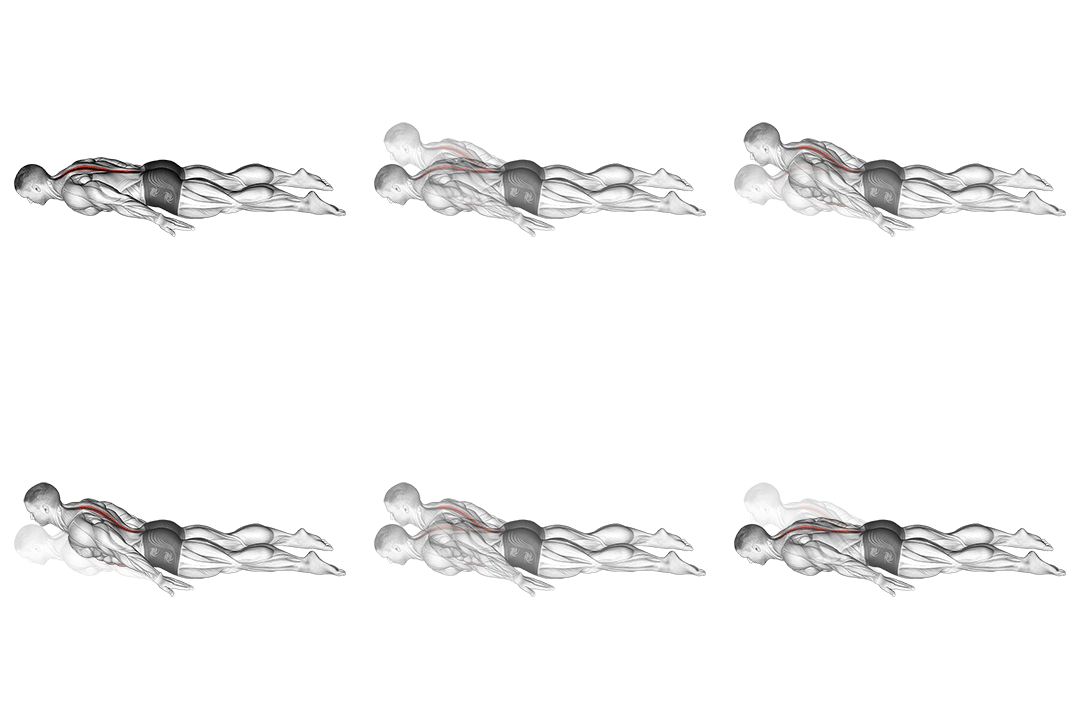
5. Lower Back Curl
85% match- Spine
- Bodyweight
- Intermediate
- Isolation
Pick this when you want a harder version that still works the spinal erectors.
How to perform this exercise
- Lie flat on your stomach with your legs extended and your arms by your sides.
- Engage your glutes and hamstrings, and slowly lift your upper body off the ground, curling your back upwards.
- Pause for a moment at the top, then slowly lower your upper body back down to the starting position.
- Repeat for the desired number of repetitions.
Sets and reps: 3 sets of 10 to 15 reps.
Why this matches
- Primary muscle: spine, the same as the Upward Facing Dog
- Equipment: bodyweight only, the same as the Upward Facing Dog
- Body position: lying face down, the same as the Upward Facing Dog
Progression
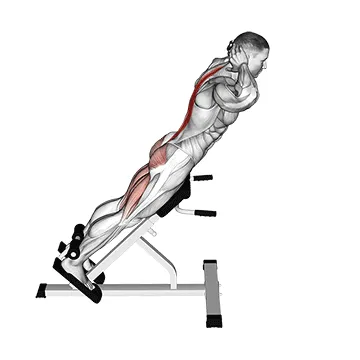
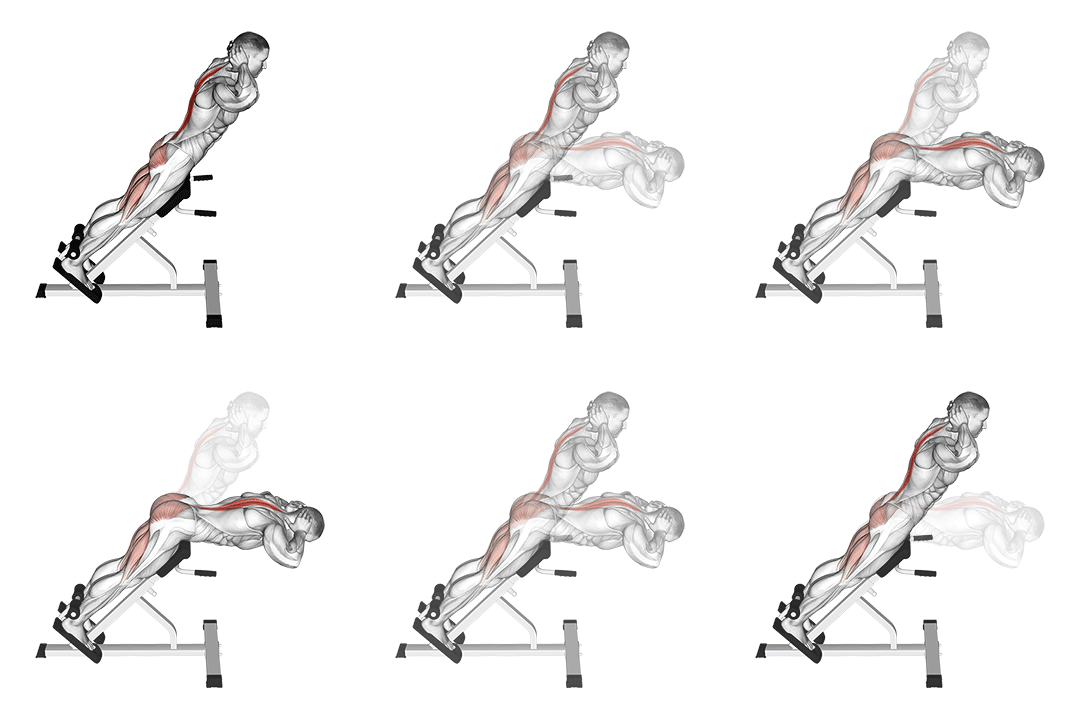
6. Hyperextension
84% match- Spine
- Bodyweight
- Intermediate
- Compound
How to perform this exercise
- Adjust the hyperextension bench so that your upper thighs are resting on the pad and your feet are secured.
- Cross your arms over your chest or place your hands behind your head.
- Lower your upper body towards the ground while keeping your back straight.
- Pause for a moment at the bottom, then raise your upper body back up until it is in line with your legs.
- Repeat for the desired number of repetitions.
Sets and reps: 3 or 4 sets of 6 to 10 reps.
Why this matches
- Primary muscle: spine, the same as the Upward Facing Dog
- Equipment: bodyweight only, the same as the Upward Facing Dog
- Body position: lying face down, the same as the Upward Facing Dog
Progression
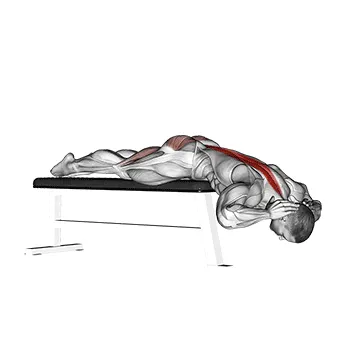
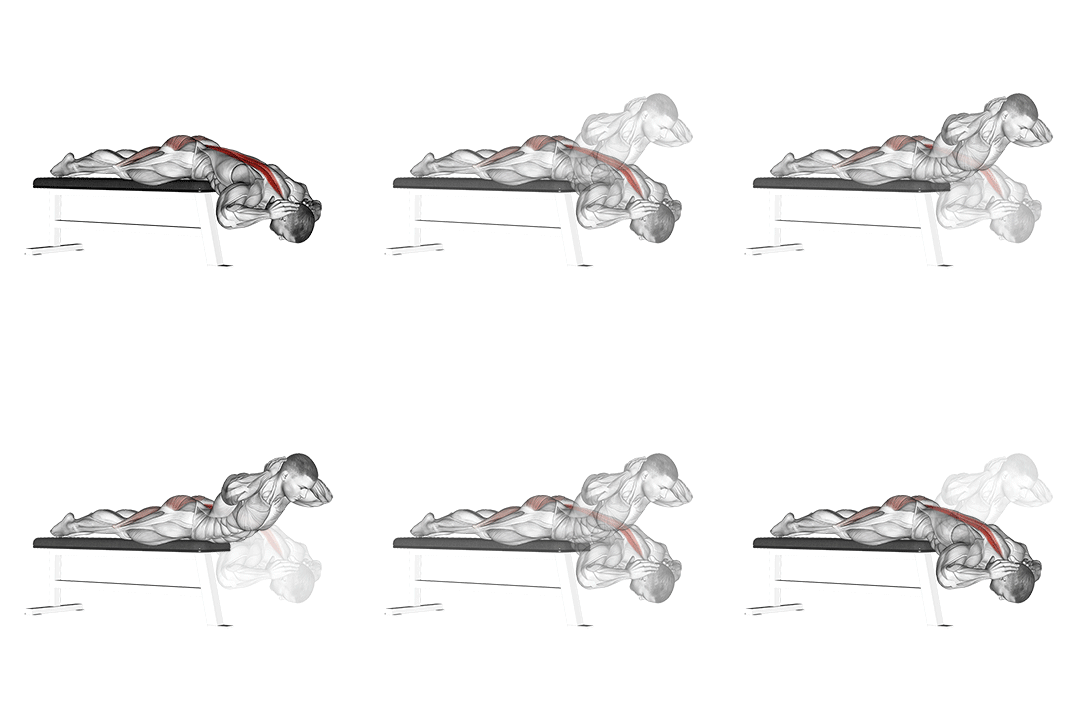
7. Hyperextension (On Bench)
84% match- Spine
- Bodyweight
- Intermediate
- Compound
How to perform this exercise
- Adjust the hyperextension bench so that your hips are resting comfortably on the pad and your feet are secured.
- Cross your arms over your chest or place your hands behind your head.
- Slowly lower your upper body towards the ground while keeping your back straight.
- Pause for a moment at the bottom, then raise your upper body back up until it is in line with your legs.
- Repeat for the desired number of repetitions.
Sets and reps: 3 or 4 sets of 6 to 10 reps.
Why this matches
- Primary muscle: spine, the same as the Upward Facing Dog
- Equipment: bodyweight only, the same as the Upward Facing Dog
- Body position: lying face down, the same as the Upward Facing Dog
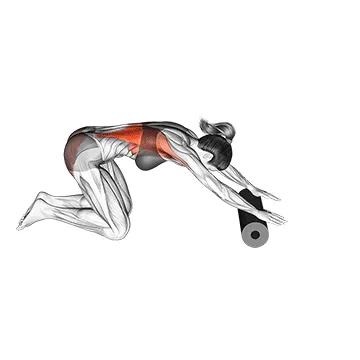
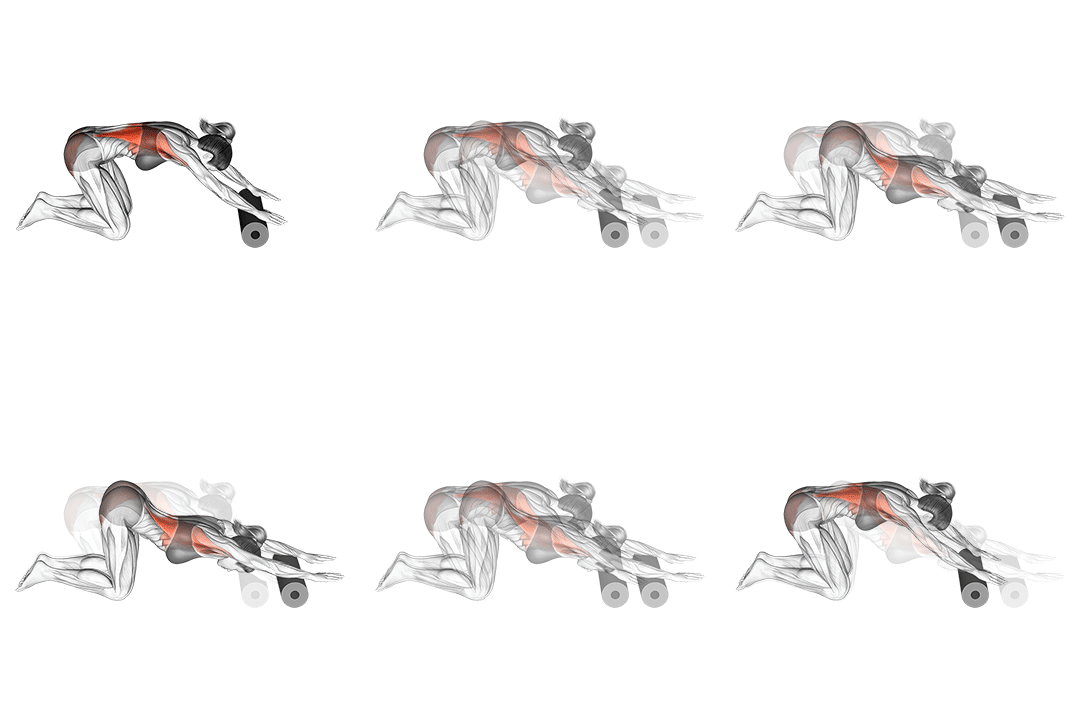
8. Roller Back Stretch
79% match- Spine
- Foam-roll
- Beginner
- Isolation
How to perform this exercise
- Start by sitting on the ground with your legs extended in front of you.
- Place the roller perpendicular to your body, just below your glutes.
- Slowly roll your body backwards, allowing the roller to move up your back.
- Continue rolling until the roller reaches your upper back.
- Pause for a moment, then slowly roll back to the starting position.
- Repeat for the desired number of repetitions.
Sets and reps: 3 sets of 8 to 12 reps, and add reps before you add load.
Why this matches
- Primary muscle: spine, the same as the Upward Facing Dog
- Equipment: bodyweight only, the same as the Upward Facing Dog
- Body position: lying face down, the same as the Upward Facing Dog
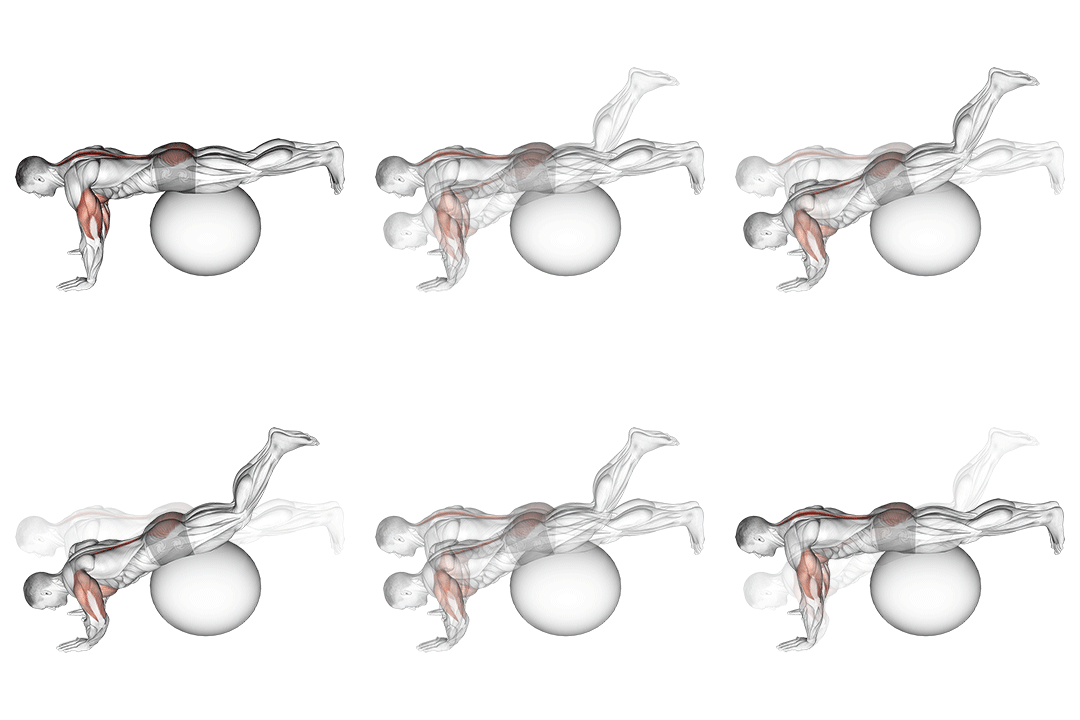
9. Exercise Ball Prone Leg Raise
75% match- Spine
- Stability-ball
- Intermediate
- Compound
How to perform this exercise
- Lie face down on a mat with your legs extended and your toes resting on top of the stability ball.
- Place your hands on the ground, shoulder-width apart, and engage your core muscles.
- Keeping your legs straight, slowly lift them off the ground, using your lower back and glutes to raise them as high as possible.
- Pause for a moment at the top, then slowly lower your legs back down to the starting position.
- Repeat for the desired number of repetitions.
Sets and reps: 3 or 4 sets of 6 to 10 reps.
Why this matches
- Primary muscle: spine, the same as the Upward Facing Dog
- Equipment: bodyweight only, the same as the Upward Facing Dog
- Body position: lying face down, the same as the Upward Facing Dog
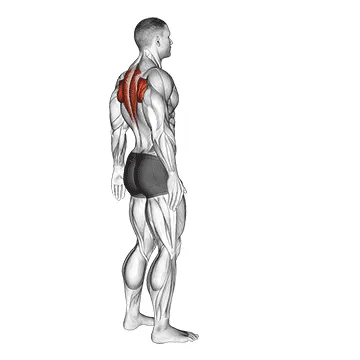
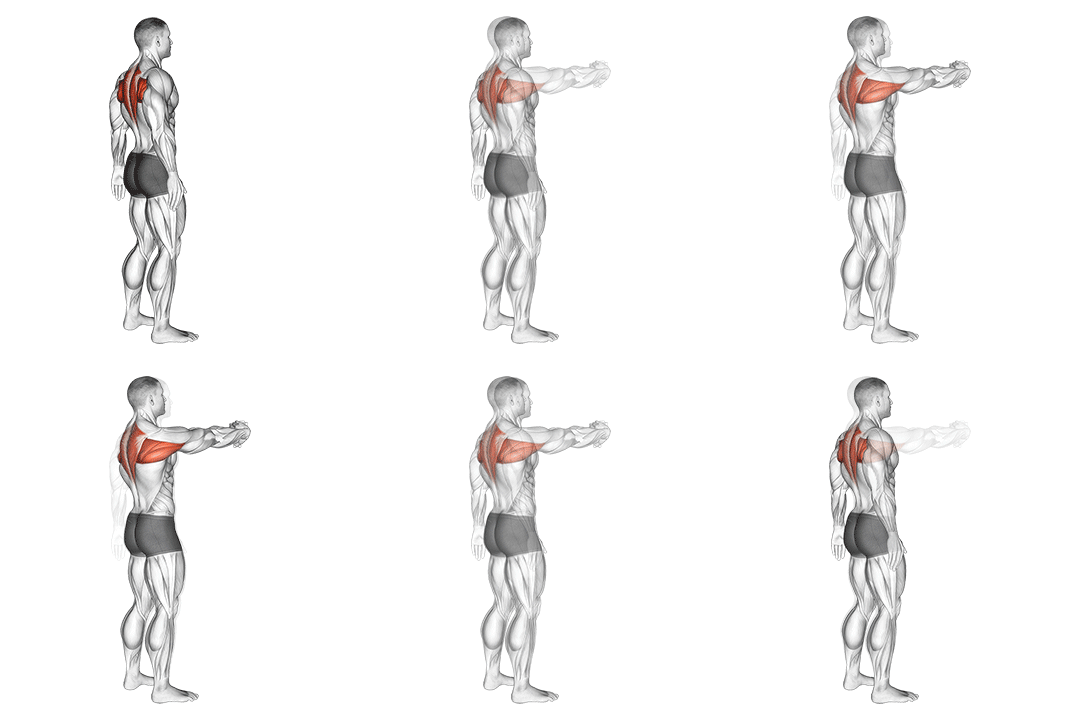
10. Upper Back Stretch
71% match- Upper Back
- Bodyweight
- Beginner
- Isolation
How to perform this exercise
- Stand up straight with your feet shoulder-width apart.
- Extend your arms straight in front of you, parallel to the ground.
- Interlace your fingers and rotate your palms away from your body.
- Slowly raise your arms overhead, keeping them straight and parallel to each other.
- As you raise your arms, squeeze your shoulder blades together.
- Hold the stretch for 15-30 seconds, then release and repeat.
Sets and reps: Hold for 20 to 30 seconds, 3 sets.
Why this matches
- Primary muscle: upper back, not spine
- Equipment: bodyweight only, the same as the Upward Facing Dog
- Body position: standing, not lying face down
- Balance: easier to stay steady on than the Upward Facing Dog
Why You Might Need an Upward Facing Dog Alternative
You may need substitutes because of wrist pain, limited shoulder mobility, lower-back sensitivity, pregnancy, or simply different training goals. Substitutes let you emphasize thoracic extension, isolated spinal erector activation, or posterior chain strength without forcing large lumbar extension. For example, Sphinx reduces shoulder load by keeping forearms grounded; cue: maintain a packed neck and pull shoulder blades down and together to load mid-back musculature rather than the low back. Choose an option that preserves neutral cervical alignment and shifts work into the intended muscles (erector spinae, multifidus, thoracic extensors) instead of compensatory hip or neck patterns.
How to Choose the Right Upward Facing Dog Substitute
Match the substitute to your limiting factor and goal. If wrists or shoulders hurt, pick Sphinx or Cobra and keep elbows tucked to reduce scapular impingement; cue: drive elbows into the mat to recruit rhomboids and lower traps. If you want posterior chain strength, choose Bridge or Locust and focus on glute and hamstring co-contraction while keeping pelvis neutral. For thoracic mobility, use controlled repetitions with a scapular squeeze and avoid excessive lumbar lordosis by tucking the pelvis slightly. Progress by increasing range, time under tension, or moving from bilateral to unilateral variations to raise intensity.
Upward Facing Dog FAQ
What muscles does Upward Facing Dog work?
Upward Facing Dog primarily activates the spinal extensors (erector spinae) plus the thoracic extensors, with secondary engagement of the glutes and posterior shoulder stabilizers. You also recruit scapular retractors when you open the chest, cue: pull the shoulder blades down toward the spine to emphasize mid-back activation.
What is the best bodyweight alternative to Upward Facing Dog?
Cobra is the top bodyweight alternative for a similar spinal extension stimulus with less wrist loading; press the tops of your feet into the mat and lift the sternum using the erector spinae. If you need even less shoulder demand, use Sphinx and drive the forearms down while keeping a long neck.
Can I build muscle without doing Upward Facing Dog?
Yes. You can hypertrophy spinal extensors and surrounding back muscles using alternatives like Locust, Bridge, and weighted progressions that target the same movement patterns. Focus on progressive overload, add time under tension or weighted holds and cue strong erector spinae contraction to ensure the target muscles take the load.
Find Alternatives for Any Exercise
Search the exercise database and filter the ranked substitutes by the equipment you own.
Similarity scores compare exercise metadata such as movement pattern, muscles, equipment and body position. They are not a safety rating or a check that you own the equipment. Learn about our methodology