

10 Best Seated Hamstring Alternatives When Machine Is Unavailable
If you can’t do the Seated Hamstring machine, use exercises that reproduce knee flexion or add hip extension: Romanian deadlifts, lying hamstring curls, Nordic curls, glute-ham raises, or stability-ball curls. Focus on hinge mechanics for RDLs and slow, controlled knee flexion on curls to preserve hamstring tension and activation.
Original Exercise: Seated Hamstring
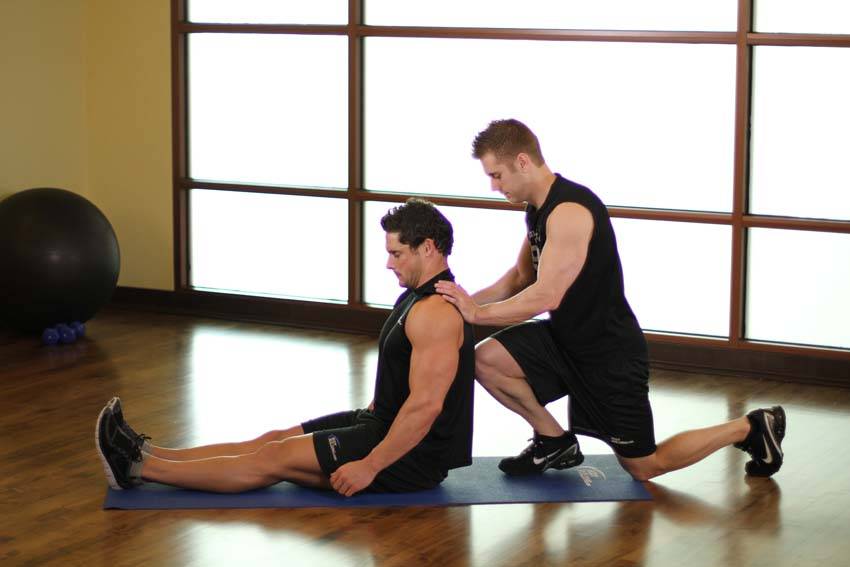
How to Perform Seated Hamstring
- In a seated position with your legs extended, have your partner stand behind you. Now, lean forward as your partner braces your shoulders with their hands. This will be your starting position.
- Attempt to push your torso back for 10-20 seconds, as your partner prevents any actual movement of your torso.
- Now relax your muscles as your partner increases the stretch by gently pushing your torso forward for 10-20 seconds.
Pro Tips
- Category: Stretching
- Force: Static
Ranked Seated Hamstring Alternatives
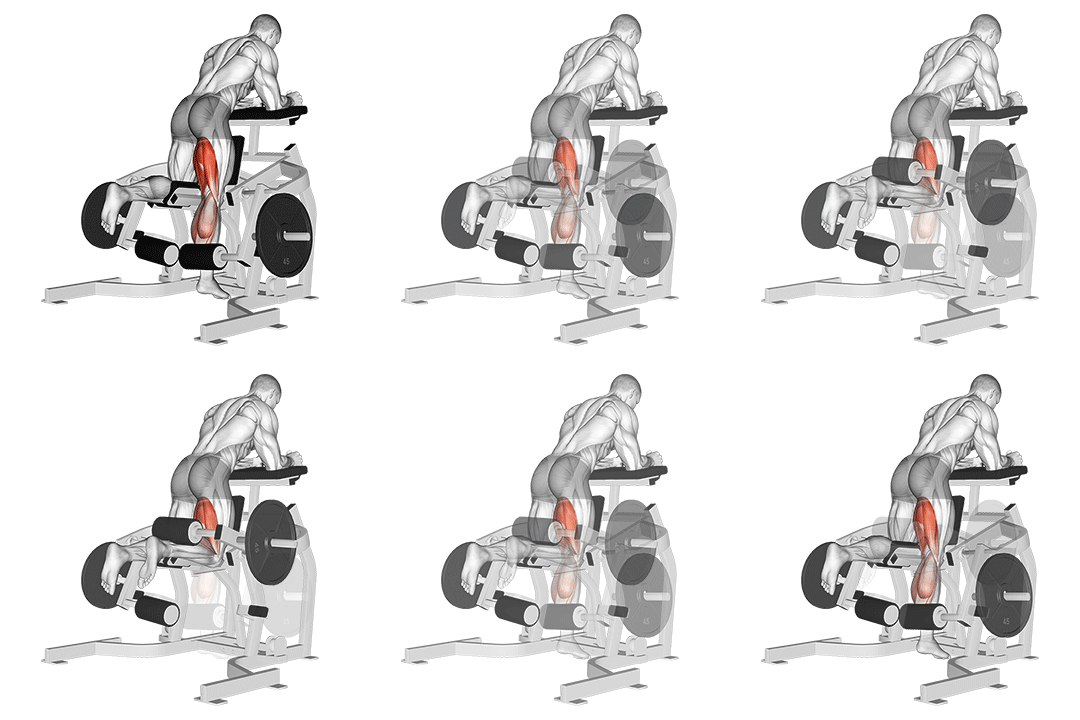
1. Lever Kneeling Leg Curl
92% MatchHow to perform this exercise
- Adjust the machine to fit your body and select the desired weight.
- Kneel on the machine facing downwards, with your knees resting on the pad and your feet secured under the footpads.
- Grasp the handles or the sides of the machine for stability.
- Keeping your upper body stationary, exhale and curl your legs up towards your glutes by flexing your knees.
- Pause for a moment at the top of the movement, squeezing your hamstrings.
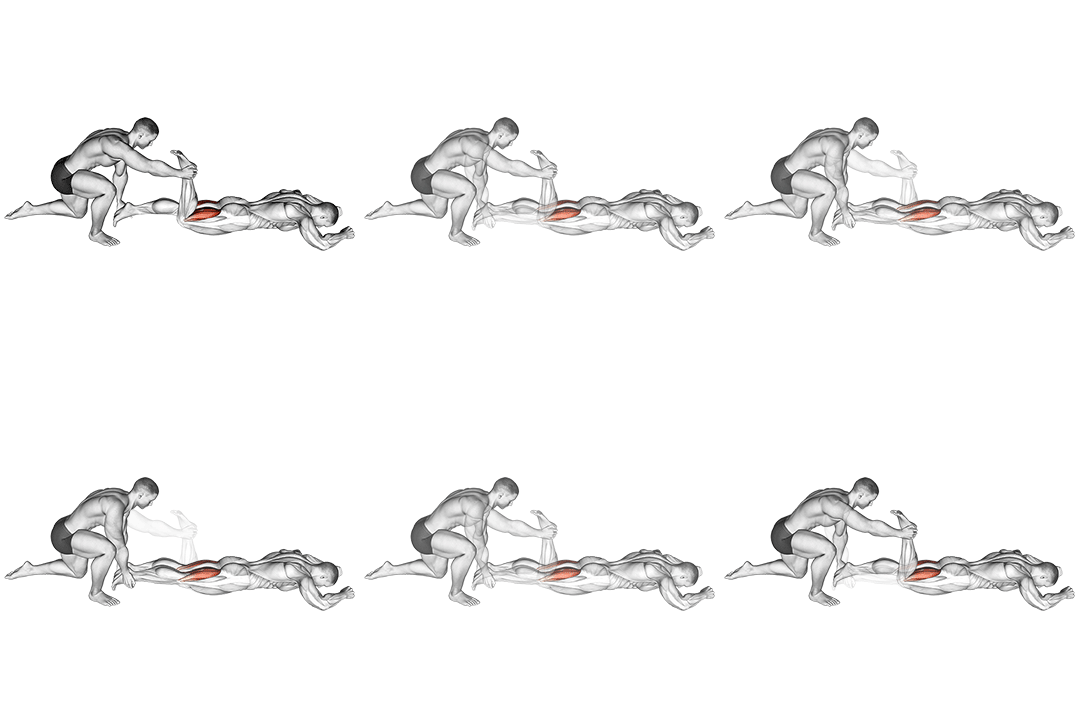
2. Assisted Prone Hamstring
87.2% MatchHow to perform this exercise
- Lie face down on a mat or bench with your legs fully extended.
- Have a partner or use a resistance band to secure your ankles.
- Engage your hamstrings and lift your legs towards your glutes, keeping your knees straight.
- Pause for a moment at the top, then slowly lower your legs back down to the starting position.
- Repeat for the desired number of repetitions.
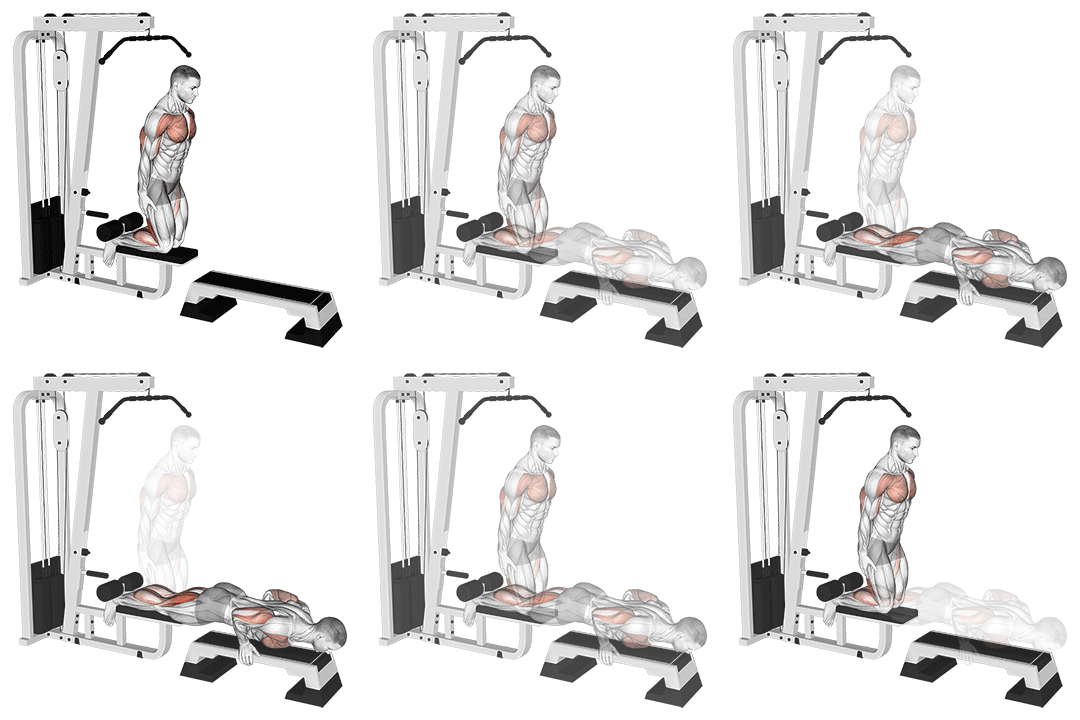
3. Inverse Leg Curl (on Pull-up Cable Machine)
81.4% MatchHow to perform this exercise
- Adjust the cable machine so that the ankle straps are at the lowest setting.
- Lie face down on the bench with your legs extended and the ankle straps attached to your feet.
- Hold onto the handles of the bench for stability.
- Bend your knees and curl your legs towards your glutes, squeezing your hamstrings.
- Pause for a moment at the top of the movement, then slowly lower your legs back to the starting position.
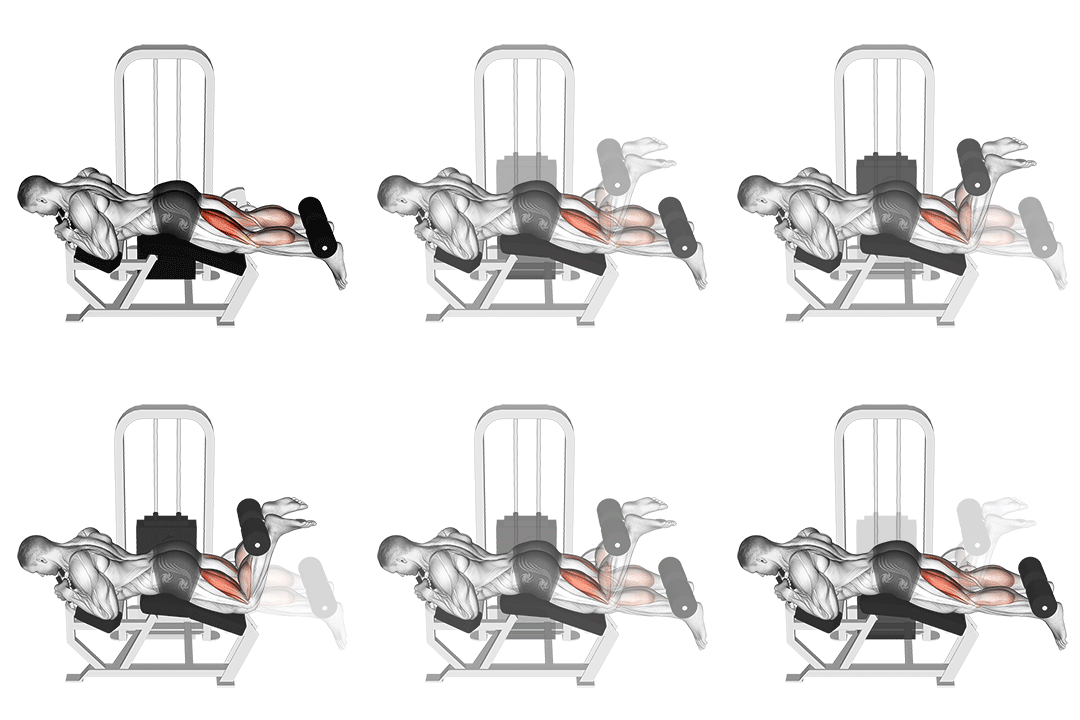
4. Lever Lying Leg Curl
80.7% MatchHow to perform this exercise
- Adjust the machine to fit your body and select the desired weight.
- Lie face down on the machine with your legs straight and your heels against the padded lever.
- Grasp the handles or the sides of the machine for stability.
- Keeping your upper body stationary, exhale and curl your legs up as far as possible without lifting your hips off the pad.
- Hold the contracted position for a brief pause as you squeeze your hamstrings.
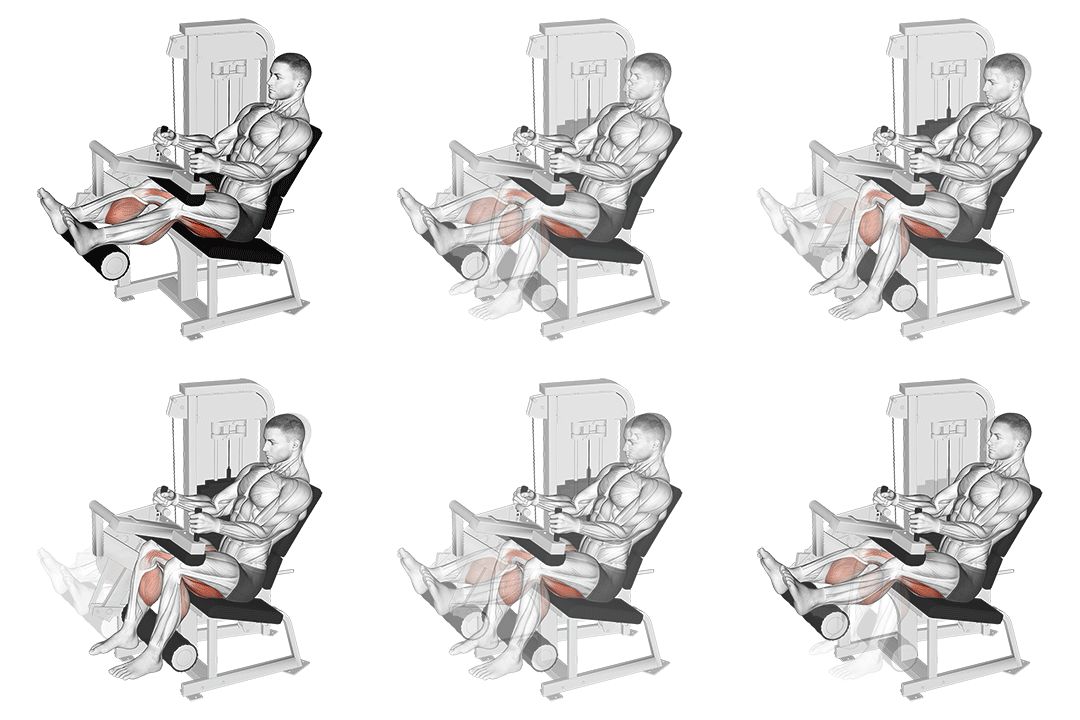
5. Lever Seated Leg Curl
78.7% MatchHow to perform this exercise
- Adjust the machine to fit your body and sit on it with your back against the backrest.
- Place your lower legs under the padded lever, just above your ankles.
- Grasp the handles on the sides of the machine for support.
- Keeping your upper legs stationary, exhale and curl your legs up as far as possible.
- Hold the contracted position for a brief pause as you squeeze your hamstrings.
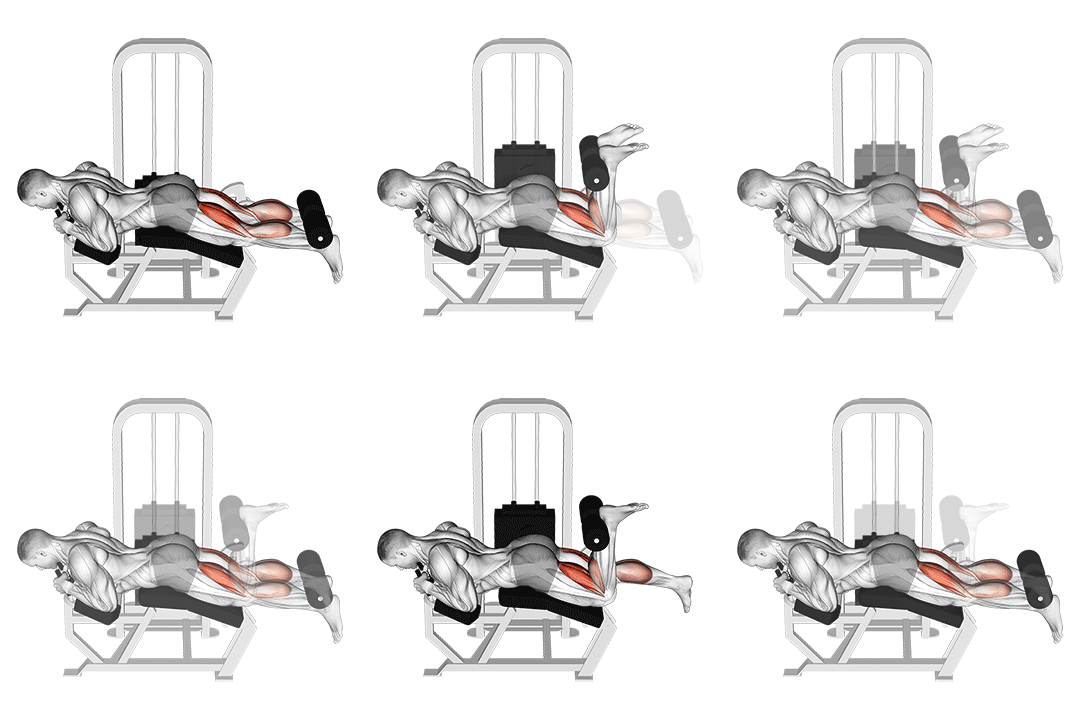
6. Lever Lying Two-one Leg Curl
78.2% MatchHow to perform this exercise
- Adjust the machine to fit your body and sit on it with your back against the backrest.
- Place your legs on the lever pad, just above your ankles.
- Grasp the handles on the sides of the machine for support.
- Keeping your upper body still, exhale and curl your legs up towards your glutes.
- Pause for a moment at the top, then inhale and slowly lower your legs back to the starting position.
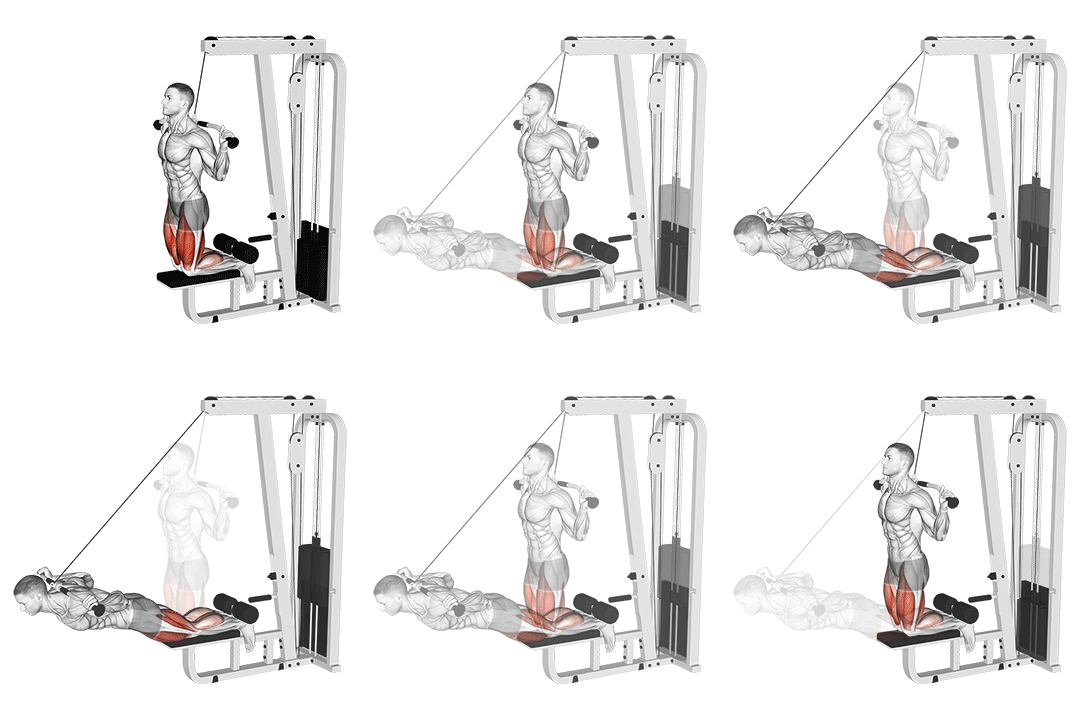
7. Cable Assisted Inverse Leg Curl
78% MatchHow to perform this exercise
- Adjust the cable machine so that the ankle attachment is at the lowest setting.
- Lie face down on the bench with your legs straight and the ankle attachment secured to your ankles.
- Hold onto the handles of the bench for stability.
- Keeping your upper body stationary, exhale and curl your legs up towards your glutes by flexing your knees.
- Pause for a moment at the top of the movement, squeezing your hamstrings.
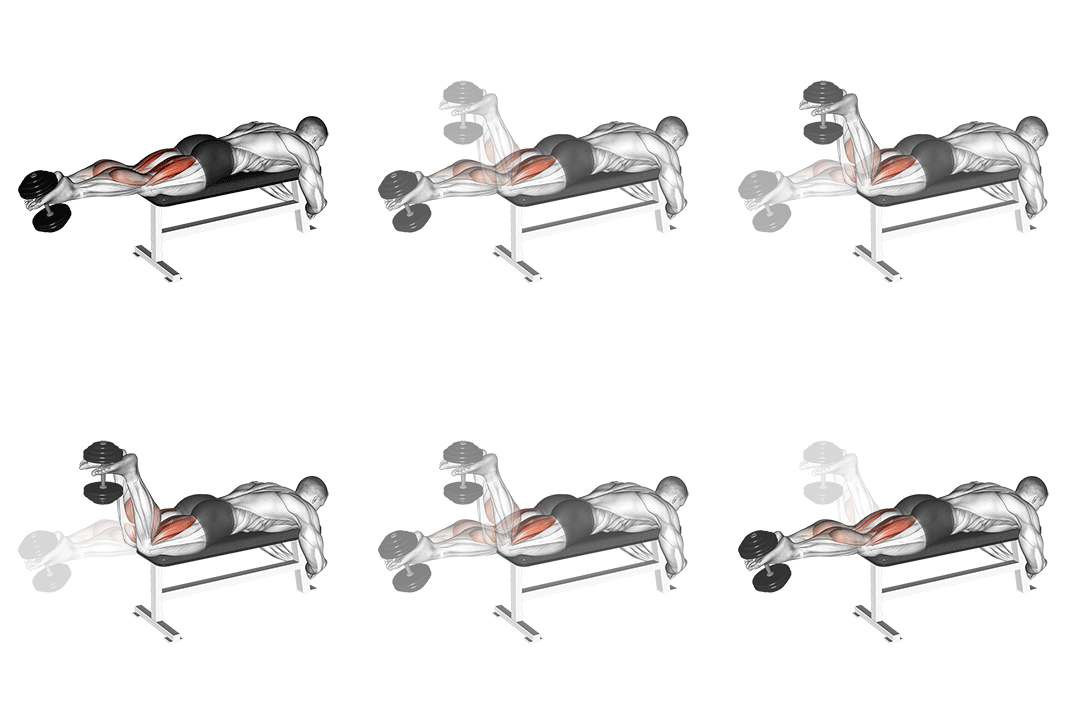
8. Dumbbell Lying Femoral
78% MatchHow to perform this exercise
- Lie flat on your back with your legs extended and a dumbbell resting on your lower abdomen.
- Bend your knees and bring the dumbbell towards your glutes, keeping your feet flat on the ground.
- Pause for a moment at the top, then slowly lower the dumbbell back to the starting position.
- Repeat for the desired number of repetitions.
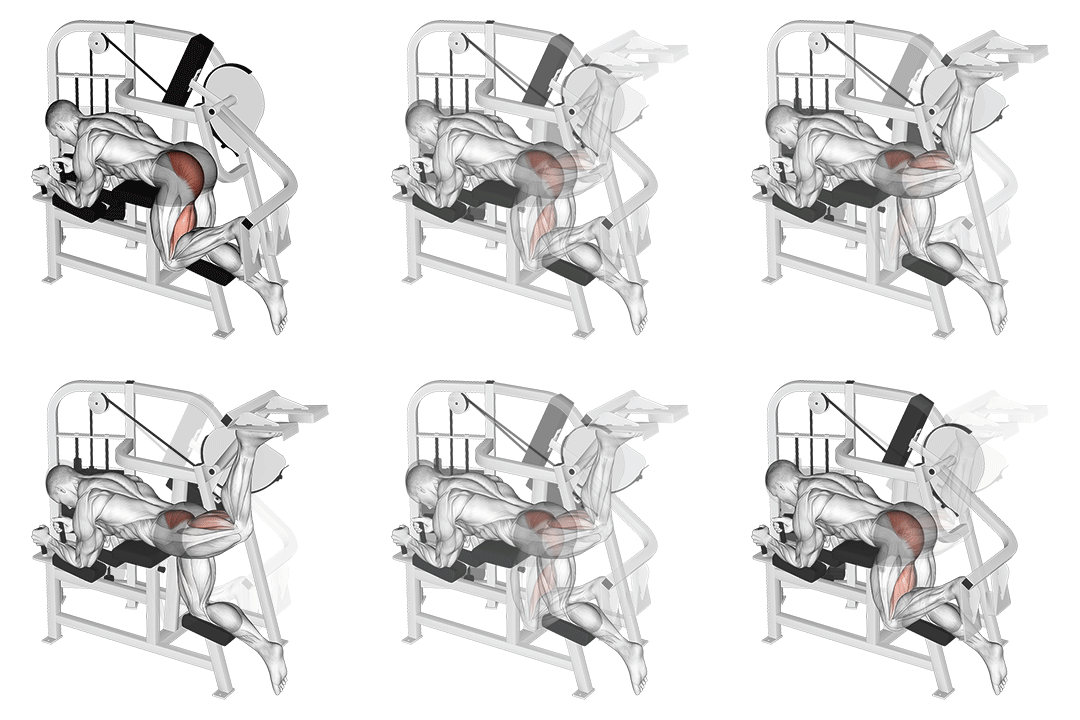
9. Lever Hip Extension V. 2
73.7% MatchHow to perform this exercise
- Adjust the machine to fit your body and sit on it with your back against the backrest.
- Place your feet on the footrests and grip the handles for stability.
- Engage your glutes and hamstrings, then push against the footrests to extend your hips and raise your legs backward.
- Pause for a moment at the top, then slowly lower your legs back to the starting position.
- Repeat for the desired number of repetitions.
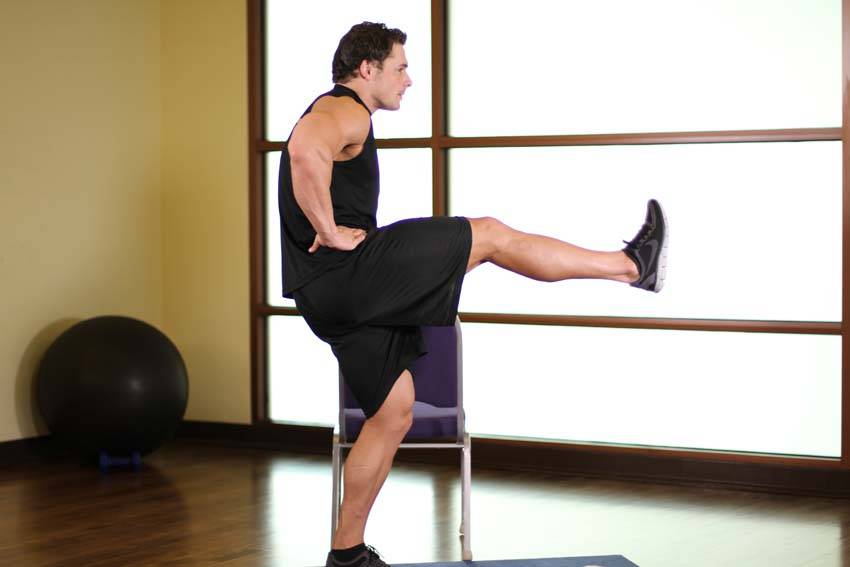
10. Front Leg Raises
72.4% MatchHow to perform this exercise
- Stand next to a chair or other support, holding on with one hand.
- Swing your leg forward, keeping the leg straight. Continue with a downward swing, bringing the leg as far back as your flexibility allows. Repeat 5-10 times, and then switch legs.
Why You Might Need a Seated Hamstring Alternative
You might substitute the Seated Hamstring for several reasons: the machine isn’t available, you have patellofemoral or hip pain, or you want greater posterior-chain carryover. The seated machine isolates knee flexion and biases distal hamstring activation; hip-dominant options like RDLs place more load on the hamstring long head and glutes. For rehab or pain, pick low-load, high-control options, anchor the ankles for a Nordic and lower eccentrically to build tolerance. If you seek strength transfer to deadlifts and sprinting, select hinge-based movements and prioritize a neutral spine and full hip hinge to recruit the proximal hamstrings.
How to Choose the Right Substitute
Choose a substitute based on movement pattern, equipment, and training goal. If you need pure knee-flexion isolation, pick lying or prone hamstring curls and control the eccentric phase, flex the knee under slow tempo. If you want posterior-chain strength and sport carryover, choose RDLs or glute-ham raises and hinge at the hips with a slight knee bend to load the long head. For limited equipment, use Nordic curls with anchored ankles and slow eccentrics to maximize hamstring activation. Finally, consider loading capacity and rehab status: start with higher rep/low load eccentrics then progress to heavier, lower-rep sets when technique is solid.
Frequently Asked Questions
What muscles does Seated Hamstring work?
The Seated Hamstring primarily targets the hamstrings, biceps femoris, semitendinosus, and semimembranosus, through knee flexion. Because the machine fixes the hip, it emphasizes distal hamstring activation; add hip-extension exercises to target the long head and glute contribution.
What is the best bodyweight alternative to Seated Hamstring?
The Nordic hamstring curl is the top bodyweight alternative because it produces high eccentric hamstring activation. Anchor your ankles, keep a straight torso, and lower slowly under control to emphasize eccentric strength and hypertrophy.
Can I build muscle without doing Seated Hamstring?
Yes. You can build hamstring mass and strength with RDLs, glute-ham raises, Nordic curls, and hamstring curls by loading progressively and controlling eccentrics. Focus on technique cues, hinge at the hips for RDLs and maintain slow, full-range knee flexion on curls, to maximize muscle activation.
More Exercise Alternatives
Find Alternatives for Any Exercise
Use the exercise substitution finder to compare ranked alternatives for your available equipment and training preference.
Try the Exercise Substitution Finder →