

10 Best Front Leg Raises Alternatives for Limited Equipment
Front Leg Raises are done standing. Ranked closest by our scoring: the Barbell Straight Leg Deadlift, the Wide Stance Stiff Legs and the Cable Assisted Inverse Leg Curl. Four harder versions, among them the Inverse Leg Curl (Bench Support) and the Kick Out Sit, are listed below as progressions rather than swaps.
Updated Ranked by our 12-factor similarity model How it works
Original Exercise: Front Leg Raises
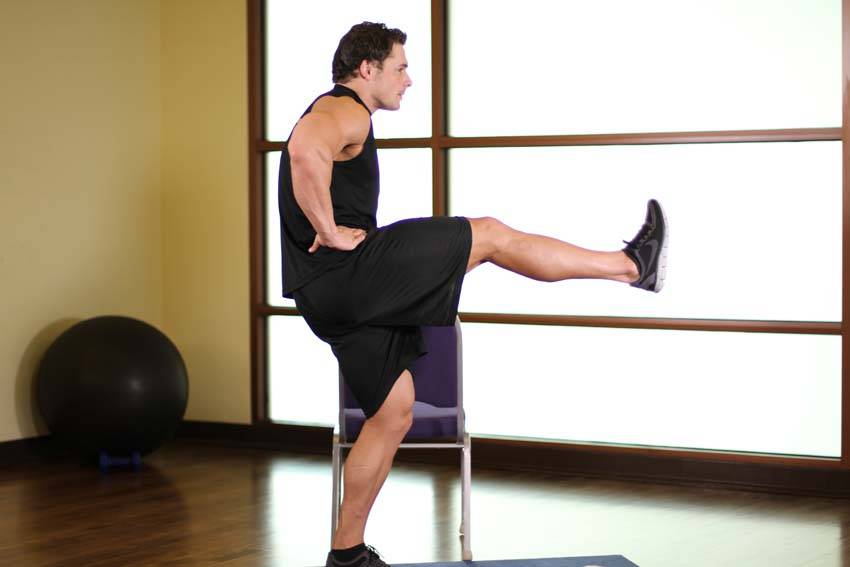
- Primary muscle
- Hamstrings
- Equipment
- Bodyweight
- Difficulty
- Beginner
- Type
- Isolation
How to perform Front Leg Raises
- Stand next to a chair or other support, holding on with one hand.
- Swing your leg forward, keeping the leg straight. Continue with a downward swing, bringing the leg as far back as your flexibility allows. Repeat 5-10 times, and then switch legs.
Ranked Front Leg Raises Alternatives
10 substitutes, ranked by how closely each one matches Front Leg Raises on movement pattern, muscles worked, equipment and body position. The higher the score, the less you change. Open "How to perform this exercise" on a card for the steps; every card title links to that exercise's own alternatives page. Harder versions are tagged as progressions and kept out of the top spot even when they score higher.
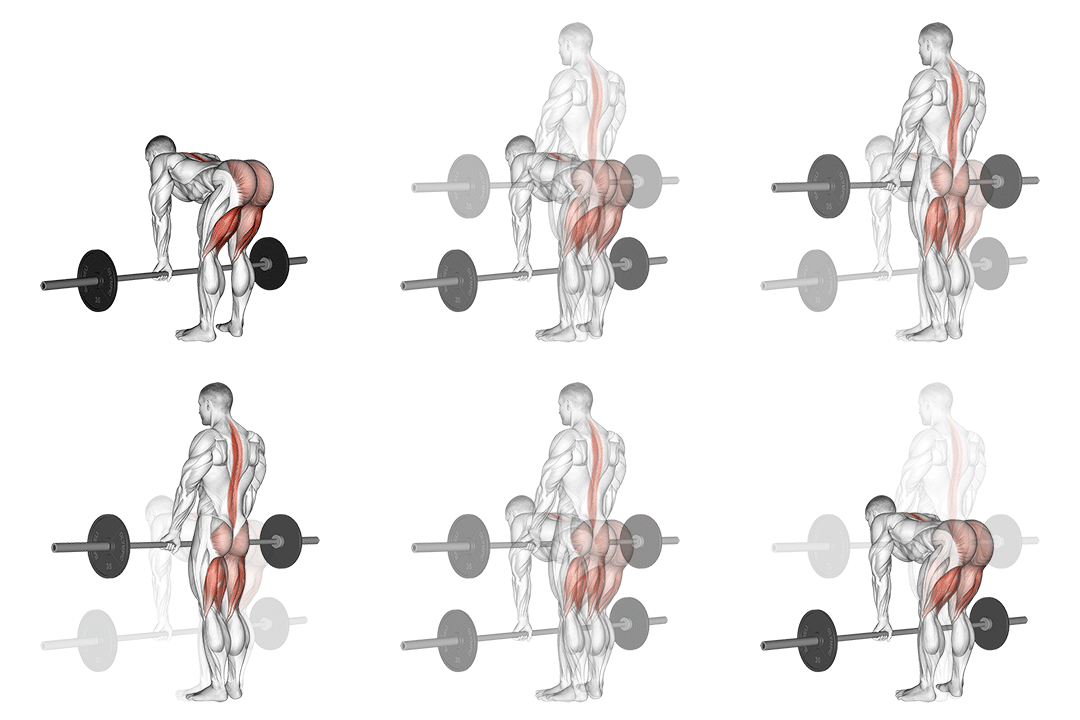
Best match 1. Barbell Straight Leg Deadlift
77% match- Hamstrings
- Barbell
- Intermediate
- Compound
A good swap when you have a barbell to work with, and it still works the hamstrings.
How to perform this exercise
- Stand with your feet shoulder-width apart and your toes pointing forward.
- Hold the barbell with an overhand grip, hands slightly wider than shoulder-width apart.
- Bend at your hips and lower the barbell towards the ground, keeping your back straight and your knees slightly bent.
- Lower the barbell until you feel a stretch in your hamstrings.
- Engage your hamstrings and glutes to lift the barbell back up to the starting position.
- Repeat for the desired number of repetitions.
Sets and reps: 3 to 5 sets of 5 to 8 reps.
Why this matches
- Primary muscle: hamstrings, the same as Front Leg Raises
- Equipment: free weights, not bodyweight only
- Body position: standing, the same as Front Leg Raises
- Balance: harder to stay steady on than Front Leg Raises
Progression
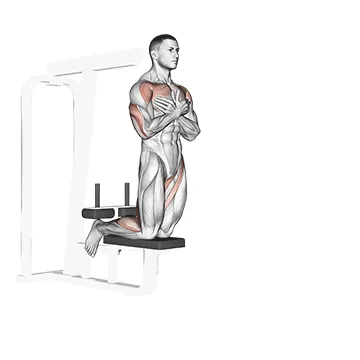
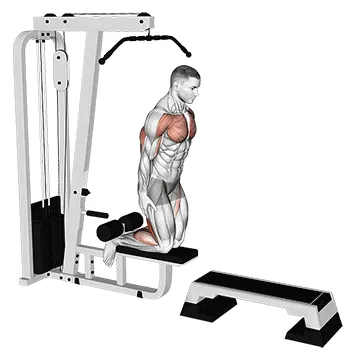
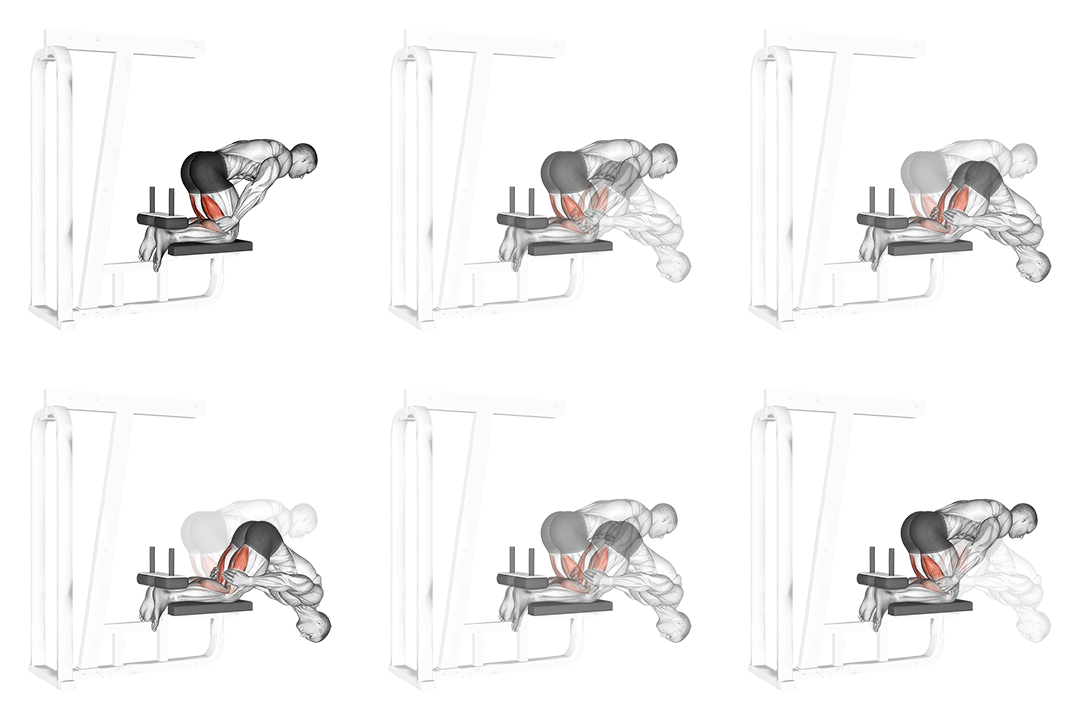
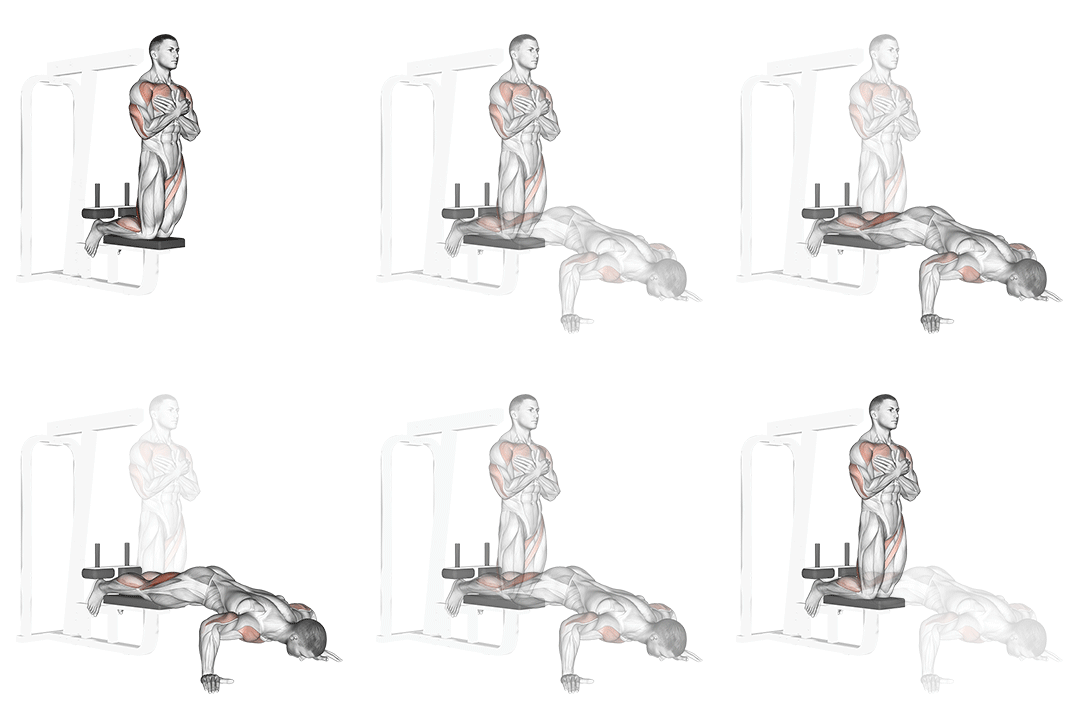
2. Inverse Leg Curl (Bench Support)
91% match- Hamstrings
- Bodyweight
- Intermediate
- Isolation
Pick this when you want a harder version that still works the hamstrings.
How to perform this exercise
- Lie face down on a bench with your hips at the edge and your legs extended straight behind you.
- Hold onto the bench for support.
- Keeping your upper body still, bend your knees and curl your legs towards your glutes.
- Pause for a moment at the top, then slowly extend your legs back to the starting position.
- Repeat for the desired number of repetitions.
Sets and reps: 3 sets of 10 to 15 reps.
Why this matches
- Primary muscle: hamstrings, the same as Front Leg Raises
- Equipment: bodyweight only, the same as Front Leg Raises
- Body position: lying face down, not standing
Progression
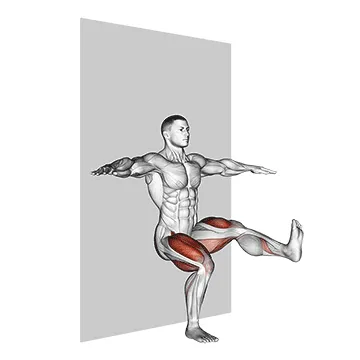
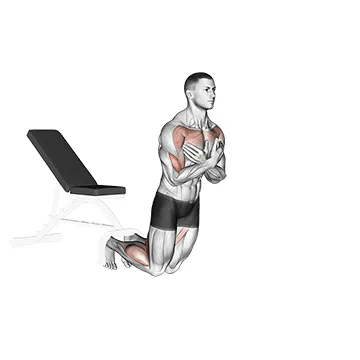
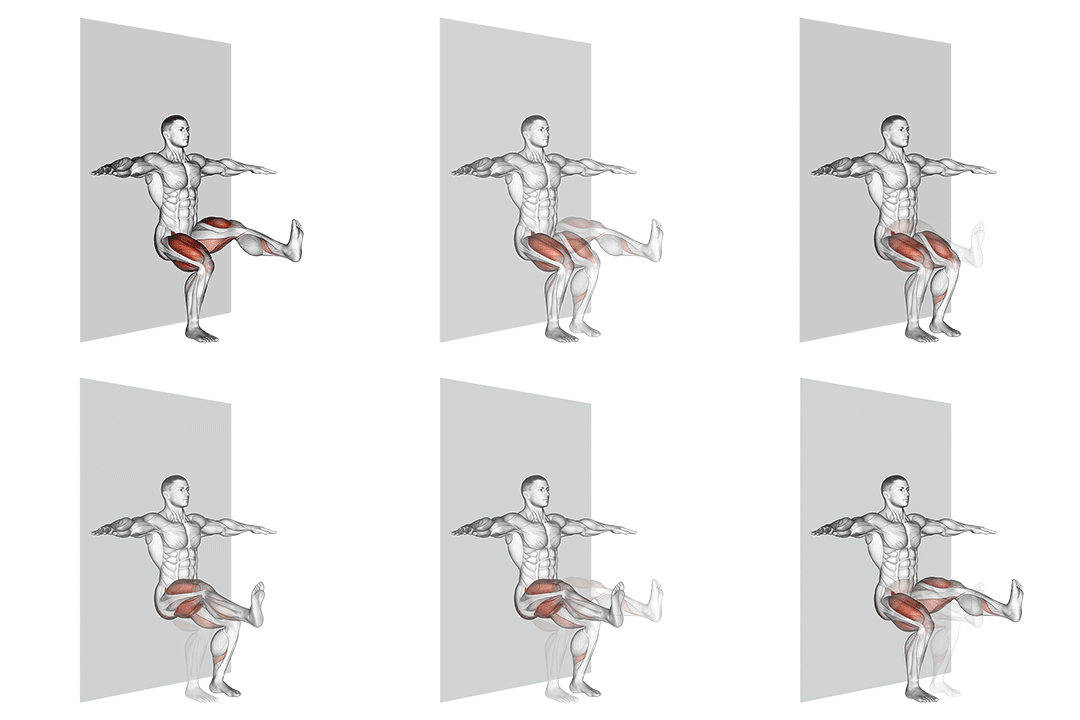
3. Kick Out Sit
79% match- Hamstrings
- Bodyweight
- Intermediate
- Compound
Pick this when you want a harder version that works the hamstrings one side at a time.
How to perform this exercise
- Sit on the edge of a bench or chair with your feet flat on the ground and your knees bent at a 90-degree angle.
- Lean back slightly and place your hands on the edge of the bench or chair for support.
- Engaging your hamstrings, lift your feet off the ground and extend your legs straight out in front of you.
- Pause for a moment at the top, then slowly bend your knees and bring your feet back towards your body.
- Repeat for the desired number of repetitions.
Sets and reps: 3 or 4 sets of 6 to 10 reps on each side.
Why this matches
- Primary muscle: hamstrings, the same as Front Leg Raises
- Equipment: bodyweight only, the same as Front Leg Raises
- Body position: standing, the same as Front Leg Raises
- Balance: harder to stay steady on than Front Leg Raises
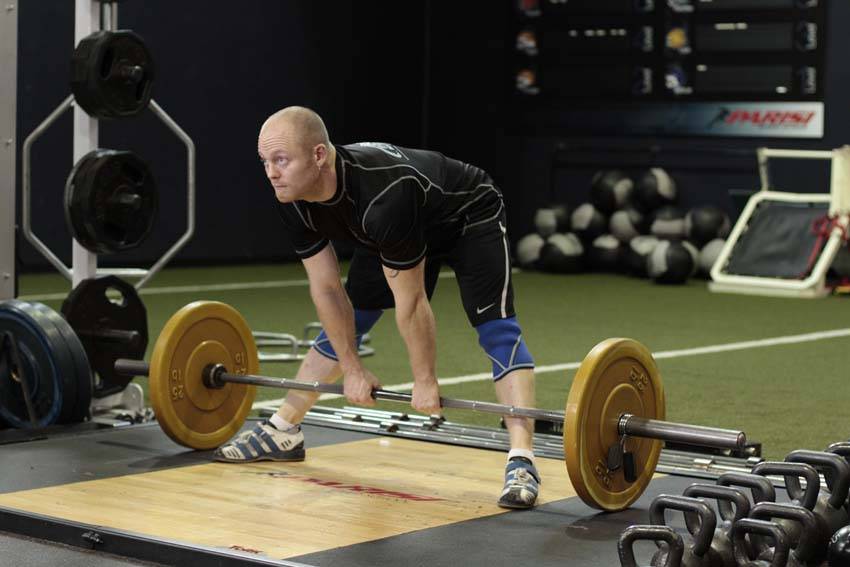
4. Wide Stance Stiff Legs
77% match- Hamstrings
- Barbell
- Intermediate
- Compound
How to perform this exercise
- Begin with a barbell loaded on the floor. Adopt a wide stance, and then bend at the hips to grab the bar. Your hips should be as far back as possible, and your legs nearly straight. Keep your back straight, and your head and chest up. This will be your starting position.
- Begin the movement be engaging the hips, driving them forward as you allow the arms to hang straight. Continue until you are standing straight up, and then slowly return the weight to the starting position. For successive reps, the weight need not touch the floor.
Sets and reps: 3 to 5 sets of 5 to 8 reps.
Why this matches
- Primary muscle: hamstrings, the same as Front Leg Raises
- Equipment: free weights, not bodyweight only
- Balance: harder to stay steady on than Front Leg Raises
Progression
5. Single Leg Platform Slide
77% match- Hamstrings
- Bodyweight
- Intermediate
- Compound
Pick this when you want a harder single-leg version that still works the hamstrings.
How to perform this exercise
- Start by standing with one foot on a platform or slide board.
- Bend your knee slightly and slide the foot on the platform backward, extending your leg.
- Keep your core engaged and maintain a straight posture throughout the movement.
- Slowly return to the starting position by sliding your foot back to the initial position.
- Repeat the movement for the desired number of repetitions, then switch legs.
Sets and reps: 3 or 4 sets of 6 to 10 reps on each side.
Why this matches
- Primary muscle: hamstrings, the same as Front Leg Raises
- Equipment: bodyweight only, the same as Front Leg Raises
- Body position: standing, the same as Front Leg Raises
- Balance: harder to stay steady on than Front Leg Raises
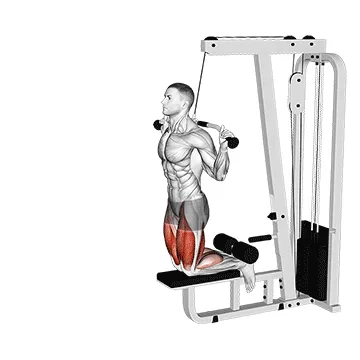
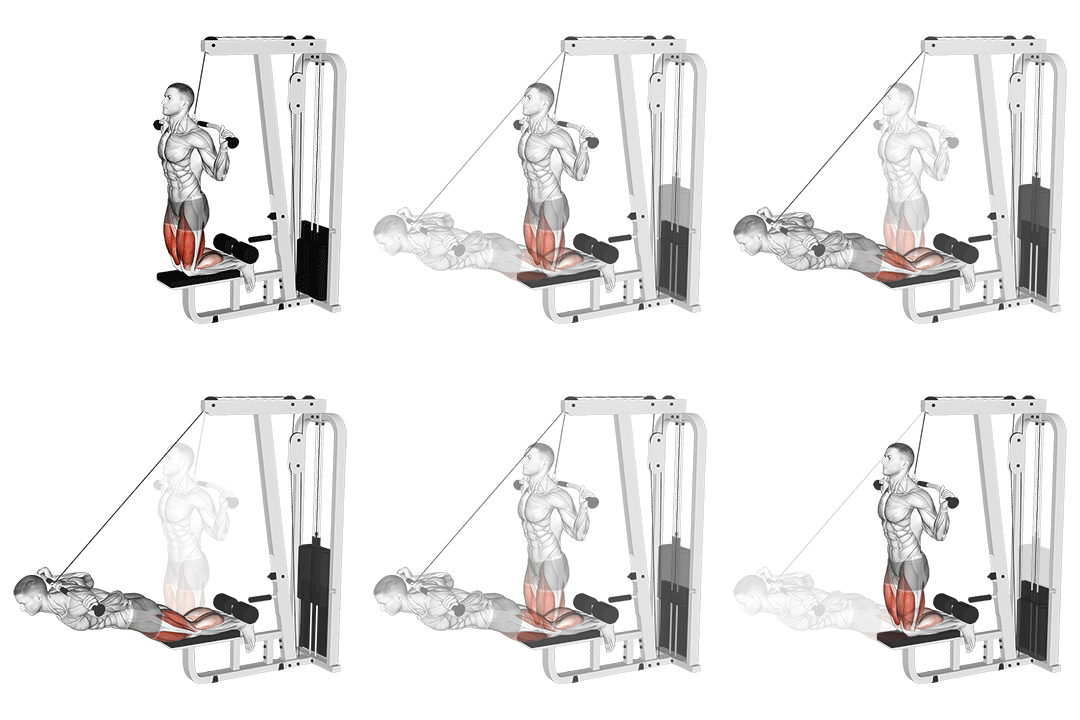
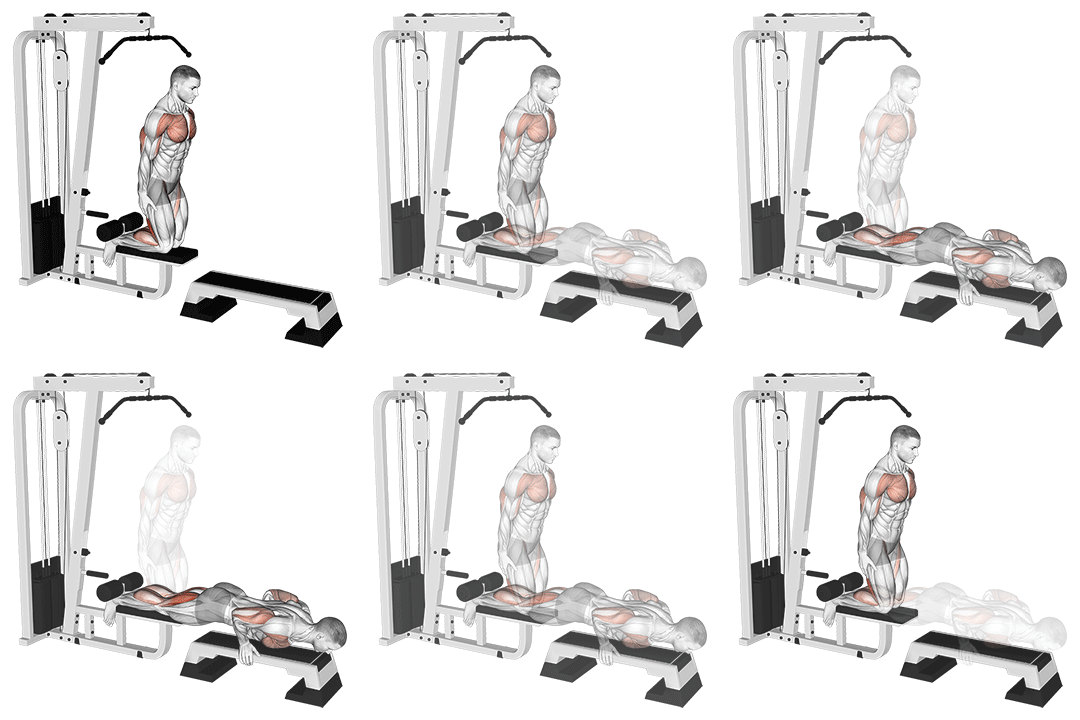
6. Cable Assisted Inverse Leg Curl
76% match- Hamstrings
- Cable
- Intermediate
- Isolation
A good swap when you have a cable machine to work with, and it still works the hamstrings.
How to perform this exercise
- Adjust the cable machine so that the ankle attachment is at the lowest setting.
- Lie face down on the bench with your legs straight and the ankle attachment secured to your ankles.
- Hold onto the handles of the bench for stability.
- Keeping your upper body stationary, exhale and curl your legs up towards your glutes by flexing your knees.
- Pause for a moment at the top of the movement, squeezing your hamstrings.
- Inhale and slowly lower your legs back to the starting position.
- Repeat for the desired number of repetitions.
Sets and reps: 3 sets of 10 to 15 reps.
Why this matches
- Primary muscle: hamstrings, the same as Front Leg Raises
- Equipment: a cable, not bodyweight only
- Body position: lying face down, not standing
Progression
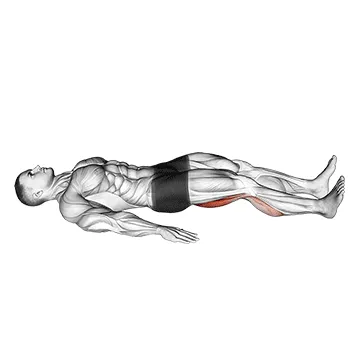
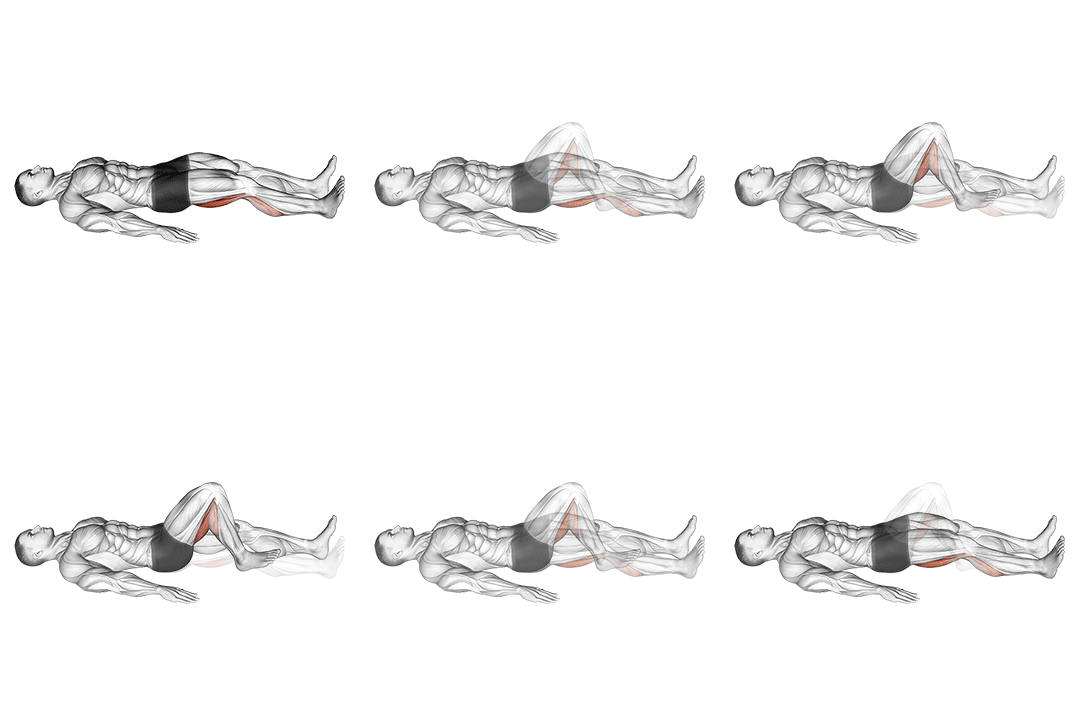
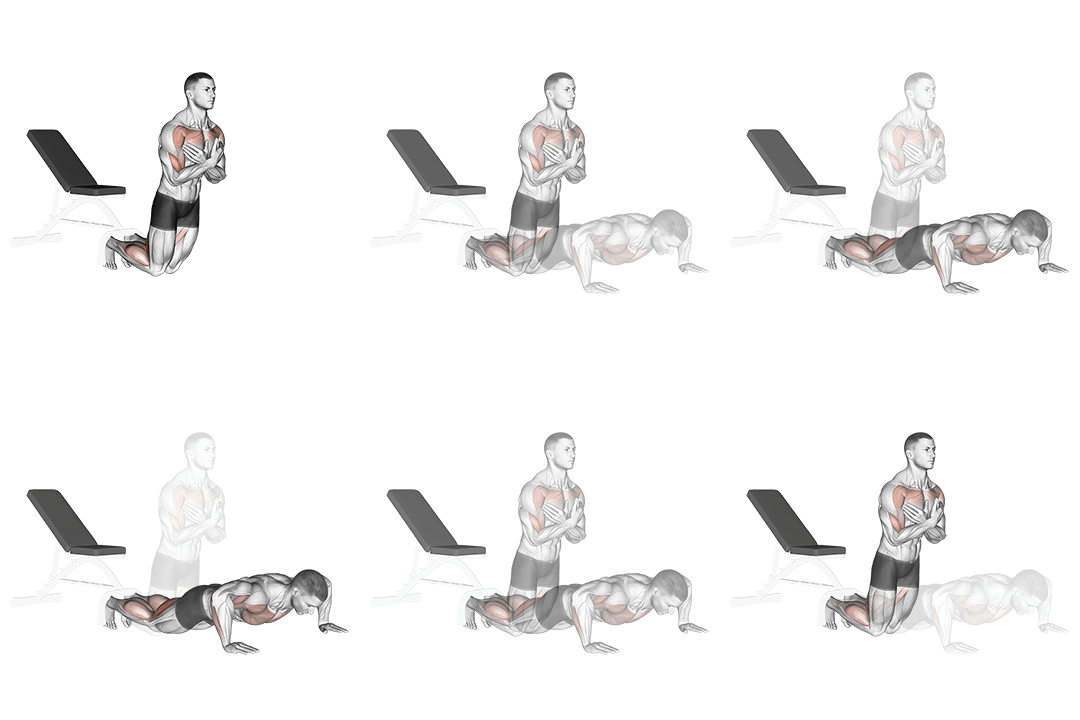
7. Self Assisted Inverse Leg Curl
74% match- Hamstrings
- Bodyweight
- Intermediate
- Isolation
How to perform this exercise
- Lie flat on your back on a mat or bench with your legs extended.
- Place your hands by your sides or under your glutes for support.
- Bend your knees and lift your feet off the ground, bringing your thighs towards your chest.
- Pause for a moment at the top, then slowly lower your legs back to the starting position.
- Repeat for the desired number of repetitions.
Sets and reps: 3 sets of 10 to 15 reps.
Why this matches
- Primary muscle: hamstrings, the same as Front Leg Raises
- Equipment: bodyweight only, the same as Front Leg Raises
- Body position: kneeling, not standing
- Hamstrings
- Bodyweight
- Beginner
- Isolation
How to perform this exercise
- Lie flat on your back with your legs extended and your arms by your sides.
- Bend your knees and place your feet flat on the ground, hip-width apart.
- Lift your hips off the ground, engaging your glutes and hamstrings.
- Slowly curl your legs towards your glutes, keeping your hips lifted.
- Pause for a moment at the top, then slowly extend your legs back to the starting position.
- Lower your hips back down to the ground.
- Repeat for the desired number of repetitions.
Sets and reps: 3 sets of 8 to 12 reps, and add reps before you add load.
Why this matches
- Primary muscle: hamstrings, the same as Front Leg Raises
- Equipment: bodyweight only, the same as Front Leg Raises
- Body position: kneeling, not standing
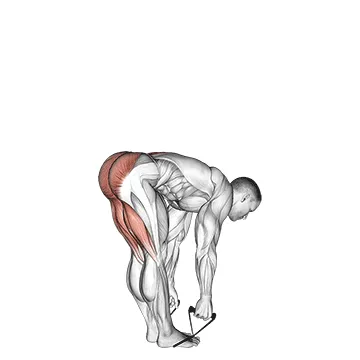
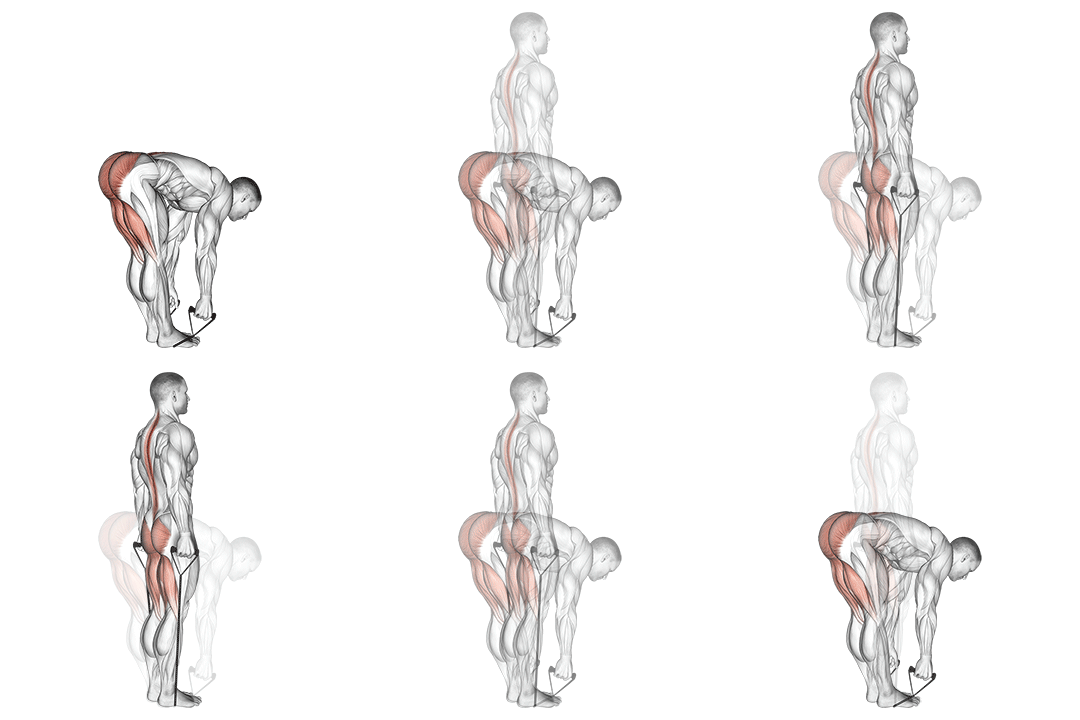
9. Band Straight Leg Deadlift
73% match- Hamstrings
- Band
- Intermediate
- Compound
How to perform this exercise
- Stand with your feet shoulder-width apart and place the band around your feet.
- Hold the band with both hands, palms facing your body, and keep your arms straight.
- Engage your core and maintain a slight bend in your knees.
- Slowly hinge forward at your hips, keeping your back straight and chest lifted.
- Lower the band towards the ground while keeping your legs straight.
- Pause for a moment at the bottom, then squeeze your glutes and hamstrings to return to the starting position.
- Repeat for the desired number of repetitions.
Sets and reps: 3 or 4 sets of 6 to 10 reps.
Why this matches
- Primary muscle: hamstrings, the same as Front Leg Raises
- Equipment: a band, not bodyweight only
- Body position: standing, the same as Front Leg Raises
- Balance: harder to stay steady on than Front Leg Raises
- Hamstrings
- Cable
- Intermediate
- Isolation
How to perform this exercise
- Adjust the cable machine so that the ankle straps are at the lowest setting.
- Lie face down on the bench with your legs extended and the ankle straps attached to your feet.
- Hold onto the handles of the bench for stability.
- Bend your knees and curl your legs towards your glutes, squeezing your hamstrings.
- Pause for a moment at the top of the movement, then slowly lower your legs back to the starting position.
- Repeat for the desired number of repetitions.
Sets and reps: 3 sets of 10 to 15 reps.
Why this matches
- Primary muscle: hamstrings, the same as Front Leg Raises
- Equipment: a cable, not bodyweight only
- Body position: lying face down, not standing
Why You Might Need a Front Leg Raises Alternative
You may substitute front leg raises for several practical reasons: knee pain during the movement, insufficient hip hinge control, lack of a suitable surface, or a need for greater eccentric overload. Front leg raises isolate hamstrings but can stress distal fibers or rely on spinal flexion for leverage. Replacing them with hip-dominant options (single-leg RDL) or eccentric-focused variants (Nordic curl) shifts torque from the knee to hip extensors and provides safer lengthening of hamstring fascicles. If rehabilitation requires reduced knee shear, choose a hip-hinge variant and cue a neutral spine and soft knee bend to preserve hamstring tension while minimizing joint stress.
Front Leg Raises FAQ
What muscles does Front Leg Raises work?
Front leg raises primarily load the hamstrings through knee flexion and posterior chain stabilization, with secondary activation of the glutes and erector spinae for hip and trunk control. Biomechanically they emphasize distal hamstring lengthening and eccentric control when performed slowly.
What is the best bodyweight alternative to Front Leg Raises?
The Nordic hamstring curl is the best pure bodyweight alternative because it delivers high eccentric knee-flexor loading. Cue it by anchoring your heels, keeping a rigid hip line, and lowering in a 3–5 second eccentric while resisting with hamstrings to maximize muscle-lengthening stimulus.
Find Alternatives for Any Exercise
Search the exercise database and filter the ranked substitutes by the equipment you own.
Similarity scores compare exercise metadata such as movement pattern, muscles, equipment and body position. They are not a safety rating or a check that you own the equipment. Learn about our methodology