

10 Best Smith Narrow Row Alternatives for Limited Equipment
If you can’t use a Smith machine for narrow rows, pick exercises that reproduce the horizontal pull and scapular retraction. Good swaps include close‑grip seated cable row, one‑arm dumbbell row, chest‑supported T‑bar row, bent‑over barbell row, or narrow inverted row. Cue: pull elbows to the ribcage and squeeze the scapula to feel the upper‑back contract.
Original Exercise: Smith Narrow Row
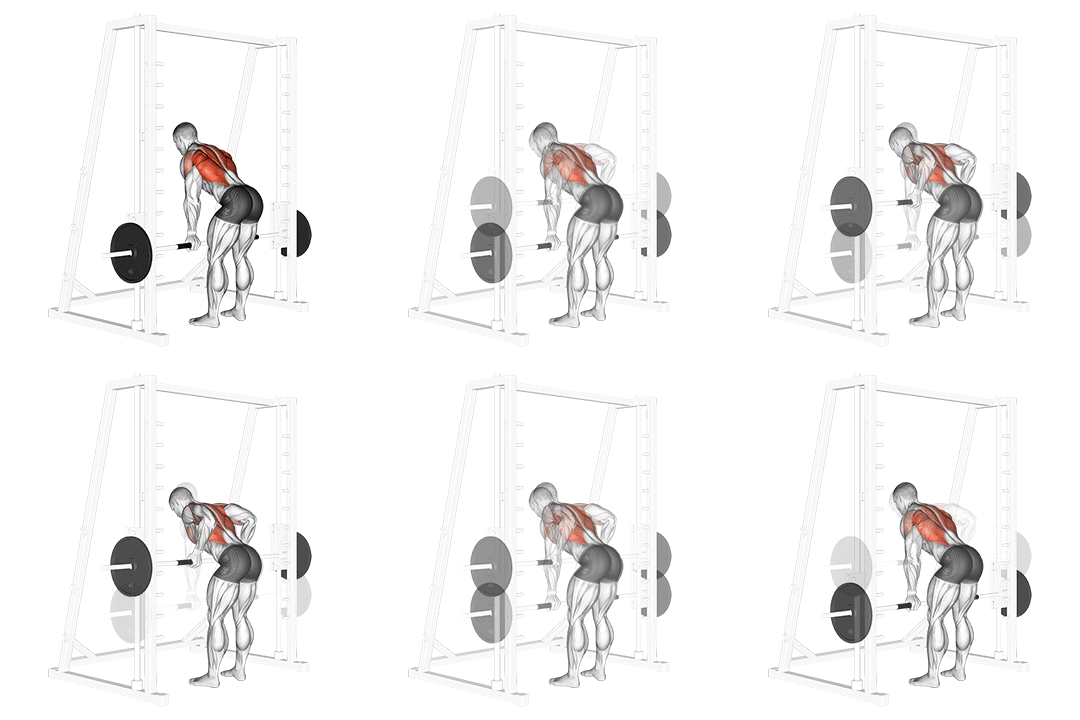
How to Perform Smith Narrow Row
- Adjust the seat height and position yourself on the machine with your feet flat on the floor.
- Grasp the handles with an overhand grip, slightly narrower than shoulder-width apart.
- Keep your back straight and your chest up as you pull the handles towards your body, squeezing your shoulder blades together.
- Pause for a moment at the peak of the movement, then slowly release the handles back to the starting position.
- Repeat for the desired number of repetitions.
Ranked Smith Narrow Row Alternatives
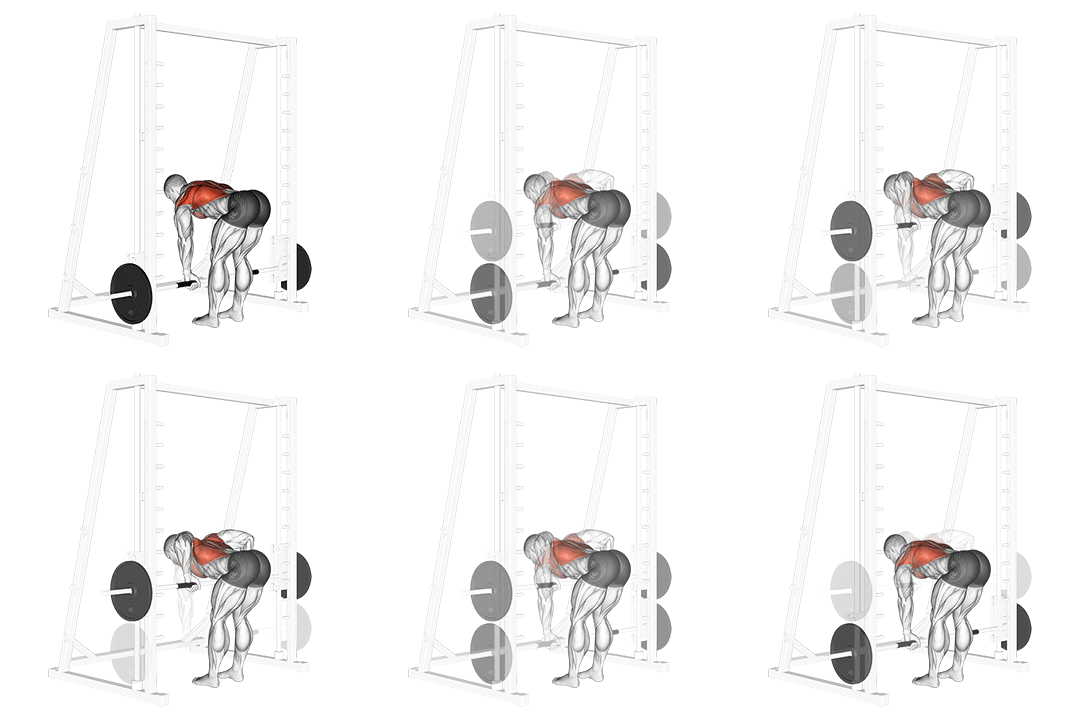
1. Smith Bent Over Row
96% MatchHow to perform this exercise
- Set up the smith machine with the bar at hip height.
- Stand facing the bar with your feet shoulder-width apart.
- Bend your knees slightly and hinge forward at the hips, keeping your back straight.
- Grasp the bar with an overhand grip, hands slightly wider than shoulder-width apart.
- Pull the bar towards your lower chest, squeezing your shoulder blades together.
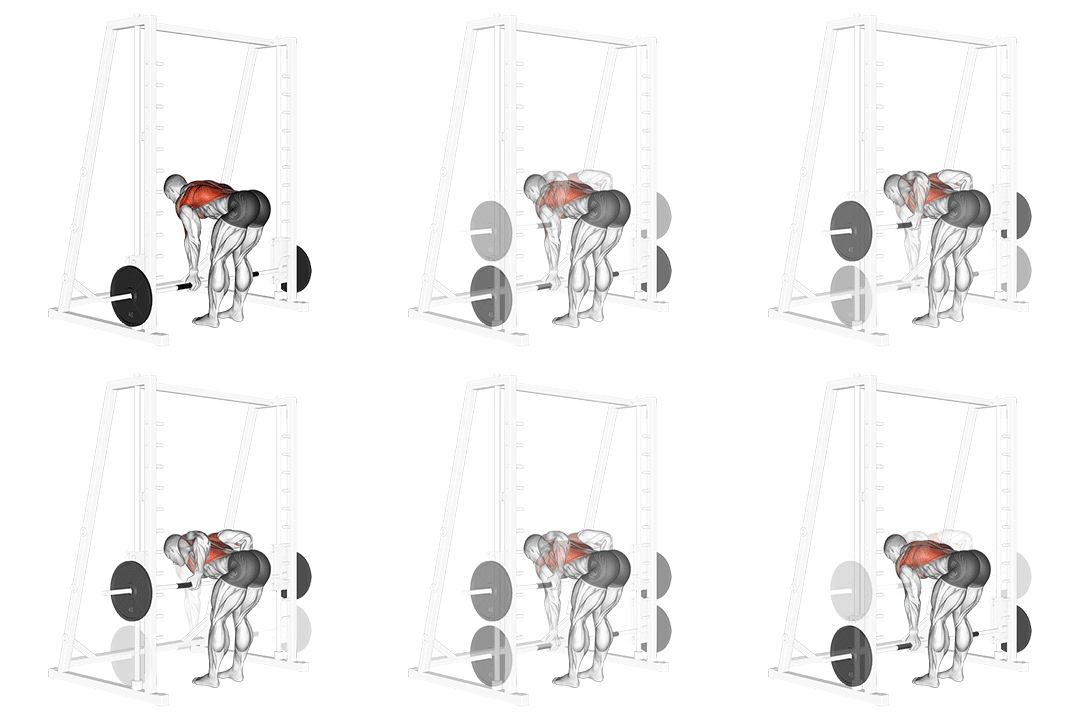
2. Smith Reverse Grip Bent Over Row
96% MatchHow to perform this exercise
- Set up the smith machine with the bar at hip height.
- Stand facing the bar with your feet shoulder-width apart.
- Bend your knees slightly and hinge forward at the hips, keeping your back straight.
- Grasp the bar with an underhand grip, hands shoulder-width apart.
- Pull the bar towards your lower chest, squeezing your shoulder blades together.
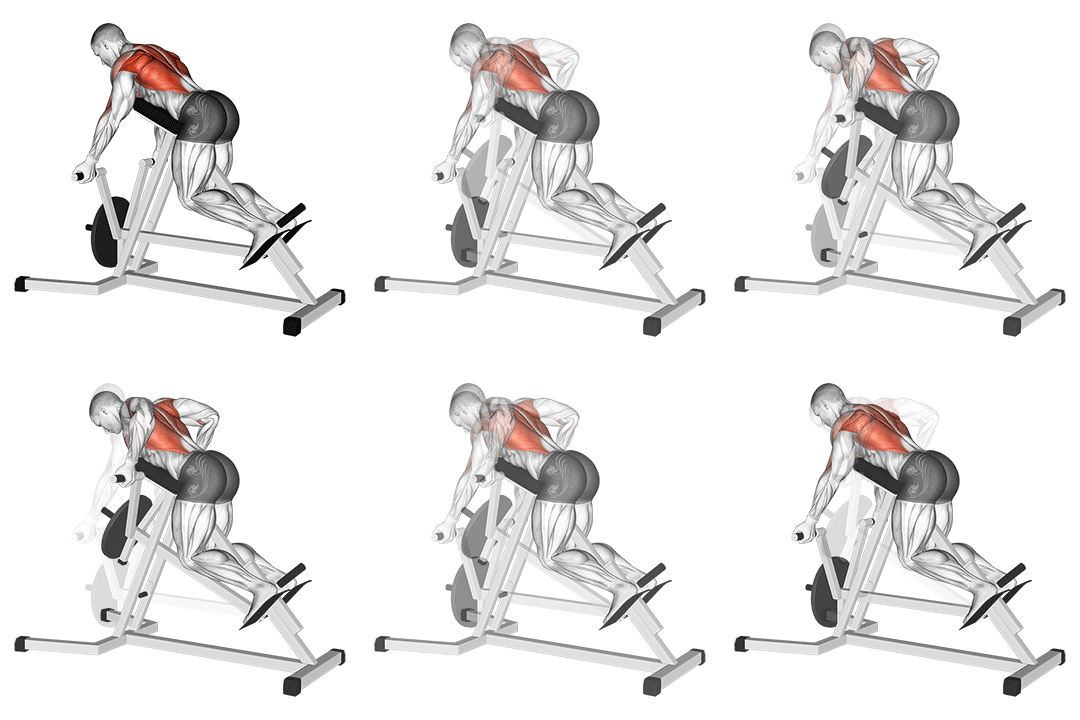
3. Lever Reverse T-bar Row
93.9% MatchHow to perform this exercise
- Adjust the seat height and footplate position on the leverage machine.
- Sit on the machine with your chest against the pad and your feet flat on the footplate.
- Grasp the handles with an overhand grip, slightly wider than shoulder-width apart.
- Keep your back straight and engage your core.
- Pull the handles towards your chest, squeezing your shoulder blades together.
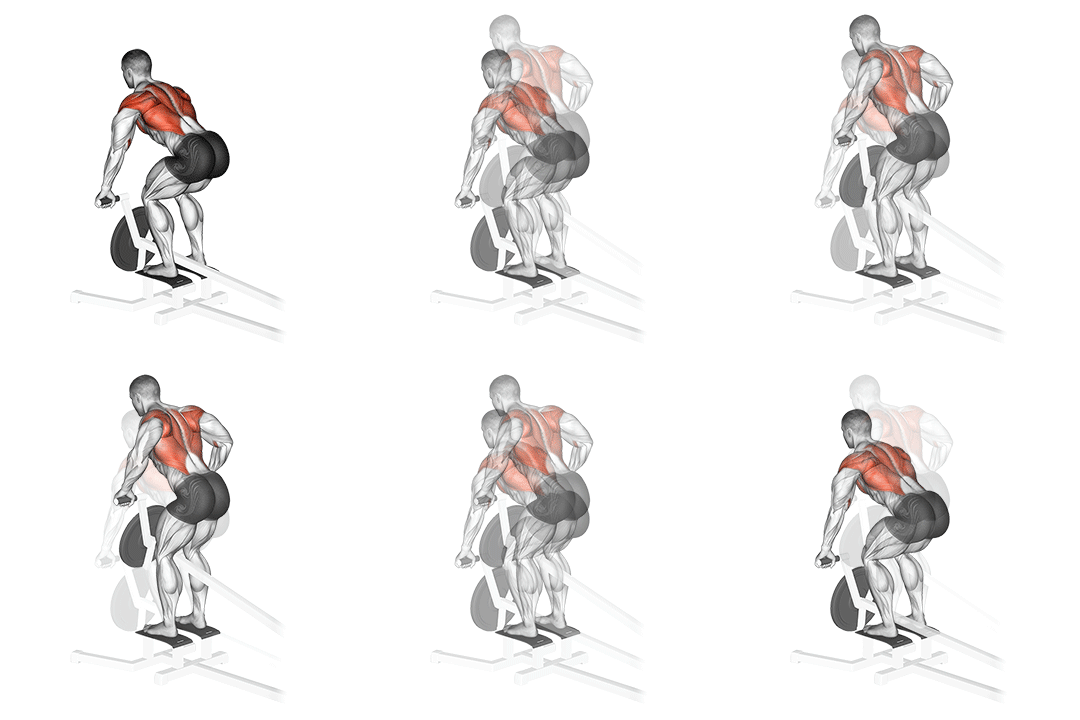
4. Lever T Bar Row
93.9% MatchHow to perform this exercise
- Adjust the seat height and footplate position to ensure proper alignment.
- Sit on the machine with your chest against the pad and your feet flat on the footplate.
- Grasp the handles with an overhand grip, slightly wider than shoulder-width apart.
- Keep your back straight and engage your core.
- Pull the handles towards your torso, squeezing your shoulder blades together.
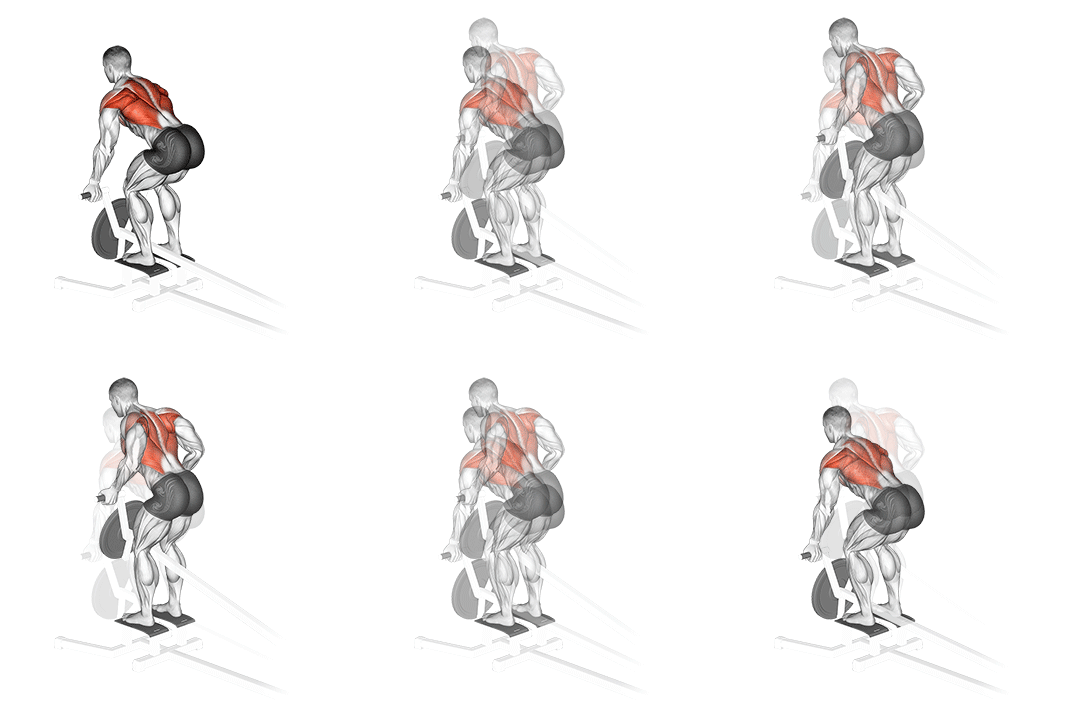
5. Lever T-bar Reverse Grip Row
93.9% MatchHow to perform this exercise
- Adjust the seat height and position yourself on the machine with your chest against the pad and your feet flat on the floor.
- Grasp the handles with an overhand grip, slightly wider than shoulder-width apart.
- Keep your back straight and engage your core.
- Pull the handles towards your chest, squeezing your shoulder blades together.
- Pause for a moment at the top of the movement, then slowly release and extend your arms back to the starting position.
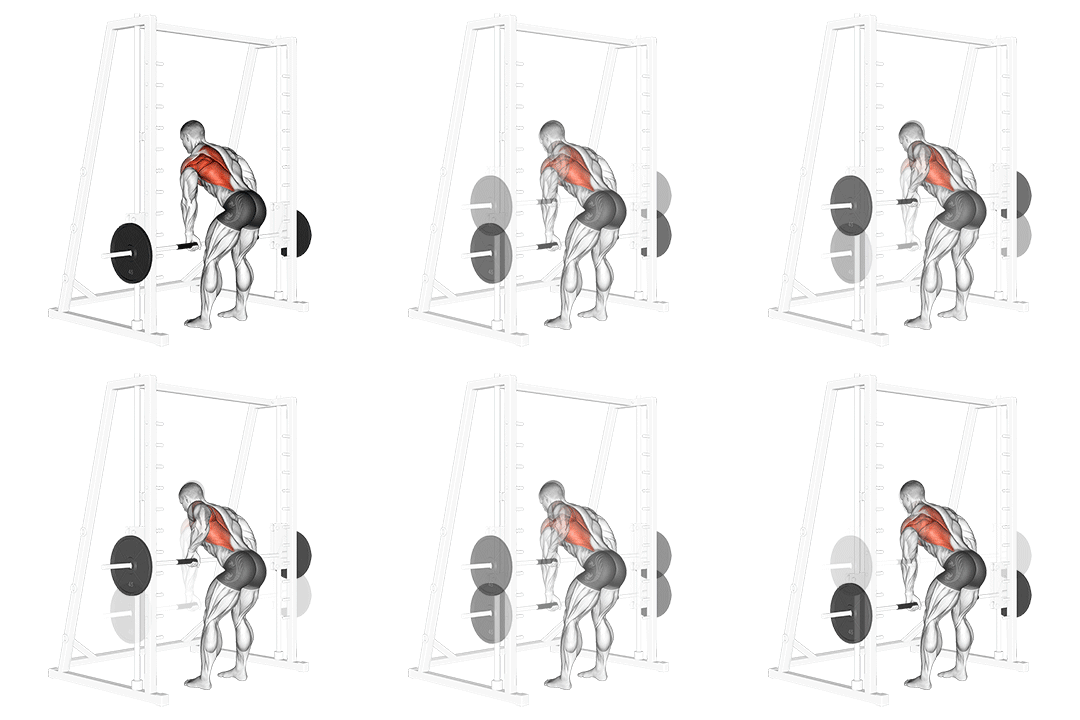
6. Smith One Arm Row
87.7% MatchHow to perform this exercise
- Adjust the height of the smith machine bar to waist level.
- Stand facing the smith machine with your feet shoulder-width apart.
- Bend your knees slightly and hinge forward at the hips, keeping your back straight.
- Grasp the bar with one hand using an overhand grip, with your palm facing down.
- Keep your elbow close to your body and pull the bar towards your waist, squeezing your shoulder blades together.
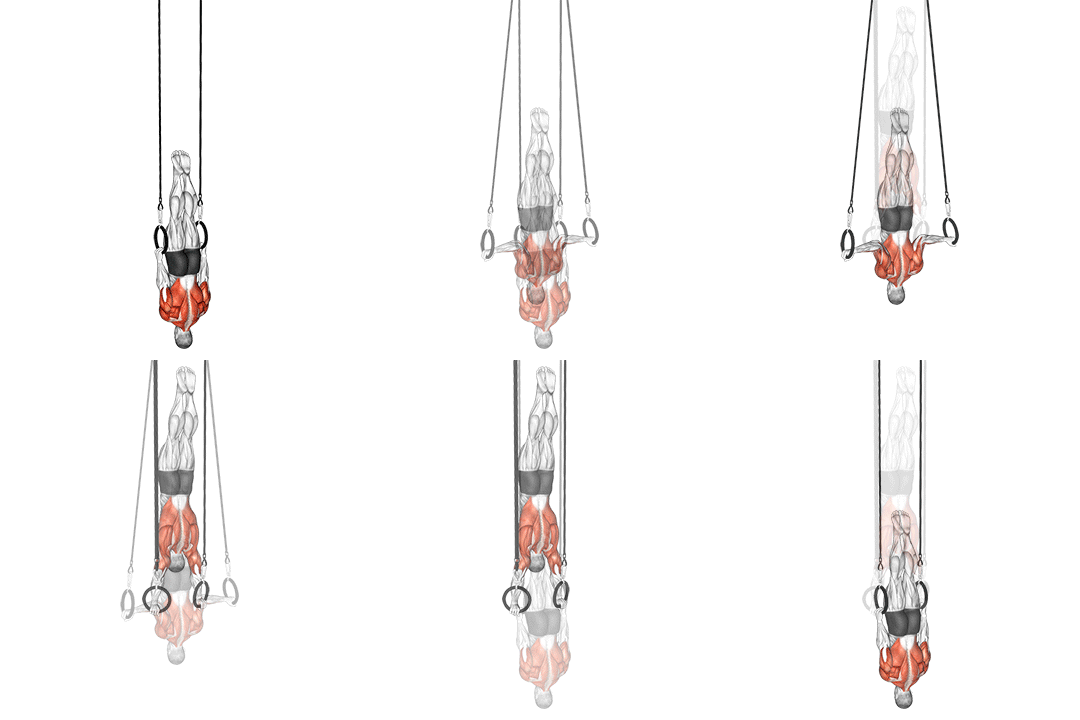
7. Elevator
82.3% MatchHow to perform this exercise
- Stand with your feet shoulder-width apart and your knees slightly bent.
- Place your hands on your hips or cross them in front of your chest.
- Keeping your back straight, slowly bend forward at the waist, lowering your upper body towards the ground.
- Pause for a moment at the bottom, then slowly raise your upper body back up to the starting position.
- Repeat for the desired number of repetitions.
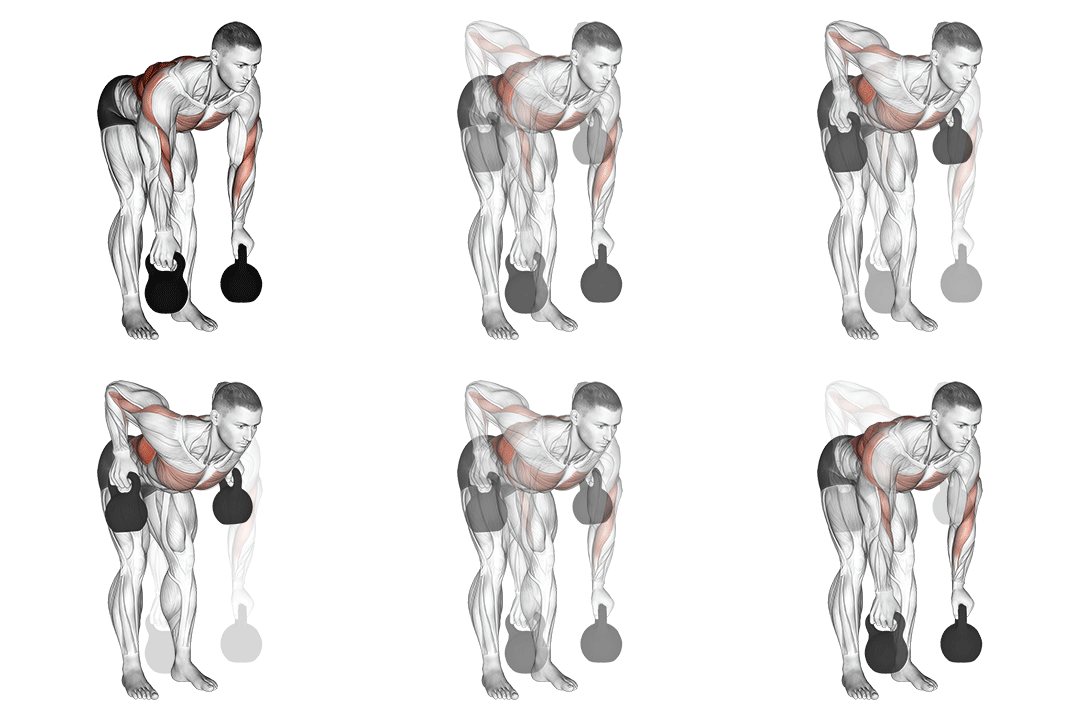
8. Kettlebell Two Arm Row
82.3% MatchHow to perform this exercise
- Stand with your feet shoulder-width apart, knees slightly bent, and hold a kettlebell in each hand with your palms facing your body.
- Bend forward at the hips, keeping your back straight and your core engaged.
- Pull the kettlebells up towards your chest, squeezing your shoulder blades together.
- Pause for a moment at the top, then slowly lower the kettlebells back down to the starting position.
- Repeat for the desired number of repetitions.
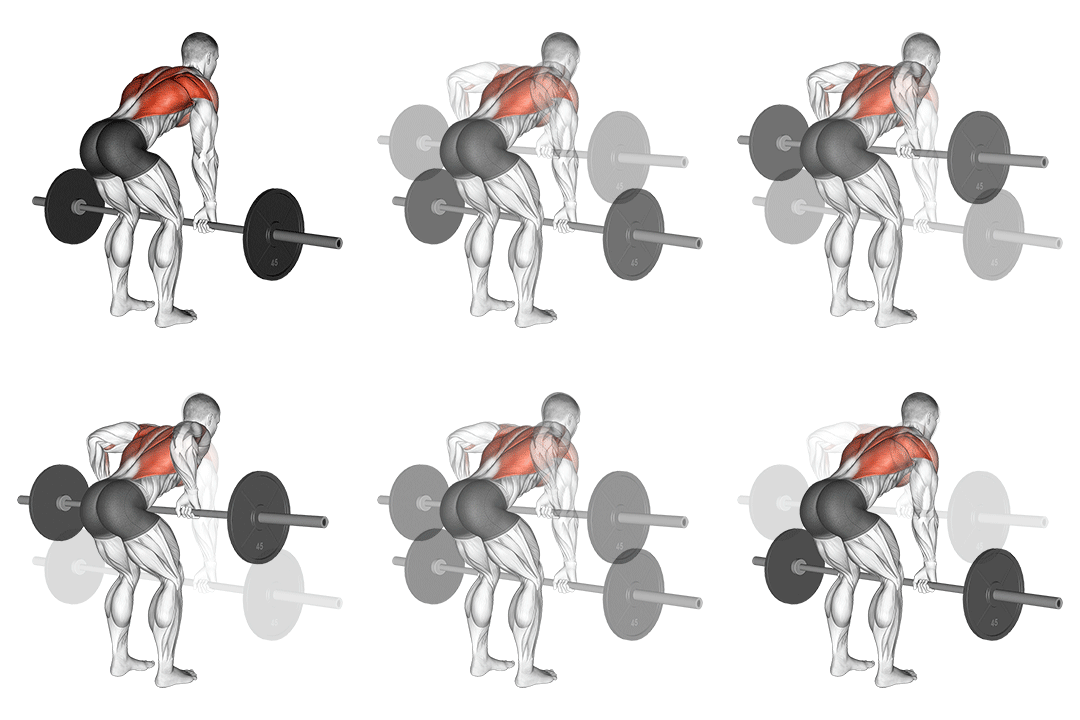
9. Barbell Bent Over Row
81.8% MatchHow to perform this exercise
- Stand with your feet shoulder-width apart and knees slightly bent.
- Bend forward at the hips while keeping your back straight and chest up.
- Grasp the barbell with an overhand grip, hands slightly wider than shoulder-width apart.
- Pull the barbell towards your lower chest by retracting your shoulder blades and squeezing your back muscles.
- Pause for a moment at the top, then slowly lower the barbell back to the starting position.
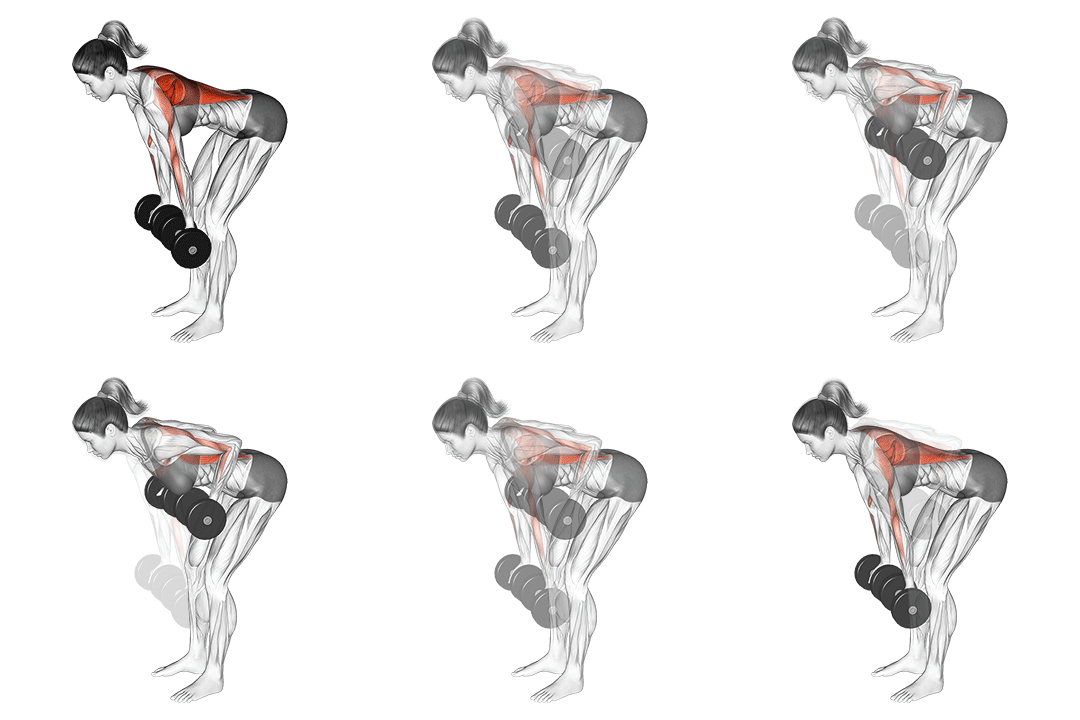
10. Dumbbell Reverse Grip Row (female)
81.8% MatchHow to perform this exercise
- Stand with your feet shoulder-width apart and knees slightly bent.
- Hold a dumbbell in each hand with an overhand grip, palms facing your body.
- Bend forward at the waist, keeping your back straight and your core engaged.
- Let your arms hang straight down, fully extended, with a slight bend in your elbows.
- Pull the dumbbells up towards your chest, squeezing your shoulder blades together.
Why You Might Need a Smith Narrow Row Alternative
You may substitute the Smith Narrow Row for several reasons: no Smith machine access, shoulder or lumbar irritation from fixed bar paths, or the need to correct left/right strength imbalances. Alternatives let you adjust trunk angle, grip width and freedom of motion to modify muscle recruitment and joint loading. For example, a chest‑supported row reduces lumbar shear and increases rhomboid and mid‑trap isolation; cue: keep a neutral spine and initiate each rep by retracting the scapula. One‑arm dumbbell rows allow unilateral overload and rotary control; changing from a fixed path to free weights or cables alters stabilization demands and progressive‑overload options while preserving the horizontal pull pattern.
How to Choose the Right Substitute
Match the substitute to three factors: movement pattern, equipment availability and injury limitations. Prioritize exercises that keep a horizontal pulling vector and allow full scapular retraction, seated cable rows and inverted rows mimic the Smith path, while chest‑supported rows protect the low back. Consider unilateral options like one‑arm dumbbell rows to reveal asymmetries and enable heavier single‑arm loading. Biomechanics matter: a flatter torso increases lat and rhomboid activation, while a more upright chest‑supported angle shifts work to posterior delts and traps. Technique cue: pull the elbow to the lower ribs, pause and squeeze the scapula for one second to ensure maximal upper‑back activation and safer force transfer.
Frequently Asked Questions
What muscles does Smith Narrow Row work?
Smith Narrow Row emphasizes the upper back: rhomboids, middle and lower traps, and the posterior deltoid, with lats and biceps assisting. Cue: drive the elbows back and retract the scapula to maximize rhomboid and trap activation and minimize shoulder shrugging.
What is the best bodyweight alternative to Smith Narrow Row?
A narrow‑grip inverted row (Australian pull‑up) is the best bodyweight substitute: set the bar at hip height, keep the body rigid, pull chest to the bar and squeeze the shoulder blades. That position replicates the horizontal pull and elicits strong scapular retraction for upper‑back hypertrophy.
Can I build muscle without doing Smith Narrow Row?
Yes, you can build equivalent upper‑back muscle with other horizontal pulls such as barbell bent‑over rows, seated cable rows or weighted inverted rows while applying progressive overload. Focus on full range of motion, controlled eccentrics and deliberate scapular retraction each rep to drive hypertrophy.
More Exercise Alternatives
Find Alternatives for Any Exercise
Use the exercise substitution finder to compare ranked alternatives for your available equipment and training preference.
Try the Exercise Substitution Finder →