

10 Best Stalder Press Alternatives for Triceps Strength
The Stalder Press is done upside down. Ranked closest by our scoring: Impossible Dips, Dips - Triceps Version and Elbow Dips.
Updated Ranked by our 12-factor similarity model How it works
Original Exercise: Stalder Press
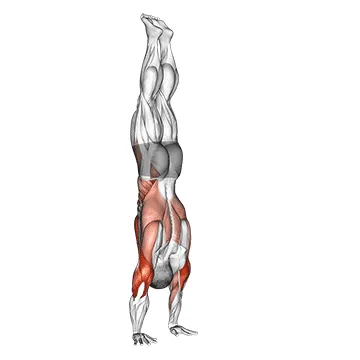
- Primary muscle
- Triceps
- Equipment
- Bodyweight
- Difficulty
- Advanced
- Type
- Compound
Secondary muscles: Shoulders, Core
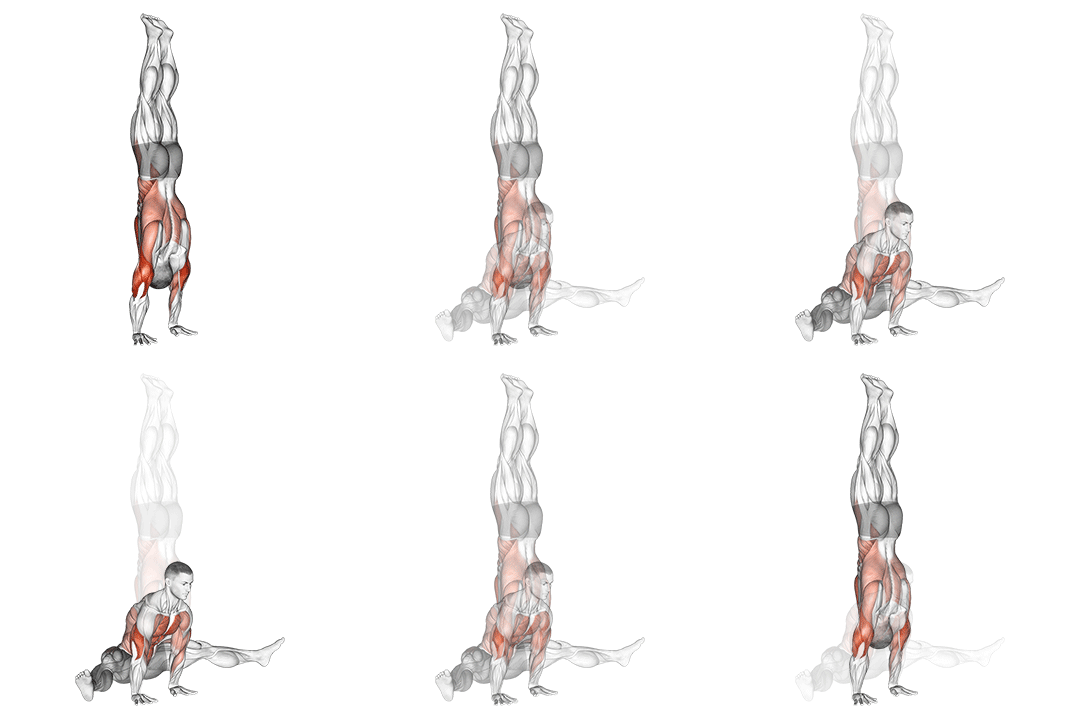
How to perform Stalder Press
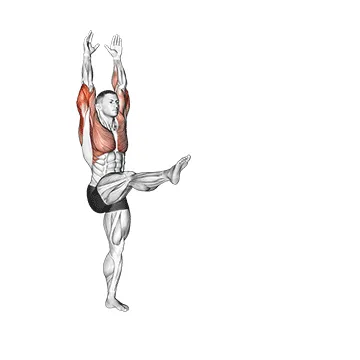
- Start by standing with your feet shoulder-width apart and your arms extended overhead.
- Bend your knees slightly and engage your core.
- Lower your body down into a squat position while keeping your arms extended overhead.
- As you squat down, press your arms down towards the ground, engaging your triceps.
- Pause for a moment at the bottom of the squat, then push through your heels to stand back up while simultaneously raising your arms back overhead.
- Repeat for the desired number of repetitions.
Ranked Stalder Press Alternatives
10 substitutes, ranked by how closely each one matches the Stalder Press on movement pattern, muscles worked, equipment and body position. The higher the score, the less you change. Open "How to perform this exercise" on a card for the steps; every card title links to that exercise's own alternatives page.
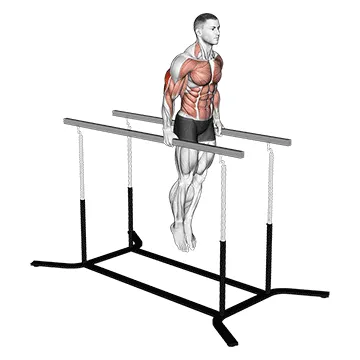
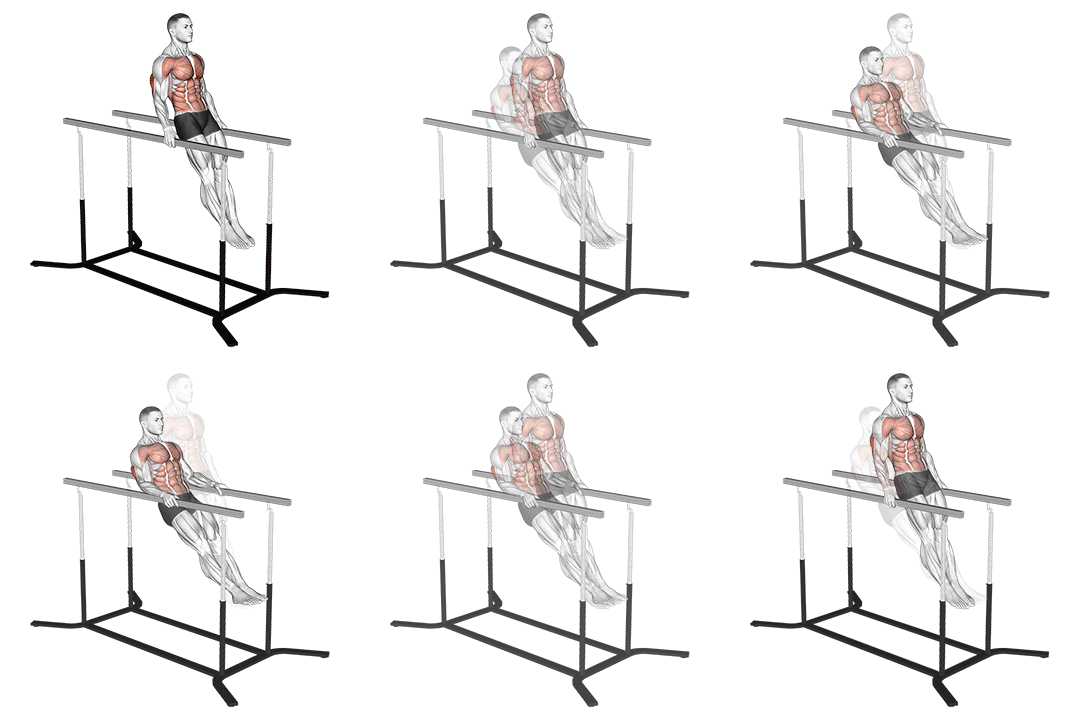
Best match 1. Impossible Dips
90% match- Triceps
- Bodyweight
- Advanced
- Compound
It uses the same equipment and still works the triceps.
How to perform this exercise
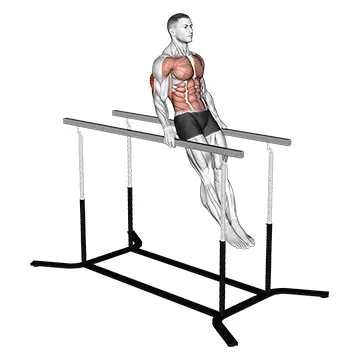
- Position yourself between two parallel bars with your arms fully extended and your body suspended in the air.
- Bend your knees and cross your ankles.
- Lower your body by bending your elbows until your upper arms are parallel to the ground.
- Pause for a moment, then push yourself back up to the starting position by straightening your arms.
- Repeat for the desired number of repetitions.
Sets and reps: 3 or 4 sets of 6 to 10 reps.
Why this matches
- Primary muscle: triceps, the same as the Stalder Press
- Equipment: bodyweight only, the same as the Stalder Press
- Body position: inverted, the same as the Stalder Press
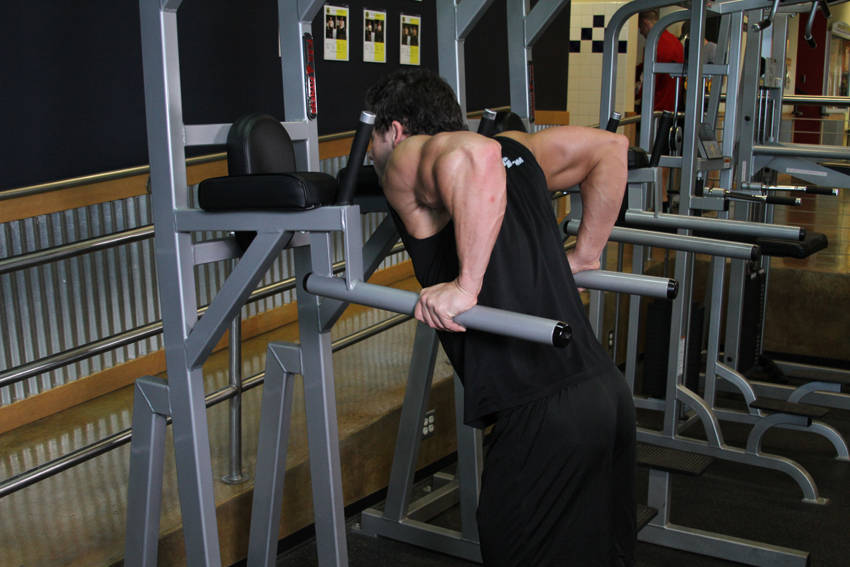
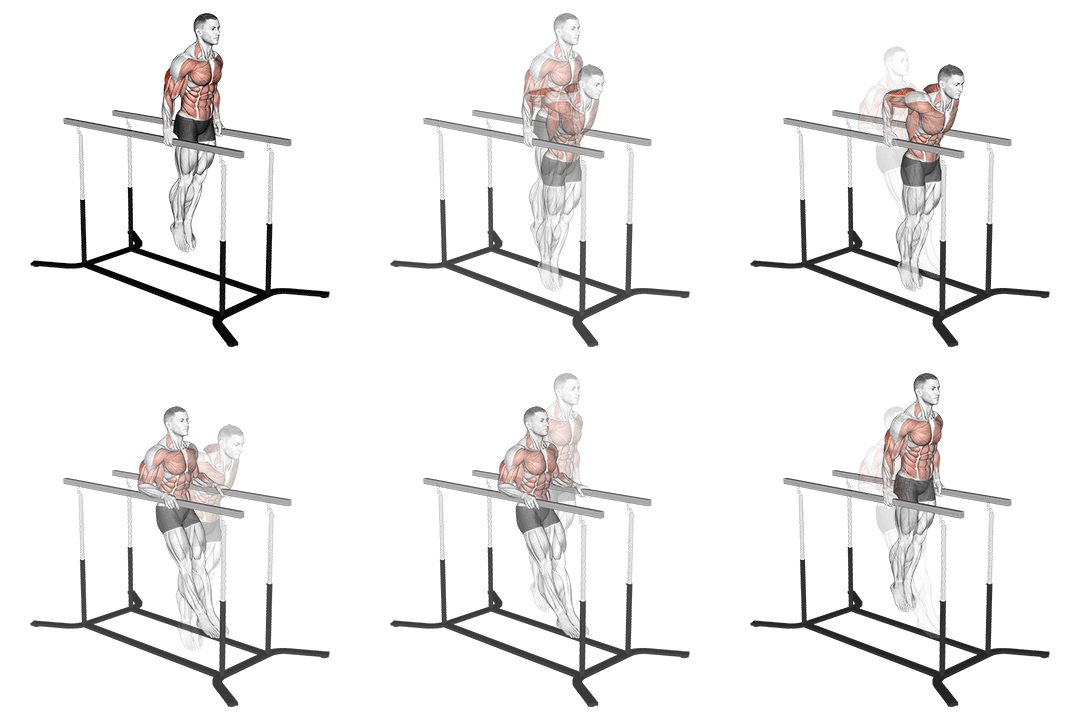
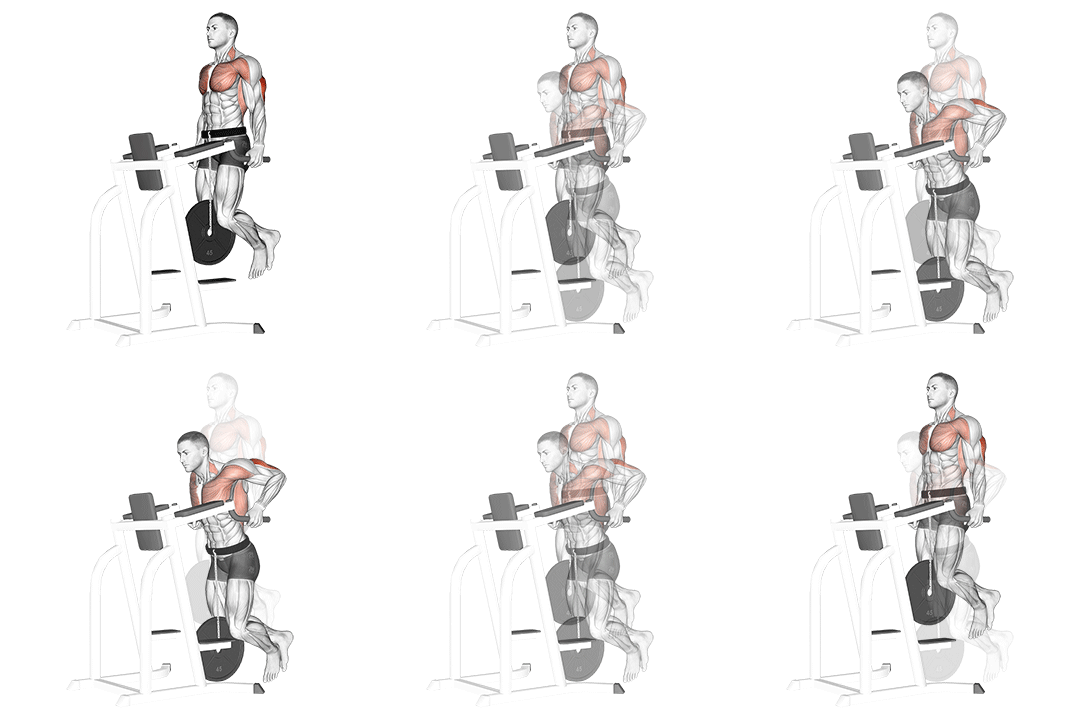
2. Dips - Triceps Version
83% match- Triceps
- Bodyweight
- Intermediate
- Compound
Pick this when you want an easier version that still works the triceps.
How to perform this exercise
- To get into the starting position, hold your body at arm's length with your arms nearly locked above the bars.
- Now, inhale and slowly lower yourself downward. Your torso should remain upright and your elbows should stay close to your body. This helps to better focus on tricep involvement. Lower yourself until there is a 90 degree angle formed between the upper arm and forearm.
- Then, exhale and push your torso back up using your triceps to bring your body back to the starting position.
- Repeat the movement for the prescribed amount of repetitions.
Sets and reps: 3 or 4 sets of 6 to 10 reps.
Why this matches
- Primary muscle: triceps, the same as the Stalder Press
- Equipment: bodyweight only, the same as the Stalder Press
- Body position: hanging, not inverted
- Balance: easier to stay steady on than the Stalder Press
3. Elbow Dips
81% match- Triceps
- Bodyweight
- Intermediate
- Compound
How to perform this exercise
- Sit on the edge of a bench or chair with your hands gripping the edge next to your hips.
- Slide your hips forward off the bench and straighten your legs, keeping your heels on the ground.
- Bend your elbows and lower your body towards the ground, keeping your back close to the bench.
- Pause for a moment at the bottom, then push through your hands to straighten your arms and lift your body back up to the starting position.
- Repeat for the desired number of repetitions.
Sets and reps: 3 or 4 sets of 6 to 10 reps.
Why this matches
- Primary muscle: triceps, the same as the Stalder Press
- Equipment: bodyweight only, the same as the Stalder Press
- Body position: standing, not inverted
- Balance: easier to stay steady on than the Stalder Press
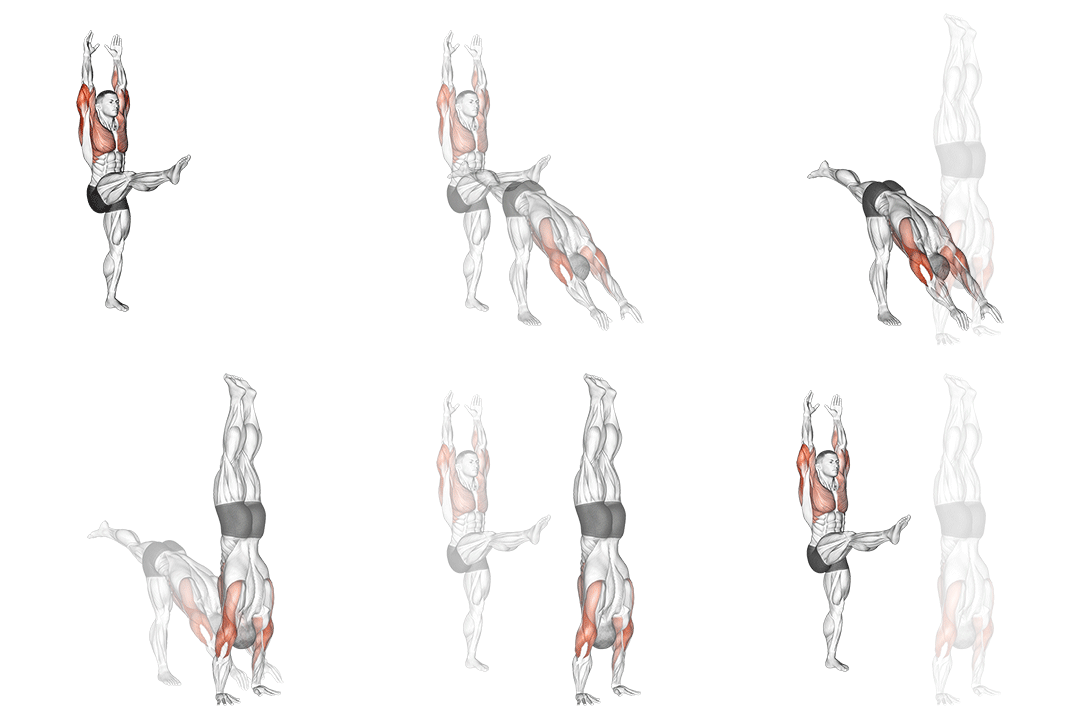
4. Handstand
75% match- Triceps
- Bodyweight
- Intermediate
- Compound
It still works the triceps, through a different movement.
How to perform this exercise
- Find an open space with enough room to perform a handstand.
- Place your hands on the ground shoulder-width apart, fingers pointing forward.
- Kick your legs up towards the wall, using your core and shoulders to maintain balance.
- Once in a handstand position, engage your triceps to support your body weight.
- Hold the handstand for as long as you can maintain balance.
- To come down, slowly lower your legs back to the ground.
- Repeat for the desired number of repetitions.
Sets and reps: Hold for 20 to 30 seconds, 3 sets.
Why this matches
- Primary muscle: triceps, the same as the Stalder Press
- Equipment: bodyweight only, the same as the Stalder Press
- Body position: inverted, the same as the Stalder Press
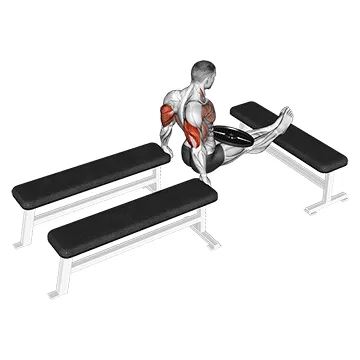
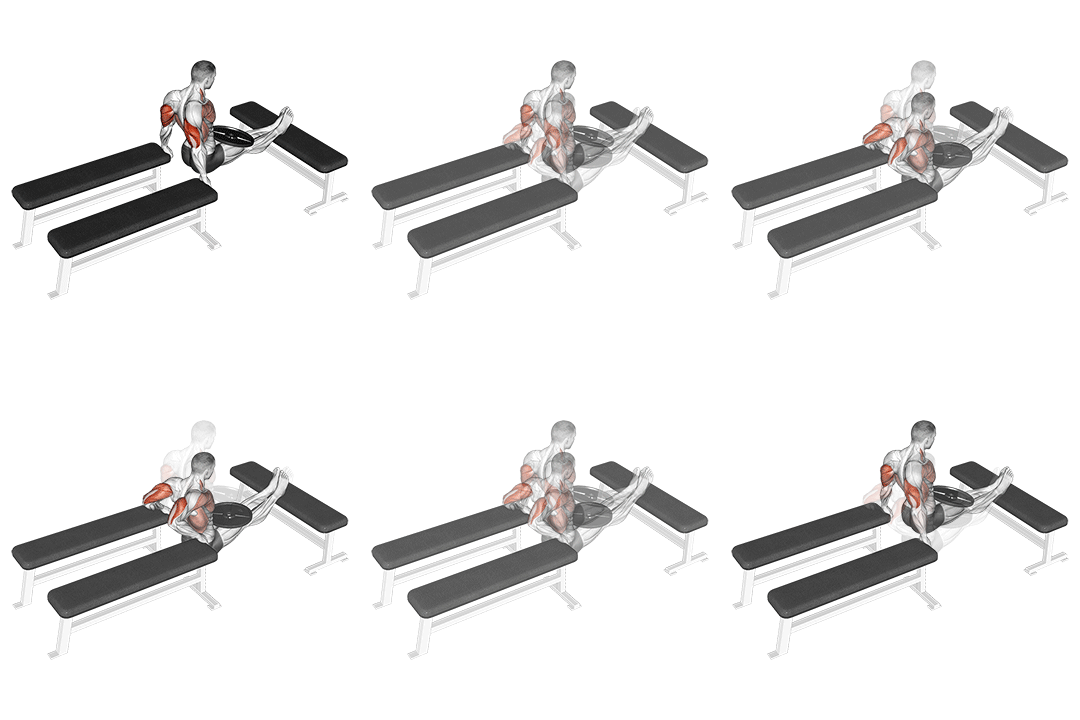
5. Weighted Three Bench Dips
73% match- Triceps
- Weighted
- Intermediate
- Compound
How to perform this exercise
- Sit on the edge of a bench with your hands gripping the edge, fingers pointing forward.
- Walk your feet forward, sliding your butt off the bench and supporting your weight with your arms.
- Lower your body by bending your elbows, keeping your back close to the bench.
- Pause for a moment at the bottom, then push yourself back up to the starting position.
- Repeat for the desired number of repetitions.
Sets and reps: 3 to 5 sets of 5 to 8 reps.
Why this matches
- Primary muscle: triceps, the same as the Stalder Press
- Equipment: free weights, not bodyweight only
- Body position: standing, not inverted
- Balance: easier to stay steady on than the Stalder Press
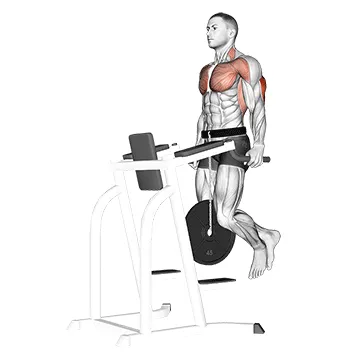
6. Weighted Tricep Dips
73% match- Triceps
- Weighted
- Intermediate
- Compound
How to perform this exercise
- Sit on the edge of a bench or chair with your hands gripping the edge next to your hips.
- Slide your butt off the front of the bench with your legs extended in front of you.
- Keep your back close to the bench and your elbows slightly bent.
- Lower your body by bending your elbows until your upper arms are parallel to the floor.
- Push yourself back up to the starting position by straightening your arms.
- Repeat for the desired number of repetitions.
Sets and reps: 3 to 5 sets of 5 to 8 reps.
Why this matches
- Primary muscle: triceps, the same as the Stalder Press
- Equipment: free weights, not bodyweight only
- Body position: standing, not inverted
- Balance: easier to stay steady on than the Stalder Press
7. Reverse Dip
73% match- Triceps
- Bodyweight
- Intermediate
- Compound
How to perform this exercise
- Position yourself between two parallel bars with your arms fully extended and your body straight.
- Lower your body by bending your elbows until your upper arms are parallel to the ground.
- Pause for a moment, then push yourself back up to the starting position by straightening your arms.
- Repeat for the desired number of repetitions.
Sets and reps: 3 or 4 sets of 6 to 10 reps.
Why this matches
- Primary muscle: triceps, the same as the Stalder Press
- Equipment: bodyweight only, the same as the Stalder Press
- Body position: standing, not inverted
- Balance: easier to stay steady on than the Stalder Press
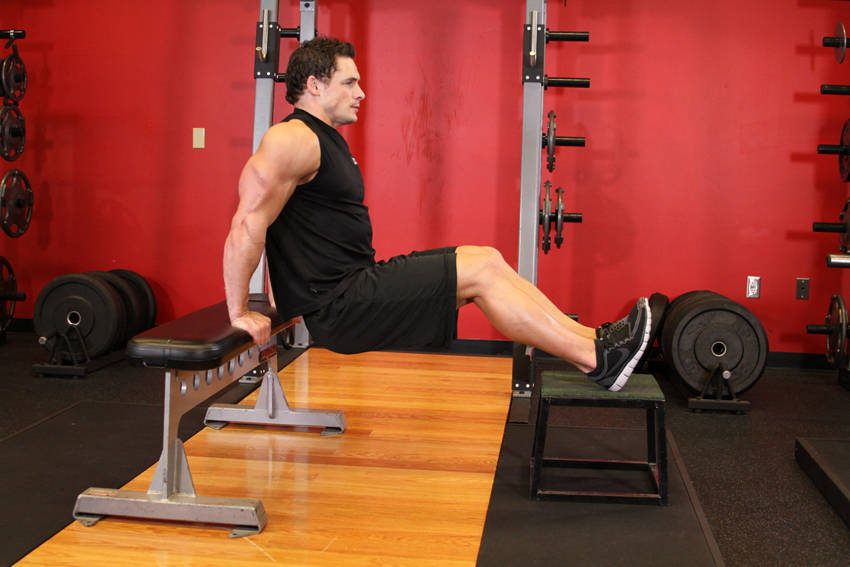
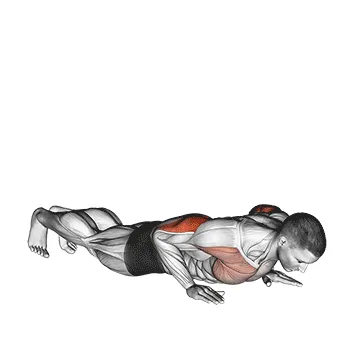
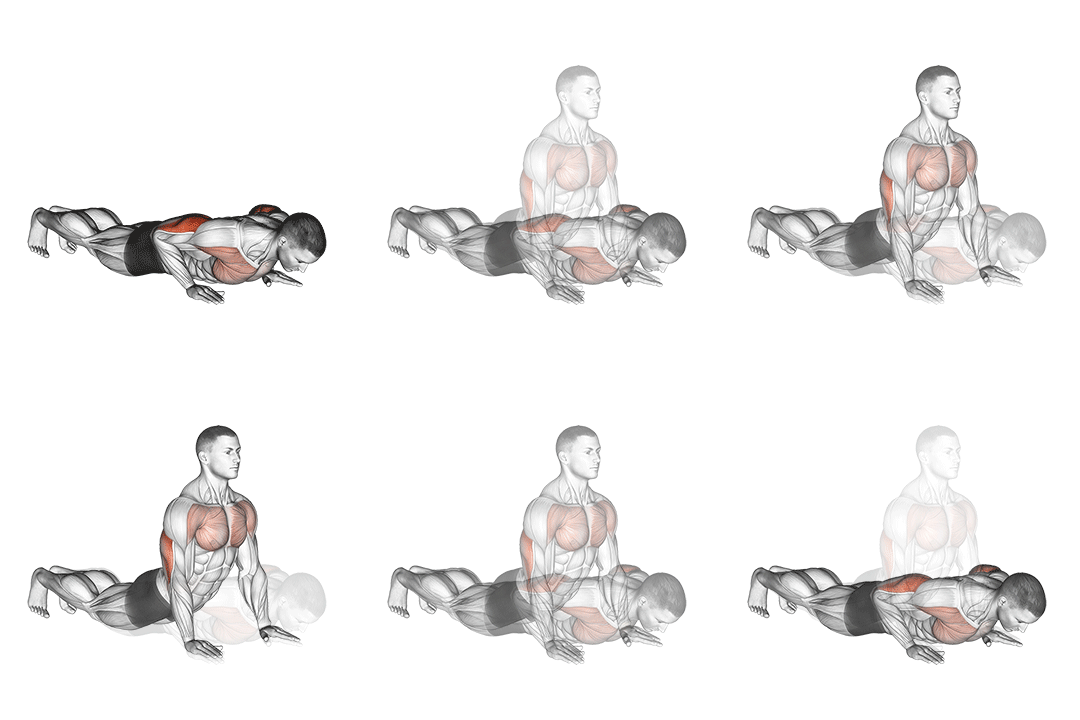
8. Bench Dips
69% match- Triceps
- Bodyweight
- Intermediate
- Compound
How to perform this exercise
- For this exercise you will need to place a bench behind your back. With the bench perpendicular to your body, and while looking away from it, hold on to the bench on its edge with the hands fully extended, separated at shoulder width. The legs will be extended forward, bent at the waist and perpendicular to your torso. This will be your starting position.
- Slowly lower your body as you inhale by bending at the elbows until you lower yourself far enough to where there is an angle slightly smaller than 90 degrees between the upper arm and the forearm. Tip: Keep the elbows as close as possible throughout the movement. Forearms should always be pointing down.
- Using your triceps to bring your torso up again, lift yourself back to the starting position.
- Repeat for the recommended amount of repetitions.
Sets and reps: 3 or 4 sets of 6 to 10 reps.
Why this matches
- Primary muscle: triceps, the same as the Stalder Press
- Equipment: bodyweight only, the same as the Stalder Press
- Body position: seated, not inverted
- Balance: easier to stay steady on than the Stalder Press
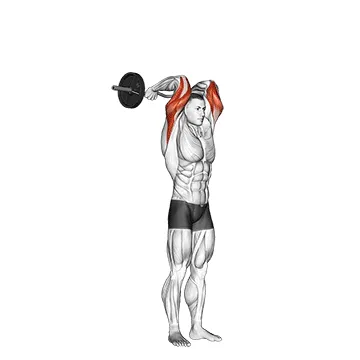
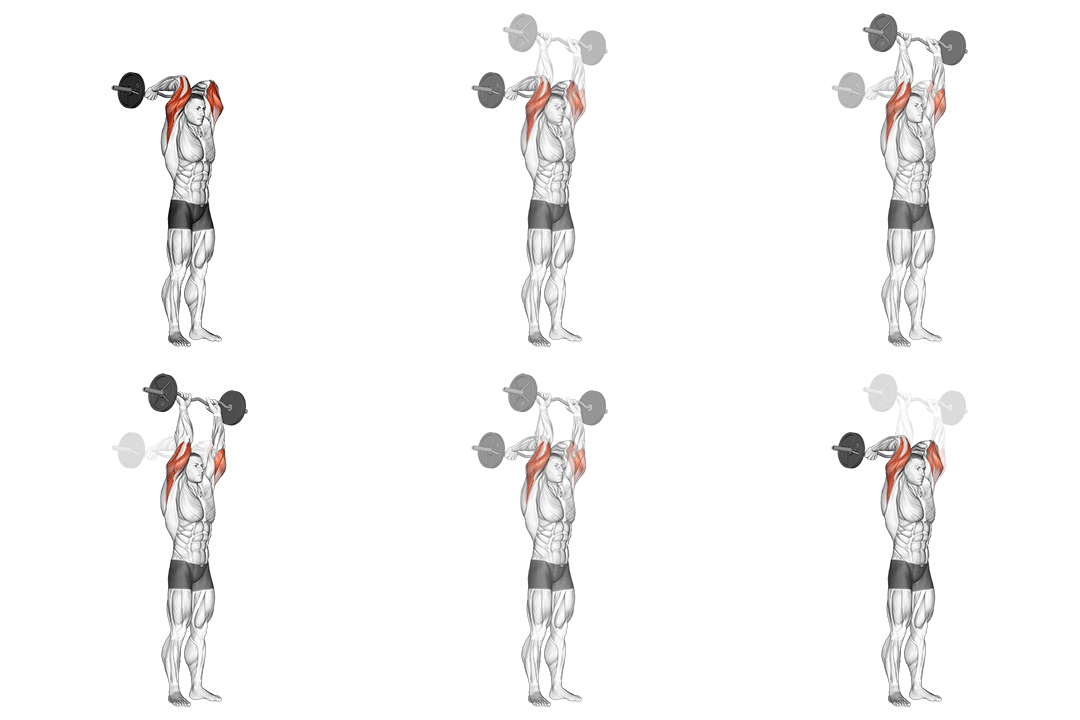
9. EZ Bar Standing French Press
67% match- Triceps
- Ez-barbell
- Intermediate
- Isolation
How to perform this exercise
- Stand with your feet shoulder-width apart and hold the ez barbell with an overhand grip.
- Raise the barbell above your head, fully extending your arms.
- Keeping your upper arms close to your head, slowly lower the barbell behind your head by bending your elbows.
- Pause for a moment, then extend your arms back to the starting position.
- Repeat for the desired number of repetitions.
Sets and reps: 3 sets of 10 to 15 reps.
Why this matches
- Primary muscle: triceps, the same as the Stalder Press
- Equipment: free weights, not bodyweight only
- Body position: standing, not inverted
- Balance: easier to stay steady on than the Stalder Press
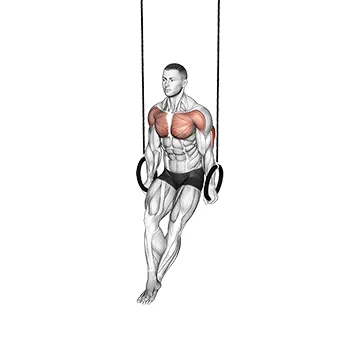
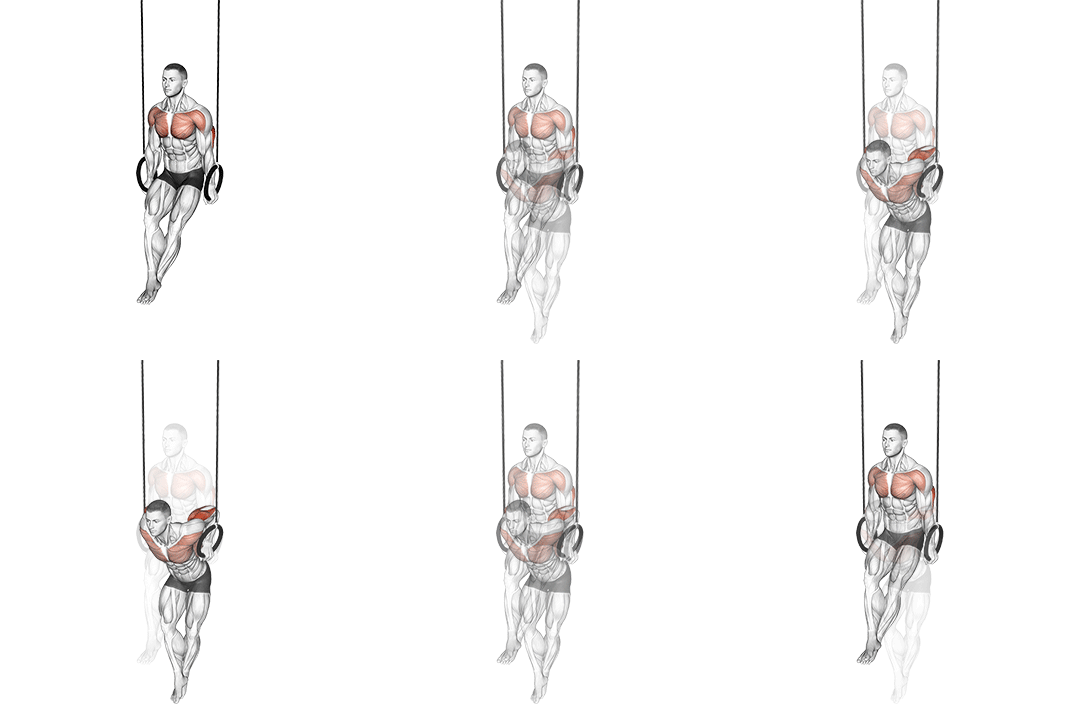
10. Ring Dips
66% match- Triceps
- Bodyweight
- Advanced
- Compound
How to perform this exercise
- Start by hanging from the rings with your arms fully extended and your body straight.
- Lower your body by bending your elbows until your shoulders are below your elbows.
- Push yourself back up to the starting position by straightening your arms.
- Repeat for the desired number of repetitions.
Sets and reps: 3 to 5 sets of 5 to 8 reps.
Why this matches
- Primary muscle: triceps, the same as the Stalder Press
- Equipment: a suspension trainer, not bodyweight only
- Body position: standing, not inverted
Stalder Press FAQ
What muscles does Stalder Press work?
The Stalder Press primarily targets the triceps via elbow extension while stressing anterior deltoids and pectoralis major for horizontal support. It also demands core anti‑extension and scapular stability; cue: maintain a hollow body and protracted scapula to transfer force through the arms.
Find Alternatives for Any Exercise
Search the exercise database and filter the ranked substitutes by the equipment you own.
Similarity scores compare exercise metadata such as movement pattern, muscles, equipment and body position. They are not a safety rating or a check that you own the equipment. Learn about our methodology