

10 Best Standing Dumbbell Upright Row Alternatives for Shoulder-Friendly Training
If the standing dumbbell upright row causes shoulder pain or you lack the right load, choose trap-focused swaps that protect the glenohumeral joint. Solid alternatives include barbell high pulls, dumbbell shrugs, face pulls, incline dumbbell rows, and farmer’s carries. Cue for each: lead with the elbows, keep the scapula stable, and feel the traps contract at peak range.
Original Exercise: Standing Dumbbell Upright Row
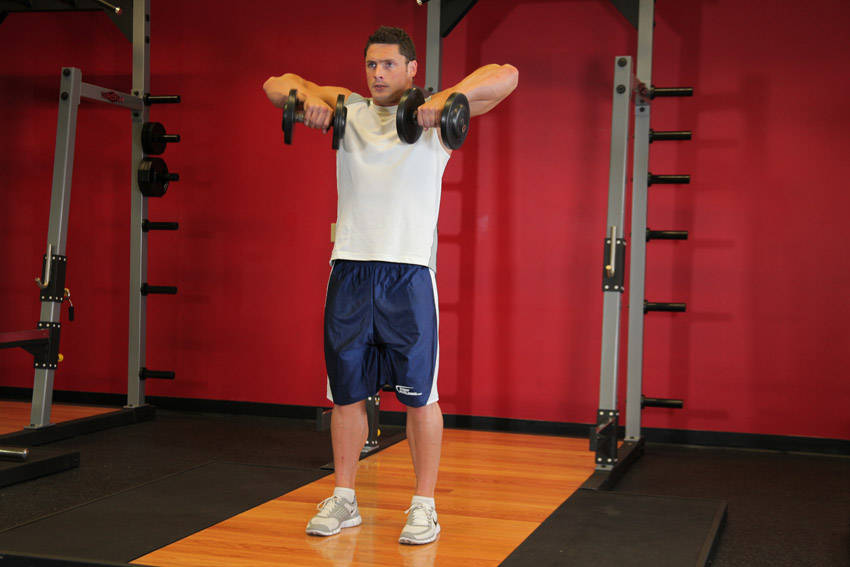
How to Perform Standing Dumbbell Upright Row
- Grasp a dumbbell in each hand with a pronated (palms forward) grip that is slightly less than shoulder width. The dumbbells should be resting on top of your thighs. Your arms should be extended with a slight bend at the elbows and your back should be straight. This will be your starting position.
- Use your side shoulders to lift the dumbbells as you exhale. The dumbbells should be close to the body as you move it up and the elbows should drive the motion. Continue to lift them until they nearly touch your chin. Tip: Your elbows should drive the motion. As you lift the dumbbells, your elbows should always be higher than your forearms. Also, keep your torso stationary and pause for a second at the top of the movement.
- Lower the dumbbells back down slowly to the starting position. Inhale as you perform this portion of the movement.
- Repeat for the recommended amount of repetitions.
Pro Tips
- Category: Strength
- Force: Pull
- Movement type: Compound
Ranked Standing Dumbbell Upright Row Alternatives
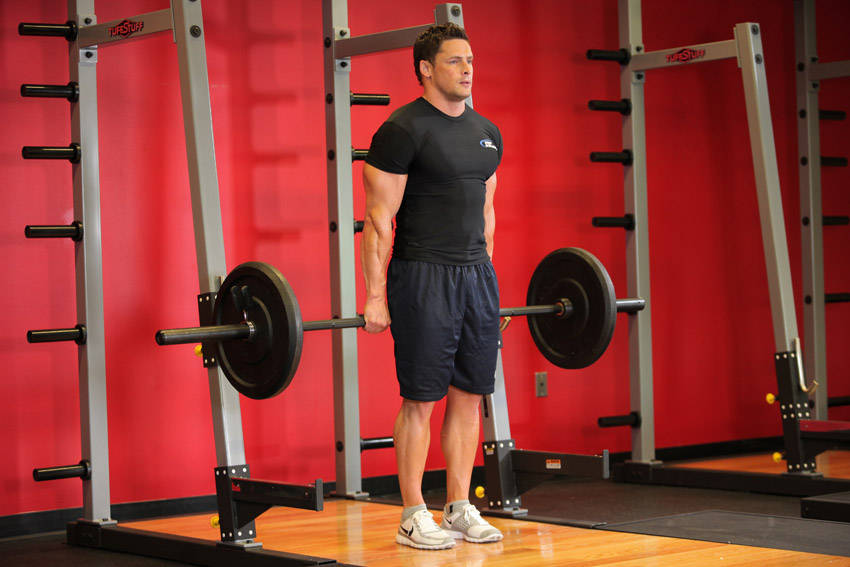
1. Barbell Shrug Behind The Back
85.7% MatchHow to perform this exercise
- Stand up straight with your feet at shoulder width as you hold a barbell with both hands behind your back using a pronated grip (palms facing back). Tip: Your hands should be a little wider than shoulder width apart. You can use wrist wraps for this exercise for better grip. This will be your starting position.
- Raise your shoulders up as far as you can go as you breathe out and hold the contraction for a second. Tip: Refrain from trying to lift the barbell by using your biceps. The arms should remain stretched out at all times.
- Slowly return to the starting position as you breathe in.
- Repeat for the recommended amount of repetitions.
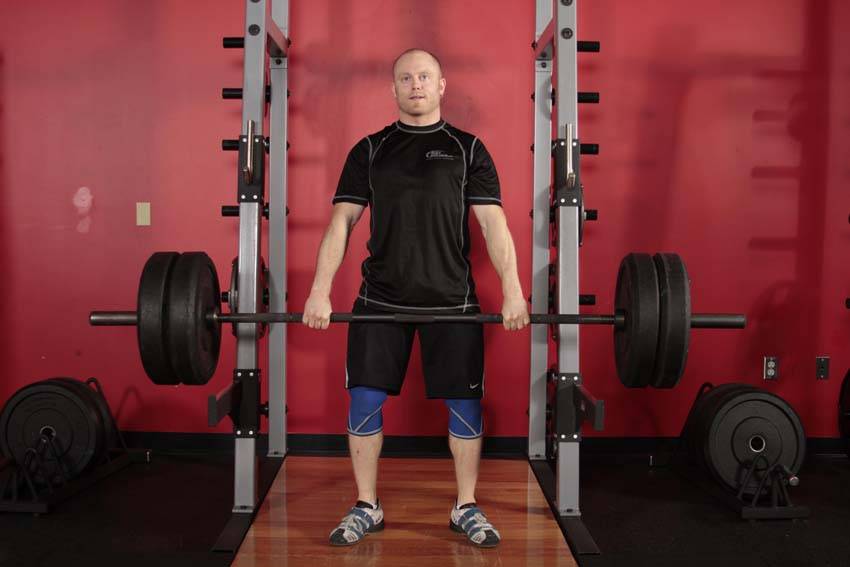
2. Clean Shrug
81.2% MatchHow to perform this exercise
- Begin with a shoulder width, double overhand or hook grip, with the bar hanging at the mid thigh position. Your back should be straight and inclined slightly forward.
- Shrug your shoulders towards your ears. While this exercise can usually by loaded with heavier weight than a clean, avoid overloading to the point that the execution slows down.
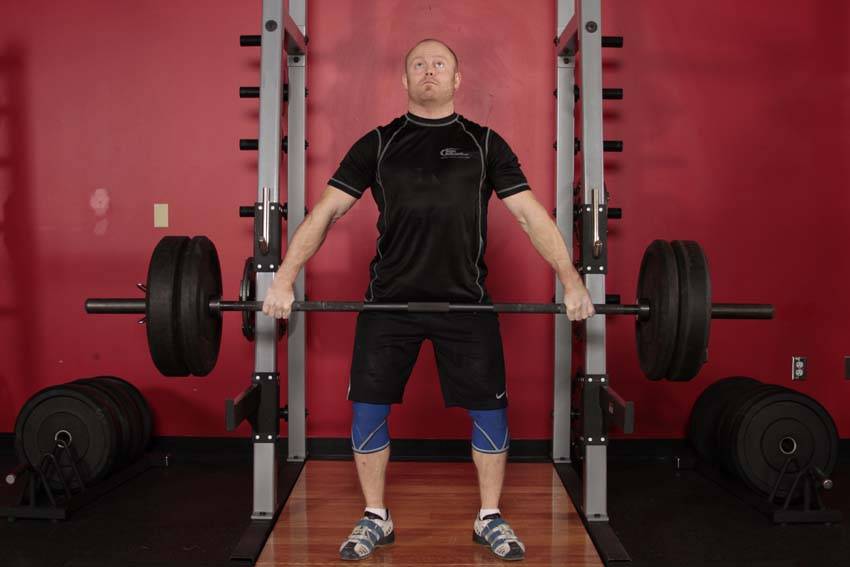
3. Snatch Shrug
75.7% MatchHow to perform this exercise
- Begin with a wide grip, with the bar hanging at the mid thigh position. You can use a hook or overhand grip. Your back should be straight and inclined slightly forward.
- Shrug your shoulders towards your ears. While this exercise can usually by loaded with heavier weight than a snatch, avoid overloading to the point that the execution slows down.
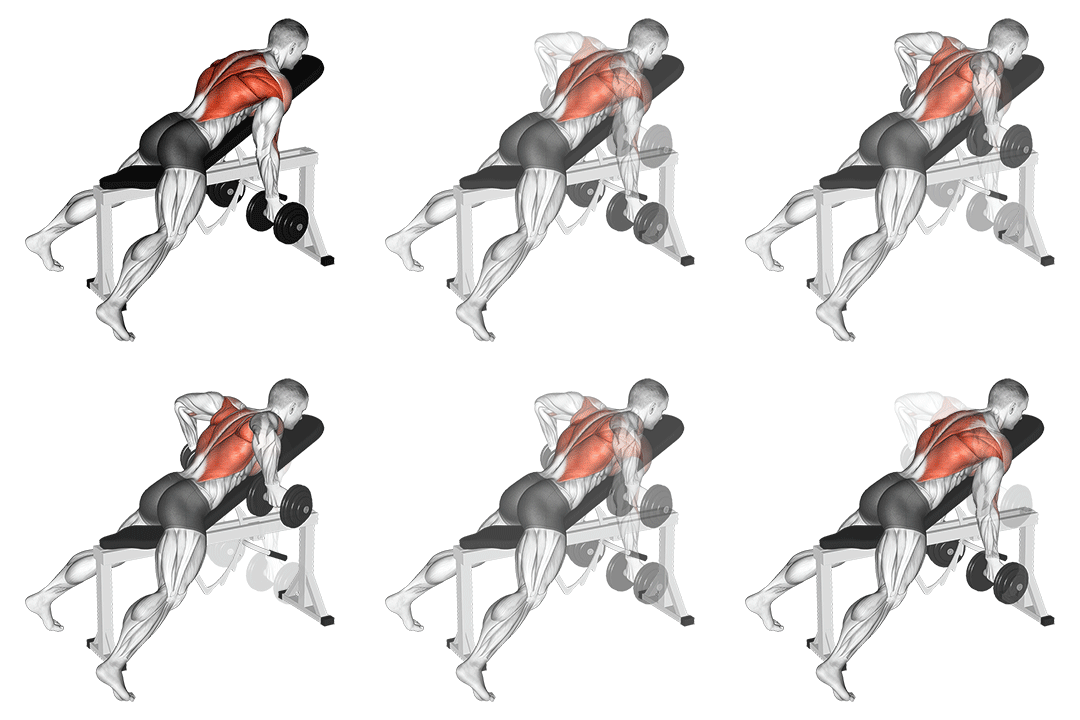
4. Dumbbell Reverse Grip Incline Bench Two Arm Row
73.4% MatchHow to perform this exercise
- Set up an incline bench at a 45-degree angle.
- Sit on the bench with your chest against the backrest and your feet flat on the ground.
- Hold a dumbbell in each hand with an underhand grip.
- Lean forward and let your arms hang straight down, fully extended.
- Pull the dumbbells up towards your chest, squeezing your shoulder blades together.
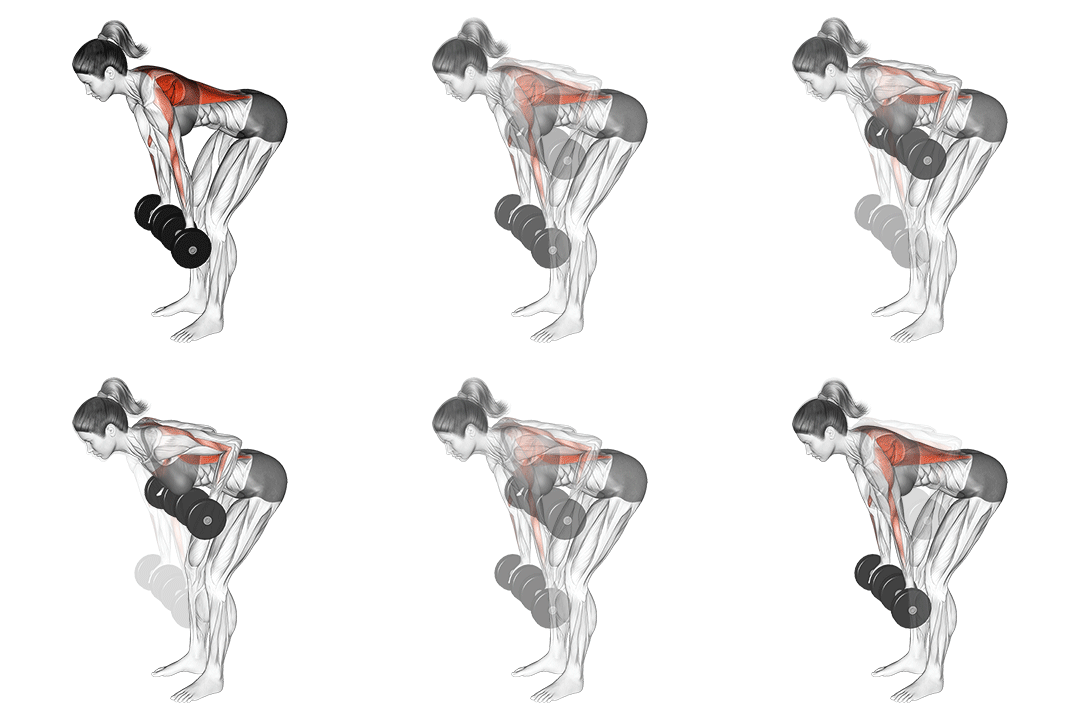
5. Dumbbell Reverse Grip Row (female)
72.4% MatchHow to perform this exercise
- Stand with your feet shoulder-width apart and knees slightly bent.
- Hold a dumbbell in each hand with an overhand grip, palms facing your body.
- Bend forward at the waist, keeping your back straight and your core engaged.
- Let your arms hang straight down, fully extended, with a slight bend in your elbows.
- Pull the dumbbells up towards your chest, squeezing your shoulder blades together.
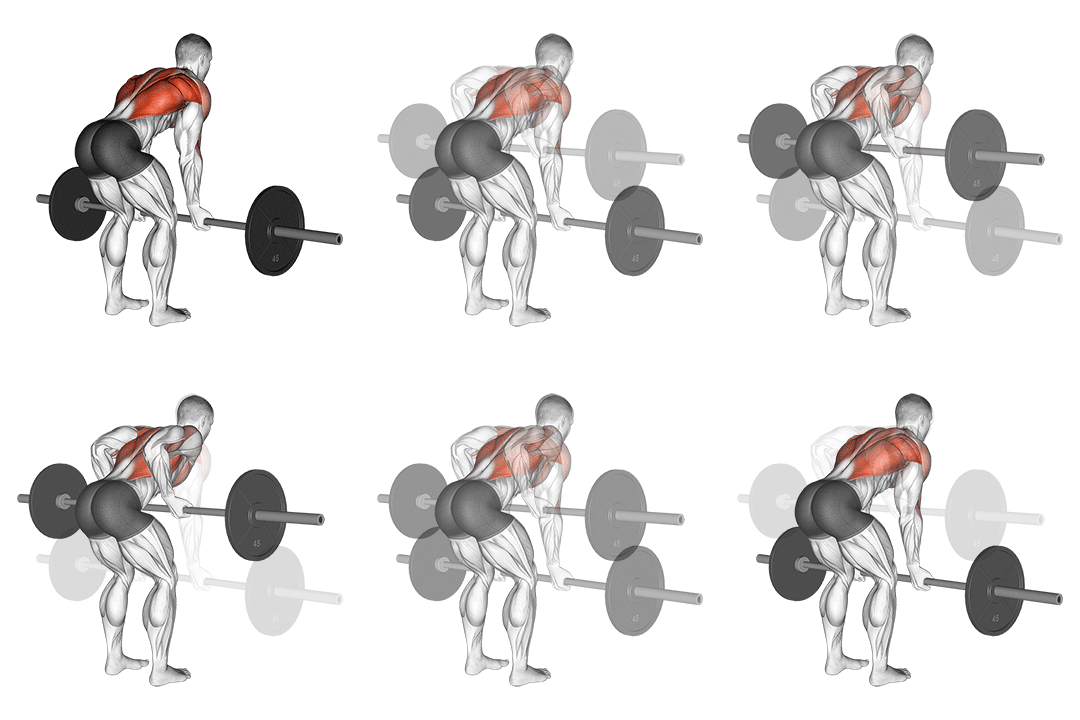
6. Barbell Reverse Grip Bent Over Row
72.4% MatchHow to perform this exercise
- Stand with your feet shoulder-width apart and knees slightly bent.
- Hold a barbell with an overhand grip, palms facing down, and hands slightly wider than shoulder-width apart.
- Bend forward at the hips, keeping your back straight and chest up, until your torso is almost parallel to the floor.
- Pull the barbell towards your lower chest, squeezing your shoulder blades together.
- Pause for a moment at the top, then slowly lower the barbell back to the starting position.
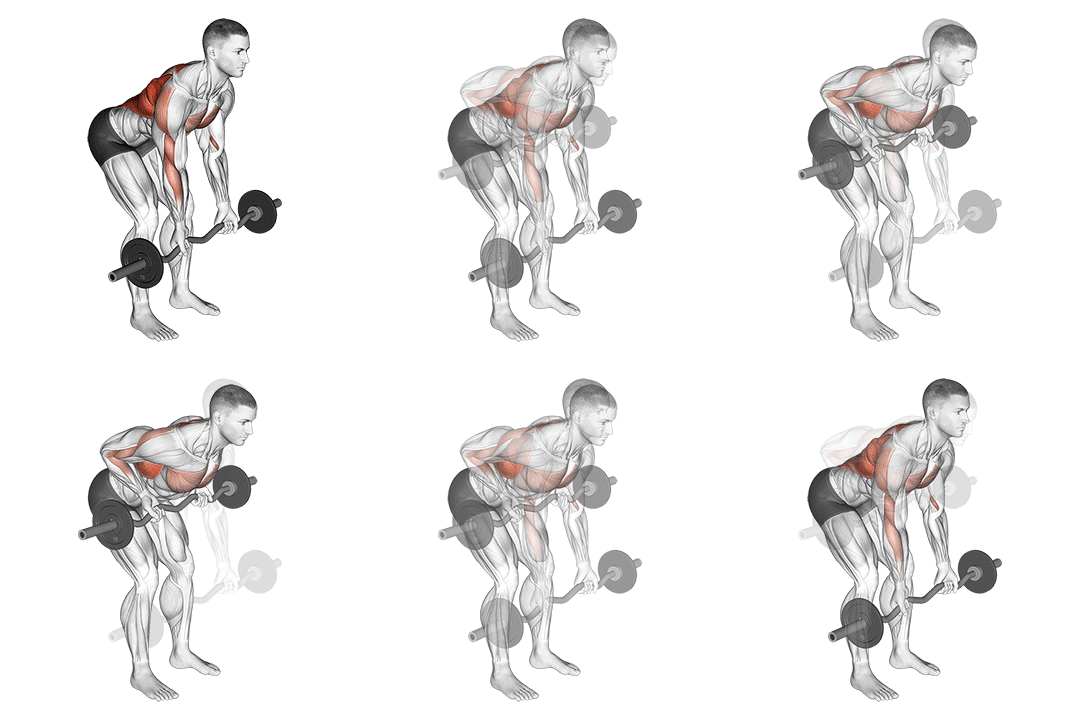
7. Ez Bar Reverse Grip Bent Over Row
72.4% MatchHow to perform this exercise
- Stand with your feet shoulder-width apart and knees slightly bent.
- Hold the ez barbell with an underhand grip, palms facing up, and hands shoulder-width apart.
- Bend forward at the hips, keeping your back straight and chest up, until your torso is almost parallel to the floor.
- Pull the ez barbell towards your lower chest, squeezing your shoulder blades together.
- Pause for a moment at the top, then slowly lower the ez barbell back to the starting position.
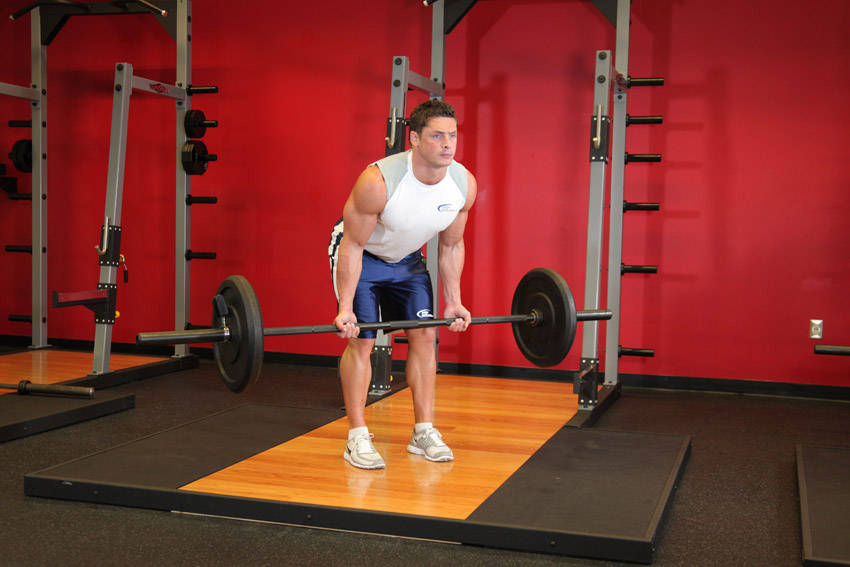
8. Reverse Grip Bent-Over Rows
72.4% MatchHow to perform this exercise
- Stand erect while holding a barbell with a supinated grip (palms facing up).
- Bend your knees slightly and bring your torso forward, by bending at the waist, while keeping the back straight until it is almost parallel to the floor. Tip: Make sure that you keep the head up. The barbell should hang directly in front of you as your arms hang perpendicular to the floor and your torso. This is your starting position.
- While keeping the torso stationary, lift the barbell as you breathe out, keeping the elbows close to the body and not doing any force with the forearm other than holding the weights. On the top contracted position, squeeze the back muscles and hold for a second.
- Slowly lower the weight again to the starting position as you inhale.
- Repeat for the recommended amount of repetitions.
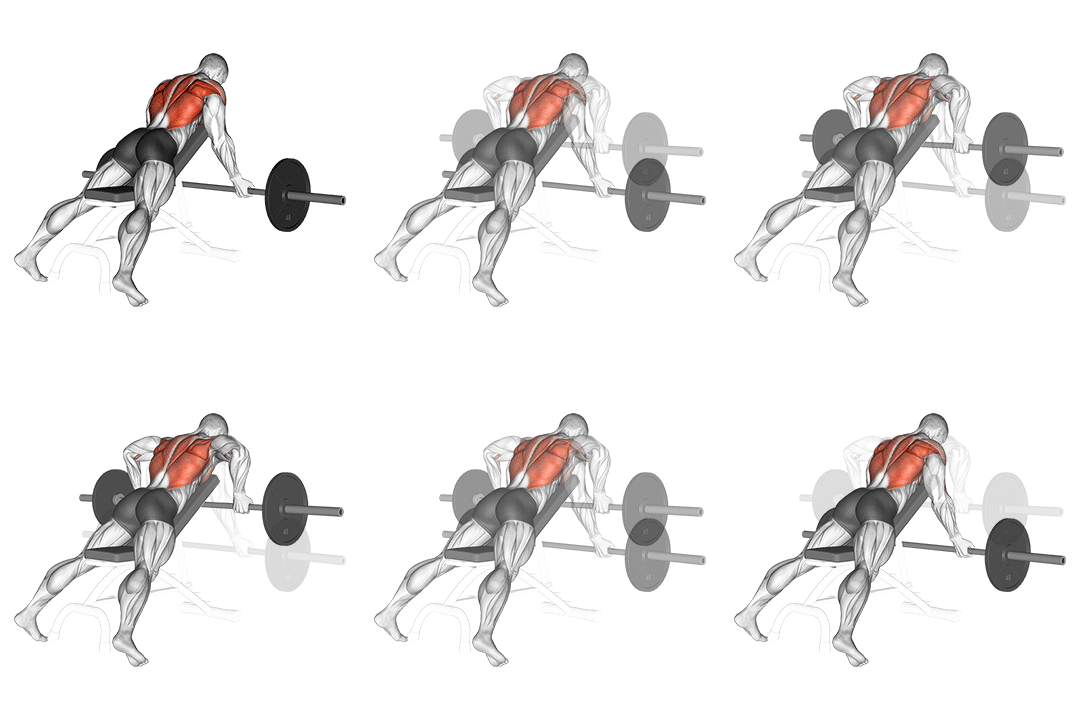
9. Barbell Reverse Grip Incline Bench Row
72.1% MatchHow to perform this exercise
- Set up an incline bench at a 45-degree angle.
- Sit on the bench facing the backrest with your chest against it.
- Grab the barbell with a reverse grip (palms facing down) and hands slightly wider than shoulder-width apart.
- Keep your back straight and core engaged.
- Pull the barbell towards your upper abdomen, squeezing your shoulder blades together.
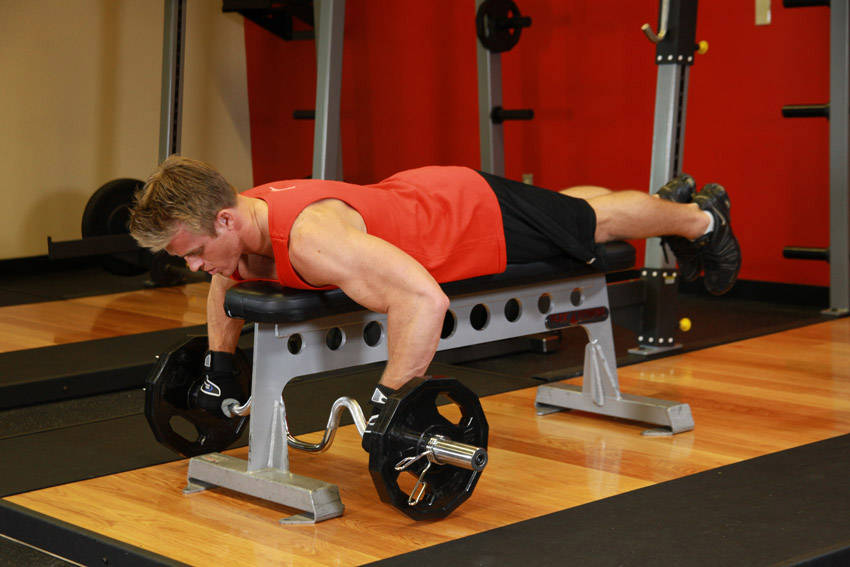
10. Lying Cambered Barbell Row
71.4% MatchHow to perform this exercise
- Place a cambered bar underneath an exercise bench.
- Lie face down on the exercise bench and grab the bar using a palms down (pronated grip) that is wider than shoulder width. This will be your starting position.
- As you exhale row the bar up as you keep the elbows close to your body to either your chest, in order to target the upper mid back, or to your stomach if targeting the lats is your goal.
- After a second hold at the top, lower back down to the starting position slowly as you inhale.
Why You Might Need a Standing Dumbbell Upright Row Alternative
You may substitute the upright row because it can compress the subacromial space and aggravate impingement at end-range shoulder elevation. Equipment limits, programming variety, or a desire for stronger scapular control also drive substitutions. Pick movements that load the upper trapezius and scapular stabilizers without excessive internal rotation; for example, perform face pulls with high elbow alignment to emphasize lower and middle traps and avoid impingement. Use shrugs or farmer’s carries to isolate trap force production, hold tension through scapular elevation while maintaining a neutral cervical spine.
How to Choose the Right Substitute
Select a substitute based on equipment, desired muscle emphasis, and shoulder mechanics. If you want vertical pull mechanics similar to upright rows, choose barbell high pulls and cue explosive hip drive with elbows high to load the upper traps and posterior chain. For trap isolation and lower shoulder stress, pick dumbbell shrugs or farmer’s carries and focus on a full scapular elevation and pause at top. If you need scapular retraction and posterior chain balance, pick face pulls or incline rows and cue scapular squeeze with elbows tracking rearward. Progress by increasing load, tempo, or unilateral variations to address asymmetries.
Frequently Asked Questions
What muscles does Standing Dumbbell Upright Row work?
The upright row primarily targets the upper trapezius, lateral deltoid, and to a lesser extent the rhomboids and levator scapulae. Movement biomechanics demand upward scapular rotation and elevation, so you’ll feel the traps contract as the elbows lead the bar upward.
What is the best bodyweight alternative to Standing Dumbbell Upright Row?
A high-rep bodyweight inverted row with feet elevated shifts emphasis toward the upper back and traps while avoiding shoulder impingement. Cue: pull your chest to the bar with elbows high and retract the scapula at the top to maximize trap and rhomboid activation.
Can I build muscle without doing Standing Dumbbell Upright Row?
Yes, you can build the traps and upper back using many other movements like shrugs, high pulls, rows, and carries. Prioritize progressive overload, full scapular range of motion, and consistent tension on the traps to stimulate hypertrophy without relying on upright rows.
More Exercise Alternatives
Find Alternatives for Any Exercise
Use the exercise substitution finder to compare ranked alternatives for your available equipment and training preference.
Try the Exercise Substitution Finder →