

10 Best Standing Hip Flexors Alternatives for Limited Equipment
What to do instead of Standing Hip Flexors: choose movements like seated knee extensions, banded marching, cable knee drives, straight-leg raises, or split squats. Drive the knee up with intent, keep the lumbar spine neutral, and consciously contract the rectus femoris to load the quadriceps while limiting compensatory hip extension.
Original Exercise: Standing Hip Flexors
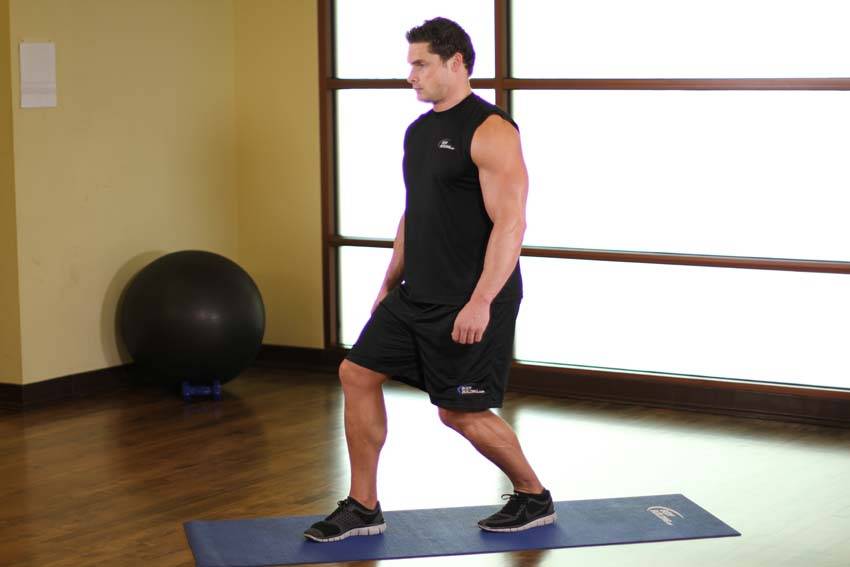
How to Perform Standing Hip Flexors
- Stand up straight with the spine vertical, the left foot slightly in front of the right.
- Bend both knees and lift the back heel off the floor as you press the right hip forward. You can't get a thorough, deep stretch in this position, however, because it's hard to relax the hip flexor and stand on it at the same time. Switch sides.
Pro Tips
- Category: Stretching
- Force: Static
- Movement type: Isolation
Ranked Standing Hip Flexors Alternatives
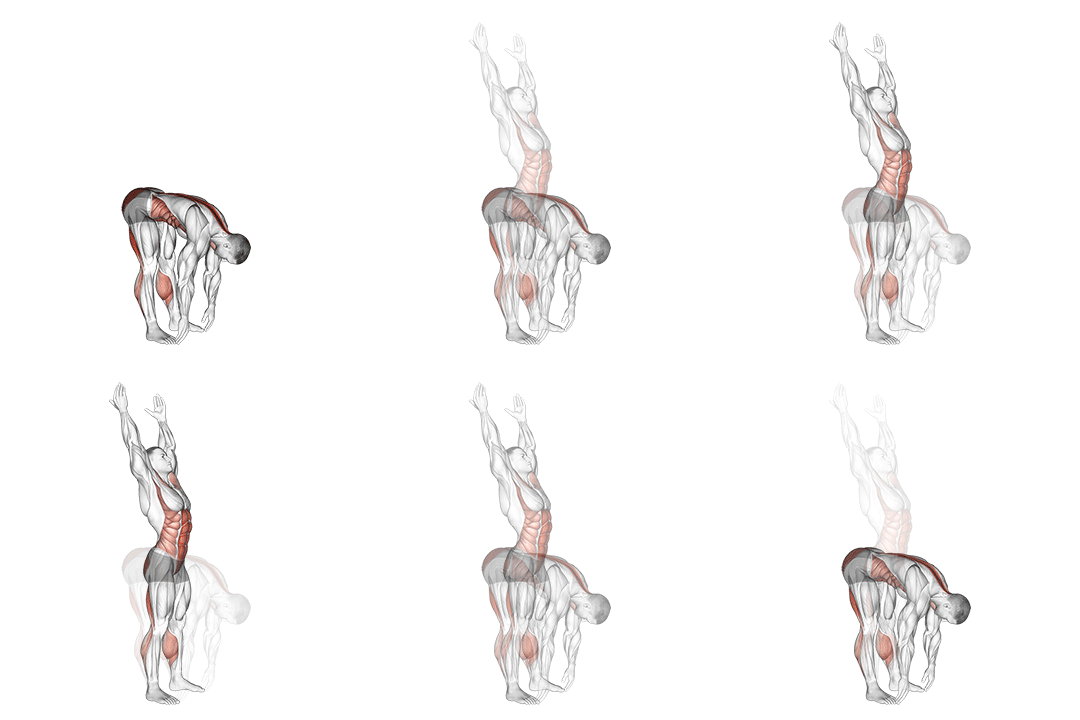
1. Basic Toe Touch (male)
74.2% MatchHow to perform this exercise
- Stand with your feet shoulder-width apart and your arms by your sides.
- Bend forward at the waist, keeping your back straight and your knees slightly bent.
- Reach down towards your toes with your hands, keeping your legs as straight as possible.
- Pause for a moment at the bottom, then slowly return to the starting position.
- Repeat for the desired number of repetitions.
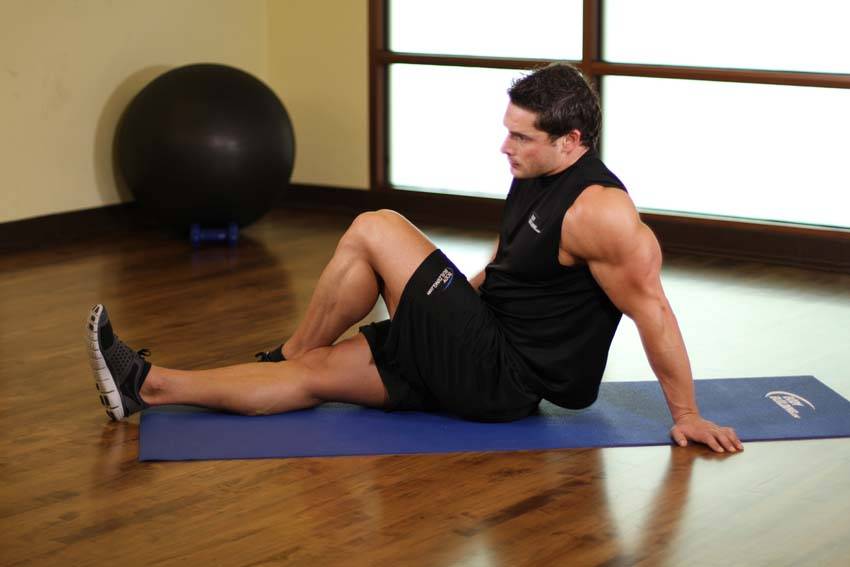
2. Dancer's Stretch
74% MatchHow to perform this exercise
- Sit up on the floor.
- Cross your right leg over your left, keeping the knee bent. Your left leg is straight and down on the floor.
- Place your left arm on your right leg and your right hand on the floor.
- Rotate your upper body to the right, and hold for 10-20 seconds. Switch sides.
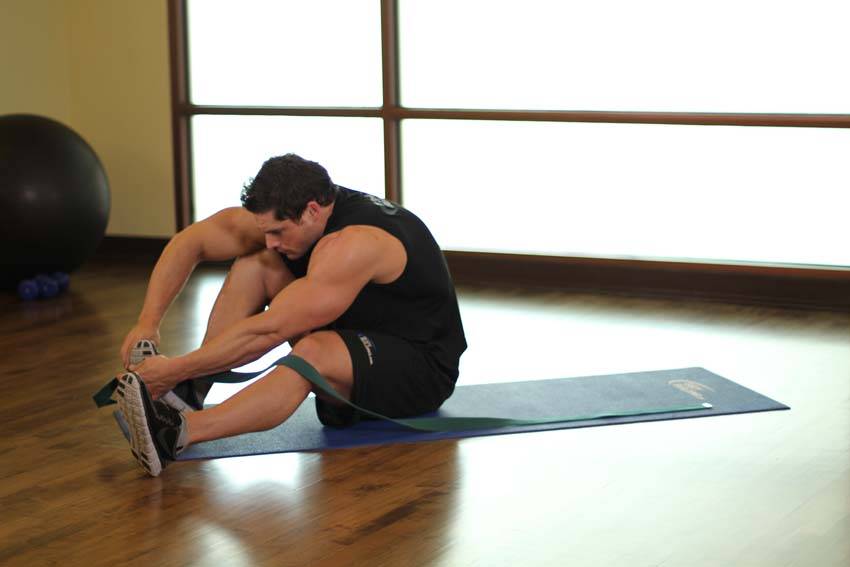
3. IT Band And Glute Stretch
69.2% MatchHow to perform this exercise
- Loop a belt, rope, or band around one of your feet, and swing that leg across your body to the opposite side, keeping the leg extended as you lay on the ground. This will be your starting position.
- Keeping your foot off of the floor, pull on the belt, using the tension to pull the toes up. Hold for 10-20 seconds, and repeat on the other side.
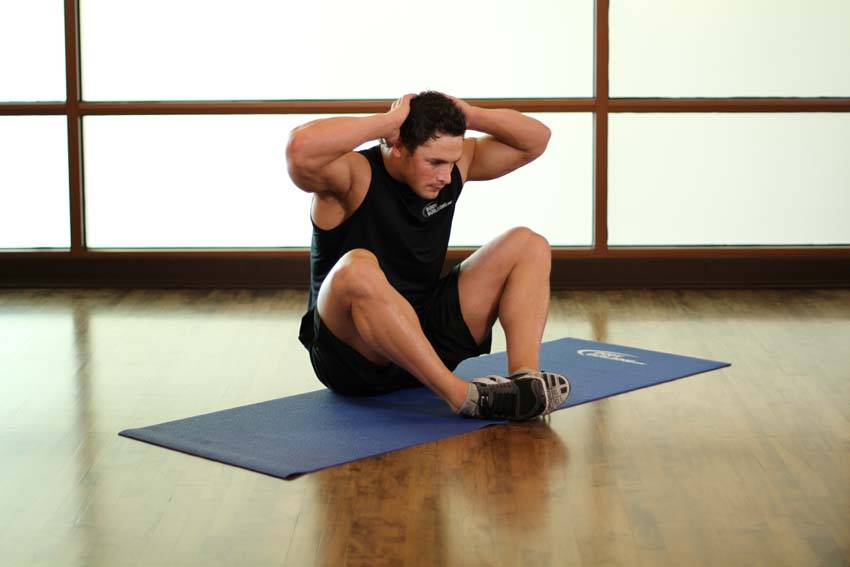
4. Groin And Back Stretch
69.2% MatchHow to perform this exercise
- Sit on the floor with your knees bent and feet together.
- Interlock your fingers behind your head. This will be your starting position.
- Curl downwards, bringing your elbows to the inside of your thighs. After a brief pause, return to the starting position with your head up and your back straight. Repeat for 10-20 repetitions.
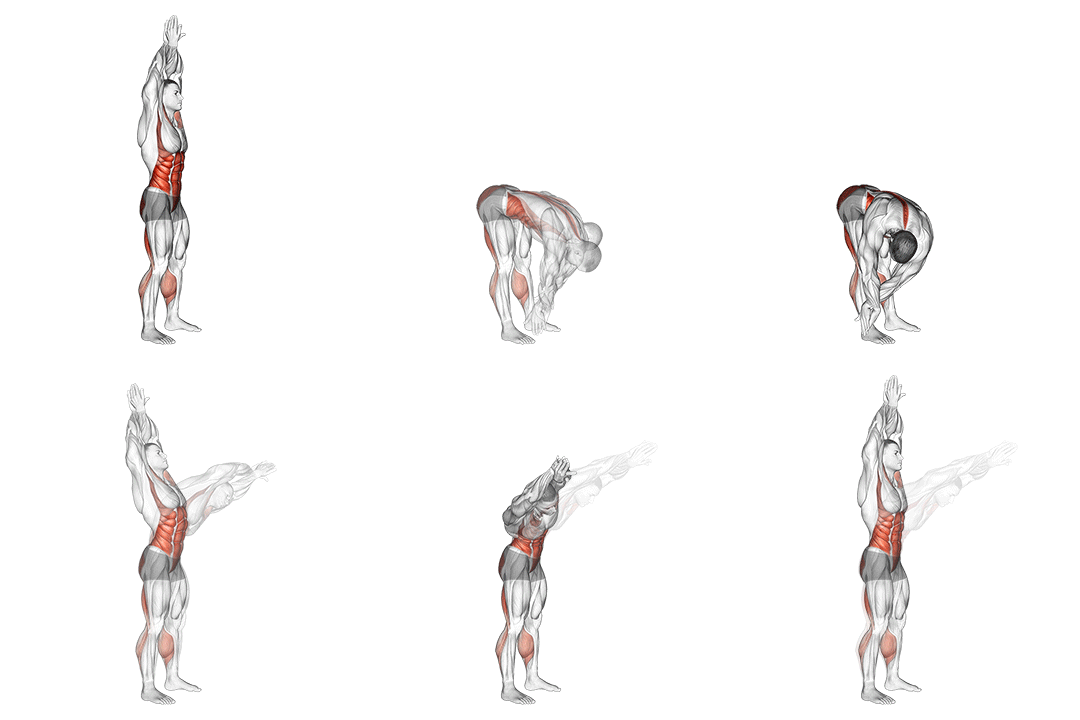
5. Hands Reversed Clasped Circular Toe Touch (male)
69.2% MatchHow to perform this exercise
- Stand with your feet shoulder-width apart and your arms extended to the sides.
- Bend forward at the waist, keeping your back straight and your knees slightly bent.
- Reach down with your hands and clasp them together behind your legs.
- Slowly raise your hands up and over your head in a circular motion, keeping your legs straight.
- Continue the circular motion until your hands touch your toes.
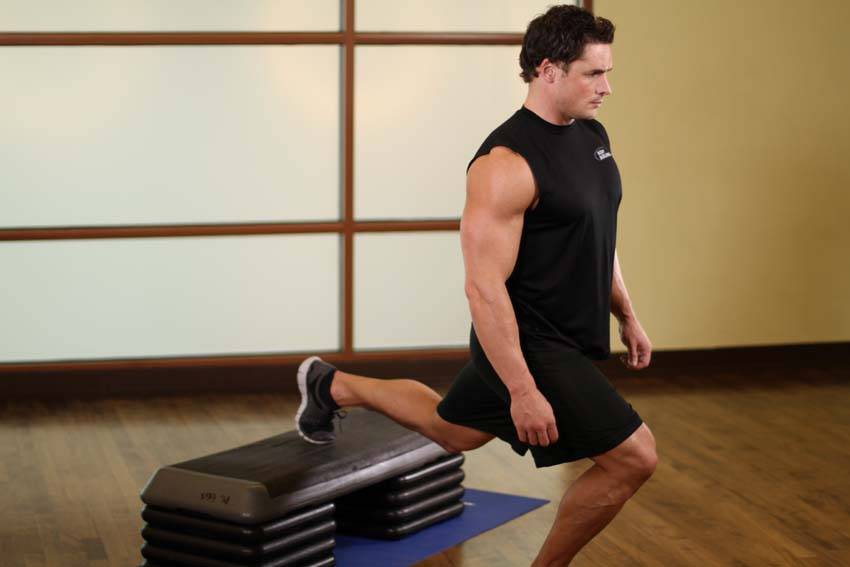
6. Standing Elevated Quad Stretch
67.2% MatchHow to perform this exercise
- Start by standing with your back about two to three feet away from a bench or step.
- Lift one leg behind you and rest your foot on the step,either on your instep or the ball of your foot, whichever you find most comfortable.
- Keep your supporting knee slightly bent and avoid letting that knee extend out beyond your toes. Switch sides.
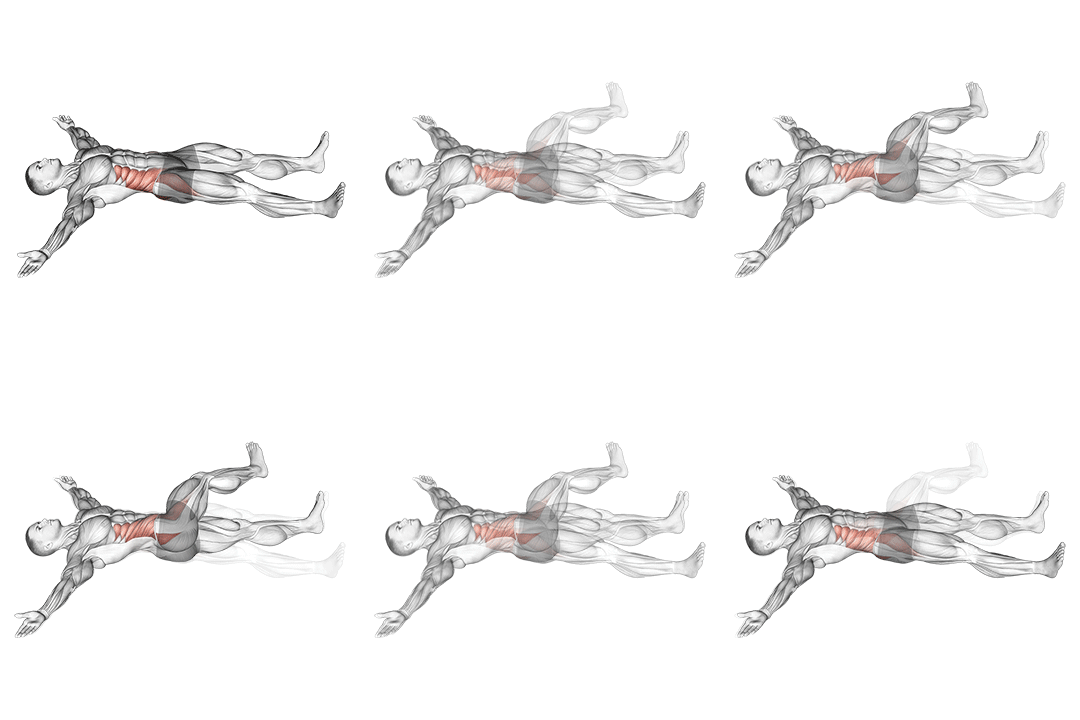
7. Iron Cross Stretch
62.2% MatchHow to perform this exercise
- Lie flat on your back with your arms extended out to the sides.
- Raise your legs up towards the ceiling, keeping them straight.
- Slowly lower your legs to one side, aiming to touch the floor with your feet.
- Hold the stretch for a few seconds, then return your legs to the starting position.
- Repeat the stretch on the other side.
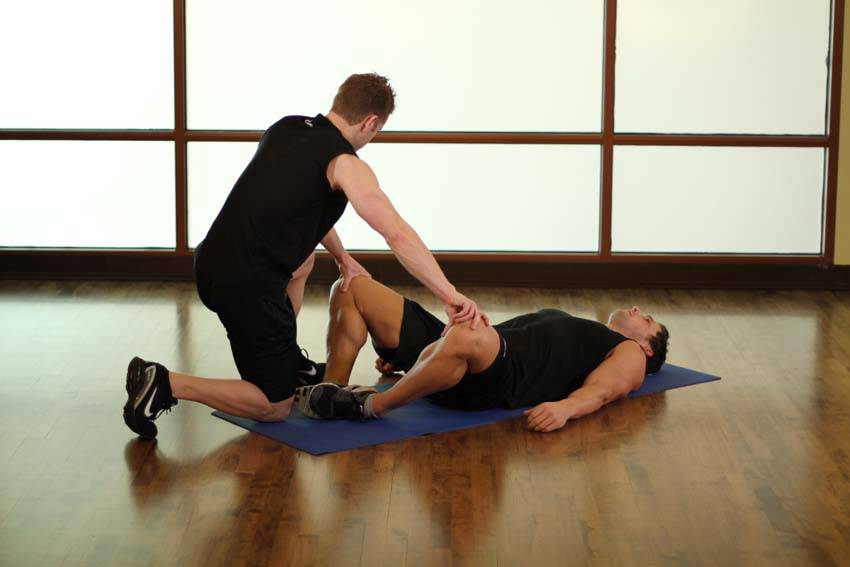
8. Lying Bent Leg Groin
61.2% MatchHow to perform this exercise
- Lie on your back with your knees bent and the soles of the feet pressed together. Have your partner hold your knees. This will be your starting position.
- Attempt to squeeze your knees together, while your partner prevents any movement from occurring.
- After 10-20 seconds, relax your muscles as your partner gently pushes your knees towards the floor. Be sure to inform your helper when the stretch is adequate to prevent injury or overstretching.
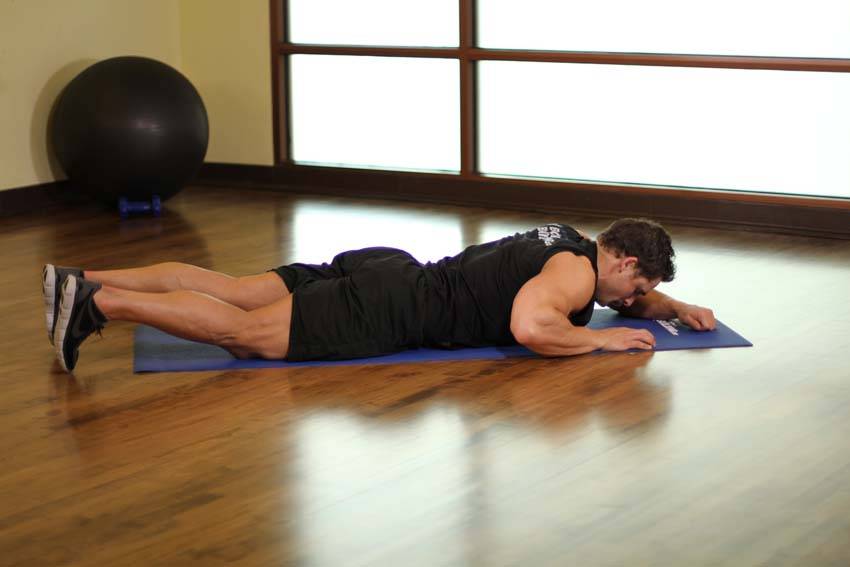
9. On Your Side Quad Stretch
60% MatchHow to perform this exercise
- Start off by lying on your right side, with your right knee bent at a 90-degree angle resting on the floor in front of you (this stabilizes the torso).
- Bend your left knee behind you and hold your left foot with your left hand. To stretch your hip flexor, press your left hip forward as you push your left foot back into your hand. Switch sides.
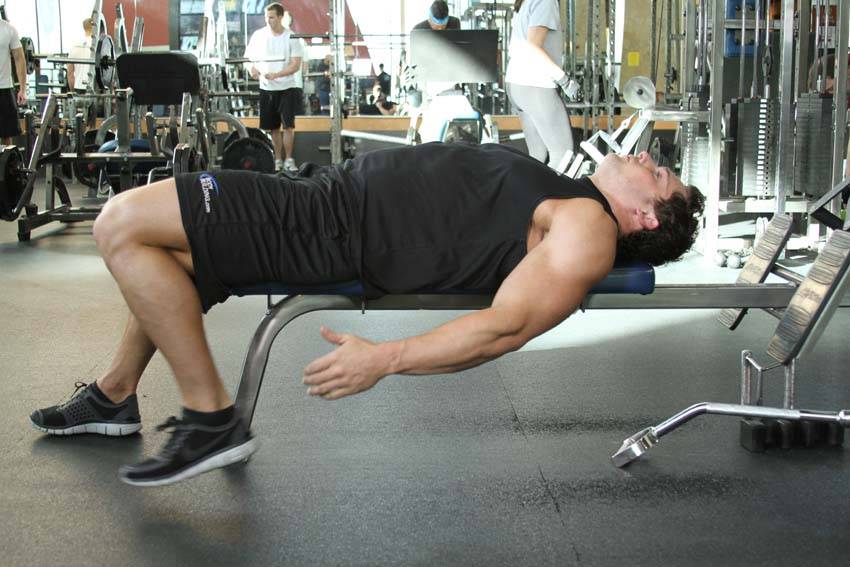
10. On-Your-Back Quad Stretch
60% MatchHow to perform this exercise
- Lie on a flat bench or step, and hang one leg and arm over the side.
- Bend the knee and hold the top of the foot. As you do this, be careful not to arch your lower back.
- Pull the belly button to the spine to stay in neutral. Press your foot down and into your hand. To add the hip stretch, lift the hip of the leg you're holding up toward the ceiling.
- Switch sides.
Why You Might Need a Standing Hip Flexors Alternative
You may need substitutes because of anterior hip or low-back pain, poor single-leg balance, unavailable equipment, or a desire to shift load away from the iliopsoas. Standing hip flexion emphasizes hip flexors and the rectus femoris but can provoke discomfort if you extend the lumbar spine or overuse the psoas. Use seated knee extensions or leg presses to isolate knee extension: cue a controlled 2-second concentric and a pause at full extension while bracing the core. For balance issues, select banded marches and maintain an upright torso to avoid pelvic rotation.
How to Choose the Right Substitute
Pick a substitute based on which muscle must dominate, your equipment, and joint tolerance. If your goal is quad isolation, choose leg extensions or split squats that emphasize knee extension; cue full knee extension without lumbar arching. If you need hip-flexion power, use cable knee drives and focus on a rapid knee snap while keeping the pelvis stable. Consider load capacity and pain: favor seated or machine options to reduce hip flexion torque, and progress by increasing resistance, adding eccentric tempo, or pausing at peak contraction.
Frequently Asked Questions
What muscles does Standing Hip Flexors work?
Standing Hip Flexors primarily target the rectus femoris and iliopsoas, with secondary activation of the sartorius and tensor fasciae latae. Cue an active knee drive and avoid lumbar extension to maximize hip-flexor and quad recruitment.
What is the best bodyweight alternative to Standing Hip Flexors?
A standing high-knee march or banded march is the best bodyweight alternative because it reproduces dynamic hip flexion with minimal equipment. Maintain tall posture, drive the knee up toward the chest with intent, and resist anterior pelvic tilt to keep the quadriceps and hip flexors effective.
Can I build muscle without doing Standing Hip Flexors?
Yes. You can build the quadriceps and hip flexors with leg extensions, split squats, cable knee drives, and heavy unilateral work. Implement progressive overload, cue a controlled 3-second eccentric and a strong concentric knee drive, and prioritize full knee extension to stimulate hypertrophy.
More Exercise Alternatives
Find Alternatives for Any Exercise
Use the exercise substitution finder to compare ranked alternatives for your available equipment and training preference.
Try the Exercise Substitution Finder →