

10 Best Single-leg High Box Squat Alternatives for Limited Equipment
The Single-leg High Box Squat is done standing. Ranked closest by our scoring: the Split Squat With Dumbbells, One-arm Overhead Kettlebell Squats and the Depth Jump Leap.
Updated Ranked by our 12-factor similarity model How it works
Original Exercise: Single-leg High Box Squat
- Primary muscle
- Quadriceps
- Equipment
- Other
- Difficulty
- Advanced
- Type
- Compound
Secondary muscles: Glutes, Hamstrings
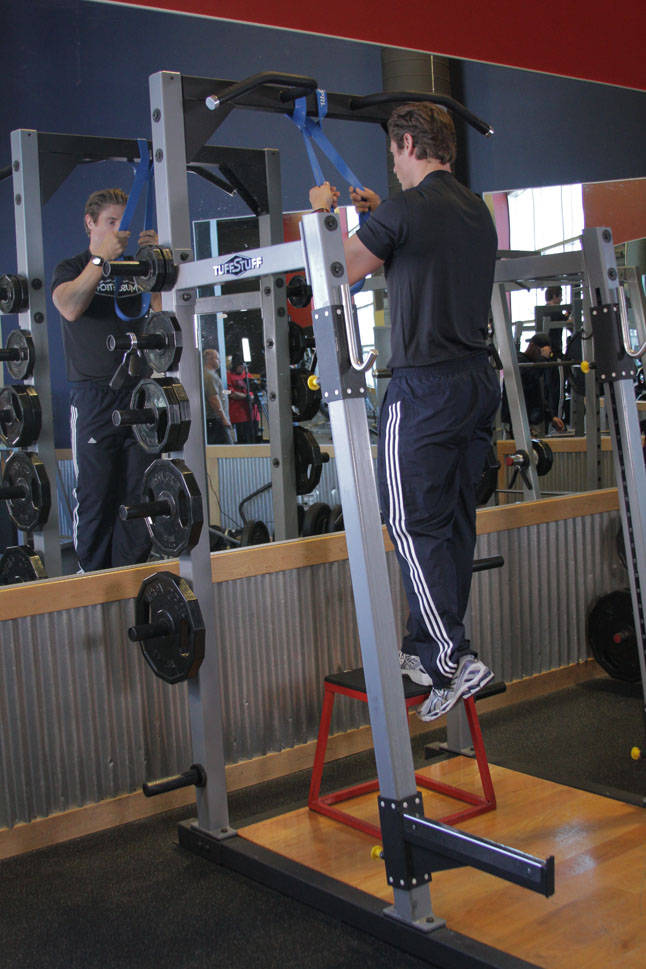
How to perform Single-leg High Box Squat
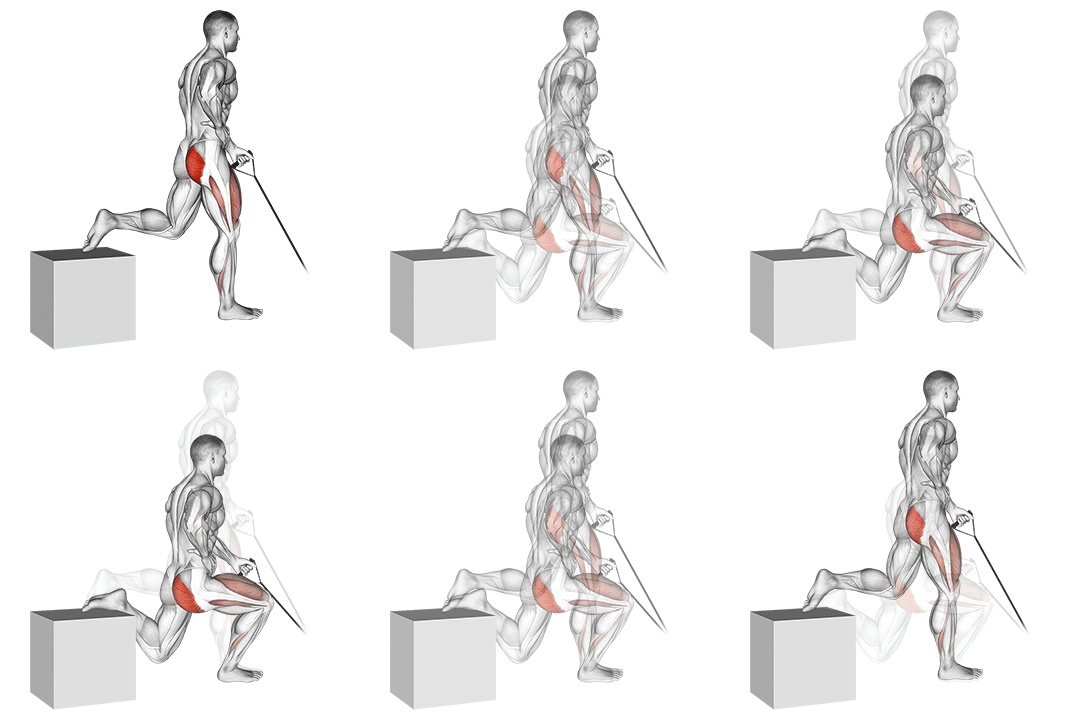
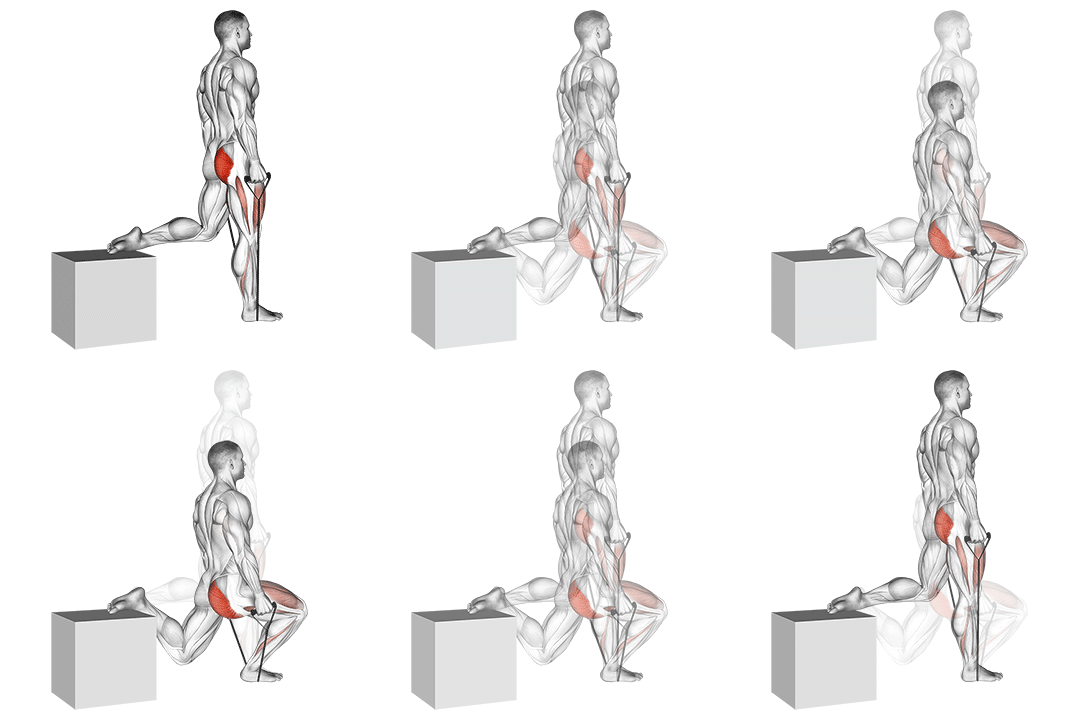
- Position a box in a rack. Secure a band or rope in place above the box.
- Standing in front of it, step onto the box to a full standing position, letting your other leg remain unsupported. Hold onto the band for balance
- . Continue stepping up and down on the same leg before switching to the opposite side.
Ranked Single-leg High Box Squat Alternatives
10 substitutes, ranked by how closely each one matches the Single-leg High Box Squat on movement pattern, muscles worked, equipment and body position. The higher the score, the less you change. Open "How to perform this exercise" on a card for the steps; every card title links to that exercise's own alternatives page.
Best match 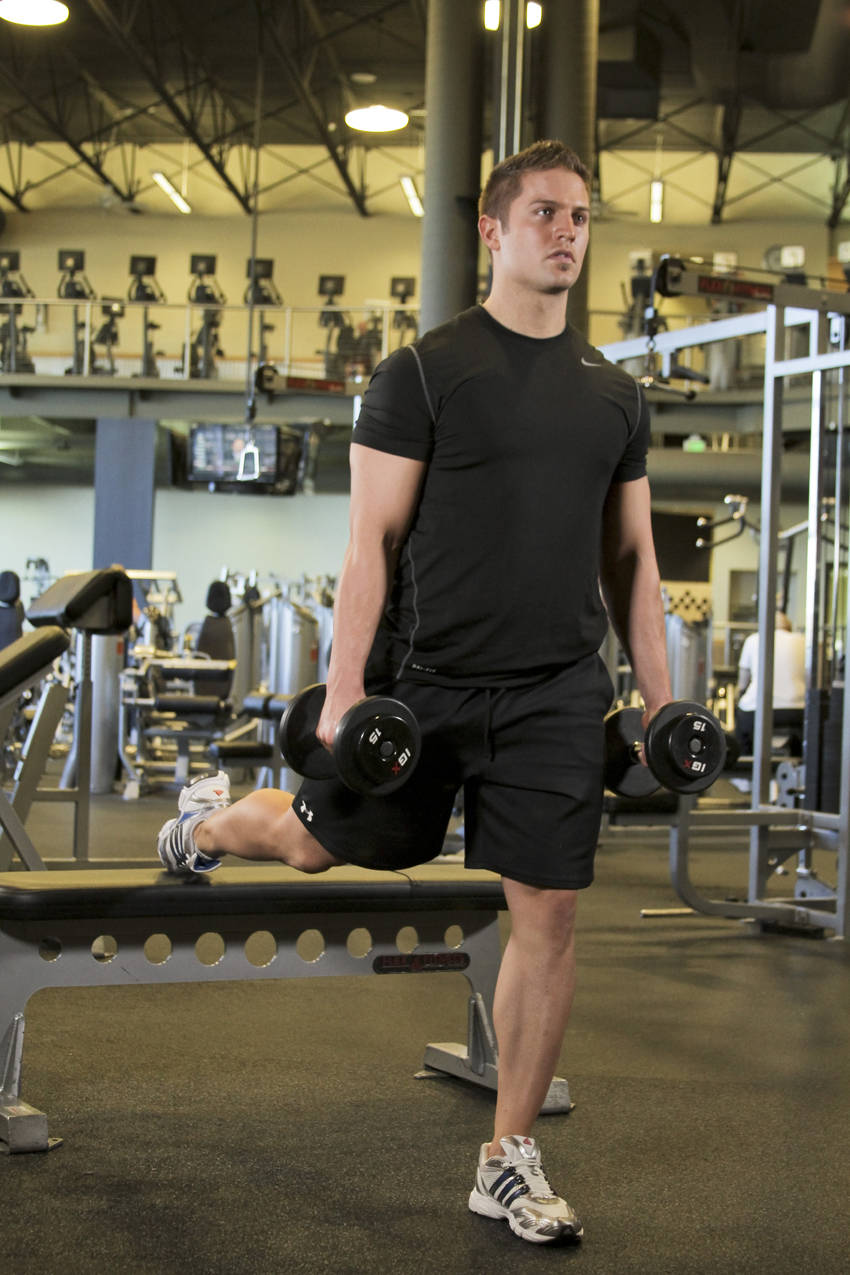
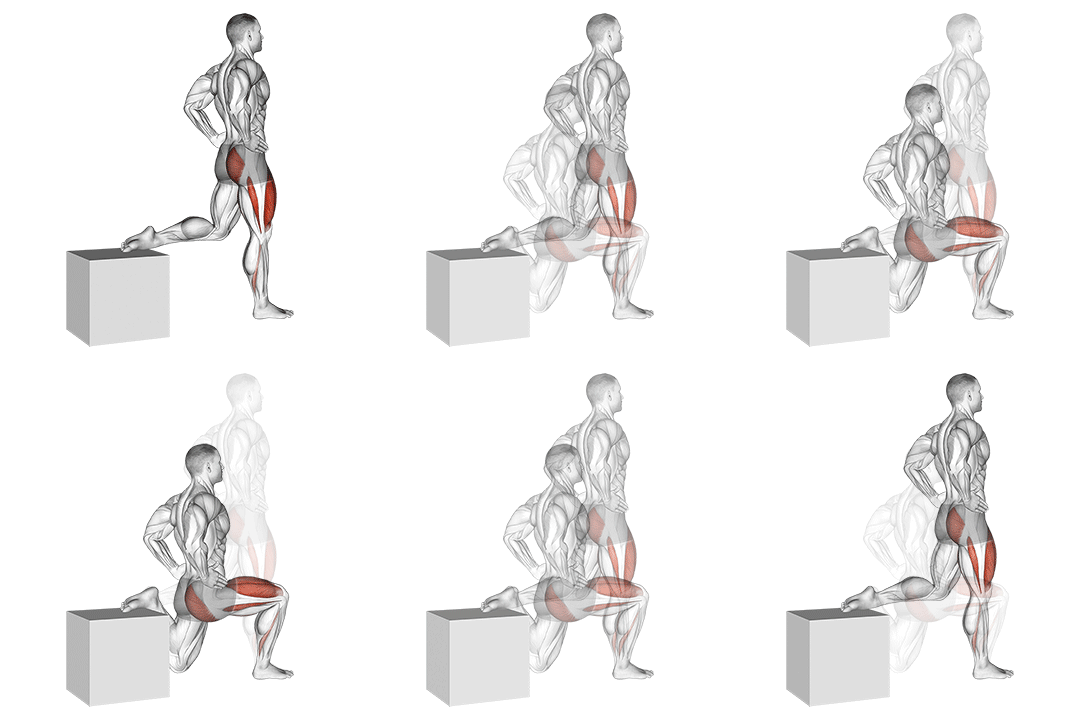
1. Split Squat With Dumbbells
86% match- Quadriceps
- Dumbbell
- Intermediate
- Compound
Pick this when you want an easier version that still works the quadriceps.
How to perform this exercise
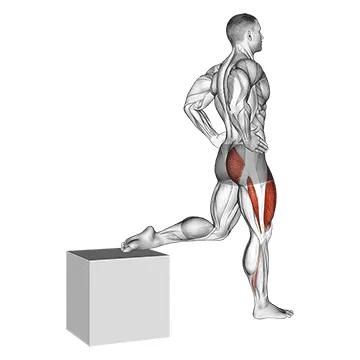
- Position yourself into a staggered stance with the rear foot elevated and front foot forward.
- Hold a dumbbell in each hand, letting them hang at the sides. This will be your starting position.
- Begin by descending, flexing your knee and hip to lower your body down. Maintain good posture througout the movement. Keep the front knee in line with the foot as you perform the exercise.
- At the bottom of the movement, drive through the heel to extend the knee and hip to return to the starting position.
Sets and reps: 3 or 4 sets of 6 to 10 reps on each side.
Why this matches
- Primary muscle: quadriceps, the same as the Single-leg High Box Squat
- Equipment: free weights, not bodyweight only
- Body position: standing, the same as the Single-leg High Box Squat
2. Curtsey Squat
80% match- Glutes
- Bodyweight
- Beginner
- Compound
A looser match: it works the glutes rather than the quadriceps.
How to perform this exercise
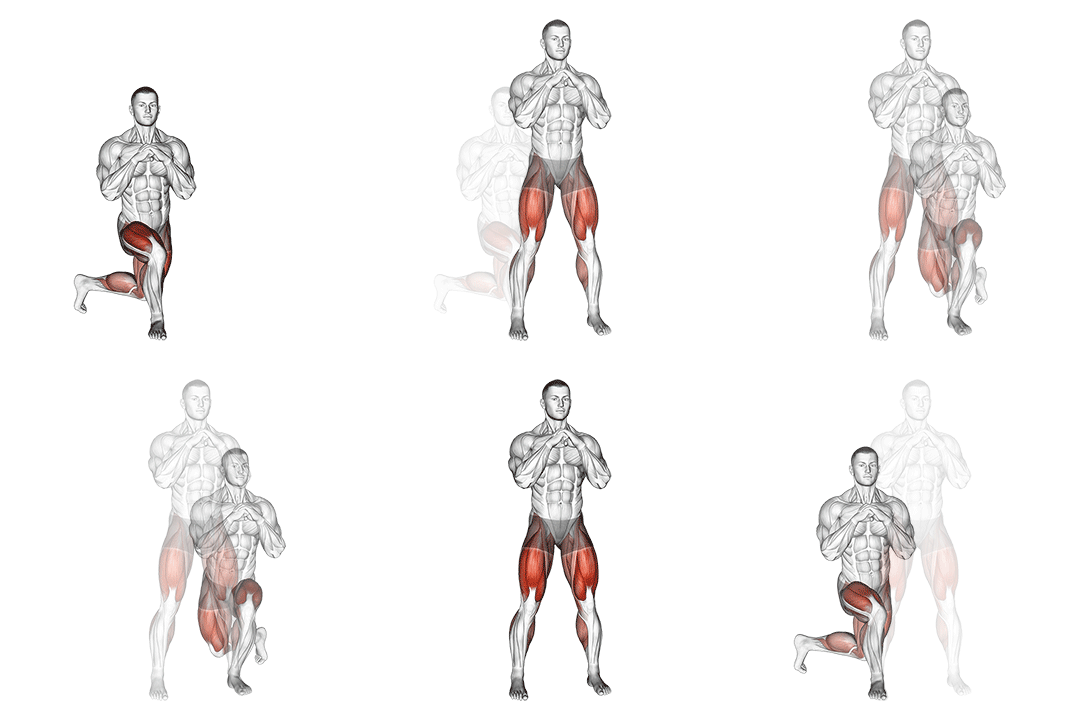
- Stand with your feet shoulder-width apart.
- Take a step diagonally behind and across your body with your right foot, crossing it behind your left leg.
- Bend both knees as if you were curtsying, lowering your body towards the ground.
- Keep your torso upright and your weight on your front foot.
- Push through your front foot to return to the starting position.
- Repeat on the other side, stepping diagonally behind and across your body with your left foot.
Sets and reps: 3 sets of 8 to 12 reps on each side, and add reps before you add load.
Why this matches
- Primary muscle: glutes, not quadriceps
- Equipment: bodyweight only, the same as the Single-leg High Box Squat
- Body position: standing, the same as the Single-leg High Box Squat
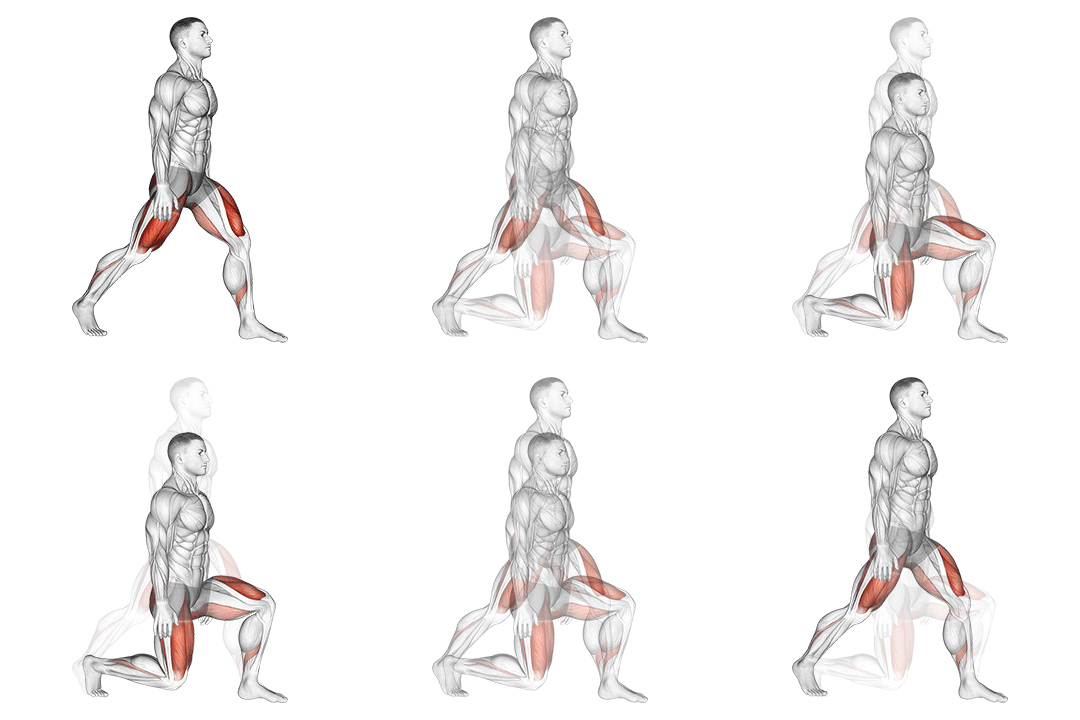
3. Split Squats
80% match- Quads
- Bodyweight
- Intermediate
- Compound
A looser match: it works the quads rather than the quadriceps.
How to perform this exercise
- Stand with your feet shoulder-width apart.
- Take a step forward with one foot and place it about two feet in front of the other foot.
- Lower your body by bending your knees and hips, keeping your back straight.
- Continue lowering until your front thigh is parallel to the ground, and your back knee is hovering just above the ground.
- Pause for a moment, then push through your front heel to return to the starting position.
- Repeat for the desired number of repetitions, then switch legs and repeat.
Sets and reps: 3 or 4 sets of 6 to 10 reps on each side.
Why this matches
- Primary muscle: quads, not quadriceps
- Equipment: bodyweight only, the same as the Single-leg High Box Squat
- Body position: standing, the same as the Single-leg High Box Squat
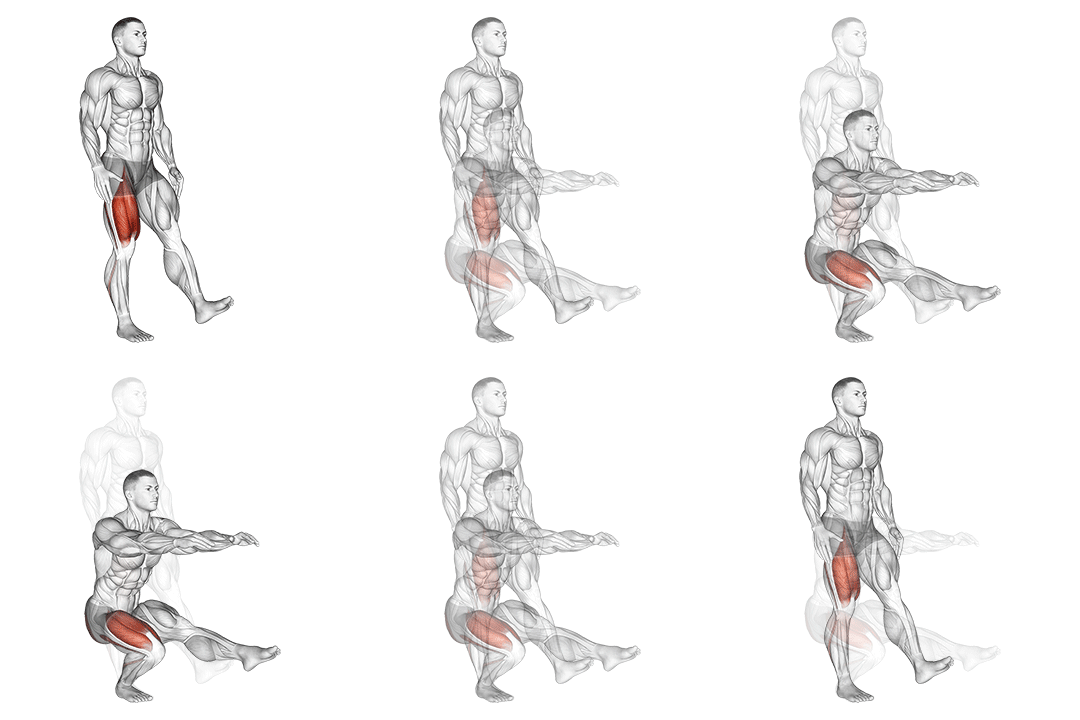
4. Single Leg Squat (Pistol) Male
79% match- Glutes
- Bodyweight
- Advanced
- Compound
How to perform this exercise
- Stand with your feet shoulder-width apart and arms extended in front of you.
- Lift your right foot off the ground and extend it forward.
- Slowly lower your body down by bending your left knee and pushing your hips back.
- Keep your chest up and your back straight as you lower yourself down.
- Lower until your left thigh is parallel to the ground, or as low as you can comfortably go.
- Pause for a moment at the bottom, then push through your left heel to return to the starting position.
- Repeat for the desired number of repetitions, then switch legs.
Sets and reps: 3 or 4 sets of 6 to 10 reps on each side.
Why this matches
- Primary muscle: glutes, not quadriceps
- Equipment: bodyweight only, the same as the Single-leg High Box Squat
- Body position: standing, the same as the Single-leg High Box Squat
5. One Leg Squat
78% match- Glutes
- Bodyweight
- Advanced
- Compound
How to perform this exercise
- Stand with your feet shoulder-width apart.
- Extend one leg forward, keeping it off the ground.
- Bend your standing leg and lower your body down as if sitting back into a chair.
- Keep your chest up and your back straight.
- Push through your heel to return to the starting position.
- Repeat with the other leg.
Sets and reps: 3 or 4 sets of 6 to 10 reps on each side.
Why this matches
- Primary muscle: glutes, not quadriceps
- Equipment: bodyweight only, the same as the Single-leg High Box Squat
- Body position: standing, the same as the Single-leg High Box Squat
- Balance: harder to stay steady on than the Single-leg High Box Squat
- Quadriceps
- Kettlebell
- Advanced
- Compound
It still works the quadriceps, through a different movement.
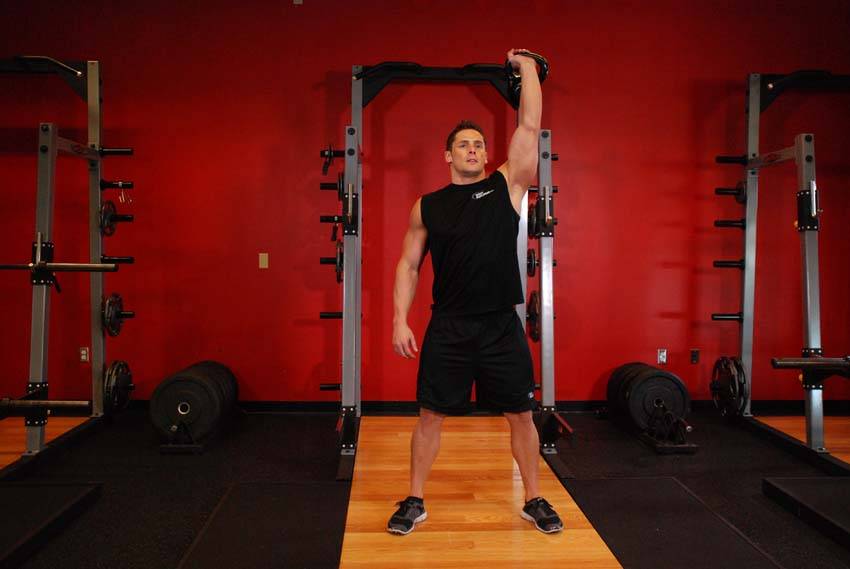
How to perform this exercise
- Clean and press a kettlebell with one arm. Clean the kettlebell to your shoulder by extending through the legs and hips as you pull the kettlebell towards your shoulder. Rotate your wrist as you do so. Press the weight overhead by extending through the elbow.This will be your starting position.
- Looking straight ahead and keeping a kettlebell locked out above you, flex the knees and hips and lower your torso between your legs, keeping your head and chest up.
- Pause at the bottom position for a second before rising back to the top, driving through the heels of your feet.
Sets and reps: 3 to 5 sets of 5 to 8 reps on each side.
Why this matches
- Primary muscle: quadriceps, the same as the Single-leg High Box Squat
- Equipment: free weights, not bodyweight only
- Body position: standing, the same as the Single-leg High Box Squat
7. Depth Jump Leap
73% match- Quadriceps
- Other
- Advanced
- Compound
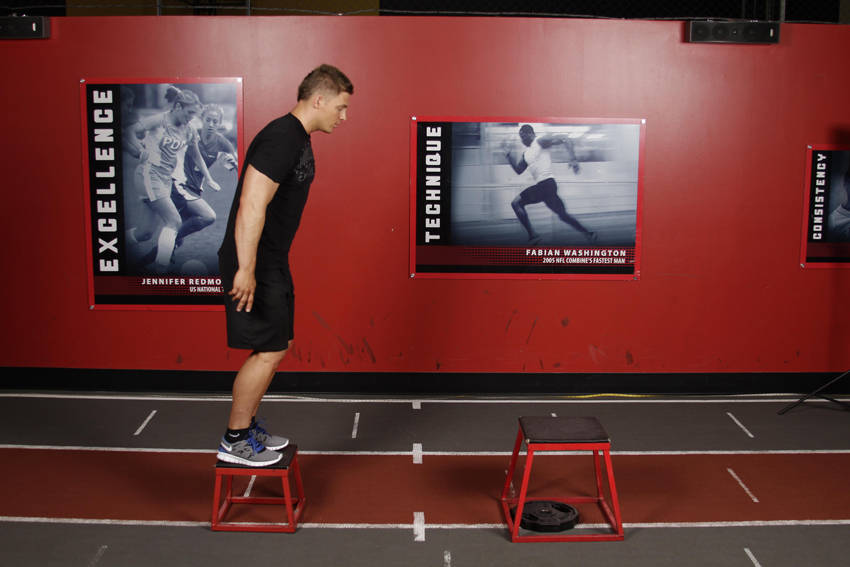
How to perform this exercise
- For this drill you will need two boxes or benches, one 12 to 16 inches high and the other 22 to 26 inches high.
- Stand on one of the two boxes with arms at the sides; feet should be together and slightly off the edge as in the depth jump. Place the other box approximately two or three feet in front of and facing the performer.
- Begin by dropping off the initial box, landing and simultaneously taking off with both feet.
- Rebound by driving upward and outward as intensely as possible, using the arms and full extension of the body to jump onto the higher box. Again, allow the legs to absorb the impact.
Sets and reps: 3 or 4 sets of 6 to 10 reps.
Why this matches
- Primary muscle: quadriceps, the same as the Single-leg High Box Squat
- Equipment: bodyweight only, the same as the Single-leg High Box Squat
- Body position: standing, the same as the Single-leg High Box Squat
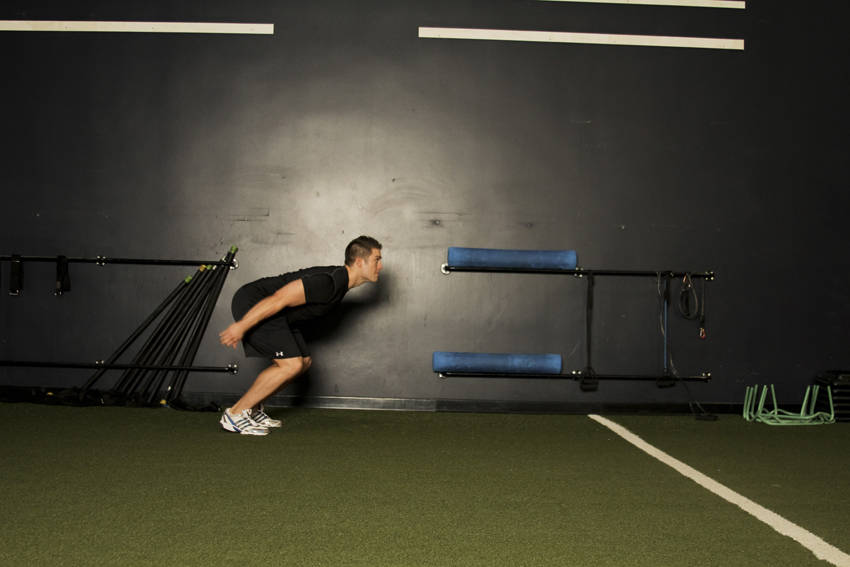
8. Standing Long Jump
73% match- Quadriceps
- Bodyweight
- Advanced
- Compound
How to perform this exercise
- This drill is best done in sand or other soft landing surface. Ensure that you are able to measure distance. Stand in a partial squat stance with feet shoulder width apart.
- Utilizing a big arm swing and a countermovement of the legs, jump forward as far as you can.
- Attempt to land with your feet out in front you, reaching as far as possible with your legs.
- Measure the distance from your landing point to the starting point and track results.
Sets and reps: 3 or 4 sets of 6 to 10 reps.
Why this matches
- Primary muscle: quadriceps, the same as the Single-leg High Box Squat
- Equipment: bodyweight only, the same as the Single-leg High Box Squat
- Body position: standing, the same as the Single-leg High Box Squat
- Quads
- Band
- Intermediate
- Compound
How to perform this exercise
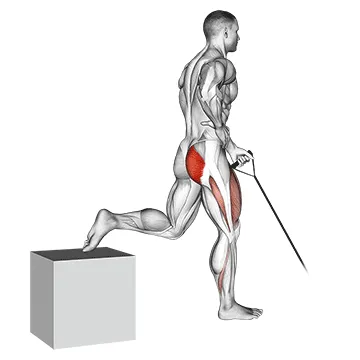
- Stand with your feet hip-width apart and place a resistance band around your ankles.
- Extend one leg forward and rest the top of your foot on a bench or step behind you.
- Hold onto a support with one hand for balance.
- Bend your standing leg and lower your body down into a squat position, keeping your knee in line with your toes.
- Push through your heel to return to the starting position.
- Repeat for the desired number of repetitions, then switch legs.
Sets and reps: 3 or 4 sets of 6 to 10 reps on each side.
Why this matches
- Primary muscle: quads, not quadriceps
- Equipment: a band, not bodyweight only
- Body position: standing, the same as the Single-leg High Box Squat
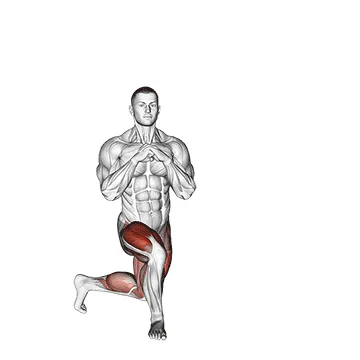
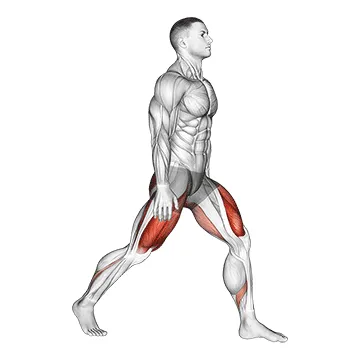
10. Band Single Leg Split Squat
70% match- Quads
- Band
- Intermediate
- Compound
How to perform this exercise
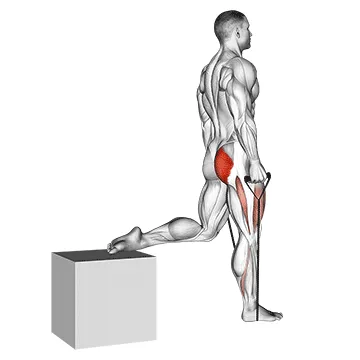
- Stand with your feet hip-width apart and place a resistance band around your ankles.
- Take a big step forward with your right foot and a smaller step back with your left foot.
- Bend your knees and lower your body until your right thigh is parallel to the ground, keeping your left knee slightly above the ground.
- Push through your right heel to return to the starting position.
- Repeat on the other side.
Sets and reps: 3 or 4 sets of 6 to 10 reps on each side.
Why this matches
- Primary muscle: quads, not quadriceps
- Equipment: a band, not bodyweight only
- Body position: standing, the same as the Single-leg High Box Squat
Why You Might Need a Single-leg High Box Squat Alternative
You may need substitutes for injury, limited equipment, mobility limits, or balance deficits. A single-leg high box squat puts high compressive load through the knee and demands hip mobility and balance; that can aggravate patellofemoral pain or ankle restrictions. Alternatives let you preserve quad loading while altering joint angles and stability demands, for example, step-ups reduce knee shear compared with deep single-leg squats, and Bulgarian split squats keep the torso more upright to increase quad moment arm. Cue: restrict range or use a higher step to limit peak knee flexion and control tibial translation.
How to Choose the Right Single-leg High Box Squat Substitute
Select a substitute based on your goal (strength, hypertrophy, rehab), available equipment, and movement limitations. For pure quad overload pick split-stance moves (Bulgarian split squat, front-foot-elevated split squat) and lean slightly forward to increase knee torque; cue: pause at 90 degrees to boost time under tension. For balance or rehab choose step-ups with a slow eccentric to reduce joint shear. If you lack load, use tempo changes or single-leg isometrics to increase muscle recruitment. Always assess pain, range of motion, and how the glute and quad share the load.
Single-leg High Box Squat FAQ
What muscles does Single-leg High Box Squat work?
The exercise primarily targets the quadriceps via knee extension torque. Secondary muscles include the gluteus maximus for hip extension, gluteus medius and minimus for frontal-plane stability, and the core to control trunk position during single-leg stance.
What is the best bodyweight alternative to Single-leg High Box Squat?
A bodyweight Bulgarian split squat is an excellent substitute; place your rear foot on a low bench and descend until your front thigh is roughly parallel. Cue: push through the front mid-foot and keep the torso vertical to emphasize quadriceps activation rather than hip-dominant mechanics.
Can I build muscle without doing Single-leg High Box Squat?
Yes. You can achieve hypertrophy with progressive overload applied to other quad-dominant movements like weighted step-ups, Bulgarian split squats, or front squats, and by increasing volume, eccentric time, or pause reps. Focus on maintaining a quad-biased position (upright torso, knee tracking) to maximize knee-extensor recruitment.
Find Alternatives for Any Exercise
Search the exercise database and filter the ranked substitutes by the equipment you own.
Similarity scores compare exercise metadata such as movement pattern, muscles, equipment and body position. They are not a safety rating or a check that you own the equipment. Learn about our methodology