

10 Best Standing Wheel Rollerout Alternatives for Limited Equipment
The Standing Wheel Rollerout is done kneeling. Ranked closest by our scoring: the Suspended Abdominal Fallout, the Decline Sit-up and the Hanging Pike.
Updated Ranked by our 12-factor similarity model How it works
Original Exercise: Standing Wheel Rollerout
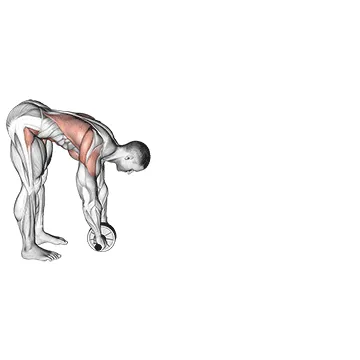
- Primary muscle
- Abs
- Equipment
- Other
- Difficulty
- Advanced
- Type
- Compound
Secondary muscles: Lower Back, Shoulders
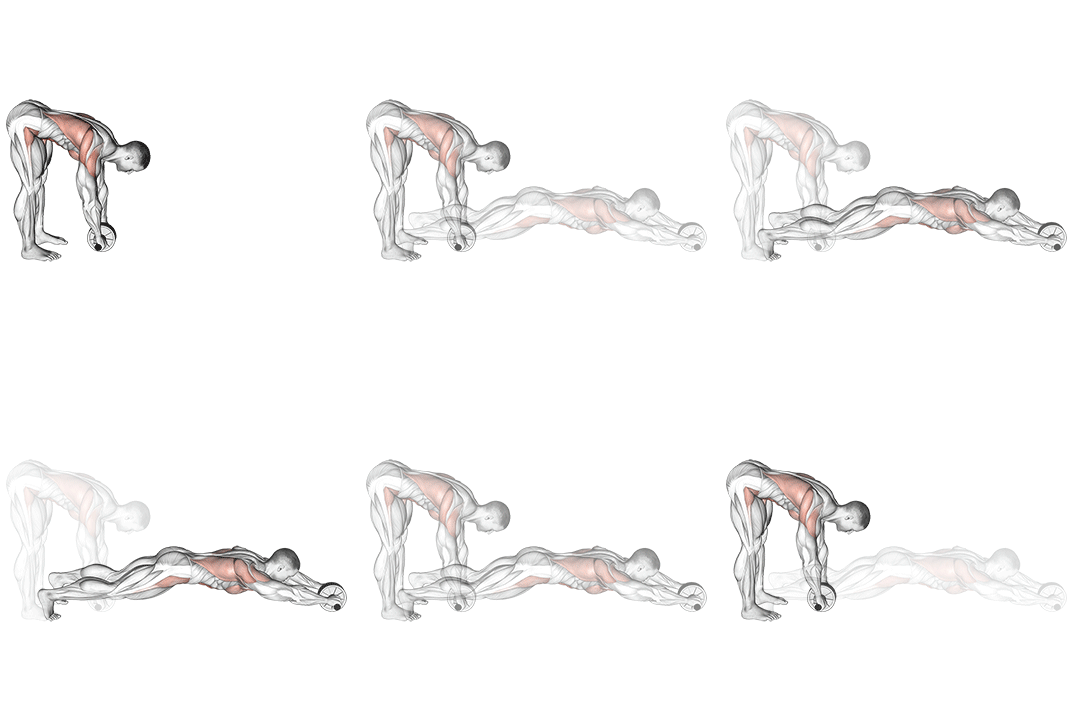
How to perform Standing Wheel Rollerout
- Start by standing tall with your feet shoulder-width apart and the wheel roller in front of you.
- Bend at your waist and slowly roll the wheel forward, keeping your back straight and your core engaged.
- Continue rolling forward until you feel a stretch in your abs and your body is extended as far as possible.
- Pause for a moment, then slowly roll the wheel back towards your body, returning to the starting position.
- Repeat for the desired number of repetitions.
Ranked Standing Wheel Rollerout Alternatives
10 substitutes, ranked by how closely each one matches the Standing Wheel Rollerout on movement pattern, muscles worked, equipment and body position. The higher the score, the less you change. Open "How to perform this exercise" on a card for the steps; every card title links to that exercise's own alternatives page.
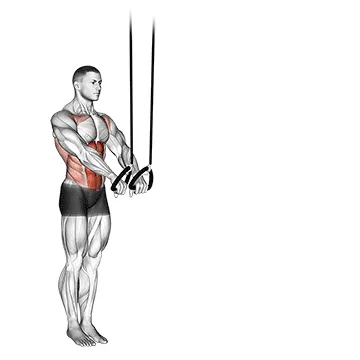
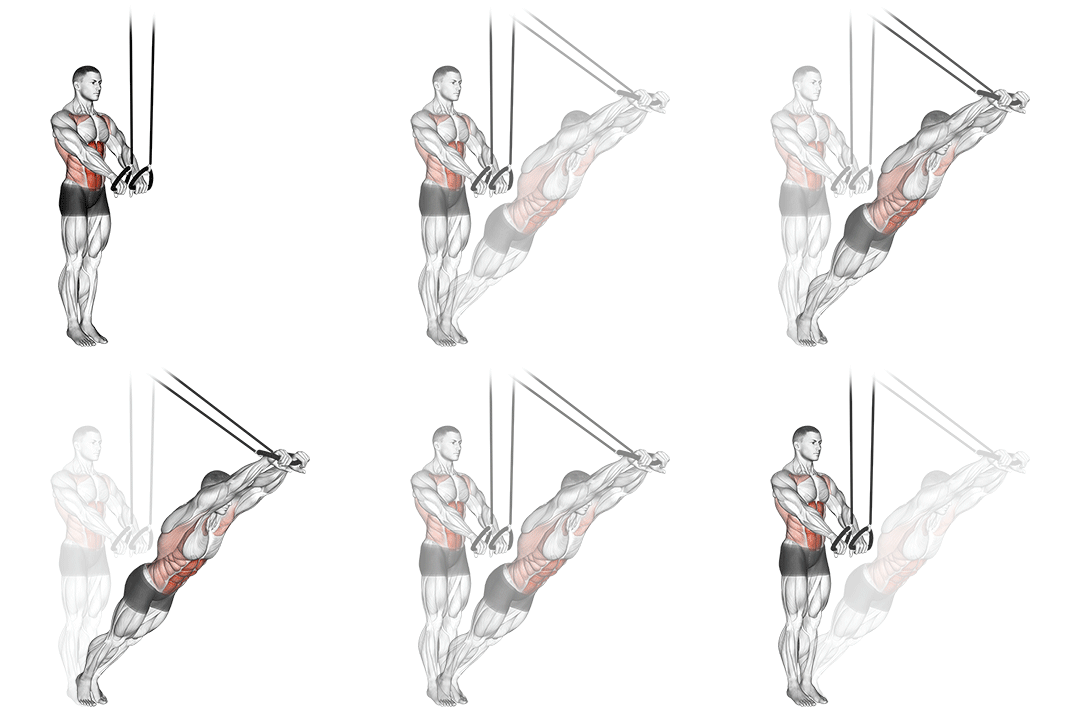
Best match 1. Suspended Abdominal Fallout
89% match- Abs
- Bodyweight
- Intermediate
- Compound
Pick this when you want an easier version that still works the abs.
How to perform this exercise
- Attach a suspension trainer to a high anchor point and adjust the straps to waist height.
- Stand facing away from the anchor point and hold the handles with your arms extended in front of you.
- Lean forward at the waist, keeping your body straight and your core engaged.
- Lower your body as far as you can while maintaining control and tension in your abs.
- Pause for a moment at the bottom, then slowly raise your body back up to the starting position.
- Repeat for the desired number of repetitions.
Sets and reps: 3 to 5 sets of 5 to 8 reps.
Why this matches
- Primary muscle: abs, the same as the Standing Wheel Rollerout
- Equipment: a suspension trainer, not bodyweight only
- Body position: kneeling, the same as the Standing Wheel Rollerout
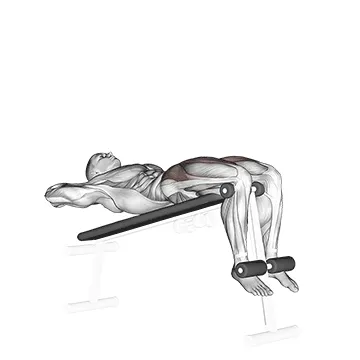
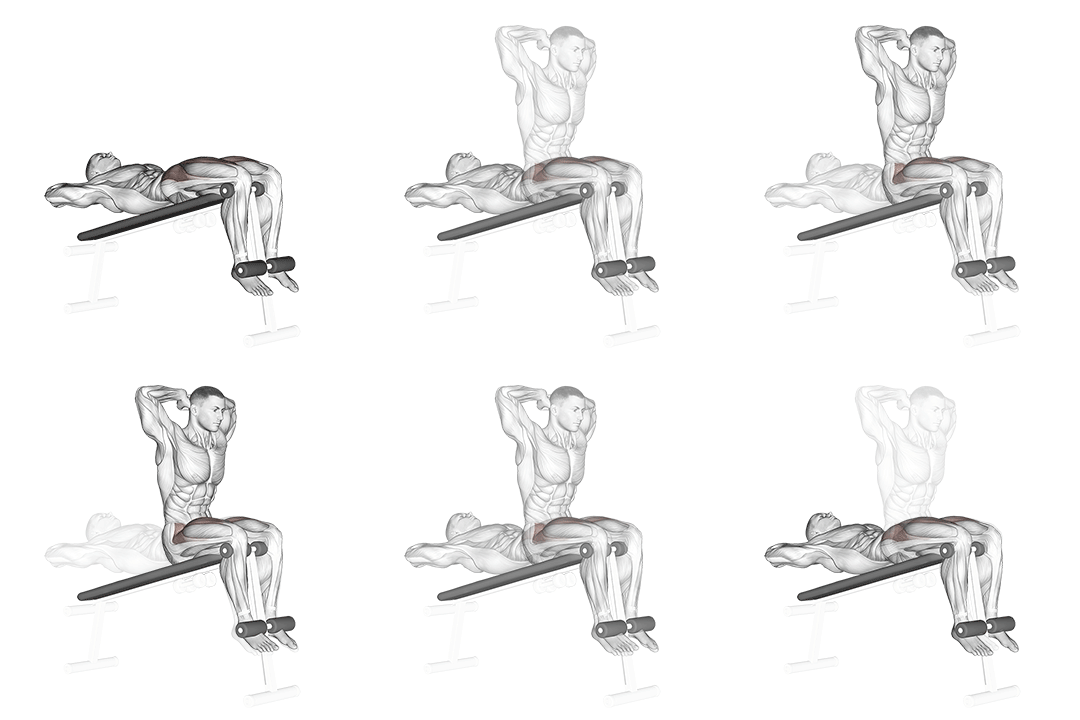
2. Decline Sit-up
82% match- Abs
- Bodyweight
- Intermediate
- Compound
How to perform this exercise
- Lie on a decline bench with your feet secured and your knees bent.
- Place your hands behind your head or across your chest.
- Engage your abs and lift your upper body off the bench, curling forward towards your knees.
- Pause for a moment at the top, then slowly lower your upper body back down to the starting position.
- Repeat for the desired number of repetitions.
Sets and reps: 3 or 4 sets of 6 to 10 reps.
Why this matches
- Primary muscle: abs, the same as the Standing Wheel Rollerout
- Equipment: bodyweight only, the same as the Standing Wheel Rollerout
- Body position: lying on your back, not kneeling
- Balance: easier to stay steady on than the Standing Wheel Rollerout
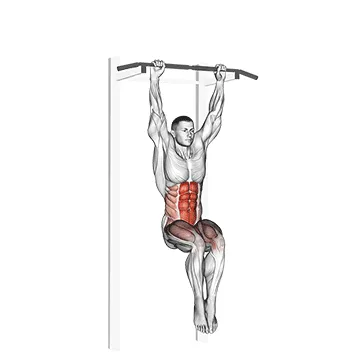
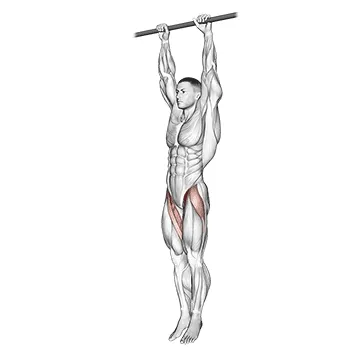
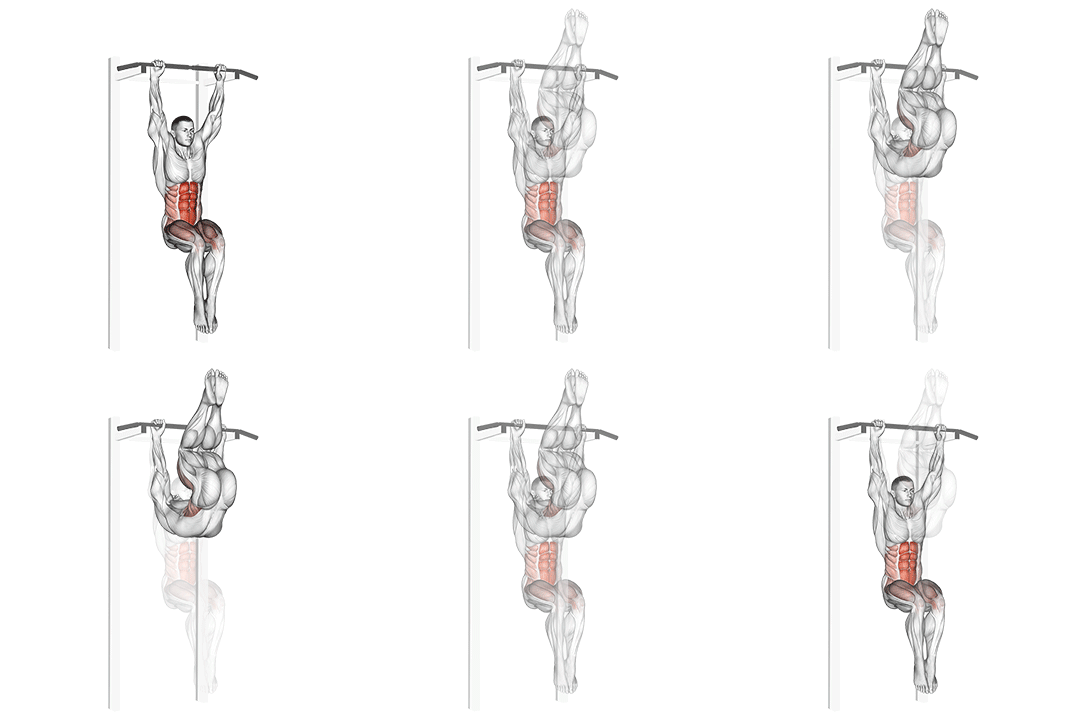
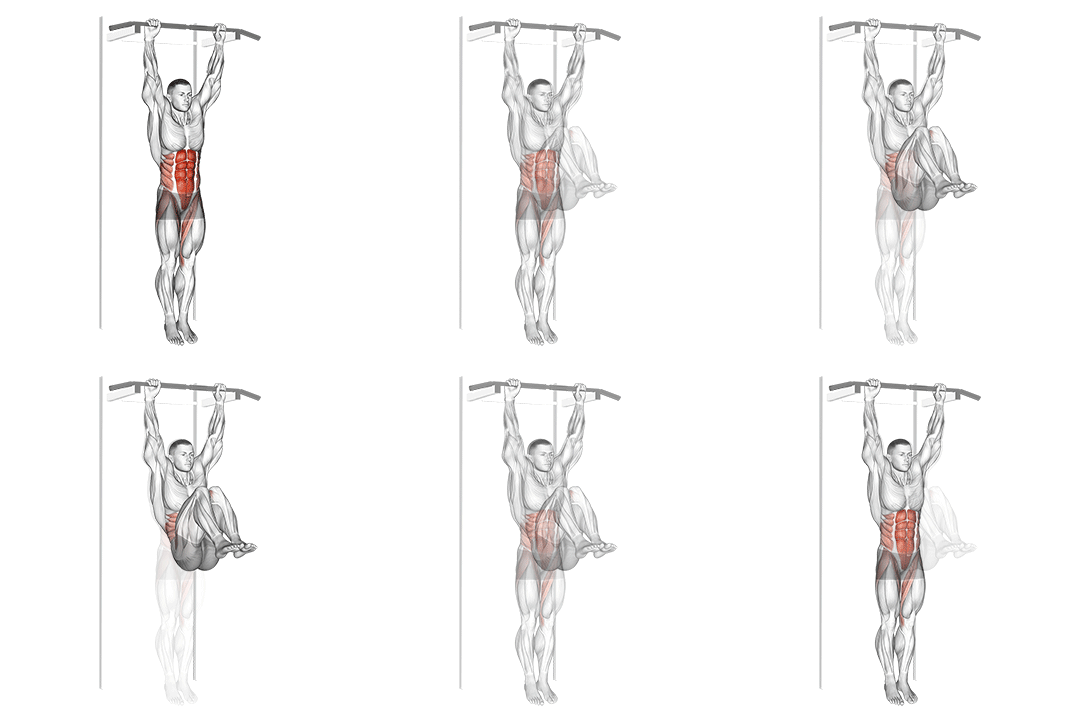
3. Hanging Pike
82% match- Abs
- Bodyweight
- Advanced
- Compound
Pick this when you want to work the abs with less balance to manage.
How to perform this exercise
- Hang from a pull-up bar with your arms fully extended and your palms facing away from you.
- Engage your core and lift your legs up towards the bar, keeping them straight.
- Continue lifting until your body forms a 'V' shape, with your legs parallel to the ground.
- Hold the position for a moment, then slowly lower your legs back down to the starting position.
- Repeat for the desired number of repetitions.
Sets and reps: 3 or 4 sets of 6 to 10 reps.
Why this matches
- Primary muscle: abs, the same as the Standing Wheel Rollerout
- Equipment: bodyweight only, the same as the Standing Wheel Rollerout
- Body position: hanging, not kneeling
- Balance: easier to stay steady on than the Standing Wheel Rollerout
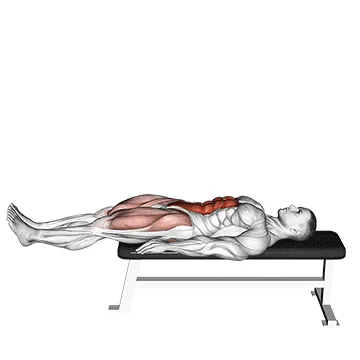
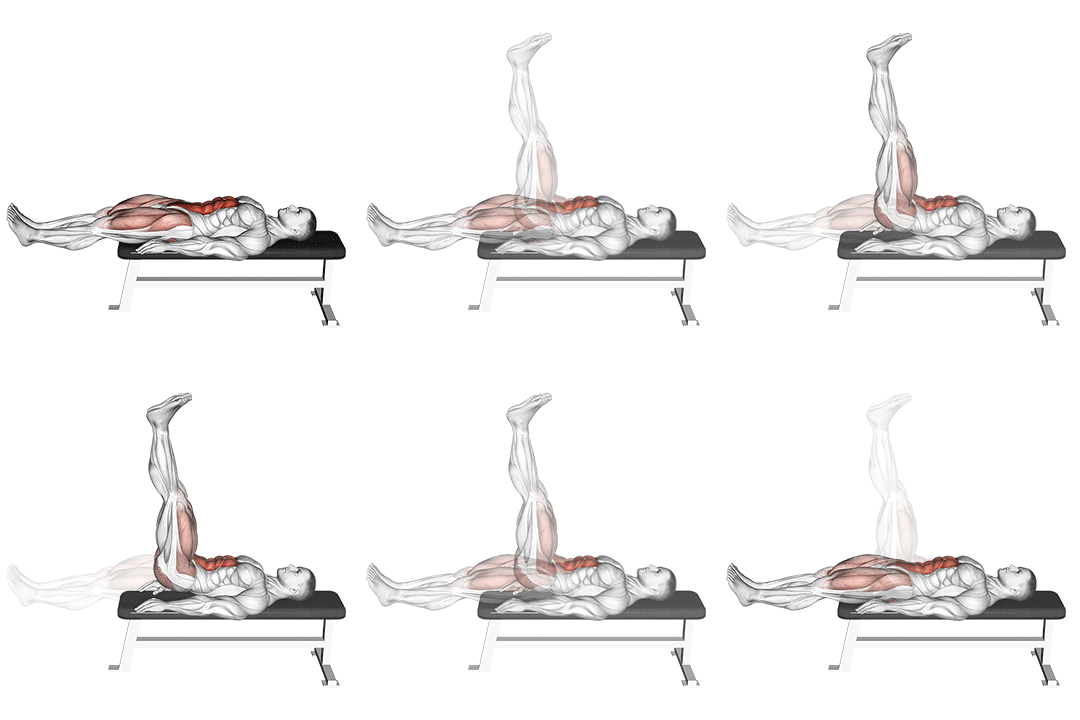
4. Lying Leg Raise Flat Bench
82% match- Abs
- Bodyweight
- Intermediate
- Isolation
How to perform this exercise
- Lie flat on a flat bench with your back pressed against it.
- Place your hands under your glutes for support.
- Keep your legs straight and together, and lift them up towards the ceiling.
- Pause for a moment at the top, then slowly lower your legs back down to the starting position.
- Repeat for the desired number of repetitions.
Sets and reps: 3 sets of 10 to 15 reps.
Why this matches
- Primary muscle: abs, the same as the Standing Wheel Rollerout
- Equipment: bodyweight only, the same as the Standing Wheel Rollerout
- Body position: lying on your back, not kneeling
- Balance: easier to stay steady on than the Standing Wheel Rollerout
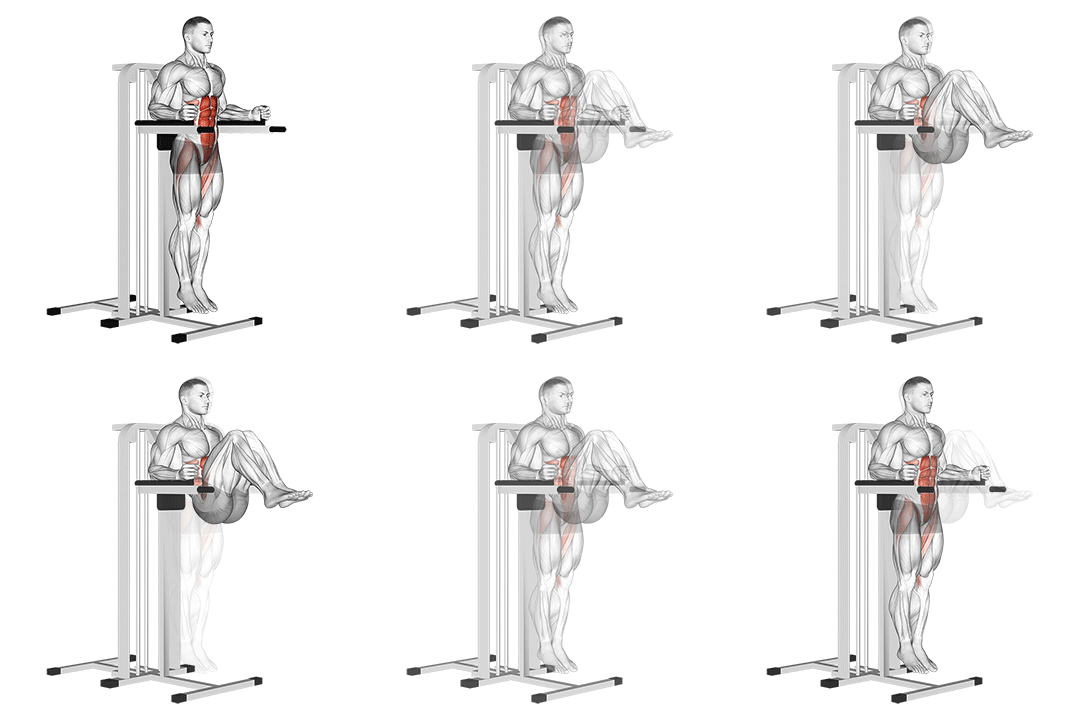
- Abs
- Bodyweight
- Advanced
- Compound
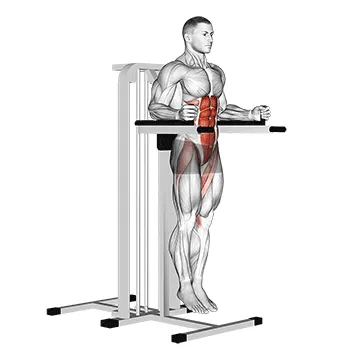
How to perform this exercise
- Hang from the parallel bars with your arms fully extended and your body straight.
- Engage your core and lift your legs up in front of you, keeping them straight.
- Continue lifting until your legs are parallel to the ground or slightly higher.
- Pause for a moment at the top, then slowly lower your legs back down to the starting position.
- Repeat for the desired number of repetitions.
Sets and reps: 3 or 4 sets of 6 to 10 reps.
Why this matches
- Primary muscle: abs, the same as the Standing Wheel Rollerout
- Equipment: bodyweight only, the same as the Standing Wheel Rollerout
- Body position: hanging, not kneeling
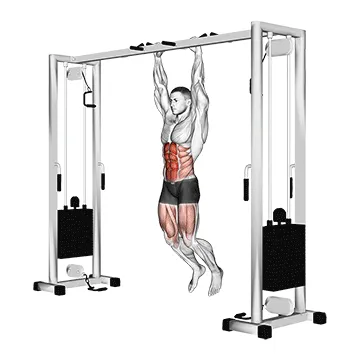
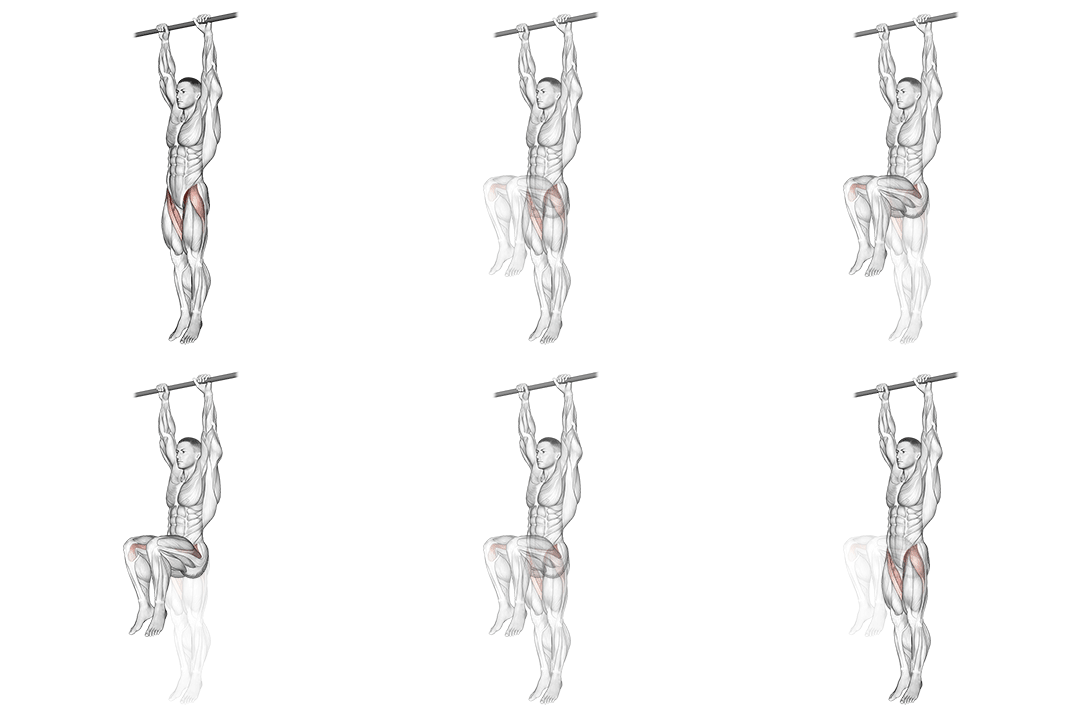
6. Hanging Leg Hip Raise
81% match- Abs
- Bodyweight
- Advanced
- Compound
How to perform this exercise
- Hang from a pull-up bar with your arms fully extended and your palms facing away from you.
- Engage your core and lift your legs up by flexing your hips and knees until your thighs are parallel to the ground.
- Pause for a moment at the top, then slowly lower your legs back down to the starting position.
- Repeat for the desired number of repetitions.
Sets and reps: 3 or 4 sets of 6 to 10 reps.
Why this matches
- Primary muscle: abs, the same as the Standing Wheel Rollerout
- Equipment: bodyweight only, the same as the Standing Wheel Rollerout
- Body position: hanging, not kneeling
- Balance: easier to stay steady on than the Standing Wheel Rollerout
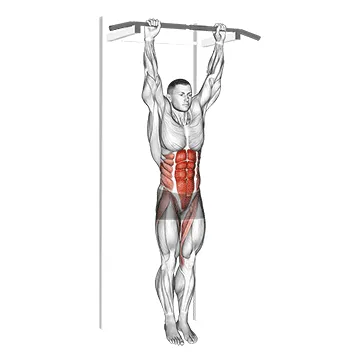
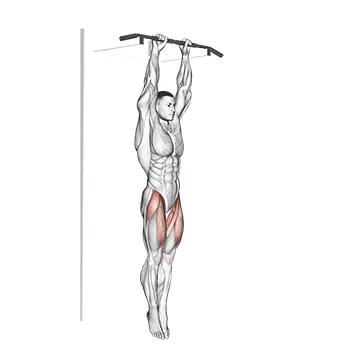
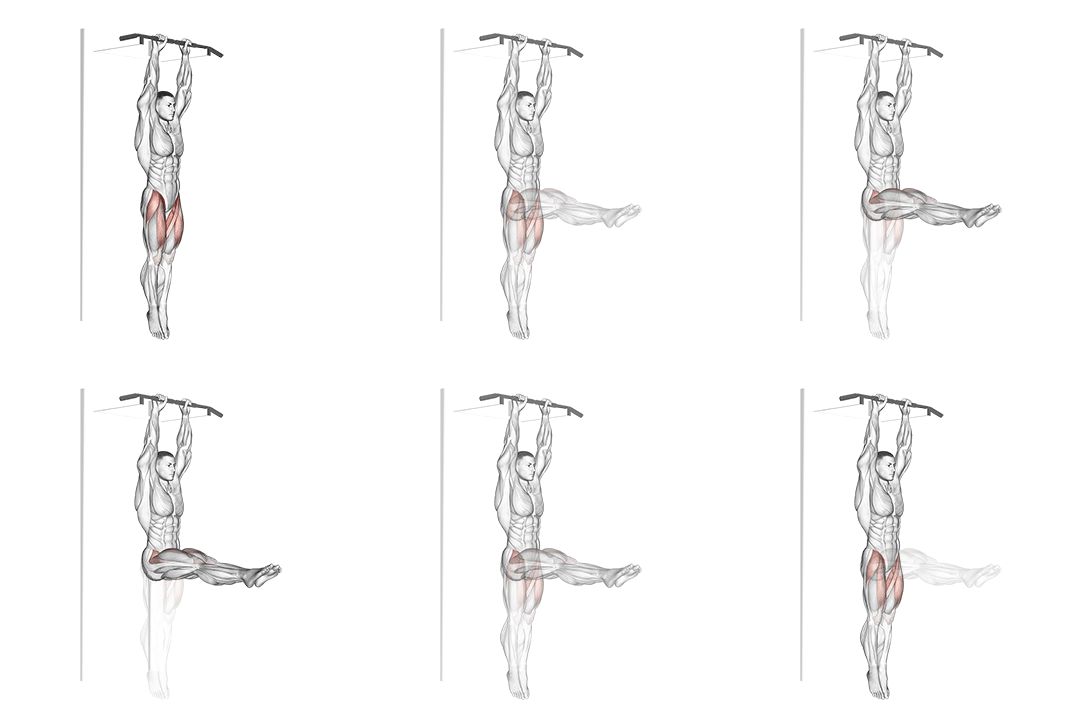
7. Hanging Leg Raise
81% match- Abs
- Bodyweight
- Advanced
- Compound
How to perform this exercise
- Hang from a pull-up bar with your arms fully extended and your palms facing away from you.
- Engage your core and lift your legs up in front of you, keeping them straight.
- Continue lifting until your legs are parallel to the ground or as high as you can comfortably go.
- Pause for a moment at the top, then slowly lower your legs back down to the starting position.
- Repeat for the desired number of repetitions.
Sets and reps: 3 or 4 sets of 6 to 10 reps.
Why this matches
- Primary muscle: abs, the same as the Standing Wheel Rollerout
- Equipment: bodyweight only, the same as the Standing Wheel Rollerout
- Body position: hanging, not kneeling
- Balance: easier to stay steady on than the Standing Wheel Rollerout
8. Hanging Straight Leg Hip Raise
81% match- Abs
- Bodyweight
- Advanced
- Compound
How to perform this exercise
- Hang from a pull-up bar with your arms fully extended and your palms facing away from you.
- Engage your core and lift your legs up in front of you until they are parallel to the ground.
- Pause for a moment at the top, then slowly lower your legs back down to the starting position.
- Repeat for the desired number of repetitions.
Sets and reps: 3 or 4 sets of 6 to 10 reps.
Why this matches
- Primary muscle: abs, the same as the Standing Wheel Rollerout
- Equipment: bodyweight only, the same as the Standing Wheel Rollerout
- Body position: hanging, not kneeling
- Balance: easier to stay steady on than the Standing Wheel Rollerout
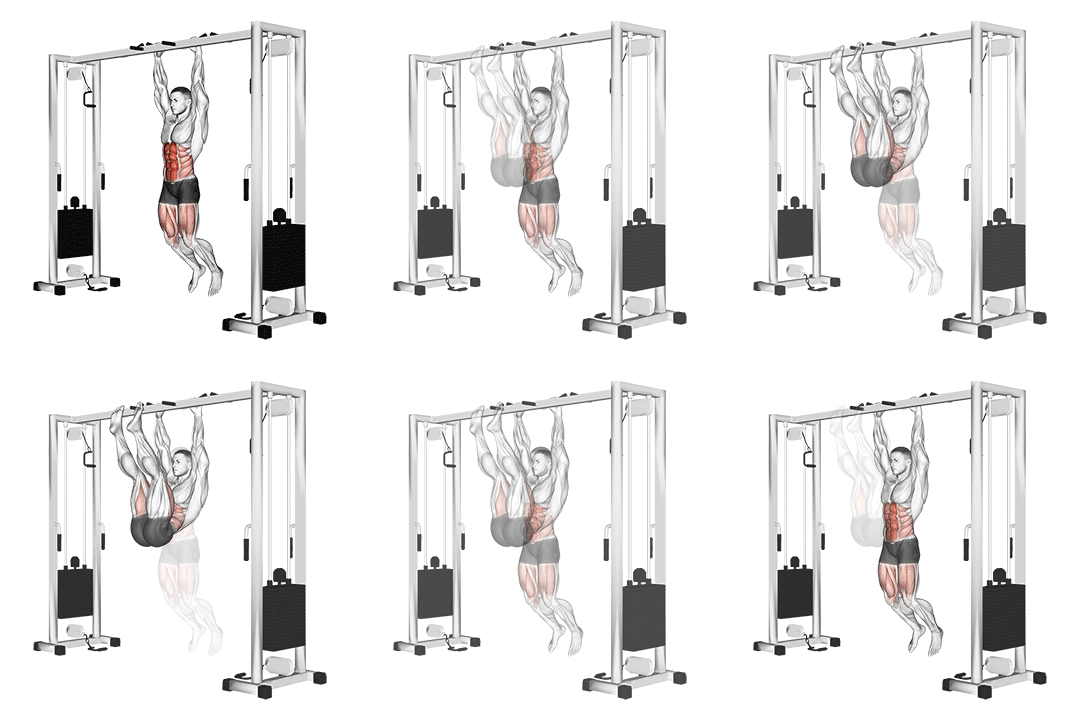
9. Hanging Straight Leg Raise
81% match- Abs
- Bodyweight
- Advanced
- Compound
How to perform this exercise
- Hang from a pull-up bar with your arms fully extended and your palms facing away from you.
- Engage your core and lift your legs up in front of you, keeping them straight.
- Continue lifting until your legs are parallel to the ground or as high as you can comfortably go.
- Pause for a moment at the top, then slowly lower your legs back down to the starting position.
- Repeat for the desired number of repetitions.
Sets and reps: 3 or 4 sets of 6 to 10 reps.
Why this matches
- Primary muscle: abs, the same as the Standing Wheel Rollerout
- Equipment: bodyweight only, the same as the Standing Wheel Rollerout
- Body position: hanging, not kneeling
- Balance: easier to stay steady on than the Standing Wheel Rollerout
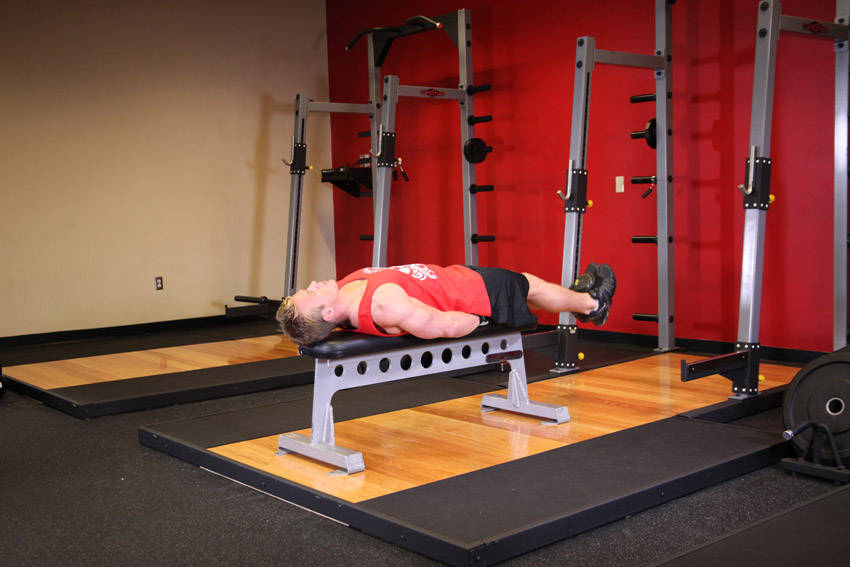
10. Flat Bench Lying Leg Raise
79% match- Abs
- Bodyweight
- Intermediate
- Isolation
How to perform this exercise
- Lie with your back flat on a bench and your legs extended in front of you off the end.
- Place your hands either under your glutes with your palms down or by the sides holding on to the bench. This will be your starting position.
- As you keep your legs extended, straight as possible with your knees slightly bent but locked raise your legs until they make a 90-degree angle with the floor. Exhale as you perform this portion of the movement and hold the contraction at the top for a second.
- Now, as you inhale, slowly lower your legs back down to the starting position.
Sets and reps: 3 sets of 10 to 15 reps.
Why this matches
- Primary muscle: abs, the same as the Standing Wheel Rollerout
- Equipment: bodyweight only, the same as the Standing Wheel Rollerout
- Body position: lying on your back, not kneeling
- Balance: easier to stay steady on than the Standing Wheel Rollerout
Standing Wheel Rollerout FAQ
What muscles does Standing Wheel Rollerout work?
The exercise primarily trains the rectus abdominis and external obliques through anti‑extension, with secondary activation in the lats, serratus anterior, and hip extensors to control the hinge. It also demands scapular stabilization to prevent excessive lumbar extension.
What is the best bodyweight alternative to Standing Wheel Rollerout?
Hollow‑body rocks are the best pure bodyweight alternative because they replicate the anti‑extension demand on the rectus abdominis without equipment. Lie supine, posteriorly tilt the pelvis, press the lower back to the floor, brace the core, and rock while keeping the chest low; lengthen the lever as you progress.
Find Alternatives for Any Exercise
Search the exercise database and filter the ranked substitutes by the equipment you own.
Similarity scores compare exercise metadata such as movement pattern, muscles, equipment and body position. They are not a safety rating or a check that you own the equipment. Learn about our methodology