

10 Best Weighted Ball Side Bend Alternatives for No Stability Ball
The Weighted Ball Side Bend is done standing with a stability ball. Ranked closest by our scoring: the Suspended Reverse Crunch, the Cross Body Crunch and the Decline Crunch.
Updated Ranked by our 12-factor similarity model How it works
Original Exercise: Weighted Ball Side Bend
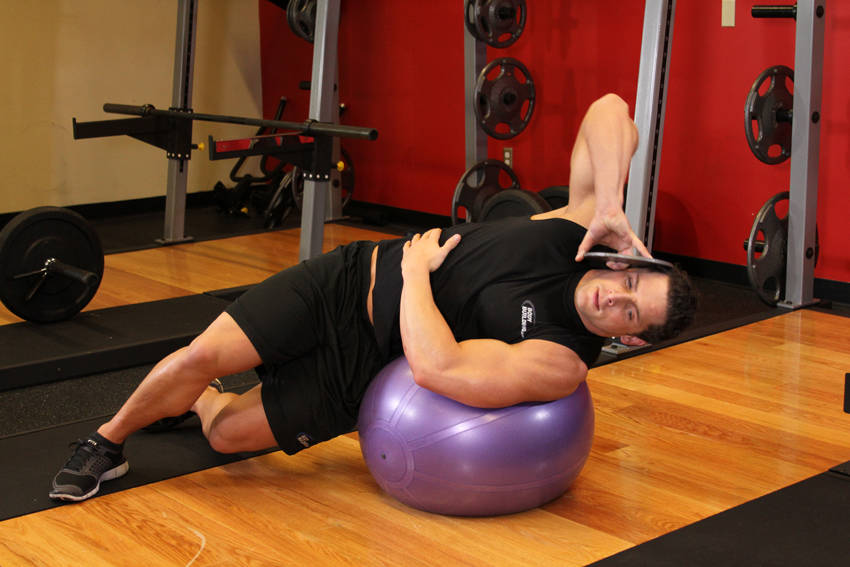
- Primary muscle
- Abs
- Equipment
- Stability-ball
- Difficulty
- Intermediate
- Type
- Isolation
How to perform Weighted Ball Side Bend
- To begin, lie down on an exercise ball with your left side of the torso (waist, hips and shoulder) pressed against the ball.
- Your feet should be on the floor while your legs are crossed and hanging from the ball. Hold a weighted plate with your right hand directly to the right side of your head. Tip: Make sure the smooth side of the plate is resting against your head.
- Place your left arm across your torso so that your palm is on your obliques. There should be a right angle between your left forearm and upper arm. This is the starting position.
- Raise the side of your torso up by laterally flexing at the waist while exhaling.
- Hold the contraction for a second and slowly lower yourself back down to the starting position while inhaling.
- Repeat for the recommended amount of repetitions.
- Switch sides and repeat the exercise.
Ranked Weighted Ball Side Bend Alternatives
10 substitutes, ranked by how closely each one matches the Weighted Ball Side Bend on movement pattern, muscles worked, equipment and body position. The higher the score, the less you change. Open "How to perform this exercise" on a card for the steps; every card title links to that exercise's own alternatives page.
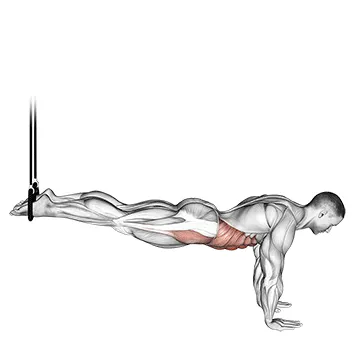
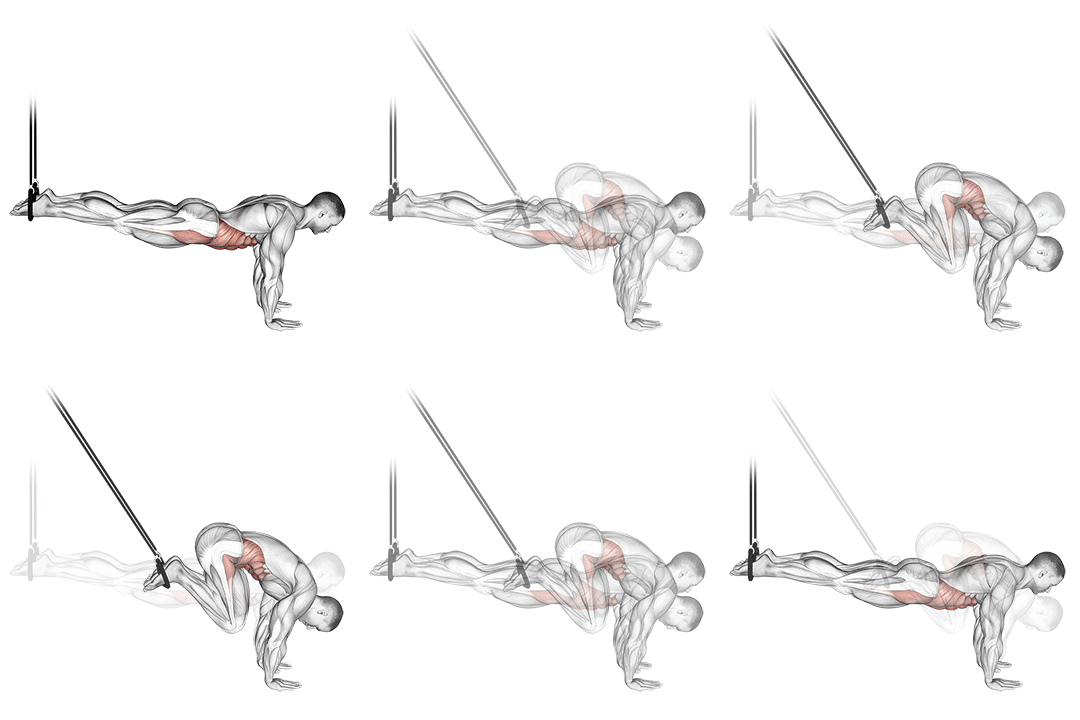
Best match 1. Suspended Reverse Crunch
75% match- Abs
- Bodyweight
- Beginner
- Isolation
Use this when you have nothing to train with, because it works the abs with bodyweight alone.
How to perform this exercise
- Hang from a pull-up bar with your arms fully extended and your palms facing away from you.
- Engage your core and lift your knees up towards your chest, curling your pelvis towards your ribcage.
- Pause for a moment at the top, then slowly lower your knees back down to the starting position.
- Repeat for the desired number of repetitions.
Sets and reps: 3 sets of 10 to 15 reps.
Why this matches
- Primary muscle: abs, the same as the Weighted Ball Side Bend
- Equipment: a suspension trainer, the same as the Weighted Ball Side Bend
- Body position: hanging, not standing
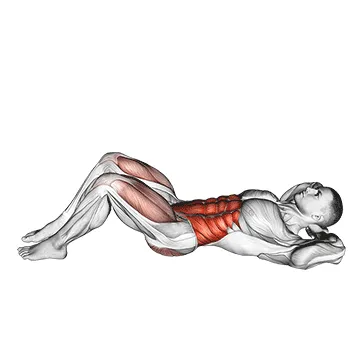
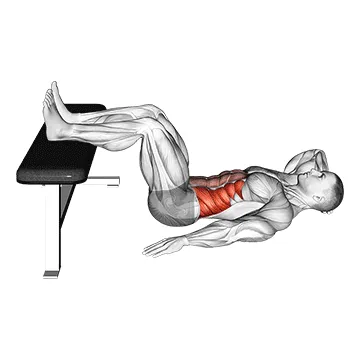
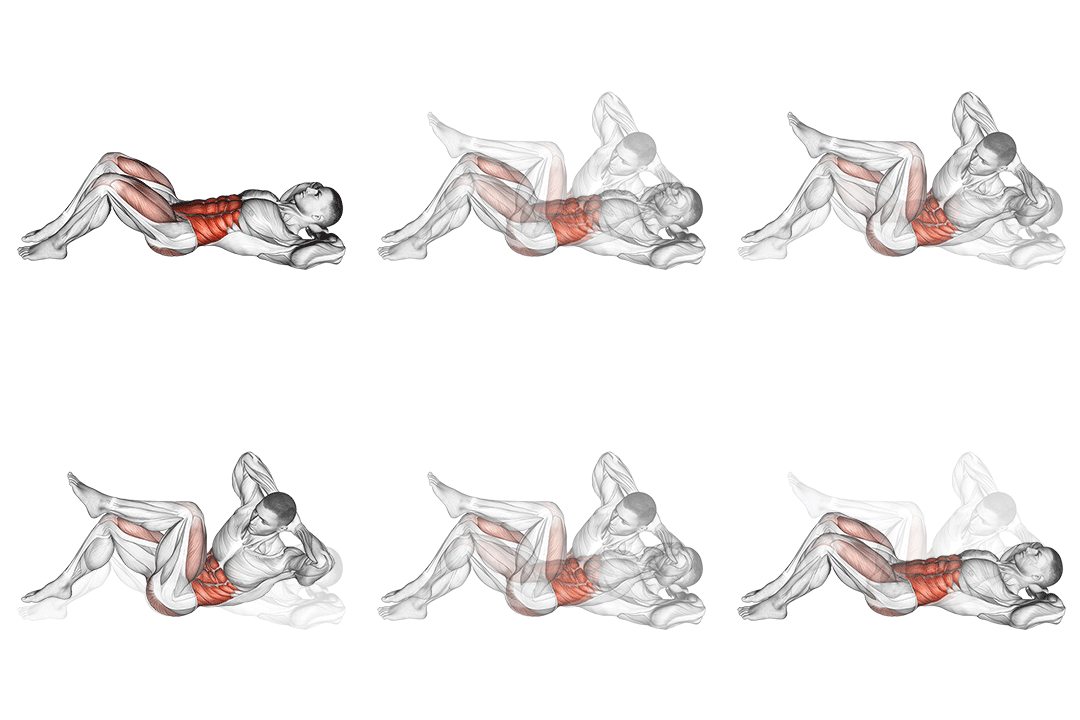
2. Cross Body Crunch
72% match- Abs
- Bodyweight
- Beginner
- Isolation
How to perform this exercise
- Lie flat on your back with your knees bent and feet flat on the ground.
- Place your hands behind your head with your elbows pointing outwards.
- Engaging your abs, lift your upper body off the ground and twist to bring your right elbow towards your left knee.
- Pause for a moment at the top, then slowly lower your upper body back down to the starting position.
- Repeat on the other side, bringing your left elbow towards your right knee.
- Repeat for the desired number of repetitions.
Sets and reps: 3 sets of 8 to 12 reps on each side, and add reps before you add load.
Why this matches
- Primary muscle: abs, the same as the Weighted Ball Side Bend
- Equipment: bodyweight only, not a suspension trainer
- Body position: lying on your back, not standing
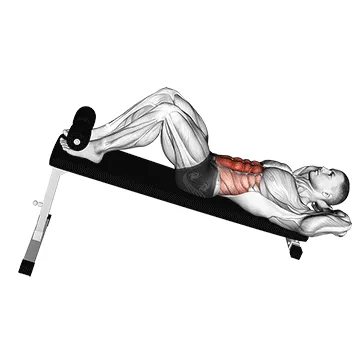
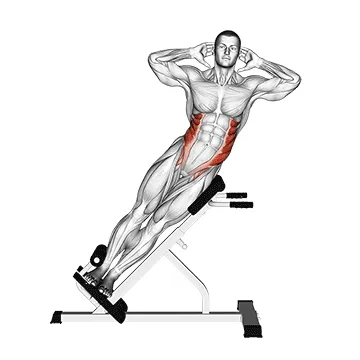
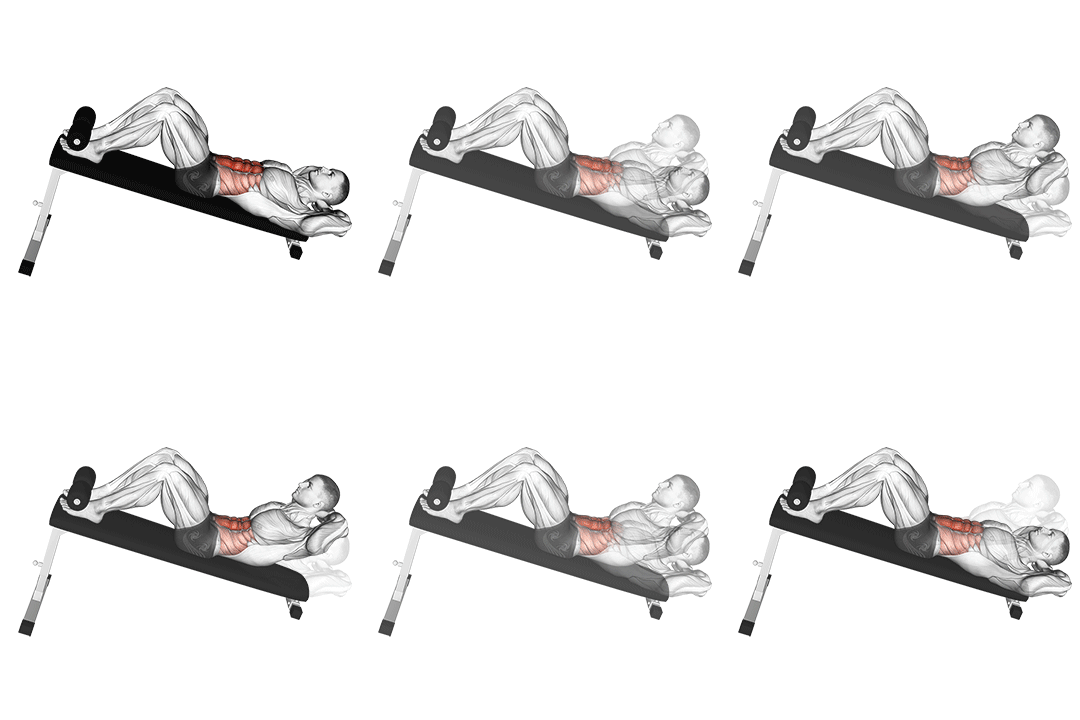
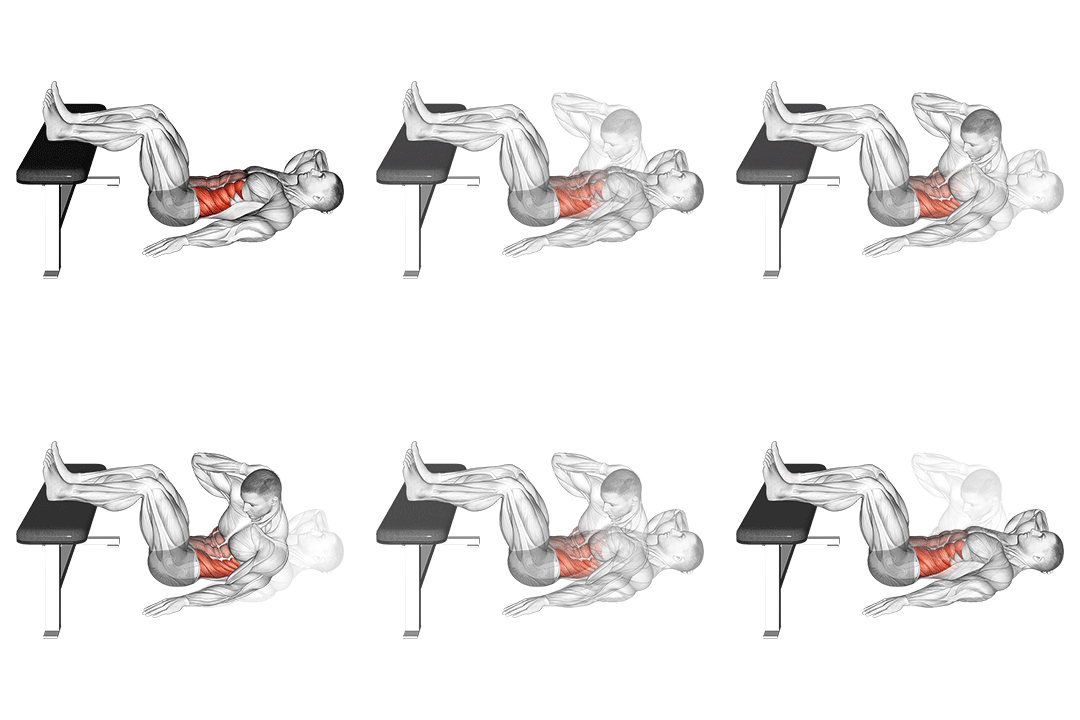
3. Decline Crunch
72% match- Abs
- Bodyweight
- Intermediate
- Isolation
How to perform this exercise
- Lie on a decline bench with your feet secured and your knees bent at a 90-degree angle.
- Place your hands behind your head or across your chest.
- Engage your abs and lift your upper body towards your knees, curling your torso.
- Pause for a moment at the top, then slowly lower your upper body back down to the starting position.
- Repeat for the desired number of repetitions.
Sets and reps: 3 sets of 10 to 15 reps.
Why this matches
- Primary muscle: abs, the same as the Weighted Ball Side Bend
- Equipment: bodyweight only, not a suspension trainer
- Body position: lying on your back, not standing
- Balance: easier to stay steady on than the Weighted Ball Side Bend
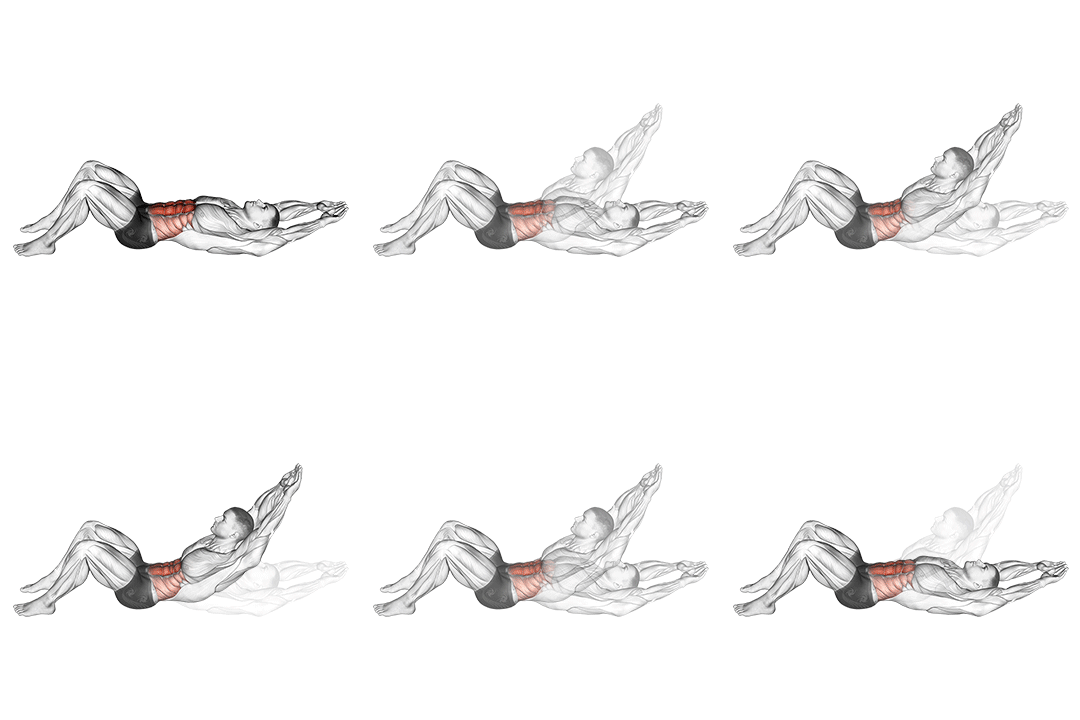
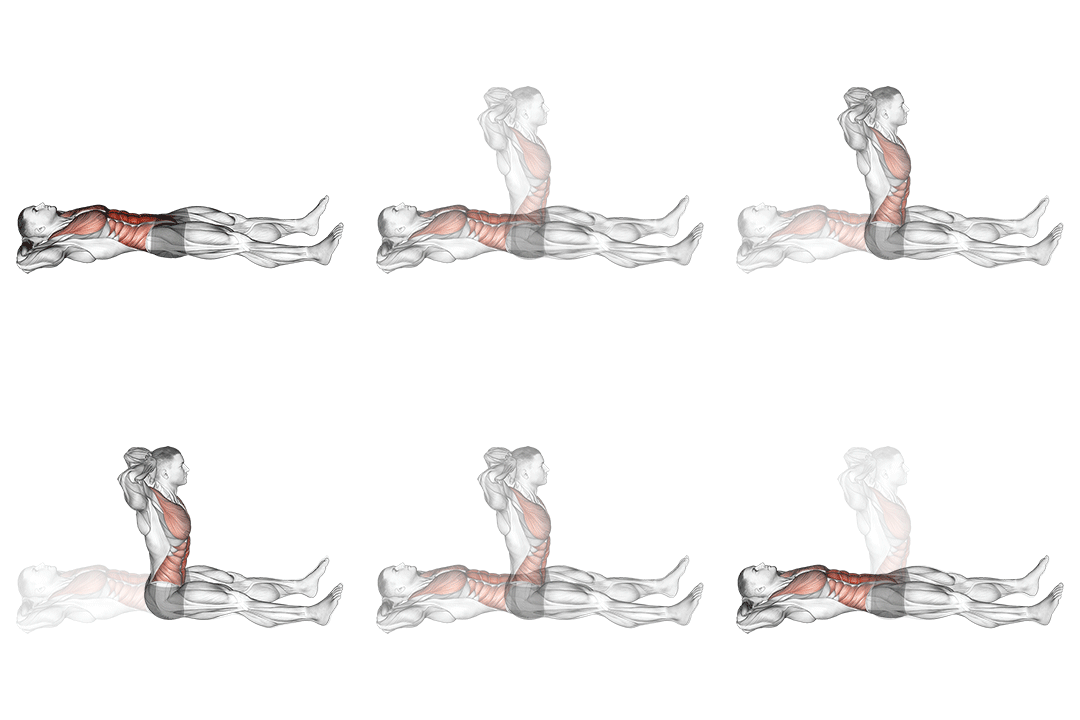
4. Crunch (Hands Overhead)
70% match- Abs
- Bodyweight
- Intermediate
- Isolation
How to perform this exercise
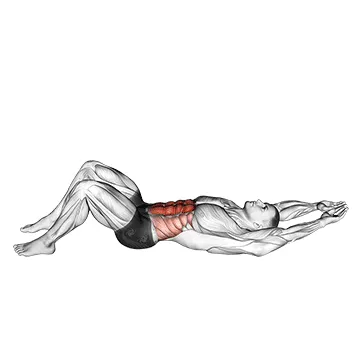
- Lie flat on your back with your knees bent and feet flat on the ground.
- Extend your arms straight above your head.
- Engaging your abs, lift your upper body off the ground, curling forward towards your knees.
- Pause for a moment at the top, then slowly lower your upper body back down to the starting position.
- Repeat for the desired number of repetitions.
Sets and reps: 3 sets of 10 to 15 reps.
Why this matches
- Primary muscle: abs, the same as the Weighted Ball Side Bend
- Equipment: bodyweight only, not a suspension trainer
- Body position: lying on your back, not standing
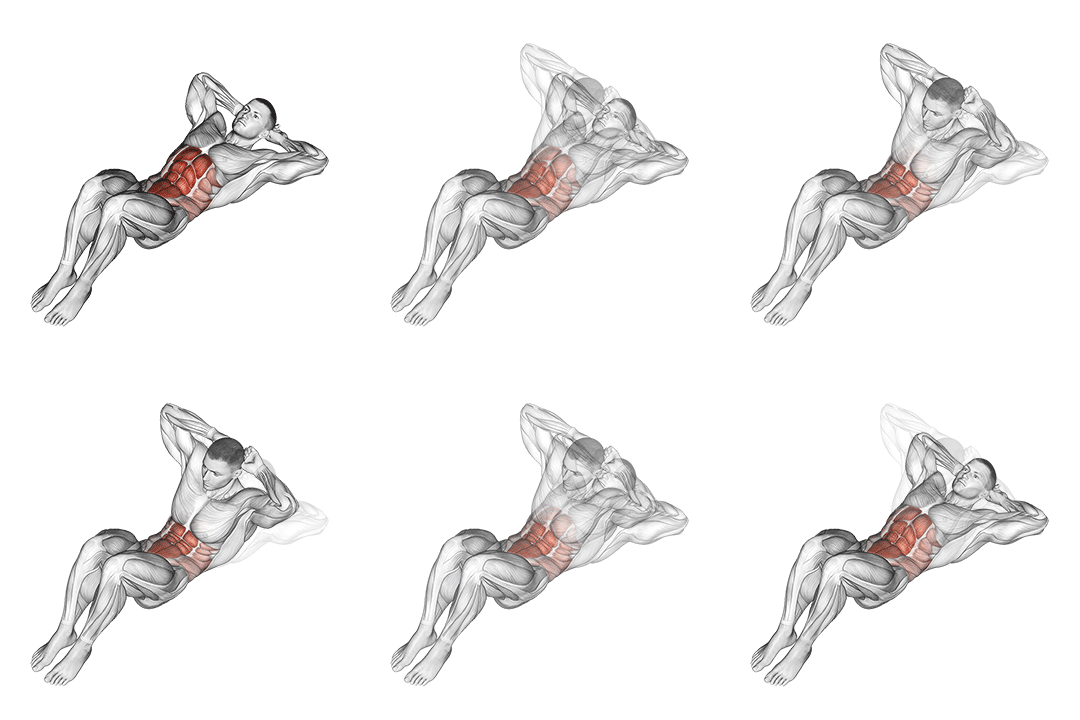
5. Crunch Floor
70% match- Abs
- Bodyweight
- Beginner
- Isolation
How to perform this exercise
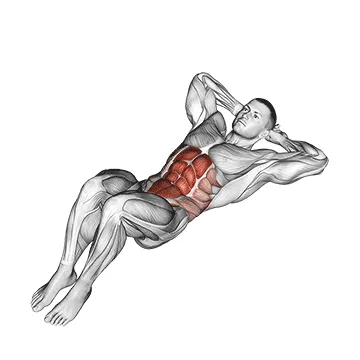
- Lie flat on your back with your knees bent and feet flat on the ground.
- Place your hands behind your head with your elbows pointing outwards.
- Engage your abs and lift your shoulders off the ground, curling forward towards your knees.
- Pause for a moment at the top, then slowly lower your shoulders back down to the starting position.
- Repeat for the desired number of repetitions.
Sets and reps: 3 sets of 8 to 12 reps, and add reps before you add load.
Why this matches
- Primary muscle: abs, the same as the Weighted Ball Side Bend
- Equipment: bodyweight only, not a suspension trainer
- Body position: lying on your back, not standing
6. Prisoner Half Sit-up
69% match- Abs
- Bodyweight
- Beginner
- Isolation
How to perform this exercise
- Lie flat on your back with your knees bent and feet flat on the ground.
- Place your hands behind your head with your elbows pointing outwards.
- Engaging your abs, slowly lift your upper body off the ground, curling forward until your torso is at a 45-degree angle.
- Pause for a moment at the top, then slowly lower your upper body back down to the starting position.
- Repeat for the desired number of repetitions.
Sets and reps: 3 sets of 8 to 12 reps, and add reps before you add load.
Why this matches
- Primary muscle: abs, the same as the Weighted Ball Side Bend
- Equipment: bodyweight only, not a suspension trainer
- Body position: lying on your back, not standing
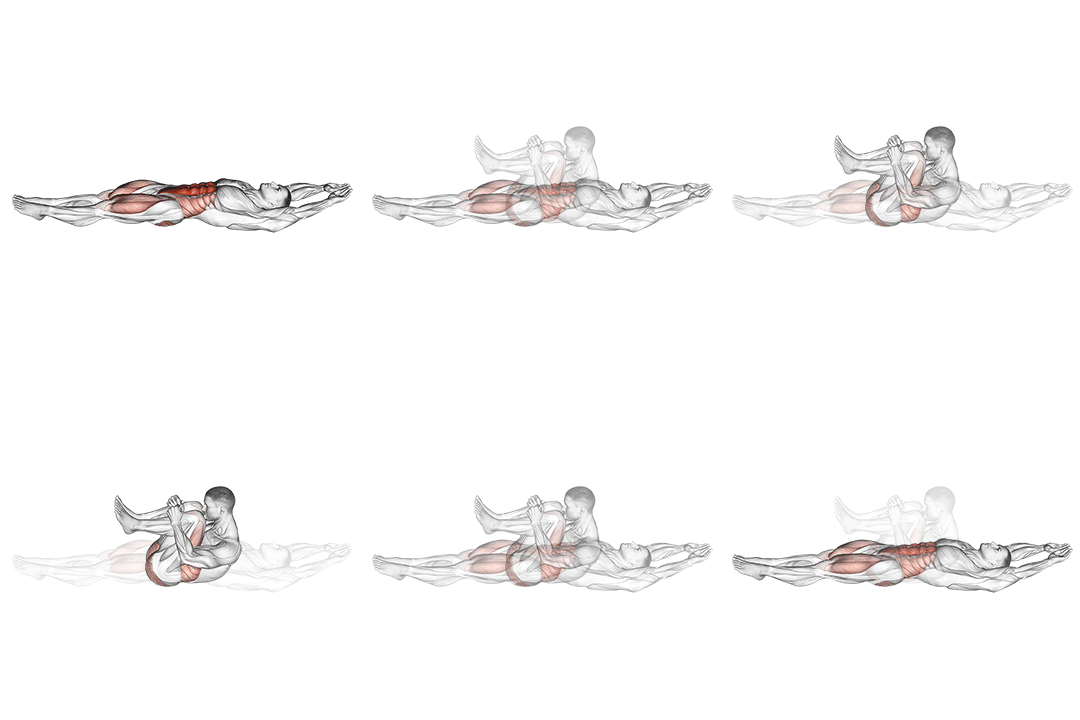
7. Cocoons
69% match- Abs
- Bodyweight
- Beginner
- Isolation
How to perform this exercise
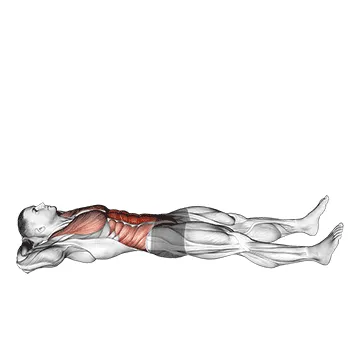
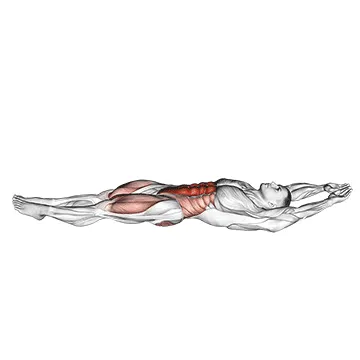
- Lie flat on your back with your knees bent and feet flat on the ground.
- Place your hands behind your head with your elbows pointing outwards.
- Engaging your abs, slowly lift your upper body off the ground, curling forward until your torso is at a 45-degree angle.
- Pause for a moment at the top, then slowly lower your upper body back down to the starting position.
- Repeat for the desired number of repetitions.
Sets and reps: 3 sets of 8 to 12 reps, and add reps before you add load.
Why this matches
- Primary muscle: abs, the same as the Weighted Ball Side Bend
- Equipment: bodyweight only, not a suspension trainer
- Body position: lying on your back, not standing
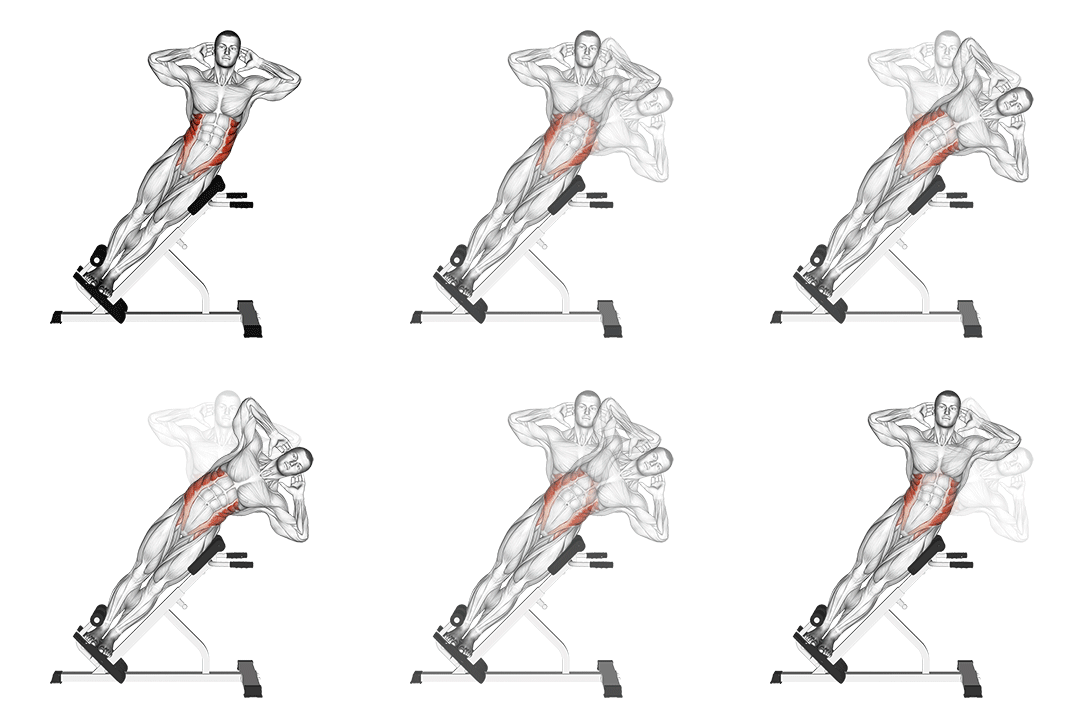
8. 45° Side Bend
68% match- Abs
- Bodyweight
- Beginner
- Isolation
How to perform this exercise
- Stand with your feet shoulder-width apart and your arms extended straight down by your sides.
- Keeping your back straight and your core engaged, slowly bend your torso to one side, lowering your hand towards your knee.
- Pause for a moment at the bottom, then slowly return to the starting position.
- Repeat on the other side.
- Continue alternating sides for the desired number of repetitions.
Sets and reps: 3 sets of 8 to 12 reps on each side, and add reps before you add load.
Why this matches
- Primary muscle: abs, the same as the Weighted Ball Side Bend
- Equipment: bodyweight only, not a suspension trainer
- Body position: standing, the same as the Weighted Ball Side Bend
- Balance: easier to stay steady on than the Weighted Ball Side Bend
9. Oblique Crunch
68% match- Abs
- Bodyweight
- Intermediate
- Isolation
How to perform this exercise
- Lie on your back with your knees bent and feet flat on the ground.
- Place your hands behind your head or cross them over your chest.
- Engage your abs and lift your shoulder blades off the ground, rotating your torso to one side.
- Pause for a moment, then lower your shoulder blades back down to the starting position.
- Repeat on the other side.
- Continue alternating sides for the desired number of repetitions.
Sets and reps: 3 sets of 10 to 15 reps on each side.
Why this matches
- Primary muscle: abs, the same as the Weighted Ball Side Bend
- Equipment: bodyweight only, not a suspension trainer
- Body position: lying on your back, not standing
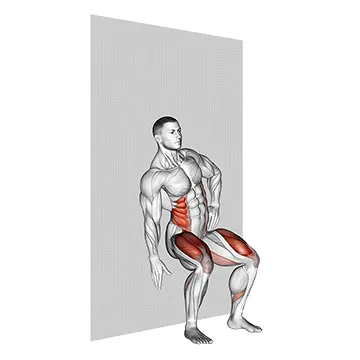
10. Seated Side Crunch (Wall)
68% match- Abs
- Bodyweight
- Beginner
- Isolation
How to perform this exercise
- Sit on the floor with your back against a wall and your legs extended in front of you.
- Bend your knees and place your feet flat on the floor, hip-width apart.
- Place your hands behind your head with your elbows pointing outwards.
- Engage your abs and lean to one side, bringing your elbow towards your hip.
- Pause for a moment, then return to the starting position.
- Repeat on the other side.
- Continue alternating sides for the desired number of repetitions.
Sets and reps: 3 sets of 8 to 12 reps on each side, and add reps before you add load.
Why this matches
- Primary muscle: abs, the same as the Weighted Ball Side Bend
- Equipment: bodyweight only, not a suspension trainer
- Body position: seated, not standing
- Balance: easier to stay steady on than the Weighted Ball Side Bend
Why You Might Need a Weighted Ball Side Bend Alternative
You may substitute the Weighted Ball Side Bend because you lack a stability ball, have low-back pain, or want a different loading pattern. The side bend loads lateral flexion and emphasizes the obliques and quadratus lumborum; if that movement causes pain, switch to isometric or rotational options. For example, a suitcase carry trains the obliques and QL isometrically while reducing repetitive lumbar bending. Technique cue: maintain a neutral spine and resist excessive lumbar collapse, drive tension through the obliques rather than leaning from the hip.
Weighted Ball Side Bend FAQ
What muscles does Weighted Ball Side Bend work?
The exercise primarily targets the external and internal obliques and the quadratus lumborum, producing lateral flexion of the spine. It also engages the erector spinae and transverse abdominis for stabilization when you brace and control the descent.
What is the best bodyweight alternative to Weighted Ball Side Bend?
A side-plank hip dip is the best bodyweight substitute because it creates strong isometric and concentric oblique activation without weighted lateral bending. Cue: keep hips stacked, lower the hip toward the floor using your obliques, then press back up while maintaining a neutral spine.
Find Alternatives for Any Exercise
Search the exercise database and filter the ranked substitutes by the equipment you own.
Similarity scores compare exercise metadata such as movement pattern, muscles, equipment and body position. They are not a safety rating or a check that you own the equipment. Learn about our methodology