

10 Best Weighted Overhead Crunch (On Stability Ball) Alternatives for Gym & Home
The Weighted Overhead Crunch (On Stability Ball) is done lying on your back with a stability ball. Ranked closest by our scoring: the Sit-up With Arms On Chest, the Arms Overhead Full Sit-up and Frog Sit-ups.
Updated Ranked by our 12-factor similarity model How it works
Original Exercise: Weighted Overhead Crunch (On Stability Ball)
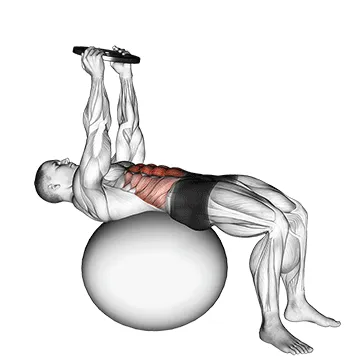
- Primary muscle
- Abs
- Equipment
- Stability-ball
- Difficulty
- Intermediate
- Type
- Isolation
Secondary muscles: Obliques, Lower Back
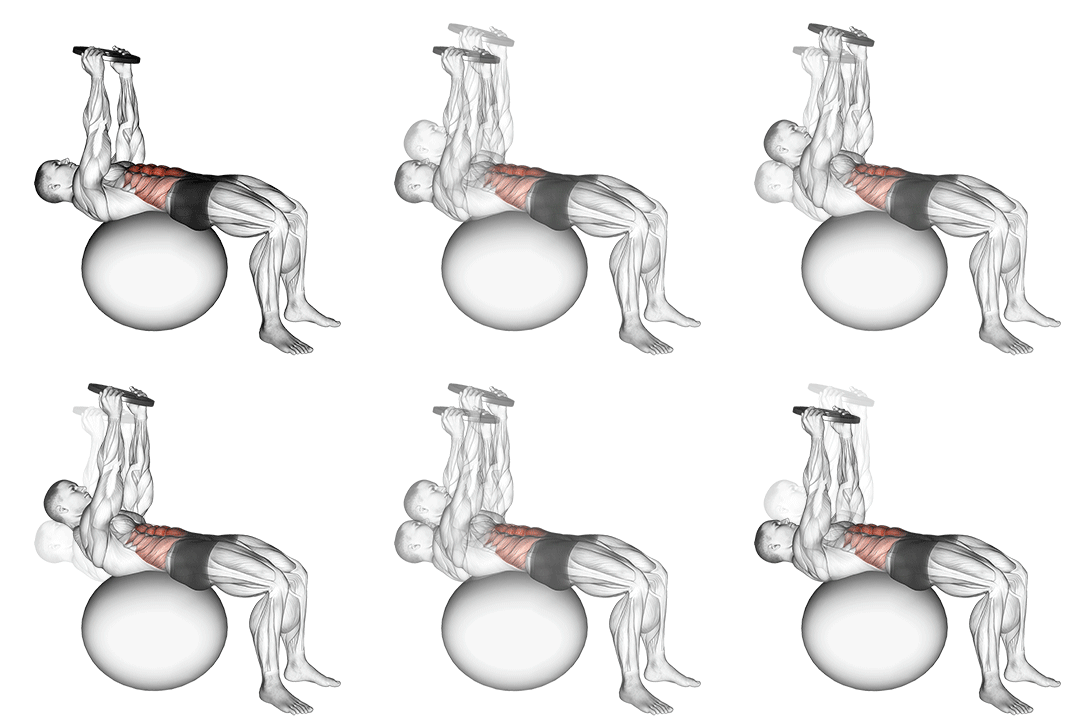
How to perform Weighted Overhead Crunch (On Stability Ball)
- Sit on a stability ball with your feet flat on the ground and your knees bent at a 90-degree angle.
- Hold a weight plate or dumbbell with both hands and extend your arms overhead.
- Engage your abs and slowly curl your torso forward, bringing your chest towards your knees.
- Pause for a moment at the top, then slowly lower your torso back to the starting position.
- Repeat for the desired number of repetitions.
Ranked Weighted Overhead Crunch (On Stability Ball) Alternatives
10 substitutes, ranked by how closely each one matches the Weighted Overhead Crunch (On Stability Ball) on movement pattern, muscles worked, equipment and body position. The higher the score, the less you change. Open "How to perform this exercise" on a card for the steps; every card title links to that exercise's own alternatives page.
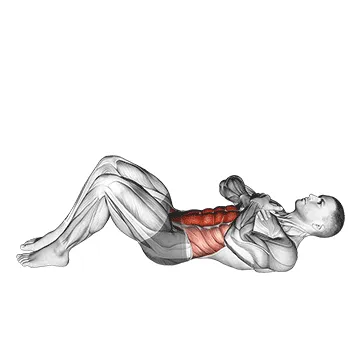
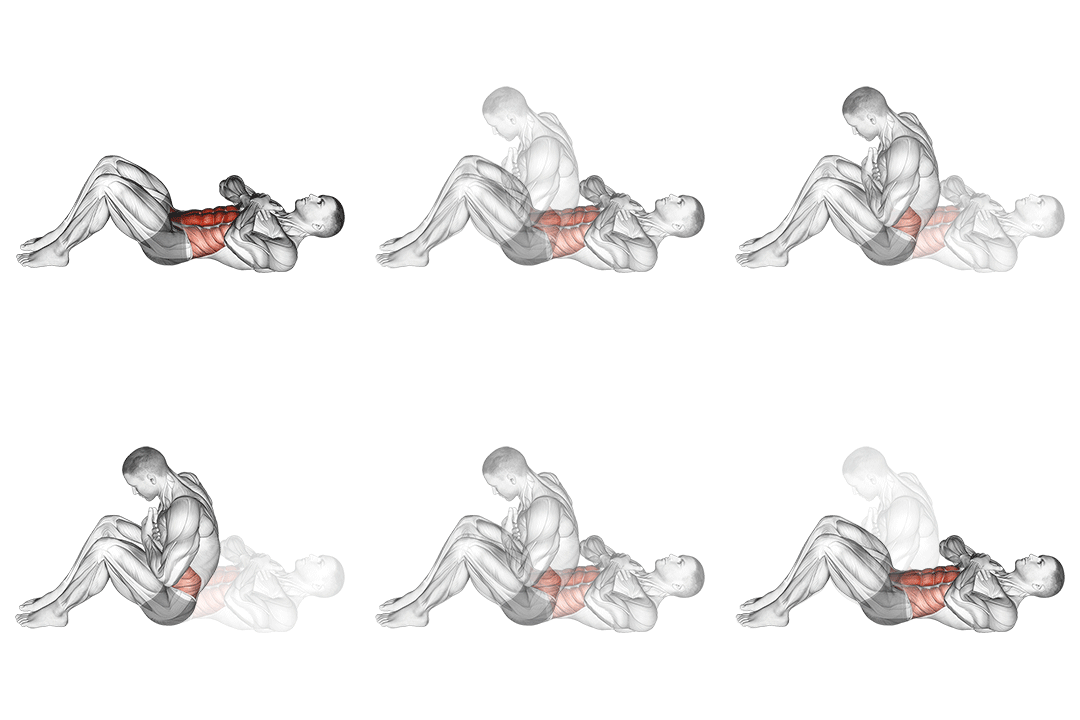
Best match 1. Sit-up With Arms On Chest
80% match- Abs
- Bodyweight
- Beginner
- Isolation
Use this when you have nothing to train with, because it works the abs with bodyweight alone.
How to perform this exercise
- Lie flat on your back with your knees bent and feet flat on the ground.
- Cross your arms over your chest.
- Engaging your abs, lift your upper body off the ground towards your knees.
- Pause for a moment at the top, then slowly lower your upper body back down to the starting position.
- Repeat for the desired number of repetitions.
Sets and reps: 3 sets of 8 to 12 reps, and add reps before you add load.
Why this matches
- Primary muscle: abs, the same as the Weighted Overhead Crunch (On Stability Ball)
- Equipment: bodyweight only, not free weights
- Body position: lying on your back, the same as the Weighted Overhead Crunch (On Stability Ball)
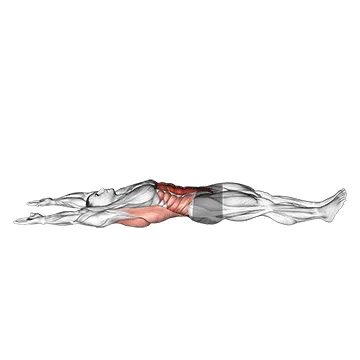
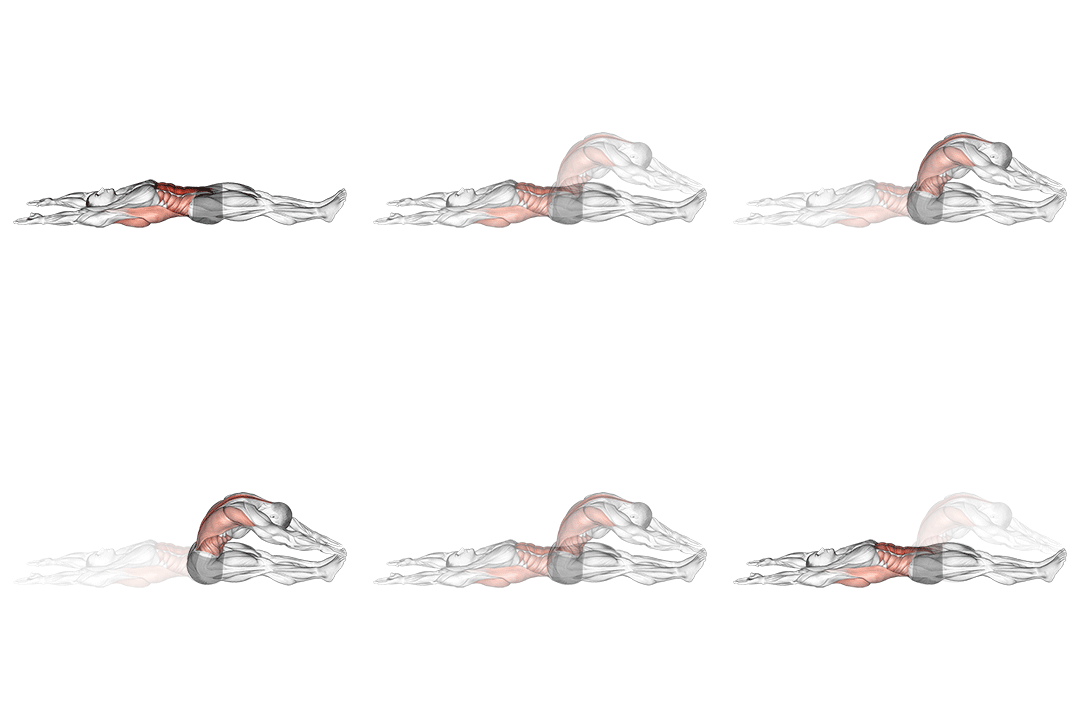
2. Arms Overhead Full Sit-up
80% match- Abs
- Bodyweight
- Intermediate
- Isolation
How to perform this exercise
- Lie flat on your back with your knees bent and feet flat on the ground.
- Extend your arms overhead, keeping them straight.
- Engaging your abs, slowly lift your upper body off the ground, curling forward until your torso is upright.
- Pause for a moment at the top, then slowly lower your upper body back down to the starting position.
- Repeat for the desired number of repetitions.
Sets and reps: 3 sets of 10 to 15 reps.
Why this matches
- Primary muscle: abs, the same as the Weighted Overhead Crunch (On Stability Ball)
- Equipment: bodyweight only, not free weights
- Body position: lying on your back, the same as the Weighted Overhead Crunch (On Stability Ball)
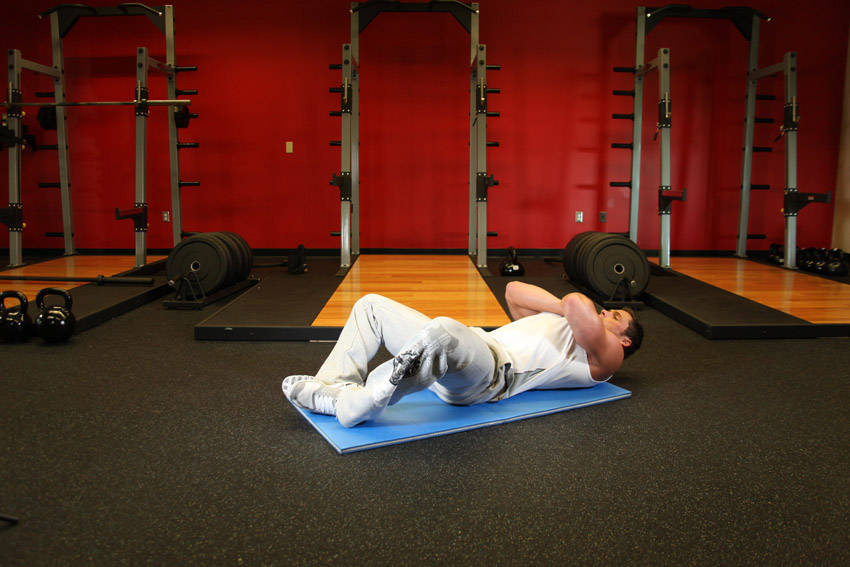
3. Frog Sit-ups
80% match- Abs
- Bodyweight
- Beginner
- Isolation
How to perform this exercise
- Lie with your back flat on the floor (or exercise mat) and your legs extended in front of you.
- Now bend at the knees and place your outer thighs by the floor (or mat) as you make the soles of your feet touch each other.
- Now try pushing both soles and bringing them up as near you as possible while you keep the outer thighs on the floor (or at least almost touching it). Tip: In this position your legs should create a diamond shape.
- Now, cross your arms in front of you by touching the opposite shoulders. This will be your starting position.
- As you exhale flatten your lower back to the floor while curling the torso upwards. Tip: This will be like performing the first 1/4 movement of a sit up. Hold at the top position for a second.
- As you inhale, slowly lower back to the starting position.
- Repeat for the recommended amount of repetitions.
Sets and reps: 3 sets of 8 to 12 reps, and add reps before you add load.
Why this matches
- Primary muscle: abs, the same as the Weighted Overhead Crunch (On Stability Ball)
- Equipment: bodyweight only, not free weights
- Body position: lying on your back, the same as the Weighted Overhead Crunch (On Stability Ball)
- Balance: easier to stay steady on than the Weighted Overhead Crunch (On Stability Ball)
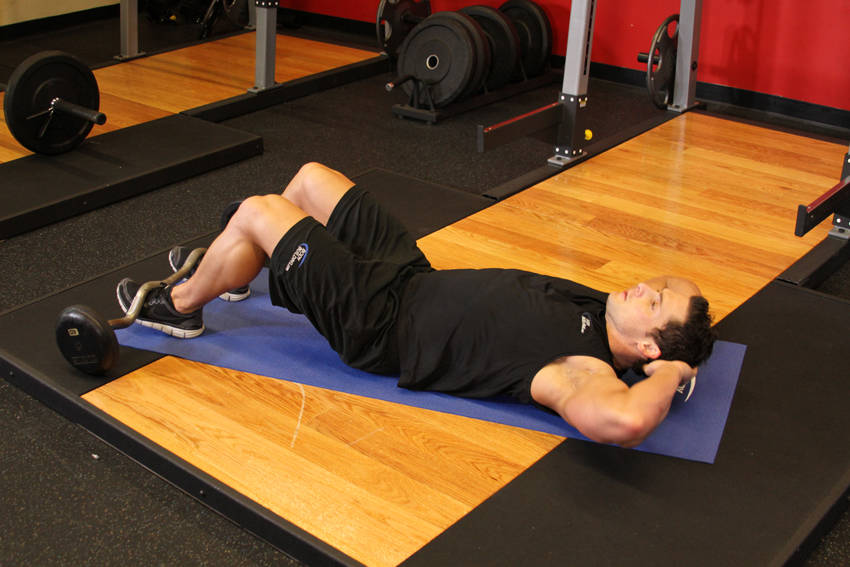
4. Sit-up
79% match- Abs
- Bodyweight
- Beginner
- Isolation
How to perform this exercise
- Lie down on the floor placing your feet either under something that will not move or by having a partner hold them. Your legs should be bent at the knees.
- Place your hands behind your head and lock them together by clasping your fingers. This is the starting position.
- Elevate your upper body so that it creates an imaginary V-shape with your thighs. Breathe out when performing this part of the exercise.
- Once you feel the contraction for a second, lower your upper body back down to the starting position while inhaling.
- Repeat for the recommended amount of repetitions.
Sets and reps: 3 sets of 8 to 12 reps, and add reps before you add load.
Why this matches
- Primary muscle: abs, the same as the Weighted Overhead Crunch (On Stability Ball)
- Equipment: bodyweight only, not free weights
- Body position: lying on your back, the same as the Weighted Overhead Crunch (On Stability Ball)
- Balance: easier to stay steady on than the Weighted Overhead Crunch (On Stability Ball)
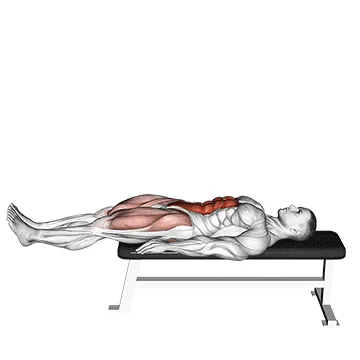
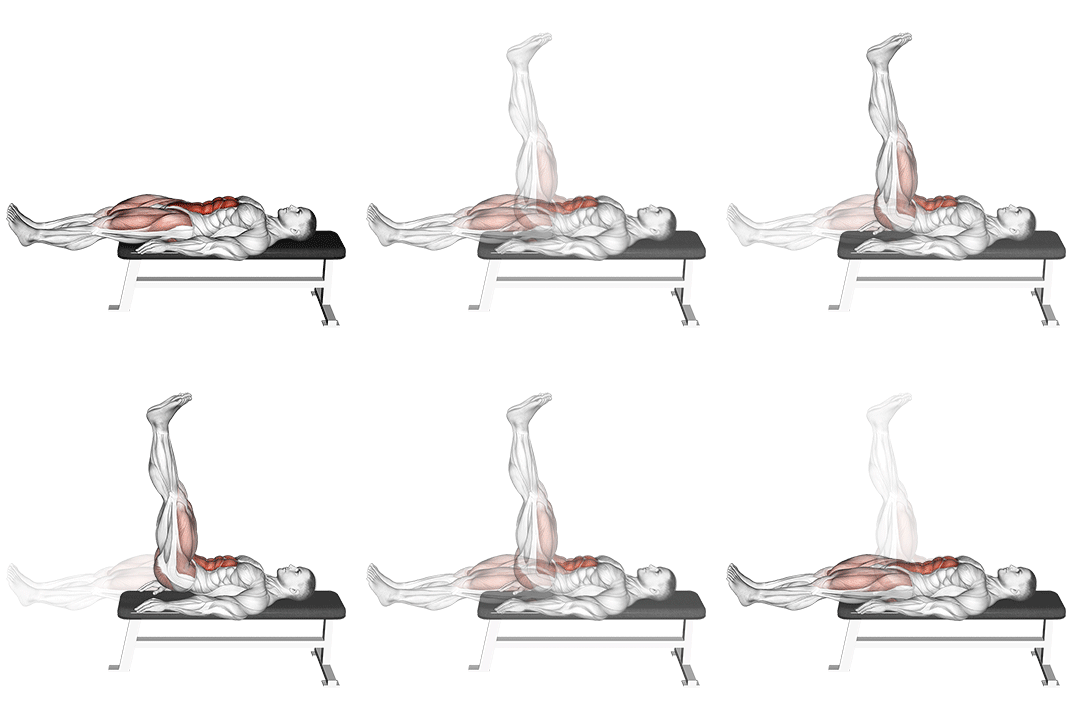
5. Lying Leg Raise Flat Bench
79% match- Abs
- Bodyweight
- Intermediate
- Isolation
How to perform this exercise
- Lie flat on a flat bench with your back pressed against it.
- Place your hands under your glutes for support.
- Keep your legs straight and together, and lift them up towards the ceiling.
- Pause for a moment at the top, then slowly lower your legs back down to the starting position.
- Repeat for the desired number of repetitions.
Sets and reps: 3 sets of 10 to 15 reps.
Why this matches
- Primary muscle: abs, the same as the Weighted Overhead Crunch (On Stability Ball)
- Equipment: bodyweight only, not free weights
- Body position: lying on your back, the same as the Weighted Overhead Crunch (On Stability Ball)
- Balance: easier to stay steady on than the Weighted Overhead Crunch (On Stability Ball)
6. Cocoons
78% match- Abs
- Bodyweight
- Beginner
- Isolation
How to perform this exercise
- Lie flat on your back with your knees bent and feet flat on the ground.
- Place your hands behind your head with your elbows pointing outwards.
- Engaging your abs, slowly lift your upper body off the ground, curling forward until your torso is at a 45-degree angle.
- Pause for a moment at the top, then slowly lower your upper body back down to the starting position.
- Repeat for the desired number of repetitions.
Sets and reps: 3 sets of 8 to 12 reps, and add reps before you add load.
Why this matches
- Primary muscle: abs, the same as the Weighted Overhead Crunch (On Stability Ball)
- Equipment: bodyweight only, not free weights
- Body position: lying on your back, the same as the Weighted Overhead Crunch (On Stability Ball)
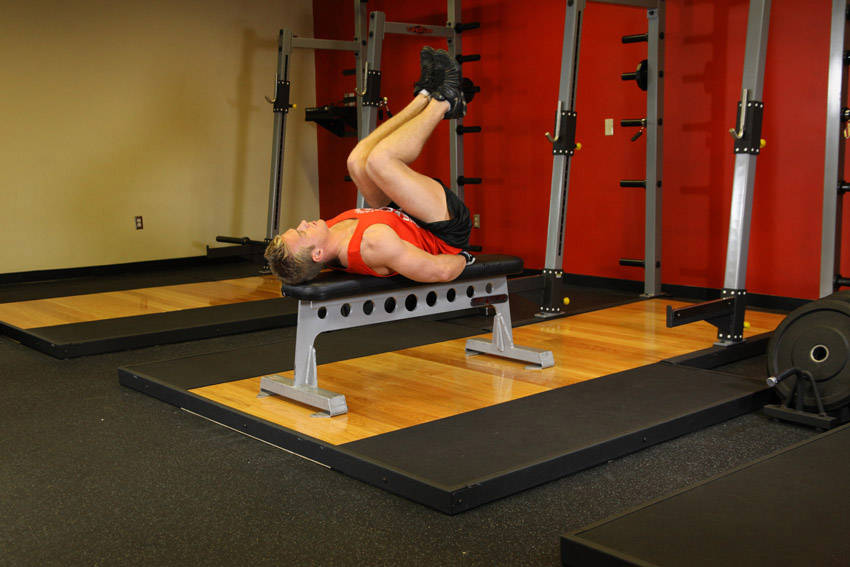
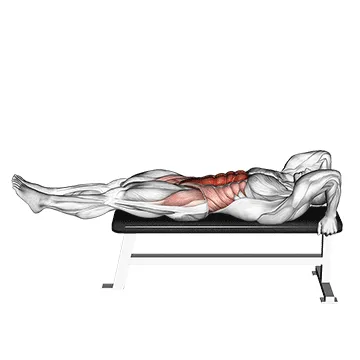
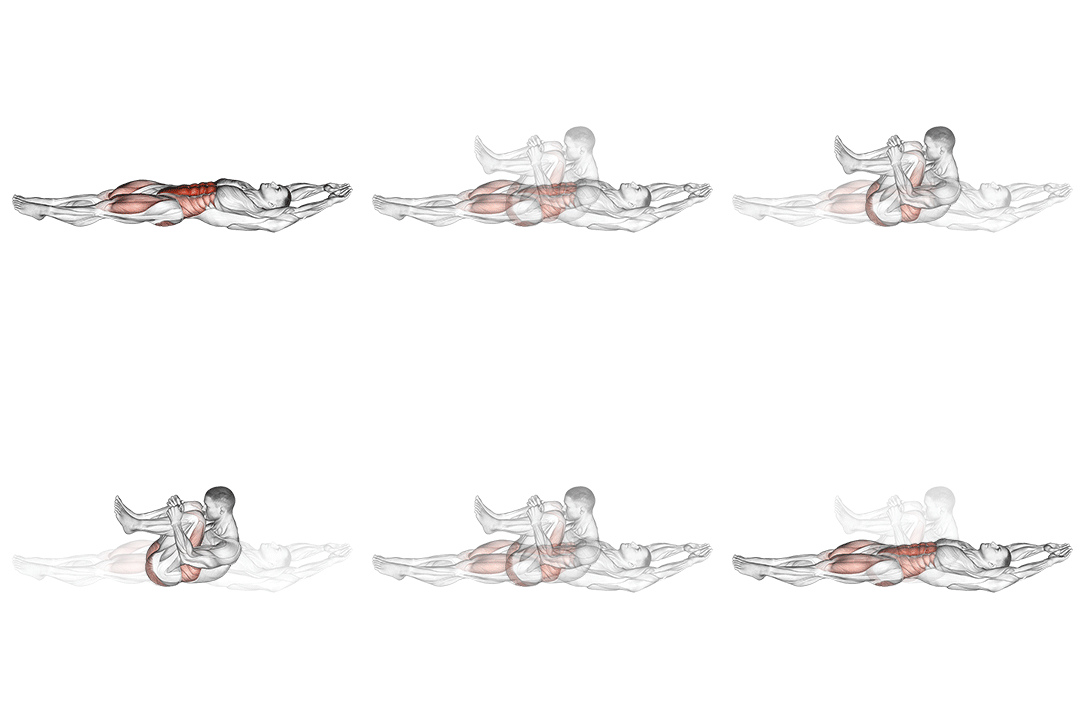
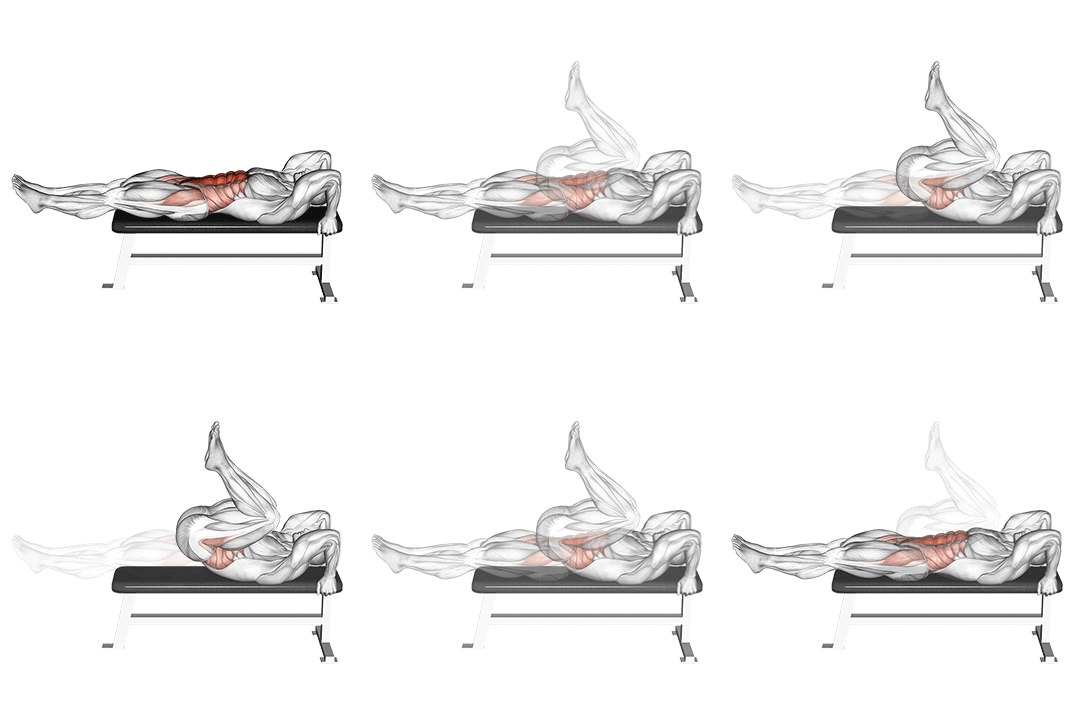
7. Flat Bench Leg Pull-in
77% match- Abs
- Bodyweight
- Beginner
- Isolation
How to perform this exercise
- Lie on an exercise mat or a flat bench with your legs off the end.
- Place your hands either under your glutes with your palms down or by the sides holding on to the bench (or with palms down by the side on an exercise mat). Also extend your legs straight out. This will be your starting position.
- Bend your knees and pull your upper thighs into your midsection as you breathe out. Continue this movement until your knees are near your chest. Hold the contracted position for a second.
- As you breathe in, slowly return to the starting position.
- Repeat for the recommended amount of repetitions.
Sets and reps: 3 sets of 8 to 12 reps, and add reps before you add load.
Why this matches
- Primary muscle: abs, the same as the Weighted Overhead Crunch (On Stability Ball)
- Equipment: bodyweight only, not free weights
- Body position: lying on your back, the same as the Weighted Overhead Crunch (On Stability Ball)
- Balance: easier to stay steady on than the Weighted Overhead Crunch (On Stability Ball)
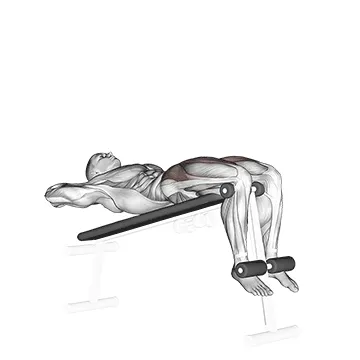
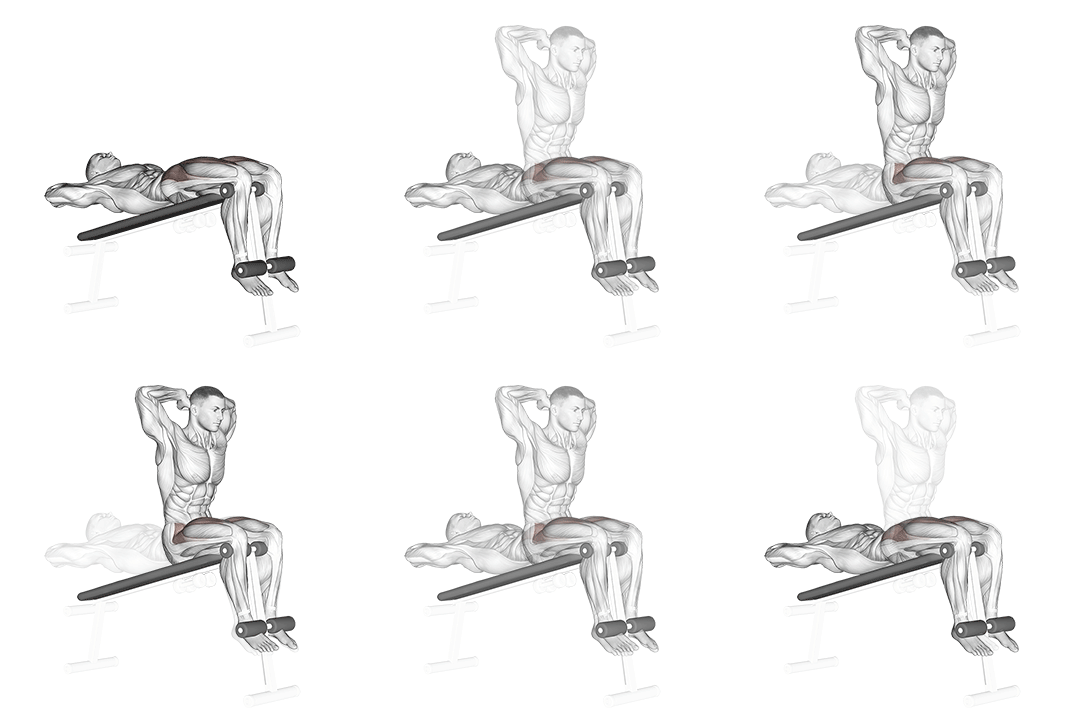
8. Decline Sit-up
77% match- Abs
- Bodyweight
- Intermediate
- Compound
How to perform this exercise
- Lie on a decline bench with your feet secured and your knees bent.
- Place your hands behind your head or across your chest.
- Engage your abs and lift your upper body off the bench, curling forward towards your knees.
- Pause for a moment at the top, then slowly lower your upper body back down to the starting position.
- Repeat for the desired number of repetitions.
Sets and reps: 3 or 4 sets of 6 to 10 reps.
Why this matches
- Primary muscle: abs, the same as the Weighted Overhead Crunch (On Stability Ball)
- Equipment: bodyweight only, not free weights
- Body position: lying on your back, the same as the Weighted Overhead Crunch (On Stability Ball)
- Balance: easier to stay steady on than the Weighted Overhead Crunch (On Stability Ball)
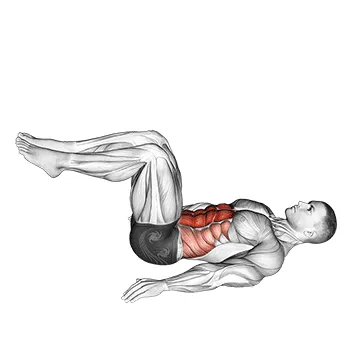
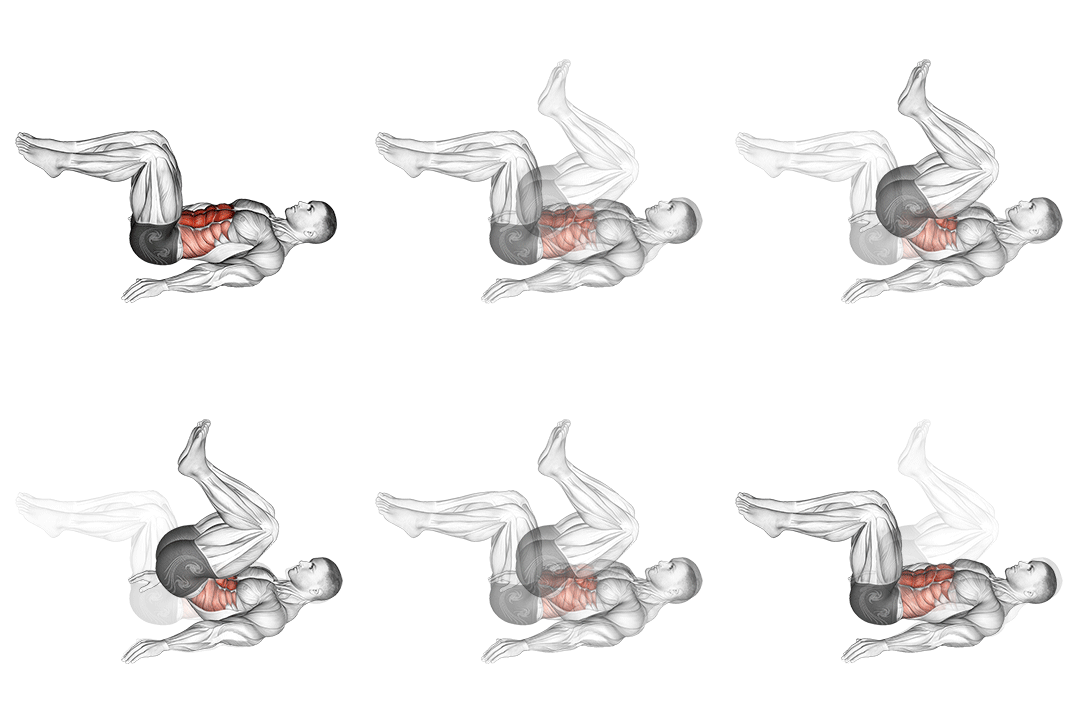
9. Reverse Crunch
76% match- Abs
- Bodyweight
- Beginner
- Isolation
How to perform this exercise
- Lie flat on your back with your arms extended along your sides.
- Bend your knees and lift your feet off the ground, bringing your thighs perpendicular to the floor.
- Contract your abs and curl your hips off the floor, bringing your knees towards your chest.
- Pause for a moment at the top, then slowly lower your hips back down to the starting position.
- Repeat for the desired number of repetitions.
Sets and reps: 3 sets of 8 to 12 reps, and add reps before you add load.
Why this matches
- Primary muscle: abs, the same as the Weighted Overhead Crunch (On Stability Ball)
- Equipment: bodyweight only, not free weights
- Body position: lying on your back, the same as the Weighted Overhead Crunch (On Stability Ball)
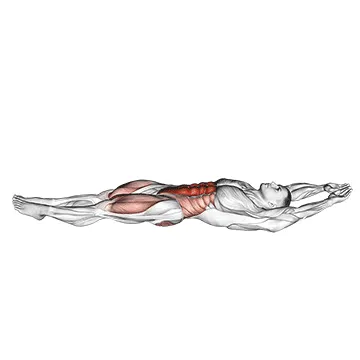
10. Lying Leg-hip Raise
76% match- Abs
- Bodyweight
- Intermediate
- Isolation
How to perform this exercise
- Lie flat on your back with your legs extended and your arms by your sides.
- Place your hands under your glutes for support.
- Engage your core and lift your legs off the ground, raising them towards the ceiling.
- Pause for a moment at the top, then slowly lower your legs back down to the starting position.
- Repeat for the desired number of repetitions.
Sets and reps: 3 sets of 10 to 15 reps.
Why this matches
- Primary muscle: abs, the same as the Weighted Overhead Crunch (On Stability Ball)
- Equipment: bodyweight only, not free weights
- Body position: lying on your back, the same as the Weighted Overhead Crunch (On Stability Ball)
Why You Might Need a Weighted Overhead Crunch (On Stability Ball) Alternative
You might substitute this exercise for several reasons: lack of a stability ball, recurrent neck or lumbar discomfort, balance limitations, or a need for greater loading options. The stability-ball version emphasizes spinal flexion with elevated ROM, which can stress the cervical and lumbar segments in some lifters. Alternatives let you isolate the rectus abdominis while reducing hip-flexor contribution or allowing progressive overload through added resistance. When choosing a swap, consider how each option shifts activation between the rectus abdominis, obliques, and hip flexors and whether the replacement reduces undesired neck extension. Technique cue: keep scapula retracted and avoid pulling on the head to prioritize abdominal contraction.
Weighted Overhead Crunch (On Stability Ball) FAQ
What is the best bodyweight alternative to Weighted Overhead Crunch (on Stability Ball)?
A reverse crunch on the floor is an excellent bodyweight substitute because it emphasizes pelvic curl and minimizes hip-flexor pull. Cue: press your lower back into the mat, curl the pelvis up with controlled tempo, and exhale to target the lower rectus abdominis.
Find Alternatives for Any Exercise
Search the exercise database and filter the ranked substitutes by the equipment you own.
Similarity scores compare exercise metadata such as movement pattern, muscles, equipment and body position. They are not a safety rating or a check that you own the equipment. Learn about our methodology