

Last updated: July 2026. FitnessVolt rebuilt this guide with current exercise and weight-loss evidence, corrected old claims, preserved the original media, and added practical training targets.
The biggest exercise-and-weight-loss myth is that one tool has to win: diet, cardio, lifting, HIIT, or willpower. Fat loss comes from a calorie deficit, but exercise decides how much muscle you keep, how fit you become, and how sustainable the deficit feels. The best plan uses diet for the deficit, lifting for muscle retention, cardio for health and extra energy output, and steps for consistency.
The old version of this article debunked four myths, but the advice was too broad for 2026. People do not need another lecture about trying harder. They need to know which claims waste time, which ones are partly true, and what to do this week.
Key Facts
- Diet still drives the deficit: Exercise helps, but it is easier to eat 500 calories than burn 500 calories on demand.
- Lifting matters during fat loss: Resistance training helps preserve or build lean mass while body weight drops.
- Cardio is not the enemy: Aerobic training can reduce body fat and improve health, especially when paired with lifting.
- Pain is not proof: Productive training challenges muscles and lungs. Joint pain, sharp pain, and form breakdown are warning signs.
- Severe restriction backfires: Large deficits raise hunger, fatigue, and lean-mass loss risk for many lifters.
Is exercise or diet more important for weight loss?
Diet is usually more important for creating the calorie deficit, but exercise is more important for the body you keep while losing weight. Treating them as rivals is the wrong frame. Diet controls intake. Exercise protects performance, muscle, cardiovascular fitness, insulin sensitivity, mood, and long-term maintenance.
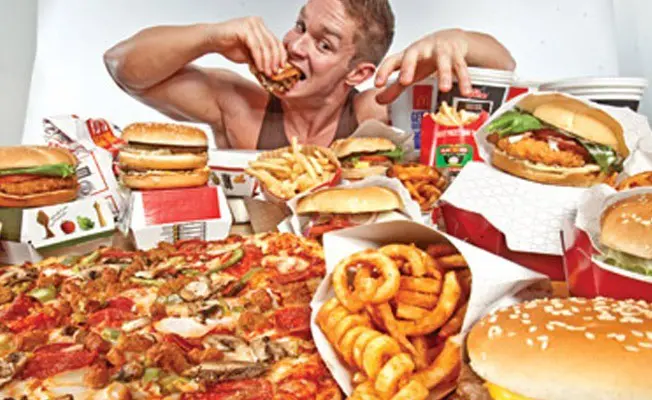
A useful fat-loss plan has four jobs:
- Calories: Create a moderate deficit you can repeat for weeks.
- Protein: Hit a daily target so dieting does not become muscle loss.
- Resistance training: Train hard enough to give your body a reason to keep muscle.
- Cardio and steps: Add energy output and health benefits without crushing recovery.
Start with the FitnessVolt TDEE calculator, then build training around a deficit you can sustain.
Myth 1: Weight loss has to be painful
Weight loss should require effort, but it should not require joint pain, starvation, or daily punishment. Muscle burn during a hard set is normal. Sharp pain, dizziness, repeated binge-restrict cycles, and workouts you dread are not signs of a better plan.
Use this rule instead: training should feel repeatable within 24-48 hours. If your knees ache after every cardio session, swap some running for cycling, incline walking, rowing, or sled work. If dieting makes sleep worse and lifts collapse, the deficit is probably too aggressive.
Myth 2: Exercise matters more than food
Exercise cannot consistently outwork an unplanned diet. A hard 45-minute lifting session may burn fewer calories than a large coffee drink and pastry. That does not make exercise useless. It means exercise needs a nutrition plan beside it.
| Tool | Best Job | What It Cannot Do Alone |
|---|---|---|
| Calorie deficit | Moves body weight down | Preserve muscle without enough protein and training. |
| Protein | Supports satiety and lean mass | Erase excess calories. |
| Resistance training | Preserves or builds muscle | Guarantee fat loss without a deficit. |
| Cardio | Improves fitness and adds energy output | Fix overeating by itself. |
| Steps | Raises daily movement without much recovery cost | Replace structured training for strength. |
For food choices that make the deficit easier, use our guide to fat-loss foods that actually help. The best exercise plan works better when meals stop fighting it.
Myth 3: Cardio is the best exercise for fat loss
Cardio is useful for fat loss, but it is not automatically better than lifting. Aerobic training can reduce body weight and fat mass. Resistance training protects lean mass and strength. Combining both gives most people the best body-composition and health outcome.

The better question is not cardio or weights. It is how much of each can you recover from while keeping the deficit moderate. A strong weekly default is 3-4 lifting sessions, 2-4 cardio sessions, and a step goal you can hit without turning life into a second job.
| Goal | Weekly Training Target | Why |
|---|---|---|
| Beginner fat loss | 2-3 full-body lifts, 2 cardio sessions, 7,000-9,000 steps/day | Builds consistency without overload. |
| Lifter cutting fat | 3-5 lifts, 2-3 cardio sessions, 8,000-12,000 steps/day | Protects strength and adds manageable output. |
| Busy schedule | 2 lifts, 2 incline walks, 8,000 steps/day | Minimum effective plan for adherence. |
| High-recovery athlete | 4-5 lifts, 3-5 cardio sessions, periodized steps | Works only if sleep, calories, and joints keep up. |
For the cardio-versus-lifting question in more detail, see our coverage of an exercise scientist discussing cardio and strength training for weight loss.
Myth 4: Cutting calories harder gets faster results
A bigger deficit can produce faster scale loss, but it also raises the cost: hunger, fatigue, training drop-off, lean-mass loss risk, and rebound eating. Most lifters should start with a moderate deficit before trying aggressive cuts.

The old “starvation mode” phrase gets abused. Your body does not stop obeying energy balance. It does adapt: you may move less, feel hungrier, train worse, and burn fewer calories as body weight drops. That is enough to make an extreme plan fail even when the math looked simple on day one.
A practical starting point is a 300-500 calorie daily deficit for many active adults. Heavier people may tolerate more. Lean lifters, smaller athletes, and people close to a goal weight usually need less. Track the weekly trend with the FitnessVolt weight-loss percentage calculator instead of reacting to one morning weigh-in.
Myth 5: Spot reduction works if you train the area enough
Training a muscle can make that muscle stronger and bigger, but it does not guarantee fat loss from the skin above it. Crunches train abs. They do not choose belly fat as the fuel source. Where fat comes off first depends heavily on genetics, sex hormones, starting body-fat distribution, and time.
That does not mean ab work is pointless. Build abs, train the trunk, and improve posture. Just pair it with the calorie deficit and full-body training that actually changes body fat.
Myth 6: HIIT is always better because it burns more after
HIIT is efficient, but it is not magic. Hard intervals can improve conditioning and burn calories in less time, but they also cost more recovery than easy cardio. The afterburn effect is usually too small to justify turning every session into a suffer-fest.
Use HIIT like a spice: 1-2 short sessions per week if joints, sleep, and lifting performance stay intact. Use lower-intensity cardio for volume. Incline walking, cycling, swimming, and easy jogging can add calorie output without stealing as much from leg training.
What should your fat-loss workout week look like?
A good fat-loss week protects strength first, then adds movement around it. You do not need a six-day punishment plan. You need repeatable work that keeps muscle, raises fitness, and fits the calorie deficit.
| Day | Session | Target |
|---|---|---|
| Monday | Full-body lift | Squat or leg press, press, row, hinge, core. |
| Tuesday | Zone 2 cardio | 30-45 minutes at a pace you can sustain. |
| Wednesday | Full-body lift | Deadlift or hip hinge, incline press, pulldown, lunge. |
| Thursday | Steps or easy cardio | 8,000-12,000 steps or 30 minutes easy. |
| Friday | Full-body lift | Repeat key patterns and track performance. |
| Saturday | Optional intervals | 6-10 hard intervals if recovery is good. |
| Sunday | Rest or walk | Low stress, meal prep, sleep reset. |
If recovery falls apart, cut intervals before you cut lifting. If hunger is the problem, adjust food volume, protein, fiber, and sleep before adding more punishment cardio.
How do you know the plan is working?
A good fat-loss plan shows progress across several signals, not just the scale. Watch the 7-day weight average, waist measurement, progress photos, gym performance, step consistency, sleep, and hunger.
- Scale trend: Down 0.5-1.0% of body weight per week for many people.
- Waist: Down every 2-4 weeks if fat loss is happening.
- Strength: Mostly stable on key lifts, especially early in the cut.
- Hunger: Noticeable but manageable, not a daily fight.
- Adherence: 80-90% execution beats 100% plans that last four days.
For a broader behavior framework, read our rules for effective weight loss.
Frequently asked questions
Can I lose weight with exercise alone?
Some people can, but most people get better results by combining exercise with diet. Exercise raises energy output, but appetite and food intake often compensate. Use exercise for fitness and muscle retention, then use diet to control the deficit.
Should I lift heavy while cutting?
Yes, if your joints and technique allow it. Heavy lifting gives your body a reason to keep strength and muscle. You may need slightly lower volume during a deficit, but do not turn the whole program into light circuits.
How much cardio should I do for fat loss?
Start with 2-4 sessions per week, 20-45 minutes each, plus a daily step target. Add more only if recovery, hunger, and lifting performance stay stable.
Is sweating a sign of fat loss?
No. Sweat shows heat regulation and fluid loss, not fat loss. A hot room can make you lighter for a few hours by reducing water, but body fat changes through sustained energy balance.
Do sore muscles mean the workout worked?
No. Soreness can happen after a new or hard workout, but it is not the goal. Progress comes from repeatable training, good technique, enough effort, and recovery.
What actually drives fat loss
Fat loss is not diet versus exercise, cardio versus weights, or pain versus weakness. Use a moderate calorie deficit, lift 2-5 times per week, add cardio you can recover from, keep steps consistent, and eat enough protein to protect lean mass.
The plan that works is the one you can repeat while your body gets lighter, stronger, and healthier at the same time.
Sources
- Donnelly JE, Blair SN, Jakicic JM, et al. ACSM Position Stand: Appropriate physical activity intervention strategies for weight loss and prevention of weight regain for adults. Medicine & Science in Sports & Exercise. 2009. PMID: 19127177.
- Willis LH, Slentz CA, Bateman LA, et al. Effects of aerobic and/or resistance training on body mass and fat mass in overweight or obese adults. Journal of Applied Physiology. 2012. PMID: 23019316.
- Bellicha A, van Baak MA, Battista F, et al. Effect of exercise training on weight loss, body composition changes, and weight maintenance in adults with overweight or obesity. Obesity Reviews. 2021.
- Lopez P, Taaffe DR, Galvao DA, et al. Resistance training effectiveness on body composition and body weight outcomes in individuals with overweight and obesity. Obesity Reviews. 2022.
- Longland TM, Oikawa SY, Mitchell CJ, Devries MC, Phillips SM. Higher compared with lower dietary protein during an energy deficit combined with intense exercise. American Journal of Clinical Nutrition. 2016. PMID: 26817506.
- Turner JE, Markovitch D, Betts JA, Thompson D. Nonprescribed physical activity energy expenditure is maintained with structured exercise. Medicine & Science in Sports & Exercise. 2010.
- American College of Sports Medicine. Mythbusting Weight Loss. 2023.