Unleash Total Core Power with Dynamic Rotational Strength

Unleash Total Core Power with Dynamic Rotational Strength

Ash, ACE, MSc
By
Ash, ACE, MSc
Ash is a highly respected fitness expert and certified personal trainer through the American Council on Exercise (ACE). With a B.A. in biology from Rutgers and...
6 Min Read
How to do Cable Judo Flip

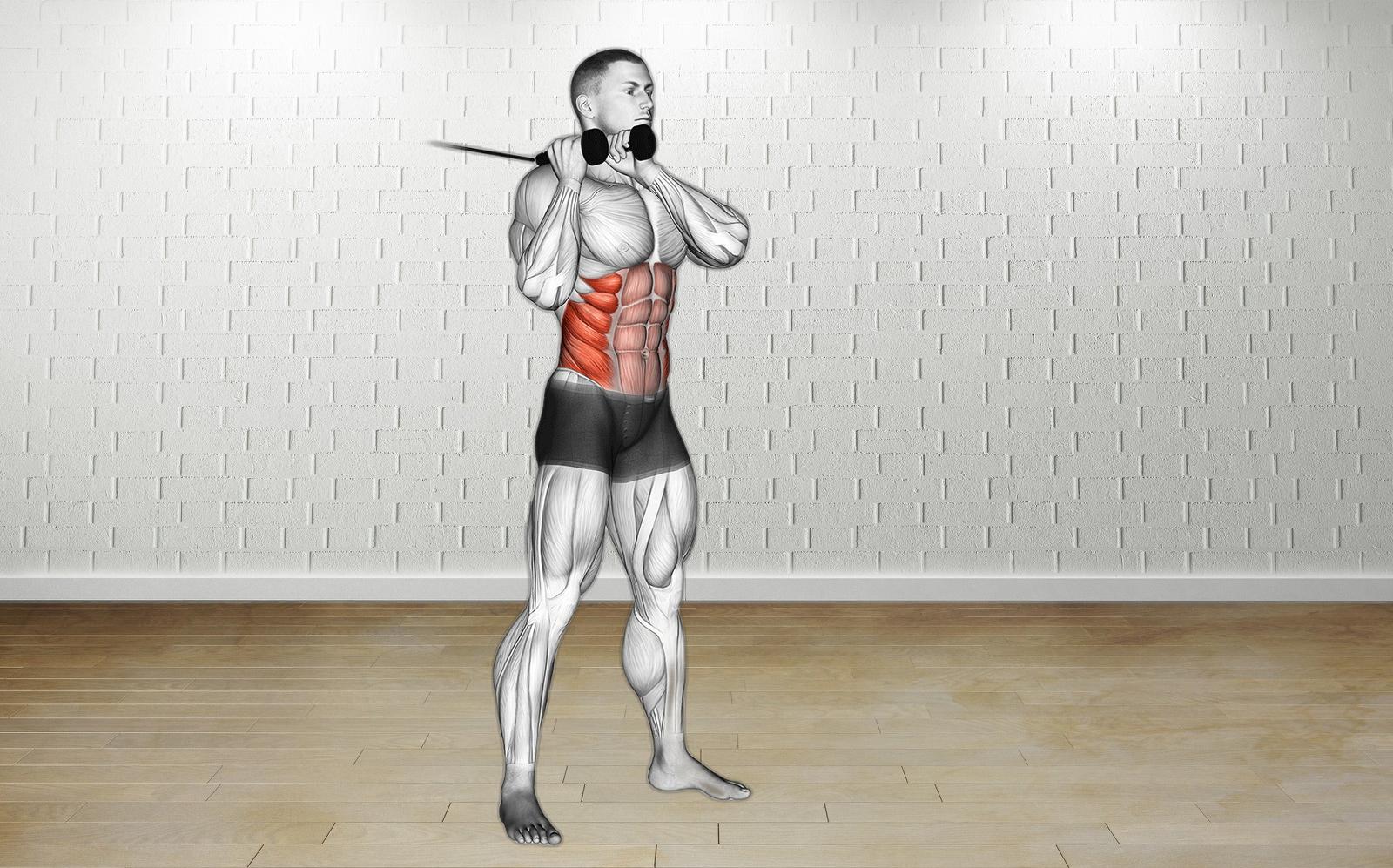
The Cable Judo Flip is an effective exercise for targeting your abs and building overall core strength, suitable for all fitness levels from teens to seniors. This dynamic movement not only engages your core but also activates various muscle groups, including your obliques, lower back, shoulders, arms, and legs, promoting flexibility and balance.

Incorporating the Cable Judo Flip into your routine two to three times a week can maximize results. Start with a lighter weight to focus on form, gradually increasing resistance as your strength improves. Always engage your core to prevent strain and maintain proper posture to avoid injuries. If you experience discomfort, reassess your technique before continuing.

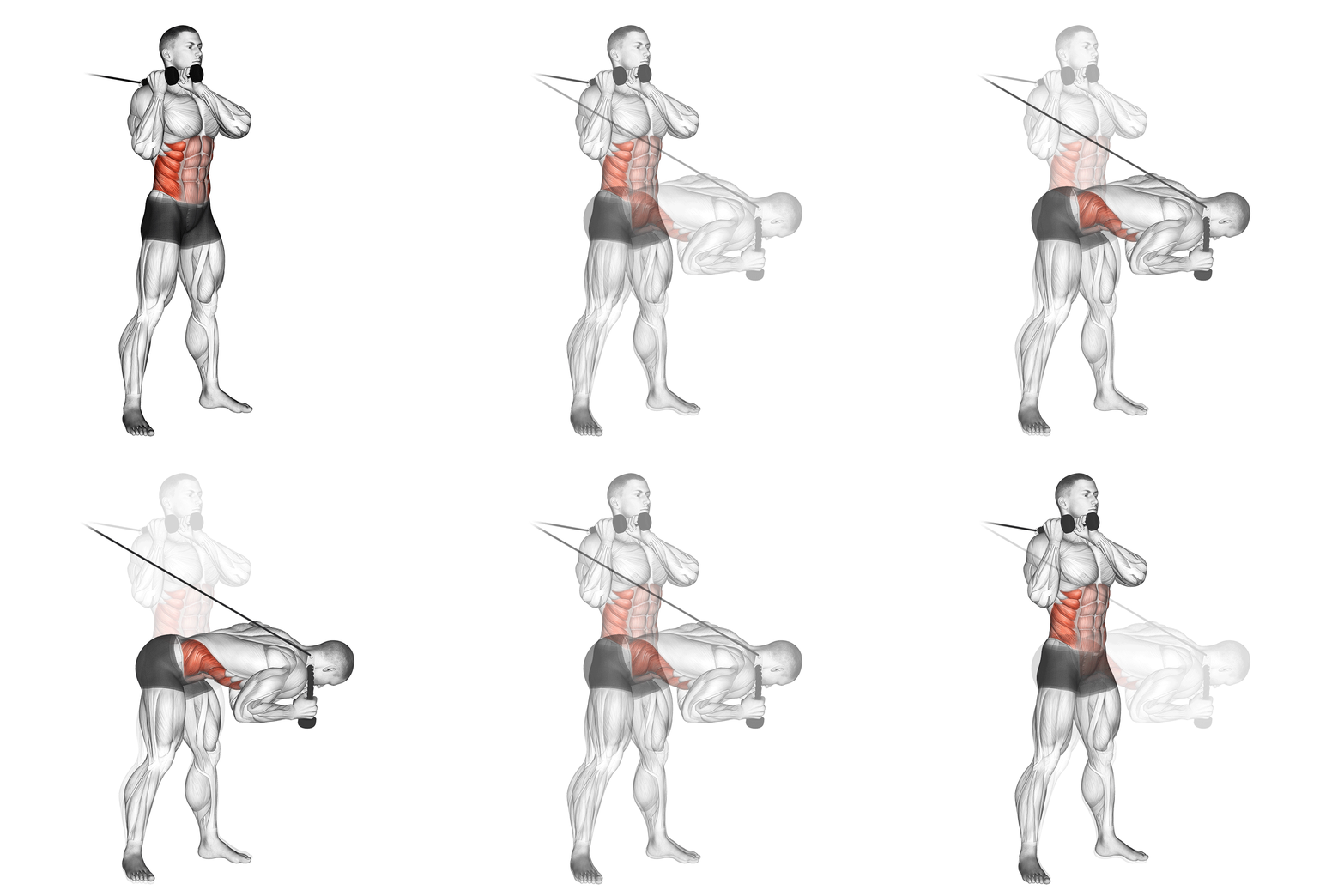
To execute the Cable Judo Flip, adjust a cable machine to the lowest setting and attach a single handle. Stand sideways to the machine, grip the handle, and pull it across your body while rotating your torso. Bend your knees slightly and pivot your back foot for a smooth, rotational motion. Return to the starting position with controlled movements, coordinating your breathing throughout the exercise. Get ready to enhance your strength and agility with this powerful workout!

Cable Judo Flip Details
Basic Information
Body Part
Waist
Primary Muscles
Secondary Muscles
Equipment
Cable
Exercise Characteristics
Exercise Type
Power
Movement Pattern
Pull
Force Type
Plyometric
Unilateral/Bilateral
Unilateral
Compound/Isolation
Compound
Bodyweight Exercise
Yes
Training Parameters
Difficulty Level
Intermediate
Target Training Goals
Functional Fitness
Suitable Workout Phases
Main workout
Risk Level
Moderate
Weight Category
Bodyweight
Recommended Rep Ranges
GoalRep Range
Strength6-8
Hypertrophy8-12
Endurance12-15
Power3-5
Muscular endurance12-20
Stability core8-12
Flexibility mobility8-12

How to Do a Cable Judo Flip

How to do a Cable Judo Flip - Step by step Power exercise demonstration targeting Abs, Obliques, Shoulders
  1. Set Up the Cable Machine: Adjust the cable machine to the lowest setting and attach a single handle.
  2. Starting Position: Stand sideways to the machine with your feet shoulder-width apart. Grasp the handle with both hands, arms extended in front of you at approximately shoulder height.
  3. Engage Your Core: Tighten your abdominal muscles to maintain stability and support your spine throughout the movement.
  4. Rotate Your Torso: Pull the handle across your body while rotating your torso toward the machine. Bend your knees slightly and pivot on your back foot to facilitate a smooth, controlled twist.
  5. Complete the “Flip” Movement: Drive your opposite shoulder downward as if executing a flipping motion, maintaining tension in the abs and obliques.
  6. Return to Start: Slowly reverse the motion, returning to the starting position with controlled form. Inhale as you pull the handle across your body, and exhale as you return to the starting point.

Common Mistakes in the Cable Judo Flip

  • Lack of Core Engagement: Failing to keep your core tight can lead to instability. Prioritize engaging your core muscles to maintain balance and generate rotational power.
  • Incorrect Foot Pivot: Not pivoting on your back foot restricts the range of motion and can strain your knee or hip. Ensure your back foot rotates inward smoothly as you twist.
  • Overextending the Arms: Pulling the handle too far or lifting it above shoulder height can stress your shoulders. Keep your arms at shoulder height to minimize injury risk and maintain proper form.
  • Improper Breathing: Holding your breath reduces endurance and stability. Inhale as you initiate the pull, exhale as you return to the start, maintaining a steady breathing rhythm.
  • Using Excessive Weight: Starting too heavy compromises form and increases injury risk. Begin with a manageable weight and gradually increase as strength improves.

Benefits of Mastering the Cable Judo Flip

  • Enhanced Core Stability: Targets multiple core muscles (abs, obliques, transverse abdominis), improving overall stability and posture.
  • Increased Functional Strength: Mimics real-life rotational movements found in sports and daily activities, translating to better overall functional fitness.
  • Improved Muscle Coordination: Requires synchronized upper and lower body movement, boosting neuromuscular control and agility.
  • Boosted Cardiovascular Endurance: Performing this exercise at higher intensities can elevate your heart rate, contributing to better cardiovascular conditioning.
  • Enhanced Flexibility and Mobility: Involves rotational movement that helps maintain or improve spinal and hip mobility, reducing injury risk and improving longevity in physical activities.

Exercise Variations

  • Kettlebell Alternating Hang Clean
    Level: Intermediate
    Targets: Biceps, Calves, Forearms, Glutes, Hamstrings, Lower Back, Quadriceps, Shoulders, Upper Back, Abdominals, Biceps brachii, Deltoids, Erector Spinae, Forearm muscles, Gluteus Maximus, Trapezius
    Equipment: Kettlebell | Movement: Pull | Type: Power | Force Type: Concentric | Compound
  • Sumo Deadlift High Pull
    Level: Intermediate
    Targets: Biceps, Calves, Deltoids, Glutes, Hamstrings, Quadriceps, Rhomboids, Trapezius, Core, Forearms, Hip Flexors
    Equipment: Barbell, Weight Plates, Olympic Lifting Platform, Lifting Straps, Chalk | Movement: Pull | Type: Power | Force Type: Concentric | Compound
  • Kettlebell Sumo High Pull
    Level: Intermediate
    Targets: Biceps, Core Muscles, Deltoids, Gluteus Maximus, Hamstrings, Quadriceps, Rhomboids, Trapezius, Erector Spinae, Glutes
    Equipment: Kettlebell | Movement: Pull | Type: Power | Force Type: Concentric | Compound
  • Pull-In
    Level: Intermediate
    Targets: Glutes, Hip Flexors, Obliques, Quadriceps, Rectus Abdominis, Latissimus Dorsi, Rhomboids, Transverse abdominis, Trapezius
    Equipment: Stability Ball | Movement: Pull | Type: Power | Force Type: Isometric | Unknown
  • Low Cable Cross-Over
    Level: Intermediate
    Targets: Pectoralis major, Triceps brachii, Rhomboids, Triceps
    Equipment: Cable Machine, Adjustable Pulleys, Handle Attachments | Movement: Pull | Type: Strength | Force Type: Isotonic | Isolation
  • Underhand Yates Row
    Level: Intermediate
    Targets: Latissimus Dorsi, Posterior deltoids, Teres Major, Forearm muscles, Rear deltoids
    Equipment: Barbell, Weight Plates, Weightlifting Belt, Lifting Straps, Gym Mat | Movement: Pull | Type: Strength | Force Type: Concentric | Compound
  • Reverse-Grip Lat Pull-Down
    Level: Intermediate
    Targets: Infraspinatus, Latissimus Dorsi, Pectoralis major
    Equipment: Lat Pull-Down Machine, V-Bar Attachment Or EZ Curl Bar, Weight Plates | Movement: Pull | Type: Strength | Force Type: Concentric | Compound
  • Behind-the-Back Smith Machine Wrist Curl
    Level: Intermediate
    Targets: Flexor carpi radialis, Flexor carpi ulnaris, Flexor digitorum profundus, Flexor digitorum superficialis, Palmaris longus, Brachioradialis, Extensor carpi radialis brevis, Extensor carpi radialis longus, Extensor carpi ulnaris, Forearm Flexors
    Equipment: Smith Machine, Weight Plates, Weightlifting Bench | Movement: Pull | Type: Strength | Force Type: Concentric | Isolation
  • Standing Dumbbell Preacher Curl
    Level: Intermediate
    Targets: Biceps brachii, Brachialis, Brachioradialis, Forearm Flexors
    Equipment: Dumbbells, Preacher Curl Bench | Movement: Pull | Type: Strength | Force Type: Concentric | Isolation
  • Kneeling Leg Curl
    Level: Intermediate
    Targets: Gastrocnemius, Gluteus Maximus, Hamstrings, Erector Spinae, Hamstring Muscles (Semitendinosus), Semimembranosus), Soleus
    Equipment: Kneeling Leg Curl Machine, Ankle Straps, Mat | Movement: Pull | Type: Strength | Force Type: Concentric | Isolation

Alternative Exercises

  • Barbell Clean and Press
    Level: Intermediate
    Targets: Back, Core, Deltoids, Glutes, Hamstrings, Quadriceps, Trapezius, Triceps, Calves, Core Muscles, Forearms, Latissimus Dorsi, Rhomboids
    Equipment: Barbell, Weight Plates, Weightlifting Belt, Lifting Gloves, Squat Rack Or Power Rack. | Movement: Push | Type: Power | Force Type: Concentric | Compound
  • Mason Twist
    Level: Intermediate
    Targets: Erector Spinae, Hip Flexors, Obliques, Rectus Abdominis, Transverse abdominis, Gluteus Maximus, Iliopsoas, Quadratus lumborum, Spinal Erectors
    Equipment: Medicine Ball, Exercise Mat | Movement: Rotation | Type: Power | Force Type: Isometric | Isolation
  • Kettlebell Swings
    Level: Intermediate
    Targets: Core, Forearms, Gluteus Maximus, Hamstrings, Lower Back, Quadriceps, Shoulders, Trapezius, Glutes
    Equipment: Kettlebell | Movement: Hinge | Type: Power | Force Type: Concentric | Compound
  • Kettlebell Thruster
    Level: Intermediate
    Targets: Core, Glutes, Hamstrings, Quadriceps, Shoulders, Triceps, Calves, Core Muscles, Deltoids, Forearms, Lats, Upper Back
    Equipment: Kettlebell | Movement: Push | Type: Power | Force Type: Concentric | Compound
  • Split Jerk
    Level: Advanced
    Targets: Calves, Core, Glutes, Hamstrings, Quadriceps, Shoulders, Trapezius, Triceps, Upper Back, Abdominals, Deltoids, Erector Spinae, Gluteus Maximus, Pectoralis major, Rhomboids, Triceps brachii
    Equipment: Barbell, Bumper Plates, Weightlifting Platform, Lifting Shoes, Chalk, Wrist Wraps, Belt | Movement: Push | Type: Power | Force Type: Concentric | Compound
  • Kettlebell Hang Clean
    Level: Intermediate
    Targets: Biceps, Calves, Core, Deltoids, Forearms, Glutes, Hamstrings, Quadriceps, Trapezius, Biceps brachii, Erector Spinae, Forearm muscles, Rhomboids
    Equipment: Kettlebell | Movement: Hinge | Type: Power | Force Type: Concentric | Compound
  • Landmine 180
    Level: Intermediate
    Targets: Back, Calves, Core, Glutes, Hamstrings, Quadriceps, Shoulders, Core Stabilizers, Deltoids, Latissimus Dorsi, Obliques, Trapezius
    Equipment: Landmine Attachment, Barbell, Weight Plates | Movement: Lunge | Type: Power | Force Type: Plyometric | Compound
  • Devil Press
    Level: Intermediate
    Targets: Back, Chest, Core, Legs, Shoulders, Triceps, Calves, Core Muscles, Deltoids, Gluteus Maximus, Hamstrings, Latissimus Dorsi, Quadriceps, Rhomboids, Trapezius
    Equipment: Dumbbells, Mat | Movement: Push | Type: Power | Force Type: Plyometric | Compound
  • Standing Dumbbell One-Leg Calf Raise
    Level: Intermediate
    Targets: Tibialis posterior, Flexor digitorum longus, Flexor hallucis longus, Peroneus brevis, Peroneus longus, Tibialis anterior
    Equipment: Dumbbells, Exercise Mat | Movement: Push | Type: Strength | Force Type: Concentric | Isolation
  • Tricep Dip
    Level: Intermediate
    Targets: Anterior Deltoid, Triceps brachii, Erector Spinae, Latissimus Dorsi
    Equipment: Bench, Dip Bars, Sturdy Chair, Parallel Bars | Movement: Push | Type: Strength | Force Type: Concentric | Compound

Safety Precautions for the Cable Judo Flip

When performing the Cable Judo Flip, safety should be a priority. Ensure you are wearing appropriate footwear that provides adequate support and grip. Proper shoes can help prevent slips and ensure a stable base, especially when rotating and pivoting on one foot.

Get Fitter, Faster

Level Up Your Fitness: Join our 💪 strong community in Fitness Volt Newsletter. Get daily inspiration, expert-backed workouts, nutrition tips, the latest in strength sports, and the support you need to reach your goals. Subscribe for free!

Before starting, inspect the cable machine to confirm all components are secure and functioning correctly. Choose a weight you can handle comfortably without compromising form. If you are new to this exercise, begin with a lighter load to master the movement pattern before increasing resistance.

Throughout the exercise, maintain proper posture by engaging your core and keeping your spine neutral. Avoid jerky motions or relying on momentum. Should you feel any sharp pain or discomfort, stop immediately and reassess your technique, or consult a fitness professional for guidance. With consistent, mindful practice, the Cable Judo Flip can be a valuable addition to your core training regimen.

Interested in measuring your progress? Check out our strength standards for Bench Press, Squat, Deadlift, and more exercises.



If you have any questions or need further clarification about this article, please leave a comment below, and Ash will get back to you as soon as possible.

Share This Article
Ash is a highly respected fitness expert and certified personal trainer through the American Council on Exercise (ACE). With a B.A. in biology from Rutgers and an M.S. in Exercise Science (Kinesiology) from CBU, she brings a wealth of knowledge and expertise to her work. Ash is dedicated to helping people achieve their fitness and health goals through personalized training and nutrition plans. With a passion for fitness and a deep understanding of the science behind healthy living, she is able to create effective and sustainable programs that deliver real results. Whether you're looking to lose weight, build muscle, or just feel better in your own skin, Ash is the expert you can trust to guide you on your journey to a healthier and happier life.
Leave a Comment