

Assisted Chest Dip (kneeling) vs Lever Decline Chest Press: Complete Comparison Guide
Assisted Chest Dip (kneeling) vs Lever Decline Chest Press — two lever-based compound chest moves that look similar on paper but train your pecs and triceps differently. Read on and I'll show you which exercise better serves hypertrophy, strength, beginner learning, and equipment limits. You'll get technique cues, biomechanical reasons why one biases the lower pecs more, rep-range recommendations, and clear scenarios for when to pick each movement.
Exercise Comparison
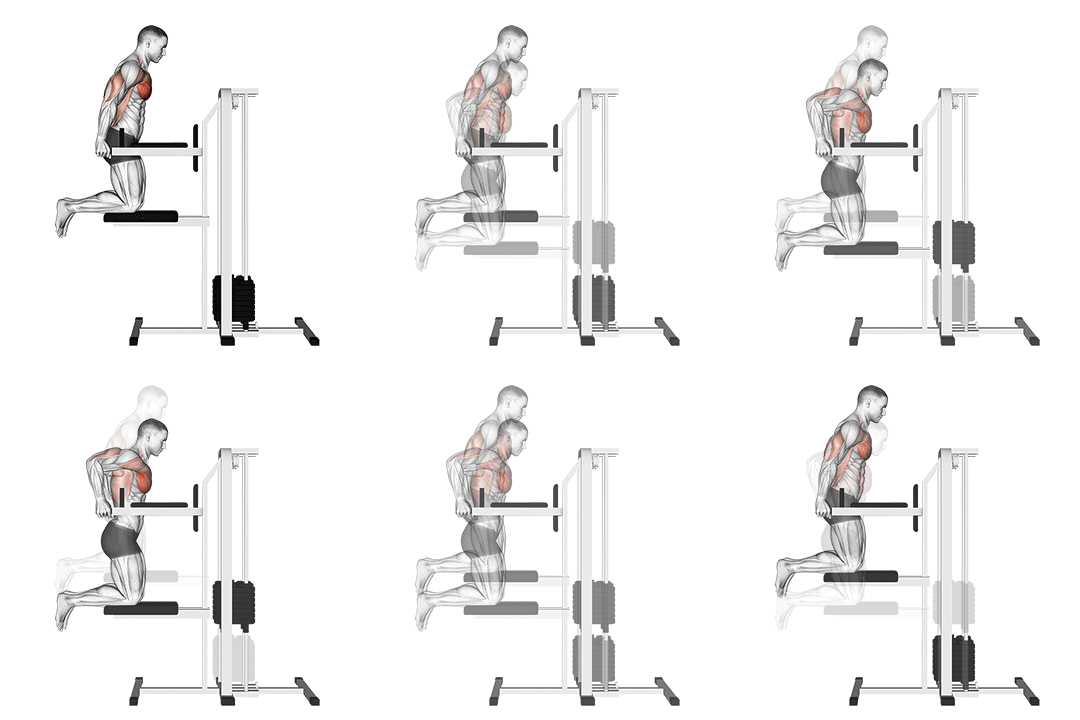
Assisted Chest Dip (kneeling)
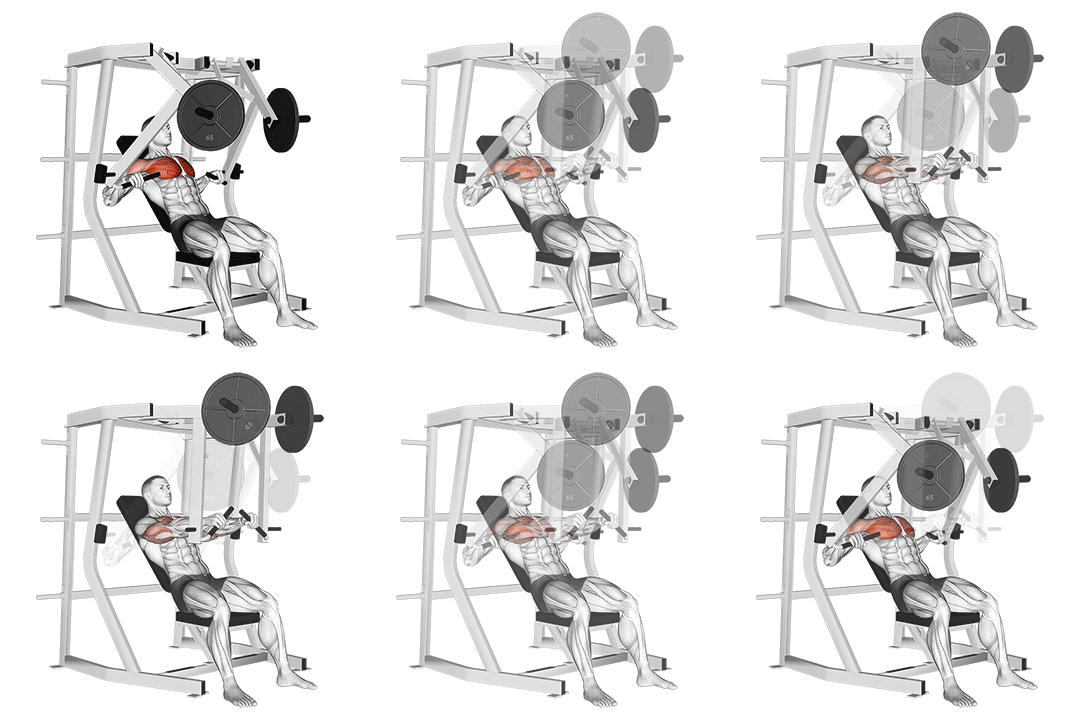
Lever Decline Chest Press
Head-to-Head Comparison
| Attribute | Assisted Chest Dip (kneeling) | Lever Decline Chest Press |
|---|---|---|
| Target Muscle |
Pectorals
|
Pectorals
|
| Body Part |
Chest
|
Chest
|
| Equipment |
Lever
|
Lever
|
| Difficulty |
Beginner
|
Intermediate
|
| Movement Type |
Compound
|
Compound
|
| Secondary Muscles |
2
|
2
|
Secondary Muscles Activated
Assisted Chest Dip (kneeling)
Lever Decline Chest Press
Visual Comparison
Overview
Assisted Chest Dip (kneeling) vs Lever Decline Chest Press — two lever-based compound chest moves that look similar on paper but train your pecs and triceps differently. Read on and I'll show you which exercise better serves hypertrophy, strength, beginner learning, and equipment limits. You'll get technique cues, biomechanical reasons why one biases the lower pecs more, rep-range recommendations, and clear scenarios for when to pick each movement.
Key Differences
- Difficulty levels differ: Assisted Chest Dip (kneeling) is beginner, while Lever Decline Chest Press is intermediate.
- Both exercises target the Pectorals using Lever. The main differences are in their movement patterns and muscle activation angles.
Pros & Cons
Assisted Chest Dip (kneeling)
+ Pros
- Easier access in most gyms with assisted-dip stations
- Good for building lower-pec and triceps coordination through a natural bodyweight pattern
- Adjustable assistance lets novices practice full ROM with low joint load
- Requires minimal setup—focus on torso lean and elbow track
− Cons
- Higher triceps involvement can limit chest stimulus if elbow extension dominates
- Depth and torso angle change muscle emphasis, making consistent overload harder
- More scapular/core stabilization required, which may fatigue auxiliary muscles before the chest
Lever Decline Chest Press
+ Pros
- Fixed path and decline angle concentrate load on lower pecs and allow precise loading
- Easier to add small, measurable weight increments for progressive overload
- Less reliance on scapular stabilization lets you focus on chest tension
- Cleaner setup for heavy triples and 3–6 rep strength blocks
− Cons
- Requires a specific decline lever or machine, less common in smaller gyms
- Seat and foot setup must be exact to avoid shoulder impingement
- Less core and scapular engagement may reduce carryover to free-weight pressing
When Each Exercise Wins
The decline press lets you load the chest precisely at a -15° to -30° decline and use progressive overload in the 6–12 rep range. Its fixed path reduces stabilizer fatigue, so you can target chest fibers more consistently for hypertrophy.
For maximal strength work (3–6 reps), the lever press lets you add predictable load increments and maintain tight setup. The reduced stabilization demand keeps force directed into the pecs and triceps for heavier lifts.
Assisted dips allow you to practice pressing mechanics with reduced load and emphasize torso lean and elbow path. That progressive assistance is ideal for building movement competence before moving to heavier fixed-path presses.
Most home setups that include a multi-station lever will have an assisted dip function, while a dedicated decline lever press is rare. Assisted dips need less specialized equipment and still provide solid chest stimulus.
Frequently Asked Questions
Can I do both Assisted Chest Dip (kneeling) and Lever Decline Chest Press in the same workout?
Yes. Use one as a primary heavy set (e.g., decline press for 3–6 or 6–8 reps) and the other as an accessory (assisted dips for 8–15 reps). Pairing them works well when you want both heavy load and extra volume without overloading stabilizers.
Which exercise is better for beginners?
Assisted Chest Dip (kneeling) is better for most beginners because the assistance reduces joint load and lets you learn torso lean and elbow tracking. It builds the movement pattern before you progress to heavier fixed-path presses.
How do the muscle activation patterns differ?
Dips with a forward lean lengthen the sternal pecs on the eccentric and increase triceps torque through greater elbow extension demand. Decline press shifts the force vector along lower pec fibers at a -15° to -30° angle, producing more consistent peak pectoral activation around midrange to lockout.
Can Lever Decline Chest Press replace Assisted Chest Dip (kneeling)?
Yes for strength and hypertrophy goals—decline press can substitute when you need precise loading. If your aim is to improve bodyweight pressing mechanics, scapular control, or you lack a decline machine, keep assisted dips in your program.
Expert Verdict
Choose Assisted Chest Dip (kneeling) when you need a beginner-friendly, accessible chest movement that builds movement skill and progressive bodyweight strength. Use clear cues: lean forward 20–30°, keep elbows tracking 30–45° from the torso, and control the bottom to avoid shoulder collapse. Pick Lever Decline Chest Press when you want precise loading for hypertrophy or strength—set the decline to about 15°–30°, align the handles with mid-chest, and use 6–12 reps for muscle growth or 3–6 for strength. Both train the pectorals and triceps; match the exercise to your equipment, skill, and progression needs.
Also Compare
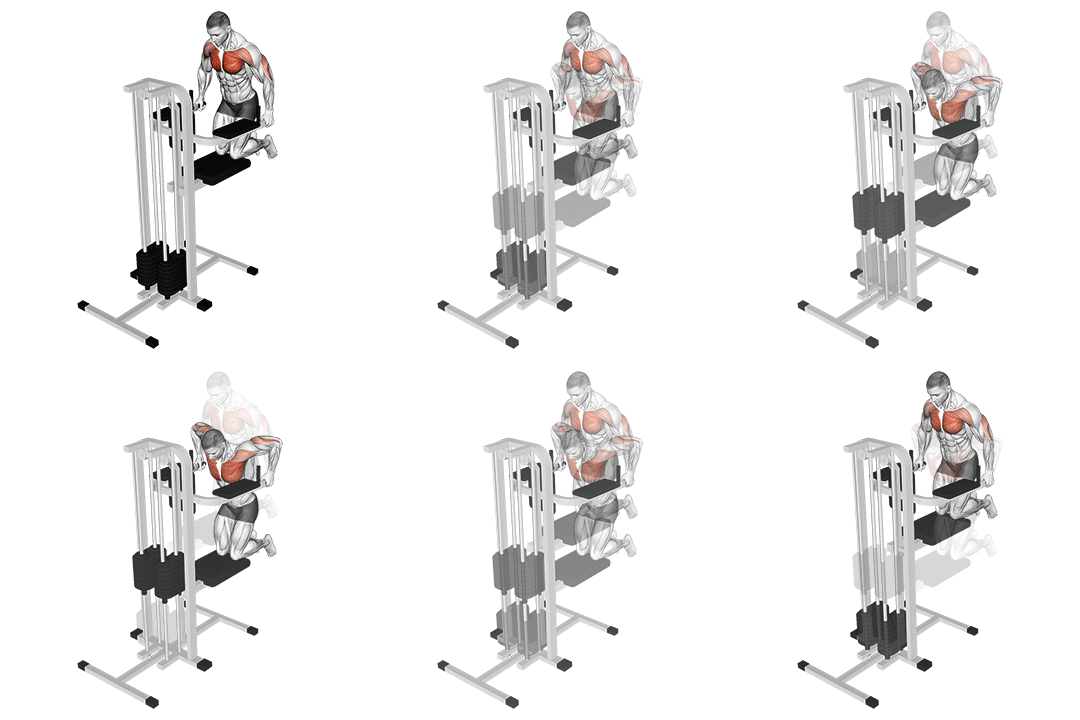
More comparisons with Assisted Chest Dip (kneeling)
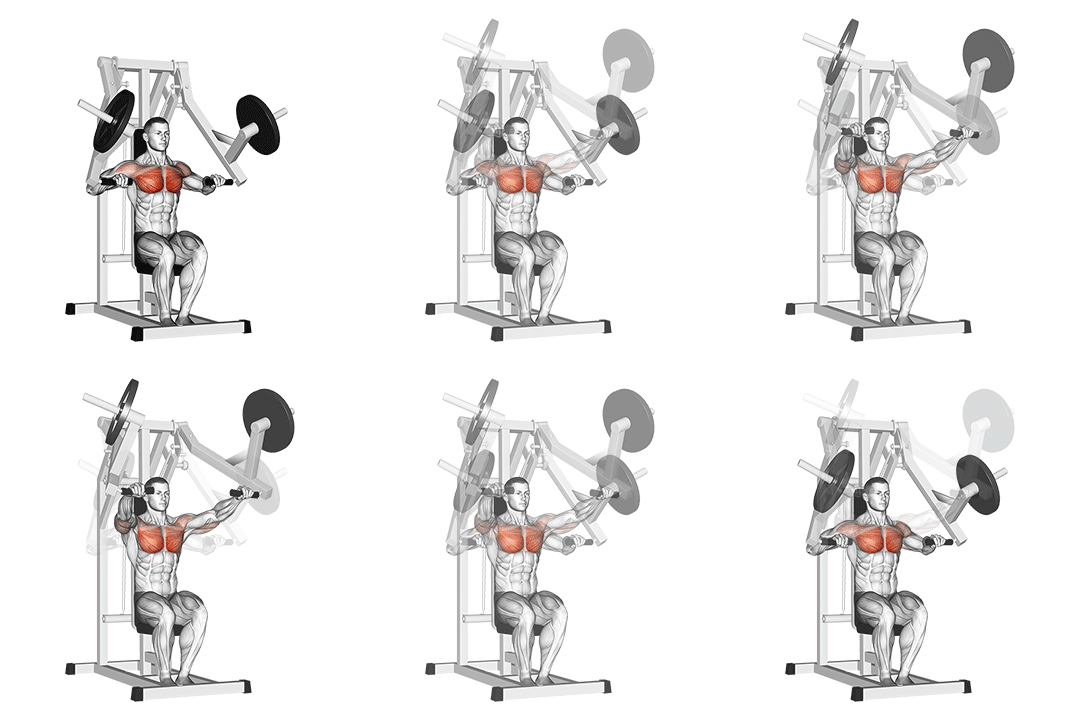
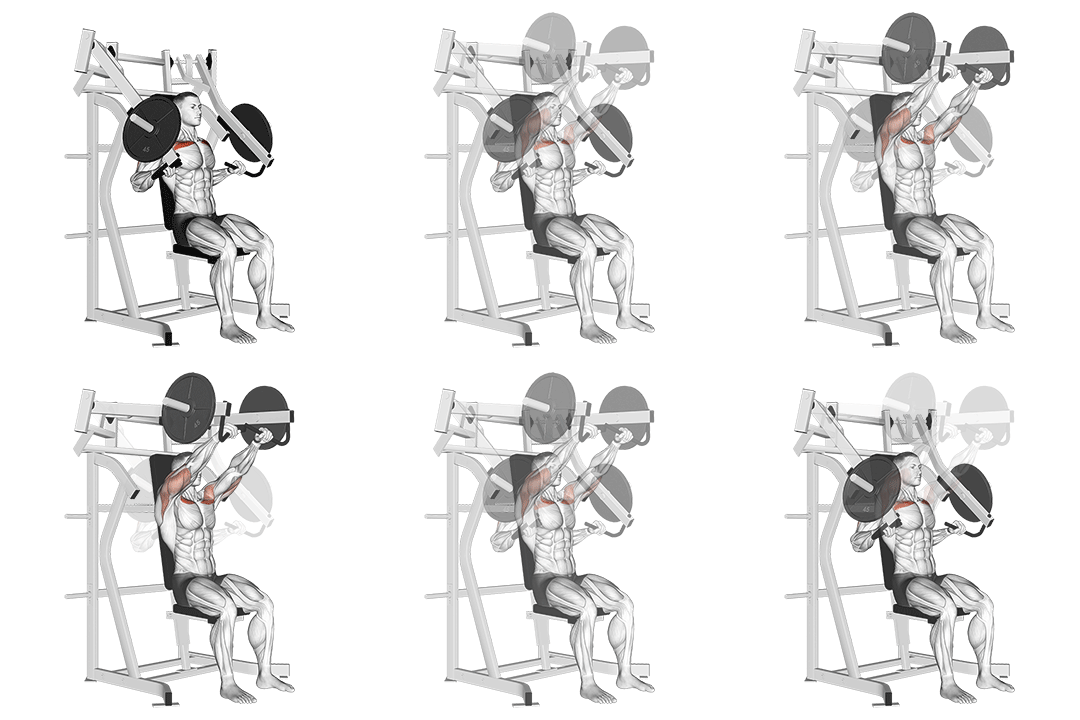
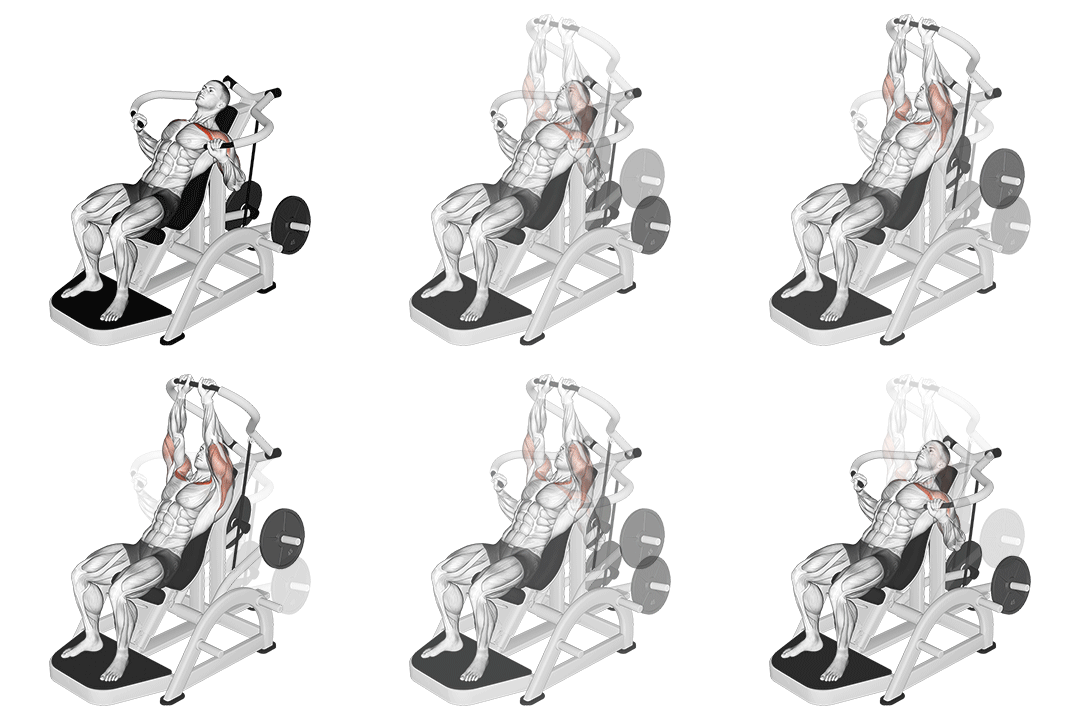
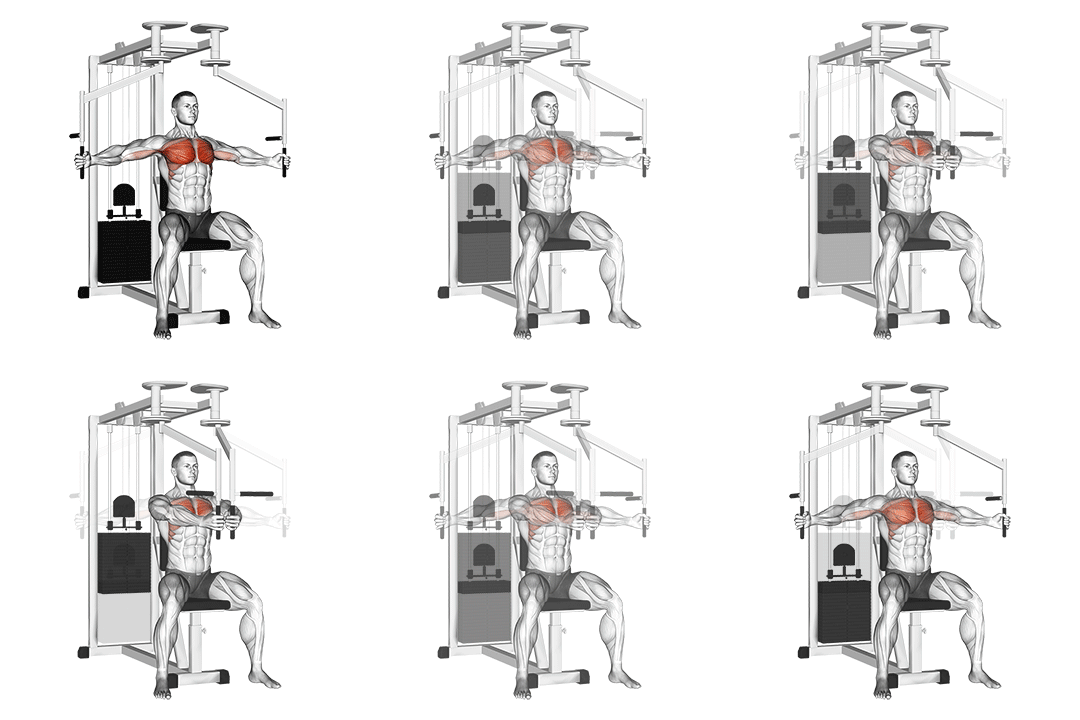
More comparisons with Lever Decline Chest Press
Compare More Exercises
Use our free comparison tool to analyze any two exercises head-to-head.
Compare Exercises