

Band One Arm Twisting Chest Press vs Resistance Band Seated Chest Press: Complete Comparison Guide
Band One Arm Twisting Chest Press vs Resistance Band Seated Chest Press — if you train chest with bands, you need to know which movement fits your goals. I’ll show you how each exercise loads the pectorals, how the line of pull and rotation change muscle stress, what equipment and setup you need, and give clear technique cues and rep ranges. You’ll get practical programming advice for hypertrophy, strength, and home workouts so you can pick the one that gives you the most measurable progress.
Exercise Comparison
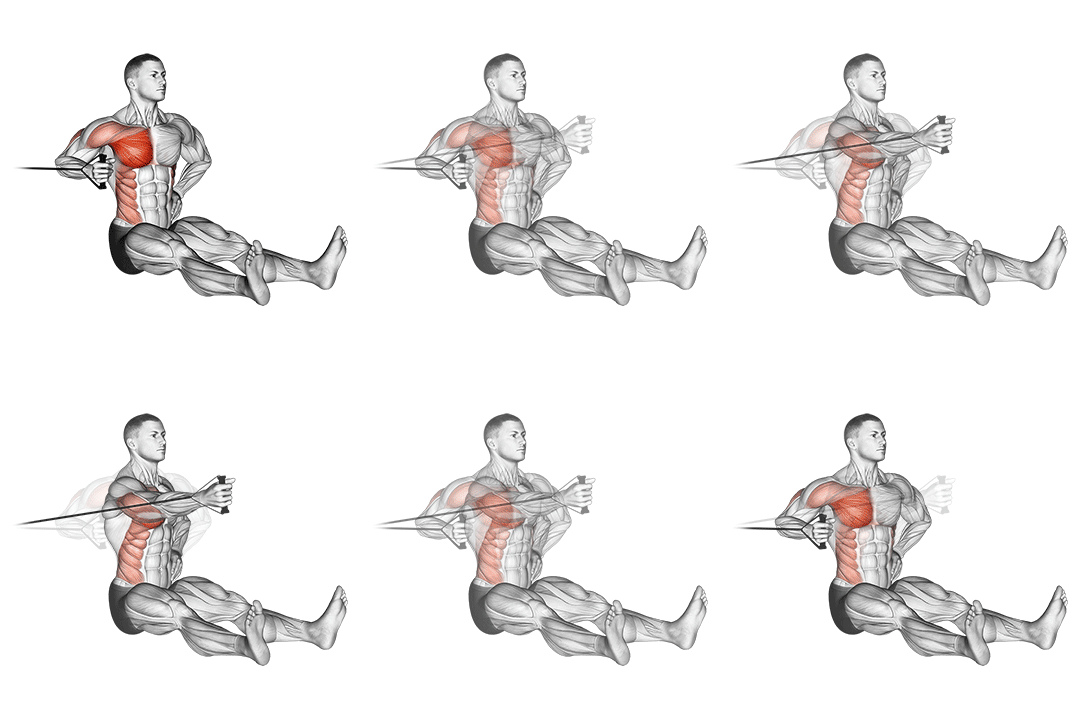
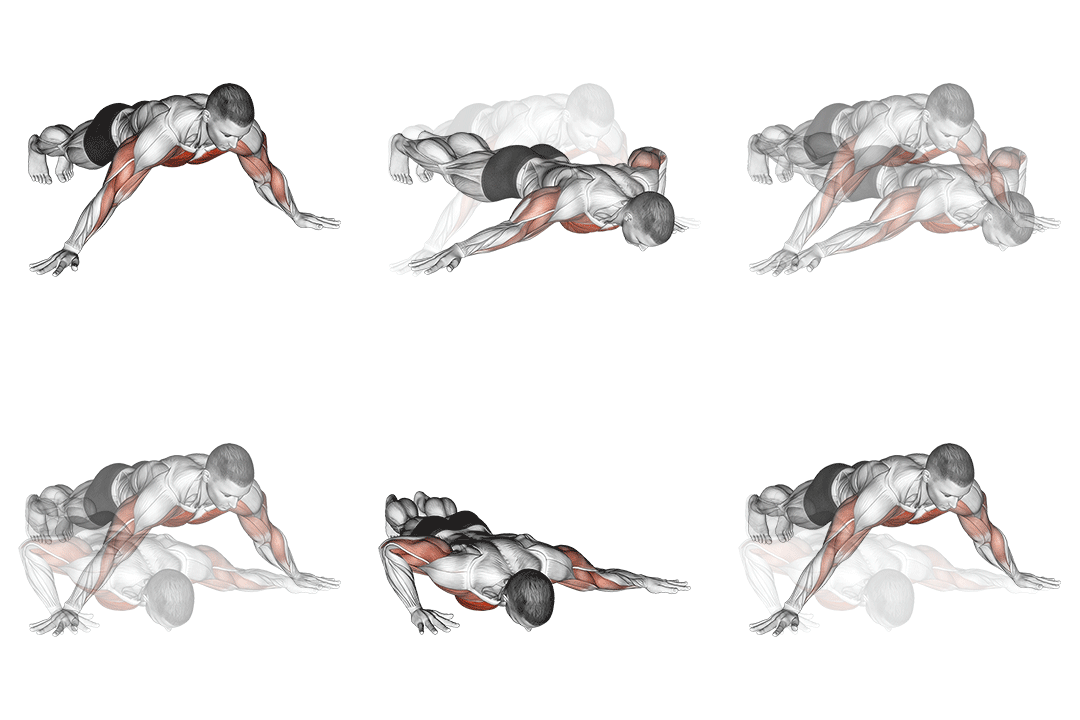
Band One Arm Twisting Chest Press
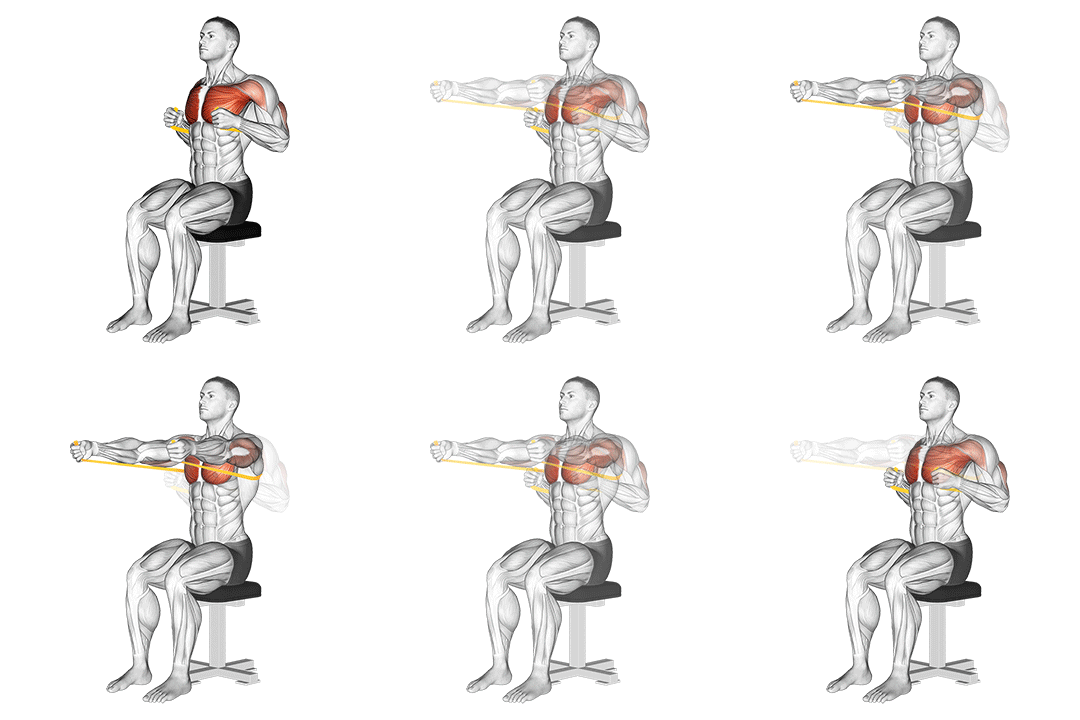
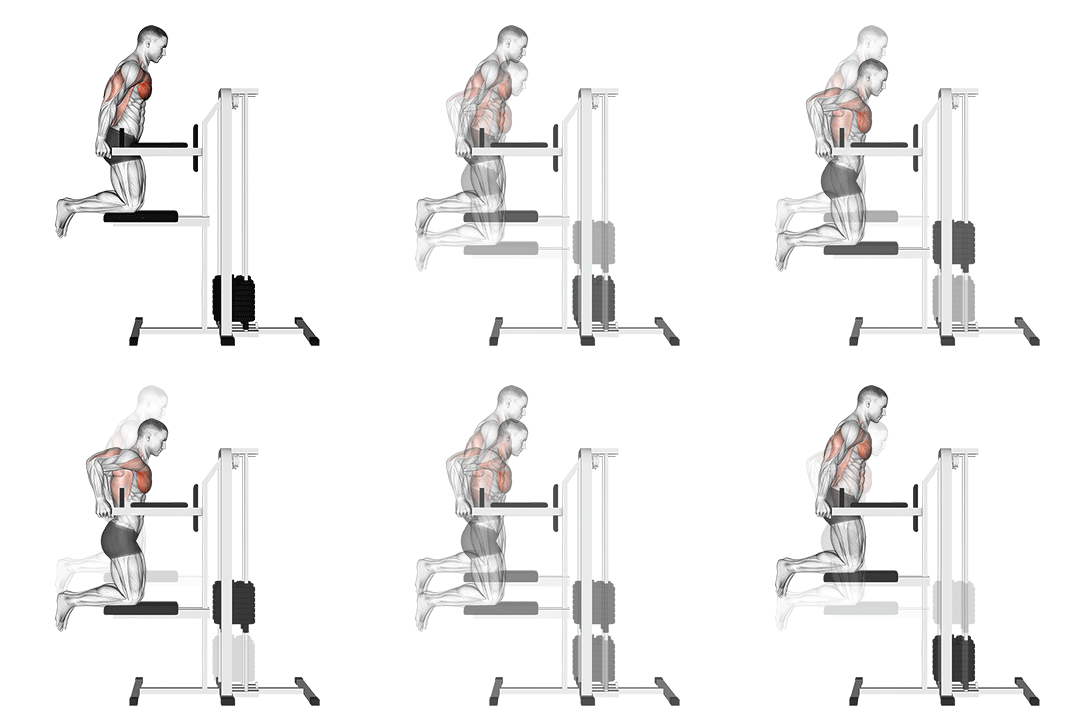
Resistance Band Seated Chest Press
Head-to-Head Comparison
| Attribute | Band One Arm Twisting Chest Press | Resistance Band Seated Chest Press |
|---|---|---|
| Target Muscle |
Pectorals
|
Pectorals
|
| Body Part |
Chest
|
Chest
|
| Equipment |
Band
|
Band
|
| Difficulty |
Intermediate
|
Intermediate
|
| Movement Type |
Compound
|
Compound
|
| Secondary Muscles |
2
|
2
|
Secondary Muscles Activated
Band One Arm Twisting Chest Press
Resistance Band Seated Chest Press
Visual Comparison
Overview
Band One Arm Twisting Chest Press vs Resistance Band Seated Chest Press — if you train chest with bands, you need to know which movement fits your goals. I’ll show you how each exercise loads the pectorals, how the line of pull and rotation change muscle stress, what equipment and setup you need, and give clear technique cues and rep ranges. You’ll get practical programming advice for hypertrophy, strength, and home workouts so you can pick the one that gives you the most measurable progress.
Key Differences
- Both exercises target the Pectorals using Band. The main differences are in their movement patterns and muscle activation angles.
Pros & Cons
Band One Arm Twisting Chest Press
+ Pros
- High unilateral loading improves left-right balance and core anti-rotation strength
- Increases transverse-plane torque for greater pec activation near lockout
- Easy to load progressively with thicker bands or double-banding
- Better carryover to athletic rotational movements
− Cons
- Requires more coordination and scapular stability
- Higher technical demand increases injury risk if performed poorly
- Takes longer to set up and balance, limiting heavy volume sessions
Resistance Band Seated Chest Press
+ Pros
- Simple setup and consistent bilateral force vector for even pectoral loading
- Lower technical demand — easier to teach and scale
- Better for higher-volume hypertrophy sets (8–15 reps)
- More accessible for limited space or beginners
− Cons
- Less core and anti-rotation stimulus compared with the twisting press
- Can underload one side if you have unilateral weakness
- Band tension rises quickly near lockout, making top-range overload inconsistent
When Each Exercise Wins
The seated press allows higher, more consistent training volume (8–15 reps) and symmetric loading of both pectoral heads, letting you accumulate tension under optimal length-tension conditions across sets.
Unilateral loading with rotational torque forces greater neural drive and stabilizer recruitment, letting you build raw pressing strength and improve force transfer in the transverse plane when you use heavier bands and low reps (4–8).
Seated setup reduces coordination demands and lets you focus on scapular retraction and prime mover activation, making it easier to learn proper chest pressing mechanics.
Requires minimal gear (band + chair/door anchor), quick to set up, and produces reliable pectoral tension for hypertrophy without complex anchoring or balancing.
Frequently Asked Questions
Can I do both Band One Arm Twisting Chest Press and Resistance Band Seated Chest Press in the same workout?
Yes — pair them strategically: start with the twisting press for 3–4 sets of 4–8 reps to tax unilateral strength and core, then follow with 2–3 sets of seated presses for 8–12 reps to accumulate hypertrophy volume.
Which exercise is better for beginners?
The Resistance Band Seated Chest Press is better for beginners because it reduces coordination demands and helps you learn scapular retraction and stable pressing mechanics before adding unilateral rotation.
How do the muscle activation patterns differ?
The seated press produces symmetric pectoral activation with a steady horizontal force vector and peak mid-range tension, while the twisting press adds a rotational moment that elevates activation near lockout and increases rotator cuff and core recruitment due to anti-rotation demands.
Can Resistance Band Seated Chest Press replace Band One Arm Twisting Chest Press?
It can replace it for hypertrophy and simple strength work, but it won’t replicate the unilateral anti-rotation stimulus or transverse-plane overload the twisting press provides, so it’s a trade-off depending on whether you prioritize volume or rotational strength.
Expert Verdict
Use the Resistance Band Seated Chest Press when you want straightforward pectoral loading, consistent rep ranges (8–15), and an easy setup for volume work at home. Choose the Band One Arm Twisting Chest Press when you need unilateral strength, core anti-rotation carryover, and a bigger transverse-plane stimulus — aim for lower rep ranges (4–8) or tempo work. Both are solid band chest exercises; pick the seated press for volume and motor learning, and the twisting press when you want to target asymmetries, scapular control, and rotational power.
Also Compare
More comparisons with Band One Arm Twisting Chest Press
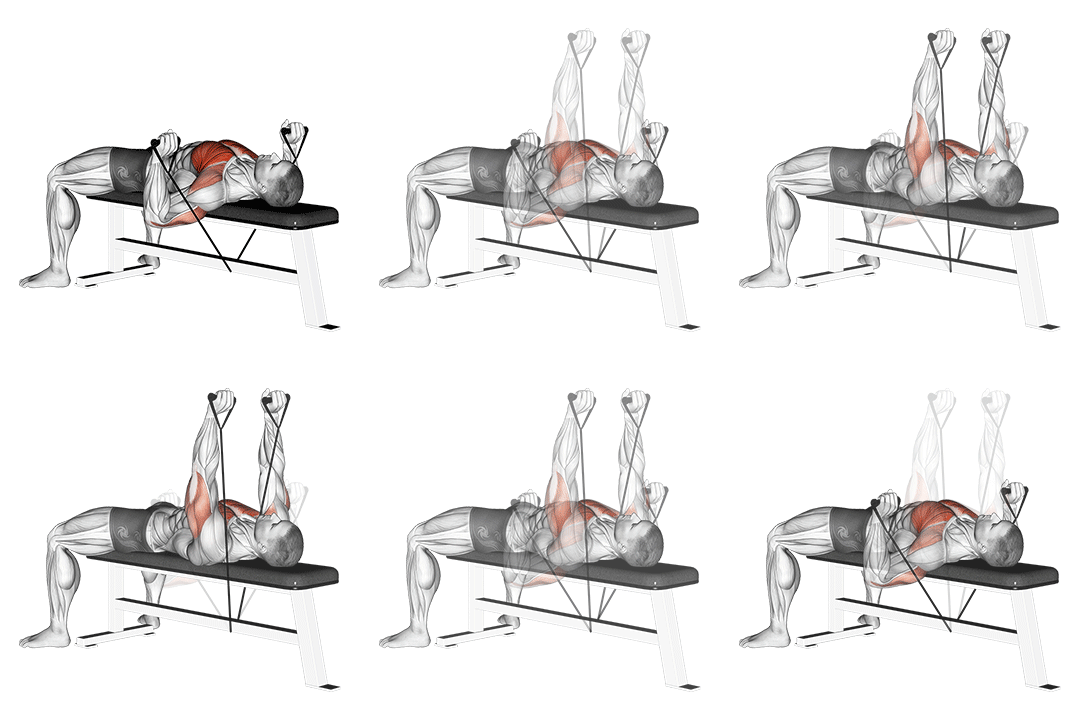
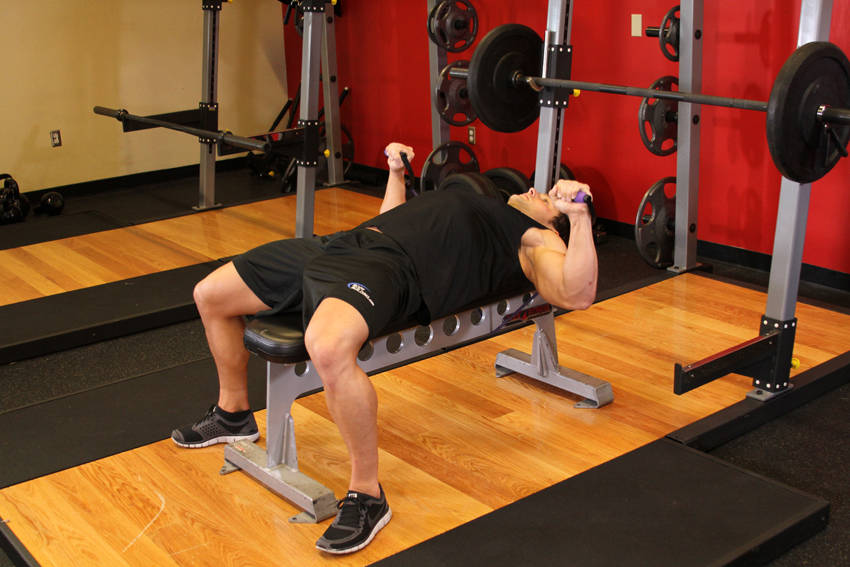

More comparisons with Resistance Band Seated Chest Press
Compare More Exercises
Use our free comparison tool to analyze any two exercises head-to-head.
Compare Exercises