

Bench Press - With Bands vs Cross Over - With Bands: Complete Comparison Guide
Bench Press - With Bands vs Cross Over - With Bands — you’re choosing between a compound, variable-resistance press and a transverse-adduction isolation move. If you want clear guidance on which to use for muscle growth, strength, or home workouts, this comparison lays it out. You’ll get technique cues, biomechanics (length-tension curves, force vectors), rep ranges (6–12 for heavy hypertrophy, 8–15 for targeted work), equipment needs, and programming examples. Read on and I’ll help you pick the right option for your chest training and show how to integrate both if you want the best of each.
Exercise Comparison
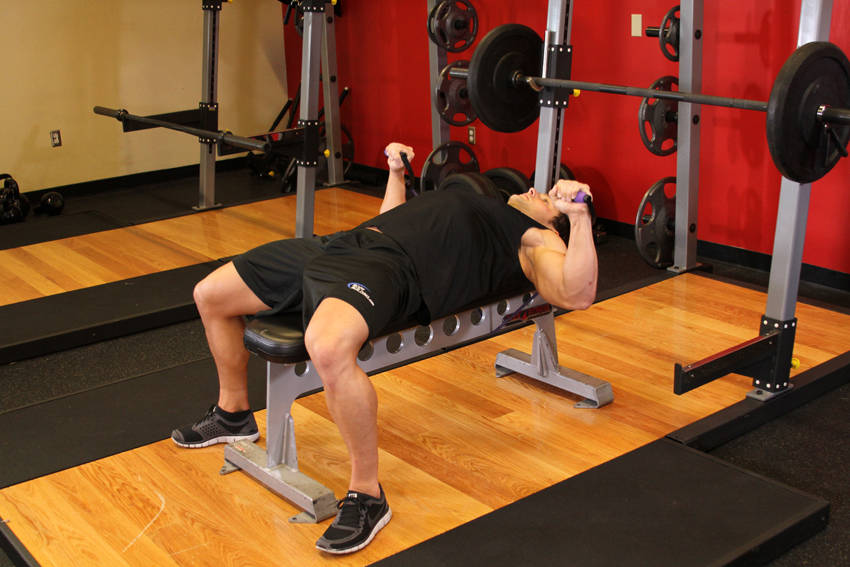
Bench Press - With Bands

Cross Over - With Bands
Head-to-Head Comparison
| Attribute | Bench Press - With Bands | Cross Over - With Bands |
|---|---|---|
| Target Muscle |
Pectorals
|
Pectorals
|
| Body Part |
Chest
|
Chest
|
| Equipment |
Band
|
Band
|
| Difficulty |
Intermediate
|
Intermediate
|
| Movement Type |
Compound
|
Isolation
|
| Secondary Muscles |
2
|
2
|
Secondary Muscles Activated
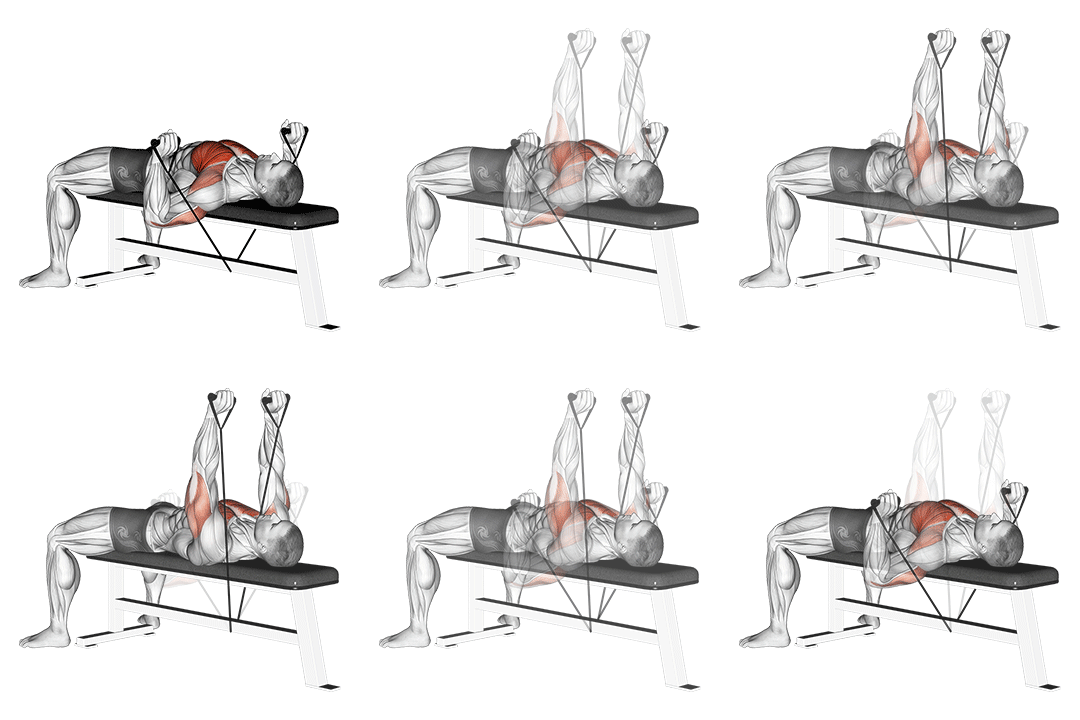
Bench Press - With Bands
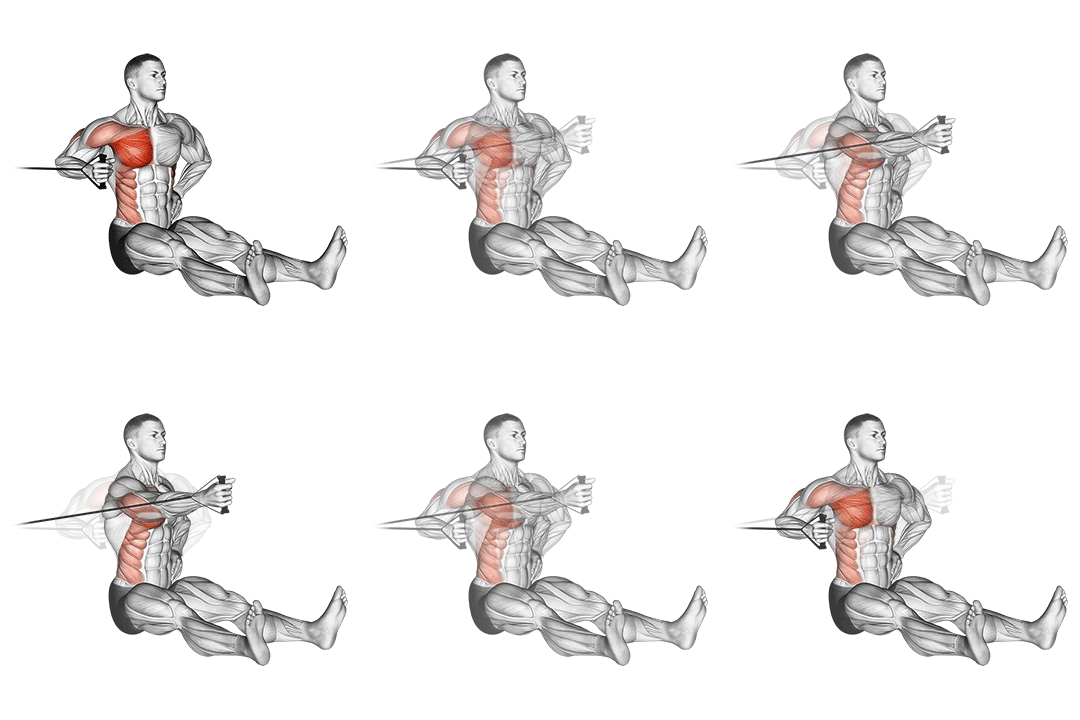
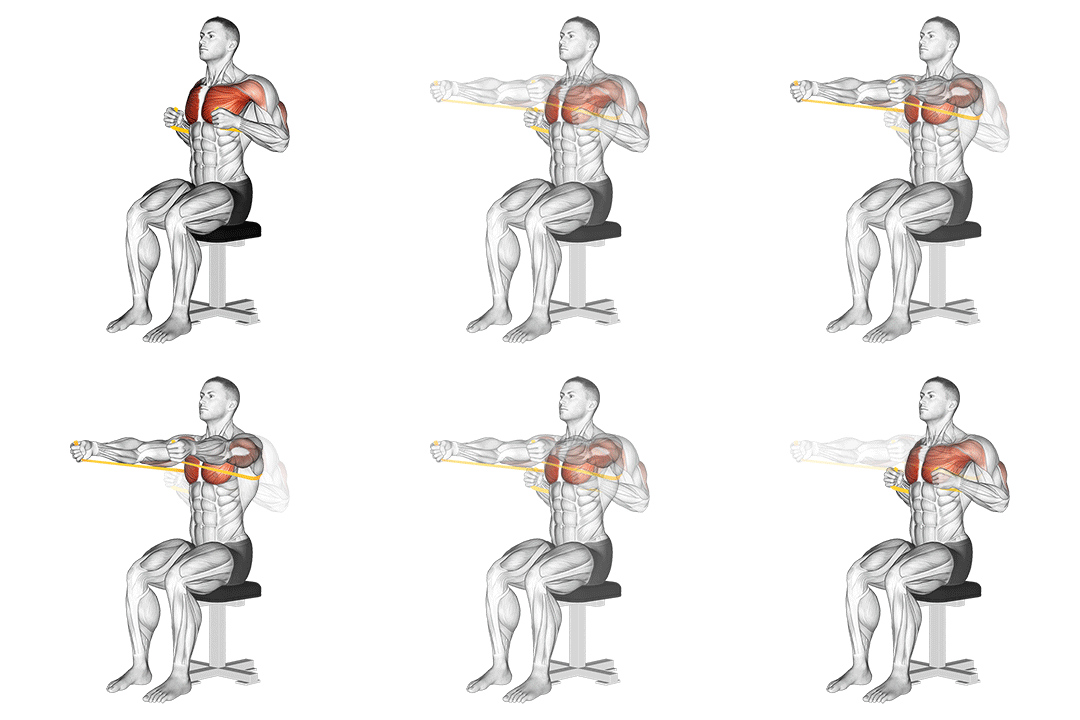
Cross Over - With Bands
Visual Comparison
Overview
Bench Press - With Bands vs Cross Over - With Bands — you’re choosing between a compound, variable-resistance press and a transverse-adduction isolation move. If you want clear guidance on which to use for muscle growth, strength, or home workouts, this comparison lays it out. You’ll get technique cues, biomechanics (length-tension curves, force vectors), rep ranges (6–12 for heavy hypertrophy, 8–15 for targeted work), equipment needs, and programming examples. Read on and I’ll help you pick the right option for your chest training and show how to integrate both if you want the best of each.
Key Differences
- Bench Press - With Bands is a compound movement, while Cross Over - With Bands is an isolation exercise.
- Both exercises target the Pectorals using Band. The main differences are in their movement patterns and muscle activation angles.
Pros & Cons
Bench Press - With Bands
+ Pros
- Compound movement that builds pressing strength and total mechanical tension
- Better progression options (band tension, added weight, bench angle changes)
- Stronger triceps and anterior deltoid recruitment for carryover to other lifts
- Variable resistance improves lockout strength and overloads different ranges
− Cons
- Requires a bench and secure band anchoring
- Higher shoulder and pec stress at the bottom if technique breaks
- Often needs a spotter or conservative loading for safety
Cross Over - With Bands
+ Pros
- Strong pec isolation and peak contraction for sculpting and hypertrophy
- Highly portable and doesn’t require a bench
- Easy to change line of pull (high-to-low, low-to-high) to target fibers
- Safe to perform unilaterally to correct imbalances
− Cons
- Limited maximal strength carryover compared to compound presses
- Progression is slower because you can’t match barbell loading
- Risk of overstretching the anterior shoulder if end-range control is poor
When Each Exercise Wins
Bench press with bands allows higher total mechanical tension and progressive overload (6–12 reps, 3–5 sets) while band tension increases top-end resistance. Use it as a primary compound movement, then add cross-overs for extra peak contraction and 8–15 rep finisher sets.
Banded bench lets you train heavy close to your max and overload lockout strength via variable resistance, making it superior for improving 1–5 RM pressing strength and transferring to barbell work.
Cross-overs are easier to scale down, require less complex coordination, and avoid heavy loads that can pin a learner. Start with light tension, focus on scapular control and 8–15 reps to build mind-muscle connection before adding compound banded presses.
Cross-overs need only anchors and bands and can be done standing with minimal space. If you don’t have a stable bench or secure heavy anchor points, cross-overs let you train chest effectively at home.
Frequently Asked Questions
Can I do both Bench Press - With Bands and Cross Over - With Bands in the same workout?
Yes. Do the bench press first as your heavy compound (3–5 sets of 4–8 or 6–12 reps), then use cross-overs as finishers (3–4 sets of 8–15 reps) to increase time under tension and isolate the pecs.
Which exercise is better for beginners?
Cross Over - With Bands is generally better for beginners because it’s easier to scale, safer without a spotter, and quicker to learn the pec activation pattern. Begin with light tension and focus on form before adding compound banded presses.
How do the muscle activation patterns differ?
Banded bench increases demand through elbow extension and upward force vectors, raising triceps and lockout activation as band tension rises. Cross-over keeps constant transverse-adduction tension and emphasizes peak pectoral contraction at end-range, exploiting the pecs’ length-tension relationship.
Can Cross Over - With Bands replace Bench Press - With Bands?
Not completely. Cross-overs are great for isolation and end-range stimulation but won’t match the progressive overload and maximal strength benefits of a compound banded bench. Use cross-overs as a complement or substitute only when benching isn’t practical.
Expert Verdict
Use Bench Press - With Bands when your goal is heavy pressing, overall chest mass, and strength transfer—it’s the primary mover for adding mechanical tension and scaling load. Program it for 3–5 sets of 4–12 reps, varying band tension and bench angle to target different pec fibers. Use Cross Over - With Bands as an accessory to maximize peak contraction, correct imbalances, and add time under tension; perform 3–4 sets of 8–15 reps with slow eccentrics. For home-only setups or beginners wanting safer, isolation-focused work, prioritize cross-overs. Combine both across a cycle: compound banded presses first, then cross-over finishers to maximize muscle growth and range-specific strength.
Also Compare
More comparisons with Bench Press - With Bands
More comparisons with Cross Over - With Bands
Compare More Exercises
Use our free comparison tool to analyze any two exercises head-to-head.
Compare Exercises