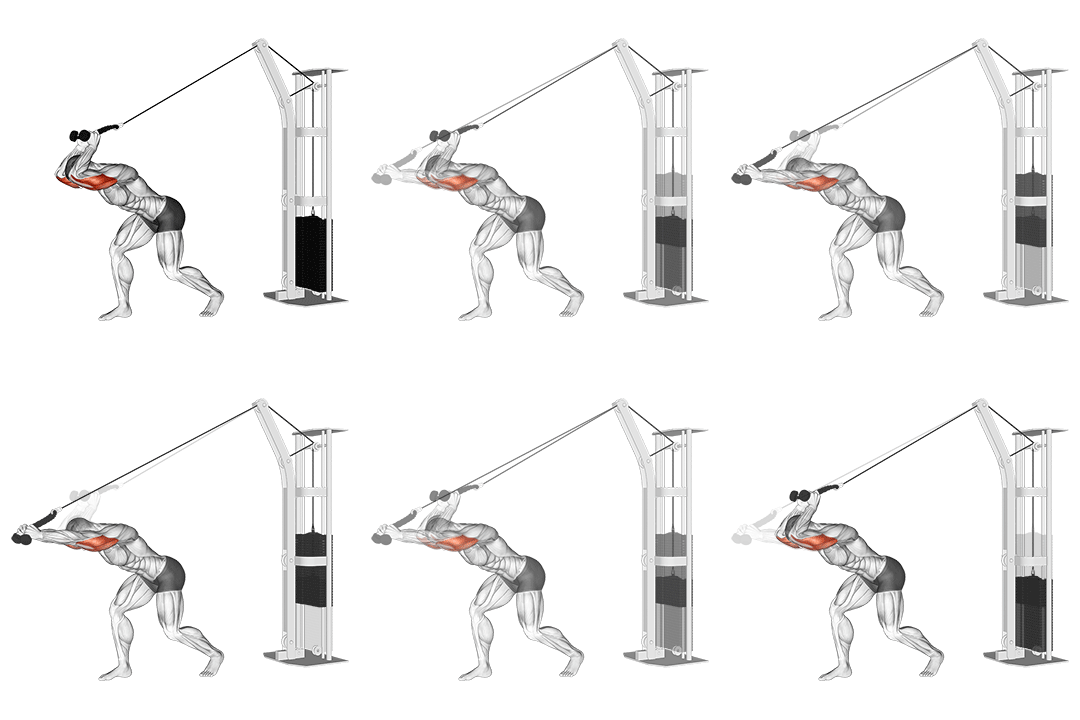
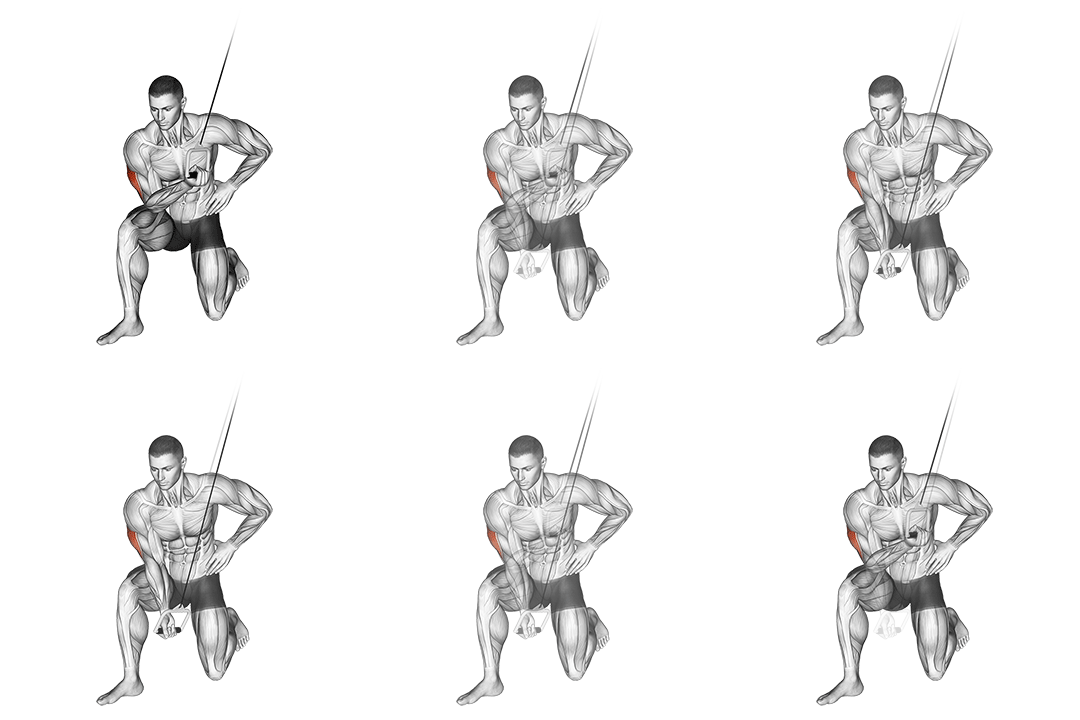
Cable High Pulley Overhead Tricep Extension vs Cable Incline Triceps Extension

Compare target muscles, equipment, difficulty, movement type, and secondary muscles for Cable High Pulley Overhead Tricep Extension and Cable Incline Triceps Extension.
Change comparison Share

Get comparison link

Select the link and use your device's Copy command.

Comparison overview

AI-generated
Cable High Pulley Overhead Tricep Extension vs Cable Incline Triceps Extension — you’ve got two solid cable isolation moves that both target the triceps but load them differently. I’ll walk you through how each shifts load between the triceps heads, what equipment and setup you need, the key technique cues to get peak tension, plus who should use which movement for hypertrophy, strength, or rehab. Read on and you’ll know exactly when to program each exercise and how to perform them to maximize muscle growth and protect your shoulders.
Exercise Comparison

Exercise A
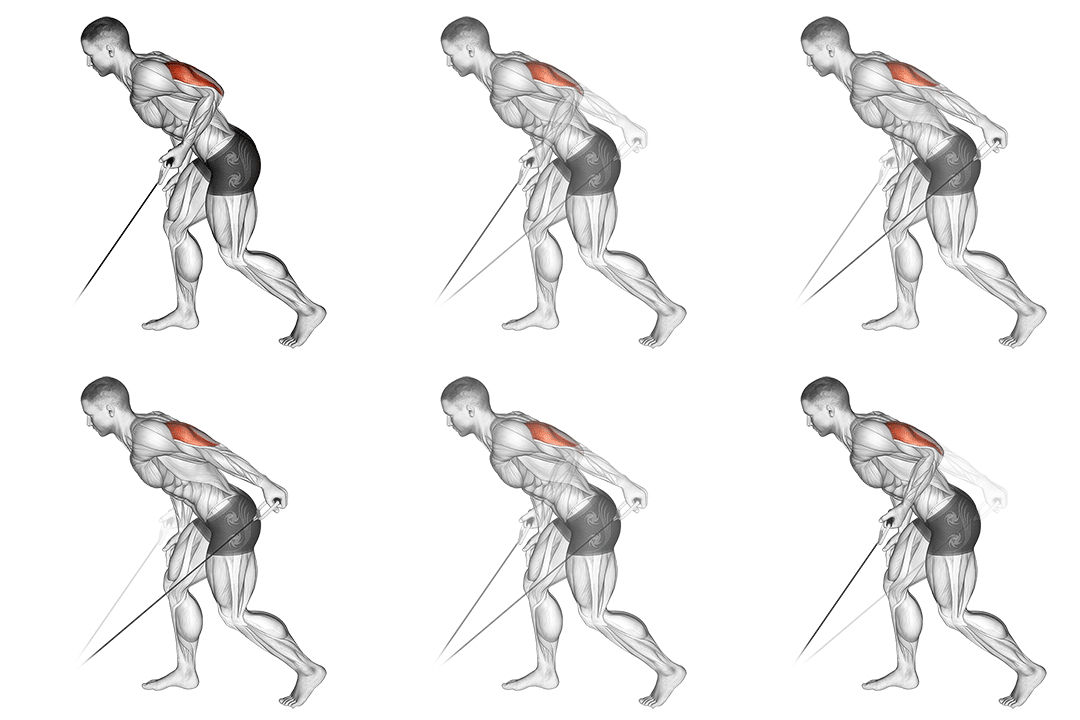
Cable High Pulley Overhead Tricep Extension demonstration
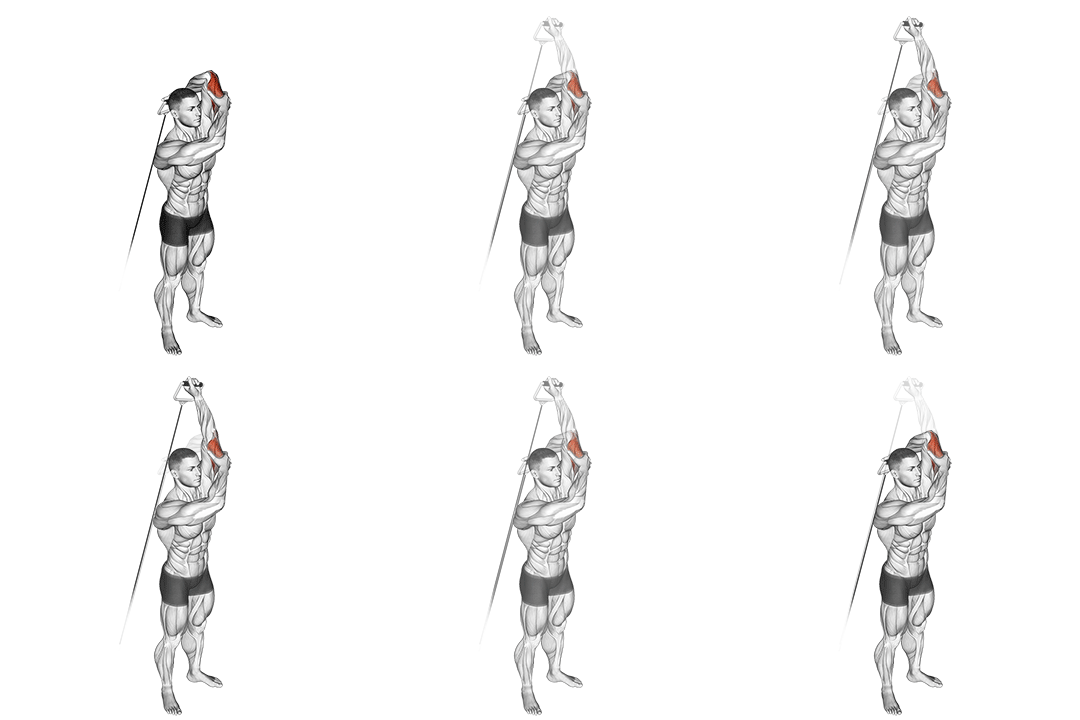
Cable High Pulley Overhead Tricep Extension
Target Triceps
Equipment Cable
Body Part Upper-arms
Difficulty Intermediate
Movement Isolation
Secondary Muscles
Shoulders
VS
Exercise B
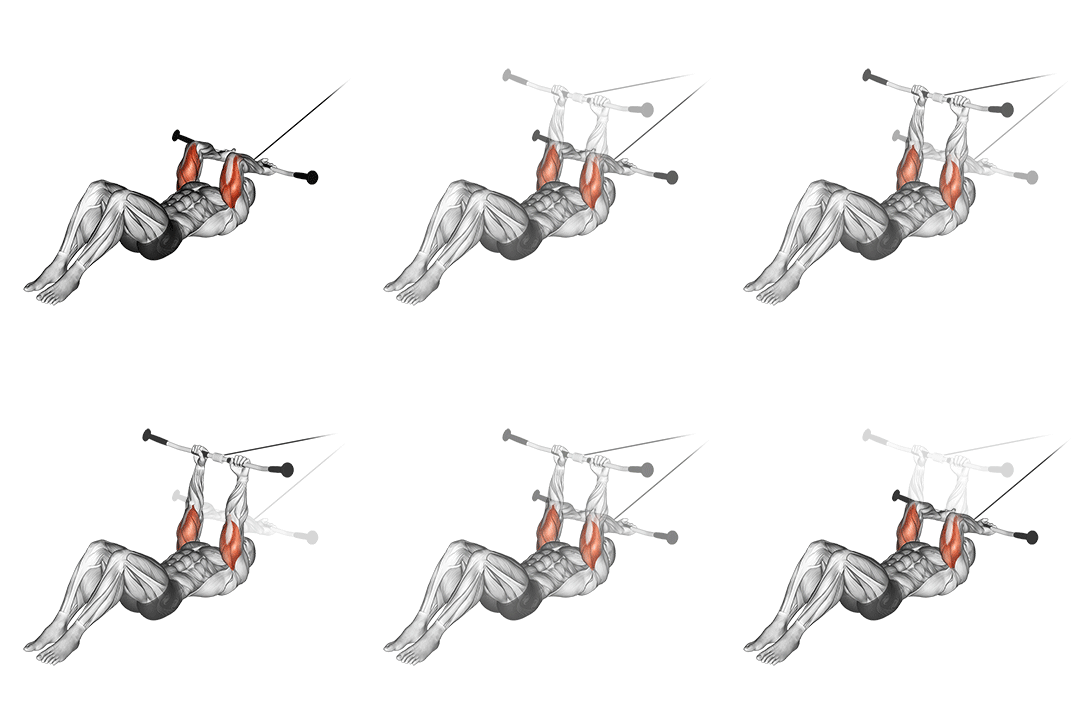
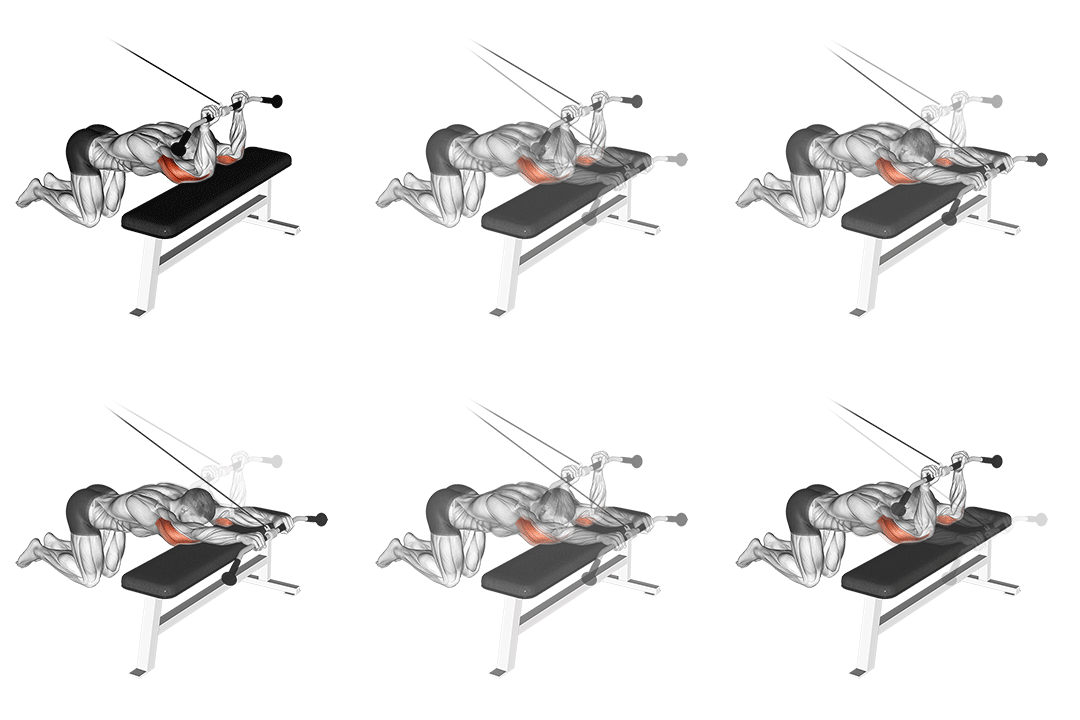
Cable Incline Triceps Extension demonstration

Cable Incline Triceps Extension

Target Triceps
Equipment Cable
Body Part Upper-arms
Difficulty Intermediate
Movement Isolation
Secondary Muscles
Shoulders

Head-to-Head Comparison

Different values are marked. These are catalogue attributes, not performance scores.

Muscles used

Listed target and secondary muscles, shown on the body. Locations, not activation or strength scores.

  • Target
  • Secondary
  • Not highlighted

Cable High Pulley Overhead Tricep Extension

Front
Cable High Pulley Overhead Tricep Extension: front muscle locationsSolid: listed target. Striped: listed secondary. Grey: not highlighted. Locations, not activation or strength scores. See the muscle names below.
Back
Cable High Pulley Overhead Tricep Extension: back muscle locationsSolid: listed target. Striped: listed secondary. Grey: not highlighted. Locations, not activation or strength scores. See the muscle names below.
Target
Triceps
Secondary
Shoulders

Not shown on diagram: Shoulders. These labels do not identify a precise region on this map.

Cable Incline Triceps Extension

Front
Cable Incline Triceps Extension: front muscle locationsSolid: listed target. Striped: listed secondary. Grey: not highlighted. Locations, not activation or strength scores. See the muscle names below.
Back
Cable Incline Triceps Extension: back muscle locationsSolid: listed target. Striped: listed secondary. Grey: not highlighted. Locations, not activation or strength scores. See the muscle names below.
Target
Triceps
Secondary
Shoulders

Not shown on diagram: Shoulders. These labels do not identify a precise region on this map.

Grey does not mean a muscle is unused. The diagrams show only the mapped catalogue labels.

Attribute Cable High Pulley Overhead Tricep Extension Cable Incline Triceps Extension
Target Muscle
Triceps
Triceps
Body Part
Upper-arms
Upper-arms
Equipment
Cable
Cable
Difficulty
Intermediate
Intermediate
Movement Type
Isolation
Isolation
Secondary Muscles
Shoulders
Shoulders

Visual Comparison

An illustrative 1–10 profile derived from catalog difficulty, equipment, and listed-muscle fields—not measured performance or muscle activation.

Key Differences

  • Both exercises target the Triceps using Cable. The catalogue does not establish which exercise is better for an individual goal.

Muscle comparison

Shared target muscles

Both exercises primarily target the triceps brachii. They load the three heads (long, lateral, medial) but emphasize them differently. The overhead variation lengthens the long head via shoulder flexion, increasing tension when the elbow extends from a stretched position. The incline variant places the upper arm behind the torso at a 30–45° bench angle, slightly altering the line of pull to maintain high tension through mid- to end-range elbow extension.

Secondary muscle differences

Secondary recruitment differs mainly at the shoulder: the overhead high-pulley requires greater shoulder stabilization and engages the anterior deltoid and upper trapezius to hold the arm position. The incline setup reduces active shoulder flexion demand, shifting some stabilizing load away from the deltoids and toward the scapular stabilizers and chest if you lean back, which can feel mechanically easier for some lifters.

Muscle involvement analysis

During the overhead high-pulley, the long head operates at a longer muscle length (length-tension relationship) so you get higher tension at the start of the concentric and through mid-range. The cable’s constant tension sustains load across the full ROM. The incline cable shifts the force vector so peak tension often occurs later in the concentric (near lockout). That makes the incline variation useful for overloaded lockout work while the overhead better stresses the stretched long head early in the rep.

Equipment and setup

Cable High Pulley Overhead Tricep Extension: setup

Cable High Pulley Overhead Tricep Extension requires a high pulley/cable column, a rope or straight bar attachment, and enough vertical clearance so you can stand with your arms overhead. You’ll want a cable stack that allows smooth tension across the range.

Cable Incline Triceps Extension: setup

Cable Incline Triceps Extension needs a cable column (ideally adjustable low or mid pulley that routes over the top), an incline bench set to about 30–45°, and a handle or rope to pull from behind your head while lying back on the bench.

Access and practicality

Cable High Pulley Overhead Tricep Extension is slightly more accessible because it can be done at most gyms with a single high pulley station and no bench. The incline version requires a bench and more setup space, so the overhead variation wins for ease of setup in crowded facilities.

Learning and progression

Learning the movements

The Cable Incline Triceps Extension is easier for most lifters to learn because the bench provides a stable base and the body position limits compensatory trunk movement. The overhead variation demands better shoulder mobility and trunk bracing, so it has a steeper learning curve.

Progression considerations

Both scale well, but the overhead high-pulley offers finer tension control via cable height and attachment choice; it’s better for incremental tension progressions and time-under-tension work. The incline variant allows you to handle slightly heavier loads safely because you’re stabilized on a bench, which can make progressive overload simpler for absolute load increases.

Limitations and precautions

Relative injury risk is higher with the overhead variation if you lack shoulder flexion ROM or core stability—risks include anterior shoulder strain and low-back overextension. The incline variation carries lower shoulder risk but if performed with flared elbows it can stress the distal triceps tendon and elbow joint.

Pros & Cons

Cable High Pulley Overhead Tricep Extension

+ Pros

  • Places long head on greater stretch for early ROM tension
  • Cable provides continuous tension through the entire movement
  • Easy to vary attachments and angles for targeted loading
  • No bench needed—quick gym setup

− Cons

  • Higher demand on shoulder mobility and core stability
  • Greater risk of lumbar arching if you overcompensate
  • Harder to load very heavy due to stabilization limits

Cable Incline Triceps Extension

+ Pros

  • Stable bench position reduces compensatory movement
  • Easier to handle heavier loads for progressive overload
  • Less shoulder strain for lifters with limited overhead mobility
  • Clearer end-range tension near lockout

− Cons

  • Requires bench and more setup time
  • Slightly less stretch on the long head compared with overhead
  • Can shift load to chest/shoulder if elbow flares

When Each Exercise Wins

1
For muscle hypertrophy: Cable High Pulley Overhead Tricep Extension

The overhead position stretches the long head and keeps continuous cable tension across the ROM, increasing time under tension early in the concentric. Use 3–4 sets of 8–12 reps, slow eccentrics (2–3 s) and controlled pauses to exploit the length-tension advantage.

2
For strength gains: Cable Incline Triceps Extension

The bench stabilizes your torso so you can safely load heavier weights and train heavier rep ranges (4–6 reps) without losing form, making it better for increasing absolute elbow-extension strength and lockout power.

3
For beginners: Cable Incline Triceps Extension

The incline bench reduces technical demand and limits compensatory trunk movement, so beginners can learn elbow-extension mechanics and gradually increase load without stressing shoulder mobility.

4
For home workouts: Cable Incline Triceps Extension

If you have a cable station and adjustable bench, the incline version translates well to dumbbell or band incline extensions at home. It’s easier to replicate the stable body position without specialized overhead cable setups.

Frequently Asked Questions

Can I do both Cable High Pulley Overhead Tricep Extension and Cable Incline Triceps Extension in the same workout?

Yes. Pair them by doing the heavier, stability-demanding incline variation first (3–4 sets of 4–6 reps) and follow with the overhead variation for volume (2–3 sets of 8–12 reps) to target the long head under fatigue. Keep total sets for triceps to 6–10 per session.

Which exercise is better for beginners?

Cable Incline Triceps Extension is better for beginners because the bench stabilizes the body and reduces shoulder mobility requirements, making it easier to learn strict elbow extension and progressively add load.

How do the muscle activation patterns differ?

The overhead version places the long head at a longer muscle length due to shoulder flexion, increasing early concentric tension and time under tension. The incline shifts the peak torque later toward lockout, giving stronger end-range tension and safer heavy loading.

Can Cable Incline Triceps Extension replace Cable High Pulley Overhead Tricep Extension?

It can replace it depending on your goal: use incline if you need stability or heavy loading, but keep the overhead variation in your program when you want long-head emphasis and maximal stretch-mediated hypertrophy.

Comparison Summary

Pick the Cable High Pulley Overhead Tricep Extension when your goal is to emphasize the long head and increase time under tension—this variation uses shoulder flexion to load the long head more effectively and the cable keeps constant resistance. Choose the Cable Incline Triceps Extension when you need stability to lift heavier, reduce shoulder demand, or teach strict elbow-extension mechanics—set the bench at 30–45° and focus on controlled lockouts. Program both across a training block: use incline-heavy weeks for load progression (4–6 reps) and overhead-focused weeks for hypertrophy (8–12 reps, slow eccentrics).

Exercise instructions

Steps from the exercise catalogue. Read the full sequence before starting.

Cable High Pulley Overhead Tricep Extension

  1. Attach a rope to a high pulley and stand facing away from the machine.
  2. Grasp the rope with both hands and extend your arms overhead.
  3. Keep your elbows close to your head and your upper arms stationary.
Read remaining steps for Cable High Pulley Overhead Tricep Extension
  1. Slowly lower the rope behind your head by bending your elbows.
  2. Pause for a moment, then extend your arms back to the starting position.
  3. Repeat for the desired number of repetitions.

Cable Incline Triceps Extension

  1. Adjust the cable machine to a low pulley position.
  2. Attach a straight bar to the cable.
  3. Stand facing away from the machine with your feet shoulder-width apart.
Read remaining steps for Cable Incline Triceps Extension
  1. Grasp the bar with an overhand grip and extend your arms straight overhead.
  2. Lean forward slightly, keeping your back straight and core engaged.
  3. Bend your elbows and lower the bar behind your head, keeping your upper arms close to your ears.
  4. Pause for a moment, then extend your arms back to the starting position.
  5. Repeat for the desired number of repetitions.

Also Compare

Compare another pair

Choose two exercises to see their differences side by side.

Compare Exercises