

Deadlift With Bands vs Stiff Leg Barbell Good Morning: Complete Comparison Guide
Deadlift With Bands vs Stiff Leg Barbell Good Morning — if you want a stronger, thicker posterior chain you’ve picked two advanced, barbell-based options. I’ll walk you through how each loads the erector spinae, how they recruit hamstrings and glutes differently, what equipment you need, and which one fits specific goals like hypertrophy, raw strength, or home training. Read on for clear technique cues, rep ranges (3–6 for strength, 6–12 for muscle growth), and biomechanical reasons to pick one over the other.
Exercise Comparison
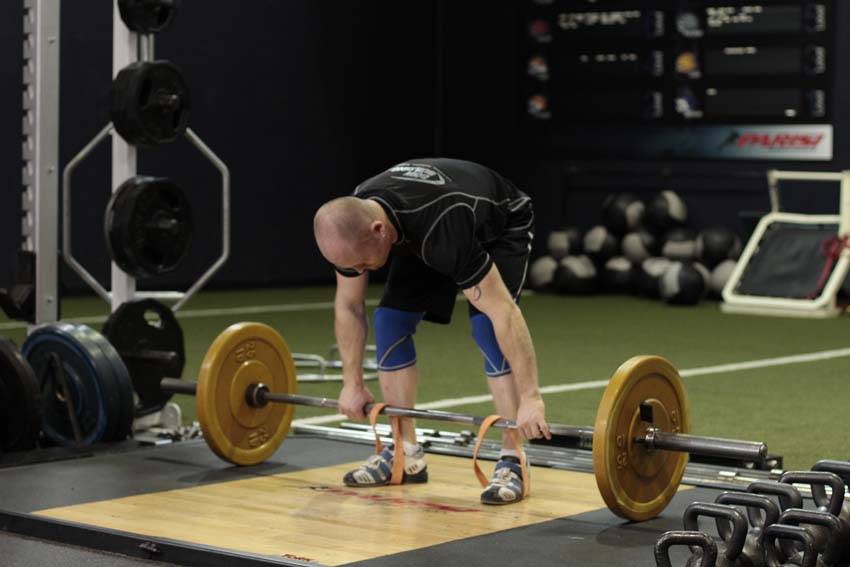
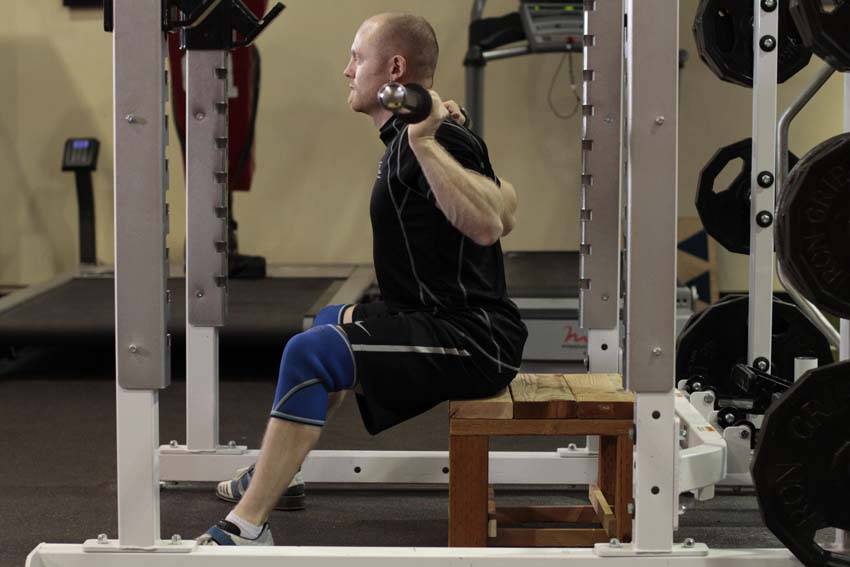
Deadlift With Bands
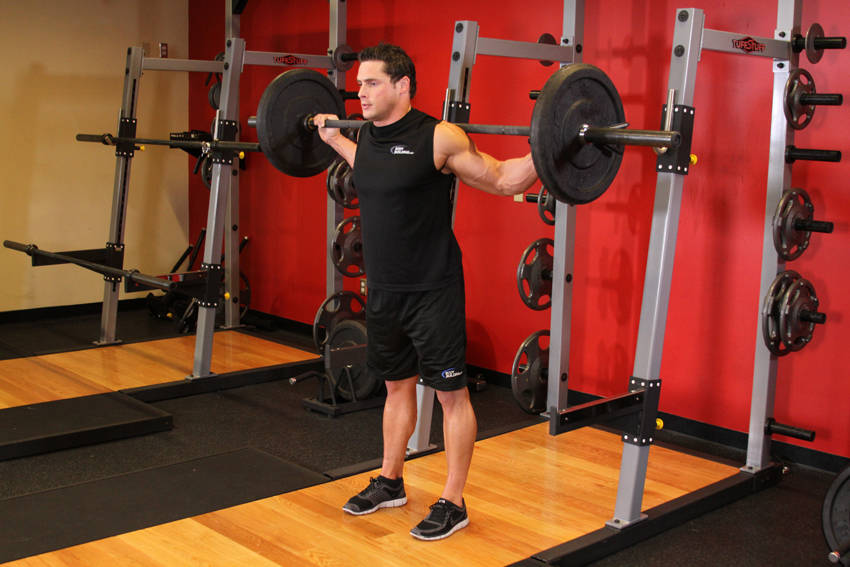
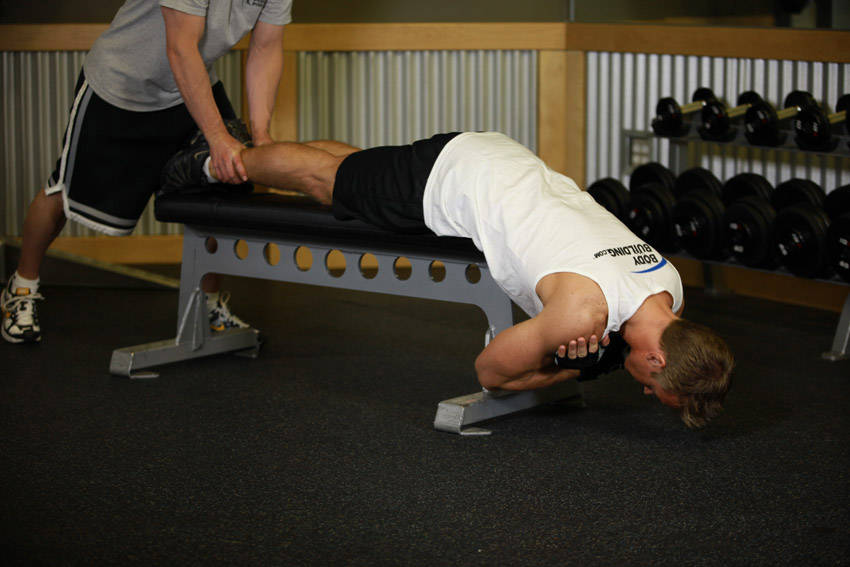
Stiff Leg Barbell Good Morning
Head-to-Head Comparison
| Attribute | Deadlift With Bands | Stiff Leg Barbell Good Morning |
|---|---|---|
| Target Muscle |
Erector-spinae
|
Erector-spinae
|
| Body Part |
Back
|
Back
|
| Equipment |
Barbell
|
Barbell
|
| Difficulty |
Advanced
|
Advanced
|
| Movement Type |
Compound
|
Compound
|
| Secondary Muscles |
6
|
2
|
Secondary Muscles Activated
Deadlift With Bands
Stiff Leg Barbell Good Morning
Visual Comparison
Overview
Deadlift With Bands vs Stiff Leg Barbell Good Morning — if you want a stronger, thicker posterior chain you’ve picked two advanced, barbell-based options. I’ll walk you through how each loads the erector spinae, how they recruit hamstrings and glutes differently, what equipment you need, and which one fits specific goals like hypertrophy, raw strength, or home training. Read on for clear technique cues, rep ranges (3–6 for strength, 6–12 for muscle growth), and biomechanical reasons to pick one over the other.
Key Differences
- Both exercises target the Erector-spinae using Barbell. The main differences are in their movement patterns and muscle activation angles.
Pros & Cons
Deadlift With Bands
+ Pros
- Variable resistance increases lockout strength and peak force exposure
- Engages a broader set of back muscles (traps, middle back, erectors) and forearms
- Flexible programming: change band tension, offset loading, or use accommodating resistance
- Excellent for transferring to deadlift lockout and improving bar speed
− Cons
- Requires quality bands and careful setup to avoid slippage
- More complex timing and technical demand than a fixed-resistance hinge
- Can increase compressive forces at lockout if performed incorrectly
Stiff Leg Barbell Good Morning
+ Pros
- Direct, high-tension loading of erector spinae at long muscle lengths
- Simple equipment needs — just barbell and rack
- Teaches precise hip hinge and posterior chain tension
- Easy to control tempo for long eccentrics (useful for hypertrophy)
− Cons
- High lumbar shear and compression risk under heavy load
- Less carryover to knee-dominant extensions and grip strength
- Limited absolute loading compared to deadlift variations for most lifters
When Each Exercise Wins
The good morning keeps the erectors and hamstrings under tension at longer muscle lengths with controlled eccentrics, which increases time under tension — aim for 6–12 reps and 3–4 second eccentrics to maximize hypertrophy.
Variable resistance overloads the lockout and allows heavier relative loading through the top range, improving rate of force development and bar speed. Use low reps (3–6) and progressively heavier bands to build raw strength.
Good mornings isolate the hip-hinge and are simpler to coach from the rack with lower equipment needs; beginners can learn bracing and torso angle before progressing to complex deadlift variations.
You only need a barbell and a rack or sturdy supports. Deadlifts with bands need quality bands and secure anchoring, which many home gyms lack.
Frequently Asked Questions
Can I do both Deadlift With Bands and Stiff Leg Barbell Good Morning in the same workout?
Yes — but sequence matters. Do the heavy deadlift variation first to target strength (3–6 reps), then use good mornings later for hypertrophy/conditioning with higher reps (6–12) and slower eccentrics to avoid cumulative fatigue affecting form.
Which exercise is better for beginners?
Stiff Leg Barbell Good Morning is generally better for beginners because it isolates the hip hinge and is easier to coach from the rack. Start light, master bracing and hip angle, then progress to more complex deadlift variations.
How do the muscle activation patterns differ?
Deadlift With Bands increases activation toward lockout as band tension rises, biasing traps, middle back, and erectors during final extension. Good mornings maintain high erector and hamstring activation through the eccentric and at longer muscle lengths due to sustained trunk flexion.
Can Stiff Leg Barbell Good Morning replace Deadlift With Bands?
It can replace it for hypertrophy and hinge patterning but not fully for strength transfer to deadlift lockout. If your goal is maximal force production and lockout speed, keep a deadlift variation with bands or chains in your program.
Expert Verdict
Use Stiff Leg Barbell Good Morning when your priority is controlled posterior-chain hypertrophy and teaching or reinforcing a deep hip hinge: load conservatively (6–12 reps), brace the core, and hinge to ~45–60° of trunk flexion. Choose Deadlift With Bands when you want to build maximal strength, improve lockout mechanics, and train force production: program 3–6 heavy reps with progressively stronger bands and practice explosive lockouts. Both are advanced—prioritize technique, gradual loading, and core bracing; pick the movement that matches your immediate goal (length-tension hypertrophy vs variable-resistance strength).
Also Compare
More comparisons with Deadlift With Bands
More comparisons with Stiff Leg Barbell Good Morning
Compare More Exercises
Use our free comparison tool to analyze any two exercises head-to-head.
Compare Exercises