

Deadlift With Chains vs Stiff Leg Barbell Good Morning: Complete Comparison Guide
Deadlift With Chains vs Stiff Leg Barbell Good Morning — both target the erector-spinae but load the posterior chain in different ways. If you want clear guidance on which to pick for strength, hypertrophy, or accessory work, you've come to the right place. I’ll show you how each exercise stresses the spine and hips, give concrete technique cues (hip hinge angles, rep ranges, tempo), compare equipment needs and injury risk, and recommend programming options so you can choose the lift that matches your goals and training setup.
Exercise Comparison
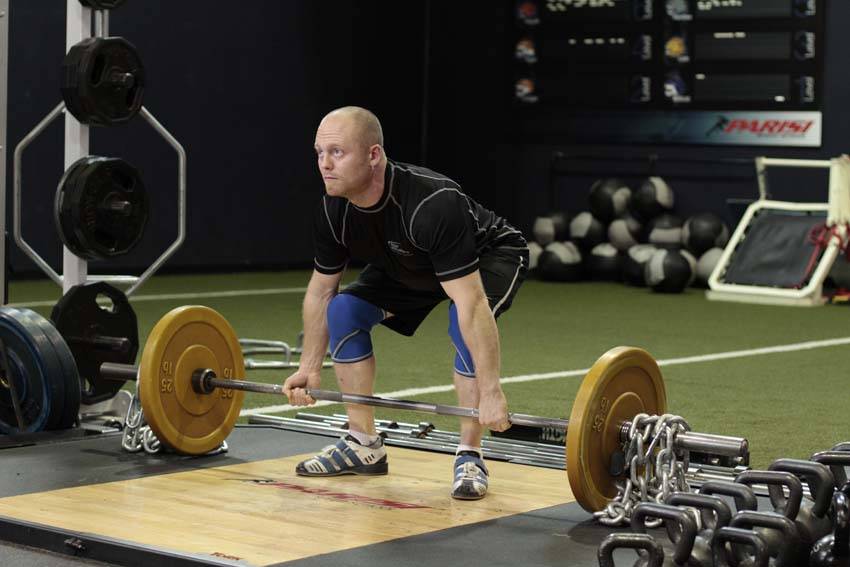
Deadlift With Chains
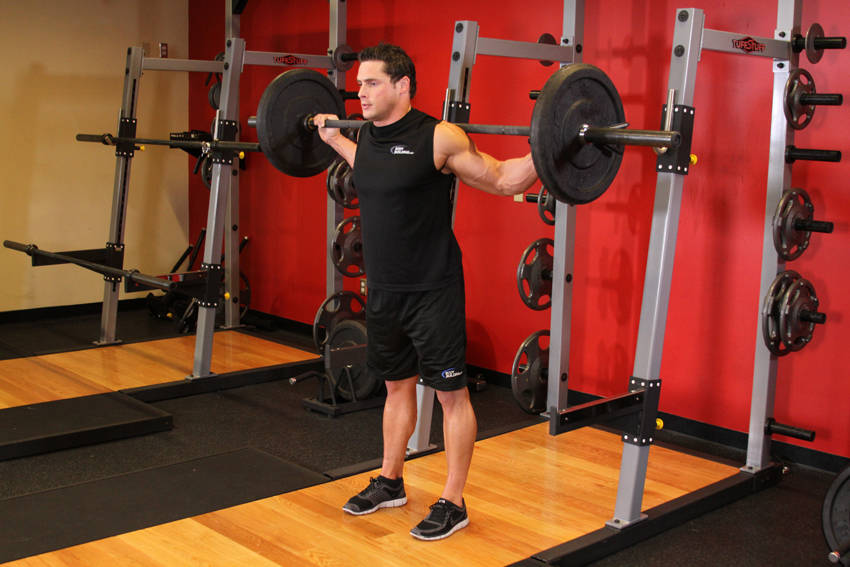
Stiff Leg Barbell Good Morning
Head-to-Head Comparison
| Attribute | Deadlift With Chains | Stiff Leg Barbell Good Morning |
|---|---|---|
| Target Muscle |
Erector-spinae
|
Erector-spinae
|
| Body Part |
Back
|
Back
|
| Equipment |
Barbell
|
Barbell
|
| Difficulty |
Advanced
|
Advanced
|
| Movement Type |
Compound
|
Compound
|
| Secondary Muscles |
6
|
2
|
Secondary Muscles Activated
Deadlift With Chains
Stiff Leg Barbell Good Morning
Visual Comparison
Overview
Deadlift With Chains vs Stiff Leg Barbell Good Morning — both target the erector-spinae but load the posterior chain in different ways. If you want clear guidance on which to pick for strength, hypertrophy, or accessory work, you've come to the right place. I’ll show you how each exercise stresses the spine and hips, give concrete technique cues (hip hinge angles, rep ranges, tempo), compare equipment needs and injury risk, and recommend programming options so you can choose the lift that matches your goals and training setup.
Key Differences
- Both exercises target the Erector-spinae using Barbell. The main differences are in their movement patterns and muscle activation angles.
Pros & Cons
Deadlift With Chains
+ Pros
- Variable resistance improves lockout and top-end strength by increasing load as the bar rises
- Loads a wide set of muscles: erector-spinae, glutes, hamstrings, quads, traps, and forearms
- High transfer to conventional deadlift performance and competition lifts
- Multiple programming options: strength singles, heavy triples, or cluster sets
− Cons
- Requires chains and setup, reducing accessibility
- Greater overall systemic load—more fatigue and recovery needed
- Higher technical complexity: bar path and chain behavior must be managed
Stiff Leg Barbell Good Morning
+ Pros
- Very accessible: only a barbell and rack required
- Places sustained eccentric tension on erectors and hamstrings for hypertrophy
- Excellent for improving hip-hinge motor pattern and posterior chain endurance
- Easy to manipulate tempo and range to target length-tension (slow eccentrics, paused bottom)
− Cons
- Puts concentrated shear force on the lumbar spine if you lose neutral posture
- Less carryover to maximal deadlift lockout compared with chain-loaded deadlifts
- Limited progression ceiling for absolute strength without additional variations
When Each Exercise Wins
Good Mornings keep the erector-spinae and hamstrings under long-length tension, which boosts stretch-mediated hypertrophy. Use 6–12 reps, 2–4 second eccentrics, and full hip-hinge range to maximize muscle growth.
Chains provide variable resistance that overloads the top range and improves lockout strength and rate of force development. Program heavy sets of 1–5 reps, include pauses or bands, and emphasize tight bracing for maximal strength transfer.
Good Mornings are easier to set up and teach the hip hinge with lighter loads; start with a PVC or empty bar and focus on a neutral spine and 30–45° torso angle before adding weight. However, start very light and prioritize coaching to avoid lumbar flexion.
You only need a barbell and rack to perform Good Mornings safely at home, while Deadlift With Chains typically requires chains, space, and more plates for an effective variable-resistance setup.
Frequently Asked Questions
Can I do both Deadlift With Chains and Stiff Leg Barbell Good Morning in the same workout?
Yes—sequence matters. Do Deadlift With Chains first on a heavy strength day (1–5 reps) because it requires maximal CNS readiness, then use Good Mornings as an accessory for 6–12 reps and tempo work to target erectors and hamstrings with less CNS demand.
Which exercise is better for beginners?
Neither is ideal as a first lift, but if you must choose, start with Stiff Leg Barbell Good Mornings with light load or a dowel to learn the hip hinge and neutral spine. Focus on technique and hamstring flexibility before adding heavy loads or chains.
How do the muscle activation patterns differ?
Deadlift With Chains shifts peak activation upward toward lockout due to variable resistance and knee extension contributions, engaging quads and traps more. Good Mornings put peak stress on erectors and hamstrings in the bottom, lengthened position, increasing stretch-mediated tension and eccentric control.
Can Stiff Leg Barbell Good Morning replace Deadlift With Chains?
Good Mornings can serve as an accessory to build posterior-chain resilience and hypertrophy but won't fully replace chain-loaded deadlifts for improving maximal deadlift lockout and overall multi-joint strength. Use them together within a program for complementary benefits.
Expert Verdict
Use Deadlift With Chains when your priority is maximal posterior chain strength and deadlift-specific carryover—program 1–5 heavy reps, focus on bracing, and use chains that add roughly 5–20% variable resistance depending on setup. Choose Stiff Leg Barbell Good Morning when you want targeted erector-spinae and hamstring hypertrophy or a simple, equipment-light accessory; use 6–12 reps, controlled eccentrics (2–4 seconds), and strict neutral spine. Both are advanced: master the hip hinge and core brace first, progress load gradually, and pick the lift that matches your goal—strength and lockout work with chains, isolated posterior development with good mornings.
Also Compare
More comparisons with Deadlift With Chains
More comparisons with Stiff Leg Barbell Good Morning
Compare More Exercises
Use our free comparison tool to analyze any two exercises head-to-head.
Compare Exercises