

Lever Decline Chest Press vs Lever Incline Chest Press V. 2: Complete Comparison Guide
Lever Decline Chest Press vs Lever Incline Chest Press V. 2 — if you're choosing which lever press to prioritize in your program, this guide has your back. I'll walk you through how each variation shifts load across the pectorals, how joint angles change muscle recruitment, practical technique cues, rep-range recommendations (6–12 for size, 3–6 for strength), and when to pick one over the other based on your goals and shoulder health. Read on for biomechanical explanations, actionable coaching tips, and clear programming advice so you can pick the right press for steady muscle growth and strength progress.
Exercise Comparison
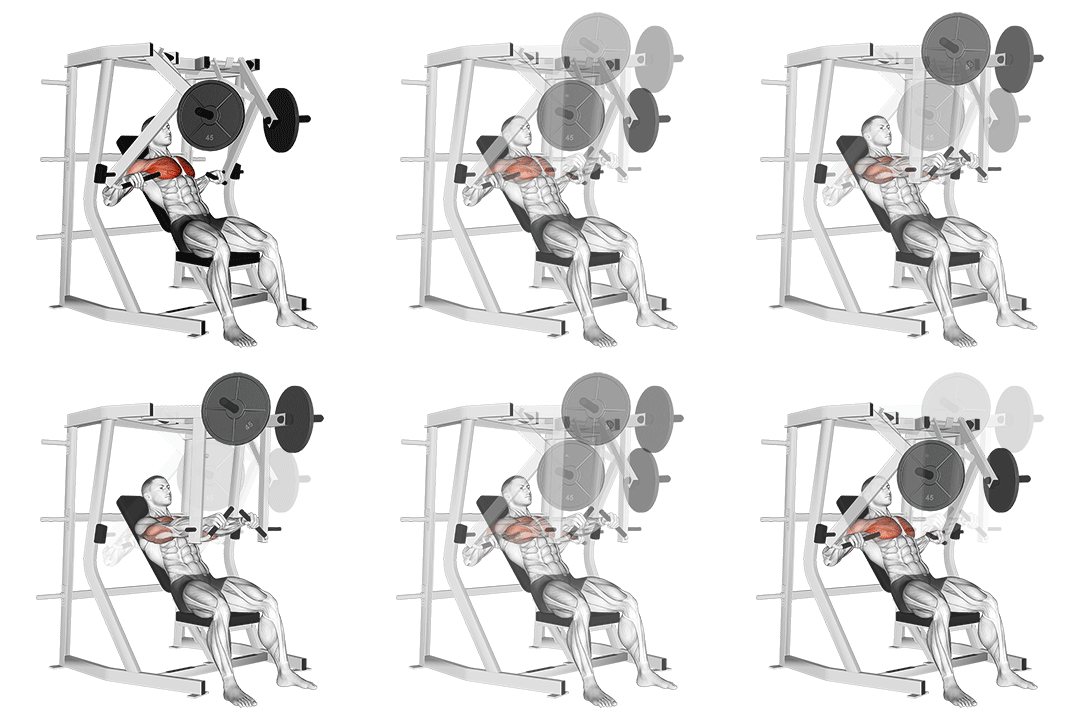
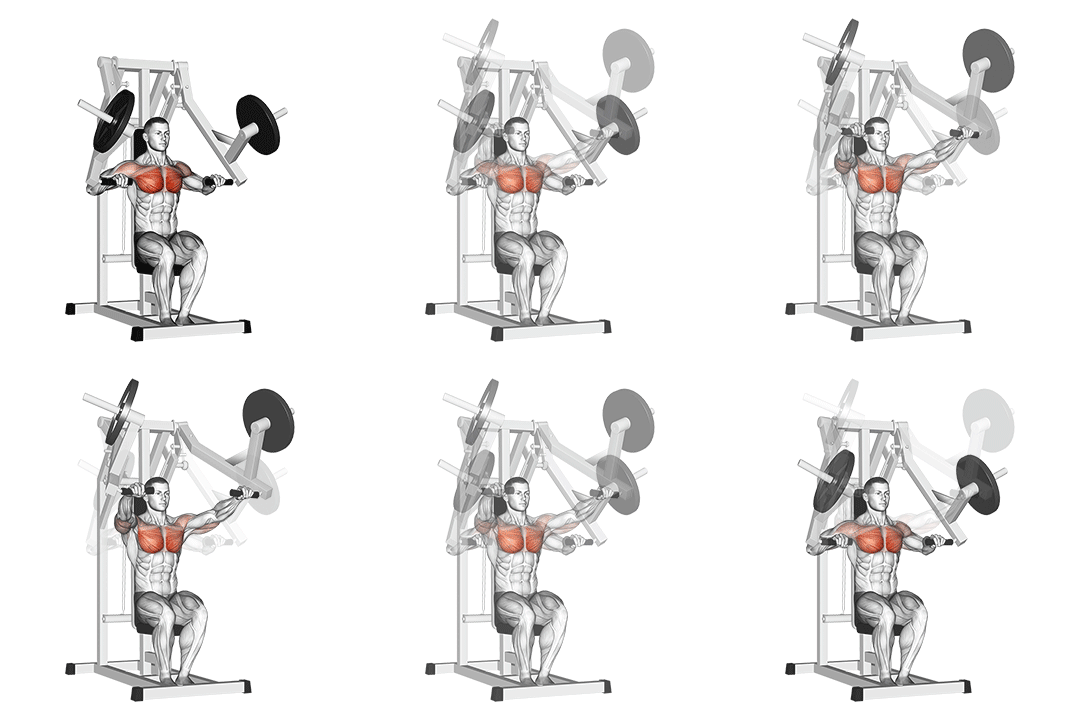
Lever Decline Chest Press
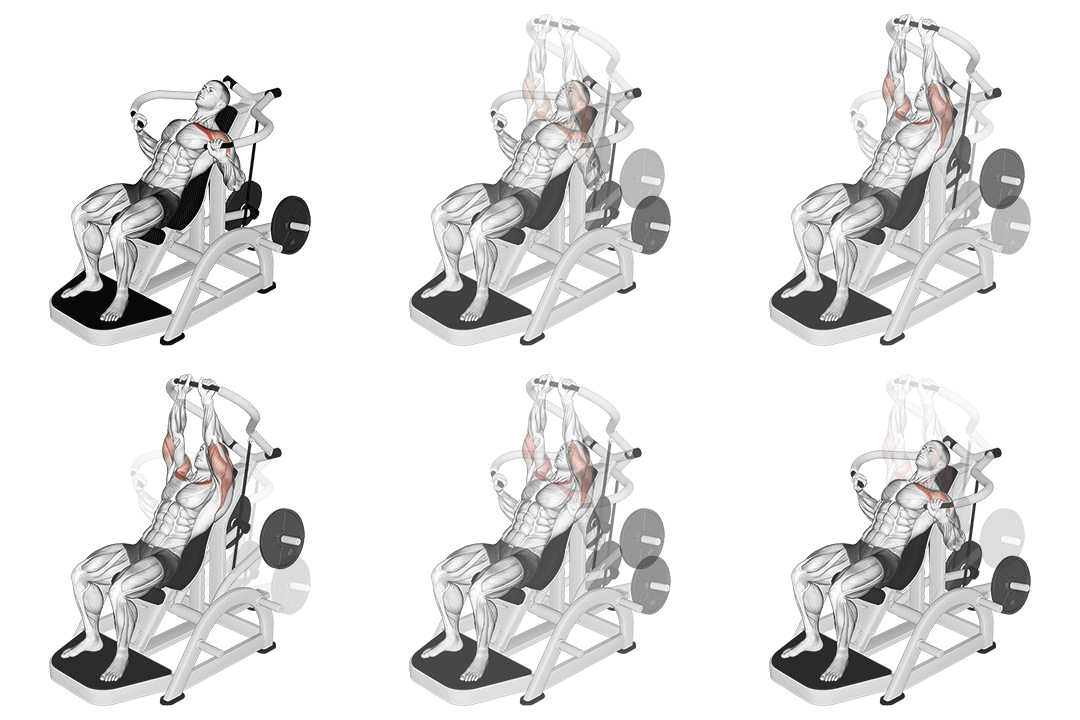
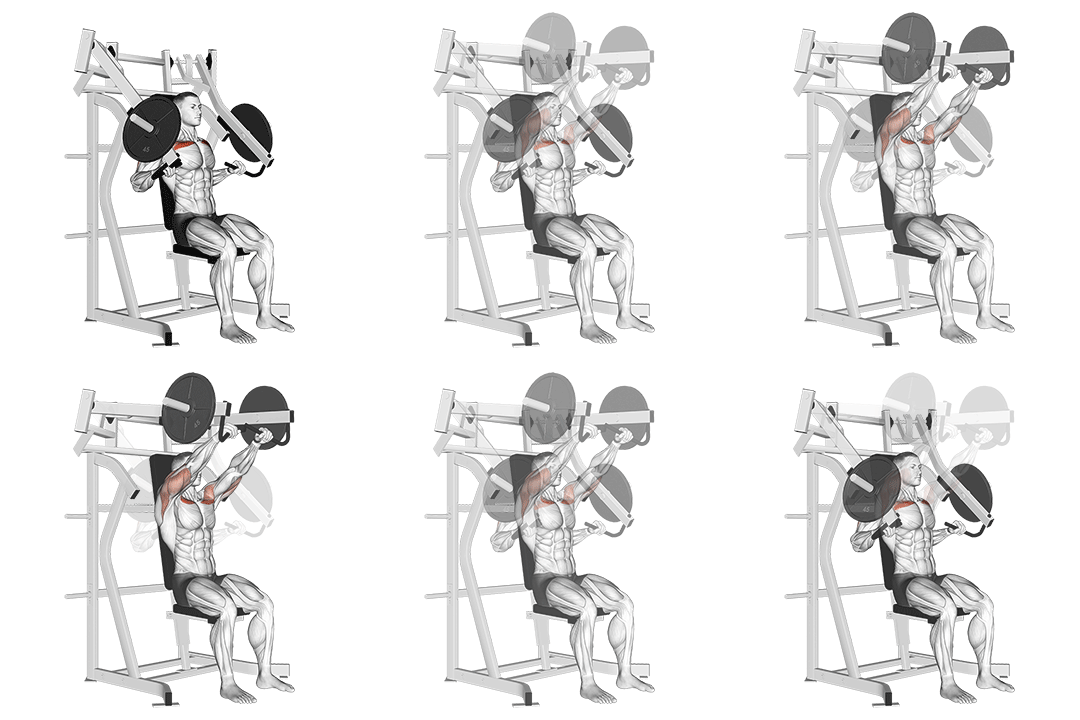
Lever Incline Chest Press V. 2
Head-to-Head Comparison
| Attribute | Lever Decline Chest Press | Lever Incline Chest Press V. 2 |
|---|---|---|
| Target Muscle |
Pectorals
|
Pectorals
|
| Body Part |
Chest
|
Chest
|
| Equipment |
Lever
|
Lever
|
| Difficulty |
Intermediate
|
Intermediate
|
| Movement Type |
Compound
|
Compound
|
| Secondary Muscles |
2
|
2
|
Secondary Muscles Activated
Lever Decline Chest Press
Lever Incline Chest Press V. 2
Visual Comparison
Overview
Lever Decline Chest Press vs Lever Incline Chest Press V. 2 — if you're choosing which lever press to prioritize in your program, this guide has your back. I'll walk you through how each variation shifts load across the pectorals, how joint angles change muscle recruitment, practical technique cues, rep-range recommendations (6–12 for size, 3–6 for strength), and when to pick one over the other based on your goals and shoulder health. Read on for biomechanical explanations, actionable coaching tips, and clear programming advice so you can pick the right press for steady muscle growth and strength progress.
Key Differences
- Both exercises target the Pectorals using Lever. The main differences are in their movement patterns and muscle activation angles.
Pros & Cons
Lever Decline Chest Press
+ Pros
- Allows heavier loading due to favorable force vector and braced torso
- Biases sternal/lower pectoralis for fuller mid-lower chest development
- Reduces anterior deltoid dominance compared with high incline
- Good transfer to flat pressing strength because of horizontal vector
− Cons
- Requires secure foot bracing to prevent sliding
- Less emphasis on upper chest/clavicular fibers
- Decline machines are less common in some gyms
Lever Incline Chest Press V. 2
+ Pros
- Targets upper (clavicular) pectoralis more effectively
- Generally easier to learn and more ergonomic for many lifters
- More common on commercial lever and selectorized machines
- Better for balancing chest development and shoulder-line aesthetics
− Cons
- Places more demand on anterior deltoids and rotator cuff
- May limit absolute loading compared with decline or flat presses
- Steeper incline angles can aggravate shoulder impingement in some lifters
When Each Exercise Wins
Decline lets you load the sternal pecs heavier and creates a favorable length-tension relationship for the larger lower chest fibers. Use 6–12 reps with full range and controlled eccentric tempo to maximize mechanical tension and time under load.
The more horizontal force vector and stronger mechanical advantage let you handle heavier weights, making decline presses ideal for low-rep strength cycles (3–6 reps). The similar bar path to competition pressing helps carry over to other heavy horizontal presses.
Incline pressing at 30–45° is more intuitive, reduces unwanted shoulder extension, and helps learners find a stable pressing path. It also balances upper chest work and encourages safer shoulder mechanics while you build technique.
Incline-capable lever or multi-gyms are more commonly available in compact home setups than dedicated decline stations. An incline machine covers more pressing angles in a smaller footprint, giving better utility for limited space.
Frequently Asked Questions
Can I do both Lever Decline Chest Press and Lever Incline Chest Press V. 2 in the same workout?
Yes — pairing them works well if you split volume: use a heavy decline set first for strength (3–6 reps) then add incline sets for upper-chest hypertrophy (8–12 reps). Monitor total volume to avoid overworking the pecs and triceps in one session.
Which exercise is better for beginners?
Lever Incline Chest Press V. 2 is generally better for beginners because the 30–45° incline encourages a safer shoulder position and an easier-to-learn pressing arc. It helps establish control before adding heavy decline loading.
How do the muscle activation patterns differ?
Decline shifting the bench 15–30° moves the force vector more horizontally, increasing sternal/lower-pec recruitment and allowing higher absolute loads. Incline at 30–45° increases clavicular-head and anterior deltoid activation by placing the shoulder in greater flexion and lengthening the upper pec fibers during the eccentric.
Can Lever Incline Chest Press V. 2 replace Lever Decline Chest Press?
It can replace decline if your goal is upper-chest development or you lack decline equipment, but it won't match the same heavy loading profile for lower-pec emphasis. Use incline to balance your chest routine, but keep decline in rotation when you want maximal horizontal force and sternal hypertrophy.
Expert Verdict
Choose the Lever Decline Chest Press when your priority is maximal loading of the sternal/lower pectoralis and raw strength progress; its horizontal vector and braced position let you handle heavier weights and stimulate a large portion of the chest effectively. Pick the Lever Incline Chest Press V. 2 when you need more upper-chest focus, a gentler learning curve, or better machine availability—use 8–12 reps to emphasize hypertrophy of the clavicular head. For smart programming, cycle both: include decline-focused blocks for heavy loading and incline-focused phases for balanced chest shape and shoulder health.
Also Compare
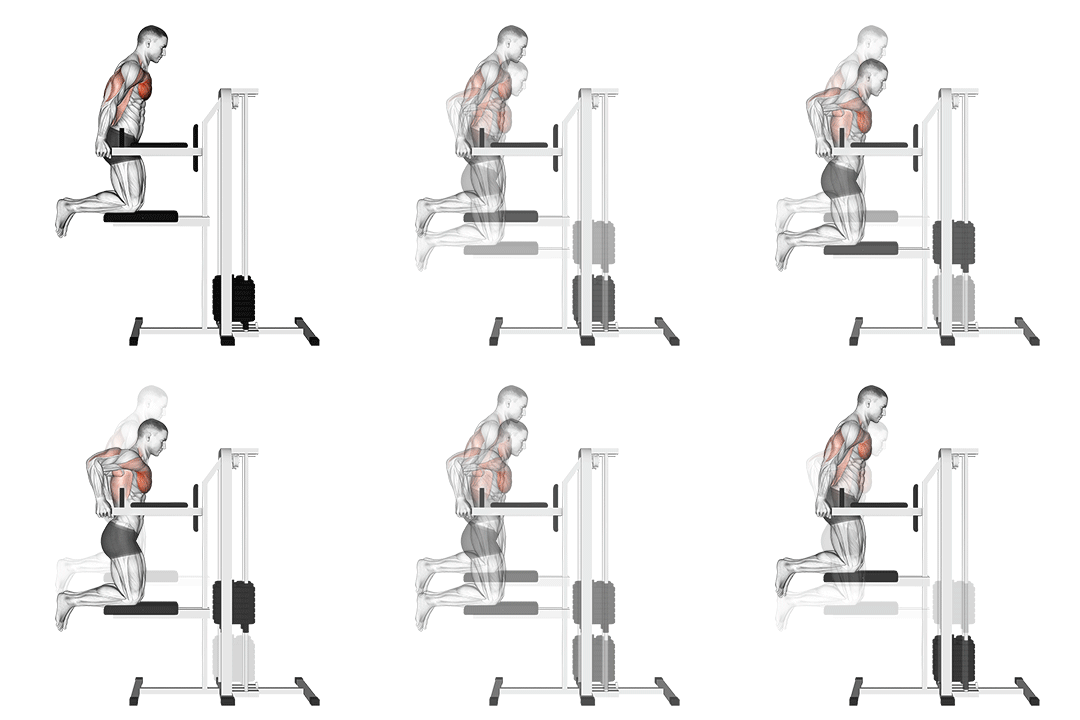
More comparisons with Lever Decline Chest Press
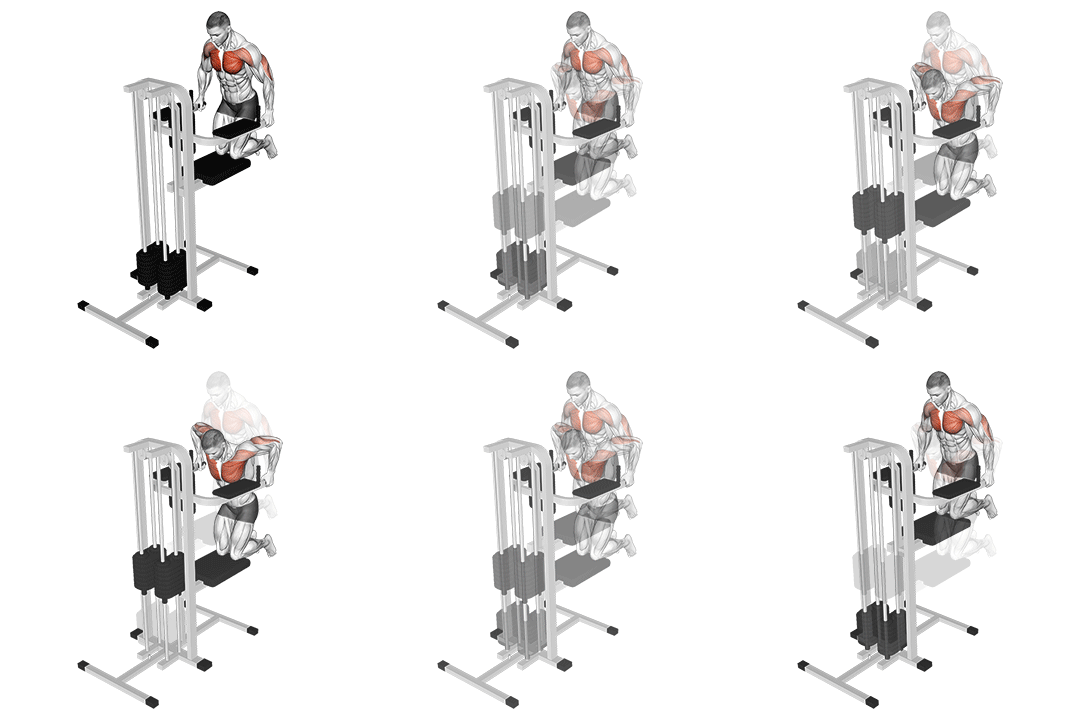
More comparisons with Lever Incline Chest Press V. 2
Compare More Exercises
Use our free comparison tool to analyze any two exercises head-to-head.
Compare Exercises