

One Half Locust vs Seated Good Mornings: Complete Comparison Guide
One Half Locust vs Seated Good Mornings — you’re choosing between a body-weight isolation move and a heavy-barbell compound hinge. If you want to strengthen the erector spinae, protect your low back, or slot exercises into a home or gym plan, this guide helps you pick. I’ll compare primary muscle activation, secondary recruitment, equipment needs, difficulty, progression routes, and injury risk. You’ll get clear cues, recommended rep ranges, and situation-based winners so you can select the right exercise for your goals.
Exercise Comparison
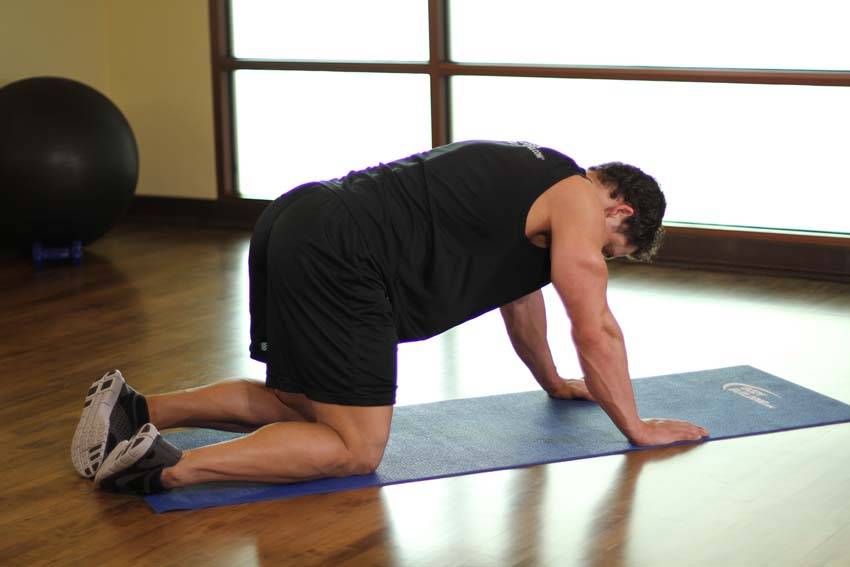
One Half Locust
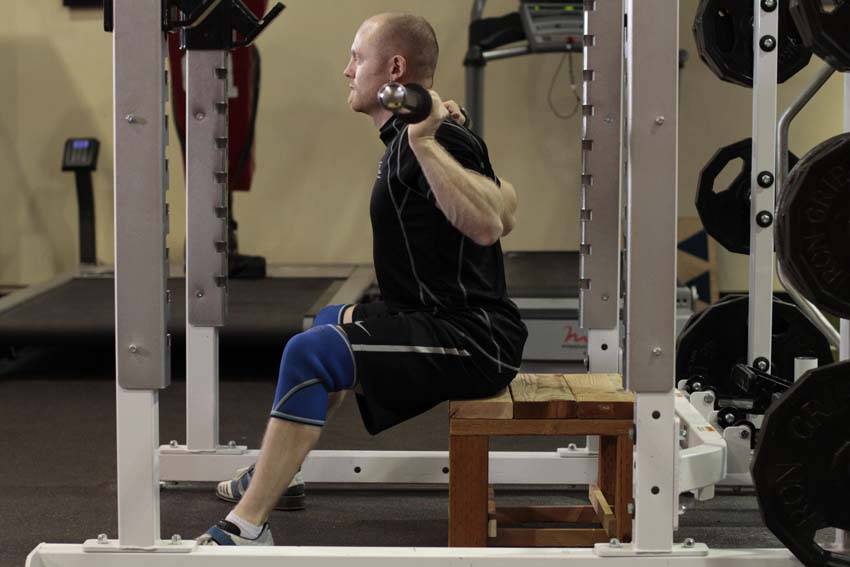
Seated Good Mornings
Head-to-Head Comparison
| Attribute | One Half Locust | Seated Good Mornings |
|---|---|---|
| Target Muscle |
Erector-spinae
|
Erector-spinae
|
| Body Part |
Back
|
Back
|
| Equipment |
Body-weight
|
Barbell
|
| Difficulty |
Beginner
|
Advanced
|
| Movement Type |
Isolation
|
Compound
|
| Secondary Muscles |
3
|
1
|
Secondary Muscles Activated
One Half Locust
Seated Good Mornings
Visual Comparison
Overview
One Half Locust vs Seated Good Mornings — you’re choosing between a body-weight isolation move and a heavy-barbell compound hinge. If you want to strengthen the erector spinae, protect your low back, or slot exercises into a home or gym plan, this guide helps you pick. I’ll compare primary muscle activation, secondary recruitment, equipment needs, difficulty, progression routes, and injury risk. You’ll get clear cues, recommended rep ranges, and situation-based winners so you can select the right exercise for your goals.
Key Differences
- Equipment differs: One Half Locust uses Body-weight, while Seated Good Mornings requires Barbell.
- One Half Locust is an isolation exercise, while Seated Good Mornings is a compound movement.
- Difficulty levels differ: One Half Locust is beginner, while Seated Good Mornings is advanced.
Pros & Cons
One Half Locust
+ Pros
- No equipment — can be done anywhere
- Low spinal compressive load — safer for beginners
- Good for endurance and motor control (10–20+ reps)
- Easy to cue: lift chest, squeeze erectors, neutral neck
− Cons
- Limited progressive overload for maximal strength
- Smaller range of motion for hip involvement
- Lower peak mechanical tension compared to loaded hinges
Seated Good Mornings
+ Pros
- High mechanical tension — excellent for strength and hypertrophy
- Direct posterior chain loading via hip hinge
- Easy to quantify progress by adding weight
- Strong eccentric demand useful for muscle remodeling
− Cons
- Requires equipment and proper coaching
- Higher spinal compressive and shear forces if misperformed
- Steeper technical learning curve for safe execution
When Each Exercise Wins
Seated Good Mornings generate greater mechanical tension on the erectors and glutes via external loading and a longer moment arm, which better stimulates hypertrophy when performed in 6–12 rep ranges with controlled eccentric phases.
Barbell loading allows progressive overload and higher peak torque on the spine and hips, which directly improves maximal trunk extension strength when trained in lower rep ranges (3–6 reps) with heavy, controlled sets.
The One Half Locust demands minimal equipment and lower compressive loads, making it ideal for teaching spinal extension, building endurance, and reinforcing neutral posture before advancing to loaded hinges.
No barbell or rack is needed, and you can scale difficulty by increasing tempo, holds, or reps — perfect when you lack gym equipment but still want targeted erector-spinae work.
Frequently Asked Questions
Can I do both One Half Locust and Seated Good Mornings in the same workout?
Yes — pair them strategically: use One Half Locust as an activation or warm-up (2–3 sets of 10–15 reps) and Seated Good Mornings as the heavier main posterior chain movement (3–5 sets of 3–8 reps). That order primes motor control and reduces injury risk when you add load.
Which exercise is better for beginners?
One Half Locust is better for beginners due to lower load and simpler mechanics. It teaches spinal extension and builds endurance before you progress to loaded hinges that demand precise bar placement and hip-hinge mechanics.
How do the muscle activation patterns differ?
One Half Locust emphasizes concentric spinal extension and posture endurance with moderate, sustained erector activation and abdominal co-contraction. Seated Good Mornings create higher peak and eccentric loading on the erectors and greater glute recruitment due to the external moment and hip-hinge mechanics.
Can Seated Good Mornings replace One Half Locust?
Seated Good Mornings can replace One Half Locust when your priority is strength or hypertrophy and you have the skill and equipment. However, keep the locust for activation and higher-rep volume phases because it offers safer low-load conditioning and motor-pattern reinforcement.
Expert Verdict
Use the One Half Locust when you need an accessible, low-load way to teach spinal extension, build muscular endurance, or add volume without increasing spinal compression. Aim for 10–20 reps or 3–5 sets with a 2–3 second concentric and eccentric tempo and short isometric holds to improve motor control. Choose Seated Good Mornings when your goal is measurable strength or hypertrophy of the erectors and posterior chain; load progressively, focus on a clean hip hinge, and work in 3–12 rep ranges depending on strength or size goals. Combine both across phases: start beginners with locust variations, then add seated good mornings for heavier, high-tension work once technique and posterior chain capacity are established.
Also Compare
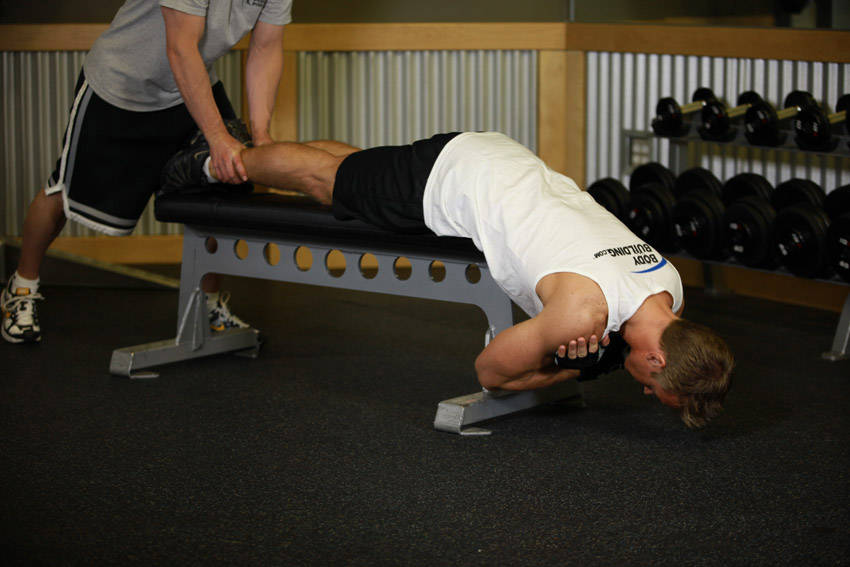
More comparisons with One Half Locust
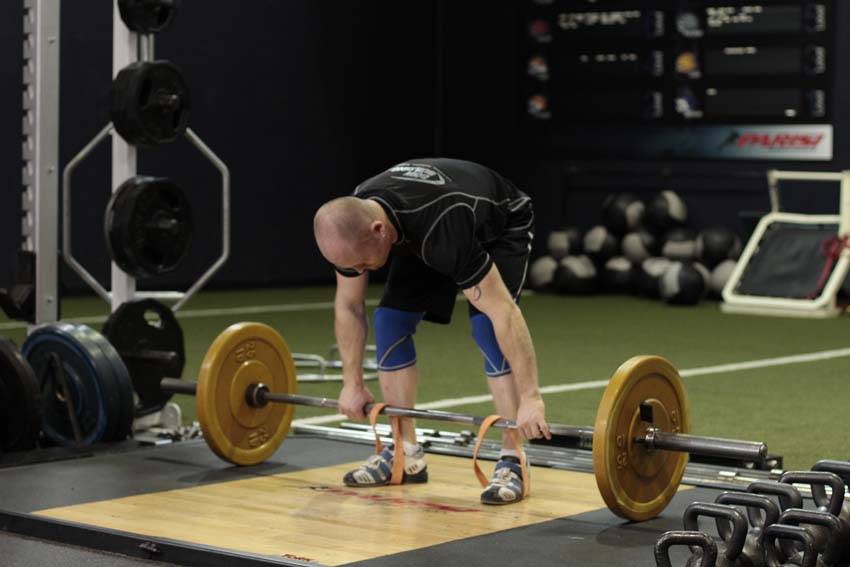
More comparisons with Seated Good Mornings
Compare More Exercises
Use our free comparison tool to analyze any two exercises head-to-head.
Compare Exercises