

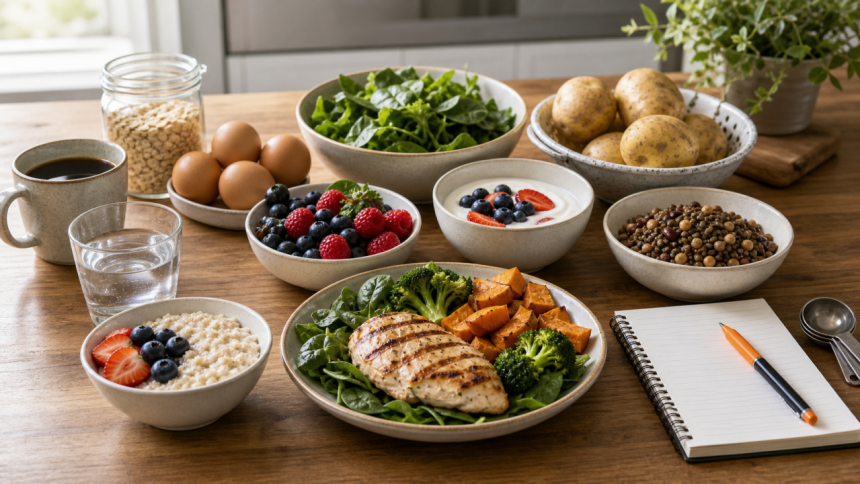
Fat-loss food lists usually fail because they talk as if one ingredient can override the rest of the diet. It cannot. Chili peppers, green tea, apples, eggs, oats, yogurt, and lean meat can all fit a smart cut, but they work because they make a calorie deficit easier to live with. They do not create a separate fat-burning lane outside energy balance.
The better question is simple: which foods help you eat enough protein, fiber, and satisfying volume while staying within your calorie target? Start there and the old “fat-loss foods” idea becomes useful again. Use our TDEE calculator and macronutrient calculator to set the target, then use the foods below to make that target repeatable.
What foods actually help fat loss?
Foods help fat loss when they increase fullness, protect training performance, or make the diet easier to repeat. The most reliable categories are lean proteins, high-fiber carbohydrates, fruits and vegetables, lower-calorie dairy, legumes, potatoes, oats, and fluids such as water or unsweetened coffee. None of them cancels out calories, but several make a deficit less miserable.
Protein deserves the first spot because it supports muscle retention while calories are lower. The International Society of Sports Nutrition notes that active people commonly benefit from higher protein intakes than sedentary adults, especially during hard training blocks. In practical terms, most lifters should build each meal around a protein anchor: eggs, Greek yogurt, fish, poultry, lean beef, tofu, tempeh, beans, or a protein powder if whole food is not convenient.
Fiber is the second lever. Beans, lentils, berries, oats, potatoes with skin, vegetables, and whole grains give you more chewing, more food volume, and slower digestion for the calories. If your cut feels impossible, the issue is often not discipline; it is a low-volume diet built from foods that disappear too fast.
Which fat-loss foods belong in the weekly rotation?
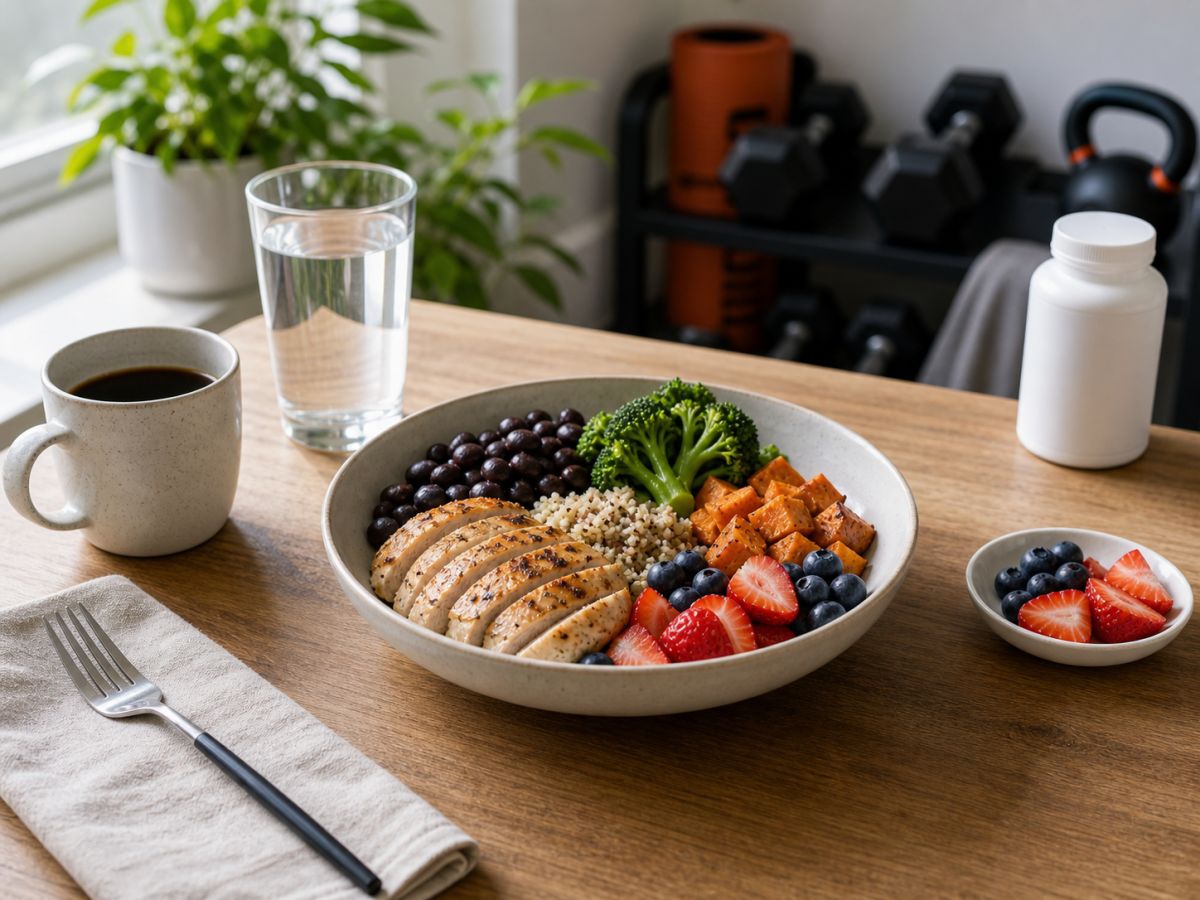
A strong fat-loss grocery list has boring reliability. Pick two or three foods from each category, then repeat them until the plan feels automatic. If you need more ideas, our guide to the best high-protein foods is a useful starting point.
- Protein anchors: chicken breast, turkey, tuna, salmon, eggs, lean beef, Greek yogurt, cottage cheese, tofu, tempeh, and whey or plant protein.
- High-fiber carbs: oats, potatoes, sweet potatoes, beans, lentils, quinoa, brown rice, berries, apples, and whole-grain bread.
- Volume foods: leafy greens, broccoli, cauliflower, peppers, zucchini, cucumbers, tomatoes, mushrooms, soups, and salads built with a real protein source.
- Flavor tools: salsa, hot sauce, vinegar, mustard, herbs, spices, citrus, pickles, low-calorie dressings, and broth-based sauces.
Spicy foods and coffee can help some people, but do not build the whole plan around a metabolic effect. Treat them as appetite and performance tools. If caffeine makes you anxious or ruins sleep, it can hurt the diet more than it helps.
Which supplements are worth considering?
Supplements are optional. The useful ones either make protein easier, support training output, or provide a small appetite or energy benefit. Protein powder can solve a convenience problem. Caffeine has evidence for exercise performance, but individual tolerance matters. Creatine is not a fat burner, but it can help maintain strength while cutting. Everything else should earn its spot.
Green tea extract, CLA, and exotic antioxidant products have been promoted for years, but the practical return is often smaller than the marketing. If a supplement budget forces you to choose, spend on groceries first, then protein powder or creatine if they solve a real problem. A pill that promises fat loss while your calories, protein, and steps are random is not a tool; it is a distraction.
For most lifters, the highest-value fat-loss “stack” is not a stack at all: a calorie target, 3-5 protein feedings, 25-35 grams of fiber if tolerated, daily movement, and a sleep schedule that does not turn hunger into a nightly negotiation.
How should you build a fat-loss day?
Start with protein at breakfast or the first meal, not because breakfast is magic, but because early protein prevents the day from becoming a scramble. A Greek yogurt bowl with berries and oats, eggs with potatoes and vegetables, or a shake plus fruit can all work.
At lunch and dinner, use a plate structure: one palm or more of protein, one to two fists of vegetables, one smart carbohydrate portion, and a measured fat source. On hard training days, put more carbs around the workout. On rest days, keep carbs but let vegetables and lean protein take up more of the plate. For a simple example day, compare this against our 1,700-calorie meal plan.
Do not chase perfection. A fat-loss food only matters if you can repeat it. The best list is the one that keeps you full, trained, and sane long enough for the weekly average to move.
Can certain foods burn fat by themselves?
No food burns enough fat by itself to replace a calorie deficit. Some foods slightly increase fullness, thermic effect, or training energy, but fat loss still comes from consistently using more energy than you consume. The smarter strategy is to choose foods that make the deficit easier to follow.
Are “healthy” high-calorie foods still a problem?
They can be. Nuts, olive oil, avocado, granola, nut butter, and trail mix can be nutritious and still easy to overeat. Keep them in the plan, but measure them during a cut. Healthy calories are still calories, especially when the serving size is small and dense.
Sources
- Centers for Disease Control and Prevention. (2025). Steps for Losing Weight. Accessed May 22, 2026.
- Centers for Disease Control and Prevention. (2026). Physical Activity and Your Weight and Health. Accessed May 22, 2026.
- Jager, R., et al. (2017). International Society of Sports Nutrition Position Stand: protein and exercise. Journal of the International Society of Sports Nutrition. doi:10.1186/s12970-017-0177-8.
- Guest, N. S., et al. (2021). International society of sports nutrition position stand: caffeine and exercise performance. Journal of the International Society of Sports Nutrition. doi:10.1186/s12970-020-00383-4.
- U.S. Department of Agriculture. (n.d.). FoodData Central. Accessed May 22, 2026.
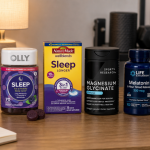





One thing I’ve noticed with fat loss is that the “best” foods are usually just the ones that keep you full and consistent the longest. High protein, decent fiber, enough carbs to train hard, and calories you can actually sustain beats chasing miracle supplements every time.
I also started paying more attention to strength trends during cuts because aggressive deficits can tank performance faster than people expect. Tracking relative strength and bodyweight changes together gave me a much clearer picture of what was actually happening during a cut.