
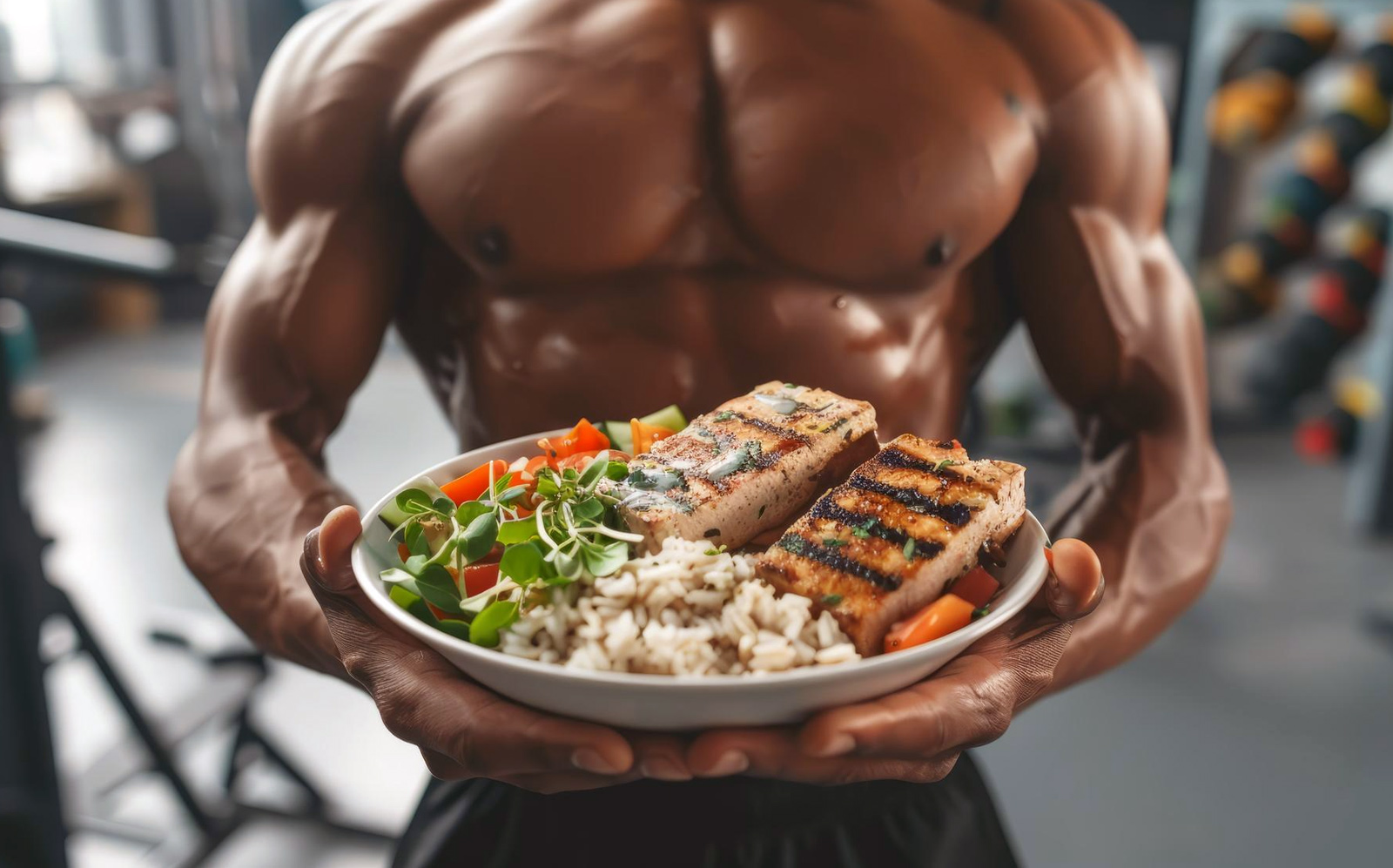
Talk to almost any exerciser about nutrition, and it won’t be long before the subject of protein comes up. That’s because most people, especially lifters, understand the importance of protein and prioritize it in their diet.
In addition, people seeking weight loss are often encouraged to consume plenty of protein. That’s because high-protein foods are:
- Satiating
- Help stabilize blood glucose and energy
- Preserve muscle mass during an energy deficit
- Have a high thermic effect (TEF), which increases basal metabolic rate (BMR)
The food industry is also aware of the importance of protein, which is why there are so many high-protein foods on your grocery store shelves. High-protein ice cream, candy bars, chips, cookies, and even protein-enriched breakfast cereals, bread, and pasta are all the rage right now.
Going back to fitness, most experts agree that exercisers need 1.6 to 2.2 grams of protein per kilogram of bodyweight to maximize muscle and strength gains (1). This can come from a range of sources, including animal proteins, plant-based proteins, supplements, or a combination of all three.
Related: Our List Of 40 Great Protein-Packed Foods
However, despite all this information, a lot of people fail to reap the benefits of eating plenty of protein.
Why?
They consume most of their protein in a large, single meal or shake.
Think about the average diet—carb-heavy cereal for breakfast, sandwiches for lunch, fruit for snacks, and a protein-rich dinner. Consuming all your protein in one sitting is not the best way to fuel your training, recovery, or muscle growth.
I’m a veteran personal trainer and nutrition coach, and in this article, I discuss a concept called “protein pacing,” explaining its benefits and how to implement it.
Why Protein Pacing Works
I get it—eating all your protein in one or two large meals is convenient. Organizing your diet so that you can consume protein several times a day takes time, effort, and meal prep, all of which make it harder to eat on the go.
Unfortunately, that’s not the best way to fuel muscle growth.
Muscle protein synthesis (MPS), which is the process by which your body repairs and builds muscle tissue, doesn’t operate on a “one-and-done” basis.
After a protein-rich meal, MPS spikes for a few hours and then returns to normal. This is known as the “muscle full” effect, and it means that consuming more protein at that meal won’t further stimulate growth.
However, by spreading your protein intake throughout the day, you give your muscles more opportunities to activate MPS.
Research shows that four moderate servings of around 0.3–0.4 g per kg of bodyweight produce a greater cumulative anabolic (muscle-building) response than one or two massive meals (2). However, there is also evidence to suggest that bodybuilders may benefit from more protein per serving, as much as 0.4 to 0.55 grams per kilogram per meal (2).
In other words, it’s not just how much protein you eat—it’s how you distribute it.
Frequent protein feedings also provide a steady supply of amino acids, particularly leucine, which acts as a signal to initiate muscle building. This helps to maintain an anabolic environment all day long.
Related: Anabolic vs. Catabolic: The Secret To Your Metabolism You Need To Know Now
And there’s more…
As an added bonus, smaller, more frequent meals tend to include more varied protein sources. That means a broader amino acid profile, better digestion, and improved nutrient absorption, which are all critical for recovery and overall performance. They’re also less likely to overload your digestive system, resulting in less abdominal bloating and distress.
In short, eating protein in several bursts helps you get more from the same total intake. Protein pacing turns consistency into progress.
How to Implement Protein Pacing

The goal of protein pacing is simple—provide your body with a regular supply of the protein, amino acids, and other nutrients it needs to maximize muscle repair, growth, and recovery. The most effective way to do this is to spread your daily protein evenly across breakfast, lunch, dinner, and a post-workout snack.
Aim for 0.4–0.55 grams of protein per kilogram of bodyweight per meal. This range supports an optimal anabolic response and aligns with the upper end of current daily protein recommendations for strength and physique-focused training.
Here’s a quick reference for how much protein you need per meal and per day based on bodyweight:
| Bodyweight | Protein per Meal (0.4–0.55 g/kg) | Total Daily Protein |
| 50 kg (110 lb) | 20-28 g | 80-110 g |
| 60 kg (132 lb) | 24-33 g | 96-132 g |
| 70 kg (154 lb) | 28-39 g | 112-156 g |
| 80 kg (176 lb) | 32-44 g | 128-176 g |
| 90 kg (198 lb) | 36-50 g | 144-200 g |
| 100 kg (220 lb) | 40-55 g | 160-220 g |
Related: Protein Calculator: Find Your Daily Protein Intake
These figures are based on the higher end of the protein intake scale, reflecting the needs of exercisers looking to maximize muscle growth and recovery. The key is consistency—ensuring each meal provides enough high-quality protein to trigger muscle protein synthesis (MPS).
The 4-Meal Protein Pacing Template
Once you understand why protein pacing works, the next step is putting it into action. A simple four-meal structure makes consistency easy and sustainable.
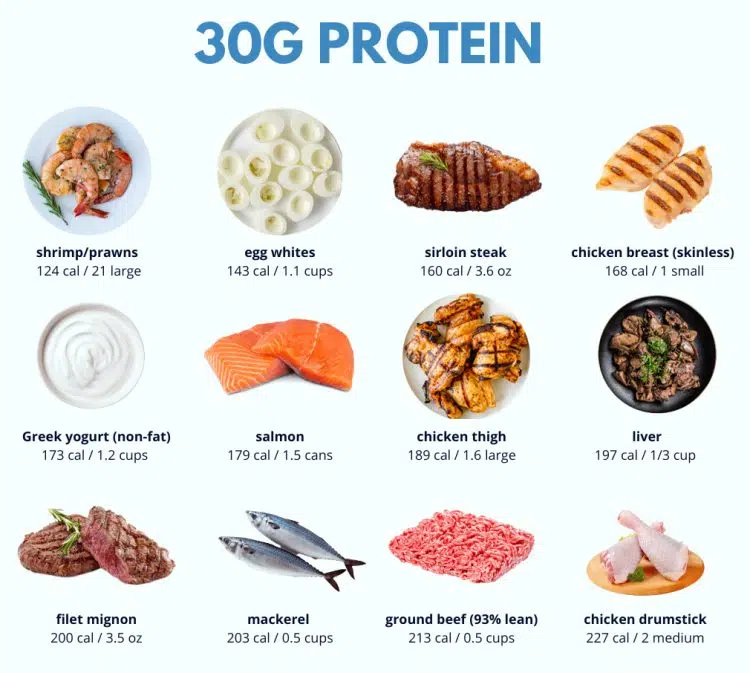
Aim for four evenly spaced meals per day, each providing about 0.4-0.55 g of protein per kilogram of bodyweight—roughly 30-40 grams for most people. Add fiber and colorful vegetables to every meal and adjust carbs around training to fuel performance and aid recovery.
1. Breakfast – Start your day strong!
Kick things off with a protein-rich breakfast to ignite muscle protein synthesis after your overnight fast. Combine high-quality protein with slow-digesting carbs and fruit or vegetables.
Examples:
- Scrambled eggs with spinach and whole-grain toast
- Greek yogurt with oats, berries, and chia seeds
- Whey protein smoothie with banana and nut butter
2. Lunch – Midday Fuel
A balanced lunch will maintain your energy while providing another anabolic boost. Keep it lean, colorful, and filling, but not too heavy, or you’ll still be full when it’s time to hit the gym.
Examples:
- Chicken and quinoa bowl with mixed vegetables
- Tuna or tofu salad with olive oil dressing
- Turkey wrap with whole-grain tortilla, lettuce, and tomato
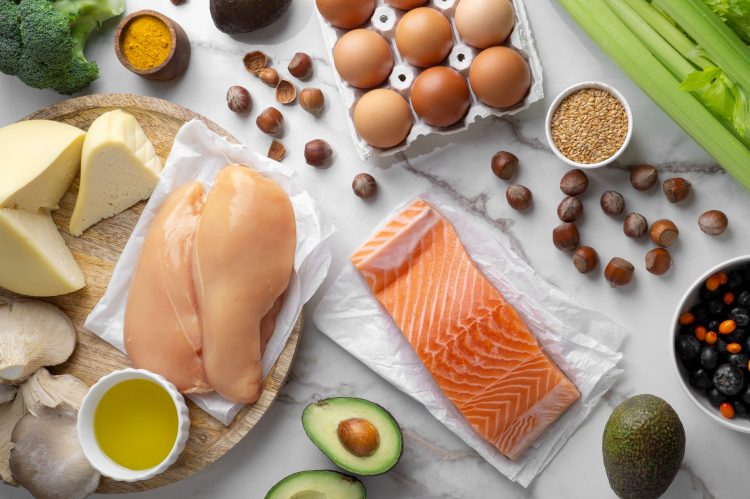
3. Post-Workout – Recovery Meal
Shortly after training, consume fast-digesting protein and easily absorbed carbs. This combination replenishes glycogen and accelerates muscle repair, kick-starting the recovery process.
Examples:
- Whey protein shake with a banana
- Grilled salmon with white rice and asparagus
- Cottage cheese with pineapple and a small baked potato
4. Evening – Repair and Recharge
Finish your day with slower-digesting proteins to support overnight muscle repair and growth. Keep carbs lighter unless you’ve trained late in the day.
Examples:
- Lean beef or chicken with roasted vegetables
- Cottage cheese with sliced fruit or nuts
- Lentil and vegetable stew with a side salad
This simple four-meal system will keep your muscles supplied with amino acids, support recovery, and maximize muscle protein synthesis throughout the day, without adding extra meals or unnecessary complexity.
Sample 7-Day Protein Pacing Meal Plan
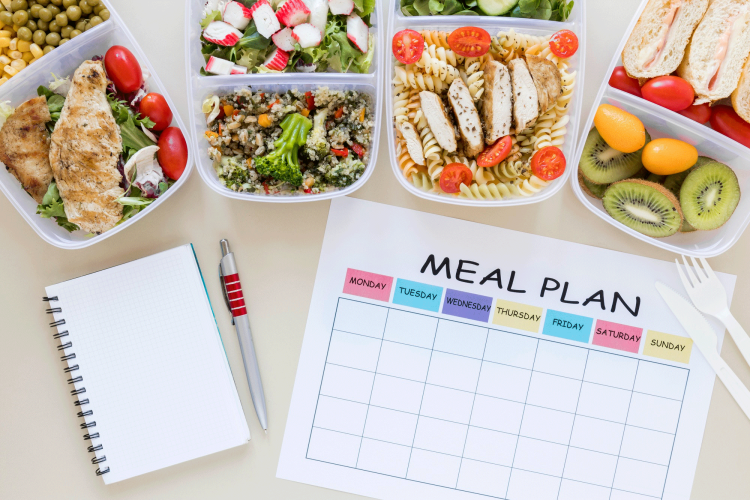
Now you know how protein pacing works, it’s time to put it into practice. This 7-day example shows what a balanced week could look like for a 180-pound (82-kg) lifter aiming to gain lean muscle.
Each day averages roughly 2,800–3,000 kcal, with:
- Protein: 180 g (45 g × 4 meals)
- Carbohydrates: 330 g
- Fat: 80 g
Meals are built around the higher end of the protein range (0.4-0.55 g/kg per meal). Adjust portion sizes and food choices to match your own bodyweight, goals, and dietary preferences. Move the post-workout meal to follow your training session or simply treat it as a convenient fourth meal on rest days.
Day One
- Breakfast: Greek yogurt with oats, berries, and almonds
- Lunch: Chicken breast, quinoa, mixed vegetables, olive oil drizzle
- Post-Workout: Whey shake with banana and rice cakes
- Evening: Salmon with roasted sweet potato and broccoli
Day Two
- Breakfast: Scrambled eggs with spinach, whole-grain toast, and avocado
- Lunch: Tuna salad wrap with lettuce and tomato
- Post-Workout: Cottage cheese with pineapple and walnuts
- Evening: Lean beef stir-fry with jasmine rice and green beans
Day Three
- Breakfast: Protein smoothie (whey, oats, berries, peanut/almond butter)
- Lunch: Turkey chili with kidney beans and brown rice
- Post-Workout: Grilled chicken with white rice and asparagus
- Evening: Greek yogurt parfait with fruit and pumpkin seeds
Day Four
- Breakfast: Omelet with mushrooms, tomatoes, and feta
- Lunch: Grilled salmon salad with chickpeas
- Post-Workout: Whey shake with banana and oats
- Evening: Pork tenderloin with roasted potatoes and green vegetables
Day Five
- Breakfast: Overnight oats with whey protein, blueberries, and chia seeds
- Lunch: Chicken burrito bowl with rice, black beans, and salsa
- Post-Workout: Cottage cheese with apple and rice cake
- Evening: Baked cod with couscous and steamed broccoli
Day Six
- Breakfast: Greek yogurt with granola, honey, and banana
- Lunch: Turkey burger on a whole-grain bun with a side salad
- Post-Workout: Whey shake with banana and almonds
- Evening: Lentil curry with basmati rice and spinach
Day Seven
- Breakfast: Protein pancakes topped with Greek yogurt and berries
- Lunch: Chicken and vegetable stir-fry with soba noodles
- Post-Workout: Cottage cheese with pineapple and cashews
- Evening: Grilled steak with baked potato and roasted peppers
Protein Pacing Tips and Tricks

Putting protein pacing into action doesn’t have to be complicated. Use the following strategies to make it easier to implement.
- Meal Prep: Batch cooking is your best friend. Grill chicken, bake fish, roast vegetables, and cook grains in advance, so putting meals together takes minutes instead of hours. Store pre-made portions in airtight containers for grab-and-go convenience.
- Grocery Shopping: Plan your shopping around protein first. Stock up on lean meats, fish, eggs, Greek yogurt, cottage cheese, and plant-based proteins like tofu, tempeh, and lentils. Don’t forget fresh and frozen vegetables, fruits, whole grains, and healthy fats, as these complete your meals and help with satiety.
- Keep It Simple: Stick with foods you enjoy and know how to cook. Variety is great, but complexity can be a barrier. Rotate proteins, carbs, and vegetables across the week to prevent monotony without overcomplicating prep.
- Portable Options: Have convenient protein sources on hand for busy days. Whey or plant protein shakes, pre-cooked chicken strips, hard-boiled eggs, tuna pouches, and individual Greek yogurt cups are all good options.
- Track & Adjust: Use this template as a guide, not a rigid diet you must follow to the letter. Monitor how you feel, your energy, and recovery, and tweak portion sizes or timing as needed.
By planning ahead and keeping meals simple, protein pacing becomes manageable, sustainable, and highly effective for building muscle and supporting recovery.
Closing Thoughts
Building muscle isn’t just about training; it’s also about how you fuel your body. You can lift hard every session, but without the right nutrition, your results will suffer. There are countless muscle-building diets and eating approaches out there, but the ones that actually work are the ones you can follow consistently.
Protein pacing is a powerful tool because it aligns your meals with how your body builds muscle. But it only works if you stick with it.
Spread your protein across four balanced meals. Pair it with fiber, vegetables, fruit, and carbs around training, and make it fit your lifestyle. Use the tips and templates in this article to maximize your protein intake—and set yourself up for your best gains ever.
References:
- Stokes T, Hector AJ, Morton RW, McGlory C, Phillips SM. Recent Perspectives Regarding the Role of Dietary Protein for the Promotion of Muscle Hypertrophy with Resistance Exercise Training. Nutrients. 2018 Feb 7;10(2):180. doi: 10.3390/nu10020180. PMID: 29414855; PMCID: PMC5852756.
- Schoenfeld BJ, Aragon AA. How much protein can the body use in a single meal for muscle-building? Implications for daily protein distribution. J Int Soc Sports Nutr. 2018 Feb 27;15:10. doi: 10.1186/s12970-018-0215-1. PMID: 29497353; PMCID: PMC5828430.
 You can also follow us on Twitter, Facebook, Instagram, and
YouTube for even more content.
You can also follow us on Twitter, Facebook, Instagram, and
YouTube for even more content.Tip: If you're signed in to Google, tap Follow.