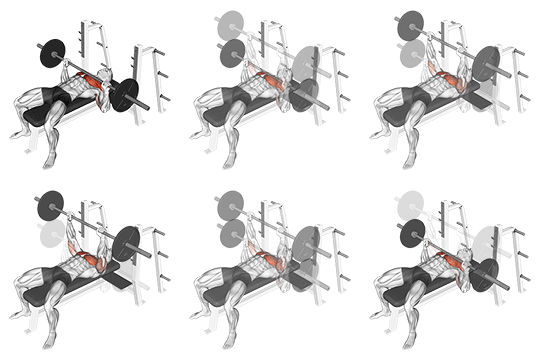
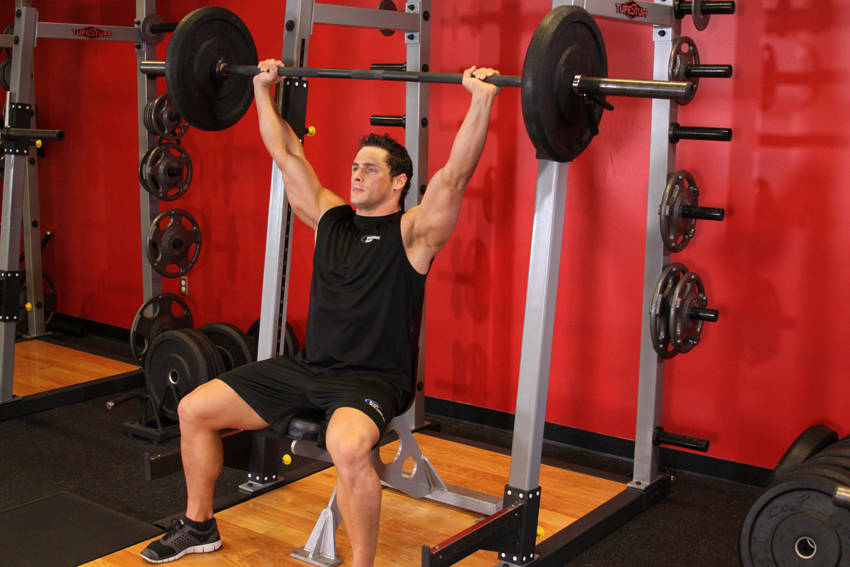
How does your Bench Press compare to your Shoulder Press? See side-by-side strength standards from Beginner to Elite.
Quick Answer: The average intermediate lifter's Bench Press is approximately 153% of their Shoulder Press, based on FitnessVolt intermediate strength standards (anchored to 2.5M+ verified competition results for the base lifts).
What Is the Ratio Between These Lifts?
The average intermediate lifter's Bench Press is 153% of their Shoulder Press. This ratio is calculated from intermediate-level standards across all bodyweight categories.
Standards from the FitnessVolt strength standards model, anchored to 2.5M+ verified competition results (OpenPowerlifting) for the base lifts.
When Should You Use Each Exercise?
Bench Press
- Primary muscles: Chest, Triceps, Shoulders (Deltoids)
- Equipment: Barbell, Bench
- Type: Compound
- Difficulty: Intermediate
Shoulder Press
- Primary muscles: Shoulders (Deltoids), Triceps, Upper Chest
- Equipment: Barbell or Dumbbells
- Type: Compound
- Difficulty: Intermediate
How Should You Interpret This Comparison?
The ratio between your Bench Press and Shoulder Press reveals important information about your training balance. A ratio significantly above the average suggests relative strength in your Bench Press, while a lower ratio may indicate it is a relative weakness worth addressing in your programming.
Use these standards to identify imbalances, then target weak points with the Backoff Calculator for accessory volume or the Block Planner for structured periodization.
All standards are based on the FitnessVolt Competition Percentile (FVCP), derived from 2.5M+ verified competition results. Learn more about our methodology.
Bench Press vs Shoulder Press: 1RM at Each Level
Expected 1RM for a male lifter at 180 lb bodyweight, from Beginner to Elite.
Bench Press Standards
| BW | Beg | Nov | Int | Adv | Elite |
|---|---|---|---|---|---|
| 110 | 53 | 84 | 125 | 173 | 226 |
| 120 | 63 | 97 | 140 | 191 | 247 |
| 130 | 73 | 109 | 154 | 208 | 266 |
| 140 | 83 | 121 | 169 | 224 | 285 |
| 150 | 93 | 133 | 182 | 240 | 302 |
| 160 | 102 | 144 | 196 | 255 | 319 |
| 170 | 112 | 155 | 209 | 270 | 336 |
| 180 | 121 | 166 | 221 | 284 | 352 |
| 190 | 130 | 177 | 234 | 298 | 367 |
| 200 | 139 | 187 | 246 | 312 | 382 |
| 210 | 148 | 197 | 257 | 325 | 397 |
| 220 | 156 | 207 | 269 | 338 | 411 |
| 230 | 165 | 217 | 280 | 350 | 425 |
| 240 | 173 | 227 | 291 | 362 | 438 |
| 250 | 181 | 236 | 301 | 374 | 451 |
| 260 | 190 | 245 | 312 | 386 | 464 |
| 270 | 197 | 254 | 322 | 397 | 476 |
| 280 | 205 | 263 | 332 | 408 | 488 |
| 290 | 213 | 272 | 341 | 419 | 500 |
| 300 | 220 | 280 | 351 | 429 | 511 |
| 310 | 228 | 289 | 360 | 439 | 523 |
| 90 | 19 | 40 | 71 | 111 | 157 |
| 100 | 23 | 46 | 79 | 121 | 169 |
| 110 | 27 | 52 | 87 | 130 | 180 |
| 120 | 32 | 58 | 94 | 139 | 190 |
| 130 | 36 | 63 | 101 | 148 | 200 |
| 140 | 40 | 69 | 108 | 156 | 209 |
| 150 | 43 | 74 | 114 | 163 | 218 |
| 160 | 47 | 79 | 120 | 170 | 227 |
| 170 | 51 | 83 | 126 | 177 | 235 |
| 180 | 55 | 88 | 132 | 184 | 242 |
| 190 | 58 | 93 | 137 | 191 | 250 |
| 200 | 62 | 97 | 143 | 197 | 257 |
| 210 | 65 | 101 | 148 | 203 | 264 |
| 220 | 68 | 105 | 153 | 209 | 270 |
| 230 | 72 | 109 | 157 | 214 | 277 |
| 240 | 75 | 113 | 162 | 220 | 283 |
| 250 | 78 | 117 | 167 | 225 | 289 |
| 260 | 81 | 121 | 171 | 230 | 295 |
Shoulder Press Standards
| BW | Beg | Nov | Int | Adv | Elite |
|---|---|---|---|---|---|
| 110 | 32 | 54 | 83 | 117 | 156 |
| 120 | 39 | 62 | 92 | 129 | 169 |
| 130 | 45 | 70 | 102 | 140 | 181 |
| 140 | 51 | 77 | 111 | 150 | 194 |
| 150 | 57 | 85 | 120 | 161 | 205 |
| 160 | 63 | 92 | 128 | 170 | 216 |
| 170 | 69 | 99 | 136 | 180 | 227 |
| 180 | 75 | 106 | 145 | 189 | 238 |
| 190 | 80 | 113 | 152 | 198 | 248 |
| 200 | 86 | 119 | 160 | 207 | 257 |
| 210 | 91 | 126 | 168 | 215 | 267 |
| 220 | 97 | 132 | 175 | 224 | 276 |
| 230 | 102 | 138 | 182 | 232 | 285 |
| 240 | 107 | 144 | 189 | 239 | 293 |
| 250 | 112 | 150 | 196 | 247 | 302 |
| 260 | 117 | 156 | 202 | 254 | 310 |
| 270 | 122 | 161 | 209 | 262 | 318 |
| 280 | 127 | 167 | 215 | 269 | 326 |
| 290 | 132 | 173 | 221 | 276 | 333 |
| 300 | 136 | 178 | 227 | 282 | 341 |
| 310 | 141 | 183 | 233 | 289 | 348 |
| 90 | 16 | 31 | 52 | 78 | 107 |
| 100 | 19 | 35 | 56 | 83 | 114 |
| 110 | 22 | 38 | 61 | 89 | 120 |
| 120 | 24 | 42 | 65 | 94 | 126 |
| 130 | 26 | 45 | 69 | 99 | 132 |
| 140 | 29 | 48 | 73 | 103 | 137 |
| 150 | 31 | 51 | 77 | 108 | 142 |
| 160 | 33 | 54 | 80 | 112 | 147 |
| 170 | 36 | 56 | 83 | 116 | 151 |
| 180 | 38 | 59 | 87 | 119 | 156 |
| 190 | 40 | 62 | 90 | 123 | 160 |
| 200 | 42 | 64 | 93 | 127 | 164 |
| 210 | 44 | 67 | 96 | 130 | 168 |
| 220 | 46 | 69 | 98 | 133 | 171 |
| 230 | 47 | 71 | 101 | 136 | 175 |
| 240 | 49 | 73 | 104 | 139 | 178 |
| 250 | 51 | 76 | 106 | 142 | 182 |
| 260 | 53 | 78 | 109 | 145 | 185 |
How Does Muscle Targeting Compare?
Bench Press
Shoulder Press
Where Can You View Full Standards?
Bench Press vs Shoulder Press: How Do They Compare?
The Bench Press and Shoulder Press are both popular exercises, but they target different muscles and have different strength expectations. This page compares their strength standards side by side so you can see exactly how your lifts stack up.
The tables above show 1RM strength standards by bodyweight for both exercises, from Beginner to Elite, using the FitnessVolt strength standards model. Use the Male/Female toggle to switch between gender-specific data. For the big three (squat, bench press, deadlift) we also publish verified competition percentiles from 2.5M+ powerlifting meet results, always shown separately.
Want to check your own levels? Visit the individual exercise pages for Bench Press or Shoulder Press to use the interactive strength calculator and find your exact percentile.
Frequently Asked Questions
What Other Exercises Can You Compare?