

10 Best Ab Roller Alternatives for When You Don't Have One
The Ab Roller is done kneeling. Ranked closest by our scoring: the Hanging Leg Hip Raise, the Hanging Pike and the Hanging Leg Raise.
Updated Ranked by our 12-factor similarity model How it works
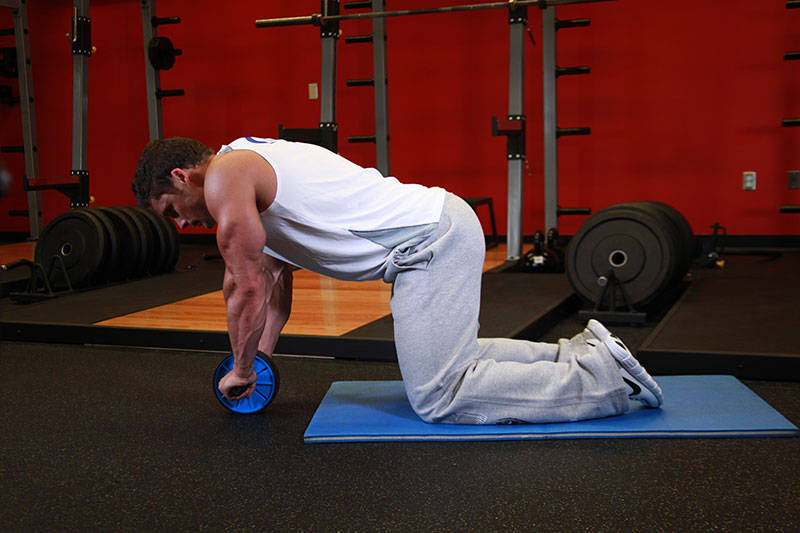
Original Exercise: Ab Roller
- Primary muscle
- Abs
- Equipment
- Other
- Difficulty
- Advanced
- Type
- Compound
Secondary muscles: Shoulders
How to perform Ab Roller
- Hold the Ab Roller with both hands and kneel on the floor.
- Now place the ab roller on the floor in front of you so that you are on all your hands and knees (as in a kneeling push up position). This will be your starting position.
- Slowly roll the ab roller straight forward, stretching your body into a straight position. Tip: Go down as far as you can without touching the floor with your body. Breathe in during this portion of the movement.
- After a pause at the stretched position, start pulling yourself back to the starting position as you breathe out. Tip: Go slowly and keep your abs tight at all times.
Ranked Ab Roller Alternatives
10 substitutes, ranked by how closely each one matches the Ab Roller on movement pattern, muscles worked, equipment and body position. The higher the score, the less you change. Open "How to perform this exercise" on a card for the steps; every card title links to that exercise's own alternatives page.
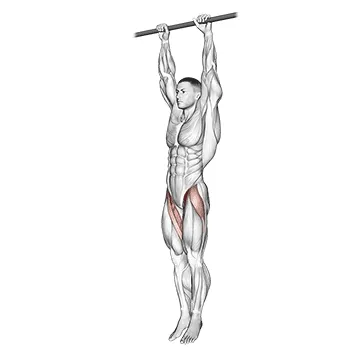
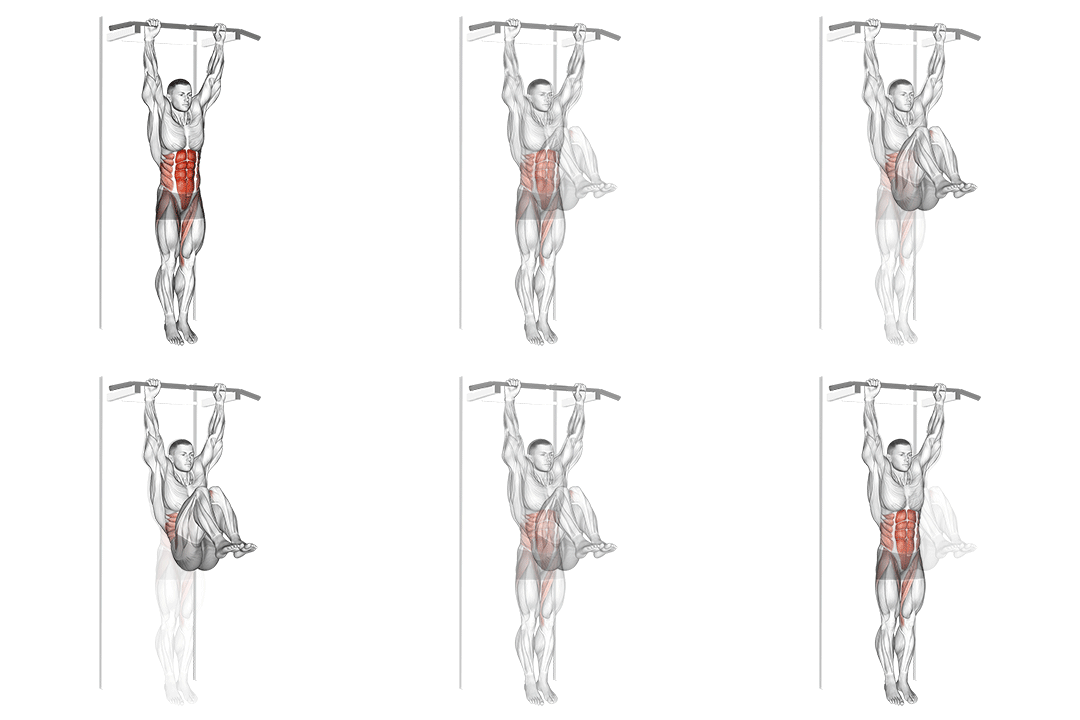
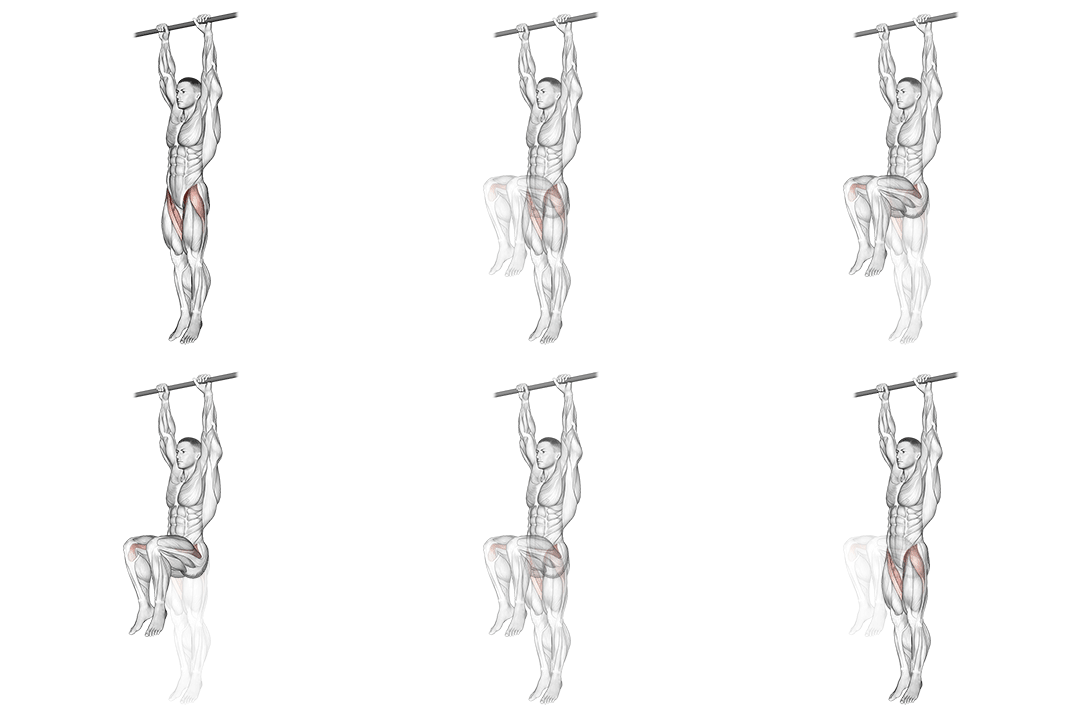
Best match 1. Hanging Leg Hip Raise
86% match- Abs
- Bodyweight
- Advanced
- Compound
Pick this when you want a harder version that still works the abs.
How to perform this exercise
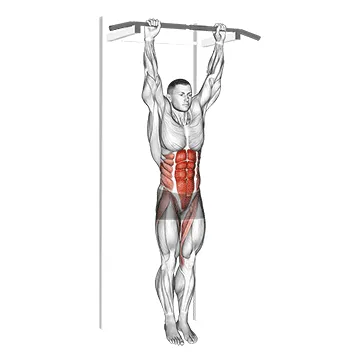
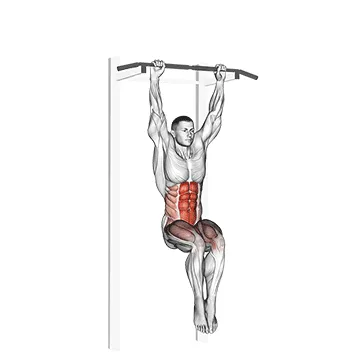
- Hang from a pull-up bar with your arms fully extended and your palms facing away from you.
- Engage your core and lift your legs up by flexing your hips and knees until your thighs are parallel to the ground.
- Pause for a moment at the top, then slowly lower your legs back down to the starting position.
- Repeat for the desired number of repetitions.
Sets and reps: 3 or 4 sets of 6 to 10 reps.
Why this matches
- Primary muscle: abs, the same as the Ab Roller
- Equipment: bodyweight only, the same as the Ab Roller
- Body position: hanging, not kneeling
- Balance: easier to stay steady on than the Ab Roller
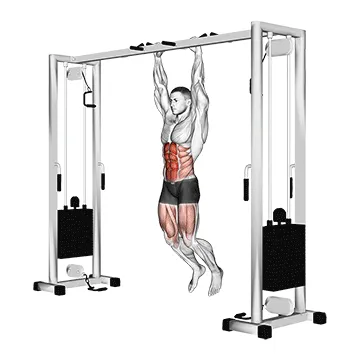
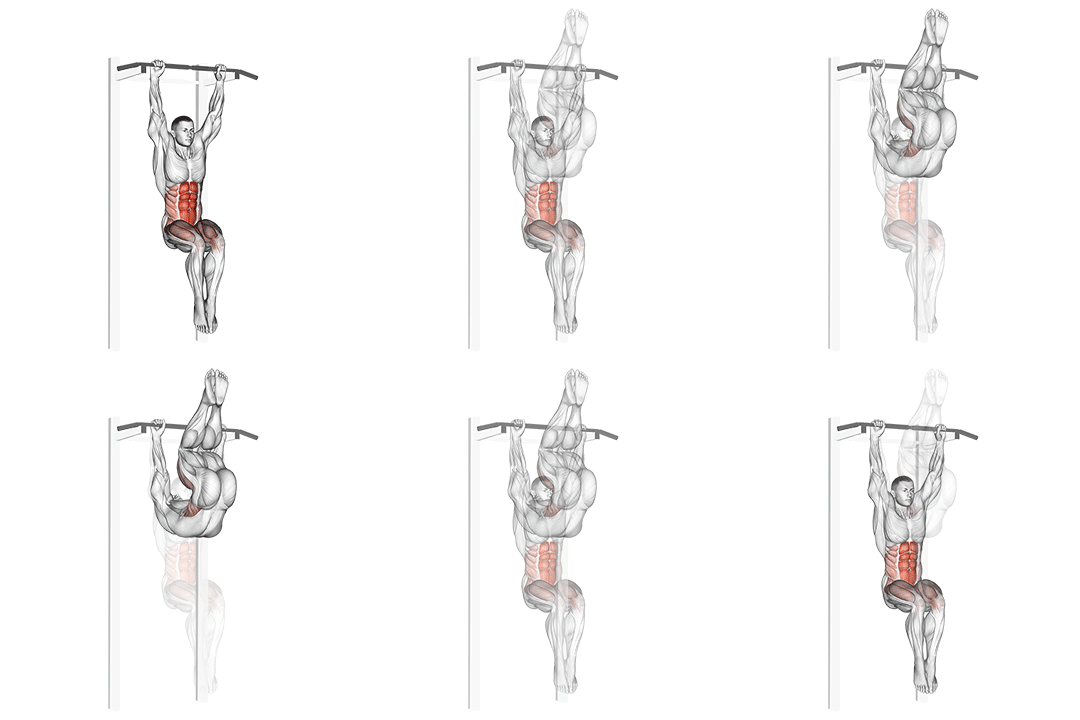
2. Hanging Pike
86% match- Abs
- Bodyweight
- Advanced
- Compound
How to perform this exercise
- Hang from a pull-up bar with your arms fully extended and your palms facing away from you.
- Engage your core and lift your legs up towards the bar, keeping them straight.
- Continue lifting until your body forms a 'V' shape, with your legs parallel to the ground.
- Hold the position for a moment, then slowly lower your legs back down to the starting position.
- Repeat for the desired number of repetitions.
Sets and reps: 3 or 4 sets of 6 to 10 reps.
Why this matches
- Primary muscle: abs, the same as the Ab Roller
- Equipment: bodyweight only, the same as the Ab Roller
- Body position: hanging, not kneeling
- Balance: easier to stay steady on than the Ab Roller
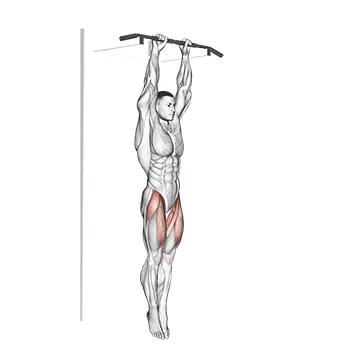
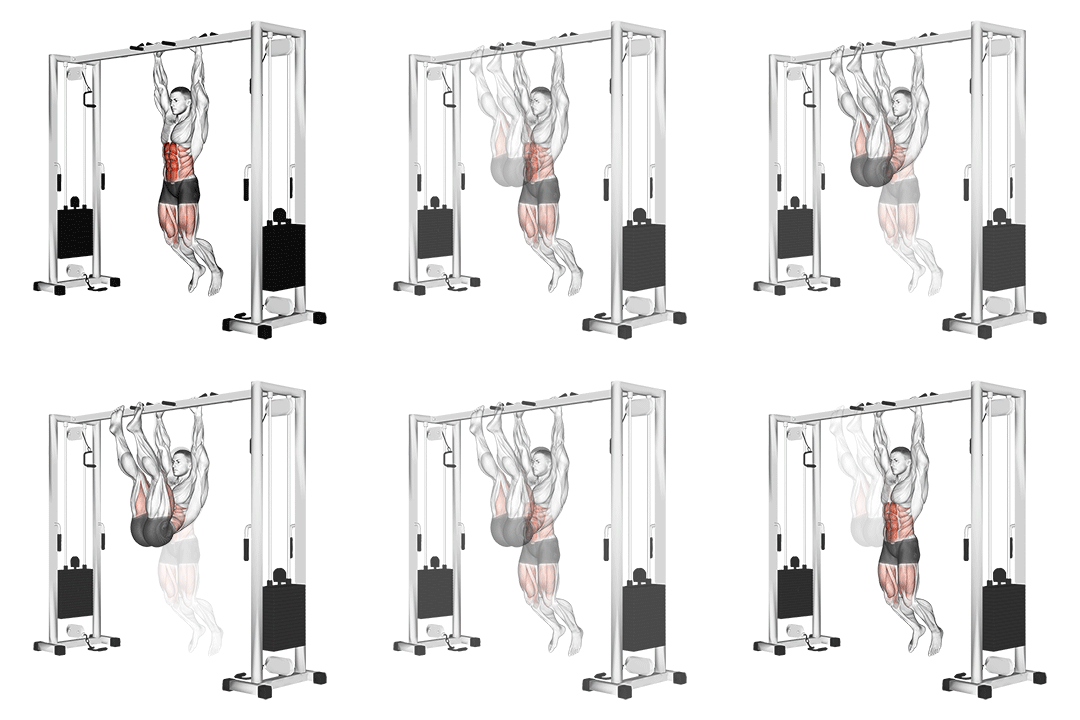
3. Hanging Leg Raise
86% match- Abs
- Bodyweight
- Advanced
- Compound
How to perform this exercise
- Hang from a pull-up bar with your arms fully extended and your palms facing away from you.
- Engage your core and lift your legs up in front of you, keeping them straight.
- Continue lifting until your legs are parallel to the ground or as high as you can comfortably go.
- Pause for a moment at the top, then slowly lower your legs back down to the starting position.
- Repeat for the desired number of repetitions.
Sets and reps: 3 or 4 sets of 6 to 10 reps.
Why this matches
- Primary muscle: abs, the same as the Ab Roller
- Equipment: bodyweight only, the same as the Ab Roller
- Body position: hanging, not kneeling
- Balance: easier to stay steady on than the Ab Roller
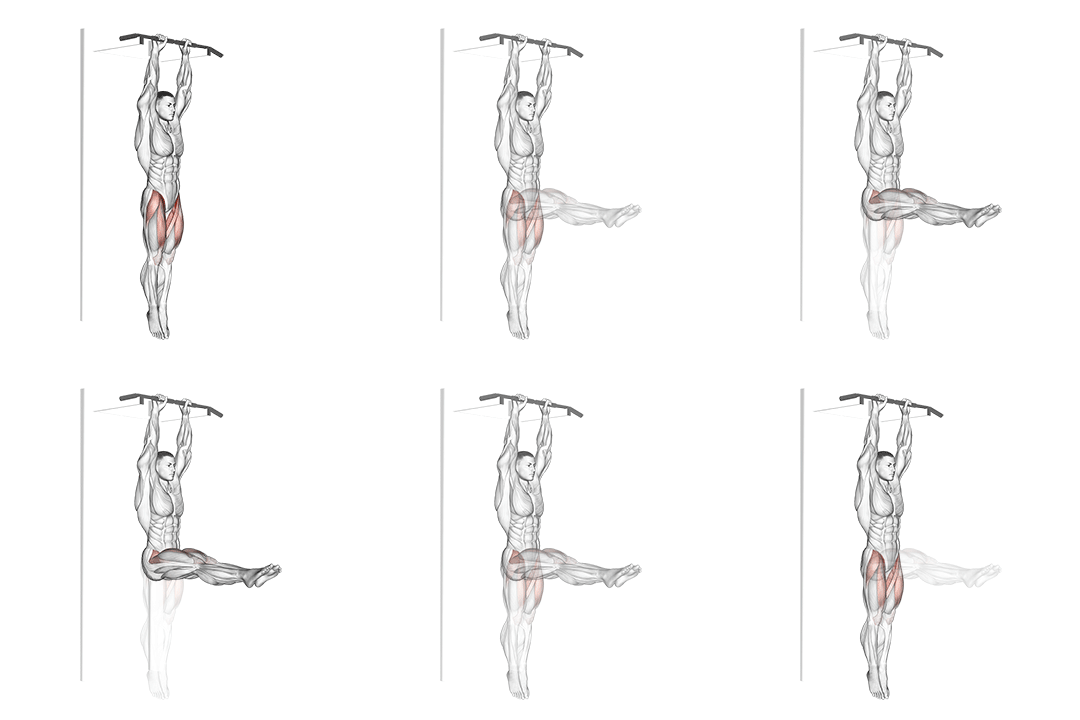
4. Hanging Straight Leg Hip Raise
86% match- Abs
- Bodyweight
- Advanced
- Compound
How to perform this exercise
- Hang from a pull-up bar with your arms fully extended and your palms facing away from you.
- Engage your core and lift your legs up in front of you until they are parallel to the ground.
- Pause for a moment at the top, then slowly lower your legs back down to the starting position.
- Repeat for the desired number of repetitions.
Sets and reps: 3 or 4 sets of 6 to 10 reps.
Why this matches
- Primary muscle: abs, the same as the Ab Roller
- Equipment: bodyweight only, the same as the Ab Roller
- Body position: hanging, not kneeling
- Balance: easier to stay steady on than the Ab Roller
5. Hanging Straight Leg Raise
86% match- Abs
- Bodyweight
- Advanced
- Compound
How to perform this exercise
- Hang from a pull-up bar with your arms fully extended and your palms facing away from you.
- Engage your core and lift your legs up in front of you, keeping them straight.
- Continue lifting until your legs are parallel to the ground or as high as you can comfortably go.
- Pause for a moment at the top, then slowly lower your legs back down to the starting position.
- Repeat for the desired number of repetitions.
Sets and reps: 3 or 4 sets of 6 to 10 reps.
Why this matches
- Primary muscle: abs, the same as the Ab Roller
- Equipment: bodyweight only, the same as the Ab Roller
- Body position: hanging, not kneeling
- Balance: easier to stay steady on than the Ab Roller
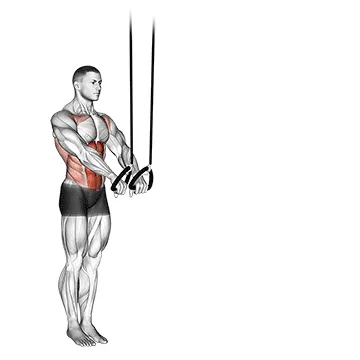
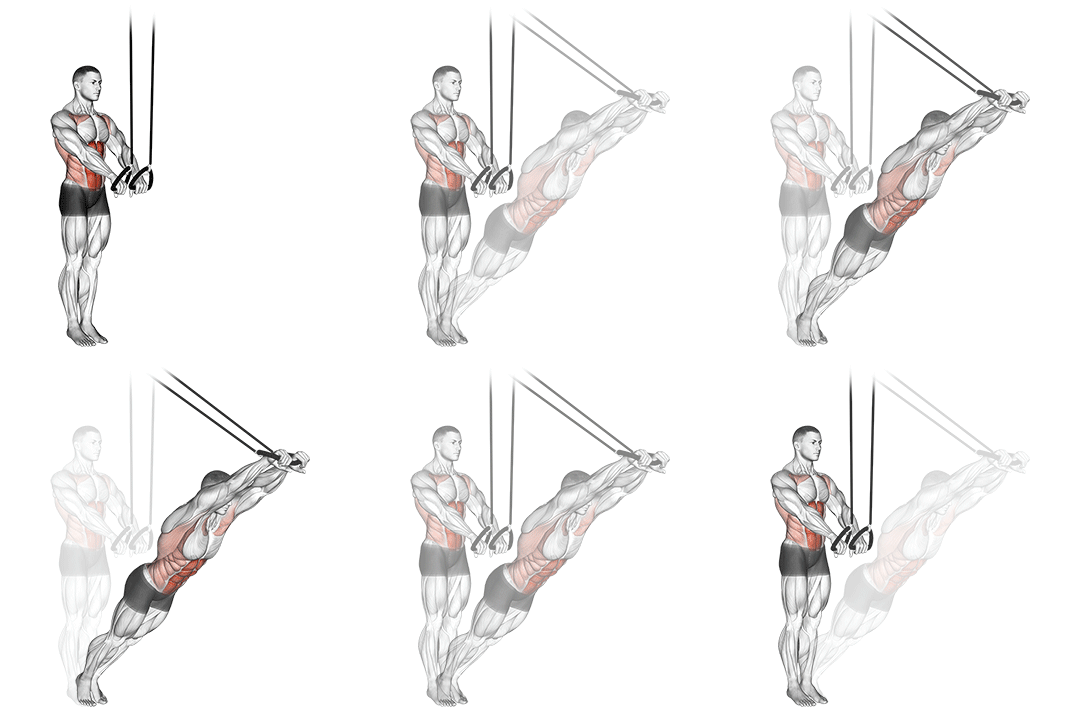
6. Suspended Abdominal Fallout
85% match- Abs
- Bodyweight
- Intermediate
- Compound
Pick this when you want an easier version that still works the abs.
How to perform this exercise
- Attach a suspension trainer to a high anchor point and adjust the straps to waist height.
- Stand facing away from the anchor point and hold the handles with your arms extended in front of you.
- Lean forward at the waist, keeping your body straight and your core engaged.
- Lower your body as far as you can while maintaining control and tension in your abs.
- Pause for a moment at the bottom, then slowly raise your body back up to the starting position.
- Repeat for the desired number of repetitions.
Sets and reps: 3 to 5 sets of 5 to 8 reps.
Why this matches
- Primary muscle: abs, the same as the Ab Roller
- Equipment: a suspension trainer, not bodyweight only
- Body position: kneeling, the same as the Ab Roller
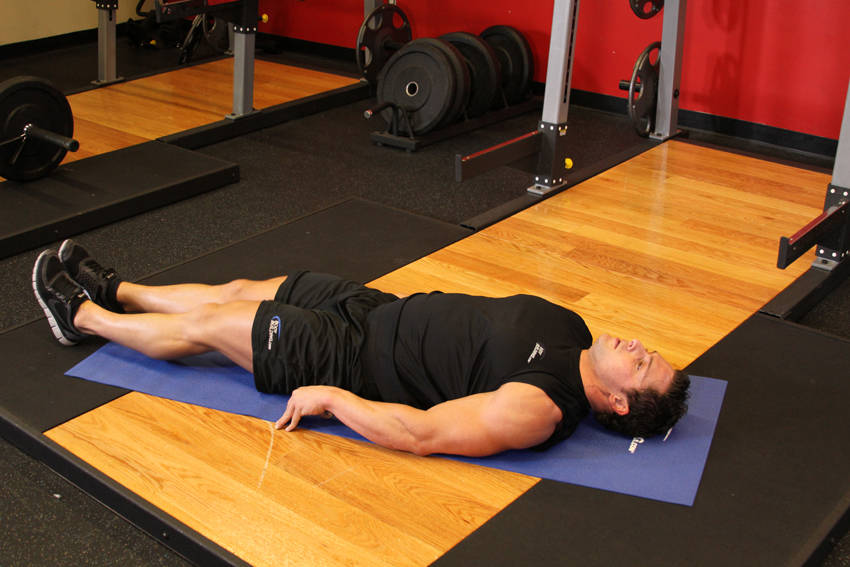
7. Leg Pull-in
80% match- Abs
- Bodyweight
- Intermediate
- Compound
How to perform this exercise
- Lie on an exercise mat with your legs extended and your hands either palms facing down next to you or under your glutes. Tip: My preference is with the hands next to me. This will be your starting position.
- Bend your knees and pull your upper thighs into your midsection as you breathe out. Continue the motion until your knees are around chest level. Contract your abs as you execute this movement and hold for a second at the top. Tip: As you perform the motion, the lower legs (calves) should always remain parallel to the floor.
- Return to the starting position as you inhale.
- Repeat for the recommended amount of repetitions.
Sets and reps: 3 or 4 sets of 6 to 10 reps.
Why this matches
- Primary muscle: abs, the same as the Ab Roller
- Equipment: bodyweight only, the same as the Ab Roller
- Body position: hanging, not kneeling
- Balance: easier to stay steady on than the Ab Roller
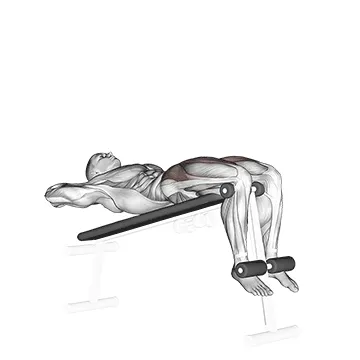
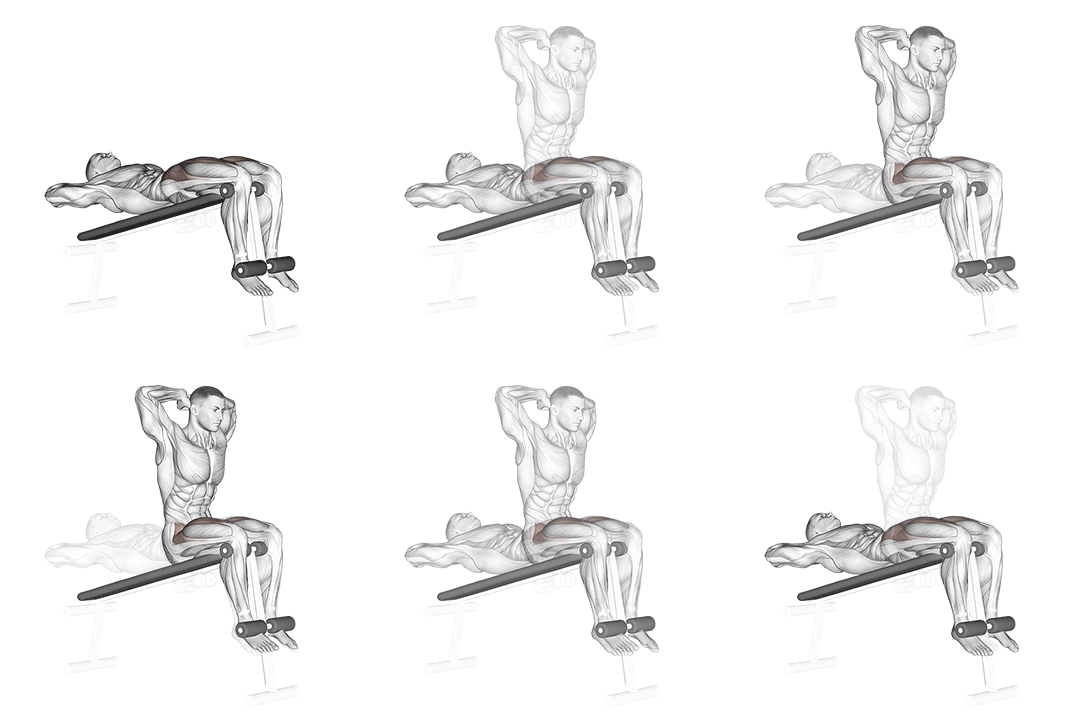
8. Decline Sit-up
79% match- Abs
- Bodyweight
- Intermediate
- Compound
How to perform this exercise
- Lie on a decline bench with your feet secured and your knees bent.
- Place your hands behind your head or across your chest.
- Engage your abs and lift your upper body off the bench, curling forward towards your knees.
- Pause for a moment at the top, then slowly lower your upper body back down to the starting position.
- Repeat for the desired number of repetitions.
Sets and reps: 3 or 4 sets of 6 to 10 reps.
Why this matches
- Primary muscle: abs, the same as the Ab Roller
- Equipment: bodyweight only, the same as the Ab Roller
- Body position: lying on your back, not kneeling
- Balance: easier to stay steady on than the Ab Roller
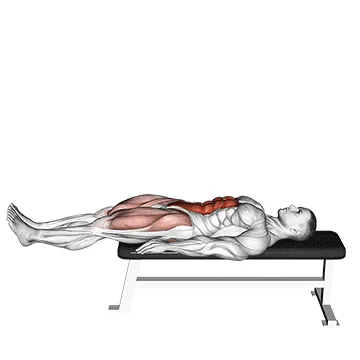
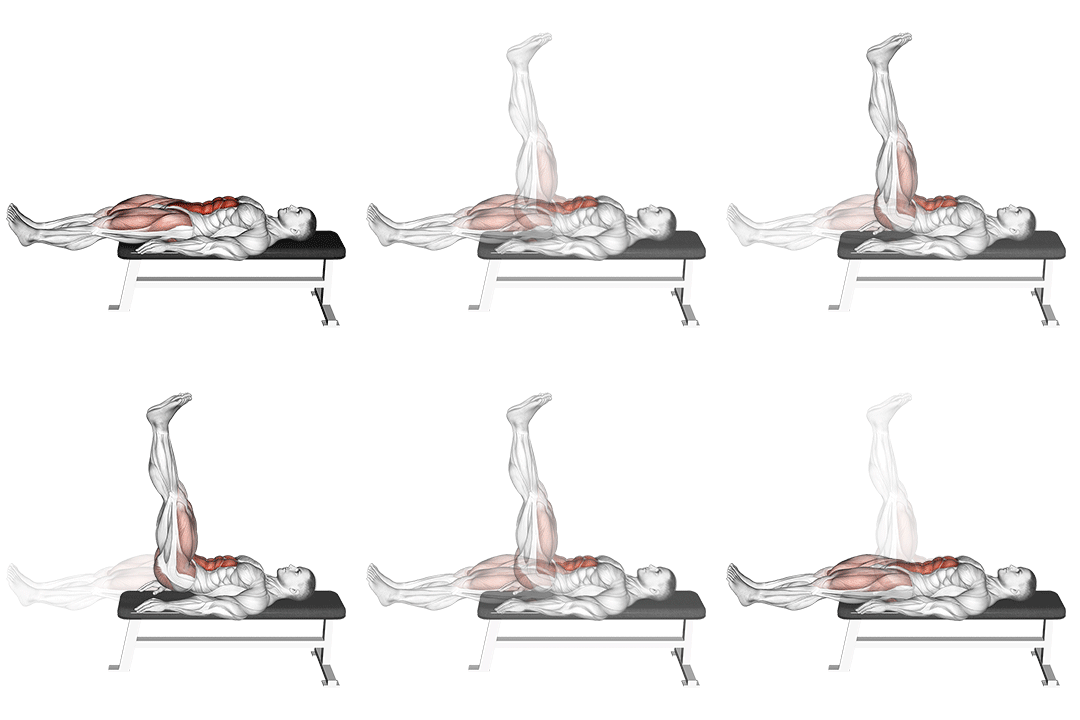
9. Lying Leg Raise Flat Bench
79% match- Abs
- Bodyweight
- Intermediate
- Isolation
How to perform this exercise
- Lie flat on a flat bench with your back pressed against it.
- Place your hands under your glutes for support.
- Keep your legs straight and together, and lift them up towards the ceiling.
- Pause for a moment at the top, then slowly lower your legs back down to the starting position.
- Repeat for the desired number of repetitions.
Sets and reps: 3 sets of 10 to 15 reps.
Why this matches
- Primary muscle: abs, the same as the Ab Roller
- Equipment: bodyweight only, the same as the Ab Roller
- Body position: lying on your back, not kneeling
- Balance: easier to stay steady on than the Ab Roller
- Abs
- Bodyweight
- Advanced
- Compound
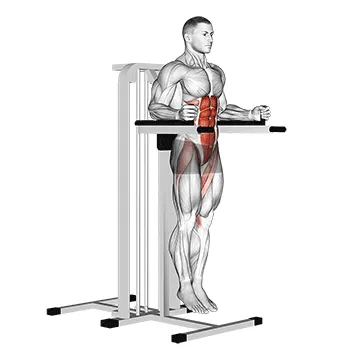
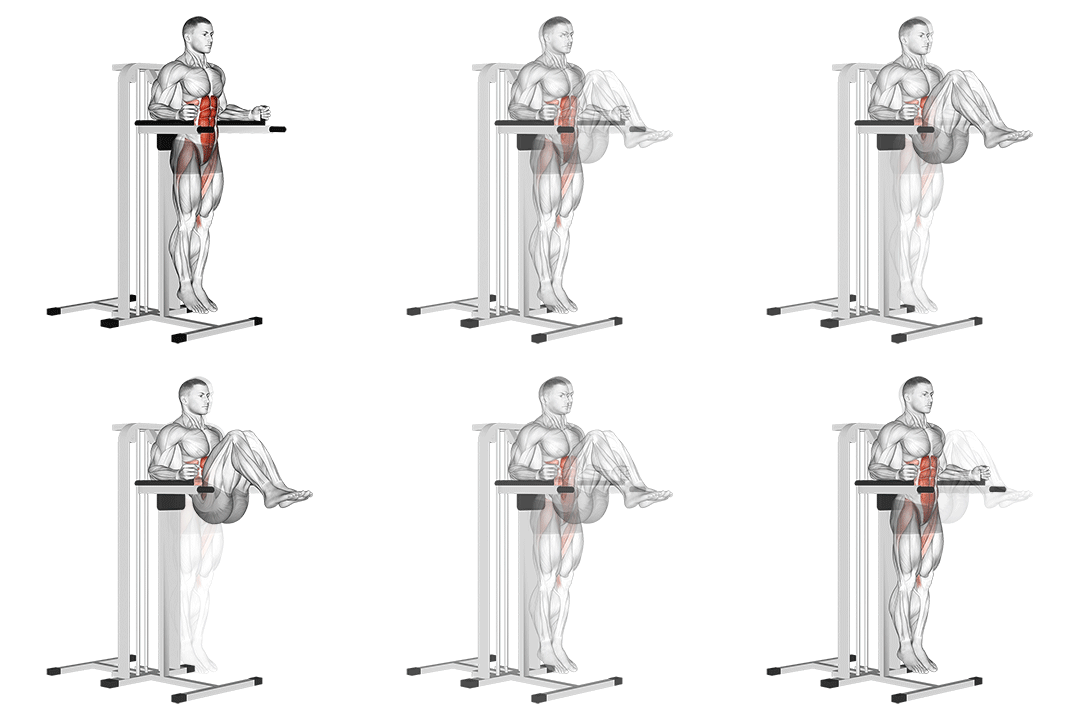
How to perform this exercise
- Hang from the parallel bars with your arms fully extended and your body straight.
- Engage your core and lift your legs up in front of you, keeping them straight.
- Continue lifting until your legs are parallel to the ground or slightly higher.
- Pause for a moment at the top, then slowly lower your legs back down to the starting position.
- Repeat for the desired number of repetitions.
Sets and reps: 3 or 4 sets of 6 to 10 reps.
Why this matches
- Primary muscle: abs, the same as the Ab Roller
- Equipment: bodyweight only, the same as the Ab Roller
- Body position: hanging, not kneeling
Why You Might Need an Ab Roller Alternative
You might substitute the Ab Roller for several reasons: wrist or shoulder pain from the rolling motion, limited equipment, poor technique that risks lumbar hyperextension, or simply wanting variety and progressive overload. Beginners often lack the strength to control the full rollout, while rehab clients need lower spinal loading. Alternatives let you maintain specific muscle activation, rectus abdominis and anti‑extension control, while reducing shear forces, isolating weaknesses (hip flexors, scapular stability), or scaling difficulty for your current capacity. Selecting an appropriate substitute preserves training stimulus without compromising safety or movement quality.
How to Choose the Right Ab Roller Substitute
Choose a substitute by matching movement pattern and training goal. If you need anti‑extension overload, pick rollouts with a barbell or cable to control range; for limited equipment, use long‑arm planks, body‑saws, or sliding rollouts to stress the same muscles. Consider joint tolerance, hanging leg raises load the hip flexors and spine differently than rollouts, and your loading progression options (weight, reps, tempo). Also evaluate skill: TRX pikes and barbell rollouts require more shoulder and scapular stability. Prioritize exercises that challenge the same plane (sagittal anti‑extension), allow measurable progression, and maintain neutral lumbar alignment.
Ab Roller FAQ
What muscles does Ab Roller work?
The Ab Roller primarily targets the rectus abdominis through anti‑extension, with secondary activation of the obliques, transverse abdominis for stabilization, and scapular stabilizers and lats to control the upper body. Hip flexors assist during the return phase.
What is the best bodyweight alternative to Ab Roller?
The best bodyweight alternative is the long‑arm plank progressed to a controlled body‑saw (sliding variant) or slow eccentric plank rollouts. These mimic anti‑extension demand without external load and let you modulate range and tempo as you build strength.
Can I build muscle without doing Ab Roller?
Yes. You can build core muscle and size via progressive overload using rollouts with a barbell or cable, weighted planks, hanging leg raises, and loaded anti‑rotation presses. Focus on increasing time under tension, resistance, or range of motion to stimulate adaptation.
Find Alternatives for Any Exercise
Search the exercise database and filter the ranked substitutes by the equipment you own.
Similarity scores compare exercise metadata such as movement pattern, muscles, equipment and body position. They are not a safety rating or a check that you own the equipment. Learn about our methodology