

10 Best Shoulder Stretch Alternatives for Tight Shoulders
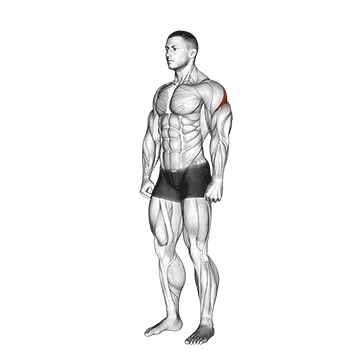
The Shoulder Stretch is done standing. Ranked closest by our scoring: the Chair Upper Body Stretch, the Rear Deltoid Stretch and Elbow Circles.
Updated Ranked by our 12-factor similarity model How it works
Original Exercise: Shoulder Stretch
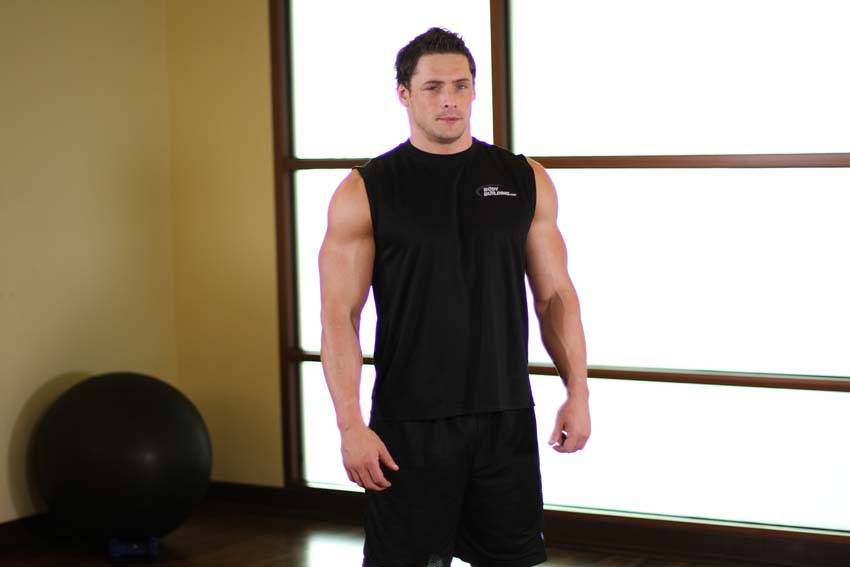
- Primary muscle
- Delts
- Equipment
- Bodyweight
- Difficulty
- Beginner
- Type
- Isolation
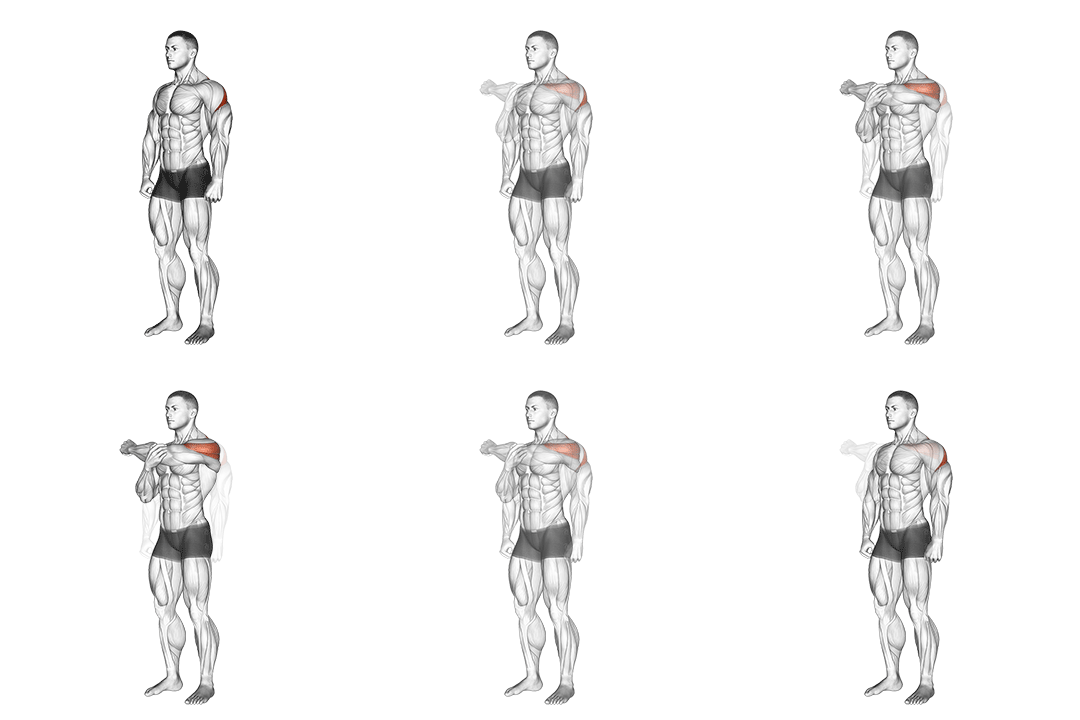
How to perform Shoulder Stretch
- Reach your left arm across your body and hold it straight.
Ranked Shoulder Stretch Alternatives
10 substitutes, ranked by how closely each one matches the Shoulder Stretch on movement pattern, muscles worked, equipment and body position. The higher the score, the less you change. Open "How to perform this exercise" on a card for the steps; every card title links to that exercise's own alternatives page.
Best match 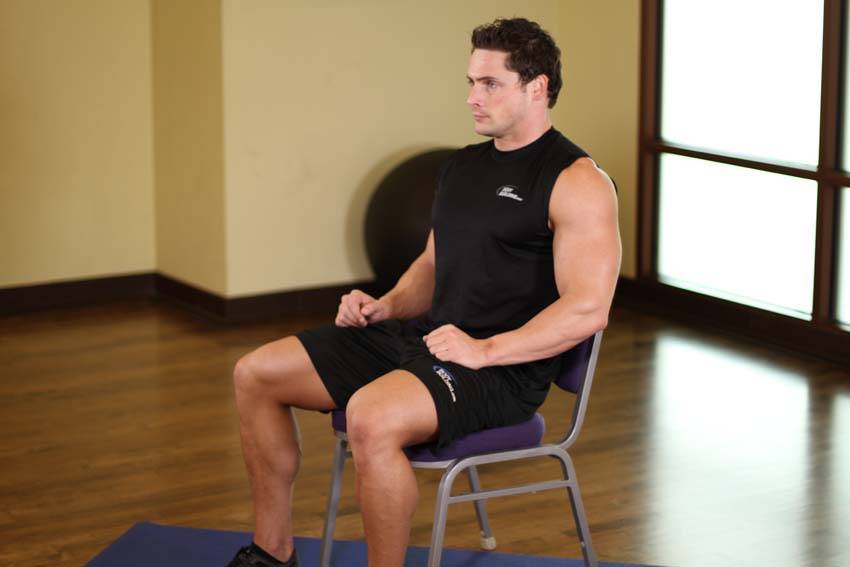
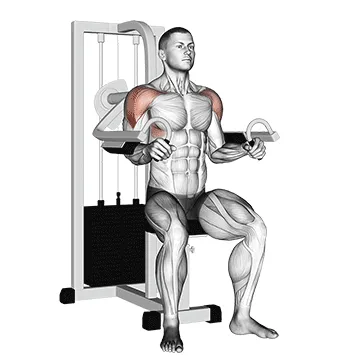
1. Chair Upper Body Stretch
96% match- Delts
- Other
- Beginner
- Isolation
A straight swap when you want to keep working the delts.
How to perform this exercise
- Sit on the edge of a chair, gripping the back of it.
- Straighten your arms, keeping your back straight, and pull your upper body forward so you feel a stretch. Hold for 20-30 seconds.
Sets and reps: 3 sets of 8 to 12 reps, and add reps before you add load.
Why this matches
- Movement: static stretch, the same as the Shoulder Stretch
- Primary muscle: delts, the same as the Shoulder Stretch
- Equipment: bodyweight only, the same as the Shoulder Stretch
- Body position: standing, the same as the Shoulder Stretch
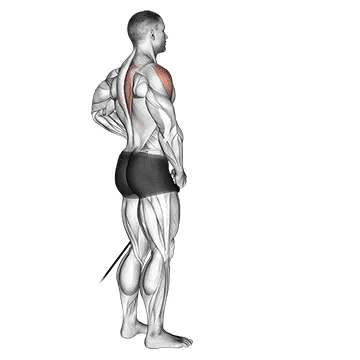
2. Rear Deltoid Stretch
95% match- Delts
- Bodyweight
- Beginner
- Isolation
It uses the same equipment and still works the delts.
How to perform this exercise
- Stand tall with your feet shoulder-width apart.
- Extend your right arm across your chest, placing your left hand on your right elbow.
- Gently pull your right arm towards your left shoulder, feeling a stretch in your right shoulder.
- Hold the stretch for 15-30 seconds, then release.
- Repeat on the other side.
Sets and reps: 3 sets of 8 to 12 reps, and add reps before you add load.
Why this matches
- Movement: static stretch, the same as the Shoulder Stretch
- Primary muscle: delts, the same as the Shoulder Stretch
- Equipment: bodyweight only, the same as the Shoulder Stretch
- Body position: standing, the same as the Shoulder Stretch
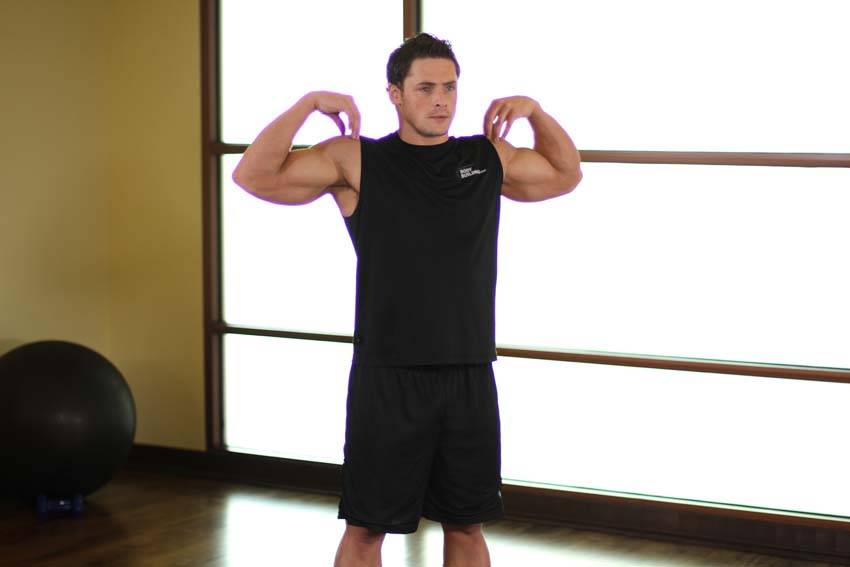
3. Elbow Circles
86% match- Delts
- Bodyweight
- Beginner
- Isolation
How to perform this exercise
- Sit or stand with your feet slightly apart.
- Place your hands on your shoulders with your elbows at shoulder level and pointing out.
- Slowly make a circle with your elbows. Breathe out as you start the circle and breathe in as you complete the circle.
Sets and reps: 3 sets of 8 to 12 reps, and add reps before you add load.
Why this matches
- Primary muscle: delts, the same as the Shoulder Stretch
- Equipment: bodyweight only, the same as the Shoulder Stretch
- Body position: standing, the same as the Shoulder Stretch
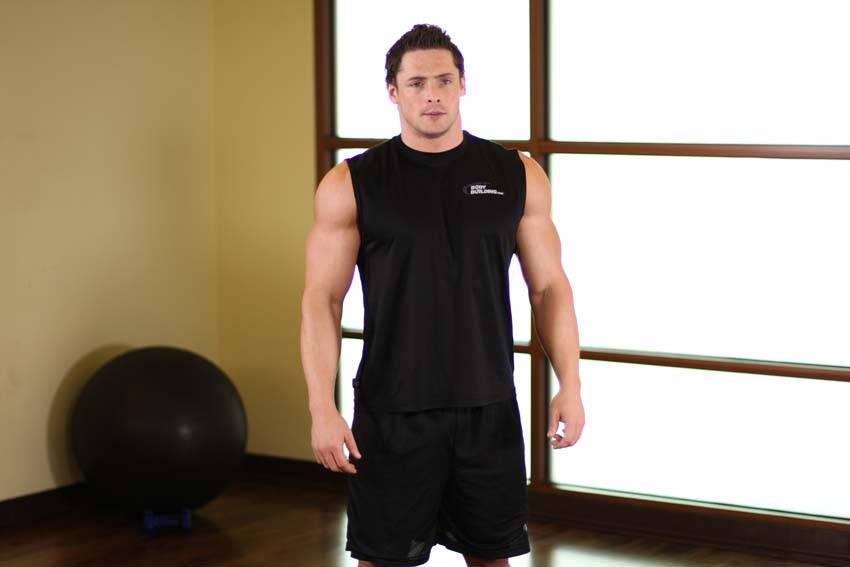
4. Upward Stretch
81% match- Shoulders
- Bodyweight
- Beginner
- Isolation
A looser match: it uses the same equipment, but it works the shoulders rather than the delts.
How to perform this exercise
- Extend both hands straight above your head, palms touching.
- Slowly push your hands up and back, keeping your back straight.
Sets and reps: 3 sets of 8 to 12 reps, and add reps before you add load.
Why this matches
- Movement: static stretch, the same as the Shoulder Stretch
- Primary muscle: shoulders, not delts
- Equipment: bodyweight only, the same as the Shoulder Stretch
- Body position: standing, the same as the Shoulder Stretch
5. Shoulder Circles
76% match- Delts
- Bodyweight
- Beginner
- Isolation
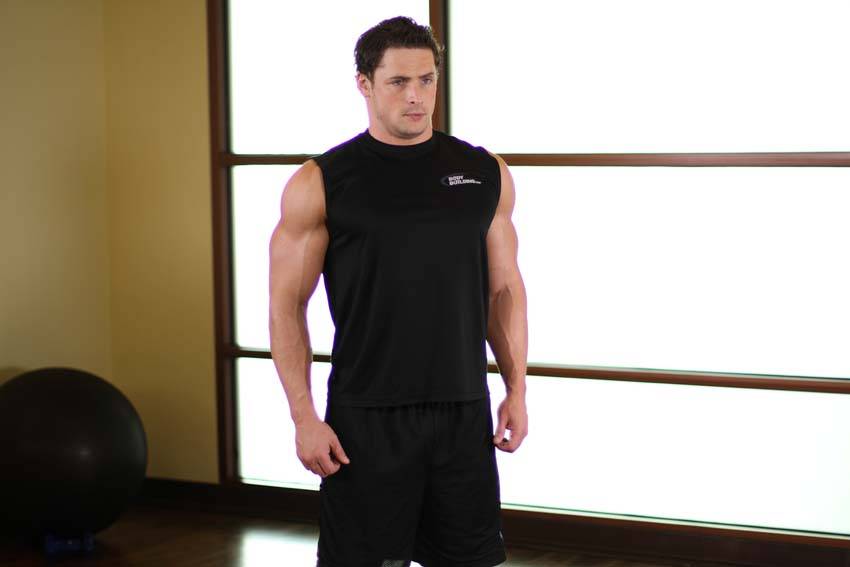
How to perform this exercise
- With shoulders relaxed and arms resting loosely at your sides (or in your lap if you're seated), gently roll your shoulders forward, up, back, and down.
- Reverse direction. You can do this exercise alternating shoulders or both at the same time.
Sets and reps: 3 sets of 8 to 12 reps, and add reps before you add load.
Why this matches
- Primary muscle: delts, the same as the Shoulder Stretch
- Equipment: bodyweight only, the same as the Shoulder Stretch
- Body position: standing, the same as the Shoulder Stretch
6. Arm Circles
75% match- Delts
- Bodyweight
- Beginner
- Isolation
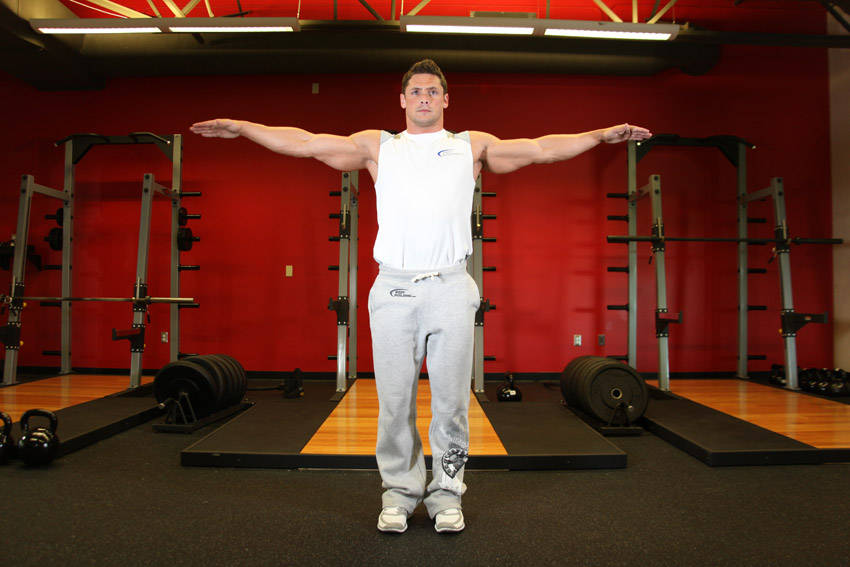
How to perform this exercise
- Stand up and extend your arms straight out by the sides. The arms should be parallel to the floor and perpendicular (90-degree angle) to your torso. This will be your starting position.
- Slowly start to make circles of about 1 foot in diameter with each outstretched arm. Breathe normally as you perform the movement.
- Continue the circular motion of the outstretched arms for about ten seconds. Then reverse the movement, going the opposite direction.
Sets and reps: 3 sets of 8 to 12 reps, and add reps before you add load.
Why this matches
- Primary muscle: delts, the same as the Shoulder Stretch
- Equipment: bodyweight only, the same as the Shoulder Stretch
- Body position: standing, the same as the Shoulder Stretch
7. Lever Lateral Raise
64% match- Delts
- Lever
- Beginner
- Isolation
A good swap when you have a lever machine to work with, and it still works the delts.
How to perform this exercise
- Adjust the seat height and position yourself on the machine with your back against the pad.
- Grasp the handles with an overhand grip and keep your arms straight.
- Exhale and raise your arms out to the sides until they are parallel to the floor.
- Pause for a moment at the top, then inhale and slowly lower your arms back to the starting position.
- Repeat for the desired number of repetitions.
Sets and reps: 3 sets of 10 to 15 reps.
Why this matches
- Primary muscle: delts, the same as the Shoulder Stretch
- Equipment: a machine, not bodyweight only
- Body position: standing, the same as the Shoulder Stretch
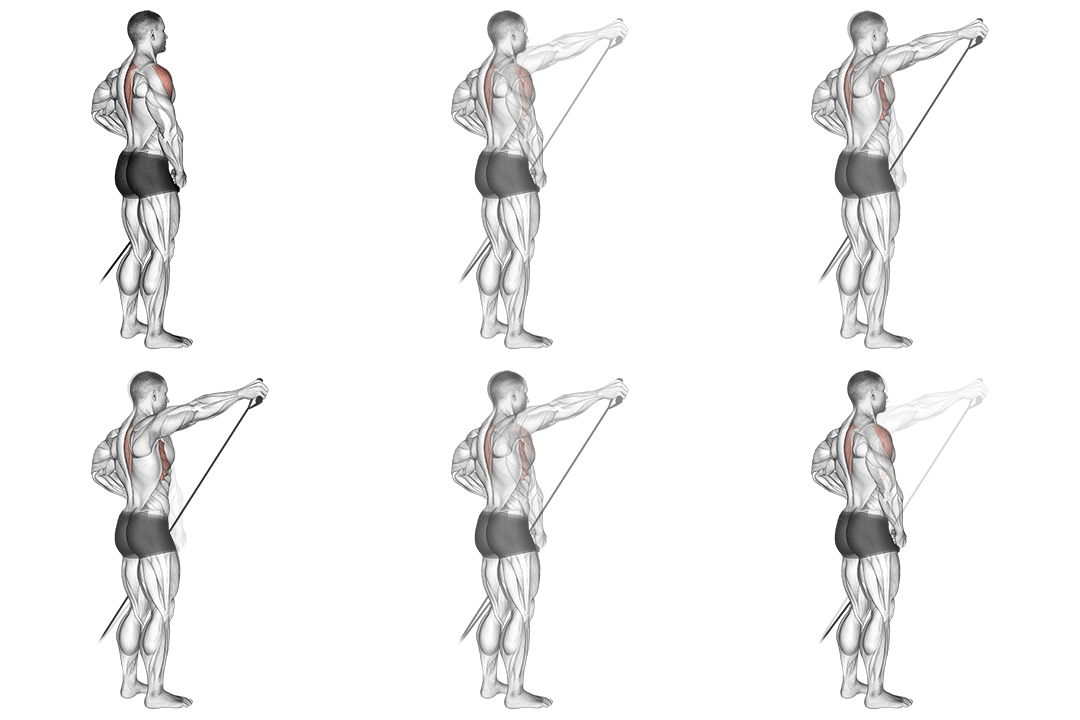
8. Band Front Lateral Raise
62% match- Delts
- Band
- Beginner
- Isolation
How to perform this exercise
- Stand with your feet shoulder-width apart and hold the band in front of your thighs with your palms facing down.
- Keep your arms straight and lift the band up in front of you until your arms are parallel to the ground.
- Pause for a moment at the top, then slowly lower the band back down to the starting position.
- Repeat for the desired number of repetitions.
Sets and reps: 3 sets of 10 to 15 reps.
Why this matches
- Primary muscle: delts, the same as the Shoulder Stretch
- Equipment: a band, not bodyweight only
- Body position: standing, the same as the Shoulder Stretch
- Balance: harder to stay steady on than the Shoulder Stretch
9. Shoulder Raise
62% match- Delts
- Dumbbell
- Beginner
- Isolation
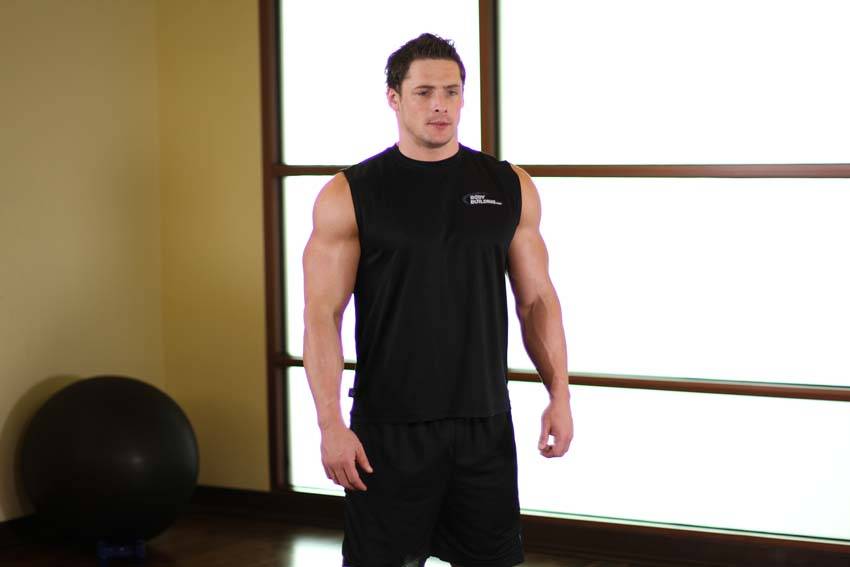
How to perform this exercise
- Relax your arms to your sides and raise your shoulders up toward your ears, then back down.
Sets and reps: 3 sets of 10 to 15 reps.
Why this matches
- Primary muscle: delts, the same as the Shoulder Stretch
- Equipment: free weights, not bodyweight only
- Body position: standing, the same as the Shoulder Stretch
- Balance: harder to stay steady on than the Shoulder Stretch
10. Seated Front Deltoid
61% match- Delts
- Bodyweight
- Beginner
- Isolation
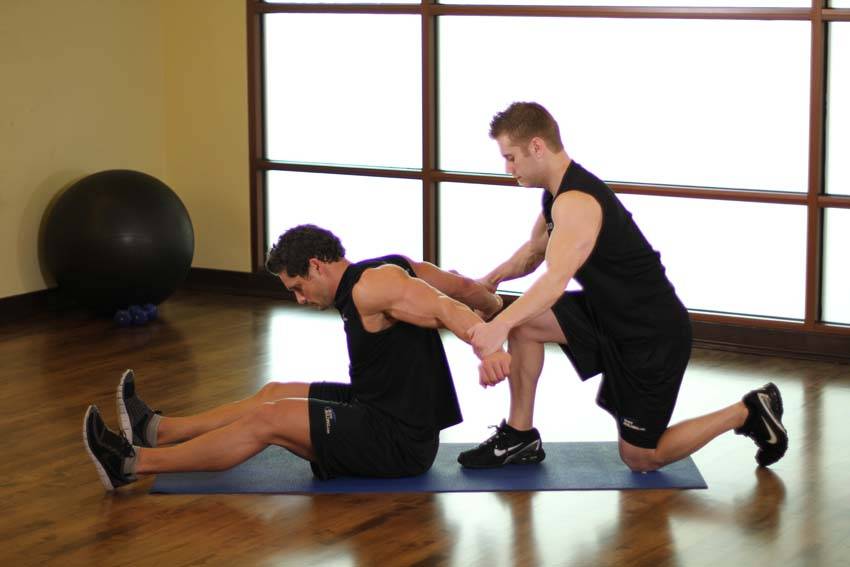
How to perform this exercise
- Sit upright on the floor with your legs bent, your partner standing behind you. Stick your arms straight out to your sides, with your palms facing the ground. Attempt to move them as far behind you as possible, as your assistant holds your wrists. This will be your starting position.
- Keeping your elbows straight, attempt to move your arms to the front, with your partner gently restraining you to prevent any actual movement for 10-20 seconds.
- Now, relax your muscles and allow your partner to gently increase the stretch on the shoulders and chest. Hold for 10 to 20 seconds.
Sets and reps: 3 sets of 8 to 12 reps, and add reps before you add load.
Why this matches
- Primary muscle: delts, the same as the Shoulder Stretch
- Equipment: bodyweight only, the same as the Shoulder Stretch
- Body position: seated, not standing
- Balance: harder to stay steady on than the Shoulder Stretch
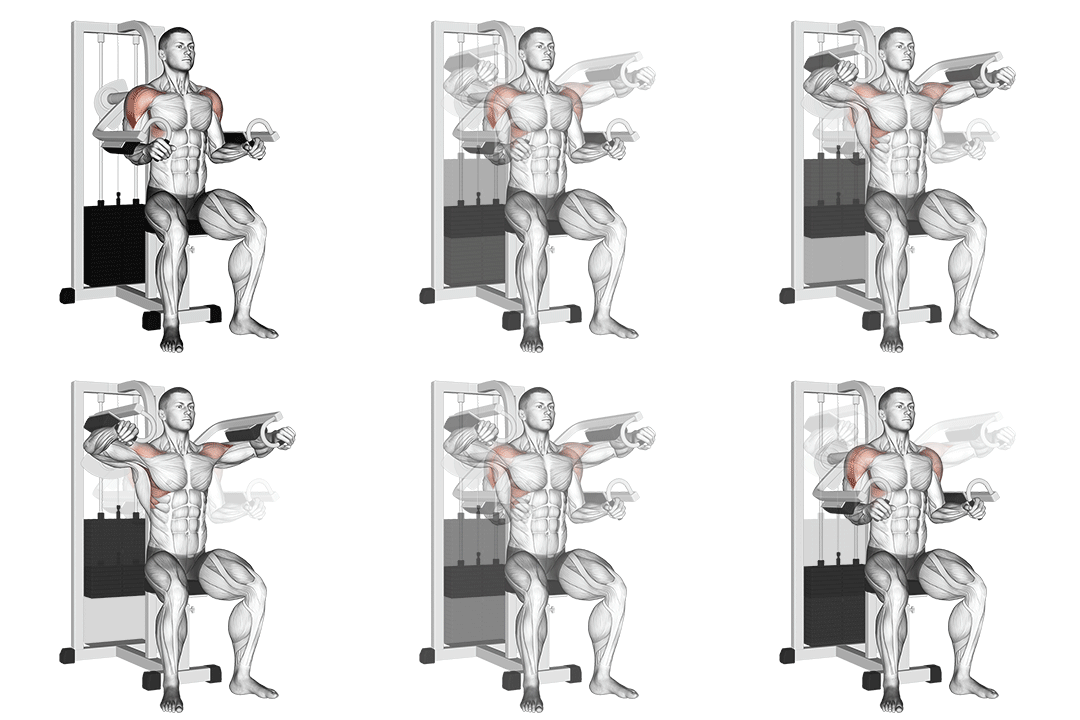
Why You Might Need a Shoulder Stretch Alternative
You may need substitutes because the standard Shoulder Stretch can irritate an impinged anterior shoulder, compress the glenohumeral joint, or simply miss the region you want to target. Pain, limited range of motion, or lack of a partner can make the original position impractical. Choose options that reduce anterior humeral head translation and emphasize scapular stability and rotator cuff activation. For example, perform a doorway pec stretch by placing your forearm on the frame at 90° and stepping forward while keeping the scapula retracted; that focuses on anterior soft tissue length without forcing humeral elevation. Alternatives let you modulate stretch intensity, preserve rotator cuff integrity, and target the posterior deltoid or capsule more safely.
How to Choose the Right Shoulder Stretch Substitute
Decide based on your goal: mobility, pain relief, warm-up, or rehab. If you want mobility, pick dynamic options like wall angels (keep the spine neutral and slide arms in a W-to-Y, emphasizing scapular upward rotation). For pain relief or impingement, favor positions that offload the anterior capsule and activate the rotator cuff and scapular stabilizers, such as band-assisted posterior stretches where you brace the scapula and pull the band across the torso. Consider available equipment, unilateral versus bilateral needs, and whether you need a passive stretch or an active, eccentric-loaded option. Always monitor where you feel tension, target the posterior deltoid and stop if sharp anterior pain occurs.
Shoulder Stretch FAQ
What muscles does Shoulder Stretch work?
The Shoulder Stretch primarily targets the deltoids, especially the posterior fibers, and lengthens the posterior capsule. You’ll also affect scapular stabilizers and nearby rotator cuff tissue when you stabilize the shoulder blade during the stretch.
What is the best bodyweight alternative to Shoulder Stretch?
Wall angels are an excellent bodyweight alternative: press your low back gently to the wall, retract the scapula, and slide your arms from W to Y while maintaining contact. This recruits serratus anterior and posterior deltoid while improving scapular upward rotation and thoracic extension.
Can I build muscle without doing Shoulder Stretch?
Yes. The Shoulder Stretch is a mobility exercise, not a hypertrophy mover. Build deltoid muscle with progressive loading, overhead presses and lateral raises with controlled eccentrics, while using targeted stretches and mobility drills to maintain joint range and optimize muscle activation.
Find Alternatives for Any Exercise
Search the exercise database and filter the ranked substitutes by the equipment you own.
Similarity scores compare exercise metadata such as movement pattern, muscles, equipment and body position. They are not a safety rating or a check that you own the equipment. Learn about our methodology