

10 Best Band Y-raise Alternatives for Shoulder Strength
The Band Y-raise lifts a band from your thighs up and out into a Y shape while you squeeze your shoulder blades together, putting the work on your delts. The closest option is the Band Front Lateral Raise, which uses the same band and asks the same delts to do the work. If you also have dumbbells, the Dumbbell Scaption raises a light dumbbell in each hand, thumbs up, about 30 degrees in front of you, so you get a fixed weight instead of a band's stretch.
Original Exercise: Band Y-raise
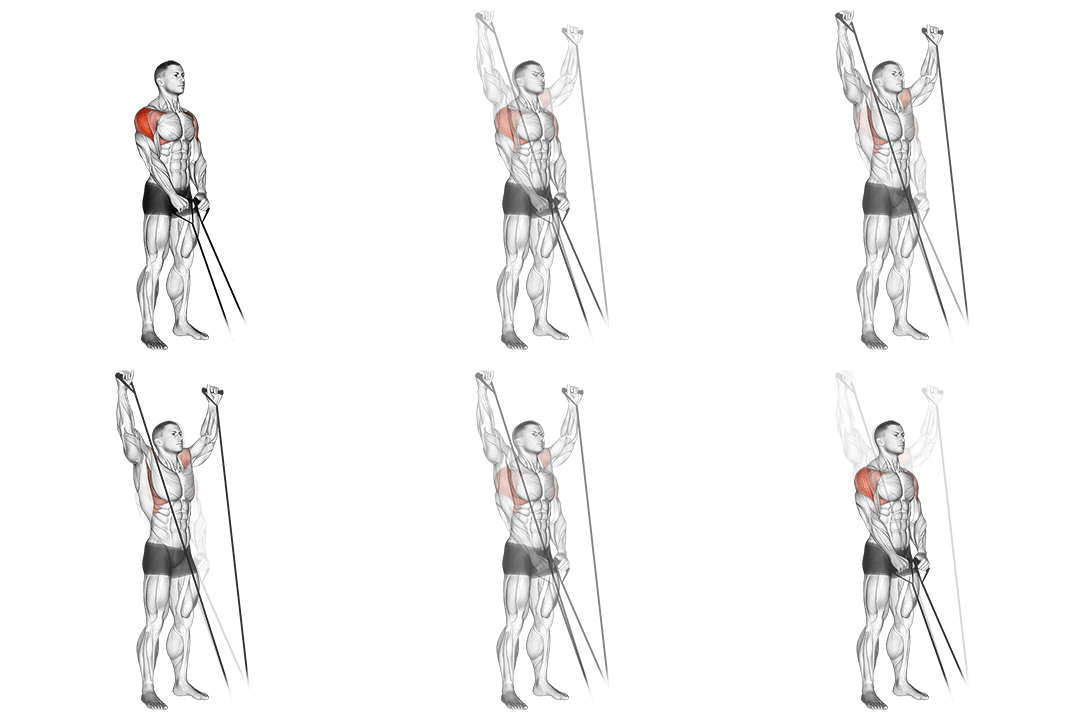
How to Perform Band Y-raise
- Stand with your feet shoulder-width apart and hold the band in front of your thighs with your palms facing inwards.
- Keep your arms straight and lift them up and out to the sides, forming a 'Y' shape with your body.
- Squeeze your shoulder blades together at the top of the movement.
- Slowly lower your arms back down to the starting position.
- Repeat for the desired number of repetitions.
Ranked Band Y-raise Alternatives
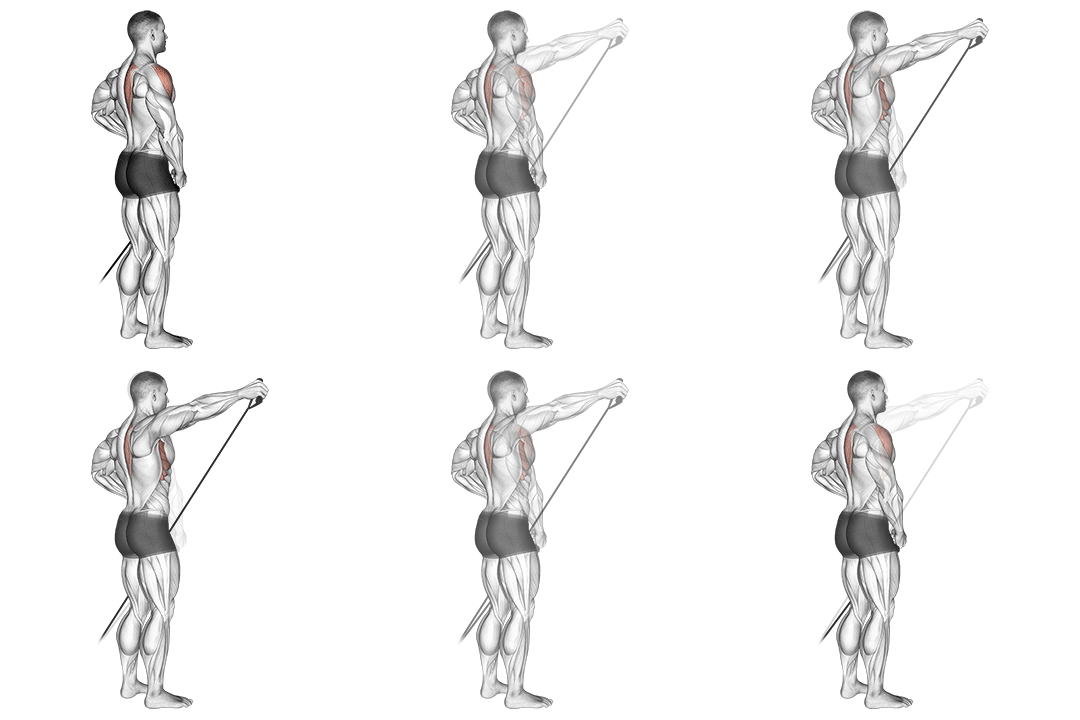
1. Band Front Lateral Raise
99.2% MatchHow to perform this exercise
- Stand with your feet shoulder-width apart and hold the band in front of your thighs with your palms facing down.
- Keep your arms straight and lift the band up in front of you until your arms are parallel to the ground.
- Pause for a moment at the top, then slowly lower the band back down to the starting position.
- Repeat for the desired number of repetitions.
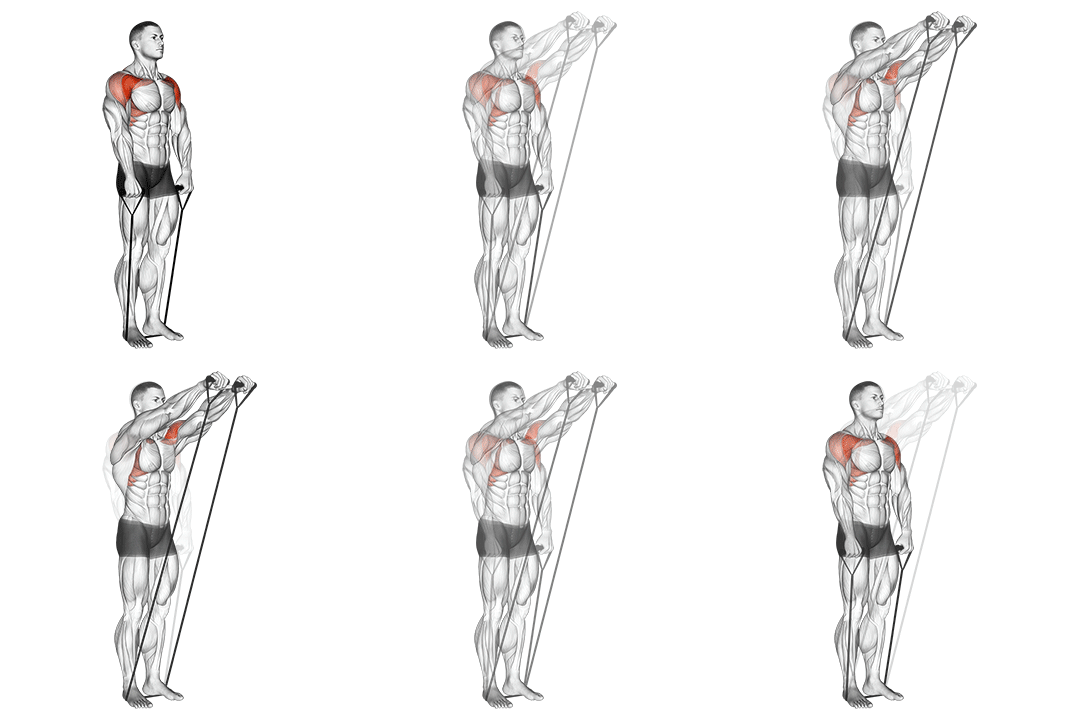
2. Band Front Raise
95.2% MatchHow to perform this exercise
- Stand with your feet shoulder-width apart and hold the band in front of your thighs with your palms facing down.
- Keep your arms straight and slowly raise them forward until they are parallel to the ground.
- Pause for a moment at the top, then slowly lower your arms back down to the starting position.
- Repeat for the desired number of repetitions.
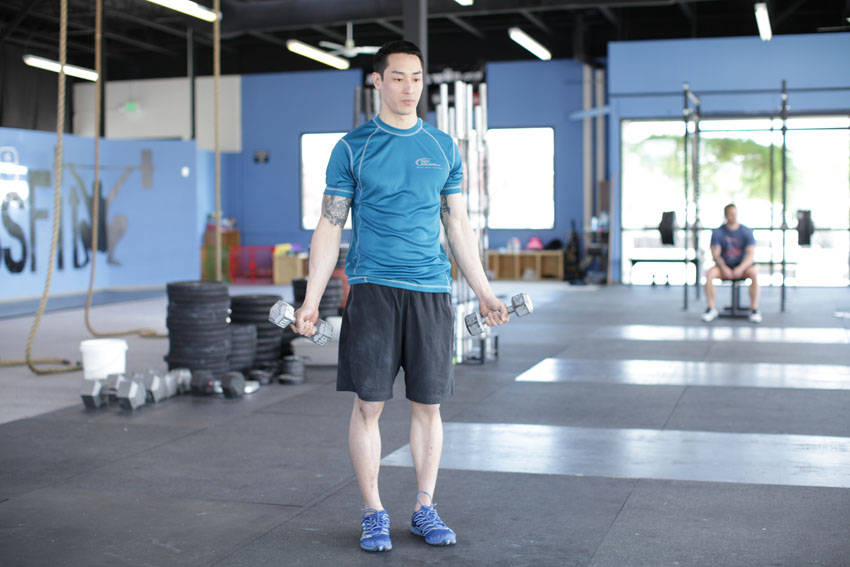
3. Dumbbell Scaption
85.4% MatchHow to perform this exercise
- This corrective exercise strengthens the muscles that stabilize your shoulder blade. Hold a light weight in each hand, hanging at your sides. Your thumbs should pointing up.
- Begin the movement raising your arms out in front of you, about 30 degrees off center. Your arms should be fully extended as you perform the movement.
- Continue until your arms are parallel to the ground, and then return to the starting position.
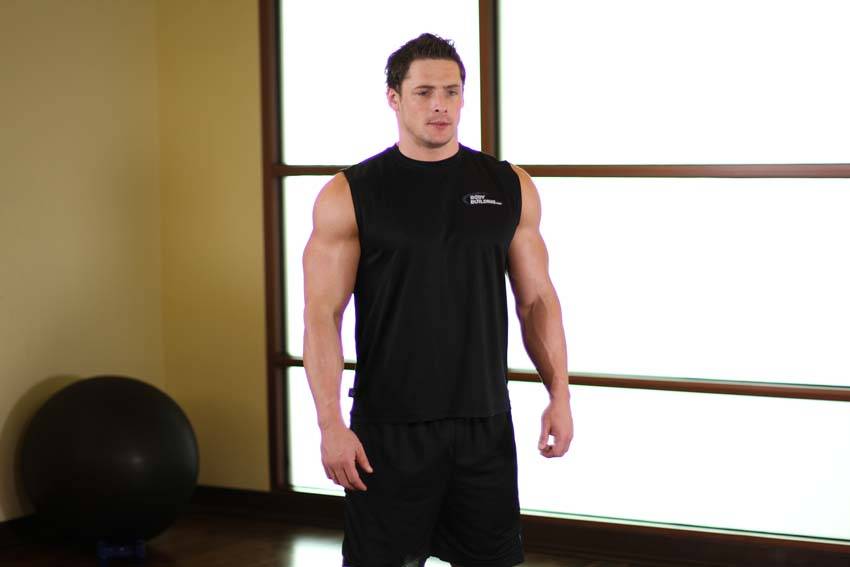
4. Shoulder Raise
85.2% MatchHow to perform this exercise
- Relax your arms to your sides and raise your shoulders up toward your ears, then back down.
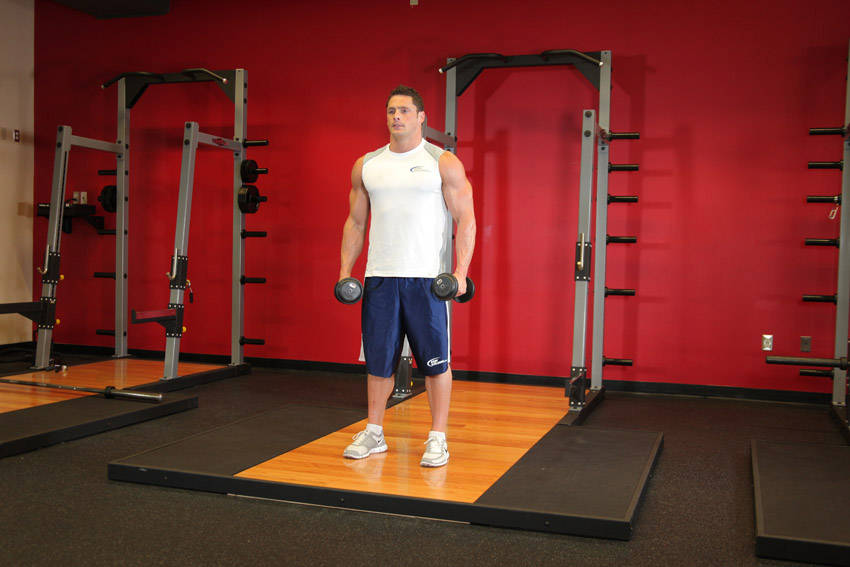
5. Side Lateral Raise
85.2% MatchHow to perform this exercise
- Pick a couple of dumbbells and stand with a straight torso and the dumbbells by your side at arms length with the palms of the hand facing you. This will be your starting position.
- While maintaining the torso in a stationary position (no swinging), lift the dumbbells to your side with a slight bend on the elbow and the hands slightly tilted forward as if pouring water in a glass. Continue to go up until you arms are parallel to the floor. Exhale as you execute this movement and pause for a second at the top.
- Lower the dumbbells back down slowly to the starting position as you inhale.
- Repeat for the recommended amount of repetitions.
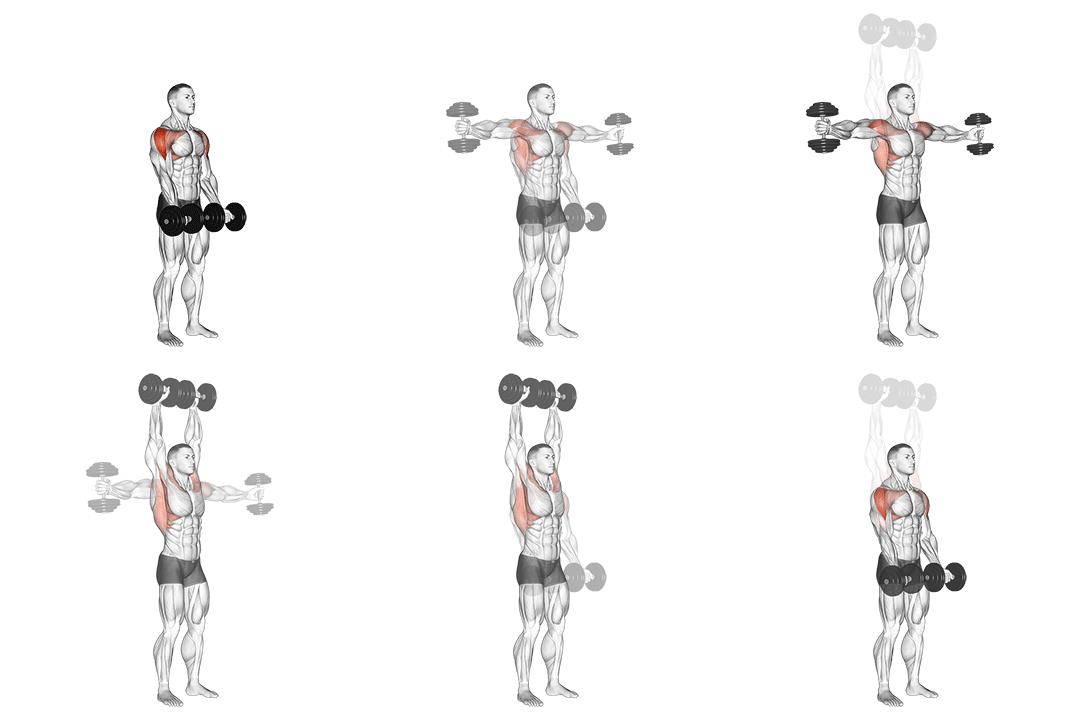
6. Dumbbell Standing Around World
84.9% MatchHow to perform this exercise
- Stand with your feet shoulder-width apart and hold a dumbbell in each hand.
- Extend your arms straight out to the sides at shoulder height, palms facing down.
- Keeping your arms straight, slowly rotate your arms in a circular motion, bringing the dumbbells in front of your body and then overhead.
- Continue the circular motion, bringing the dumbbells back down to the starting position.
- Repeat for the desired number of repetitions.
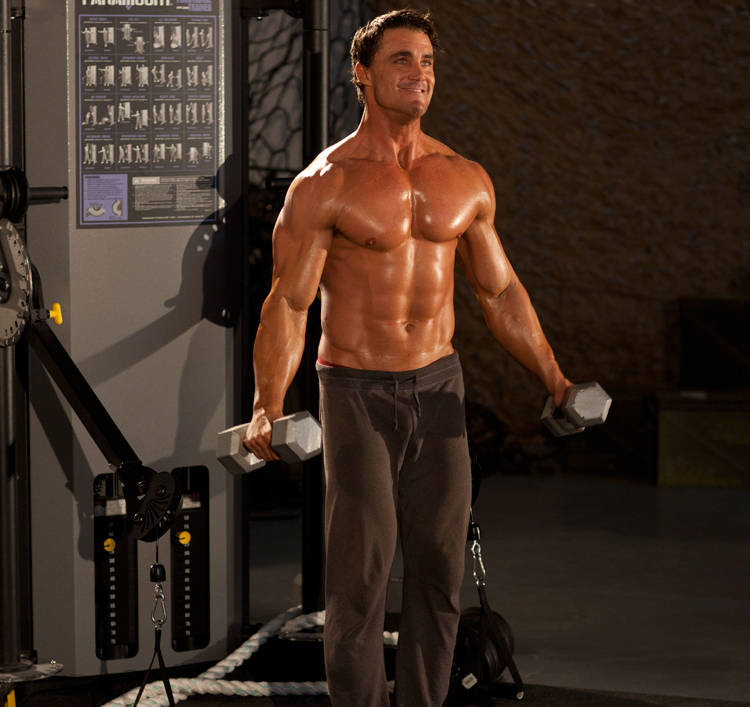
7. Side Laterals To Front Raise
84.7% MatchHow to perform this exercise
- In a standing position, hold a pair of dumbbells at your side. This will be your starting position.
- Keeping your elbows slightly bent, raise the weights directly in front of you to shoulder height, avoiding any swinging or cheating.
- At the top of the exercise move the weights out in front of you, keeping your arms extended.
- Lower the weights with a controlled motion.
- On the next repetition, raise the weights in front of you to shoulder height before moving the weights laterally to your sides.
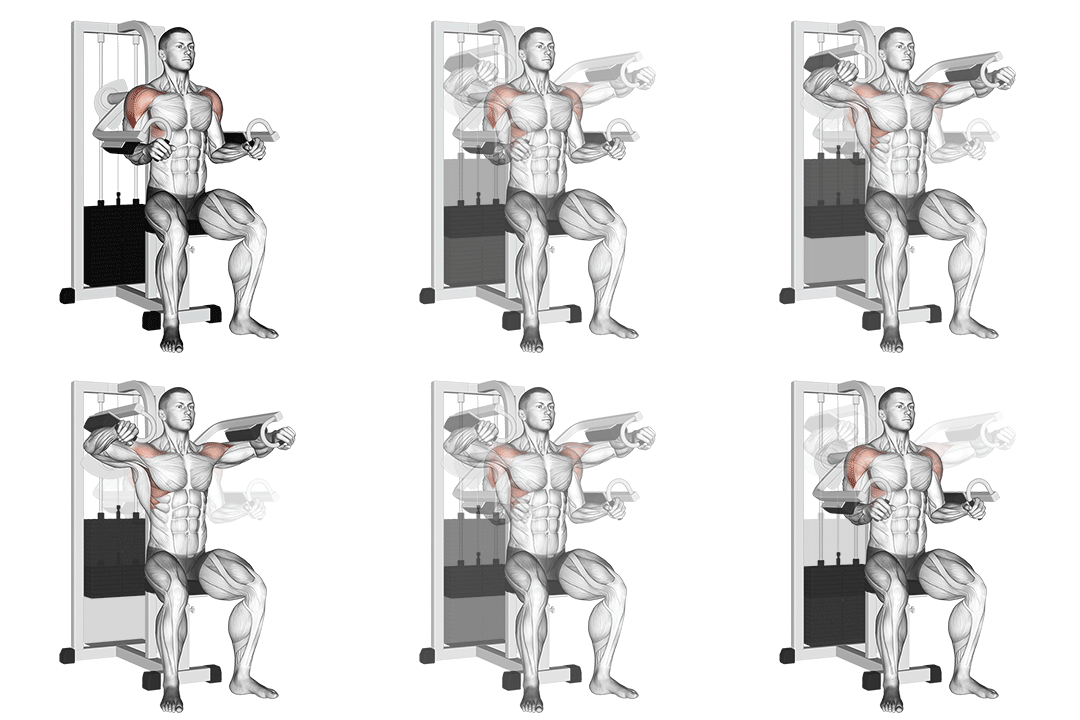
8. Lever Lateral Raise
83.1% MatchHow to perform this exercise
- Adjust the seat height and position yourself on the machine with your back against the pad.
- Grasp the handles with an overhand grip and keep your arms straight.
- Exhale and raise your arms out to the sides until they are parallel to the floor.
- Pause for a moment at the top, then inhale and slowly lower your arms back to the starting position.
- Repeat for the desired number of repetitions.
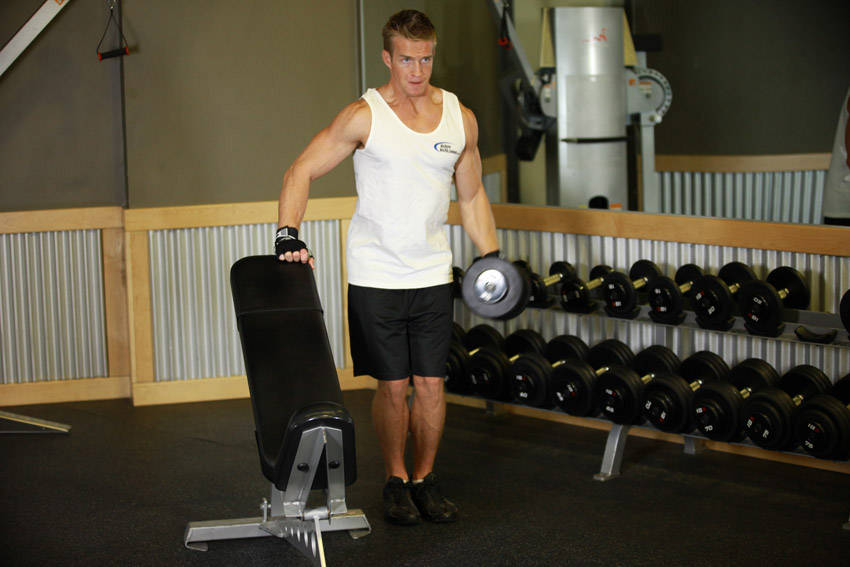
9. One-Arm Side Laterals
81.4% MatchHow to perform this exercise
- Pick a dumbbell and place it in one of your hands. Your non lifting hand should be used to grab something steady such as an incline bench press. Lean towards your lifting arm and away from the hand that is gripping the incline bench as this will allow you to keep your balance.
- Stand with a straight torso and have the dumbbell by your side at arm's length with the palm of the hand facing you. This will be your starting position.
- While maintaining the torso stationary (no swinging), lift the dumbbell to your side with a slight bend on the elbow and your hand slightly tilted forward as if pouring water in a glass. Continue to go up until you arm is parallel to the floor. Exhale as you execute this movement and pause for a second at the top.
- Lower the dumbbell back down slowly to the starting position as you inhale.
- Repeat for the recommended amount of repetitions.
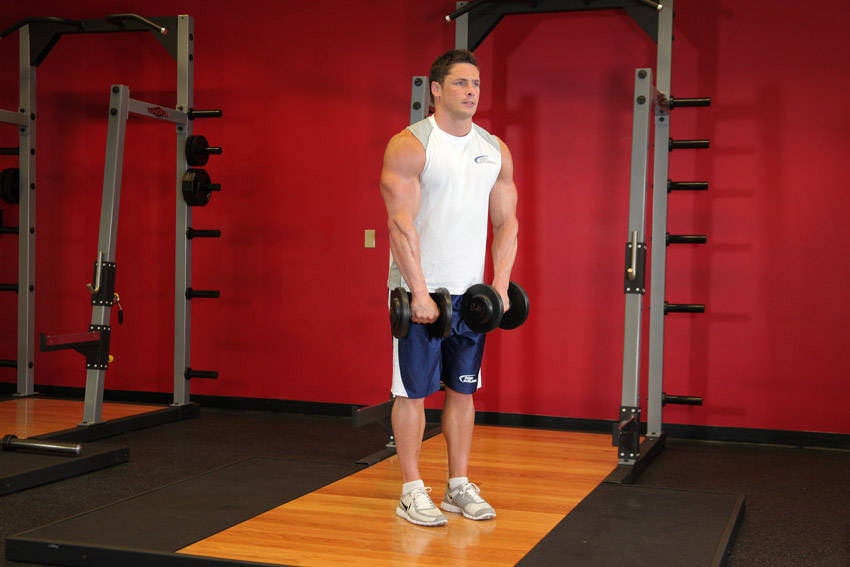
10. Front Dumbbell Raise
81.2% MatchHow to perform this exercise
- Pick a couple of dumbbells and stand with a straight torso and the dumbbells on front of your thighs at arms length with the palms of the hand facing your thighs. This will be your starting position.
- While maintaining the torso stationary (no swinging), lift the left dumbbell to the front with a slight bend on the elbow and the palms of the hands always facing down. Continue to go up until you arm is slightly above parallel to the floor. Exhale as you execute this portion of the movement and pause for a second at the top. Inhale after the second pause.
- Now lower the dumbbell back down slowly to the starting position as you simultaneously lift the right dumbbell.
- Continue alternating in this fashion until all of the recommended amount of repetitions have been performed for each arm.
Why You Might Need a Band Y-raise Alternative
A band frays, or you only own one, or the gym's dumbbell rack is free while the band station isn't. The Band Y-raise puts a band in front of your thighs and lifts straight arms up and out into a Y, squeezing your shoulder blades at the top, so a swap needs to keep that same reach and squeeze. Several alternatives stay on a band and only change the angle you pull from. Others move you onto a dumbbell, which lets each arm move on its own and holds a steady weight instead of a band's stretch.
How to Choose the Right Substitute
Start with the Band Front Lateral Raise if a band is what you have: it shares the same band and the same delts as the Band Y-raise, so it swaps in without changing your setup. The Band Front Raise is the same forward lift to shoulder height with palms down, so use whichever name your programme lists. Move to a dumbbell and the Dumbbell Scaption raises light dumbbells, thumbs up, to shoulder height in front of you instead of into the Y, trading a band's stretch for a fixed weight. The Side Lateral Raise takes dumbbells straight out to your sides, and the Side Laterals To Front Raise alternates a front and a side raise each rep, doubling the work per set; add either once the band version feels easy.
Frequently Asked Questions
Which Band Y-raise alternative uses dumbbells instead of a band?
The Dumbbell Scaption swaps the band for a pair of dumbbells and lifts your arms at an angle between the front and the side, matching the same delts the Band Y-raise targets. The Side Lateral Raise, Dumbbell Standing Around World and Side Laterals To Front Raise also use dumbbells if you want a fixed weight in each hand instead of a band's stretch.
How does the Band Y-raise differ from the Band Front Lateral Raise?
The Band Y-raise lifts your arms up and out to the sides until they form a Y above your shoulders, squeezing your shoulder blades together at the top. The Band Front Lateral Raise lifts the band out in front of you only until your arms reach shoulder height. Both start with the band held in front of your thighs; the Y-raise holds it with palms facing in, the front lateral raise with palms facing down.
Which Band Y-raise alternative doesn't use a band at all?
The Dumbbell Scaption drops the band completely, raising a light dumbbell in each hand instead, thumbs up, about 30 degrees in front of you. It is a corrective move rather than a heavy lift, so keep the weight light and control the arc up to shoulder height.
Can I do a Band Y-raise alternative at home?
Yes. The Band Front Lateral Raise and Band Front Raise need nothing but a band held in front of your thighs. The Dumbbell Scaption and the Front Dumbbell Raise need only a pair of dumbbells, and the One-arm Side Laterals uses a single dumbbell with your free hand holding something steady for balance.
More Exercise Alternatives
Find Alternatives for Any Exercise
Use the exercise substitution finder to compare ranked alternatives for your available equipment and training preference.
Try the Exercise Substitution Finder →