

10 Best Incline Push-up (On Box) Alternatives for Beginner Chest Strength
The Incline Push-up (On Box) is done standing. Ranked closest by our scoring: the Push-up (Wall), the Incline Push-up and the Incline Push-up Medium. Four harder versions, among them the Modified Hindu Push-up and the Incline Reverse Grip Push-up, are listed below as progressions rather than swaps.
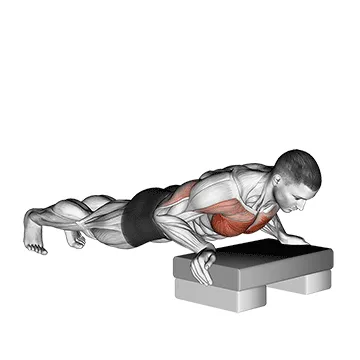
The Incline Push-up (On Box) has you set your hands on a raised box, hold your legs straight out behind you, and lower your chest to the surface before pushing back to a locked arm. Push-up (Wall) keeps that same straight-body setup but has you lean into a wall instead of a box. With no box or wall nearby, the Kneeling Push-up takes the same press to the floor: you set up on your knees, then extend your legs behind you and press from a straight line on the ground.
Updated Ranked by our 12-factor similarity model How it works
Original Exercise: Incline Push-up (On Box)
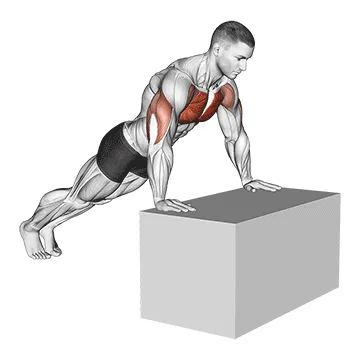
- Primary muscle
- Pectorals
- Equipment
- Bodyweight
- Difficulty
- Beginner
- Type
- Compound
Secondary muscles: Triceps, Shoulders
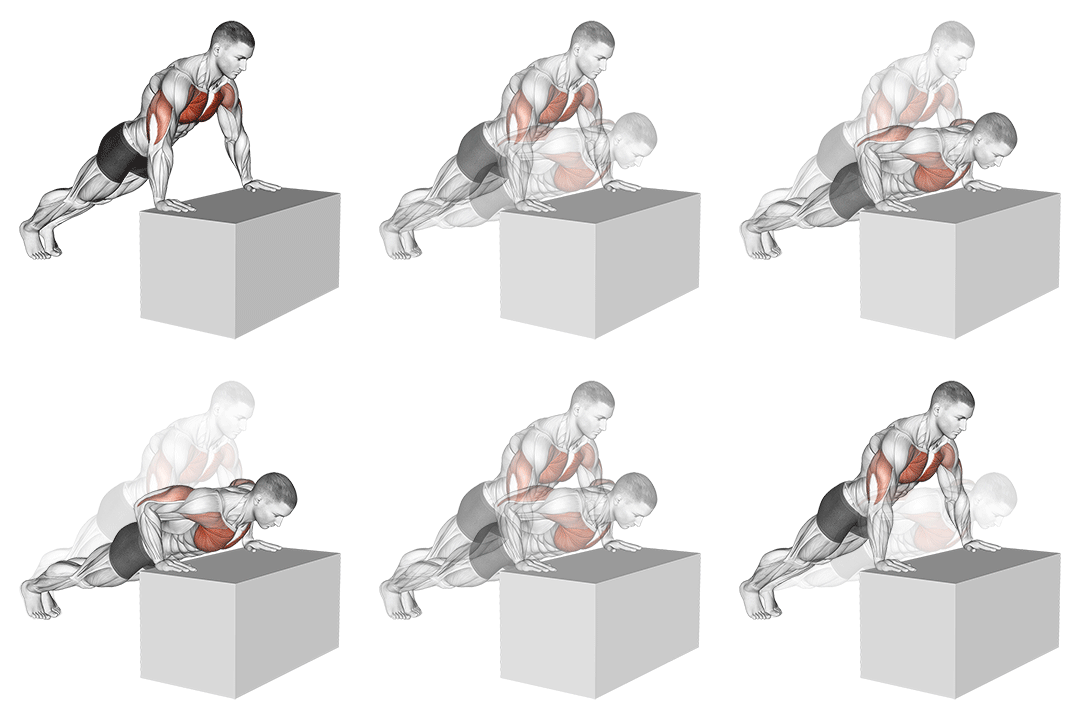
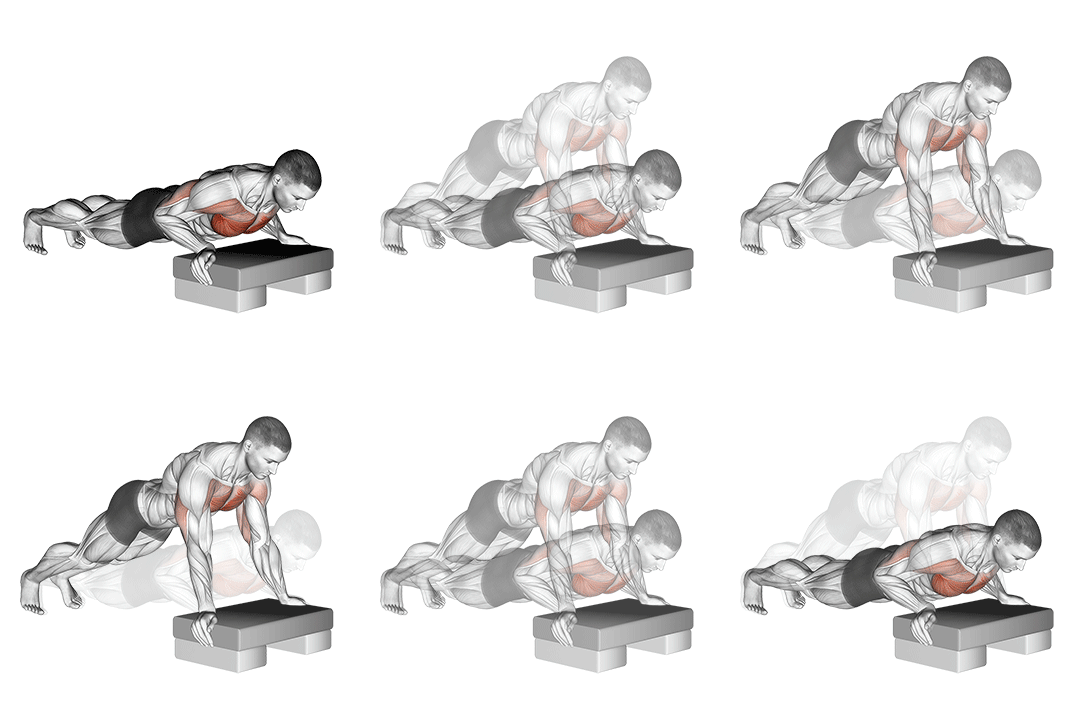
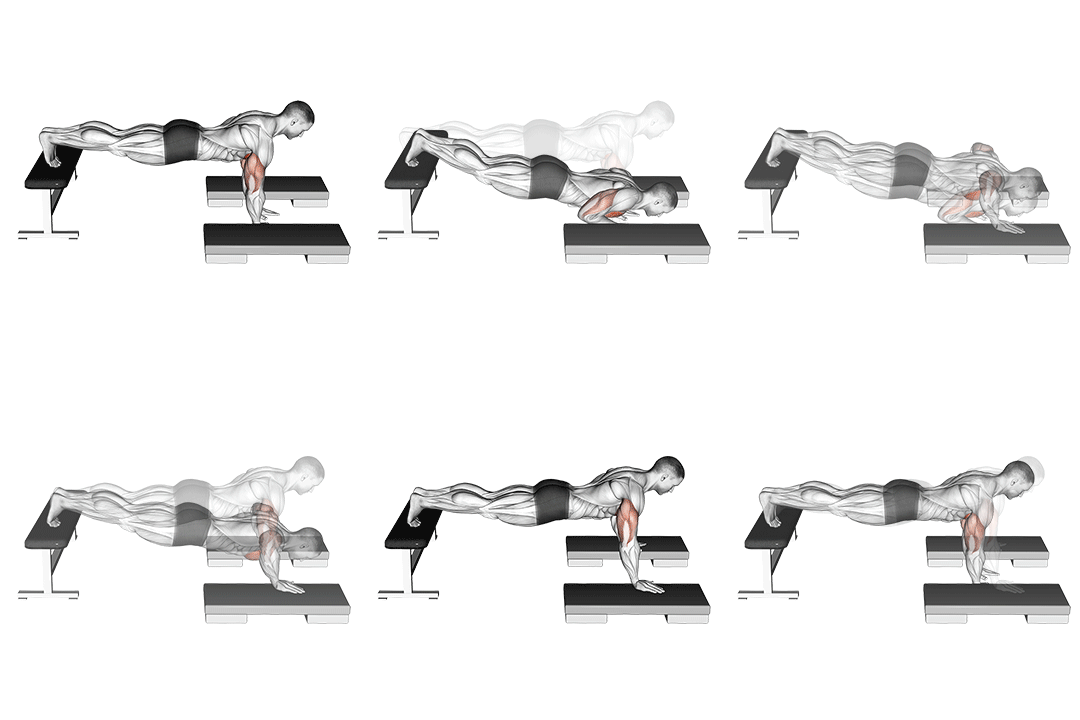
How to perform Incline Push-up (On Box)
- Place your hands on the edge of a box or elevated surface, slightly wider than shoulder-width apart.
- Extend your legs behind you, resting on the balls of your feet, creating a straight line from your head to your heels.
- Lower your chest towards the box by bending your elbows, keeping your body in a straight line.
- Pause for a moment at the bottom, then push yourself back up to the starting position by straightening your arms.
- Repeat for the desired number of repetitions.
Ranked Incline Push-up (On Box) Alternatives
10 substitutes, ranked by how closely each one matches the Incline Push-up (On Box) on movement pattern, muscles worked, equipment and body position. The higher the score, the less you change. Open "How to perform this exercise" on a card for the steps; every card title links to that exercise's own alternatives page. Harder versions are tagged as progressions and kept out of the top spot even when they score higher.
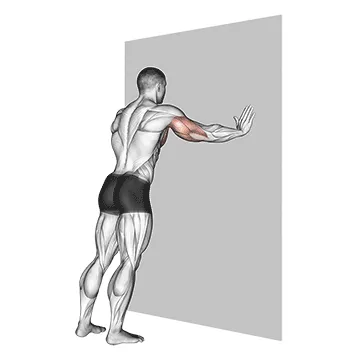
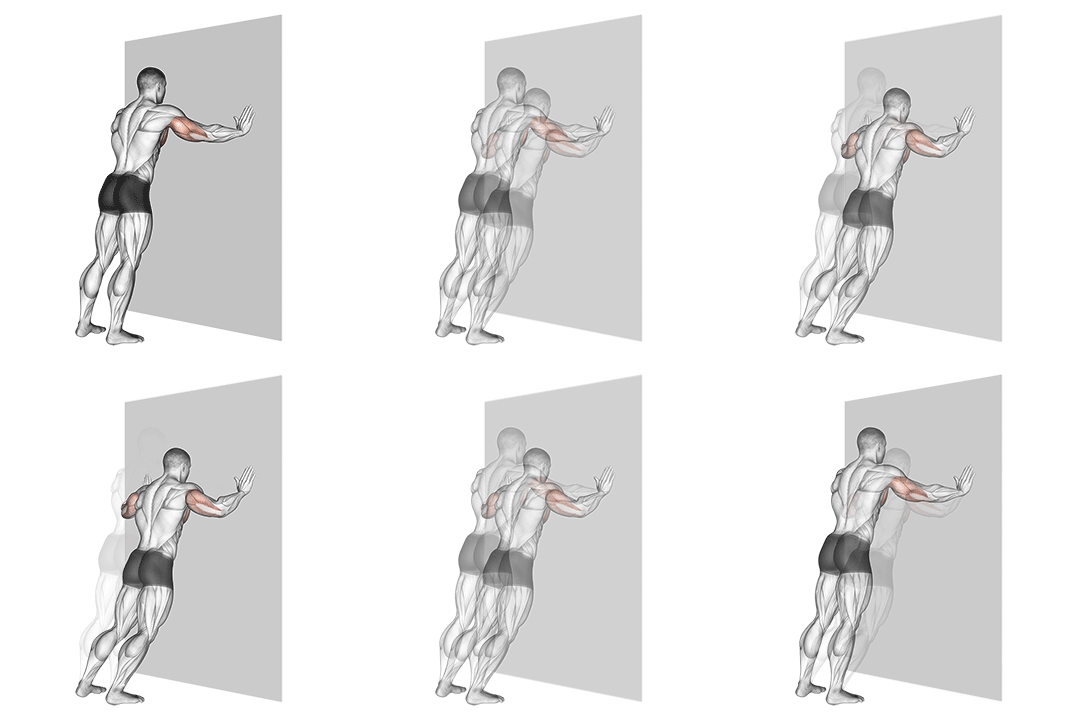
Best match 1. Push-up (Wall)
95% match- Pectorals
- Bodyweight
- Beginner
- Compound
It uses the same equipment and still works the pectorals.
How to perform this exercise
- Stand facing a wall, about arm's length away.
- Place your hands on the wall at shoulder height, slightly wider than shoulder-width apart.
- Step back with your feet, keeping them hip-width apart.
- Engage your core and keep your body in a straight line from head to heels.
- Bend your elbows and lower your chest towards the wall, keeping your body straight.
- Pause for a moment, then push yourself back to the starting position.
- Repeat for the desired number of repetitions.
Sets and reps: 3 sets of 8 to 12 reps, and add reps before you add load.
Why this matches
- Primary muscle: pectorals, the same as the Incline Push-up (On Box)
- Equipment: bodyweight only, the same as the Incline Push-up (On Box)
- Body position: standing, the same as the Incline Push-up (On Box)
2. Incline Push-up
92% match- Pectorals
- Bodyweight
- Beginner
- Compound
The same equipment, done lying face down instead.
How to perform this exercise
- Place your hands on an elevated surface, such as a bench or step, slightly wider than shoulder-width apart.
- Extend your legs behind you, resting on the balls of your feet, creating a straight line from your head to your heels.
- Lower your chest towards the elevated surface by bending your elbows, keeping your body in a straight line.
- Pause for a moment at the bottom, then push yourself back up to the starting position by straightening your arms.
- Repeat for the desired number of repetitions.
Sets and reps: 3 sets of 8 to 12 reps, and add reps before you add load.
Why this matches
- Movement: incline press, the same as the Incline Push-up (On Box)
- Primary muscle: pectorals, the same as the Incline Push-up (On Box)
- Equipment: bodyweight only, the same as the Incline Push-up (On Box)
- Body position: lying face down, not standing
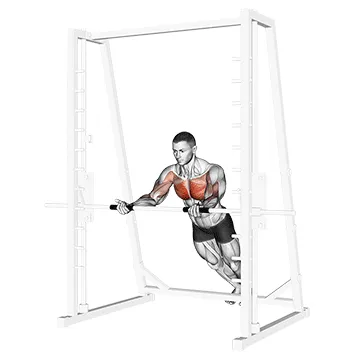
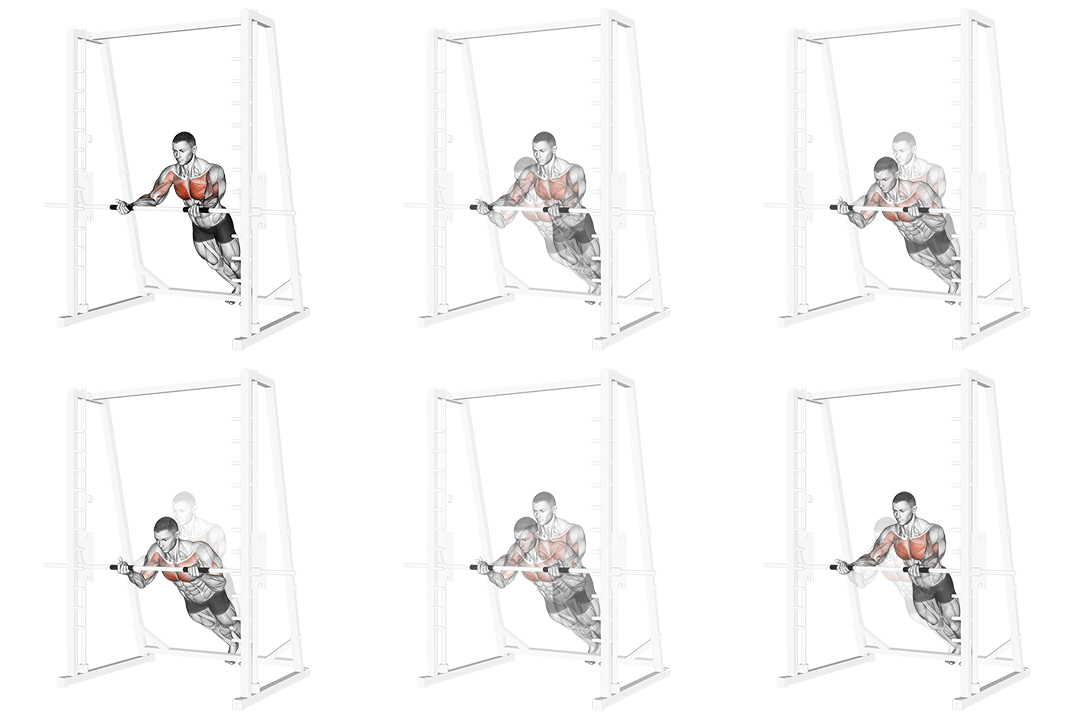
3. Incline Push-up Medium
92% match- Pectorals
- Bodyweight
- Beginner
- Compound
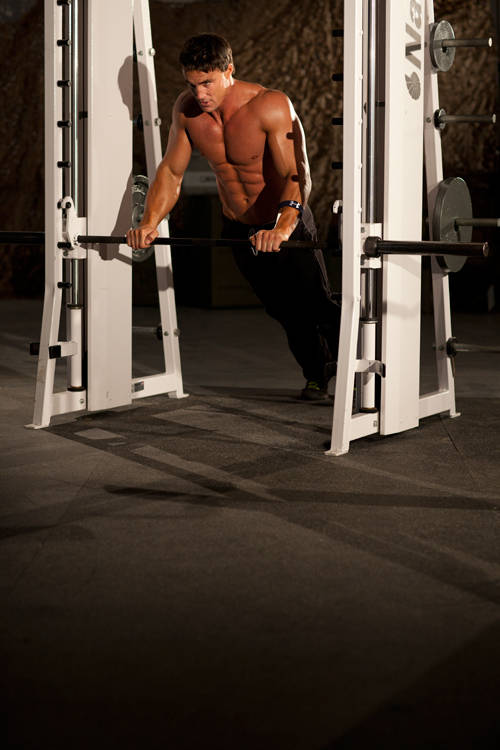
How to perform this exercise
- Stand facing a Smith machine bar or sturdy elevated platform at an appropriate height.
- Place your hands on the bar, with your hands about shoulder width apart.
- Position your feet back from the bar with arms and body straight. This will be your starting position.
- Keeping your body straight, lower your chest to the bar by bending the arms.
- Return to the starting position by extending the elbows, pressing yourself back up.
Sets and reps: 3 sets of 8 to 12 reps, and add reps before you add load.
Why this matches
- Movement: incline press, the same as the Incline Push-up (On Box)
- Primary muscle: pectorals, the same as the Incline Push-up (On Box)
- Equipment: bodyweight only, the same as the Incline Push-up (On Box)
- Body position: lying face down, not standing
4. Kneeling Push-up
91% match- Pectorals
- Bodyweight
- Beginner
- Compound
The same equipment, done kneeling instead.
How to perform this exercise
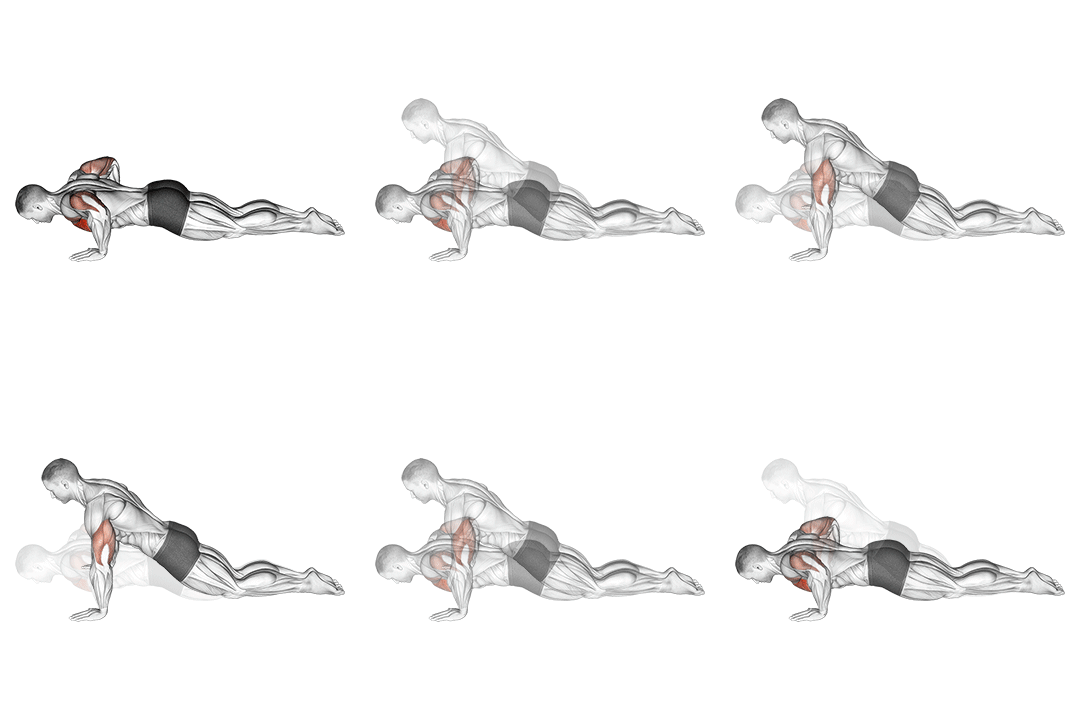
- Start by kneeling on the ground with your hands shoulder-width apart, fingers pointing forward.
- Extend your legs behind you, resting on the balls of your feet, so that your body forms a straight line from head to heels.
- Engage your core and lower your body towards the ground by bending your elbows, keeping them close to your sides.
- Continue lowering until your chest is just above the ground, then push back up to the starting position by straightening your arms.
- Repeat for the desired number of repetitions.
Sets and reps: 3 sets of 8 to 12 reps, and add reps before you add load.
Why this matches
- Primary muscle: pectorals, the same as the Incline Push-up (On Box)
- Equipment: bodyweight only, the same as the Incline Push-up (On Box)
- Body position: kneeling, not standing
5. Incline Push-up Wide
90% match- Pectorals
- Bodyweight
- Beginner
- Compound
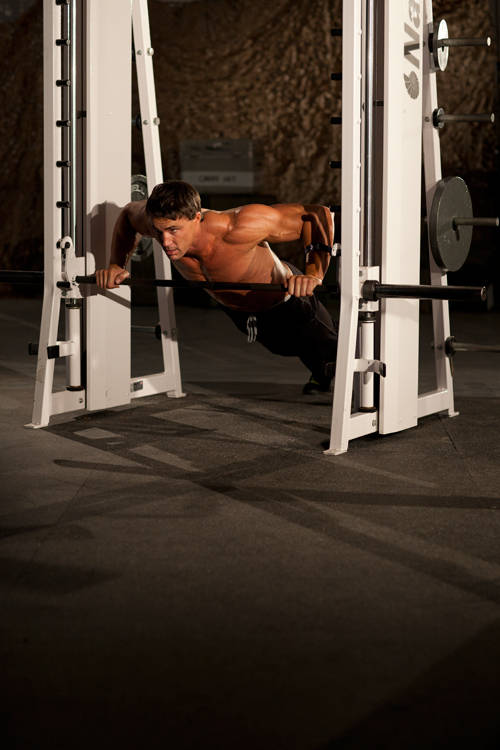
How to perform this exercise
- Stand facing a Smith machine bar or sturdy elevated platform at an appropriate height.
- Place your hands on the bar, with your hands wider than shoulder width.
- Position your feet back from the bar with arms and body straight. Your arms should be perpendicular to the body. This will be your starting position.
- Keeping your body straight, lower your chest to the bar by bending the arms.
- Return to the starting position by extending the elbows, pressing yourself back up.
Sets and reps: 3 sets of 8 to 12 reps, and add reps before you add load.
Why this matches
- Movement: incline press, the same as the Incline Push-up (On Box)
- Primary muscle: pectorals, the same as the Incline Push-up (On Box)
- Equipment: bodyweight only, the same as the Incline Push-up (On Box)
- Body position: lying face down, not standing
Progression
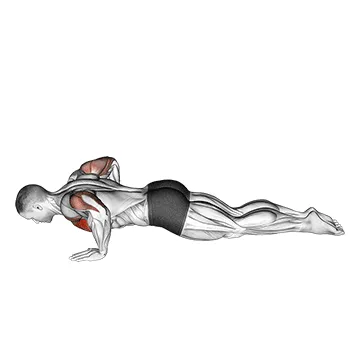
6. Modified Hindu Push-up
87% match- Pectorals
- Bodyweight
- Intermediate
- Compound
Pick this when you want a harder version that still works the pectorals.
How to perform this exercise
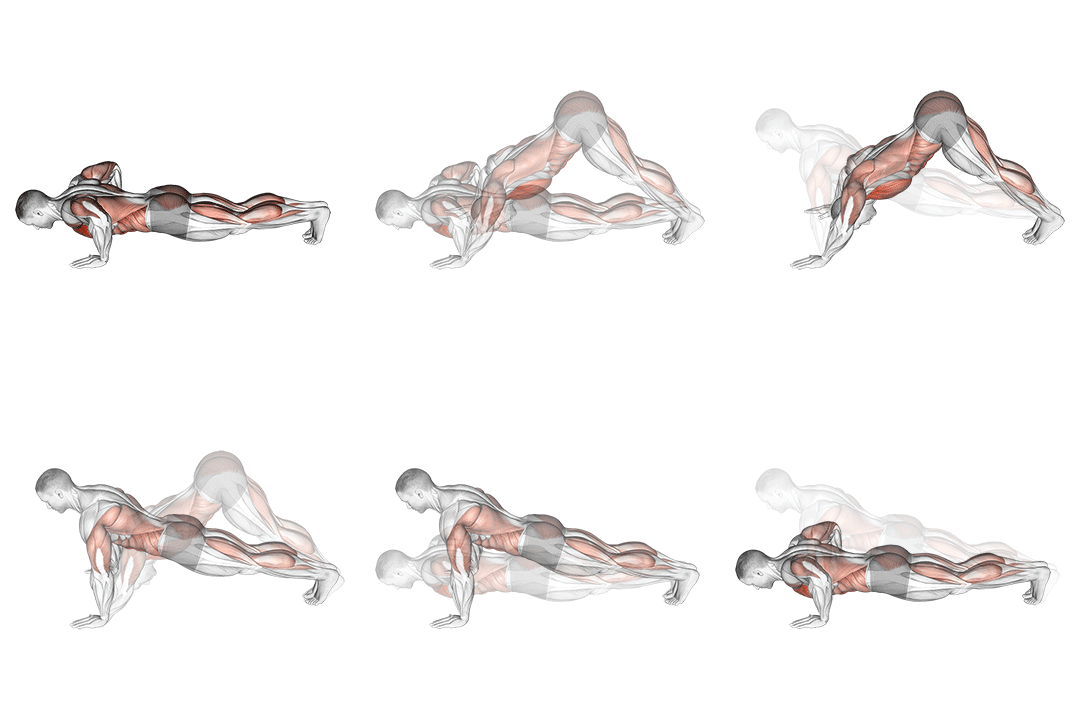
- Start in a push-up position with your hands slightly wider than shoulder-width apart and your feet hip-width apart.
- Lower your body towards the ground, bending your elbows and keeping your core engaged.
- As you lower your body, shift your weight back and lift your hips up towards the ceiling, creating an inverted V shape with your body.
- Continue to lower your body until your chest is just above the ground, then reverse the movement, pushing your hips back down and extending your arms to return to the starting position.
- Repeat for the desired number of repetitions.
Sets and reps: 3 or 4 sets of 6 to 10 reps.
Why this matches
- Primary muscle: pectorals, the same as the Incline Push-up (On Box)
- Equipment: bodyweight only, the same as the Incline Push-up (On Box)
- Body position: standing, the same as the Incline Push-up (On Box)
- Balance: harder to stay steady on than the Incline Push-up (On Box)
Progression
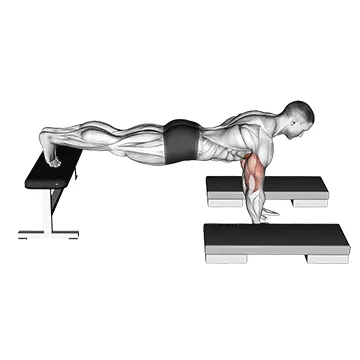
7. Incline Reverse Grip Push-up
87% match- Pectorals
- Bodyweight
- Intermediate
- Compound
How to perform this exercise
- Place your hands on the edge of a bench or elevated surface, slightly wider than shoulder-width apart.
- Extend your legs behind you, resting on the balls of your feet, creating a straight line from your head to your heels.
- Lower your chest towards the bench by bending your elbows, keeping them close to your sides.
- Pause for a moment at the bottom, then push yourself back up to the starting position by extending your arms.
- Repeat for the desired number of repetitions.
Sets and reps: 3 or 4 sets of 6 to 10 reps.
Why this matches
- Movement: incline press, the same as the Incline Push-up (On Box)
- Primary muscle: pectorals, the same as the Incline Push-up (On Box)
- Equipment: bodyweight only, the same as the Incline Push-up (On Box)
- Body position: lying face down, not standing
Progression
8. Incline Push-up Reverse Grip
86% match- Pectorals
- Bodyweight
- Intermediate
- Compound
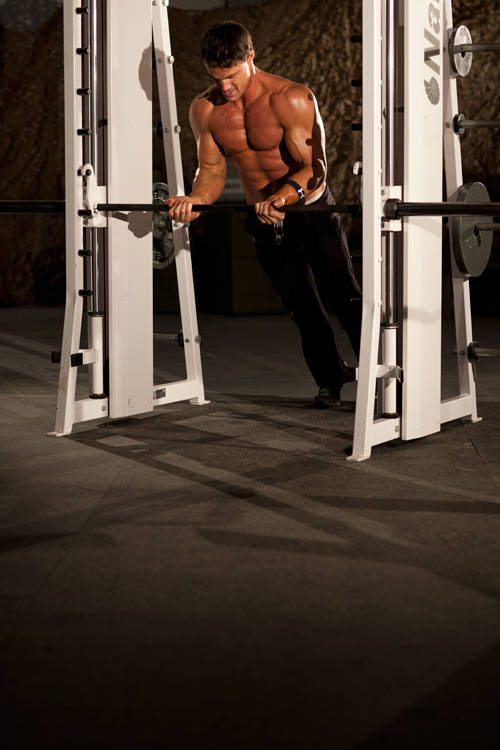
How to perform this exercise
- Stand facing a Smith machine bar or sturdy elevated platform at an appropriate height.
- Place your hands on the bar palms up, with your hands about shoulder width apart.
- Position your feet back from the bar with arms and body straight. This will be your starting position.
- Keeping your body straight, lower your chest to the bar by bending the arms.
- Return to the starting position by extending the elbows, pressing yourself back up.
Sets and reps: 3 or 4 sets of 6 to 10 reps.
Why this matches
- Movement: incline press, the same as the Incline Push-up (On Box)
- Primary muscle: pectorals, the same as the Incline Push-up (On Box)
- Equipment: bodyweight only, the same as the Incline Push-up (On Box)
- Body position: lying face down, not standing
Progression
9. Incline Push Up Depth Jump
84% match- Pectorals
- Bodyweight
- Advanced
- Compound
How to perform this exercise
- Find an elevated surface, such as a bench or step, and place your hands shoulder-width apart on the edge.
- Step your feet back, keeping your body in a straight line from head to heels.
- Lower your chest towards the edge of the surface, bending your elbows and keeping your body aligned.
- Push through your palms to extend your arms and return to the starting position.
- Jump off the edge of the surface, landing softly with your knees slightly bent.
- Repeat the push-up and depth jump for the desired number of repetitions.
Sets and reps: 3 or 4 sets of 6 to 10 reps.
Why this matches
- Movement: incline press, the same as the Incline Push-up (On Box)
- Primary muscle: pectorals, the same as the Incline Push-up (On Box)
- Equipment: bodyweight only, the same as the Incline Push-up (On Box)
- Body position: lying face down, not standing
- Balance: harder to stay steady on than the Incline Push-up (On Box)
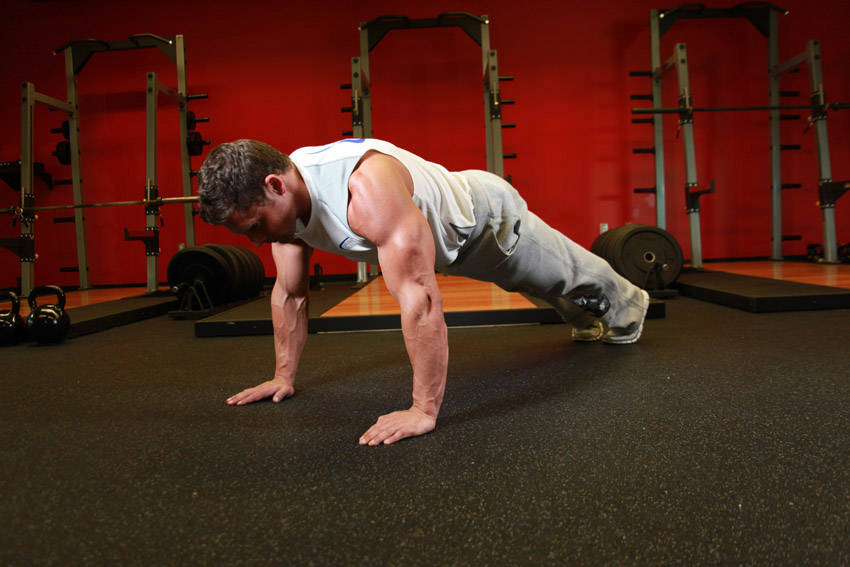
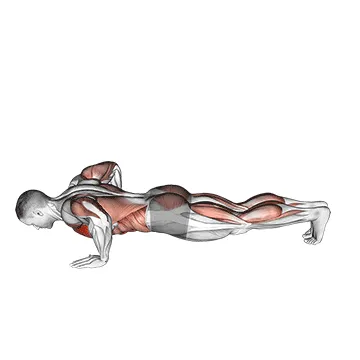
10. Pushups
81% match- Pectorals
- Bodyweight
- Beginner
- Compound
How to perform this exercise
- Lie on the floor face down and place your hands about 36 inches apart while holding your torso up at arms length.
- Next, lower yourself downward until your chest almost touches the floor as you inhale.
- Now breathe out and press your upper body back up to the starting position while squeezing your chest.
- After a brief pause at the top contracted position, you can begin to lower yourself downward again for as many repetitions as needed.
Sets and reps: 3 sets of 8 to 12 reps, and add reps before you add load.
Why this matches
- Primary muscle: pectorals, the same as the Incline Push-up (On Box)
- Equipment: bodyweight only, the same as the Incline Push-up (On Box)
- Body position: lying face down, not standing
Why You Might Need an Incline Push-up (On Box) Alternative
You reach for a swap when you have no box, bench or step to raise your hands on, or when the raised version still feels like too much for day one. The Incline Push-up (On Box) already sits near the easy end of this movement, and the Push-up (Wall) is the one swap that makes the same pressing motion lighter still. The Push-up (Wall) keeps the same straight-body line but has you stand and lean into a wall instead of a box. A couple of these sit further along as harder versions, for the day the box feels light and you want more of your own weight on your hands.
How to Choose the Right Incline Push-up (On Box) Substitute
If pressing at this angle still feels heavy, the Push-up (Wall) is the biggest step down: you stand about an arm's length from a wall with your hands at shoulder height instead of holding a straight line with your hands on a box. If you have no box at all, the Kneeling Push-up moves the press to the floor: you start on your knees, then extend your legs behind you and press from a straight line, so expect it to feel harder than the box, not easier. The Incline Push-up is the same press with your hands on a bench or step instead of a box, so treat it as a like for like rather than an easier step. Once the box feels light, the Modified Hindu Push-up is the next step up.
Incline Push-up (On Box) FAQ
Can I do the Incline Push-up (On Box) without a box?
Yes. The Push-up (Wall) keeps the same straight-body line but has you stand and lean into a wall instead of a box or bench. The Kneeling Push-up needs no wall or box either: you set up on your knees on the floor, then extend your legs behind you and press from a straight line, so it is a step up from the box rather than a step down.
Which swap suits a total beginner?
The Push-up (Wall) is the gentlest place to start: you stand about an arm's length from a wall and lean into it with your hands at shoulder height instead of holding a straight line with your hands on a box.
How do I make this exercise harder once it feels easy?
Move to the Modified Hindu Push-up: it starts from a plank with your hands on the floor, and as you lower you shift your weight back and lift your hips toward the ceiling into an inverted V, then push your hips back down and straighten your arms, so it demands more than just extra weight through your arms. Build up to it once your current sets stop feeling like work, rather than jumping straight there from the box.
Does swapping to an easier variation still work the same chest muscles?
Yes. All three are the same press: hands fixed on a surface, elbows bend, chest lowers toward it, arms straighten to push back up. Changing the surface changes how much of your bodyweight you press, not which muscles do the pressing. The wall version makes the press lighter; the floor version makes it heavier. Neither changes what is doing the work. Pick whichever version matches what you can lean on today.
Find Alternatives for Any Exercise
Search the exercise database and filter the ranked substitutes by the equipment you own.
Similarity scores compare exercise metadata such as movement pattern, muscles, equipment and body position. They are not a safety rating or a check that you own the equipment. Learn about our methodology