

10 Alternatives to Close Grip Military Press for Stronger Delts
The Barbell Standing Close Grip Military Press is done standing with a barbell. Ranked closest by our scoring: Handstand Push-ups.
Updated Ranked by our 12-factor similarity model How it works
Original Exercise: Barbell Standing Close Grip Military Press
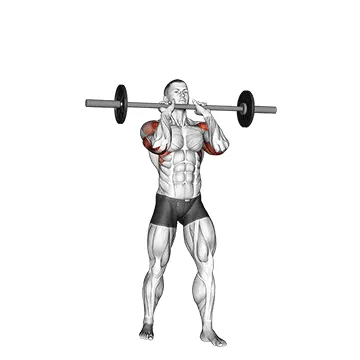
- Primary muscle
- Delts
- Equipment
- Barbell
- Difficulty
- Intermediate
- Type
- Compound
Secondary muscles: Triceps, Upper Back
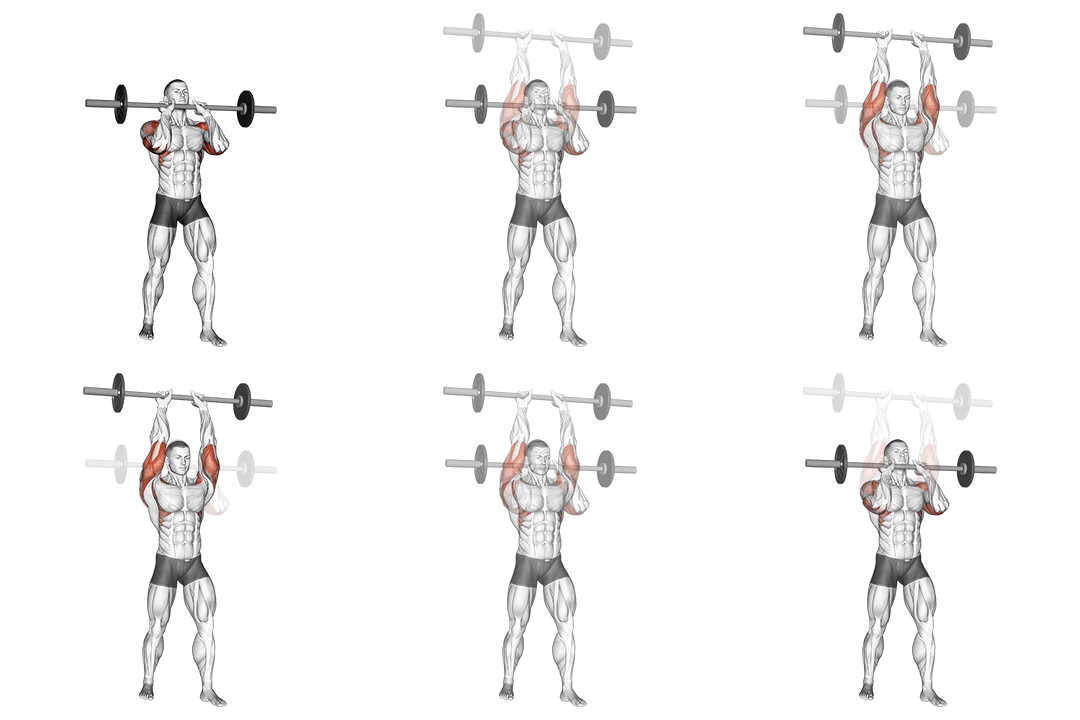
How to perform Barbell Standing Close Grip Military Press
- Stand with your feet shoulder-width apart and hold the barbell with an overhand grip, hands slightly closer than shoulder-width apart.
- Lift the barbell to shoulder height, keeping your elbows close to your body.
- Press the barbell overhead, extending your arms fully.
- Lower the barbell back to shoulder height.
- Repeat for the desired number of repetitions.
Ranked Barbell Standing Close Grip Military Press Alternatives
10 substitutes, ranked by how closely each one matches the Barbell Standing Close Grip Military Press on movement pattern, muscles worked, equipment and body position. The higher the score, the less you change. Open "How to perform this exercise" on a card for the steps; every card title links to that exercise's own alternatives page.
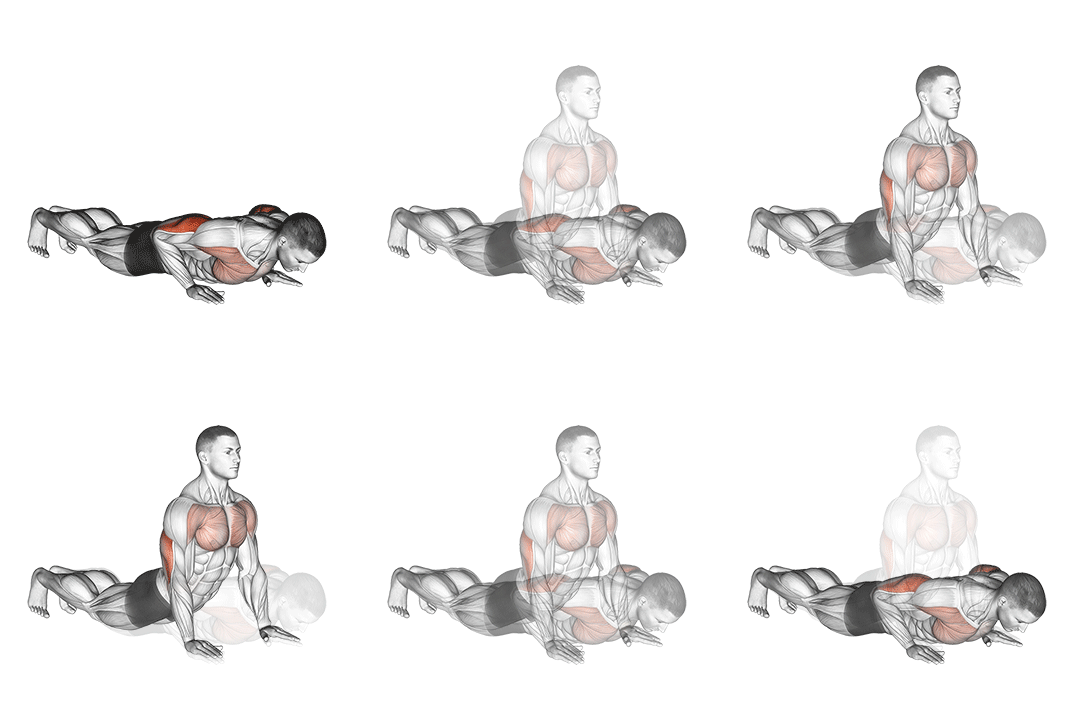
1. Elbow Dips
65% match- Triceps
- Bodyweight
- Intermediate
- Compound
A looser match: it works the triceps rather than the delts.
How to perform this exercise
- Sit on the edge of a bench or chair with your hands gripping the edge next to your hips.
- Slide your hips forward off the bench and straighten your legs, keeping your heels on the ground.
- Bend your elbows and lower your body towards the ground, keeping your back close to the bench.
- Pause for a moment at the bottom, then push through your hands to straighten your arms and lift your body back up to the starting position.
- Repeat for the desired number of repetitions.
Sets and reps: 3 or 4 sets of 6 to 10 reps.
Why this matches
- Primary muscle: triceps, not delts
- Equipment: bodyweight only, not free weights
- Body position: standing, the same as the Barbell Standing Close Grip Military Press
Best match 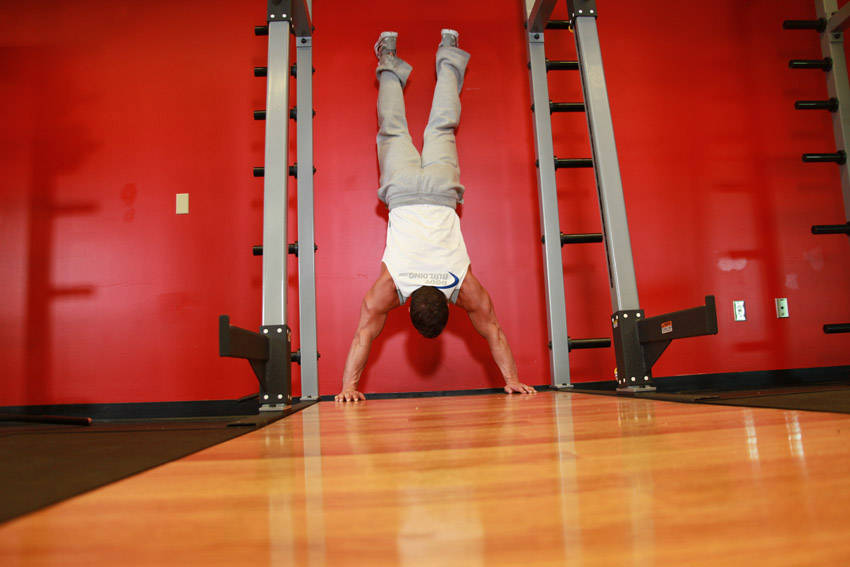
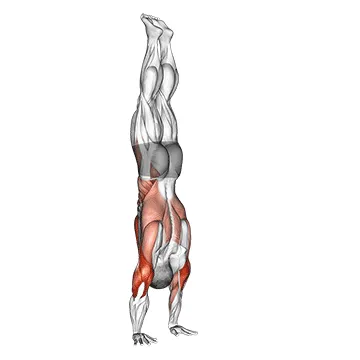
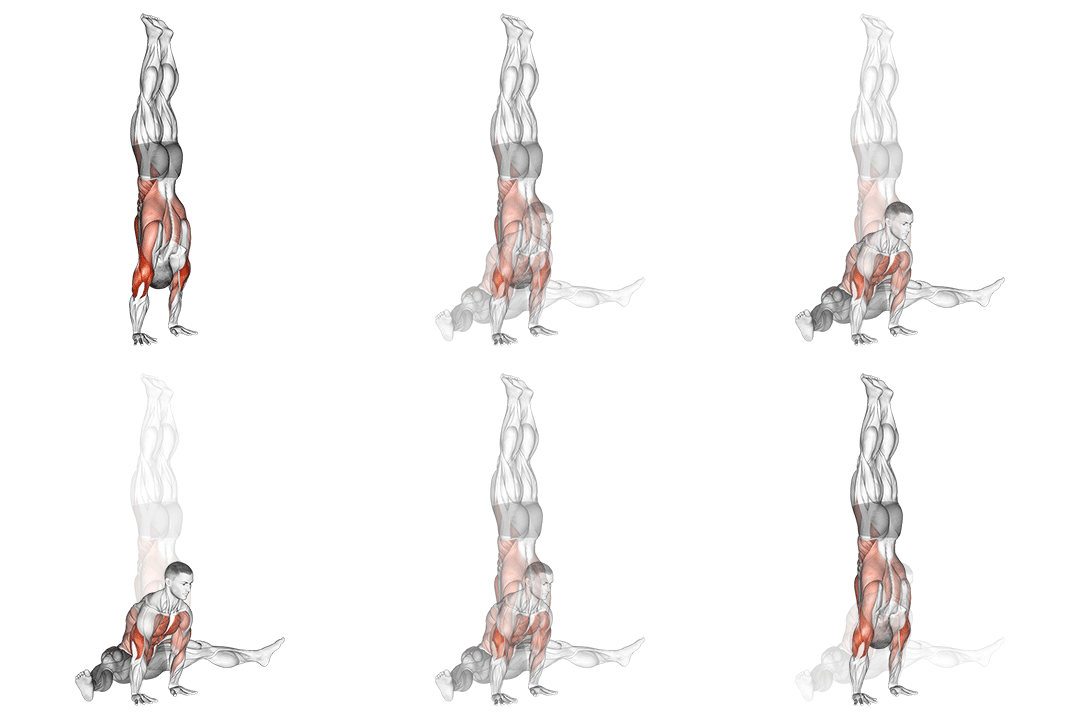
2. Handstand Push-ups
62% match- Delts
- Bodyweight
- Advanced
- Compound
Use this when you have nothing to train with, because it works the delts with bodyweight alone.
How to perform this exercise
- With your back to the wall bend at the waist and place both hands on the floor at shoulder width.
- Kick yourself up against the wall with your arms straight. Your body should be upside down with the arms and legs fully extended. Keep your whole body as straight as possible. Tip: If doing this for the first time, have a spotter help you. Also, make sure that you keep facing the wall with your head, rather than looking down.
- Slowly lower yourself to the ground as you inhale until your head almost touches the floor. Tip: It is of utmost importance that you come down slow in order to avoid head injury.
- Push yourself back up slowly as you exhale until your elbows are nearly locked.
- Repeat for the recommended amount of repetitions.
Sets and reps: 3 or 4 sets of 6 to 10 reps.
Why this matches
- Primary muscle: delts, the same as the Barbell Standing Close Grip Military Press
- Equipment: bodyweight only, not free weights
- Body position: inverted, not standing
- Balance: harder to stay steady on than the Barbell Standing Close Grip Military Press
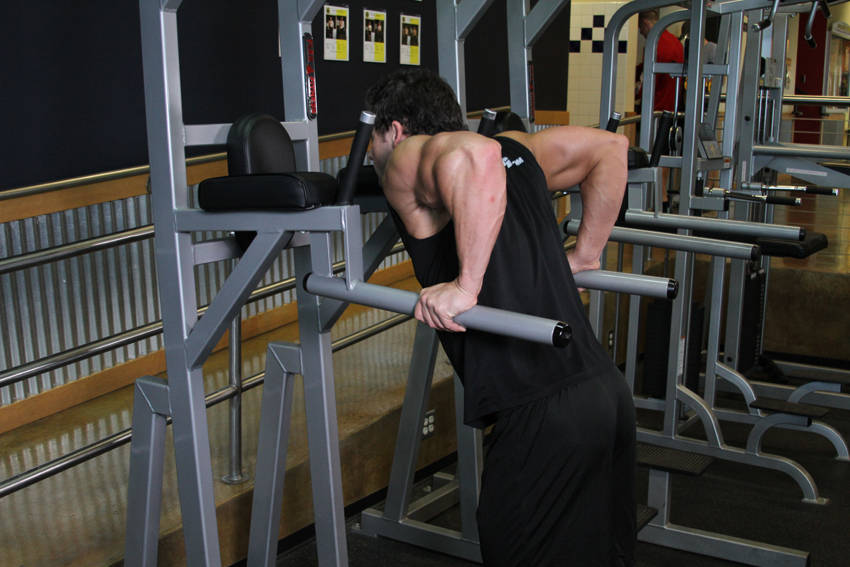
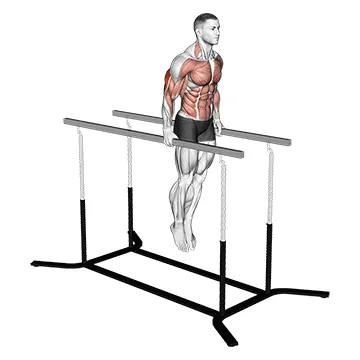
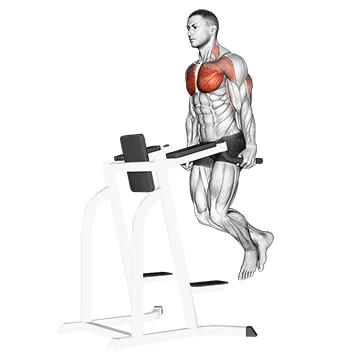
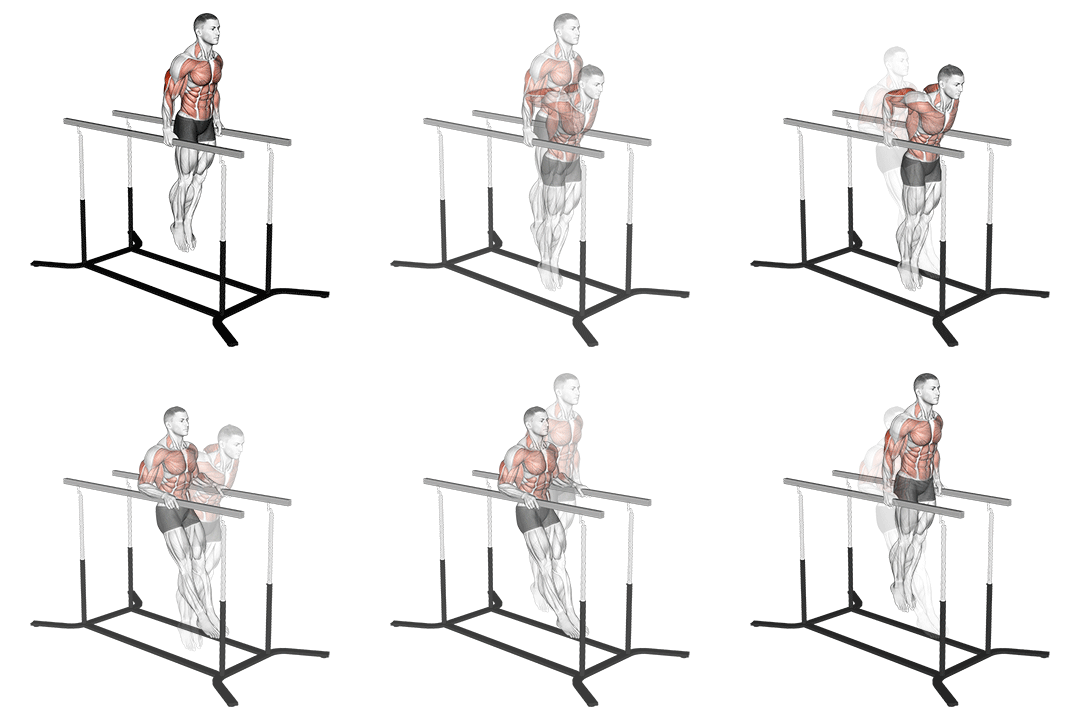
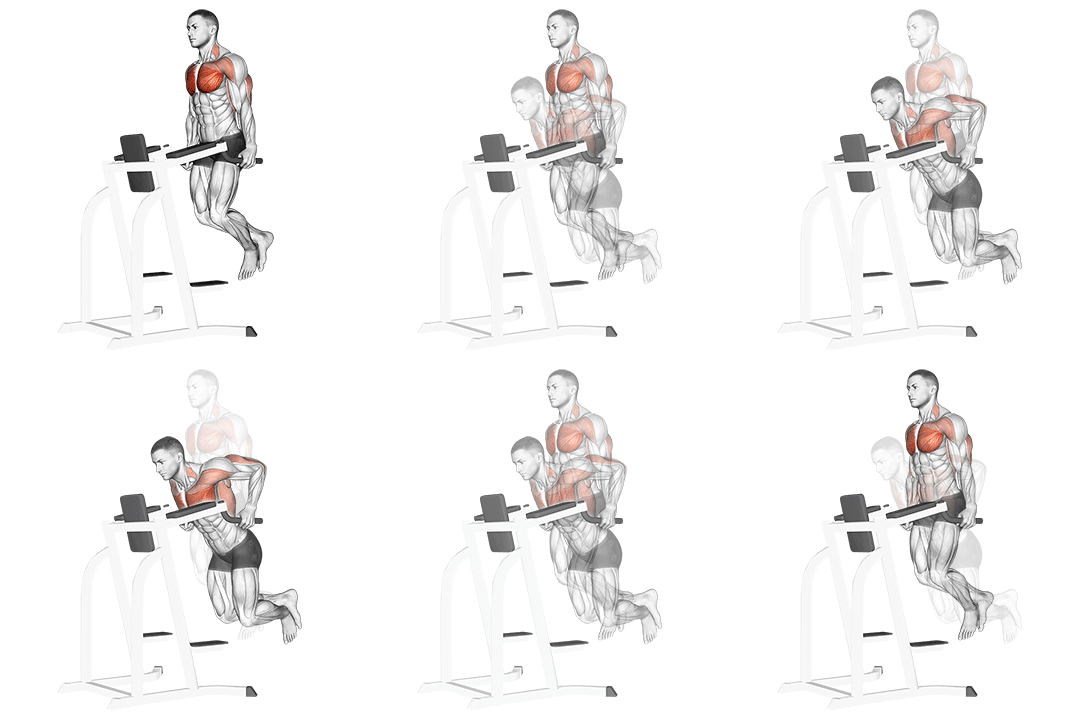
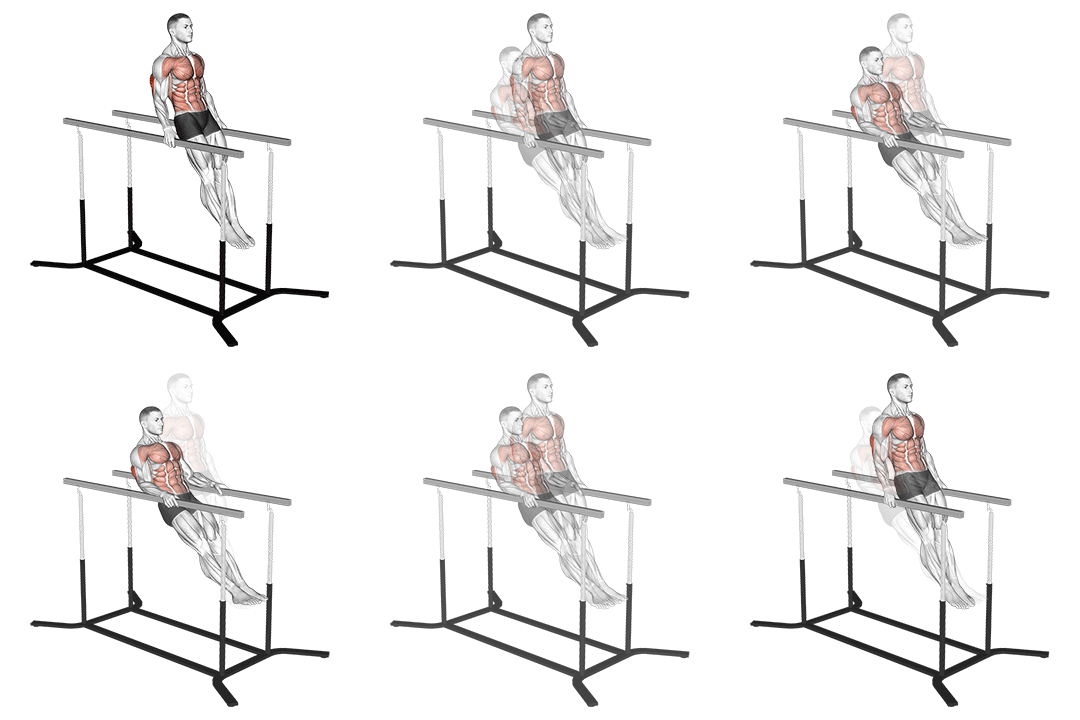
3. Dips - Triceps Version
57% match- Triceps
- Bodyweight
- Intermediate
- Compound
How to perform this exercise
- To get into the starting position, hold your body at arm's length with your arms nearly locked above the bars.
- Now, inhale and slowly lower yourself downward. Your torso should remain upright and your elbows should stay close to your body. This helps to better focus on tricep involvement. Lower yourself until there is a 90 degree angle formed between the upper arm and forearm.
- Then, exhale and push your torso back up using your triceps to bring your body back to the starting position.
- Repeat the movement for the prescribed amount of repetitions.
Sets and reps: 3 or 4 sets of 6 to 10 reps.
Why this matches
- Primary muscle: triceps, not delts
- Equipment: bodyweight only, not free weights
- Body position: hanging, not standing
4. Reverse Dip
56% match- Triceps
- Bodyweight
- Intermediate
- Compound
How to perform this exercise
- Position yourself between two parallel bars with your arms fully extended and your body straight.
- Lower your body by bending your elbows until your upper arms are parallel to the ground.
- Pause for a moment, then push yourself back up to the starting position by straightening your arms.
- Repeat for the desired number of repetitions.
Sets and reps: 3 or 4 sets of 6 to 10 reps.
Why this matches
- Primary muscle: triceps, not delts
- Equipment: bodyweight only, not free weights
- Body position: standing, the same as the Barbell Standing Close Grip Military Press
5. Stalder Press
53% match- Triceps
- Bodyweight
- Advanced
- Compound
How to perform this exercise
- Start by standing with your feet shoulder-width apart and your arms extended overhead.
- Bend your knees slightly and engage your core.
- Lower your body down into a squat position while keeping your arms extended overhead.
- As you squat down, press your arms down towards the ground, engaging your triceps.
- Pause for a moment at the bottom of the squat, then push through your heels to stand back up while simultaneously raising your arms back overhead.
- Repeat for the desired number of repetitions.
Sets and reps: 3 or 4 sets of 6 to 10 reps.
Why this matches
- Primary muscle: triceps, not delts
- Equipment: bodyweight only, not free weights
- Body position: inverted, not standing
- Balance: harder to stay steady on than the Barbell Standing Close Grip Military Press
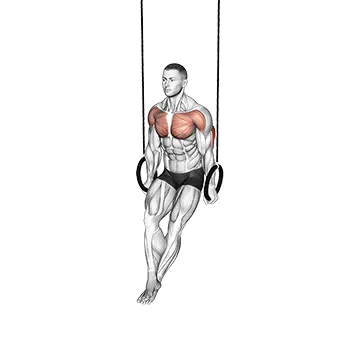
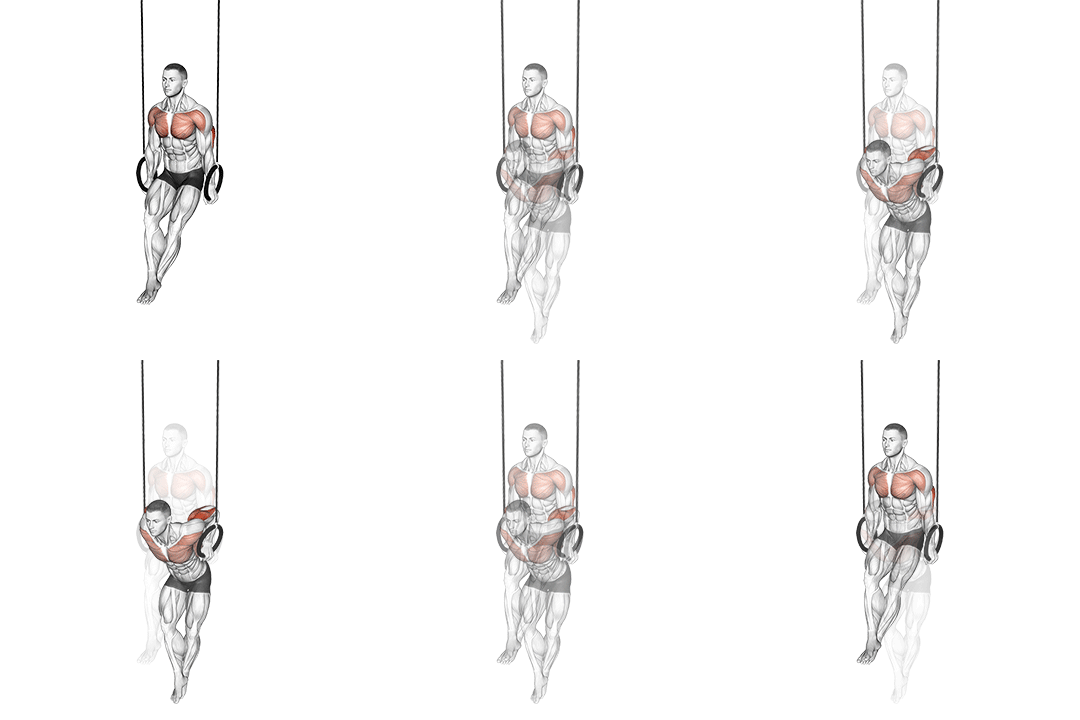
6. Ring Dips
53% match- Triceps
- Bodyweight
- Advanced
- Compound
How to perform this exercise
- Start by hanging from the rings with your arms fully extended and your body straight.
- Lower your body by bending your elbows until your shoulders are below your elbows.
- Push yourself back up to the starting position by straightening your arms.
- Repeat for the desired number of repetitions.
Sets and reps: 3 to 5 sets of 5 to 8 reps.
Why this matches
- Primary muscle: triceps, not delts
- Equipment: a suspension trainer, not free weights
- Body position: standing, the same as the Barbell Standing Close Grip Military Press
- Balance: harder to stay steady on than the Barbell Standing Close Grip Military Press
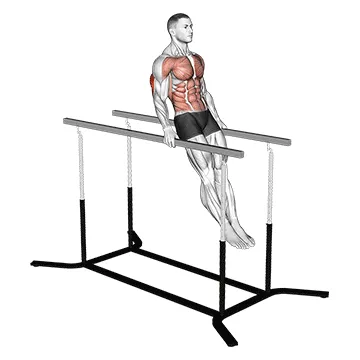
7. Chest Dip
47% match- Pectorals
- Bodyweight
- Advanced
- Compound
A looser match: it works the pectorals rather than the delts.
How to perform this exercise
- Position yourself on parallel bars with your arms fully extended and your body straight.
- Lower your body by bending your elbows until your shoulders are below your elbows.
- Push yourself back up to the starting position by straightening your arms.
- Repeat for the desired number of repetitions.
Sets and reps: 3 or 4 sets of 6 to 10 reps.
Why this matches
- Primary muscle: pectorals, not delts
- Equipment: bodyweight only, not free weights
- Body position: hanging, not standing
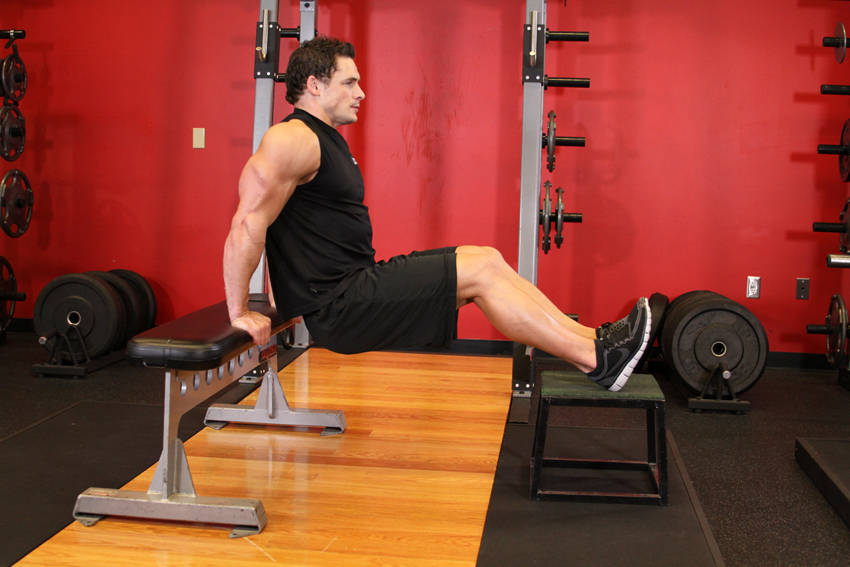
8. Bench Dips
44% match- Triceps
- Bodyweight
- Intermediate
- Compound
How to perform this exercise
- For this exercise you will need to place a bench behind your back. With the bench perpendicular to your body, and while looking away from it, hold on to the bench on its edge with the hands fully extended, separated at shoulder width. The legs will be extended forward, bent at the waist and perpendicular to your torso. This will be your starting position.
- Slowly lower your body as you inhale by bending at the elbows until you lower yourself far enough to where there is an angle slightly smaller than 90 degrees between the upper arm and the forearm. Tip: Keep the elbows as close as possible throughout the movement. Forearms should always be pointing down.
- Using your triceps to bring your torso up again, lift yourself back to the starting position.
- Repeat for the recommended amount of repetitions.
Sets and reps: 3 or 4 sets of 6 to 10 reps.
Why this matches
- Primary muscle: triceps, not delts
- Equipment: bodyweight only, not free weights
- Body position: seated, not standing
- Balance: easier to stay steady on than the Barbell Standing Close Grip Military Press
9. Impossible Dips
43% match- Triceps
- Bodyweight
- Advanced
- Compound
How to perform this exercise
- Position yourself between two parallel bars with your arms fully extended and your body suspended in the air.
- Bend your knees and cross your ankles.
- Lower your body by bending your elbows until your upper arms are parallel to the ground.
- Pause for a moment, then push yourself back up to the starting position by straightening your arms.
- Repeat for the desired number of repetitions.
Sets and reps: 3 or 4 sets of 6 to 10 reps.
Why this matches
- Primary muscle: triceps, not delts
- Equipment: bodyweight only, not free weights
- Body position: inverted, not standing
- Balance: harder to stay steady on than the Barbell Standing Close Grip Military Press
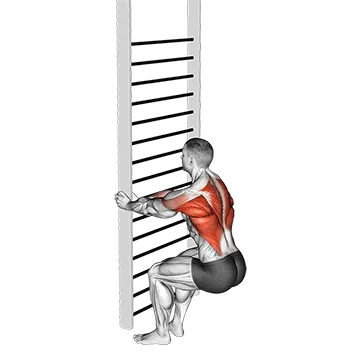
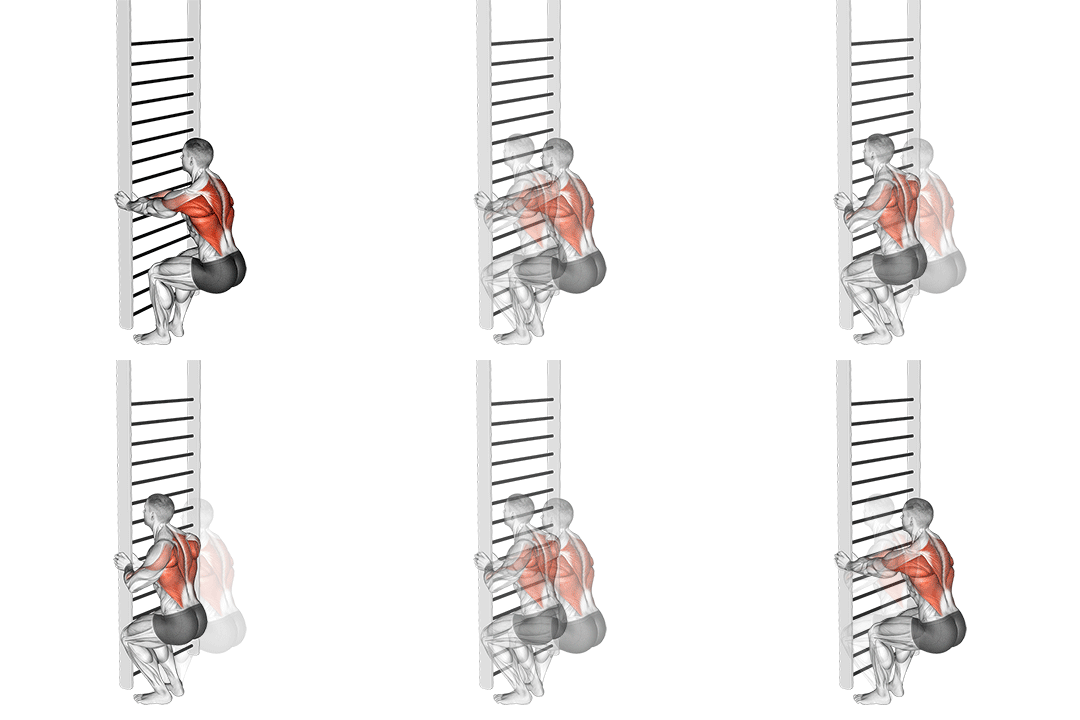
10. Bodyweight Squatting Row
41% match- Lats
- Bodyweight
- Beginner
- Compound
How to perform this exercise
- Stand with your feet shoulder-width apart, holding onto a sturdy object or suspension trainer with your arms extended.
- Lower your body into a squat position, keeping your back straight and your knees behind your toes.
- From the squat position, pull your body up towards the object or suspension trainer, squeezing your shoulder blades together.
- Pause for a moment at the top, then slowly lower your body back down to the starting position.
- Repeat for the desired number of repetitions.
Sets and reps: 3 sets of 8 to 12 reps, and add reps before you add load.
Why this matches
- Primary muscle: lats, not delts
- Equipment: bodyweight only, not free weights
- Body position: standing, the same as the Barbell Standing Close Grip Military Press
Why You Might Need a Barbell Standing Close Grip Military Press Alternative
You may swap this lift because of shoulder pain, limited barbell access, mobility limits, or training priorities. The close narrow grip increases triceps contribution and shifts the humeral head forward, which can aggravate impingement. Choose alternatives that allow a neutral wrist, freer scapular motion, or a different vertical path. Cue: keep elbows slightly in front (~30 degrees) of the torso to reduce supraspinatus compression. For equipment or rehab needs, landmine or dumbbell pressing reduces internal rotation and lowers compressive load while still loading the deltoids and recruiting the rotator cuff for stability.
How to Choose the Right Barbell Standing Close Grip Military Press Substitute
Match the substitute to your goal, equipment, and shoulder mechanics. For strength, pick a heavy bilateral press (dumbbell or landmine) and load progressively; for hypertrophy, use higher-rep strict presses and controlled eccentrics. If you have shoulder pain, favor neutral grips and unilateral presses to reduce internal rotation and allow scapular motion. Cue: keep your core braced and tuck the ribs slightly while pressing so the delts, not the spine or pecs, take the primary load. Also consider stability demands, single-arm presses increase rotator cuff activation and core anti-rotation strength.
Barbell Standing Close Grip Military Press FAQ
What muscles does Barbell Standing Close Grip Military Press work?
The lift primarily targets the anterior and lateral deltoids while heavily recruiting the triceps for extension. It also engages the upper pecs, traps, rotator cuff for shoulder stabilization, and your core for upright posture; a narrow grip increases triceps involvement by shortening the deltoid moment arm.
Can I build muscle without doing Barbell Standing Close Grip Military Press?
Yes. You can build shoulder mass with other compound presses, unilateral dumbbell work, landmine presses, and targeted lateral raises. Use progressive overload, full range of motion, and controlled eccentrics, cue: pause at the bottom of each rep to maintain tension on the delts and ensure consistent muscle activation.
Find Alternatives for Any Exercise
Search the exercise database and filter the ranked substitutes by the equipment you own.
Similarity scores compare exercise metadata such as movement pattern, muscles, equipment and body position. They are not a safety rating or a check that you own the equipment. Learn about our methodology