

10 Best Cable Forward Raise Alternatives for Limited Equipment
The Cable Forward Raise is done standing with a cable machine. Ranked closest by our scoring: the Cable Front Raise, the Cable Front Shoulder Raise and the Standing Low-pulley Deltoid Raise. A harder version, the Cable One Arm Lateral Raise, is listed below as a progression rather than a swap.
Updated Ranked by our 12-factor similarity model How it works
Original Exercise: Cable Forward Raise
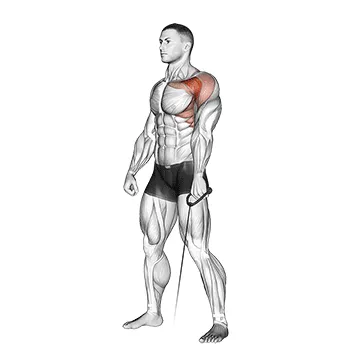
- Primary muscle
- Delts
- Equipment
- Cable
- Difficulty
- Beginner
- Type
- Isolation
Secondary muscles: Triceps, Forearms
How to perform Cable Forward Raise
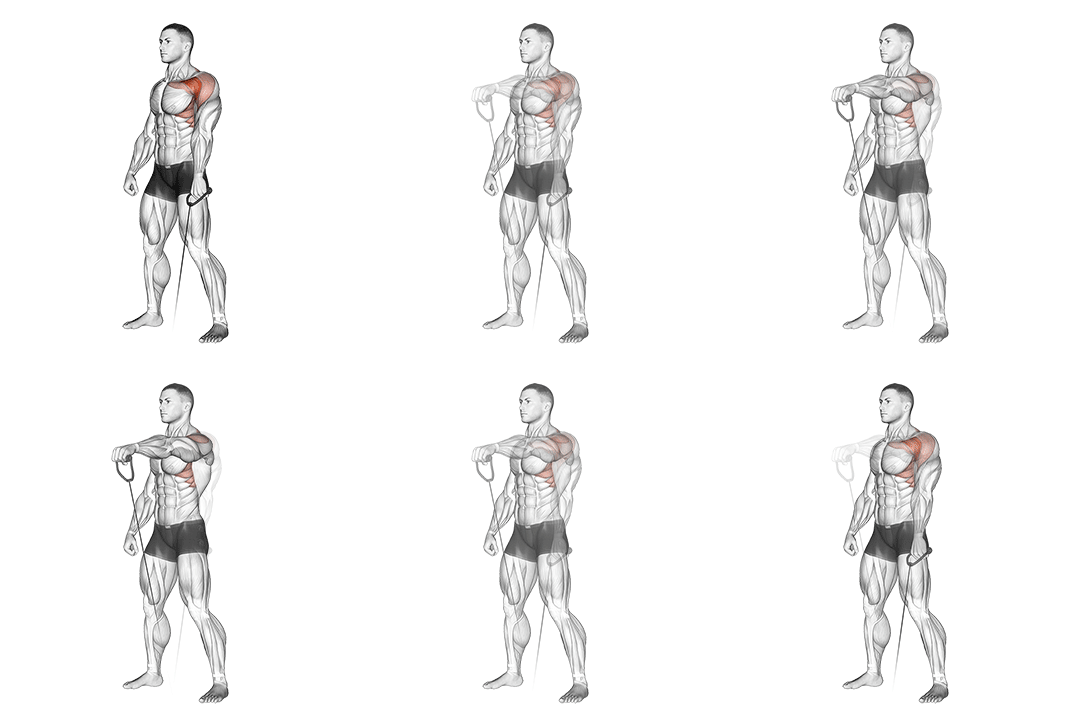
- Stand with your feet shoulder-width apart and your knees slightly bent.
- Hold the cable handle with an overhand grip, palms facing down, and your arms fully extended in front of you.
- Keeping your arms straight, raise the cable handle up to shoulder level.
- Pause for a moment at the top, then slowly lower the cable handle back down to the starting position.
- Repeat for the desired number of repetitions.
Ranked Cable Forward Raise Alternatives
10 substitutes, ranked by how closely each one matches the Cable Forward Raise on movement pattern, muscles worked, equipment and body position. The higher the score, the less you change. Open "How to perform this exercise" on a card for the steps; every card title links to that exercise's own alternatives page. Harder versions are tagged as progressions and kept out of the top spot even when they score higher.
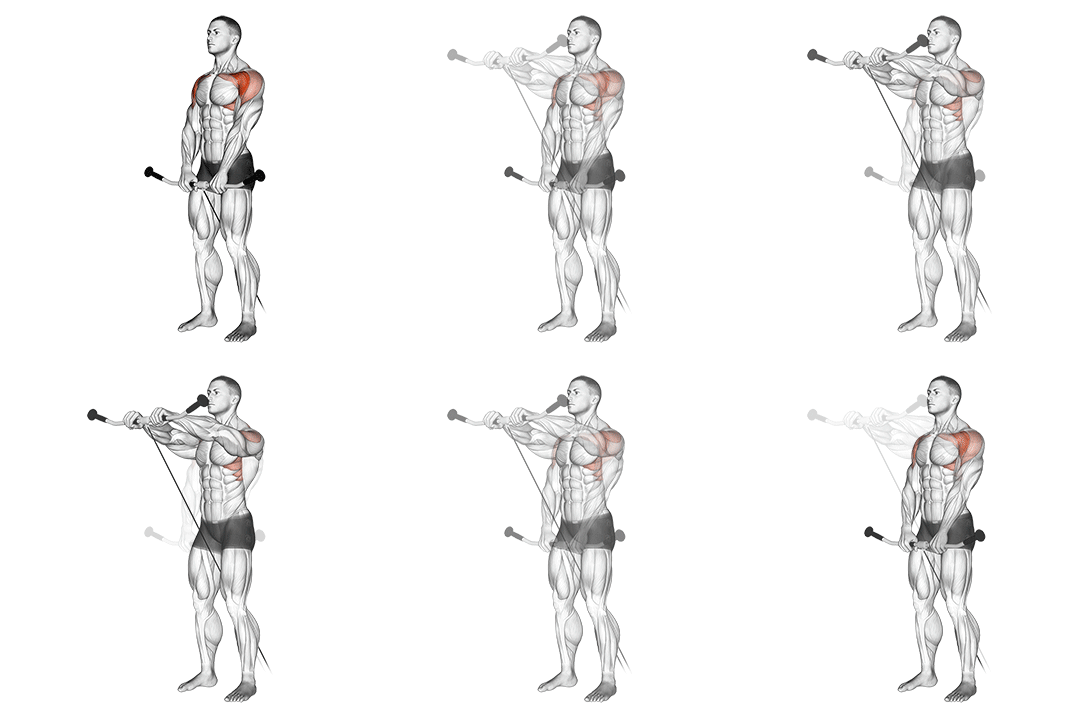
Best match 1. Cable Front Raise
99% match- Delts
- Cable
- Beginner
- Isolation
It uses the same equipment and still works the delts.
How to perform this exercise
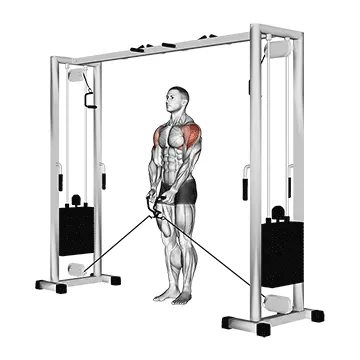
- Stand with your feet shoulder-width apart and grasp the cable handle with an overhand grip.
- Keep your back straight and your core engaged.
- Raise the cable handle in front of you, keeping your arms straight and your palms facing down.
- Continue lifting until your arms are parallel to the floor.
- Pause for a moment at the top, then slowly lower the cable handle back to the starting position.
- Repeat for the desired number of repetitions.
Sets and reps: 3 sets of 10 to 15 reps on each side.
Why this matches
- Movement: raise, the same as the Cable Forward Raise
- Primary muscle: delts, the same as the Cable Forward Raise
- Equipment: a cable, the same as the Cable Forward Raise
- Body position: standing, the same as the Cable Forward Raise
2. Cable Front Shoulder Raise
99% match- Delts
- Cable
- Beginner
- Isolation
How to perform this exercise
- Stand with your feet shoulder-width apart and grasp the cable handle with an overhand grip.
- Keep your back straight and your core engaged.
- Raise the cable handle in front of you, keeping your arms straight and your palms facing down.
- Continue lifting until your arms are parallel to the floor.
- Pause for a moment at the top, then slowly lower the cable handle back to the starting position.
- Repeat for the desired number of repetitions.
Sets and reps: 3 sets of 10 to 15 reps on each side.
Why this matches
- Movement: raise, the same as the Cable Forward Raise
- Primary muscle: delts, the same as the Cable Forward Raise
- Equipment: a cable, the same as the Cable Forward Raise
- Body position: standing, the same as the Cable Forward Raise
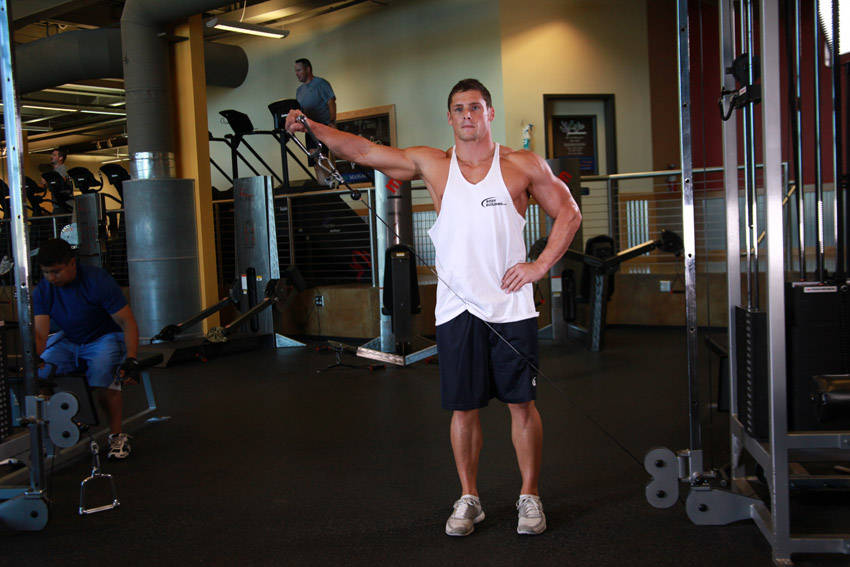
3. Standing Low-pulley Deltoid Raise
83% match- Delts
- Cable
- Beginner
- Isolation
It still works the delts, through a different movement.
How to perform this exercise
- Start by standing to the right side of a low pulley row. Use your left hand to come across the body and grab a single handle attached to the low pulley with a pronated grip (palms facing down). Rest your arm in front of you. Your right hand should grab the machine for better support and balance.
- Make sure that your back is erect and your feet are shoulder width apart from each other. This is the starting position.
- Begin to use the left hand and come across your body out until it is elevated to shoulder height while exhaling.
- Feel the contraction at the top for a second and begin to slowly lower the handle back down to the original starting position while inhaling.
- Repeat for the recommended amount of repetitions.
- Switch arms and repeat the exercise.
Sets and reps: 3 sets of 10 to 15 reps on each side.
Why this matches
- Primary muscle: delts, the same as the Cable Forward Raise
- Equipment: a cable, the same as the Cable Forward Raise
- Body position: standing, the same as the Cable Forward Raise
- Balance: easier to stay steady on than the Cable Forward Raise
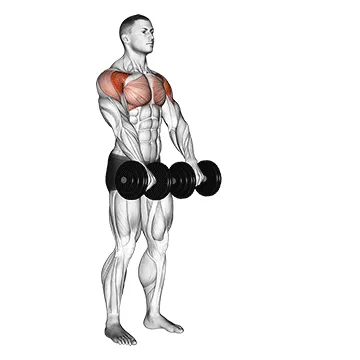
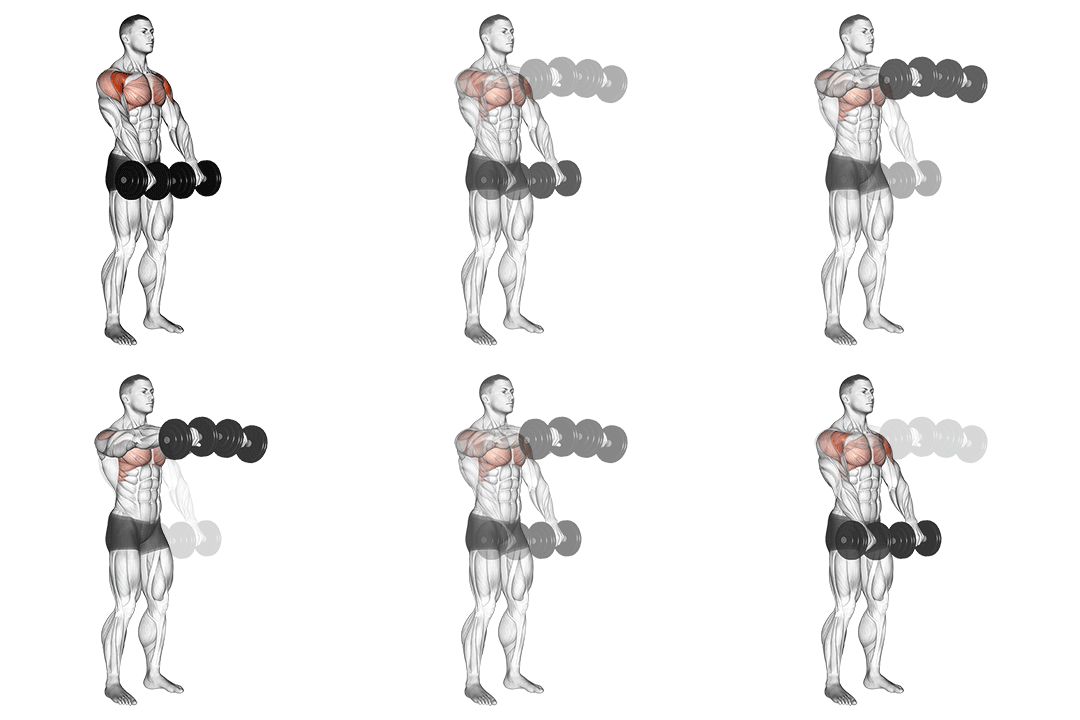
4. Dumbbell Front Raise
74% match- Delts
- Dumbbell
- Beginner
- Isolation
A good swap when you have dumbbells to work with, and it still works the delts.
How to perform this exercise
- Stand with your feet shoulder-width apart, holding a dumbbell in each hand with your palms facing your thighs.
- Keeping your arms straight, exhale and lift the dumbbells in front of you until they are at shoulder level.
- Pause for a moment at the top, then inhale and slowly lower the dumbbells back down to the starting position.
- Repeat for the desired number of repetitions.
Sets and reps: 3 sets of 10 to 15 reps.
Why this matches
- Movement: raise, the same as the Cable Forward Raise
- Primary muscle: delts, the same as the Cable Forward Raise
- Equipment: free weights, not a cable
- Body position: standing, the same as the Cable Forward Raise
Progression
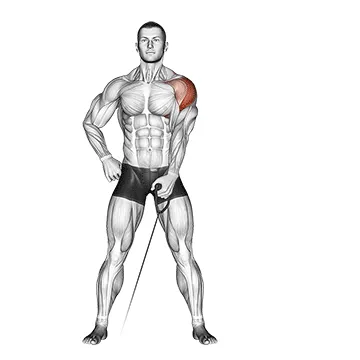
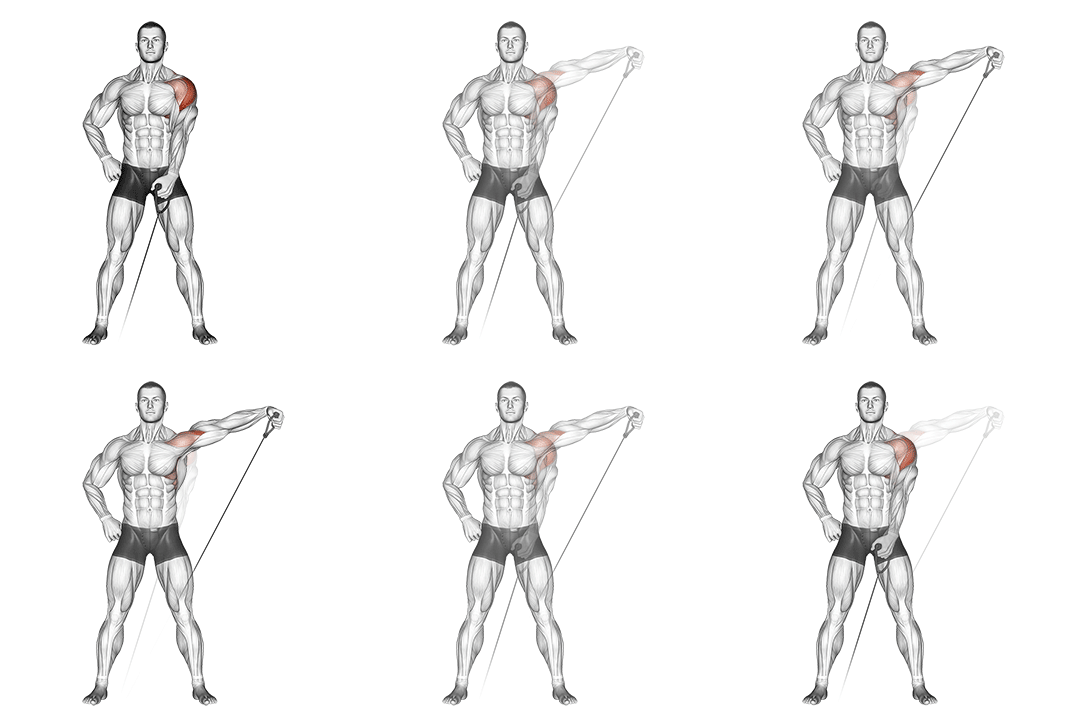
5. Cable One Arm Lateral Raise
74% match- Delts
- Cable
- Beginner
- Isolation
Pick this when you want a harder version that still works the delts.
How to perform this exercise
- Stand with your feet shoulder-width apart, facing the cable machine.
- Hold the cable handle with one hand, palm facing down, and stand far enough away from the machine so that there is tension on the cable.
- Keep your arm straight and slowly raise it out to the side until it is parallel to the ground.
- Pause for a moment at the top, then slowly lower your arm back down to the starting position.
- Repeat for the desired number of repetitions, then switch sides.
Sets and reps: 3 sets of 10 to 15 reps on each side.
Why this matches
- Primary muscle: delts, the same as the Cable Forward Raise
- Equipment: a cable, the same as the Cable Forward Raise
- Body position: standing, the same as the Cable Forward Raise
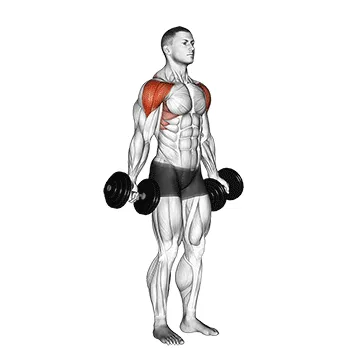
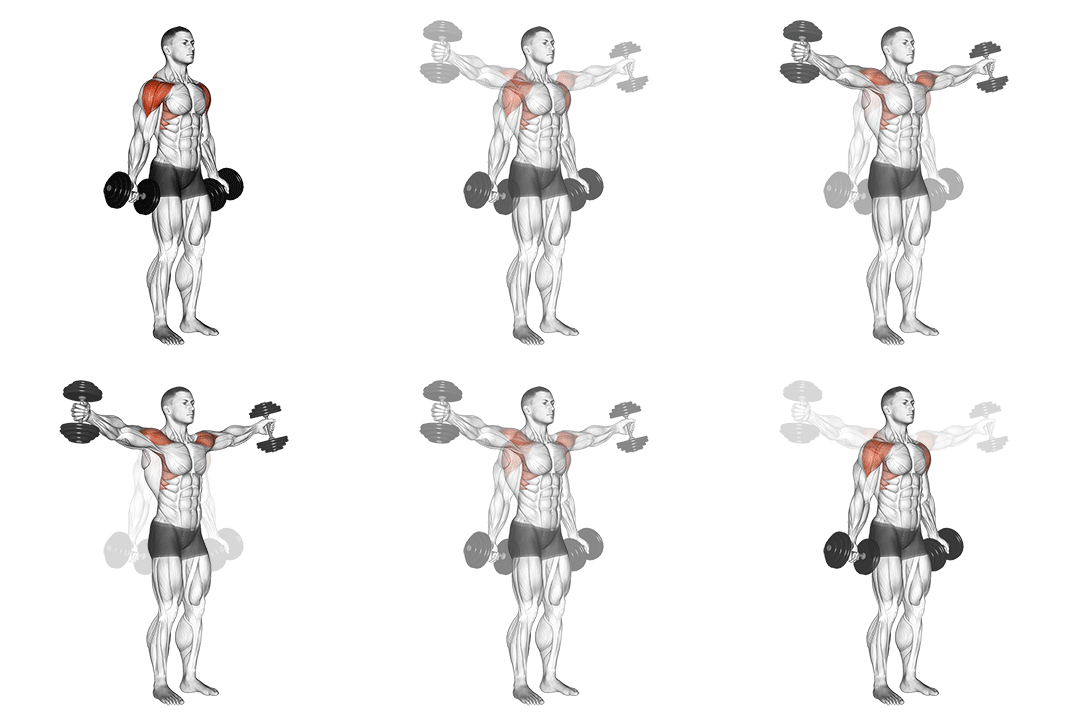
6. Dumbbell Full Can Lateral Raise
74% match- Delts
- Dumbbell
- Intermediate
- Isolation
How to perform this exercise
- Stand with your feet shoulder-width apart, holding a dumbbell in each hand with your palms facing your body.
- Keep your back straight and engage your core.
- Raise your arms out to the sides, keeping a slight bend in your elbows, until they are parallel to the ground.
- Pause for a moment at the top, then slowly lower your arms back down to the starting position.
- Repeat for the desired number of repetitions.
Sets and reps: 3 sets of 10 to 15 reps.
Why this matches
- Movement: raise, the same as the Cable Forward Raise
- Primary muscle: delts, the same as the Cable Forward Raise
- Equipment: free weights, not a cable
- Body position: standing, the same as the Cable Forward Raise
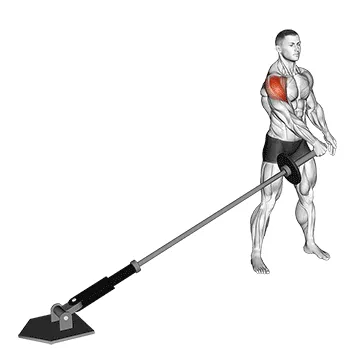
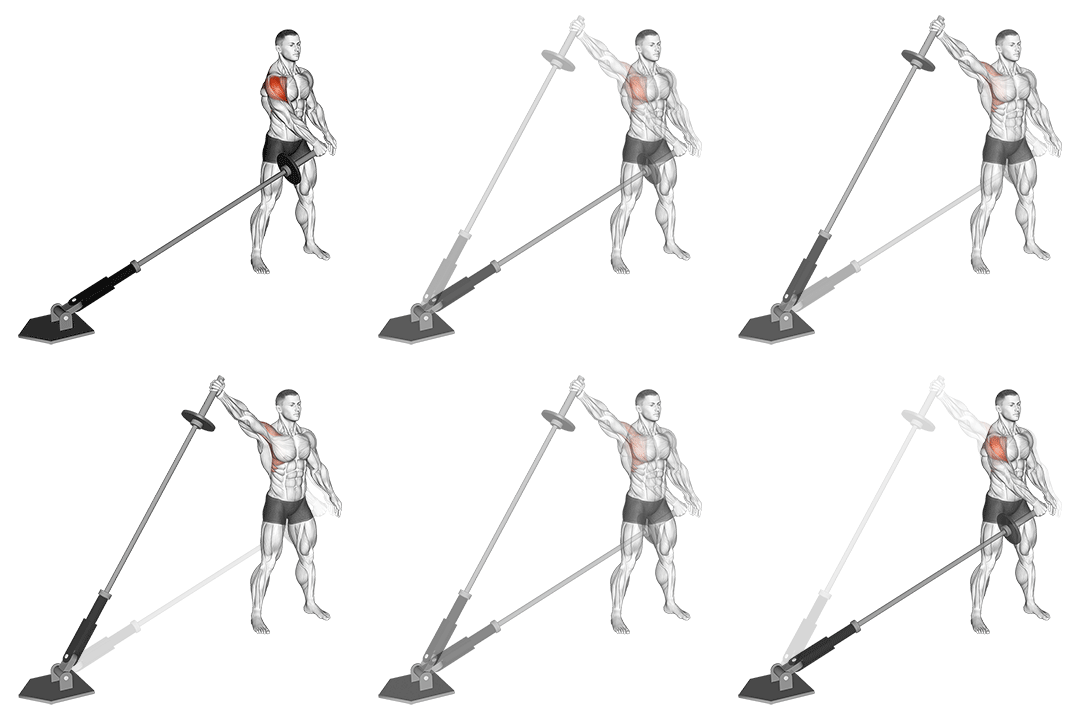
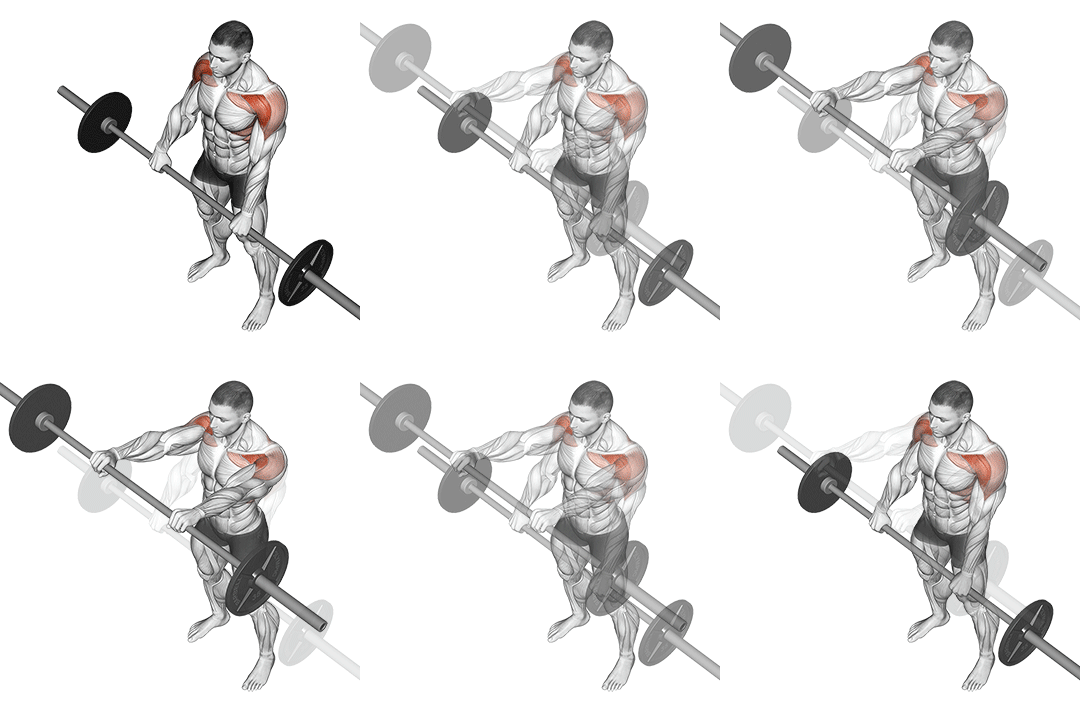
7. Landmine Lateral Raise
73% match- Delts
- Barbell
- Intermediate
- Isolation
A good swap when you have a barbell to work with, and it still works the delts.
How to perform this exercise
- Stand with your feet shoulder-width apart and knees slightly bent.
- Hold the barbell with an overhand grip, resting it on the front of your shoulders.
- Keeping your core engaged and back straight, lift the barbell up and away from your body, raising it to shoulder height.
- Pause for a moment at the top, then slowly lower the barbell back down to the starting position.
- Repeat for the desired number of repetitions.
Sets and reps: 3 sets of 10 to 15 reps on each side.
Why this matches
- Primary muscle: delts, the same as the Cable Forward Raise
- Equipment: free weights, not a cable
- Body position: standing, the same as the Cable Forward Raise
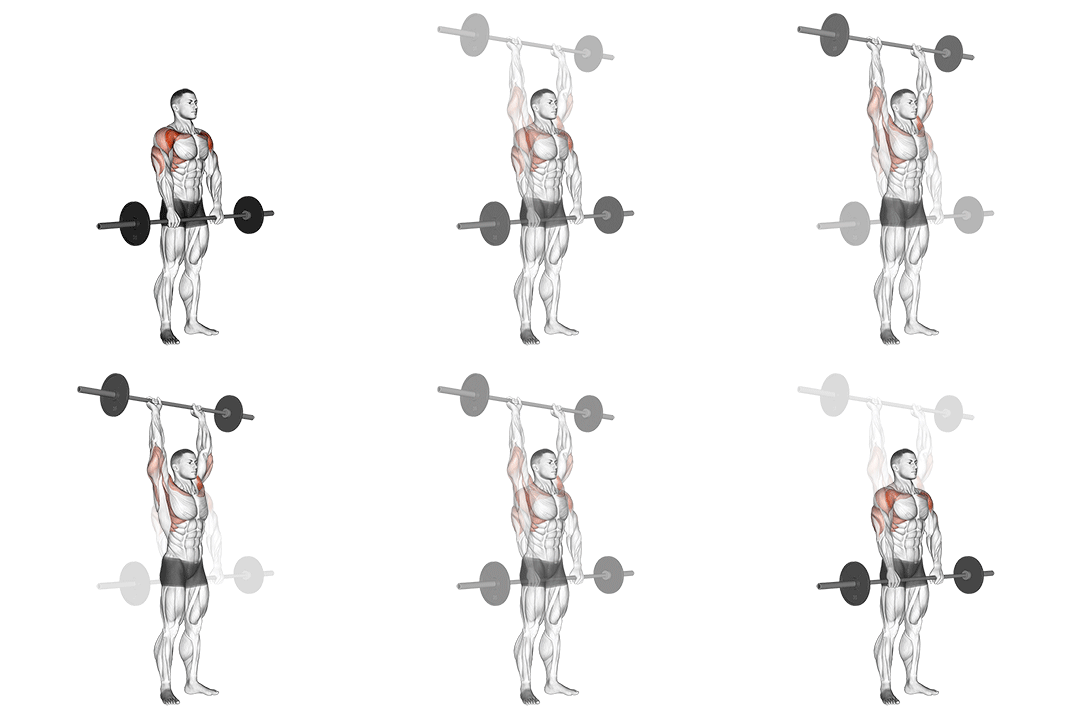
- Delts
- Barbell
- Beginner
- Isolation
How to perform this exercise
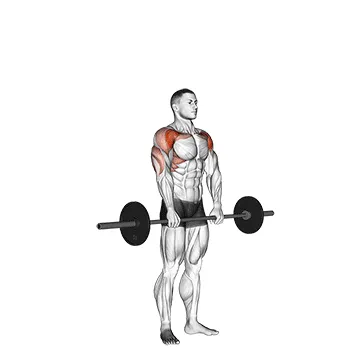
- Stand with your feet shoulder-width apart, holding a barbell in front of your thighs with an overhand grip.
- Keep your back straight and engage your core.
- Slowly raise the barbell in front of you, keeping your arms straight and your palms facing down.
- Continue lifting until the barbell is slightly above shoulder level.
- Pause for a moment at the top, then slowly lower the barbell back down to the starting position.
- Repeat for the desired number of repetitions.
Sets and reps: 3 sets of 10 to 15 reps.
Why this matches
- Movement: raise, the same as the Cable Forward Raise
- Primary muscle: delts, the same as the Cable Forward Raise
- Equipment: free weights, not a cable
- Body position: standing, the same as the Cable Forward Raise
- Balance: easier to stay steady on than the Cable Forward Raise
9. Barbell Front Raise
72% match- Delts
- Barbell
- Beginner
- Isolation
How to perform this exercise
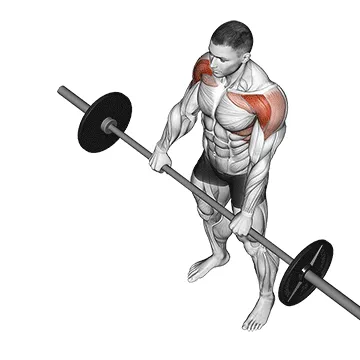
- Stand with your feet shoulder-width apart and hold a barbell in front of your thighs with an overhand grip.
- Keep your arms straight and lift the barbell forward and upward until it reaches shoulder level.
- Pause for a moment at the top, then slowly lower the barbell back down to the starting position.
- Repeat for the desired number of repetitions.
Sets and reps: 3 sets of 10 to 15 reps.
Why this matches
- Movement: raise, the same as the Cable Forward Raise
- Primary muscle: delts, the same as the Cable Forward Raise
- Equipment: free weights, not a cable
- Body position: standing, the same as the Cable Forward Raise
- Balance: easier to stay steady on than the Cable Forward Raise
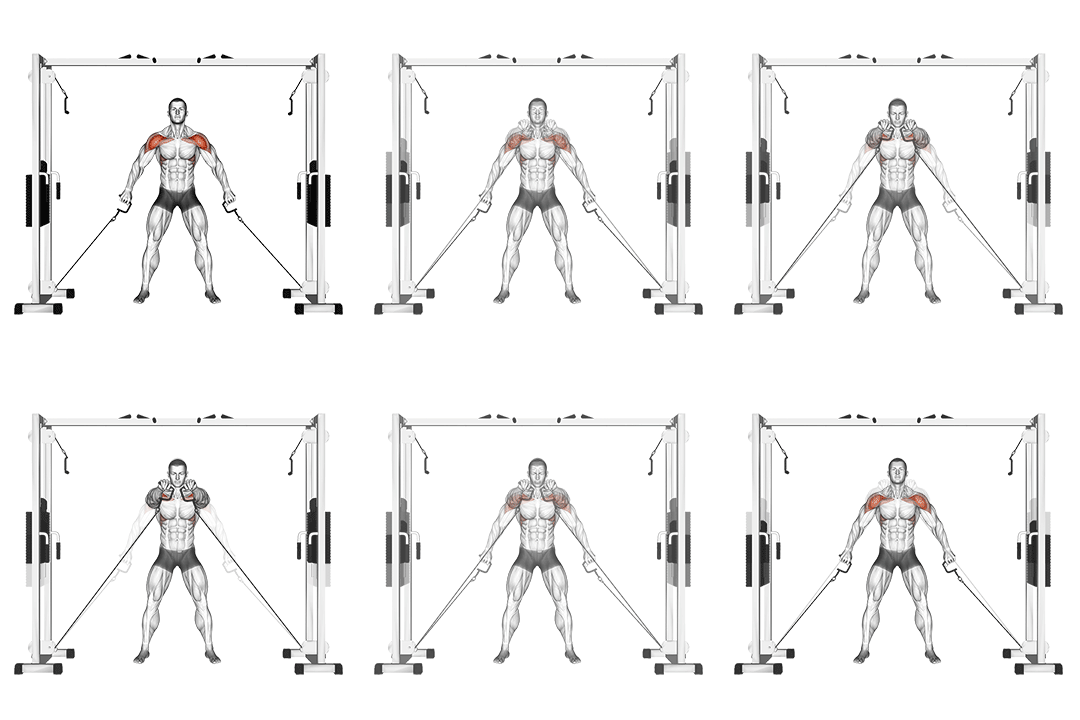
10. Cable Lateral Raise
71% match- Delts
- Cable
- Beginner
- Isolation
How to perform this exercise
- Stand with your feet shoulder-width apart and grasp the cable handles with an overhand grip.
- Keep your arms straight and your core engaged.
- Raise your arms out to the sides until they are parallel to the floor.
- Pause for a moment at the top, then slowly lower your arms back down to the starting position.
- Repeat for the desired number of repetitions.
Sets and reps: 3 sets of 10 to 15 reps.
Why this matches
- Primary muscle: delts, the same as the Cable Forward Raise
- Equipment: a cable, the same as the Cable Forward Raise
- Body position: standing, the same as the Cable Forward Raise
- Balance: easier to stay steady on than the Cable Forward Raise
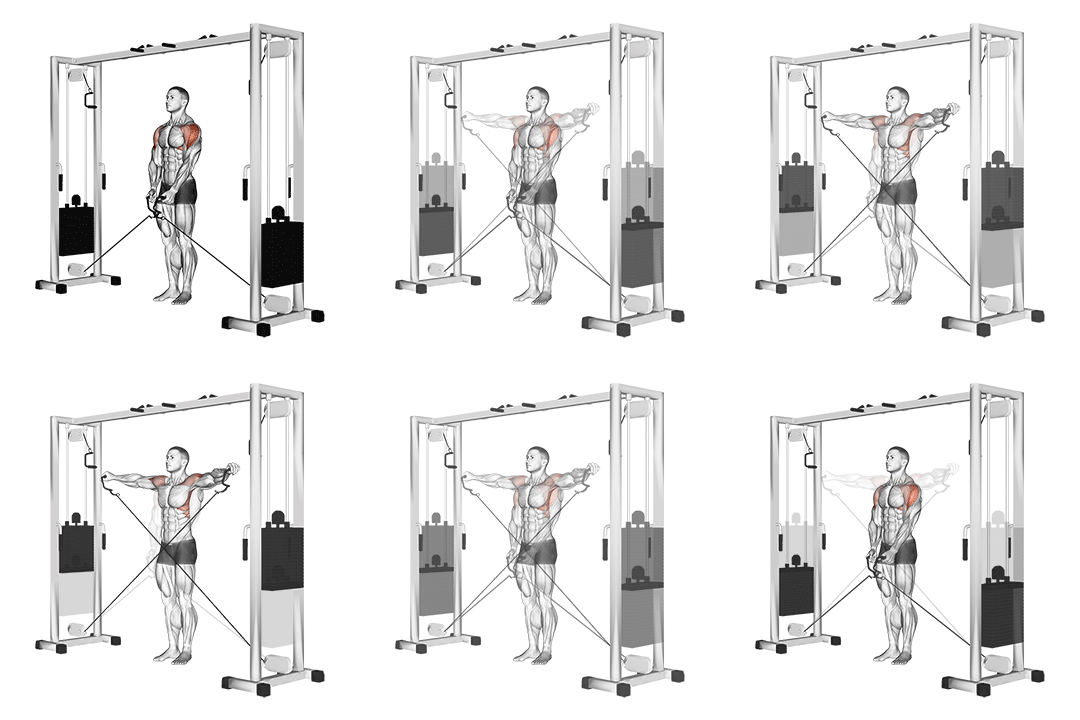
Why You Might Need a Cable Forward Raise Alternative
You might substitute the Cable Forward Raise for equipment, injury or programming reasons. Cables give constant horizontal tension; without them you’ll pick tools that alter the tension curve and loading plane. For example, bands increase tension at the top, dumbbells load via gravity and landmine presses load on a diagonal. If you have AC or rotator cuff irritation, reduce end-range shoulder flexion and use lighter bands or unilateral dumbbell work. Technique cue: maintain a braced core, keep the scapula stable and lead the raise with your elbow to isolate the anterior deltoid and avoid upper trapezius takeover.
How to Choose the Right Cable Forward Raise Substitute
Decide based on equipment, pain history and training goal. If you need strict isolation and unilateral control choose dumbbells, use a 2-0-2 tempo and stop at 90° shoulder flexion. If you want progressive top-end tension pick a resistance band and anchor it low, keeping tension through the top third of the lift. For heavier loading and stability training use a barbell or landmine press; cue a neutral spine and drive the movement from the shoulder flexors while limiting torso lean. Prioritize movement quality: if you feel shoulder pinch, reduce range or swap to lighter band variations.
Cable Forward Raise FAQ
What muscles does Cable Forward Raise work?
The Cable Forward Raise primarily targets the anterior deltoid, producing shoulder flexion. It secondarily recruits the clavicular head of the pec major and stabilizers such as the upper trapezius and scapular retractors to control the motion.
Can I build muscle without doing Cable Forward Raise?
Yes. You can build anterior deltoid size with many movements, compound presses (bench, overhead) plus isolation front raises with dumbbells, plates or bands all work. Focus on progressive overload, controlled tempo and maintaining tension on the anterior deltoid.
Find Alternatives for Any Exercise
Search the exercise database and filter the ranked substitutes by the equipment you own.
Similarity scores compare exercise metadata such as movement pattern, muscles, equipment and body position. They are not a safety rating or a check that you own the equipment. Learn about our methodology