

10 Best Cable Front Raise Alternatives for Shoulder Isolation
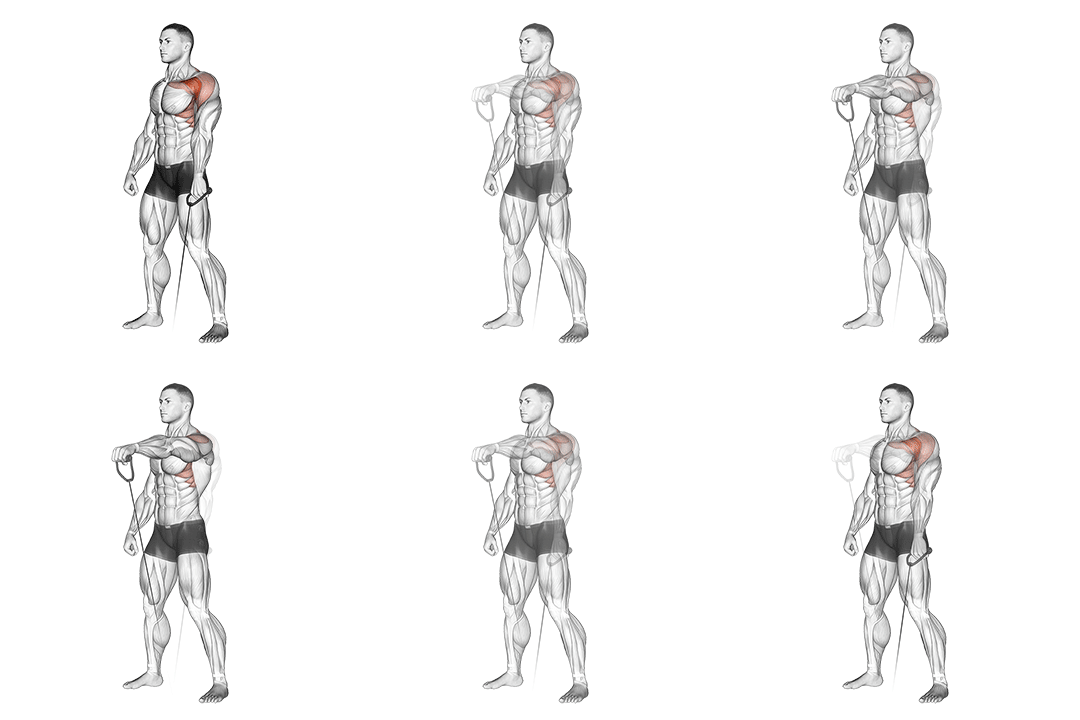
The Cable Front Raise is done standing with a cable machine. Ranked closest by our scoring: the Cable Forward Raise, the Cable Front Shoulder Raise and the Standing Low-pulley Deltoid Raise. A harder version, the Cable One Arm Lateral Raise, is listed below as a progression rather than a swap.
A busy cable stack, or a home gym with no tower at all, is enough to rule out the Cable Front Raise for today. The Cable Forward Raise is the first swap to reach for because it uses the same overhand grip on a cable handle and raises it the same way to shoulder height, so almost nothing about the exercise changes. With no cable in reach, the Dumbbell Front Raise trains the same raise with a pair of dumbbells instead.
Updated Ranked by our 12-factor similarity model How it works
Original Exercise: Cable Front Raise
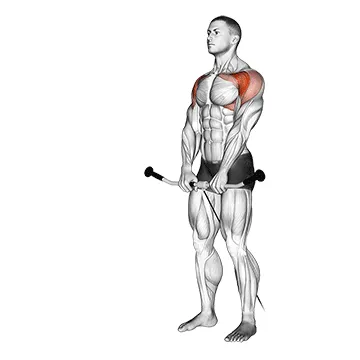
- Primary muscle
- Delts
- Equipment
- Cable
- Difficulty
- Beginner
- Type
- Isolation
Secondary muscles: Triceps, Forearms
How to perform Cable Front Raise
- Stand with your feet shoulder-width apart and grasp the cable handle with an overhand grip.
- Keep your back straight and your core engaged.
- Raise the cable handle in front of you, keeping your arms straight and your palms facing down.
- Continue lifting until your arms are parallel to the floor.
- Pause for a moment at the top, then slowly lower the cable handle back to the starting position.
- Repeat for the desired number of repetitions.
Ranked Cable Front Raise Alternatives
10 substitutes, ranked by how closely each one matches the Cable Front Raise on movement pattern, muscles worked, equipment and body position. The higher the score, the less you change. Open "How to perform this exercise" on a card for the steps; every card title links to that exercise's own alternatives page. Harder versions are tagged as progressions and kept out of the top spot even when they score higher.
Best match 1. Cable Forward Raise
99% match- Delts
- Cable
- Beginner
- Isolation
It uses the same equipment and still works the delts.
How to perform this exercise
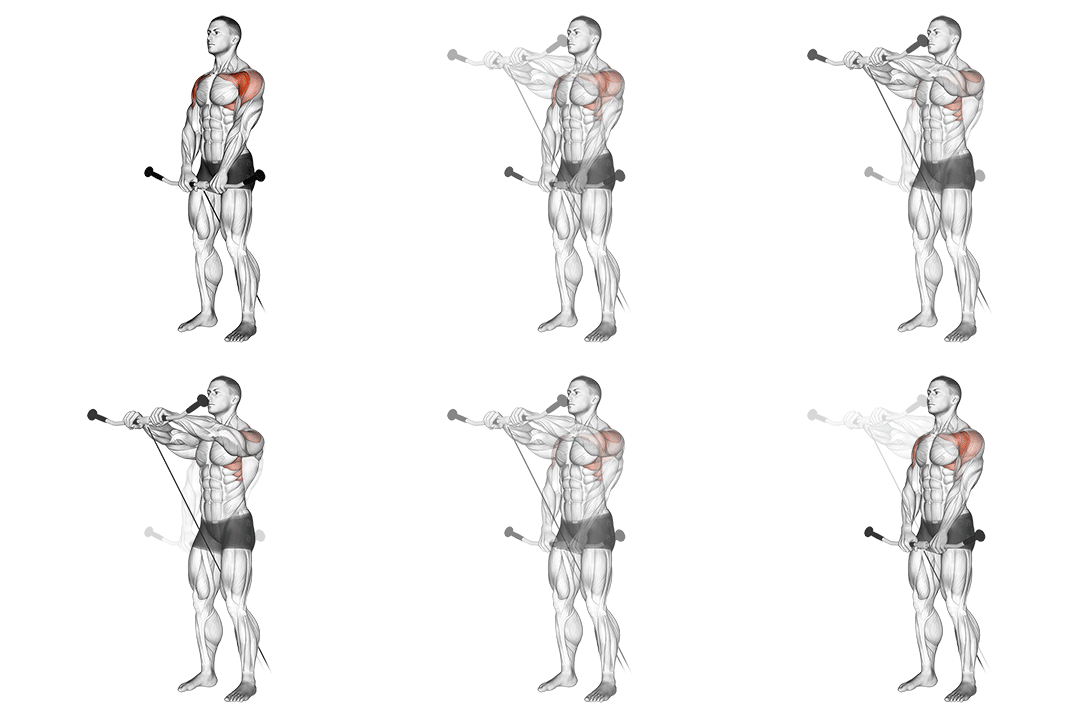
- Stand with your feet shoulder-width apart and your knees slightly bent.
- Hold the cable handle with an overhand grip, palms facing down, and your arms fully extended in front of you.
- Keeping your arms straight, raise the cable handle up to shoulder level.
- Pause for a moment at the top, then slowly lower the cable handle back down to the starting position.
- Repeat for the desired number of repetitions.
Sets and reps: 3 sets of 10 to 15 reps on each side.
Why this matches
- Movement: raise, the same as the Cable Front Raise
- Primary muscle: delts, the same as the Cable Front Raise
- Equipment: a cable, the same as the Cable Front Raise
- Body position: standing, the same as the Cable Front Raise
2. Cable Front Shoulder Raise
99% match- Delts
- Cable
- Beginner
- Isolation
How to perform this exercise
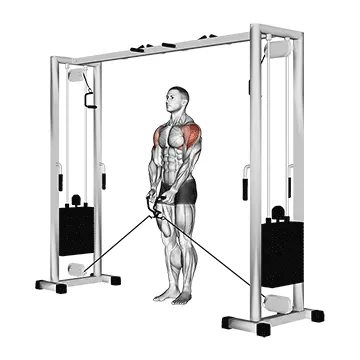
- Stand with your feet shoulder-width apart and grasp the cable handle with an overhand grip.
- Keep your back straight and your core engaged.
- Raise the cable handle in front of you, keeping your arms straight and your palms facing down.
- Continue lifting until your arms are parallel to the floor.
- Pause for a moment at the top, then slowly lower the cable handle back to the starting position.
- Repeat for the desired number of repetitions.
Sets and reps: 3 sets of 10 to 15 reps on each side.
Why this matches
- Movement: raise, the same as the Cable Front Raise
- Primary muscle: delts, the same as the Cable Front Raise
- Equipment: a cable, the same as the Cable Front Raise
- Body position: standing, the same as the Cable Front Raise
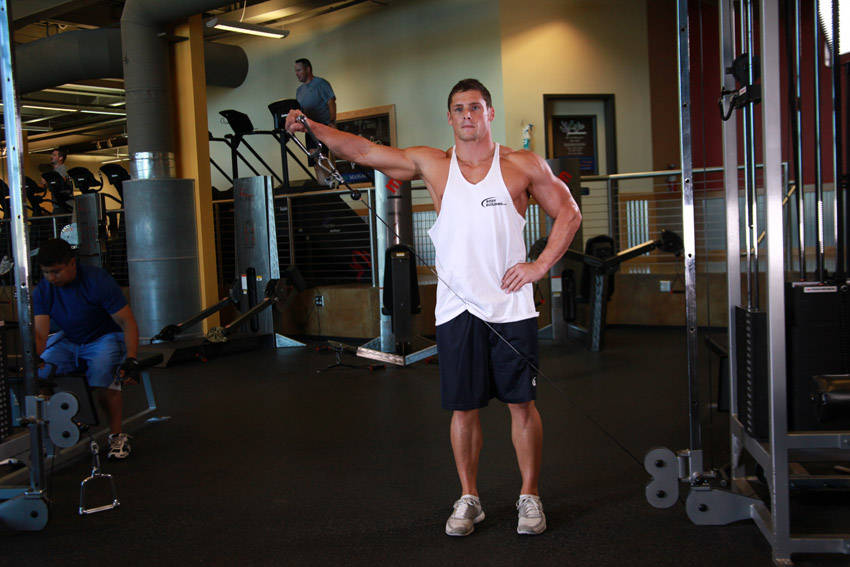
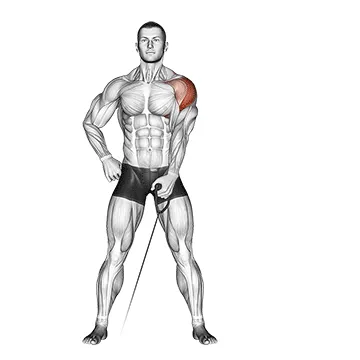
3. Standing Low-pulley Deltoid Raise
83% match- Delts
- Cable
- Beginner
- Isolation
It still works the delts, through a different movement.
How to perform this exercise
- Start by standing to the right side of a low pulley row. Use your left hand to come across the body and grab a single handle attached to the low pulley with a pronated grip (palms facing down). Rest your arm in front of you. Your right hand should grab the machine for better support and balance.
- Make sure that your back is erect and your feet are shoulder width apart from each other. This is the starting position.
- Begin to use the left hand and come across your body out until it is elevated to shoulder height while exhaling.
- Feel the contraction at the top for a second and begin to slowly lower the handle back down to the original starting position while inhaling.
- Repeat for the recommended amount of repetitions.
- Switch arms and repeat the exercise.
Sets and reps: 3 sets of 10 to 15 reps on each side.
Why this matches
- Primary muscle: delts, the same as the Cable Front Raise
- Equipment: a cable, the same as the Cable Front Raise
- Body position: standing, the same as the Cable Front Raise
- Balance: easier to stay steady on than the Cable Front Raise
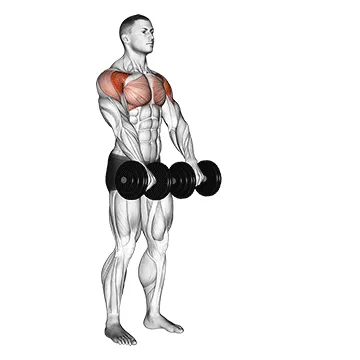
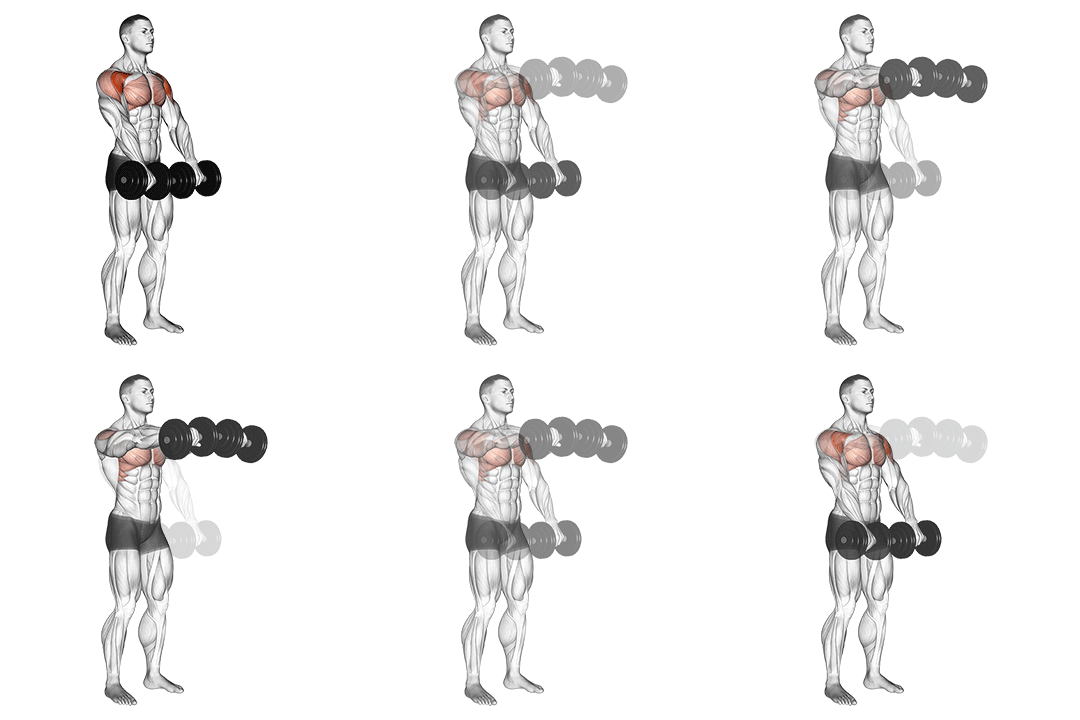
4. Dumbbell Front Raise
74% match- Delts
- Dumbbell
- Beginner
- Isolation
A good swap when you have dumbbells to work with, and it still works the delts.
How to perform this exercise
- Stand with your feet shoulder-width apart, holding a dumbbell in each hand with your palms facing your thighs.
- Keeping your arms straight, exhale and lift the dumbbells in front of you until they are at shoulder level.
- Pause for a moment at the top, then inhale and slowly lower the dumbbells back down to the starting position.
- Repeat for the desired number of repetitions.
Sets and reps: 3 sets of 10 to 15 reps.
Why this matches
- Movement: raise, the same as the Cable Front Raise
- Primary muscle: delts, the same as the Cable Front Raise
- Equipment: free weights, not a cable
- Body position: standing, the same as the Cable Front Raise
Progression
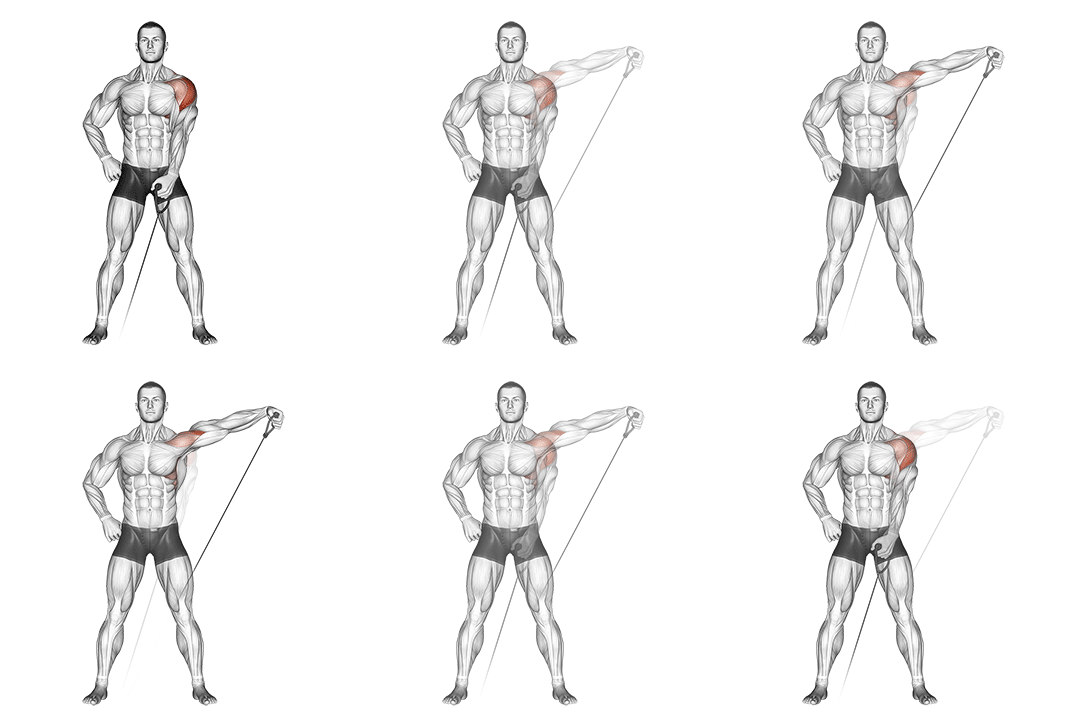
5. Cable One Arm Lateral Raise
74% match- Delts
- Cable
- Beginner
- Isolation
Pick this when you want a harder version that still works the delts.
How to perform this exercise
- Stand with your feet shoulder-width apart, facing the cable machine.
- Hold the cable handle with one hand, palm facing down, and stand far enough away from the machine so that there is tension on the cable.
- Keep your arm straight and slowly raise it out to the side until it is parallel to the ground.
- Pause for a moment at the top, then slowly lower your arm back down to the starting position.
- Repeat for the desired number of repetitions, then switch sides.
Sets and reps: 3 sets of 10 to 15 reps on each side.
Why this matches
- Primary muscle: delts, the same as the Cable Front Raise
- Equipment: a cable, the same as the Cable Front Raise
- Body position: standing, the same as the Cable Front Raise
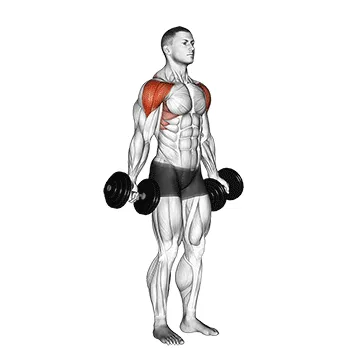
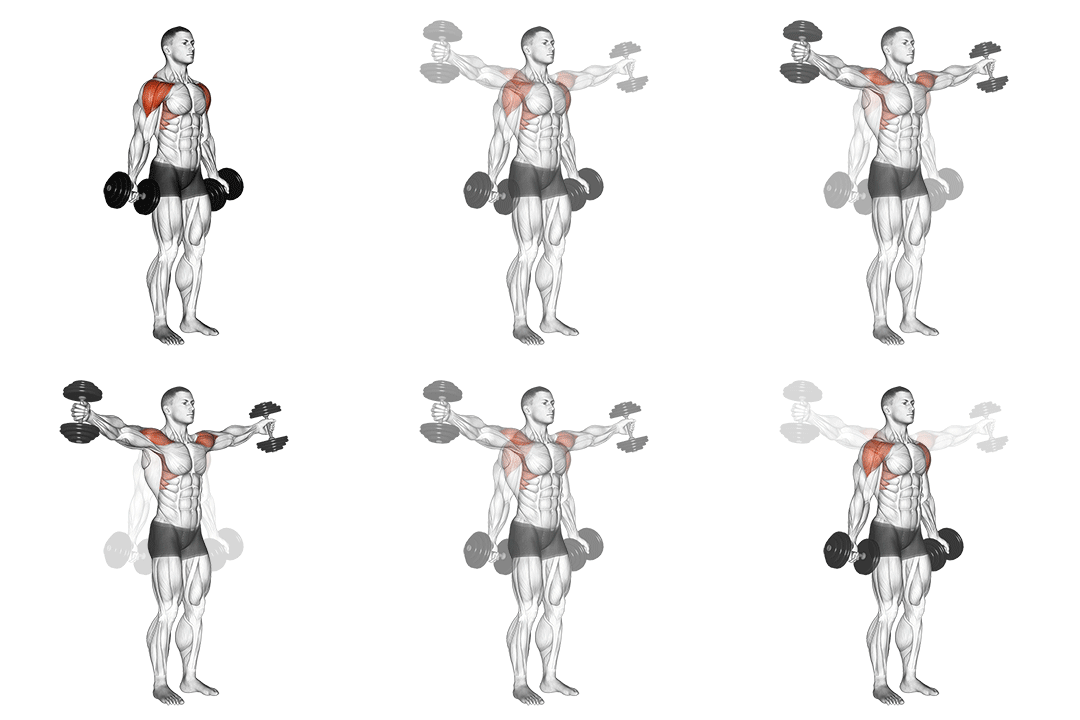
6. Dumbbell Full Can Lateral Raise
74% match- Delts
- Dumbbell
- Intermediate
- Isolation
How to perform this exercise
- Stand with your feet shoulder-width apart, holding a dumbbell in each hand with your palms facing your body.
- Keep your back straight and engage your core.
- Raise your arms out to the sides, keeping a slight bend in your elbows, until they are parallel to the ground.
- Pause for a moment at the top, then slowly lower your arms back down to the starting position.
- Repeat for the desired number of repetitions.
Sets and reps: 3 sets of 10 to 15 reps.
Why this matches
- Movement: raise, the same as the Cable Front Raise
- Primary muscle: delts, the same as the Cable Front Raise
- Equipment: free weights, not a cable
- Body position: standing, the same as the Cable Front Raise
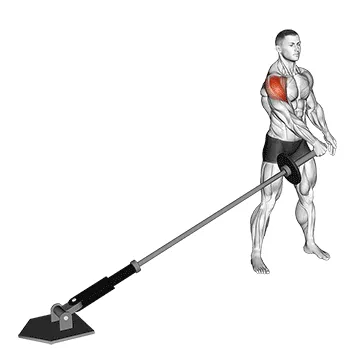
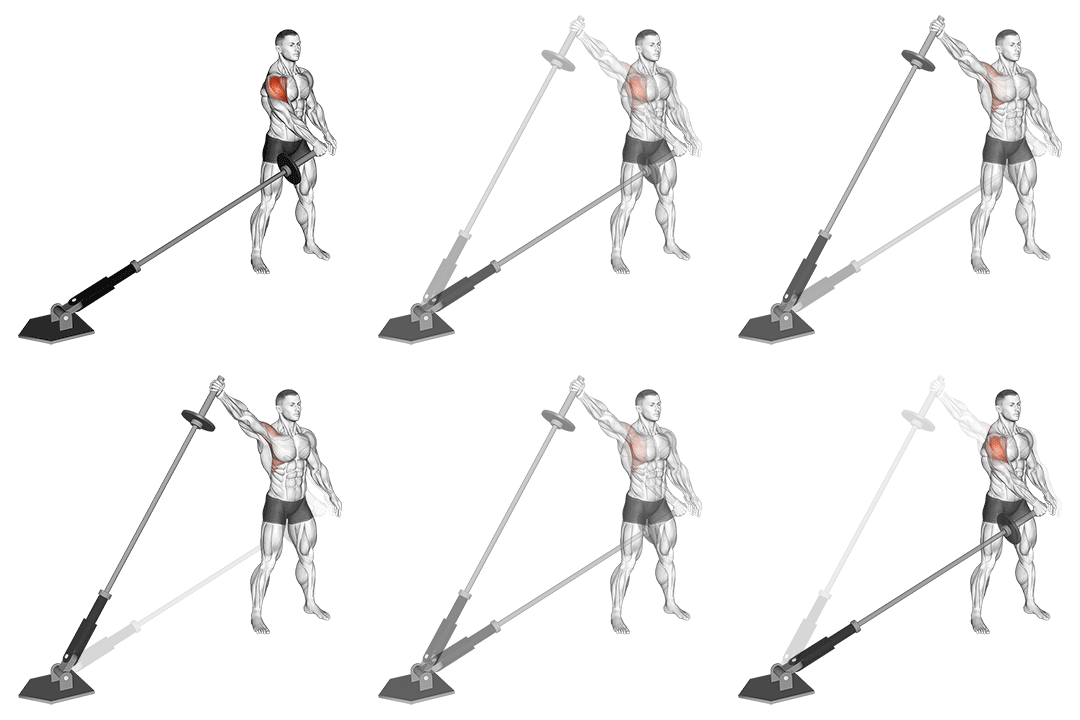
7. Landmine Lateral Raise
73% match- Delts
- Barbell
- Intermediate
- Isolation
A good swap when you have a barbell to work with, and it still works the delts.
How to perform this exercise
- Stand with your feet shoulder-width apart and knees slightly bent.
- Hold the barbell with an overhand grip, resting it on the front of your shoulders.
- Keeping your core engaged and back straight, lift the barbell up and away from your body, raising it to shoulder height.
- Pause for a moment at the top, then slowly lower the barbell back down to the starting position.
- Repeat for the desired number of repetitions.
Sets and reps: 3 sets of 10 to 15 reps on each side.
Why this matches
- Primary muscle: delts, the same as the Cable Front Raise
- Equipment: free weights, not a cable
- Body position: standing, the same as the Cable Front Raise
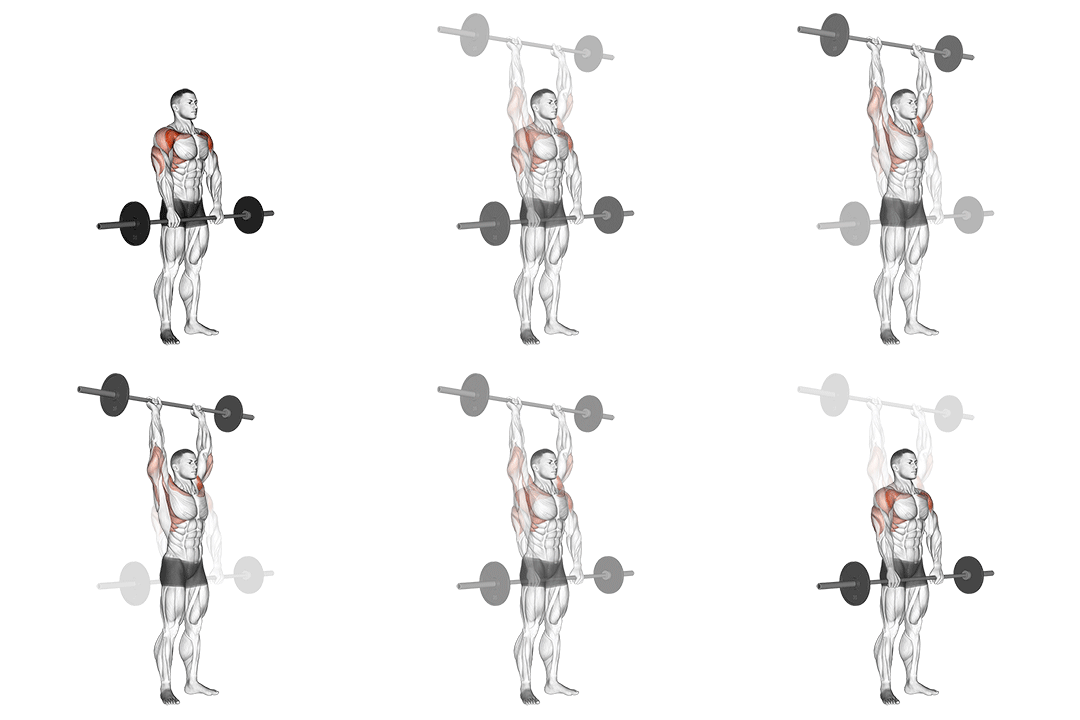
- Delts
- Barbell
- Beginner
- Isolation
How to perform this exercise
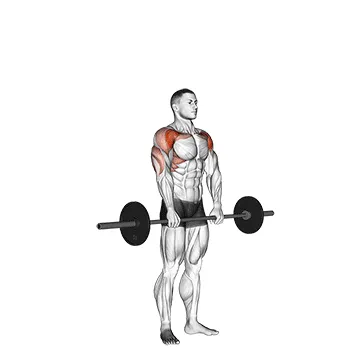
- Stand with your feet shoulder-width apart, holding a barbell in front of your thighs with an overhand grip.
- Keep your back straight and engage your core.
- Slowly raise the barbell in front of you, keeping your arms straight and your palms facing down.
- Continue lifting until the barbell is slightly above shoulder level.
- Pause for a moment at the top, then slowly lower the barbell back down to the starting position.
- Repeat for the desired number of repetitions.
Sets and reps: 3 sets of 10 to 15 reps.
Why this matches
- Movement: raise, the same as the Cable Front Raise
- Primary muscle: delts, the same as the Cable Front Raise
- Equipment: free weights, not a cable
- Body position: standing, the same as the Cable Front Raise
- Balance: easier to stay steady on than the Cable Front Raise
9. Barbell Front Raise
72% match- Delts
- Barbell
- Beginner
- Isolation
How to perform this exercise
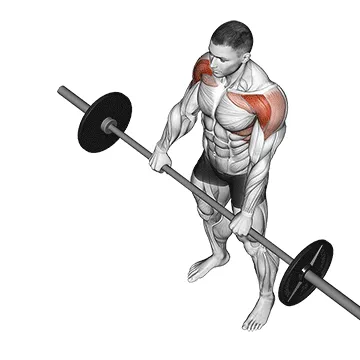
- Stand with your feet shoulder-width apart and hold a barbell in front of your thighs with an overhand grip.
- Keep your arms straight and lift the barbell forward and upward until it reaches shoulder level.
- Pause for a moment at the top, then slowly lower the barbell back down to the starting position.
- Repeat for the desired number of repetitions.
Sets and reps: 3 sets of 10 to 15 reps.
Why this matches
- Movement: raise, the same as the Cable Front Raise
- Primary muscle: delts, the same as the Cable Front Raise
- Equipment: free weights, not a cable
- Body position: standing, the same as the Cable Front Raise
- Balance: easier to stay steady on than the Cable Front Raise
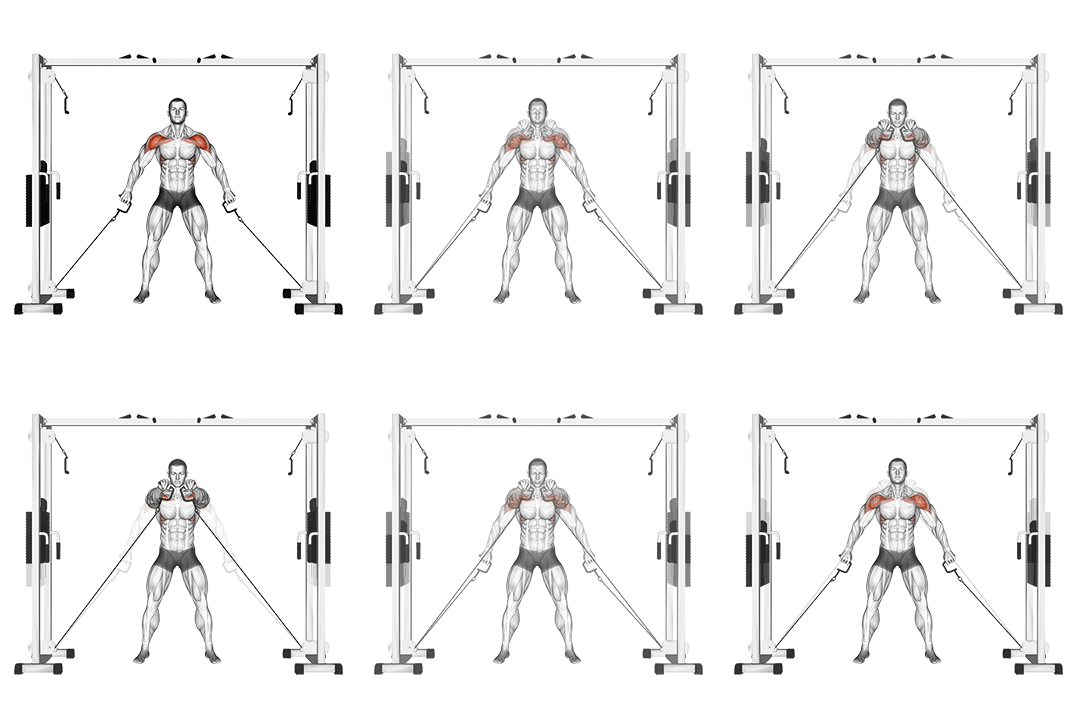
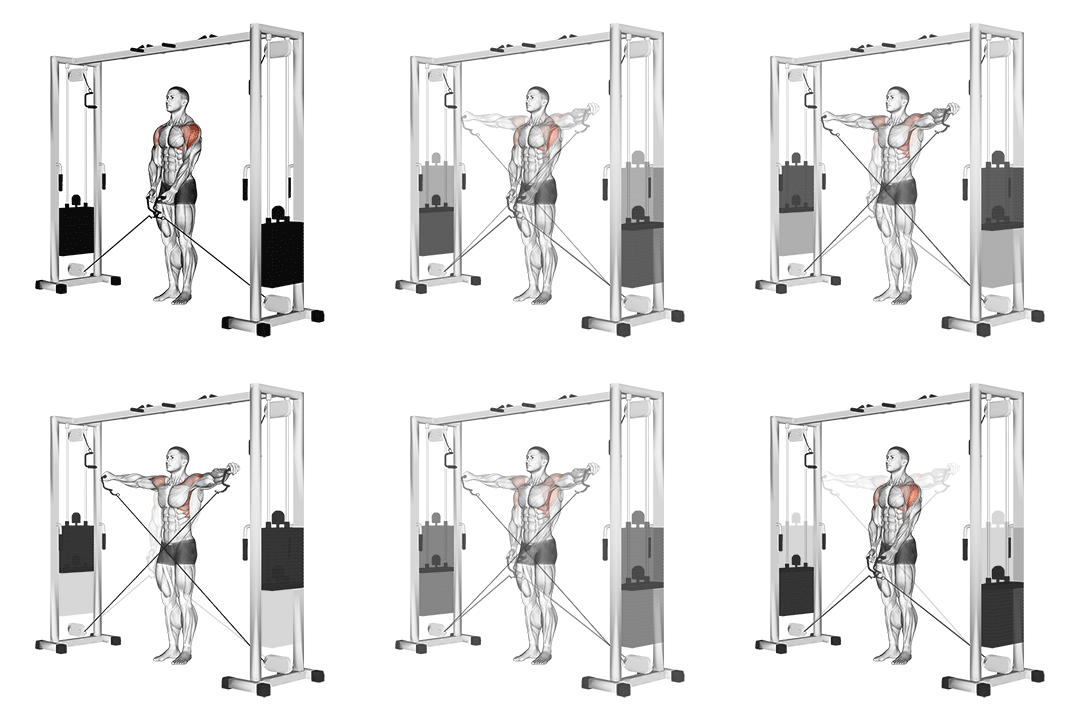
10. Cable Lateral Raise
71% match- Delts
- Cable
- Beginner
- Isolation
How to perform this exercise
- Stand with your feet shoulder-width apart and grasp the cable handles with an overhand grip.
- Keep your arms straight and your core engaged.
- Raise your arms out to the sides until they are parallel to the floor.
- Pause for a moment at the top, then slowly lower your arms back down to the starting position.
- Repeat for the desired number of repetitions.
Sets and reps: 3 sets of 10 to 15 reps.
Why this matches
- Primary muscle: delts, the same as the Cable Front Raise
- Equipment: a cable, the same as the Cable Front Raise
- Body position: standing, the same as the Cable Front Raise
- Balance: easier to stay steady on than the Cable Front Raise
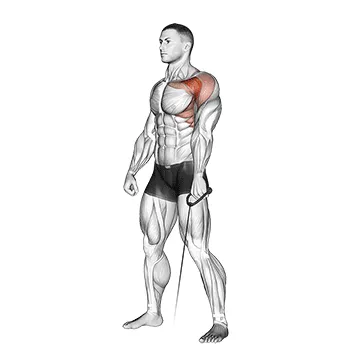
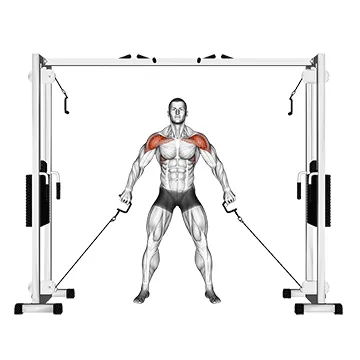
Why You Might Need a Cable Front Raise Alternative
A crowded cable stack is the easiest reason to swap the Cable Front Raise, since the whole exercise depends on somewhere to pull a handle from. Training at home without a tower runs into the same wall. The Cable Front Shoulder Raise, the Standing Low-pulley Deltoid Raise and the Cable Lateral Raise, which raises both arms out to the sides, still need a cable stack, so they only help once a second station opens up. The Dumbbell Front Raise and the Dumbbell Full Can Lateral Raise trade the constant cable tension for a pair of dumbbells you load and control yourself. The Landmine Lateral Raise, the Barbell Standing Front Raise Over Head and the Barbell Front Raise cover the same ground with a loaded bar, so a gym with no cables still has somewhere to go.
How to Choose the Right Cable Front Raise Substitute
Take the Cable Forward Raise first if a cable station is free: the same overhand grip and the same raise to shoulder height mean the drill barely changes. The Cable Front Shoulder Raise and the Standing Low-pulley Deltoid Raise also need a cable stack, so treat them as a second pick, not a busy-gym fix. Training at home, the Dumbbell Front Raise needs only a pair of dumbbells and stands in for it without much adjustment. With no machine in the building, the Barbell Front Raise or Landmine Lateral Raise raise a loaded bar instead of a cable handle. Once the Dumbbell Front Raise feels easy and a cable is free again, the Cable One Arm Lateral Raise raises one arm out to the side instead of in front, so each side has to control the handle on its own.
Cable Front Raise FAQ
Which cable alternative feels most like the Cable Front Raise?
The Cable Forward Raise. It uses the same overhand grip on the same handle and the same standing raise to shoulder height, so it behaves almost exactly like the exercise it replaces. Take it first whenever a second cable station opens up, since a stack keeps tension on the delts through the whole raise.
Which alternatives need no cable machine at all?
Five swaps skip the cable machine entirely: the Dumbbell Front Raise, the Dumbbell Full Can Lateral Raise, the Landmine Lateral Raise, the Barbell Standing Front Raise Over Head and the Barbell Front Raise. Between them they cover a pair of dumbbells and a loaded bar, so pick whichever piece of kit your gym actually has free.
Can I do the Cable Front Raise at home?
Yes, if you swap the cable for a pair of dumbbells. The Dumbbell Front Raise raises to the same shoulder height the cable version trains, so it drops in without much adjustment. The Dumbbell Full Can Lateral Raise works from the side instead of the front, so use it once the front raise feels settled or you want another angle on the delts.
What do I do once the Dumbbell Front Raise feels easy?
Move to the Cable One Arm Lateral Raise. It uses the same kind of stack as the original but raises one arm out to the side rather than in front, palm down, so each side has to control the handle without help from the other. Keep the same slow lowering you used on the dumbbell version and let the working arm do the raise alone.
Find Alternatives for Any Exercise
Search the exercise database and filter the ranked substitutes by the equipment you own.
Similarity scores compare exercise metadata such as movement pattern, muscles, equipment and body position. They are not a safety rating or a check that you own the equipment. Learn about our methodology