
10 Best Cable One-arm Straight Back High Row Alternatives (kneeling)
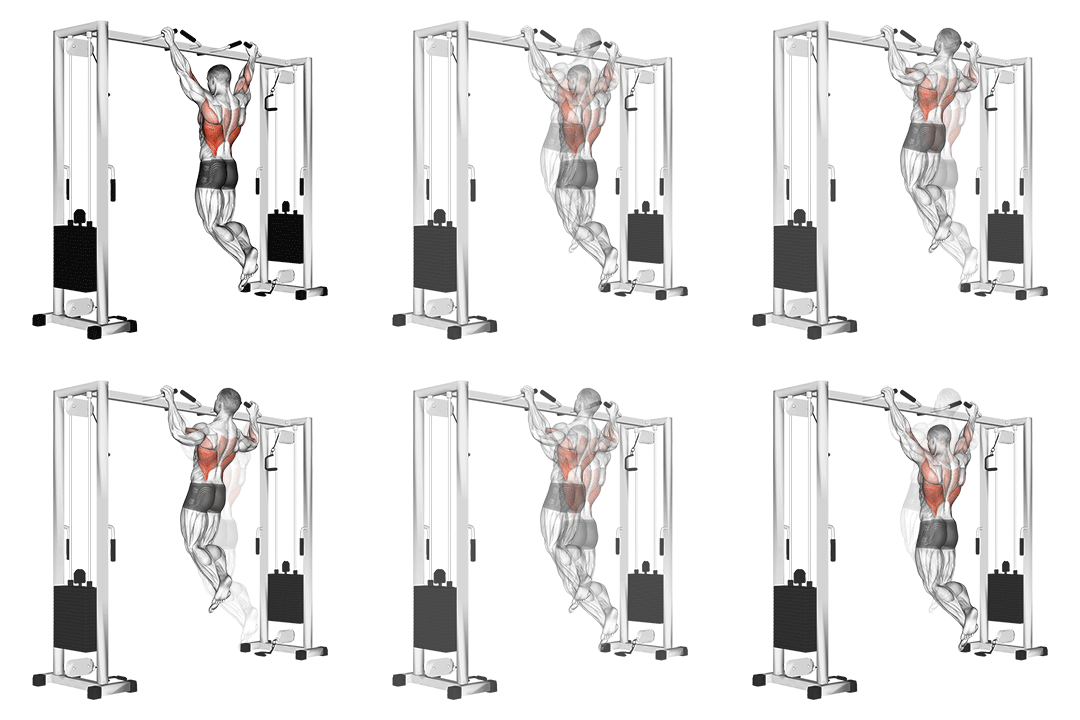
The Cable One Arm Straight Back High Row (Kneeling) is done kneeling with a cable machine. Ranked closest by our scoring: Chin-ups (Narrow Parallel Grip) and the One Arm Towel Row.
Updated Ranked by our 12-factor similarity model How it works
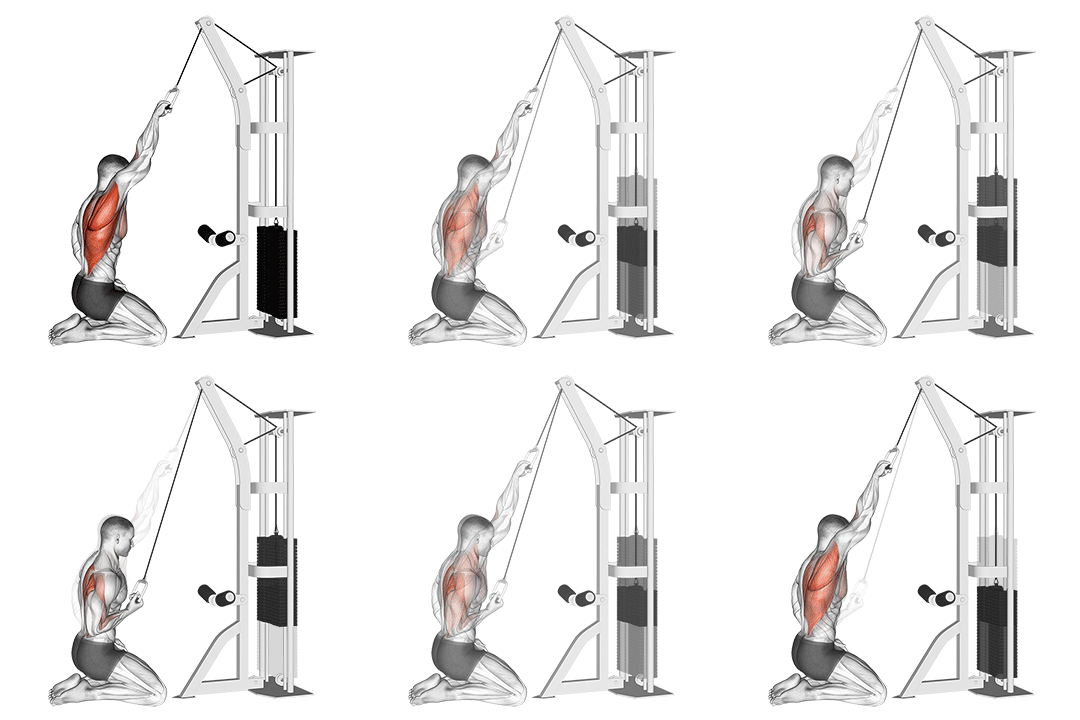
Original Exercise: Cable One Arm Straight Back High Row (Kneeling)
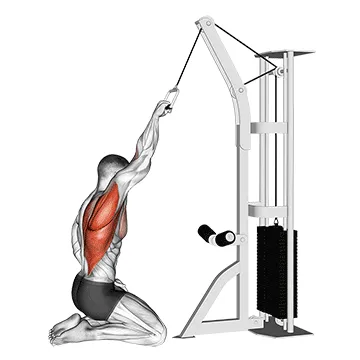
- Primary muscle
- Upper Back
- Equipment
- Cable
- Difficulty
- Intermediate
- Type
- Compound
Secondary muscles: Biceps, Shoulders
How to perform Cable One Arm Straight Back High Row (Kneeling)
- Attach a handle to a cable machine at waist height.
- Kneel down facing the cable machine and grab the handle with one hand.
- Keep your back straight and your core engaged.
- Pull the handle towards your chest, squeezing your shoulder blades together.
- Pause for a moment at the top of the movement.
- Slowly release the handle back to the starting position.
- Repeat for the desired number of repetitions.
- Switch sides and repeat the exercise with the other arm.
Ranked Cable One Arm Straight Back High Row (Kneeling) Alternatives
10 substitutes, ranked by how closely each one matches the Cable One Arm Straight Back High Row (Kneeling) on movement pattern, muscles worked, equipment and body position. The higher the score, the less you change. Open "How to perform this exercise" on a card for the steps; every card title links to that exercise's own alternatives page.
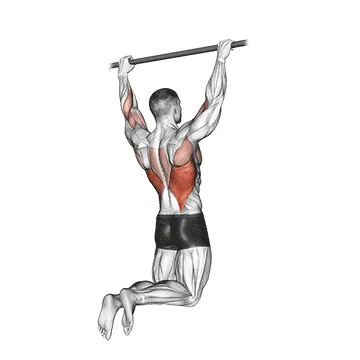
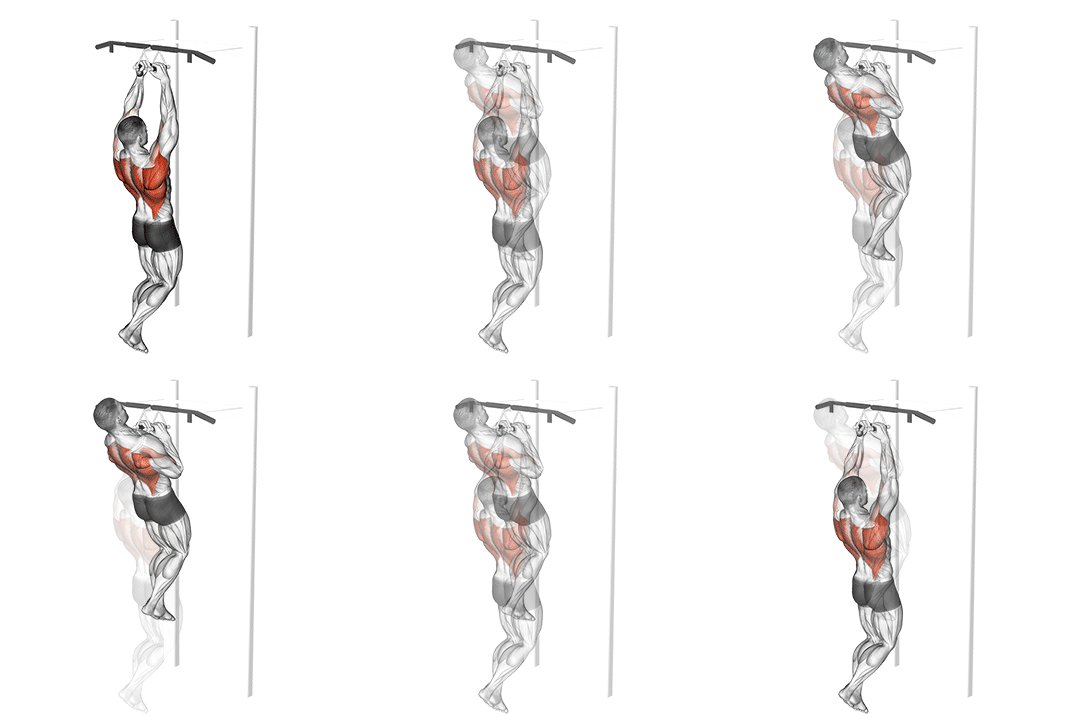
Best match 1. Chin-ups (Narrow Parallel Grip)
62% match- Upper Back
- Bodyweight
- Advanced
- Compound
Use this when you have nothing to train with, because it works the upper back with bodyweight alone.
How to perform this exercise
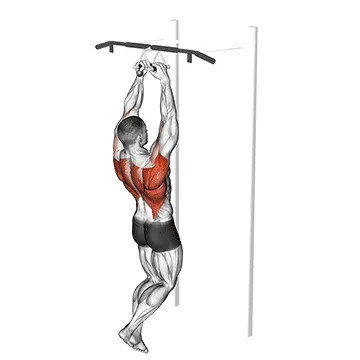
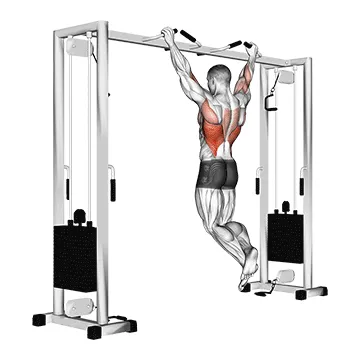
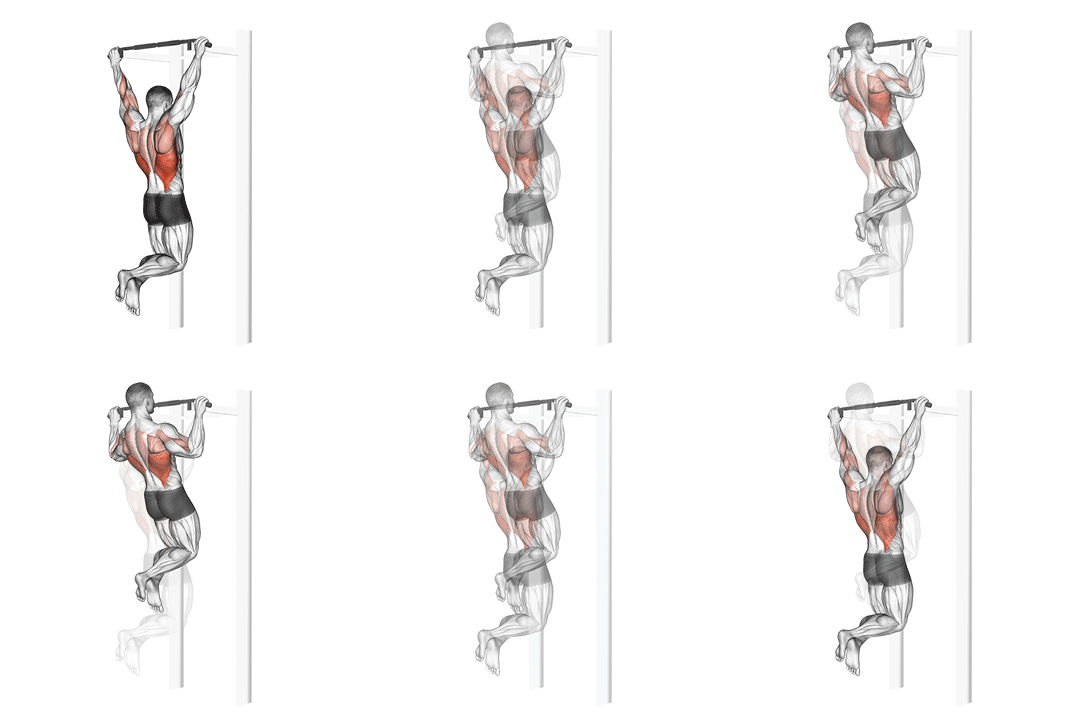
- Hang from a pull-up bar with a narrow parallel grip, palms facing towards you.
- Engage your back muscles and pull your body up towards the bar, keeping your elbows close to your body.
- Continue pulling until your chin is above the bar.
- Pause for a moment at the top, then slowly lower your body back down to the starting position.
- Repeat for the desired number of repetitions.
Sets and reps: 3 or 4 sets of 6 to 10 reps.
Why this matches
- Primary muscle: upper back, the same as the Cable One Arm Straight Back High Row (Kneeling)
- Equipment: bodyweight only, not a cable
- Body position: hanging, not kneeling
- Balance: harder to stay steady on than the Cable One Arm Straight Back High Row (Kneeling)
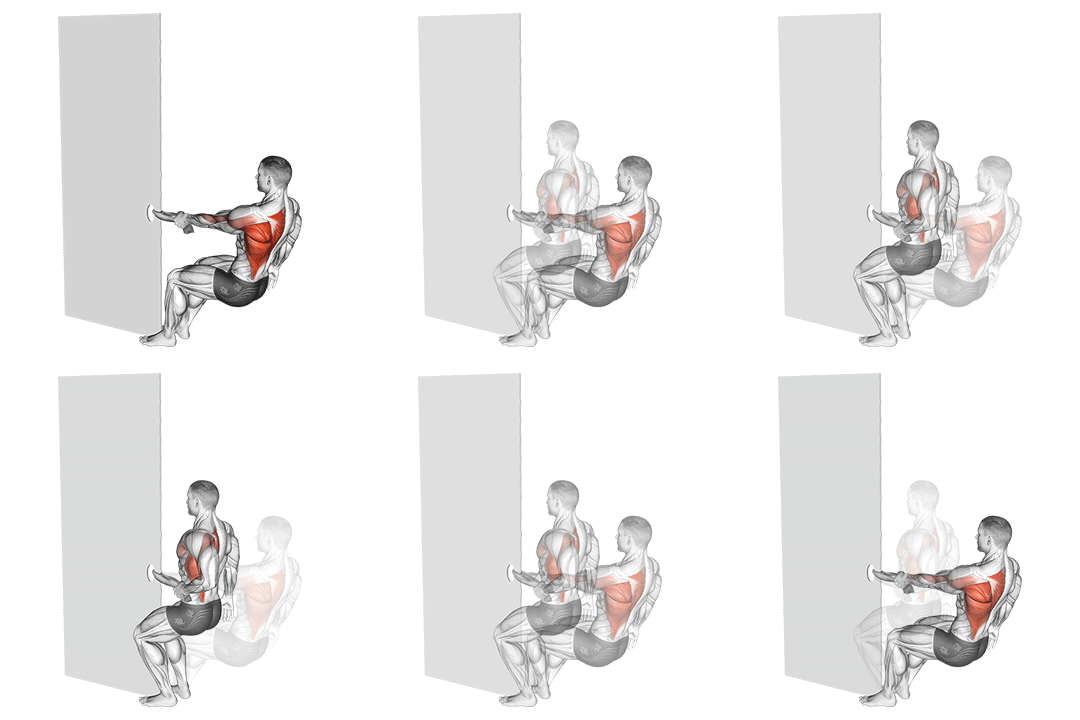
2. One Arm Towel Row
44% match- Upper Back
- Bodyweight
- Intermediate
- Compound
How to perform this exercise
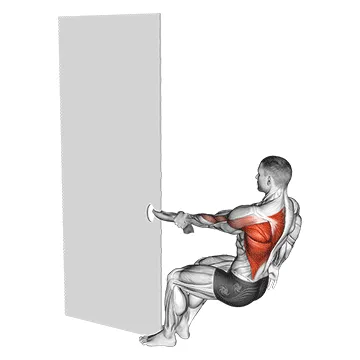
- Stand with your feet shoulder-width apart, knees slightly bent, and hold a towel with one hand.
- Bend forward at the waist, keeping your back straight and your core engaged.
- Extend your arm fully, allowing the towel to hang in front of you.
- Pull the towel towards your chest, squeezing your shoulder blades together.
- Pause for a moment at the top, then slowly lower the towel back to the starting position.
- Repeat for the desired number of repetitions, then switch arms.
Sets and reps: 3 or 4 sets of 6 to 10 reps on each side.
Why this matches
- Primary muscle: upper back, the same as the Cable One Arm Straight Back High Row (Kneeling)
- Equipment: bodyweight only, not a cable
- Body position: standing, not kneeling
- Balance: harder to stay steady on than the Cable One Arm Straight Back High Row (Kneeling)
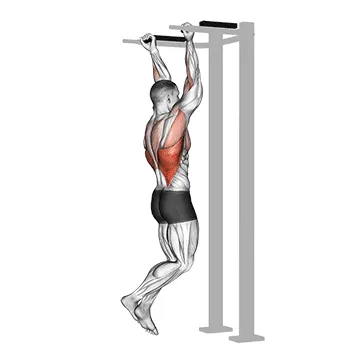
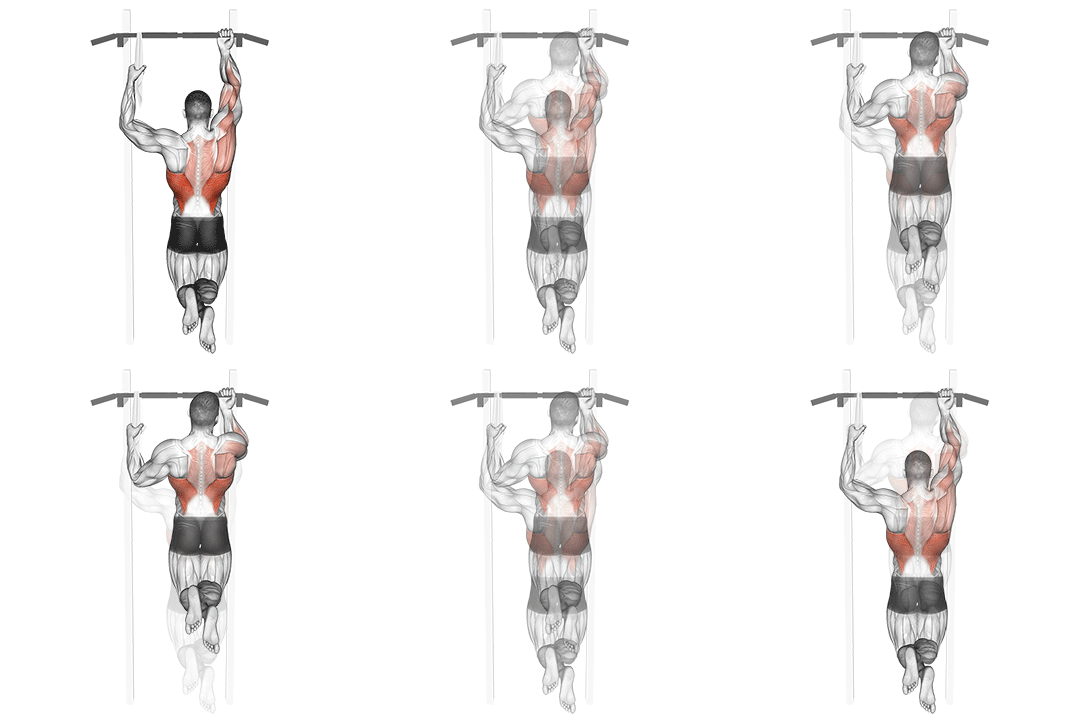
3. Biceps Narrow Pull-ups
43% match- Biceps
- Bodyweight
- Advanced
- Compound
A looser match: it works the biceps rather than the upper back.
How to perform this exercise
- Hang from a pull-up bar with your palms facing towards you and your hands shoulder-width apart.
- Engage your core and pull yourself up towards the bar, focusing on using your biceps to lift your body.
- Pause for a moment at the top, then slowly lower yourself back down to the starting position.
- Repeat for the desired number of repetitions.
Sets and reps: 3 or 4 sets of 6 to 10 reps.
Why this matches
- Primary muscle: biceps, not upper back
- Equipment: bodyweight only, not a cable
- Body position: hanging, not kneeling
- Balance: harder to stay steady on than the Cable One Arm Straight Back High Row (Kneeling)
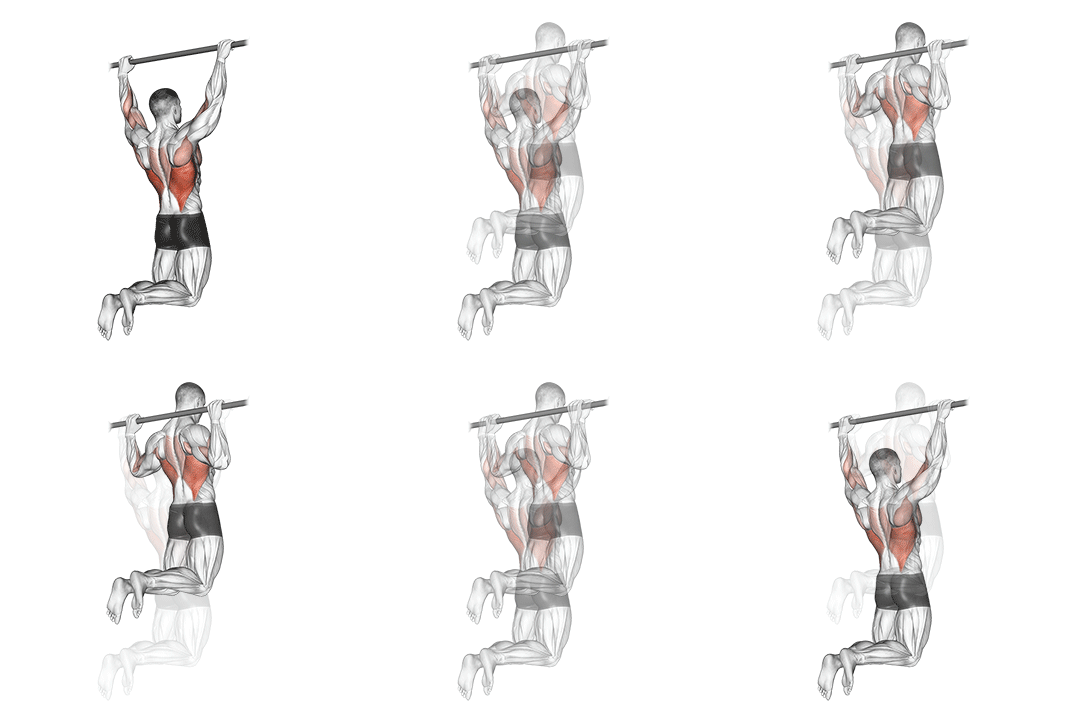
4. Pull Up (Neutral Grip)
42% match- Lats
- Bodyweight
- Advanced
- Compound
A looser match: it works the lats rather than the upper back.
How to perform this exercise
- Hang from a pull-up bar with a neutral grip (palms facing each other) and your arms fully extended.
- Engage your core and squeeze your shoulder blades together.
- Pull your body up towards the bar by bending your elbows and driving your elbows down towards your hips.
- Continue pulling until your chin is above the bar.
- Pause for a moment at the top, then slowly lower your body back down to the starting position with control.
- Repeat for the desired number of repetitions.
Sets and reps: 3 or 4 sets of 6 to 10 reps.
Why this matches
- Primary muscle: lats, not upper back
- Equipment: bodyweight only, not a cable
- Body position: hanging, not kneeling
- Balance: harder to stay steady on than the Cable One Arm Straight Back High Row (Kneeling)
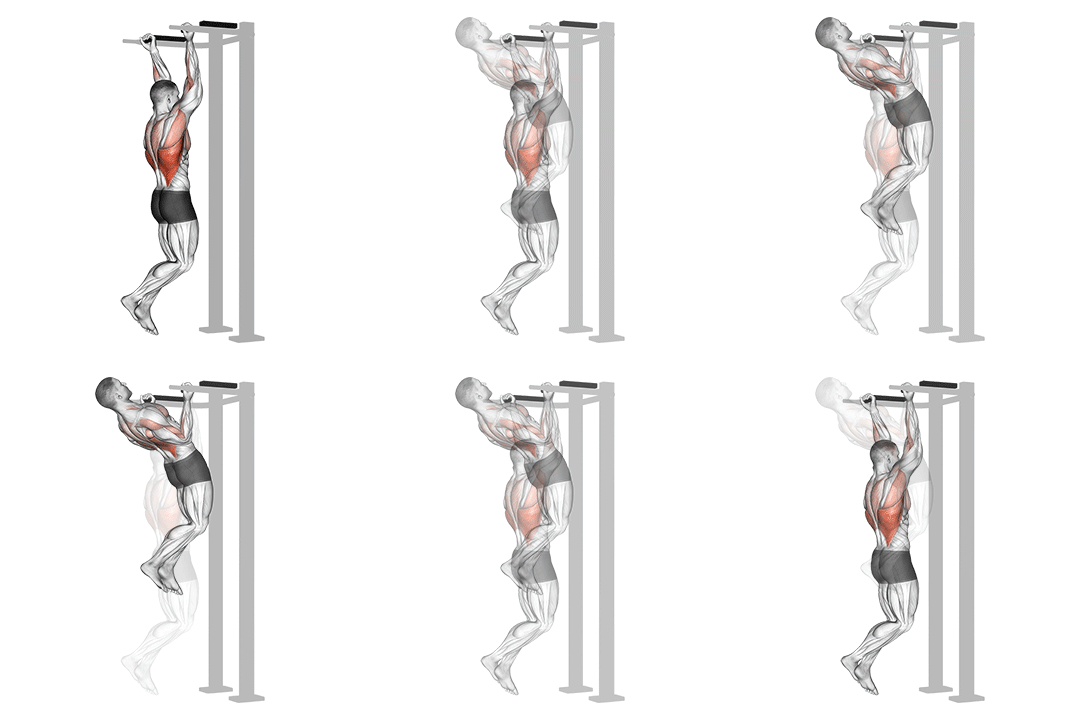
5. One Arm Chin-up
42% match- Lats
- Bodyweight
- Advanced
- Compound
How to perform this exercise
- Stand facing a pull-up bar with your feet shoulder-width apart.
- Reach up and grab the bar with an underhand grip, with one hand gripping the bar and the other hand holding your wrist for support.
- Hang from the bar with your arm fully extended, keeping your body straight and your core engaged.
- Pull yourself up towards the bar by bending your elbow and squeezing your back muscles.
- Continue pulling until your chin is above the bar, then slowly lower yourself back down to the starting position.
- Repeat for the desired number of repetitions, then switch arms and repeat.
Sets and reps: 3 or 4 sets of 6 to 10 reps on each side.
Why this matches
- Primary muscle: lats, not upper back
- Equipment: bodyweight only, not a cable
- Body position: hanging, not kneeling
- Balance: harder to stay steady on than the Cable One Arm Straight Back High Row (Kneeling)
6. V-bar Pullup
42% match- Lats
- Bodyweight
- Intermediate
- Compound
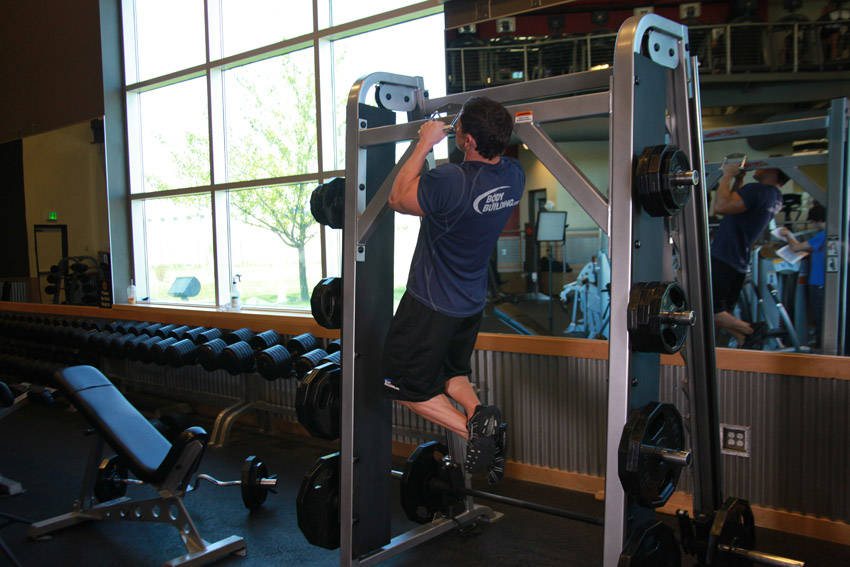
How to perform this exercise
- Start by placing the middle of the V-bar in the middle of the pull-up bar (assuming that the pull-up station you are using does not have neutral grip handles). The V-Bar handles will be facing down so that you can hang from the pull-up bar through the use of the handles.
- Once you securely place the V-bar, take a hold of the bar from each side and hang from it. Stick your chest out and lean yourself back slightly in order to better engage the lats. This will be your starting position.
- Using your lats, pull your torso up while leaning your head back slightly so that you do not hit yourself with the chin-up bar. Continue until your chest nearly touches the V-bar. Exhale as you execute this motion.
- After a second hold on the contracted position, slowly lower your body back to the starting position as you breathe in.
- Repeat for the prescribed number of repetitions.
Sets and reps: 3 or 4 sets of 6 to 10 reps.
Why this matches
- Primary muscle: lats, not upper back
- Equipment: bodyweight only, not a cable
- Body position: hanging, not kneeling
- Balance: harder to stay steady on than the Cable One Arm Straight Back High Row (Kneeling)
7. Rear Pull-up
39% match- Lats
- Bodyweight
- Intermediate
- Compound
How to perform this exercise
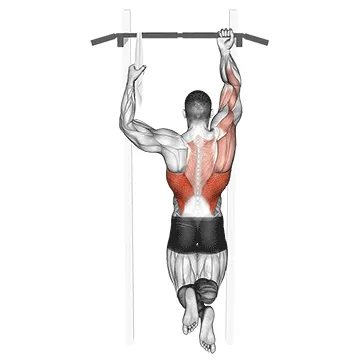
- Grab the pull-up bar with an overhand grip, slightly wider than shoulder-width apart.
- Hang from the bar with your arms fully extended and your body straight.
- Engage your back muscles and pull your body up towards the bar, keeping your elbows close to your body.
- Continue pulling until your chin is above the bar.
- Pause for a moment at the top, then slowly lower your body back down to the starting position.
- Repeat for the desired number of repetitions.
Sets and reps: 3 or 4 sets of 6 to 10 reps.
Why this matches
- Primary muscle: lats, not upper back
- Equipment: bodyweight only, not a cable
- Body position: hanging, not kneeling
8. Reverse Grip Pull-up
39% match- Lats
- Bodyweight
- Intermediate
- Compound
How to perform this exercise
- Grab the pull-up bar with an underhand grip, hands shoulder-width apart.
- Hang from the bar with your arms fully extended and your body straight.
- Engage your back muscles and pull your body up towards the bar, leading with your chest.
- Continue pulling until your chin is above the bar.
- Pause for a moment at the top, then slowly lower your body back down to the starting position.
- Repeat for the desired number of repetitions.
Sets and reps: 3 or 4 sets of 6 to 10 reps.
Why this matches
- Primary muscle: lats, not upper back
- Equipment: bodyweight only, not a cable
- Body position: hanging, not kneeling
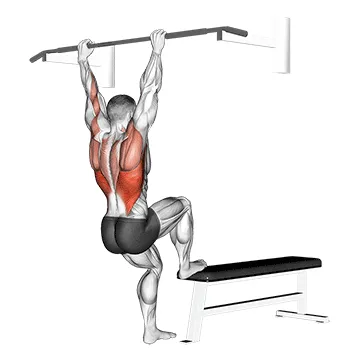
9. Bench Pull-ups
38% match- Lats
- Bodyweight
- Intermediate
- Compound
How to perform this exercise
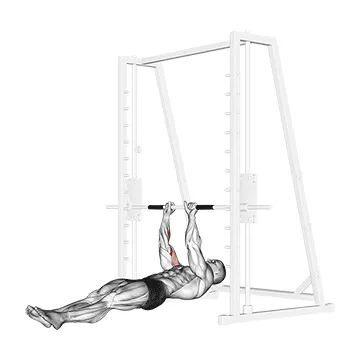
- Position yourself under a bar or a sturdy horizontal surface that is at chest height.
- Grab the bar or surface with an overhand grip, slightly wider than shoulder-width apart.
- Hang with your arms fully extended and your body straight.
- Pull your chest towards the bar or surface by squeezing your shoulder blades together and bending your elbows.
- Continue pulling until your chin is above the bar or surface.
- Lower yourself back down to the starting position with control.
- Repeat for the desired number of repetitions.
Sets and reps: 3 or 4 sets of 6 to 10 reps.
Why this matches
- Primary muscle: lats, not upper back
- Equipment: bodyweight only, not a cable
- Body position: hanging, not kneeling
- Balance: harder to stay steady on than the Cable One Arm Straight Back High Row (Kneeling)
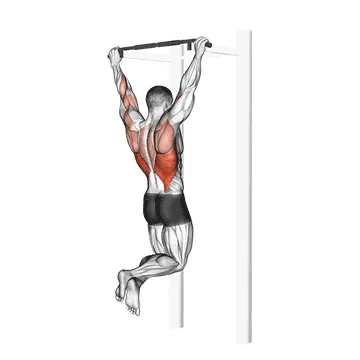
10. Pull-up
38% match- Lats
- Bodyweight
- Advanced
- Compound
How to perform this exercise
- Hang from a pull-up bar with your palms facing away from you and your arms fully extended.
- Engage your core and squeeze your shoulder blades together.
- Pull your body up towards the bar by bending your elbows and bringing your chest towards the bar.
- Pause at the top of the movement, then slowly lower your body back down to the starting position.
- Repeat for the desired number of repetitions.
Sets and reps: 3 or 4 sets of 6 to 10 reps.
Why this matches
- Primary muscle: lats, not upper back
- Equipment: bodyweight only, not a cable
- Body position: hanging, not kneeling
- Balance: harder to stay steady on than the Cable One Arm Straight Back High Row (Kneeling)
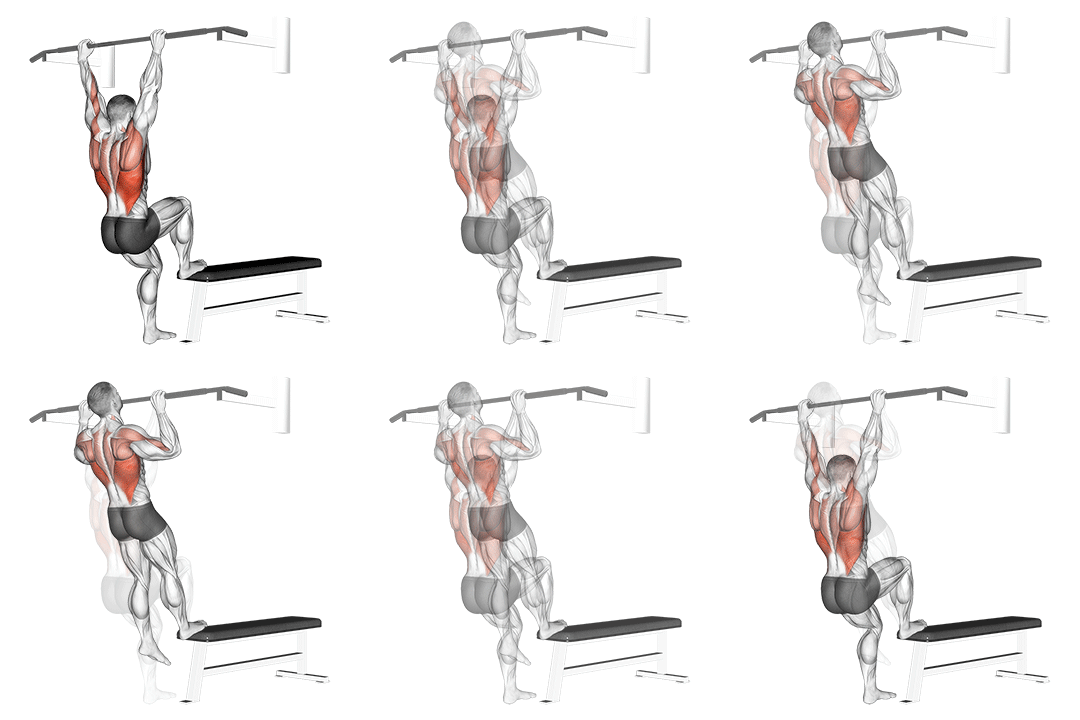
Why You Might Need a Cable One Arm Straight Back High Row (Kneeling) Alternative
You may substitute this kneeling cable row for pain, limited equipment, or to change stimulus. The original targets posterior deltoid, rhomboids, and lower/middle traps via a high-line unilateral pull and scapular retraction. If cables or a proper pulley angle are unavailable, or if knee or wrist pain prevents kneeling, select alternatives that reproduce the high elbow trajectory and scapular pinch. Prioritize options that let you cue scapular retraction before elbow flexion, for example, initiate each rep by pinching the shoulder blade together to keep rhomboids and traps engaged and avoid lat-dominant compensation.
Cable One Arm Straight Back High Row (Kneeling) FAQ
What muscles does Cable One Arm Straight Back High Row (kneeling) work?
It primarily trains the upper back: posterior deltoid, rhomboids, middle and lower trapezius, plus stabilizing rotator cuff fibers. Biomechanically it's a high-line unilateral row that emphasizes scapular retraction; cue a deliberate shoulder-blade pinch at peak contraction to maximize target muscle activation.
What is the best bodyweight alternative to Cable One Arm Straight Back High Row (kneeling)?
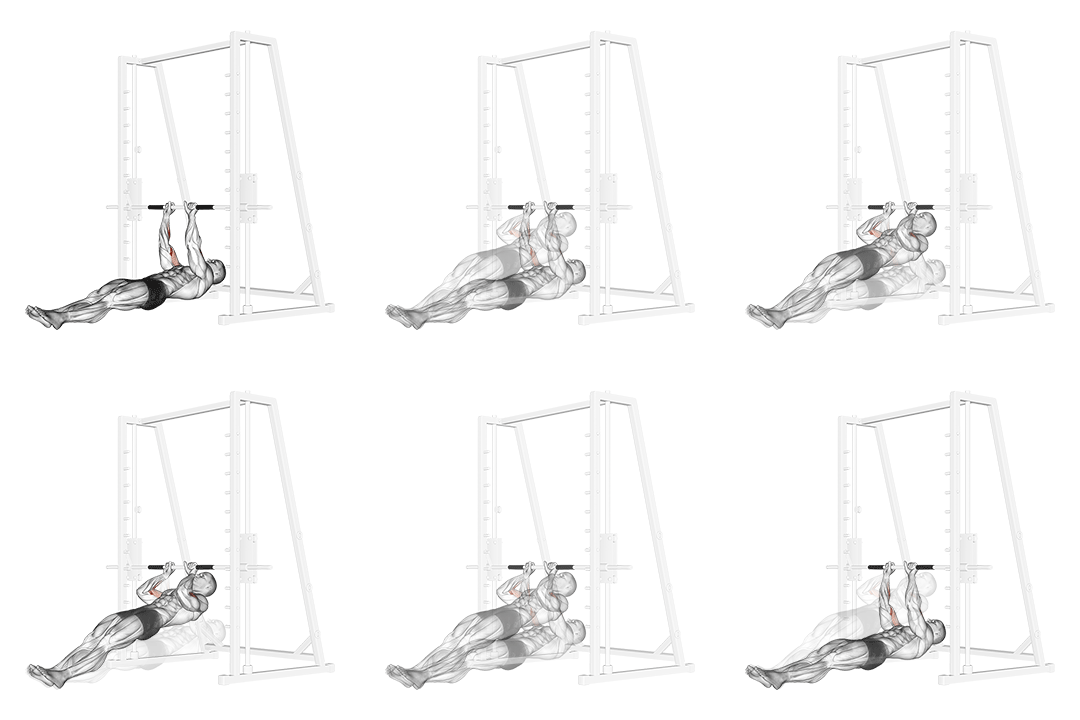
The inverted (Australian) row with feet elevated is the best bodyweight substitute, set your torso at 30–45°, pull your chest to the bar, and lead with the elbows to keep the pull high. For unilateral work, perform single-arm or staggered-arm variations and focus on squeezing the scapula on every rep.
Can I build muscle without doing Cable One Arm Straight Back High Row (kneeling)?
Yes. You can achieve similar hypertrophy with progressive overload across alternatives like single-arm dumbbell high-rows, TRX high rows, and bent-over rows while maintaining scapular control. Consistently increase load, volume, or time under tension and cue full scapular retraction to ensure the upper-back muscles receive sufficient mechanical stimulus.
Find Alternatives for Any Exercise
Search the exercise database and filter the ranked substitutes by the equipment you own.
Similarity scores compare exercise metadata such as movement pattern, muscles, equipment and body position. They are not a safety rating or a check that you own the equipment. Learn about our methodology