

10 Best Cable Reverse One Arm Curl Alternatives for Home or Gym
If you can’t perform the Cable Reverse One Arm Curl, use dumbbell reverse curls, barbell reverse curls, EZ-bar reverse curls, hammer curls, or rope reverse cable curls. Use a pronated or neutral grip to shift emphasis to the brachialis and brachioradialis, keep elbows pinned, and control the eccentric phase.
Original Exercise: Cable Reverse One Arm Curl
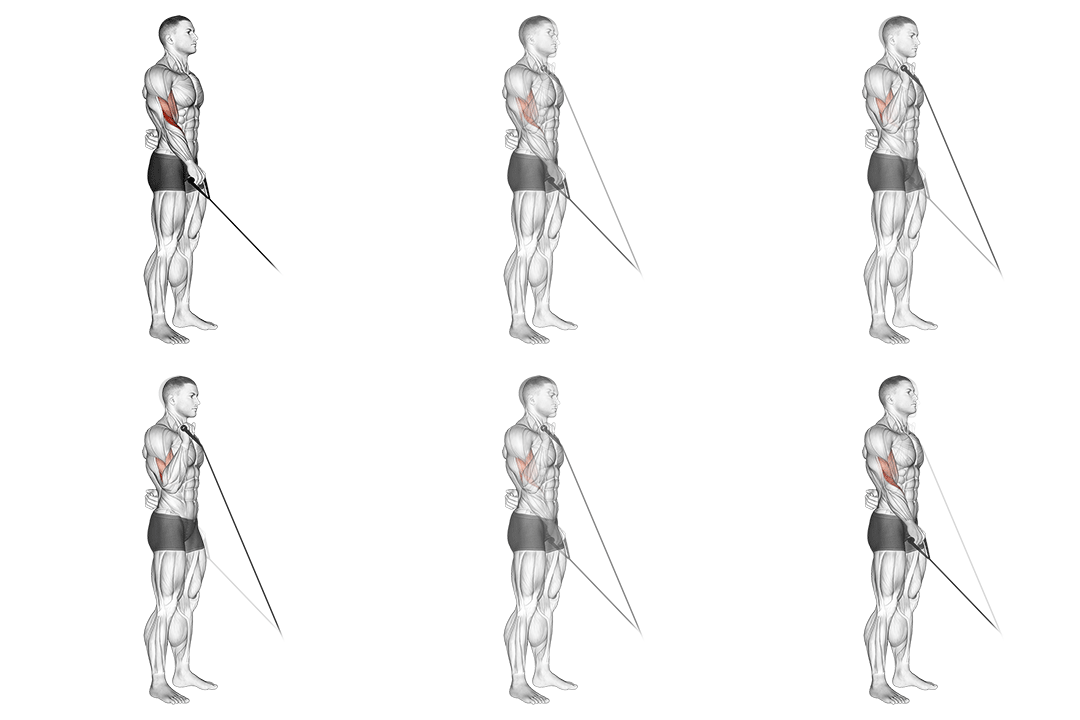
How to Perform Cable Reverse One Arm Curl
- Stand facing a cable machine with your feet shoulder-width apart.
- Grasp the cable handle with an underhand grip, palm facing down.
- Keep your elbow close to your side and slowly curl your forearm up towards your shoulder.
- Pause for a moment at the top, then slowly lower your forearm back down to the starting position.
- Repeat for the desired number of repetitions.
Ranked Cable Reverse One Arm Curl Alternatives
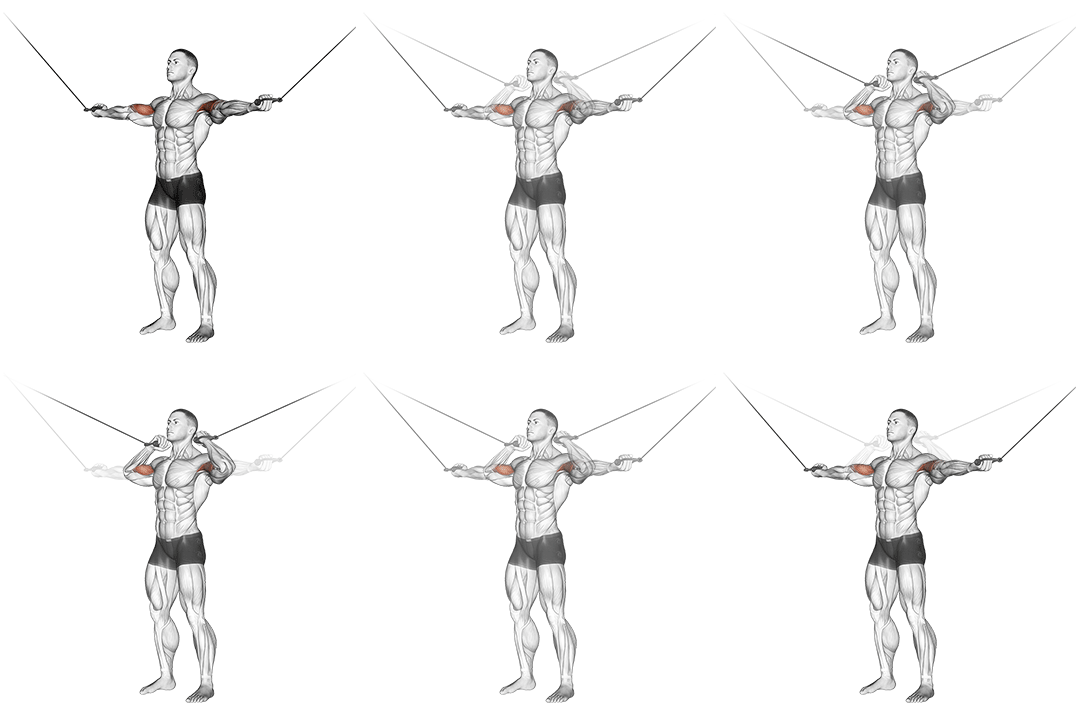
1. Cable Standing Inner Curl
96% MatchHow to perform this exercise
- Stand facing a cable machine with your feet shoulder-width apart.
- Grasp the cable handle with an underhand grip, palms facing up.
- Keep your elbows close to your sides and your upper arms stationary.
- Exhale and curl the cable handle towards your shoulders, contracting your biceps.
- Pause for a moment at the top of the movement, squeezing your biceps.
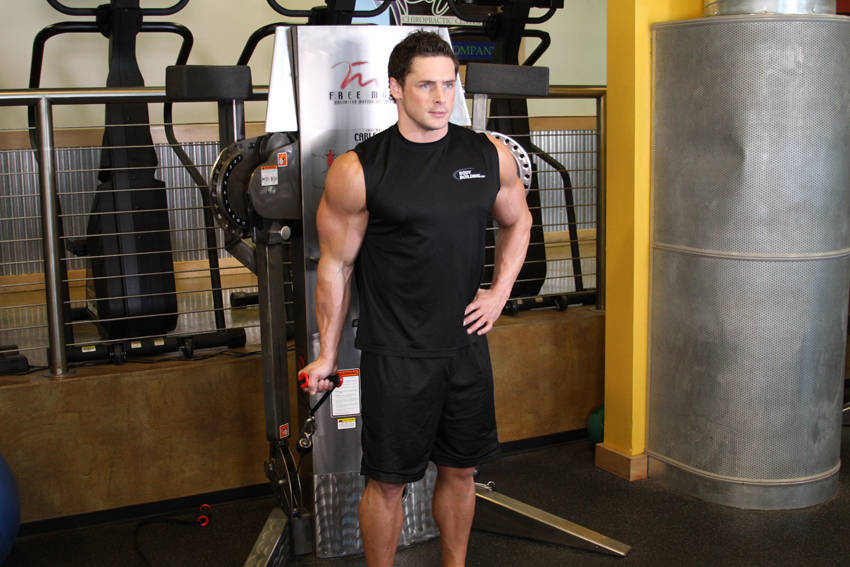
2. Standing One-Arm Cable Curl
96% MatchHow to perform this exercise
- Start out by grabbing single handle next to the low pulley machine. Make sure you are far enough from the machine so that your arm is supporting the weight.
- Make sure that your upper arm is stationary, perpendicular to the floor with elbows in and palms facing forward. Your non lifting arm should be grabbing your waist. This will allow you to keep your balance.
- Slowly begin to curl the single handle upwards while keeping the upper arm stationary until your forearm touches your bicep while exhaling. Tip: Only the forearm should move.
- Hold the contraction position as you squeeze the bicep and then lower the single handle back down to the starting position as you inhale.
- Repeat for the recommended amount of repetitions.
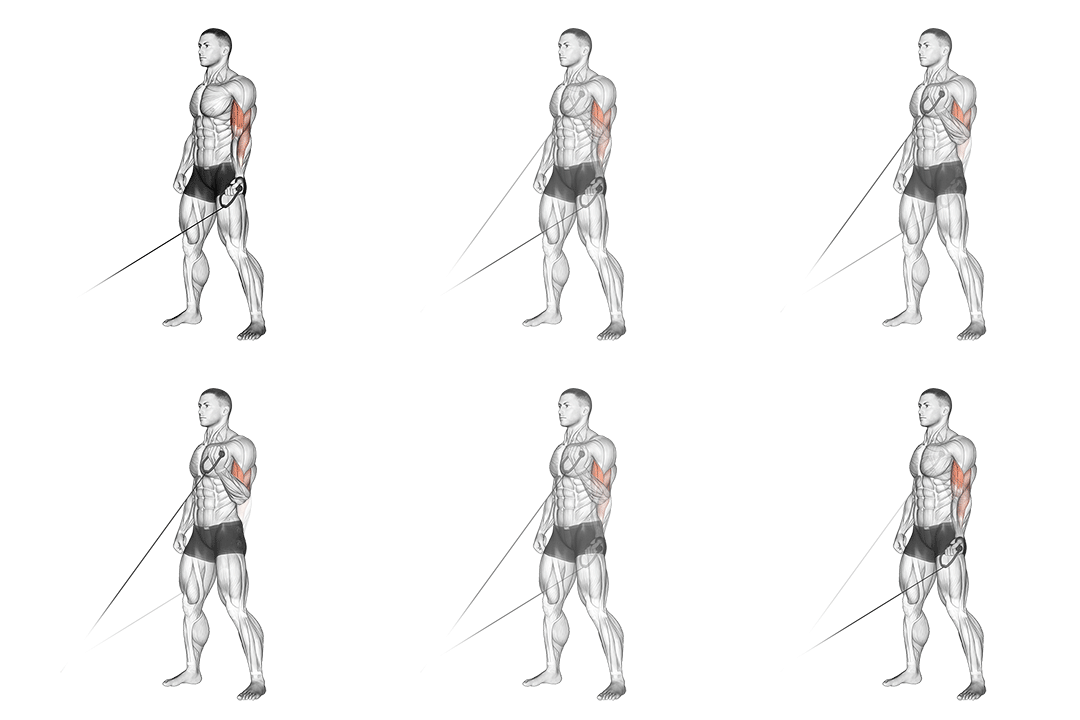
3. Cable One Arm Curl
93.9% MatchHow to perform this exercise
- Stand facing the cable machine with your feet shoulder-width apart.
- Grasp the cable handle with an underhand grip, palm facing up.
- Keep your elbow close to your side and slowly curl your forearm up towards your shoulder.
- Pause for a moment at the top, then slowly lower your forearm back down to the starting position.
- Repeat for the desired number of repetitions.
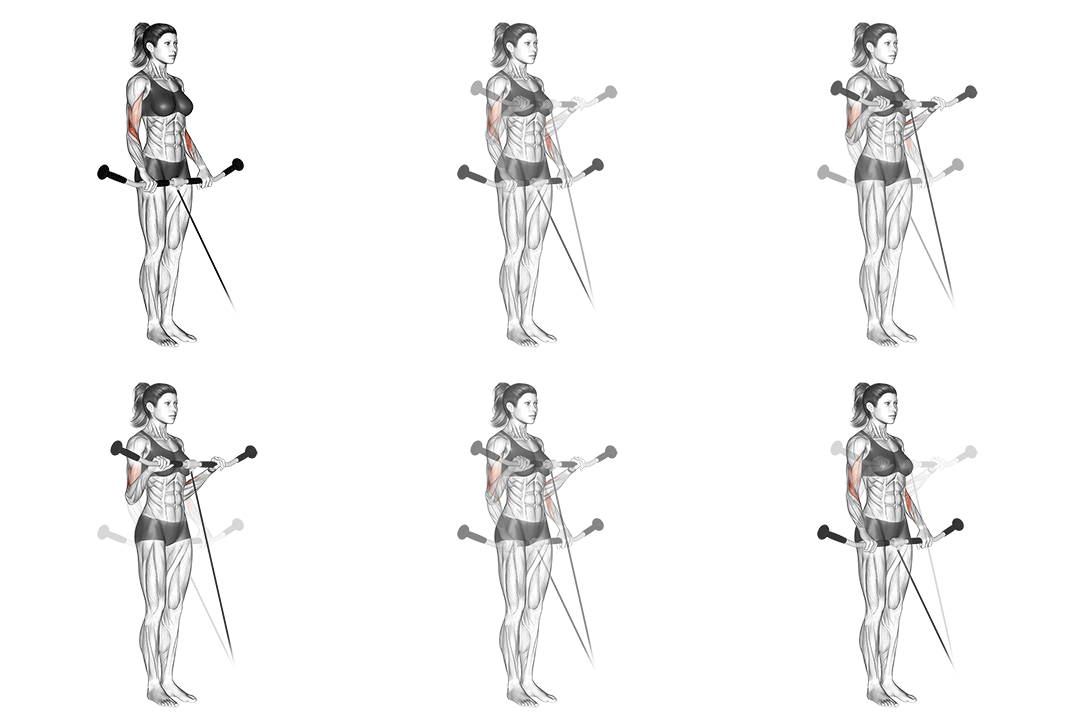
4. Cable Reverse Curl
92.2% MatchHow to perform this exercise
- Attach a straight bar to a low pulley cable machine.
- Stand facing the machine with your feet shoulder-width apart and your knees slightly bent.
- Grasp the bar with an underhand grip, hands shoulder-width apart.
- Keep your elbows close to your sides and your upper arms stationary throughout the exercise.
- Exhale and curl the bar up towards your shoulders, contracting your biceps.
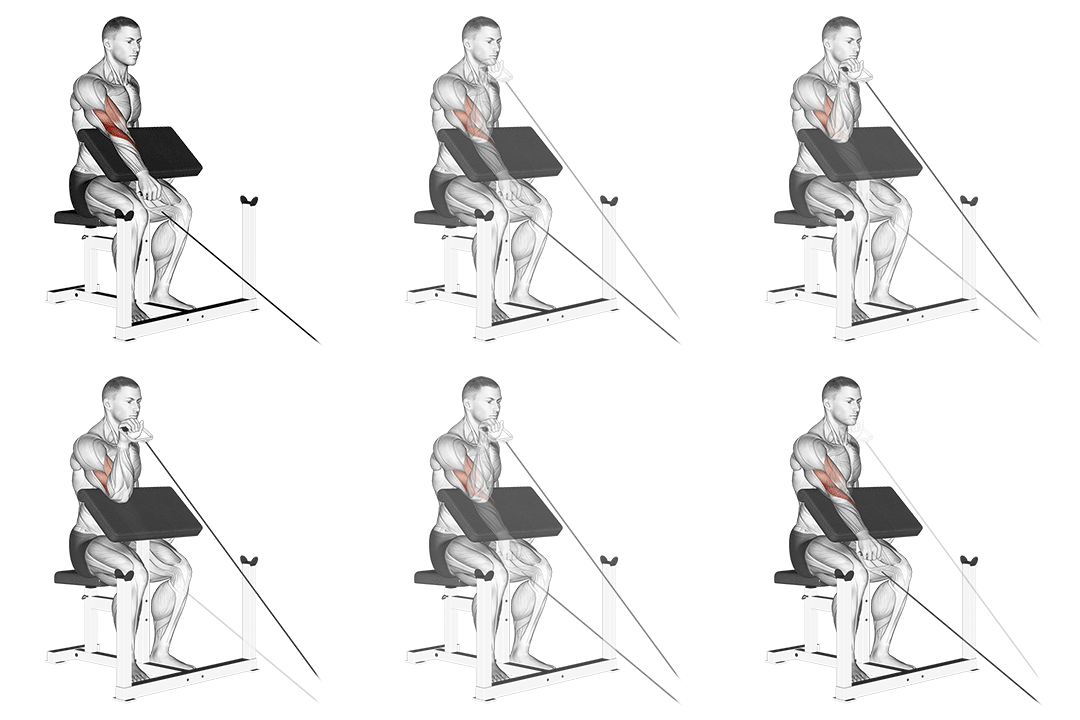
5. Cable One Arm Reverse Preacher Curl
90.7% MatchHow to perform this exercise
- Adjust the cable machine so that the pulley is at the lowest position.
- Stand facing the cable machine with your feet shoulder-width apart.
- Grasp the cable handle with an underhand grip and position your upper arm against the preacher bench pad.
- Keep your back straight and your core engaged throughout the exercise.
- Slowly curl your forearm towards your bicep, keeping your upper arm stationary against the pad.
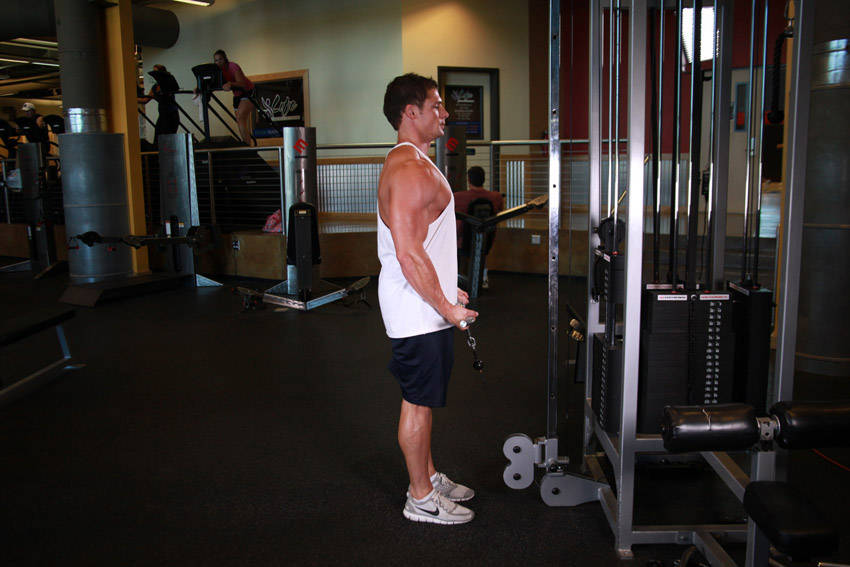
6. Standing Biceps Cable Curl
89% MatchHow to perform this exercise
- Stand up with your torso upright while holding a cable curl bar that is attached to a low pulley. Grab the cable bar at shoulder width and keep the elbows close to the torso. The palm of your hands should be facing up (supinated grip). This will be your starting position.
- While holding the upper arms stationary, curl the weights while contracting the biceps as you breathe out. Only the forearms should move. Continue the movement until your biceps are fully contracted and the bar is at shoulder level. Hold the contracted position for a second as you squeeze the muscle.
- Slowly begin to bring the curl bar back to starting position as your breathe in.
- Repeat for the recommended amount of repetitions.
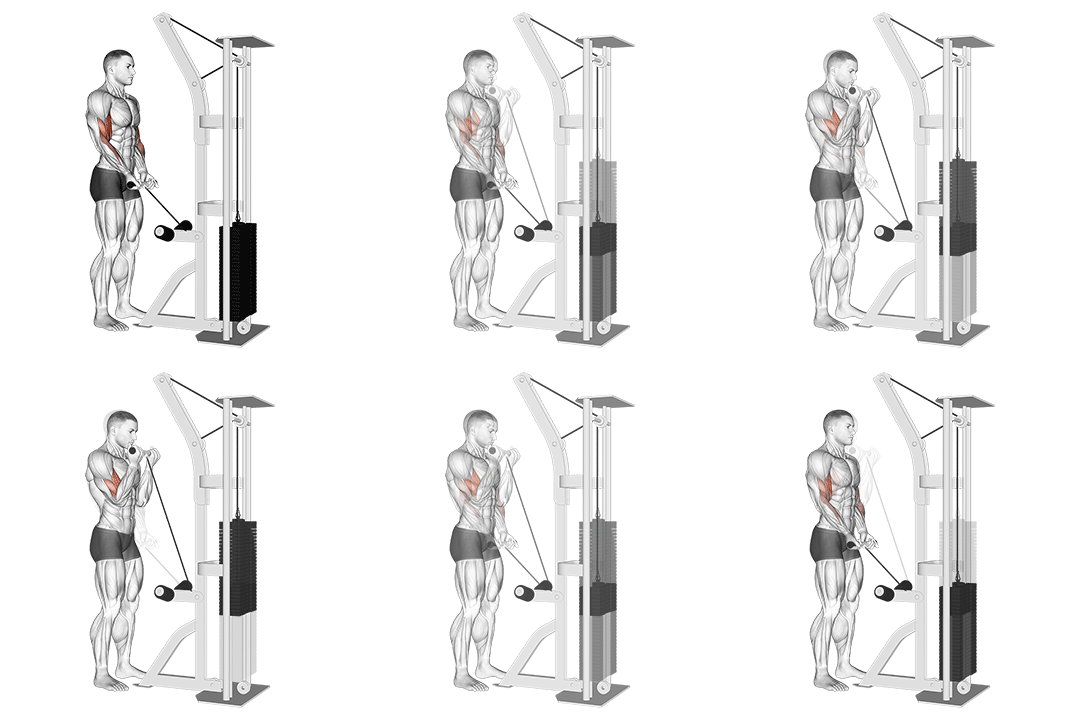
7. Cable Close Grip Curl
88.2% MatchHow to perform this exercise
- Attach a straight bar to a low pulley cable machine.
- Stand facing the machine with your feet shoulder-width apart and your knees slightly bent.
- Grasp the bar with an underhand grip, hands shoulder-width apart.
- Keep your elbows close to your sides and your upper arms stationary throughout the exercise.
- Exhale and curl the bar up towards your shoulders, contracting your biceps.
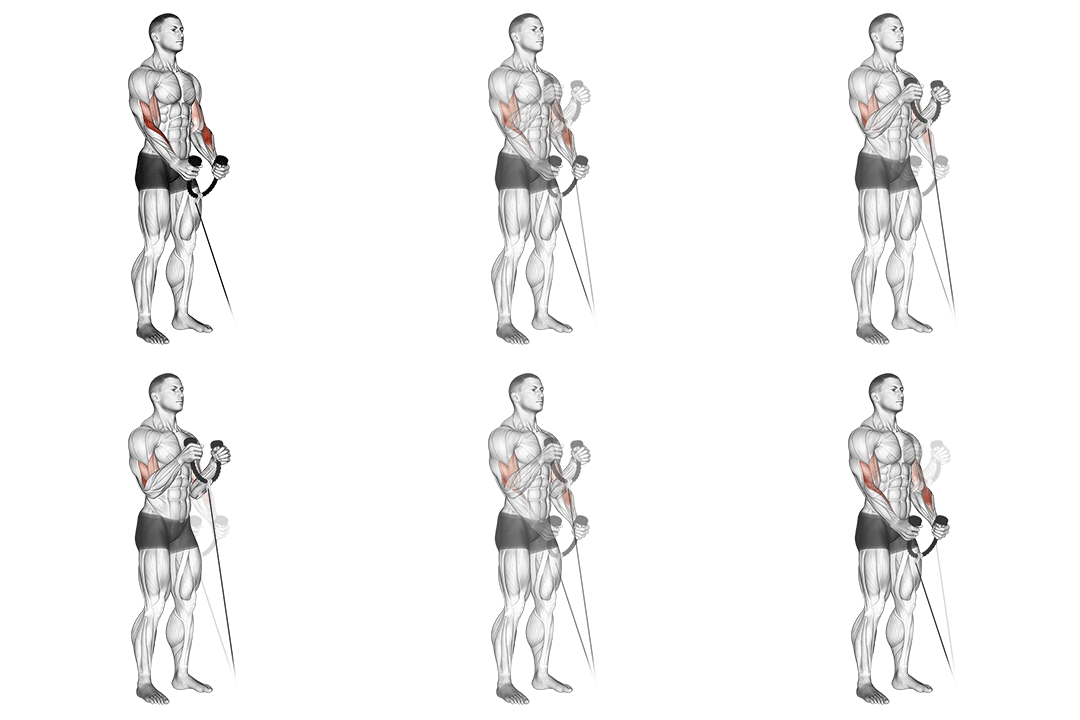
8. Cable Hammer Curl (with Rope)
88.2% MatchHow to perform this exercise
- Stand upright with your feet shoulder-width apart and a slight bend in your knees.
- Hold the cable rope attachment with an underhand grip, palms facing each other, and your arms fully extended.
- Keeping your upper arms stationary, exhale and curl the weights while contracting your biceps.
- Continue to raise the cable rope attachment until your biceps are fully contracted and the rope is at shoulder level.
- Hold the contracted position for a brief pause as you squeeze your biceps.
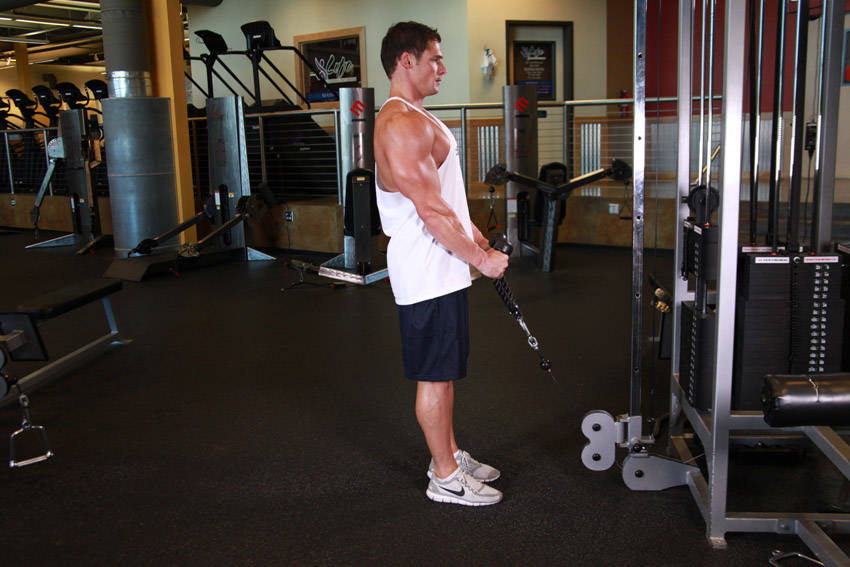
9. Cable Hammer Curls - Rope Attachment
88.2% MatchHow to perform this exercise
- Attach a rope attachment to a low pulley and stand facing the machine about 12 inches away from it.
- Grasp the rope with a neutral (palms-in) grip and stand straight up keeping the natural arch of the back and your torso stationary.
- Put your elbows in by your side and keep them there stationary during the entire movement. Tip: Only the forearms should move; not your upper arms. This will be your starting position.
- Using your biceps, pull your arms up as you exhale until your biceps touch your forearms. Tip: Remember to keep the elbows in and your upper arms stationary.
- After a 1 second contraction where you squeeze your biceps, slowly start to bring the weight back to the original position.
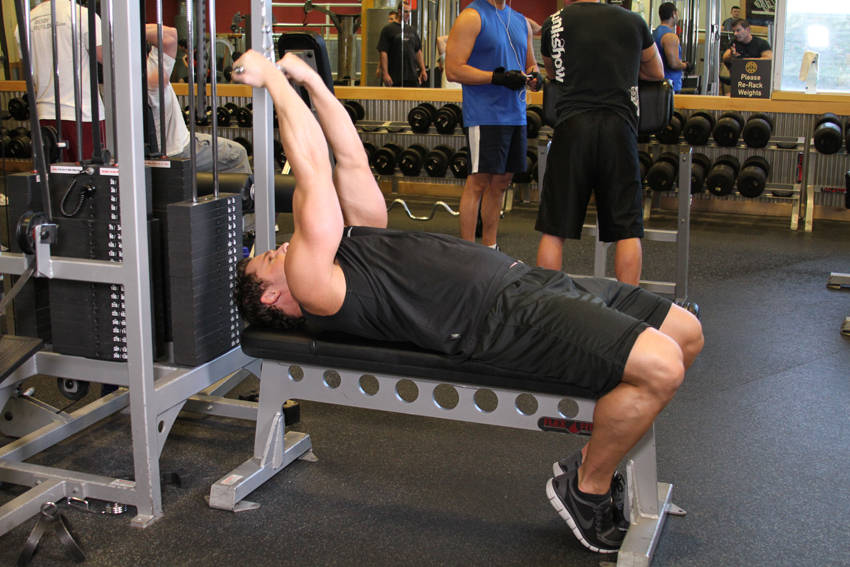
10. High Cable Curls
88.2% MatchHow to perform this exercise
- Stand between a couple of high pulleys and grab a handle in each arm. Position your upper arms in a way that they are parallel to the floor with the palms of your hands facing you. This will be your starting position.
- Curl the handles towards you until they are next to your ears. Make sure that as you do so you flex your biceps and exhale. The upper arms should remain stationary and only the forearms should move. Hold for a second in the contracted position as you squeeze the biceps.
- Slowly bring back the arms to the starting position.
- Repeat for the recommended amount of repetitions.
Why You Might Need a Cable Reverse One Arm Curl Alternative
You might swap the Cable Reverse One Arm Curl because of equipment limits, wrist or elbow pain, or to vary stimulus. Barbell and dumbbell reverse curls recreate the pronated forearm position but change loading mechanics; hammer curls use a neutral grip to reduce wrist torque and increase brachialis activation. Unilateral cable work gives constant tension, while free weights add stabilizer demand and different inertia. If you experience lateral elbow pain, reduce forearm supination torque by using a neutral grip or lighter load and emphasize a slow 3–4 second eccentric to reduce tendon stress. Choose an alternative that preserves the pronated/neutral grip and allows controlled range of motion.
How to Choose the Right Substitute
Pick a substitute based on grip, tension profile, and joint tolerance. If you need constant tension like the cable, use a rope reverse cable curl or banded reverse curls and keep the wrist extended slightly to maintain forearm engagement. If you want heavier loading, use an EZ-bar or barbell reverse curl with a shoulder-width grip; cue a firm wrist and full elbow extension to recruit the brachialis. For wrist pain, choose hammer curls with a neutral grip and keep the wrist stacked over the forearm. Prioritize a tempo (2 6s concentric, 3 4s eccentric) and stop when wrist valgus or elbow flaring appears.
Frequently Asked Questions
What muscles does Cable Reverse One Arm Curl work?
The Cable Reverse One Arm Curl targets the biceps brachii minimally while emphasizing the brachialis and brachioradialis because of the pronated grip. Keep the elbow fixed and wrist pronated to maximize forearm extensors and brachialis contribution.
What is the best bodyweight alternative to Cable Reverse One Arm Curl?
A true bodyweight match is limited, but reverse-grip chin variations (hands supinated slightly) on low rings or a towel-assisted incline row with a pronated grip can stress the brachialis and brachioradialis. Cue a rigid wrist and slow eccentrics to maintain forearm loading.
Can I build muscle without doing Cable Reverse One Arm Curl?
Yes. Use barbell or dumbbell reverse curls, EZ-bar curls, hammer curls, and rope cable reverse curls to create progressive overload and varied mechanical tension. Ensure full range of motion, controlled tempo, and gradual load increases to stimulate hypertrophy of the brachialis and biceps.
More Exercise Alternatives
Find Alternatives for Any Exercise
Use the exercise substitution finder to compare ranked alternatives for your available equipment and training preference.
Try the Exercise Substitution Finder →