

10 Best Cable Standing Row (V-bar) Alternatives When Cables Are Unavailable
The Cable Standing Row (V-bar) is done standing with a cable machine. Ranked closest by our scoring: the Elevator, the One Arm Towel Row and Front Lever Reps.
Updated Ranked by our 12-factor similarity model How it works
Original Exercise: Cable Standing Row (V-bar)
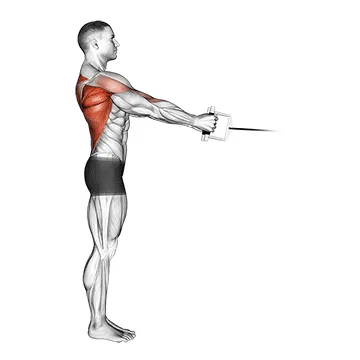
- Primary muscle
- Upper Back
- Equipment
- Cable
- Difficulty
- Intermediate
- Type
- Compound
Secondary muscles: Biceps, Shoulders
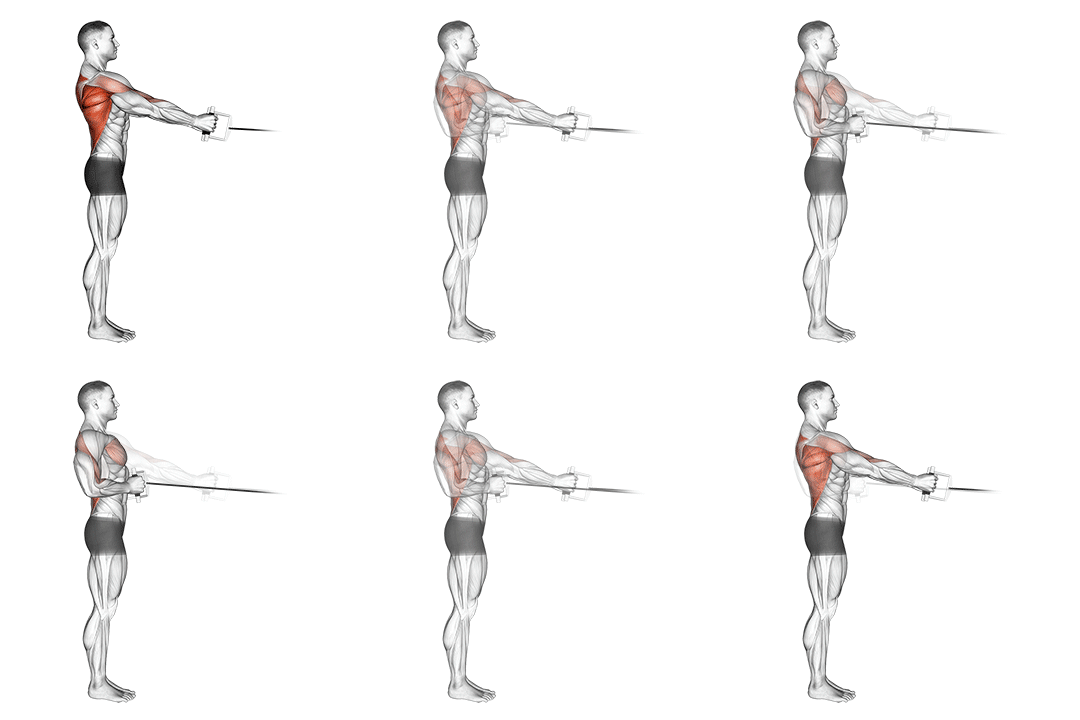
How to perform Cable Standing Row (V-bar)
- Stand facing the cable machine with your feet shoulder-width apart.
- Grasp the v-bar attachment with an overhand grip, palms facing down.
- Keep your back straight and your core engaged.
- Pull the v-bar towards your body, squeezing your shoulder blades together.
- Pause for a moment at the peak of the movement, then slowly release the tension and return to the starting position.
- Repeat for the desired number of repetitions.
Ranked Cable Standing Row (V-bar) Alternatives
10 substitutes, ranked by how closely each one matches the Cable Standing Row (V-bar) on movement pattern, muscles worked, equipment and body position. The higher the score, the less you change. Open "How to perform this exercise" on a card for the steps; every card title links to that exercise's own alternatives page.
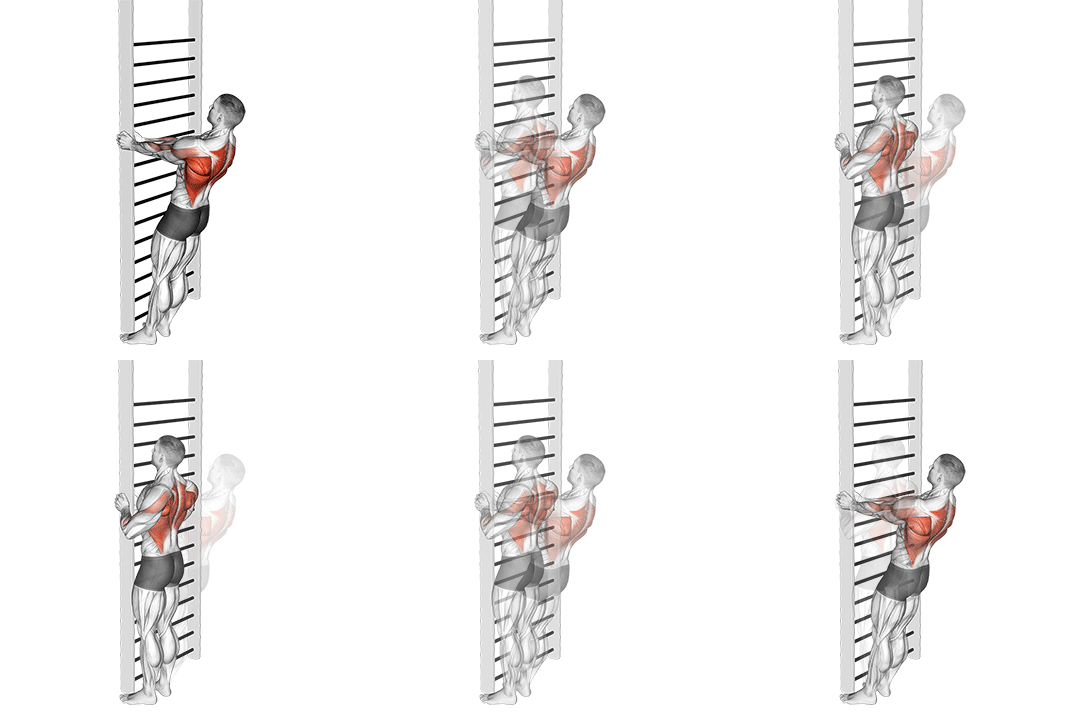
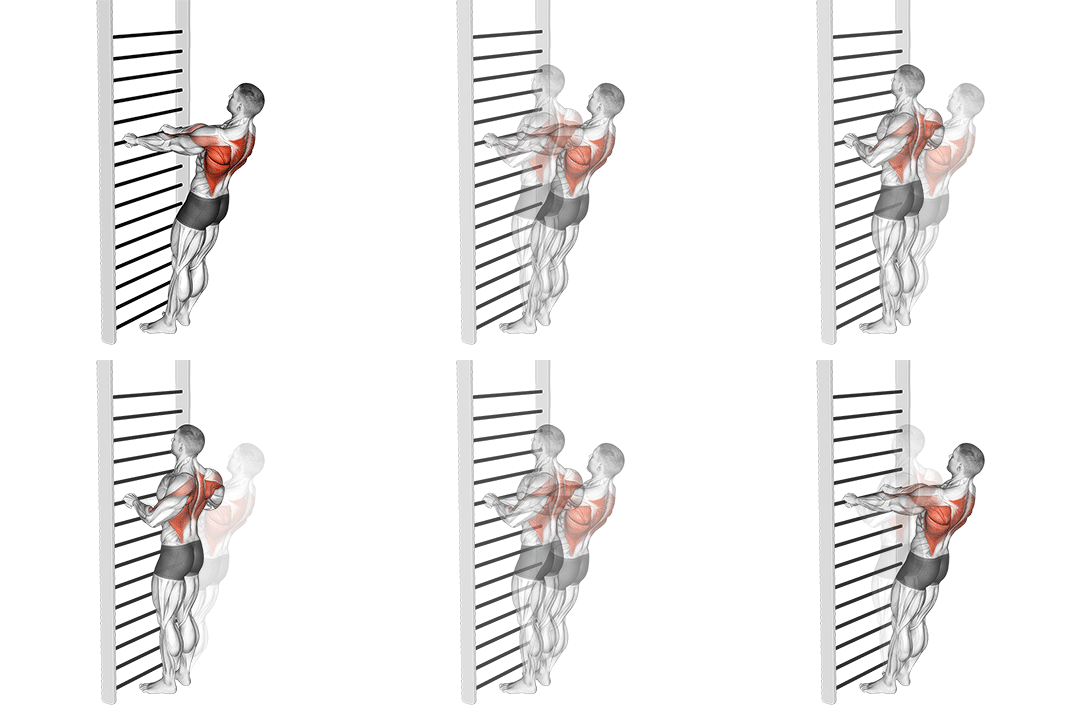
Best match 1. Elevator
80% match- Upper Back
- Bodyweight
- Intermediate
- Compound
Use this when you have nothing to train with, because it works the upper back with bodyweight alone.
How to perform this exercise
- Stand with your feet shoulder-width apart and your knees slightly bent.
- Place your hands on your hips or cross them in front of your chest.
- Keeping your back straight, slowly bend forward at the waist, lowering your upper body towards the ground.
- Pause for a moment at the bottom, then slowly raise your upper body back up to the starting position.
- Repeat for the desired number of repetitions.
Sets and reps: 3 or 4 sets of 6 to 10 reps.
Why this matches
- Primary muscle: upper back, the same as the Cable Standing Row (V-bar)
- Equipment: bodyweight only, not a cable
- Body position: standing, the same as the Cable Standing Row (V-bar)
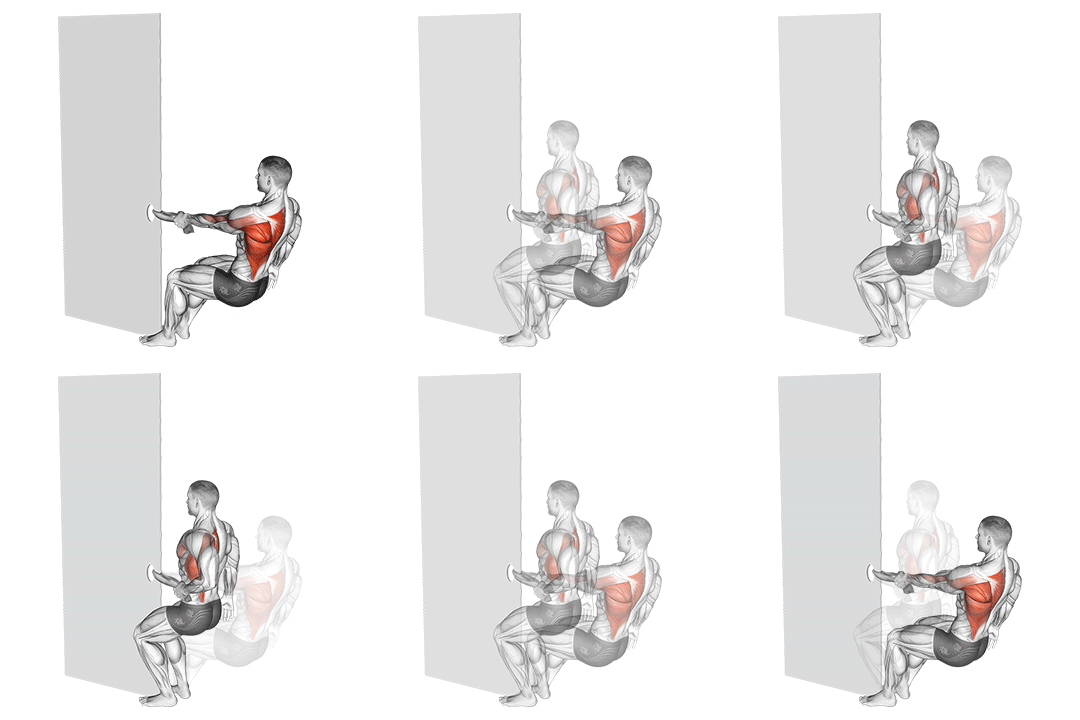
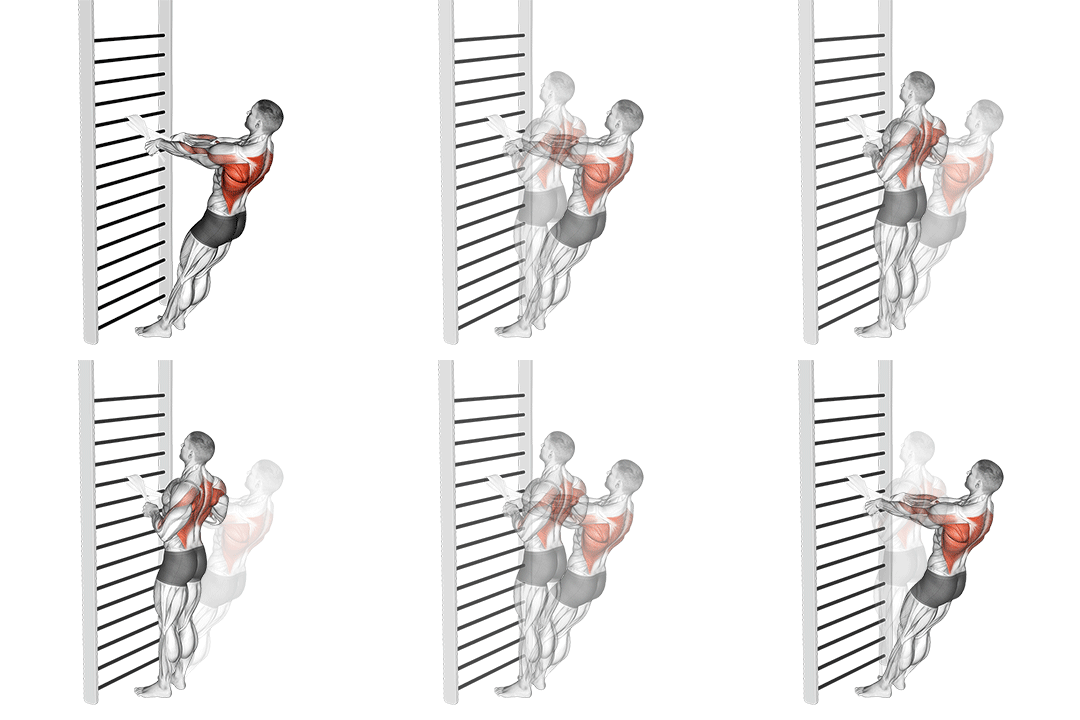
2. One Arm Towel Row
72% match- Upper Back
- Bodyweight
- Intermediate
- Compound
Pick this when you want a harder single-arm version that still works the upper back.
How to perform this exercise
- Stand with your feet shoulder-width apart, knees slightly bent, and hold a towel with one hand.
- Bend forward at the waist, keeping your back straight and your core engaged.
- Extend your arm fully, allowing the towel to hang in front of you.
- Pull the towel towards your chest, squeezing your shoulder blades together.
- Pause for a moment at the top, then slowly lower the towel back to the starting position.
- Repeat for the desired number of repetitions, then switch arms.
Sets and reps: 3 or 4 sets of 6 to 10 reps on each side.
Why this matches
- Primary muscle: upper back, the same as the Cable Standing Row (V-bar)
- Equipment: bodyweight only, not a cable
- Body position: standing, the same as the Cable Standing Row (V-bar)
- Balance: harder to stay steady on than the Cable Standing Row (V-bar)
- Lats
- Bodyweight
- Beginner
- Compound
A looser match: it works the lats rather than the upper back.
How to perform this exercise
- Stand with your feet shoulder-width apart and knees slightly bent.
- Bend forward at the waist, keeping your back straight and your core engaged.
- Extend your arms straight in front of you, gripping the bar or handles with a close grip.
- Pull the bar or handles towards your body, squeezing your shoulder blades together.
- Pause for a moment at the top of the movement, then slowly release and return to the starting position.
- Repeat for the desired number of repetitions.
Sets and reps: 3 sets of 8 to 12 reps, and add reps before you add load.
Why this matches
- Primary muscle: lats, not upper back
- Equipment: bodyweight only, not a cable
- Body position: standing, the same as the Cable Standing Row (V-bar)
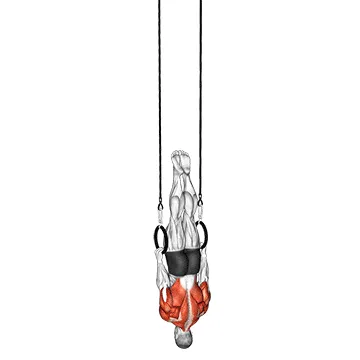
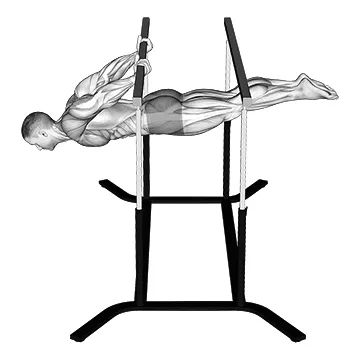
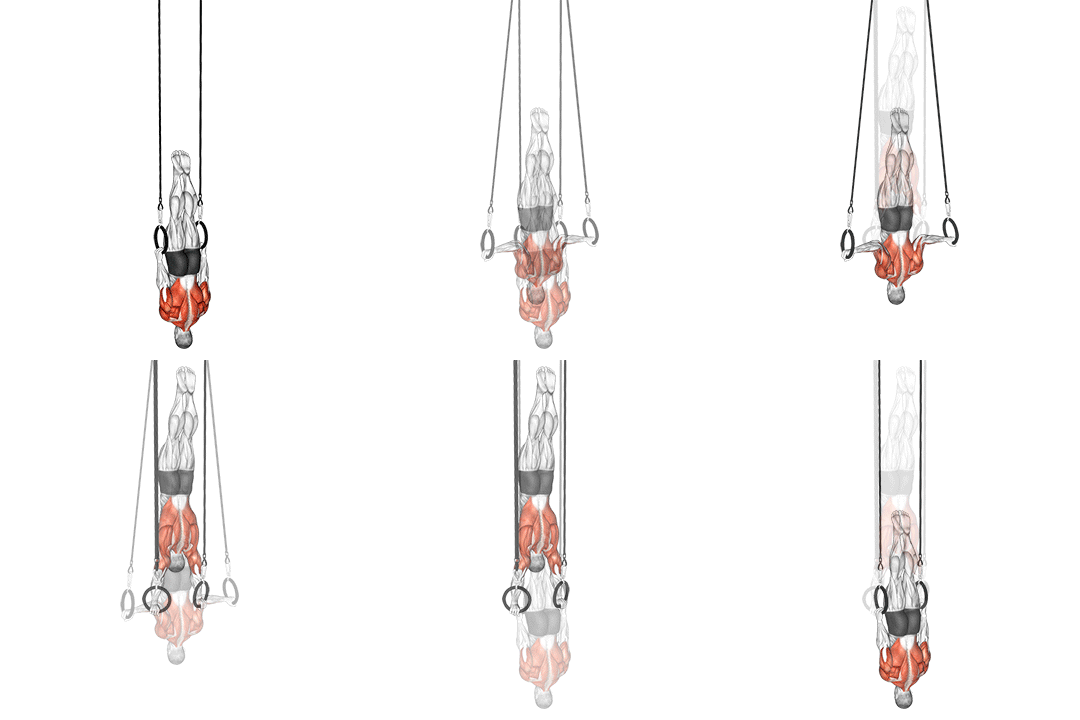
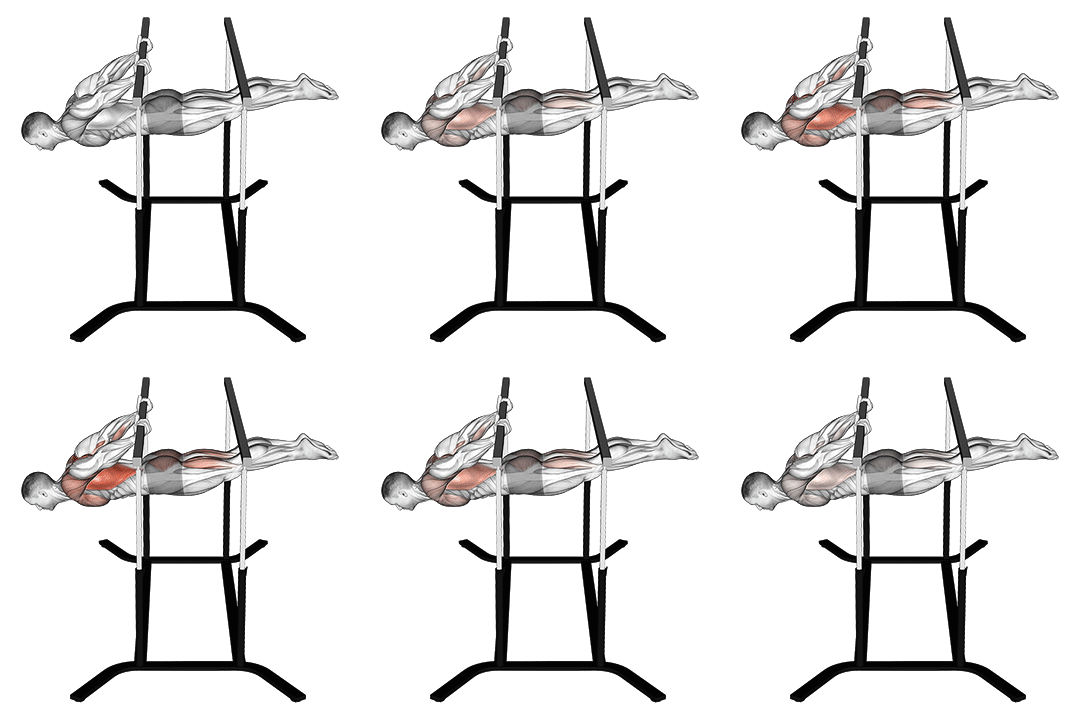
4. Front Lever Reps
66% match- Upper Back
- Bodyweight
- Advanced
- Compound
How to perform this exercise
- Hang from a pull-up bar with an overhand grip, palms facing away from you.
- Engage your core and pull your shoulder blades down and back.
- Keeping your body straight, lift your legs up until they are parallel to the ground.
- Hold this position for as long as you can, aiming for 10-20 seconds.
- Slowly lower your legs back down to the starting position.
- Repeat for the desired number of repetitions.
Sets and reps: 3 or 4 sets of 6 to 10 reps.
Why this matches
- Primary muscle: upper back, the same as the Cable Standing Row (V-bar)
- Equipment: bodyweight only, not a cable
- Body position: hanging, not standing
- Balance: harder to stay steady on than the Cable Standing Row (V-bar)
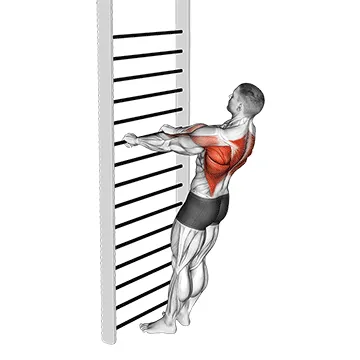
5. Bodyweight Standing Row
65% match- Lats
- Bodyweight
- Beginner
- Compound
How to perform this exercise
- Stand with your feet shoulder-width apart and knees slightly bent.
- Grasp a bar or handles with an overhand grip, palms facing down.
- Keep your back straight and core engaged.
- Pull the bar or handles towards your body, squeezing your shoulder blades together.
- Pause for a moment at the top of the movement.
- Slowly release and extend your arms back to the starting position.
- Repeat for the desired number of repetitions.
Sets and reps: 3 sets of 8 to 12 reps, and add reps before you add load.
Why this matches
- Primary muscle: lats, not upper back
- Equipment: bodyweight only, not a cable
- Body position: standing, the same as the Cable Standing Row (V-bar)
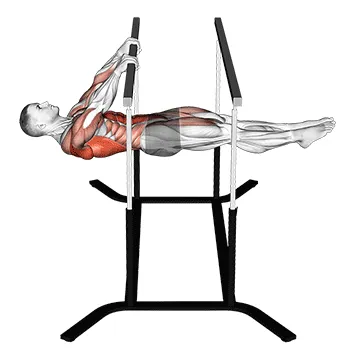
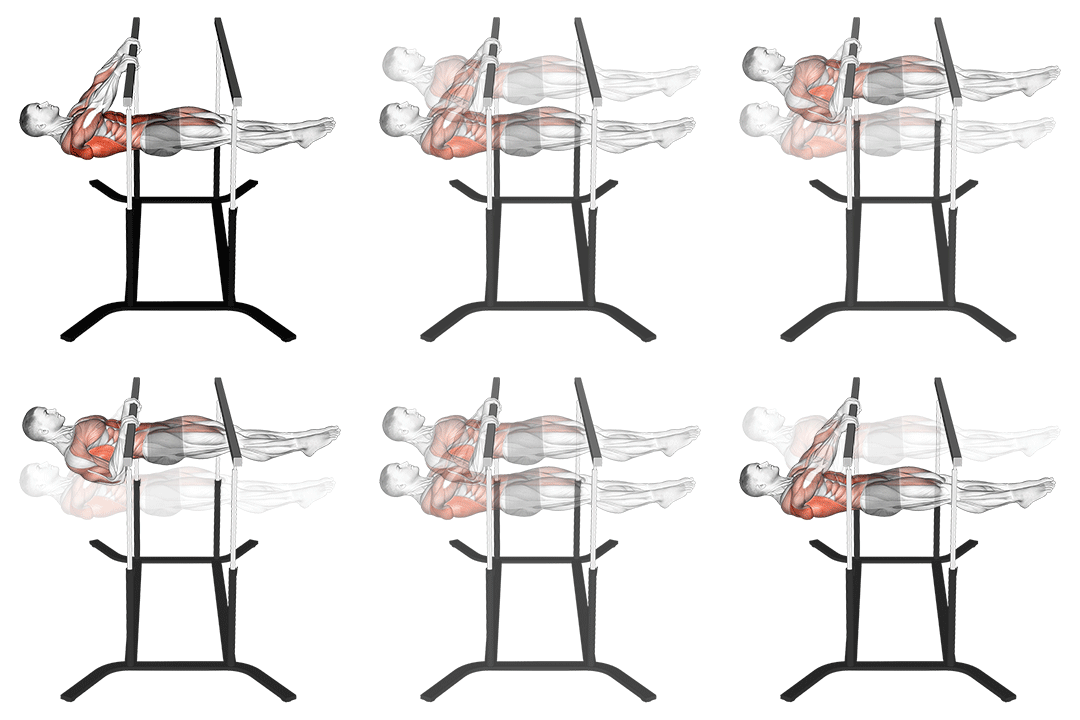
6. Back Lever
65% match- Upper Back
- Bodyweight
- Advanced
- Compound
How to perform this exercise
- Start by hanging from a pull-up bar with an overhand grip, hands slightly wider than shoulder-width apart.
- Engage your core and pull your shoulder blades down and back.
- Bend your knees and tuck them towards your chest.
- Slowly lift your legs up, keeping them straight, until your body is parallel to the ground.
- Hold this position for a few seconds, then slowly lower your legs back down to the starting position.
- Repeat for the desired number of repetitions.
Sets and reps: 3 or 4 sets of 6 to 10 reps.
Why this matches
- Primary muscle: upper back, the same as the Cable Standing Row (V-bar)
- Equipment: bodyweight only, not a cable
- Body position: hanging, not standing
- Balance: harder to stay steady on than the Cable Standing Row (V-bar)
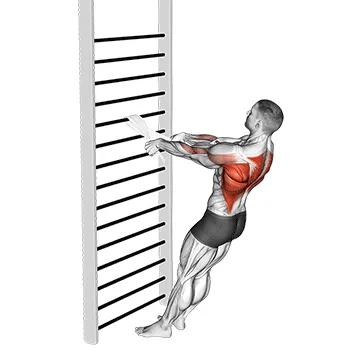
- Lats
- Bodyweight
- Intermediate
- Compound
How to perform this exercise
- Stand with your feet shoulder-width apart and hold a towel in front of you with both hands.
- Bend your knees slightly and hinge forward at the hips, keeping your back straight.
- Pull the towel towards your chest, squeezing your shoulder blades together.
- Pause for a moment at the top, then slowly release the tension and return to the starting position.
- Repeat for the desired number of repetitions.
Sets and reps: 3 or 4 sets of 6 to 10 reps.
Why this matches
- Primary muscle: lats, not upper back
- Equipment: bodyweight only, not a cable
- Body position: standing, the same as the Cable Standing Row (V-bar)
- Balance: harder to stay steady on than the Cable Standing Row (V-bar)
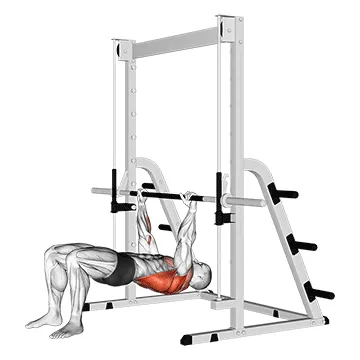
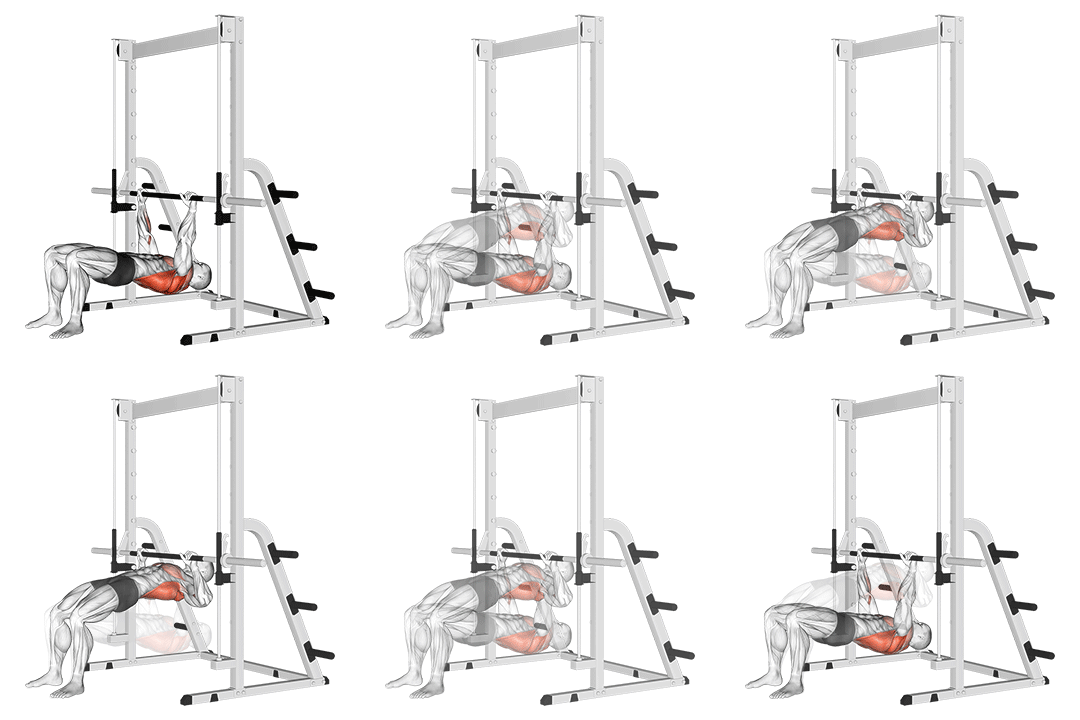
8. Inverted Row Bent Knees
62% match- Upper Back
- Bodyweight
- Beginner
- Compound
How to perform this exercise
- Set up a bar at waist height and lie underneath it.
- Grab the bar with an overhand grip, slightly wider than shoulder-width apart.
- Position your body so that your heels are on the ground and your body is straight.
- Pull your chest up towards the bar by squeezing your shoulder blades together.
- Pause for a moment at the top, then slowly lower your body back down to the starting position.
- Repeat for the desired number of repetitions.
Sets and reps: 3 sets of 8 to 12 reps, and add reps before you add load.
Why this matches
- Primary muscle: upper back, the same as the Cable Standing Row (V-bar)
- Equipment: bodyweight only, not a cable
- Body position: hanging, not standing
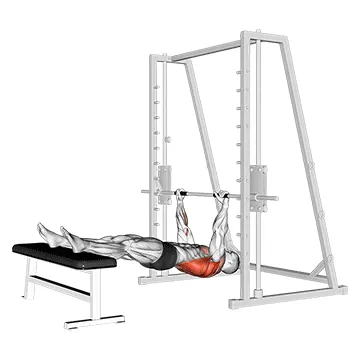
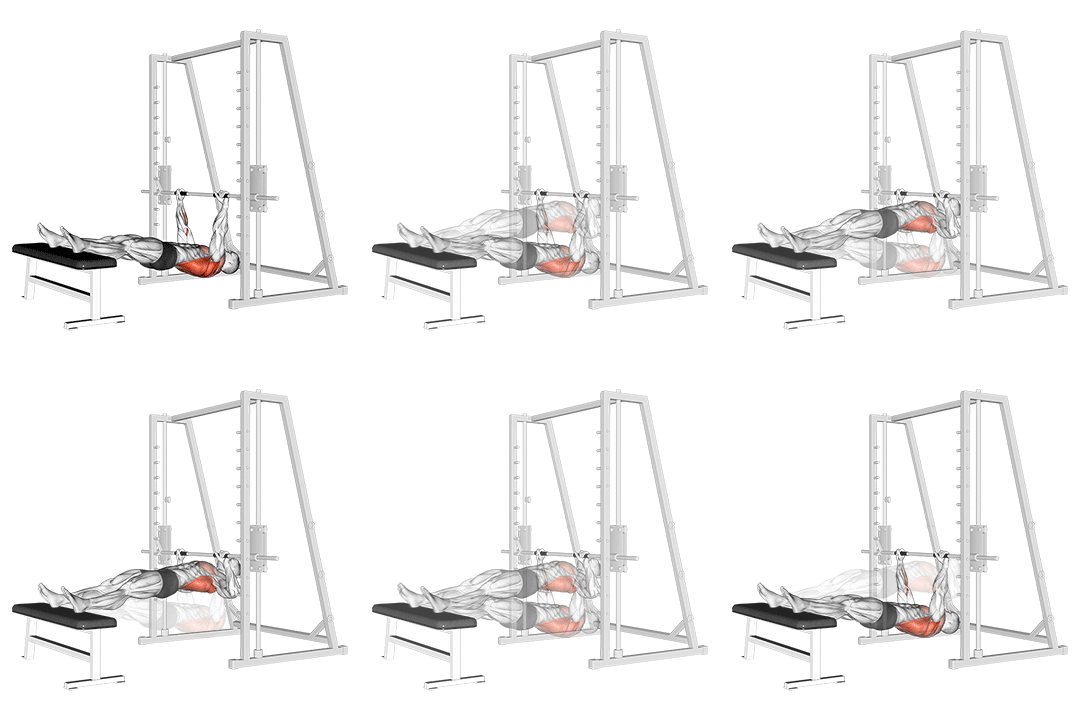
9. Inverted Row On Bench
62% match- Upper Back
- Bodyweight
- Intermediate
- Compound
How to perform this exercise
- Set up a bench at a height that allows your body to hang freely underneath it.
- Lie face up on the ground with your head towards the bench.
- Reach up and grab the bench with an overhand grip, slightly wider than shoulder-width apart.
- Position your body so that your heels are on the ground and your arms are fully extended.
- Engage your core and squeeze your shoulder blades together as you pull your chest up towards the bench.
- Pause for a moment at the top of the movement, then slowly lower your body back down to the starting position.
- Repeat for the desired number of repetitions.
Sets and reps: 3 or 4 sets of 6 to 10 reps.
Why this matches
- Primary muscle: upper back, the same as the Cable Standing Row (V-bar)
- Equipment: bodyweight only, not a cable
- Body position: hanging, not standing
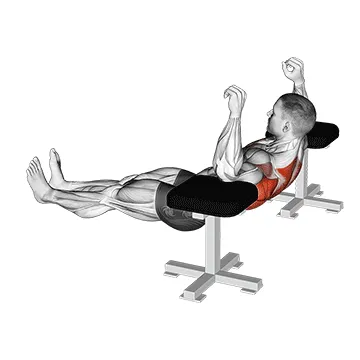
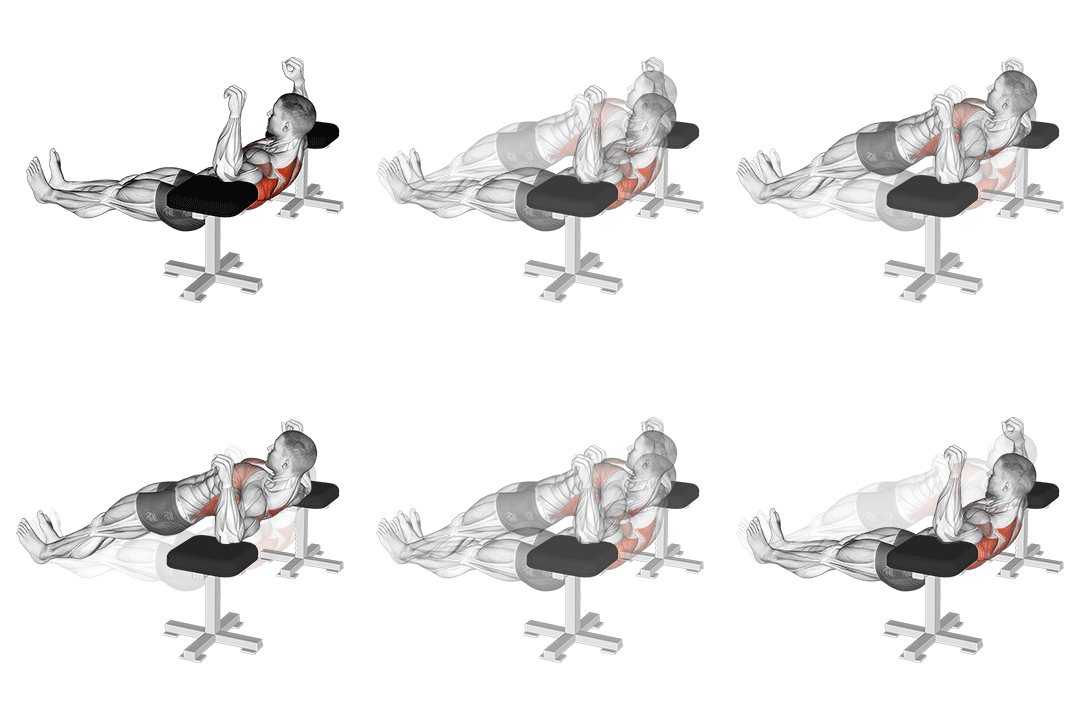
10. Elbow Lift - Reverse Push-up
62% match- Upper Back
- Bodyweight
- Intermediate
- Compound
How to perform this exercise
- Start by lying face down on the ground with your legs extended and your hands placed directly under your shoulders.
- Engage your core and press through your palms to lift your upper body off the ground, keeping your elbows close to your sides.
- Pause at the top for a moment, squeezing your upper back muscles.
- Slowly lower your body back down to the starting position.
- Repeat for the desired number of repetitions.
Sets and reps: 3 or 4 sets of 6 to 10 reps.
Why this matches
- Primary muscle: upper back, the same as the Cable Standing Row (V-bar)
- Equipment: bodyweight only, not a cable
- Body position: lying on your back, not standing
Why You Might Need a Cable Standing Row (V-bar) Alternative
You may substitute the Cable Standing Row due to no access to a cable stack, shoulder or elbow irritation from fixed grips, or a need to reduce lower-back loading. Choose exercises that preserve the horizontal pull pattern and emphasize scapular retraction and elbow-driven extension; for example, chest-supported rows remove lumbar stress while maintaining rhomboid and mid-trap activation. If you’re rehabbing a shoulder, select a neutral-grip single-arm row and limit range of motion while focusing on slow eccentrics and stable scapular control.
How to Choose the Right Cable Standing Row (V-bar) Substitute
Pick a substitute based on equipment, target muscle emphasis, and spinal tolerance. If you lack cables, pick a single-arm dumbbell row to preserve unilateral loading and correct imbalances; cue: hinge at the hip, keep a neutral spine, and drive the elbow back to feel the lats and mid-traps. If lower-back pain is the limiter, choose chest-supported variations to offload the erectors but maintain scapular squeeze. For progressive overload, prefer barbell or dumbbell rows where you can add load incrementally and control tempo for eccentric overload.
Cable Standing Row (V-bar) FAQ
What muscles does Cable Standing Row (v-bar) work?
The exercise targets the upper-back: rhomboids, middle and lower trapezius, posterior deltoids, and the lats as secondary movers, with biceps assisting. Cue: initiate with scapular retraction then pull the elbows toward the ribs to prioritize mid-trap and rhomboid activation while the erectors stabilize the spine.
Find Alternatives for Any Exercise
Search the exercise database and filter the ranked substitutes by the equipment you own.
Similarity scores compare exercise metadata such as movement pattern, muscles, equipment and body position. They are not a safety rating or a check that you own the equipment. Learn about our methodology