

10 Best Clean Pull Alternatives for Explosive Hip Drive
The Clean Pull is done standing with a barbell. Ranked closest by our scoring: the Snatch Pull and the One-arm Side Deadlift. Three harder versions, the Power Clean, the Clean and the Clean From Blocks, are listed below as progressions rather than swaps.
The Clean Pull trains the pull that drives the bar upward before any catch, using the first and second pull to teach explosive triple extension. The Snatch Pull sits nearest, sharing the same barbell pull off the floor, then carrying on into a drop under the bar and an overhead catch in a deep squat. For the heavy pull without the timing, the Clean Deadlift ends once your hips and knees are extended, with no second pull to learn.
Updated Ranked by our 12-factor similarity model How it works
Original Exercise: Clean Pull
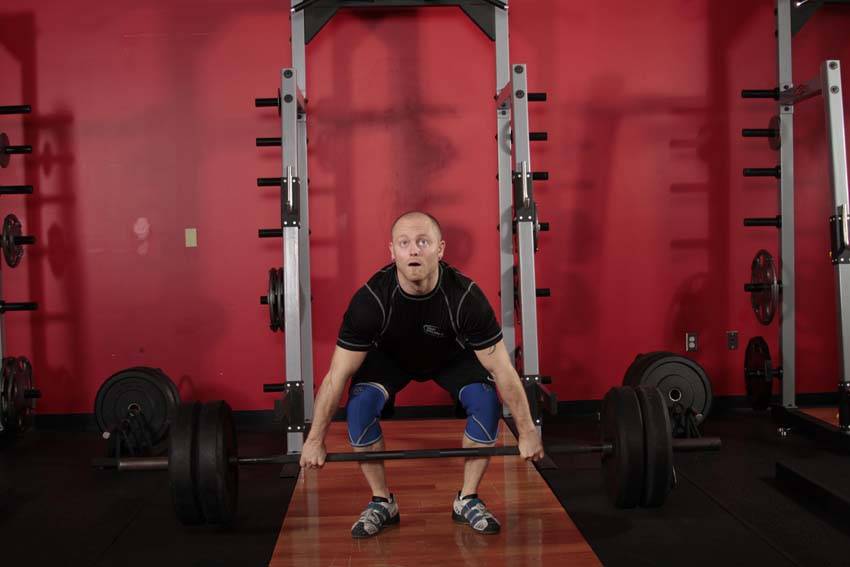
- Primary muscle
- Quads
- Equipment
- Barbell
- Difficulty
- Advanced
- Type
- Compound
Secondary muscles: Forearms, Glutes, Hamstrings, Lower Back, Traps
How to perform Clean Pull
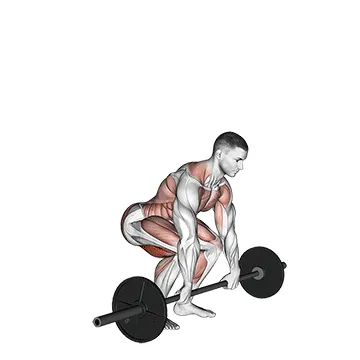
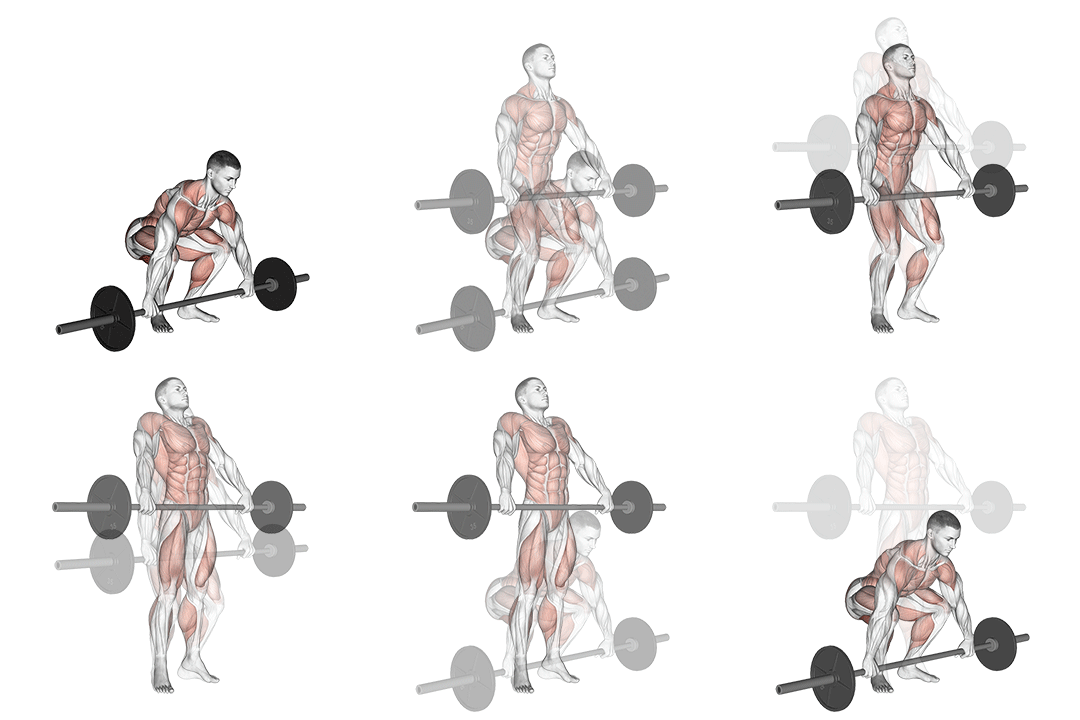
- With a barbell on the floor close to the shins, take an overhand or hook grip just outside the legs. Lower your hips with the weight focused on the heels, back straight, head facing forward, chest up, with your shoulders just in front of the bar. This will be your starting position.
- Begin the first pull by driving through the heels, extending your knees. Your back angle should stay the same, and your arms should remain straight and elbows out. Move the weight with control as you continue to above the knees.
- Next comes the second pull, the main source of acceleration for the clean. As the bar approaches the mid-thigh position, begin extending through the hips. In a jumping motion, accelerate by extending the hips, knees, and ankles, using speed to move the bar upward. There should be no need to actively pull through the arms to accelerate the weight; at the end of the second pull, the body should be fully extended, leaning slightly back, with the arms still extended. Full extension should be violent and abrupt, and ensure that you do not prolong the extension for longer than necessary.
Ranked Clean Pull Alternatives
10 substitutes, ranked by how closely each one matches the Clean Pull on movement pattern, muscles worked, equipment and body position. The higher the score, the less you change. Open "How to perform this exercise" on a card for the steps; every card title links to that exercise's own alternatives page. Harder versions are tagged as progressions and kept out of the top spot even when they score higher.
Best match 1. Snatch Pull
93% match- Quads
- Barbell
- Advanced
- Compound
It uses the same equipment and still works the quads.
How to perform this exercise
- Stand with your feet shoulder-width apart and the barbell on the ground in front of you.
- Bend your knees and hinge at the hips to lower into a squat position, gripping the barbell with an overhand grip.
- Keep your back straight and chest up as you drive through your heels to lift the barbell off the ground, extending your hips and knees.
- As the barbell reaches hip level, explosively pull it upwards, shrugging your shoulders and pulling your elbows high and to the sides.
- As the barbell reaches its highest point, quickly drop underneath it, pulling yourself into a deep squat position.
- Catch the barbell overhead with your arms fully extended and your knees bent.
- Stand up by extending your hips and knees, keeping the barbell overhead.
- Lower the barbell back down to the starting position by reversing the movement.
- Repeat for the desired number of repetitions.
Sets and reps: 3 to 5 sets of 5 to 8 reps.
Why this matches
- Primary muscle: quads, the same as the Clean Pull
- Equipment: free weights, the same as the Clean Pull
- Body position: standing, the same as the Clean Pull
Progression
2. Power Clean
83% match- Hamstrings
- Barbell
- Advanced
- Compound
A looser match: it uses the same equipment, but it works the hamstrings rather than the quads.
How to perform this exercise
- Start with the barbell on the ground in front of you, with your feet shoulder-width apart.
- Bend down and grip the barbell with an overhand grip, slightly wider than shoulder-width apart.
- Keep your back straight and chest up as you lift the barbell off the ground, extending your hips and knees.
- As the barbell reaches your mid-thigh, explosively pull it upwards, shrugging your shoulders and pulling your elbows high and to the sides.
- As the barbell reaches its highest point, quickly drop underneath it, rotating your elbows around and catching the barbell on your shoulders in a front squat position.
- Stand up with the barbell, fully extending your hips and knees.
- Lower the barbell back down to the starting position, keeping control of the weight throughout the movement.
- Repeat for the desired number of repetitions.
Sets and reps: 3 to 5 sets of 5 to 8 reps.
Why this matches
- Primary muscle: hamstrings, not quads
- Equipment: free weights, the same as the Clean Pull
- Body position: standing, the same as the Clean Pull
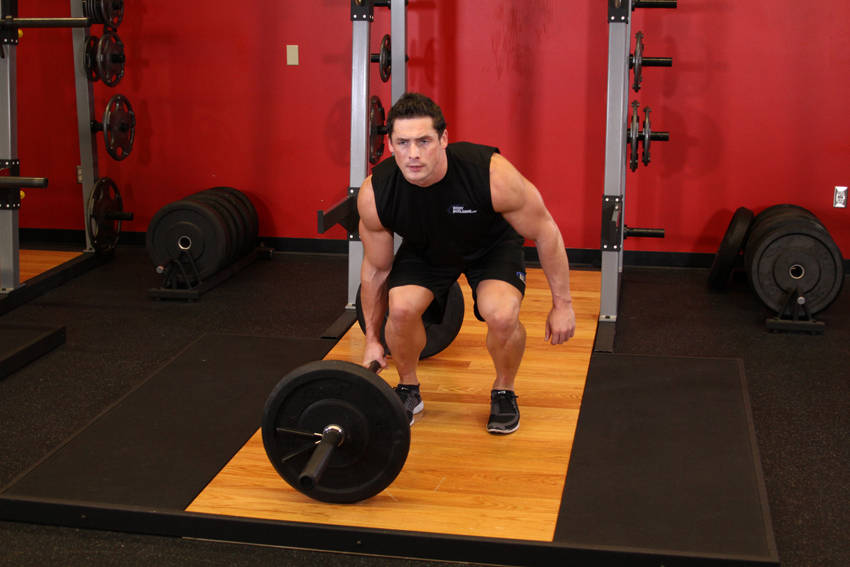
3. One-arm Side Deadlift
82% match- Quads
- Barbell
- Advanced
- Compound
Pick this when you want to work the quads one side at a time.
How to perform this exercise
- Stand to the side of a barbell next to its center. Bend your knees and lower your body until you are able to reach the barbell.
- Grasp the bar as if you were grabbing a briefcase (palms facing you since the bar is sideways). You may need a wrist wrap if you are using a significant amount of weight. This is your starting position.
- Use your legs to help lift the barbell up while exhaling. Your arms should extend fully as bring the barbell up until you are in a standing position.
- Slowly bring the barbell back down while inhaling. Tip: Make sure to bend your knees while lowering the weight to avoid any injury from occurring.
- Repeat for the recommended amount of repetitions.
- Switch arms and repeat the movement.
Sets and reps: 3 to 5 sets of 5 to 8 reps on each side.
Why this matches
- Primary muscle: quads, the same as the Clean Pull
- Equipment: free weights, the same as the Clean Pull
- Body position: standing, the same as the Clean Pull
- Balance: harder to stay steady on than the Clean Pull
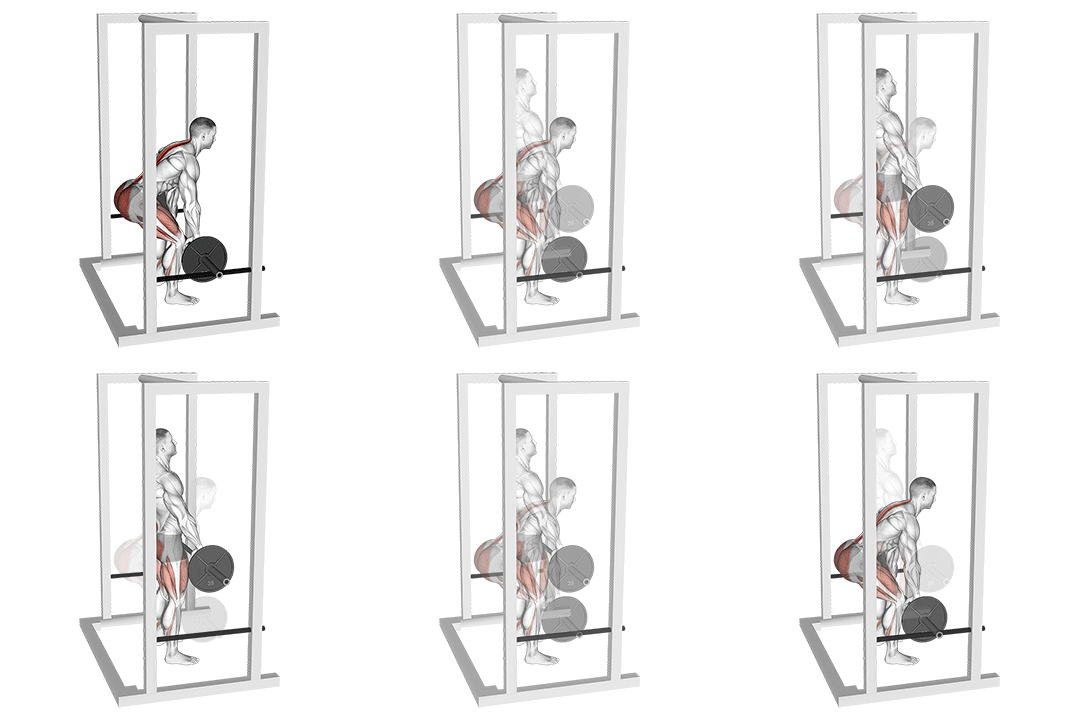
4. Barbell Rack Pull
76% match- Glutes
- Barbell
- Intermediate
- Compound
A looser match: it uses the same equipment, but it works the glutes rather than the quads.
How to perform this exercise
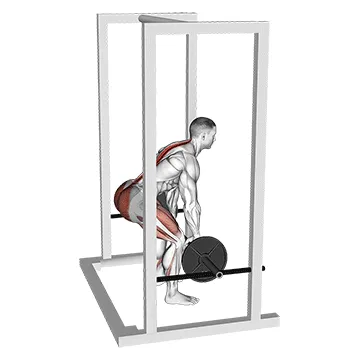
- Set up a barbell on a rack at knee height.
- Stand with your feet shoulder-width apart, toes pointing slightly outwards.
- Bend at the hips and knees to lower yourself down and grip the barbell with an overhand grip, hands shoulder-width apart.
- Engage your core and lift the barbell by extending your hips and knees, pulling your shoulders back and squeezing your glutes at the top.
- Lower the barbell back down to the starting position by bending at the hips and knees.
- Repeat for the desired number of repetitions.
Sets and reps: 3 to 5 sets of 5 to 8 reps.
Why this matches
- Primary muscle: glutes, not quads
- Equipment: free weights, the same as the Clean Pull
- Body position: standing, the same as the Clean Pull
5. Barbell Sumo Deadlift
76% match- Glutes
- Barbell
- Advanced
- Compound
How to perform this exercise
- Stand with your feet wider than shoulder-width apart, toes pointing outwards.
- Place a barbell on the ground in front of you, centered between your feet.
- Bend your knees and lower your hips, keeping your back straight and chest up, to grip the barbell with an overhand grip.
- Engage your core and drive through your heels to lift the barbell off the ground, extending your hips and knees simultaneously.
- As you lift, keep your chest up and back straight, and push your hips forward to fully engage your glutes.
- Pause for a moment at the top, then slowly lower the barbell back down to the starting position, maintaining control throughout the movement.
- Repeat for the desired number of repetitions.
Sets and reps: 3 to 5 sets of 5 to 8 reps.
Why this matches
- Primary muscle: glutes, not quads
- Equipment: free weights, the same as the Clean Pull
- Body position: standing, the same as the Clean Pull
Progression
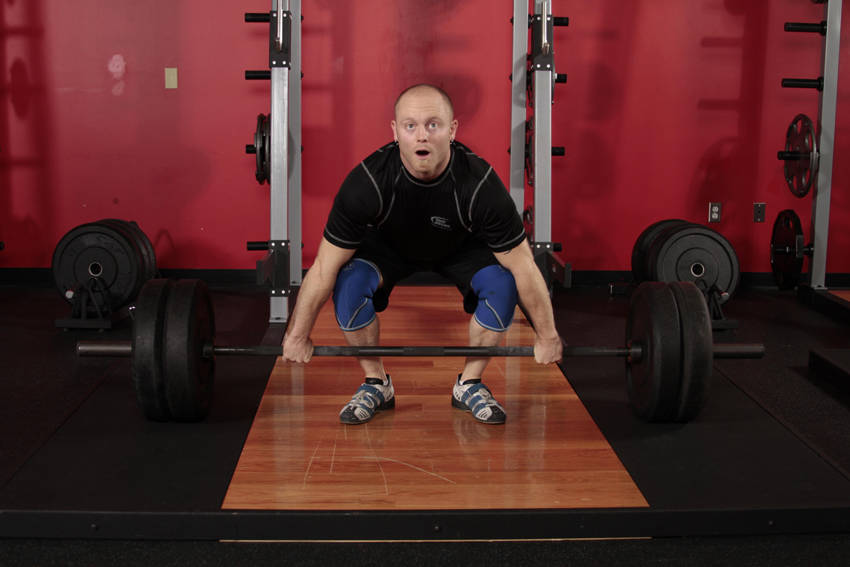
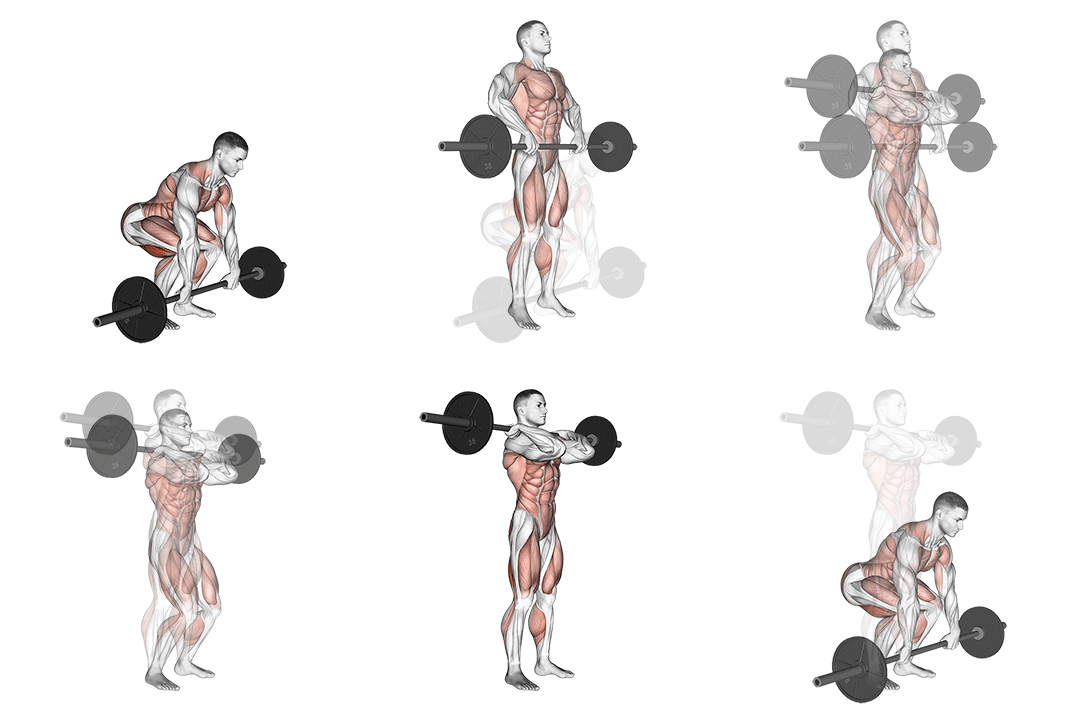
6. Clean
76% match- Hamstrings
- Barbell
- Advanced
- Compound
How to perform this exercise
- With a barbell on the floor close to the shins, take an overhand (or hook) grip just outside the legs. Lower your hips with the weight focused on the heels, back straight, head facing forward, chest up, with your shoulders just in front of the bar. This will be your starting position.
- Begin the first pull by driving through the heels, extending your knees. Your back angle should stay the same, and your arms should remain straight. Move the weight with control as you continue to above the knees.
- Next comes the second pull, the main source of acceleration for the clean. As the bar approaches the mid-thigh position, begin extending through the hips. In a jumping motion, accelerate by extending the hips, knees, and ankles, using speed to move the bar upward. There should be no need to actively pull through the arms to accelerate the weight; at the end of the second pull, the body should be fully extended, leaning slightly back, with the arms still extended.
- As full extension is achieved, transition into the third pull by aggressively shrugging and flexing the arms with the elbows up and out. At peak extension, aggressively pull yourself down, rotating your elbows under the bar as you do so. Receive the bar in a front squat position, the depth of which is dependent upon the height of the bar at the end of the third pull. The bar should be racked onto the protracted shoulders, lightly touching the throat with the hands relaxed. Continue to descend to the bottom squat position, which will help in the recovery.
- Immediately recover by driving through the heels, keeping the torso upright and elbows up. Continue until you have risen to a standing position.
Sets and reps: 3 to 5 sets of 5 to 8 reps.
Why this matches
- Primary muscle: hamstrings, not quads
- Equipment: free weights, the same as the Clean Pull
Progression
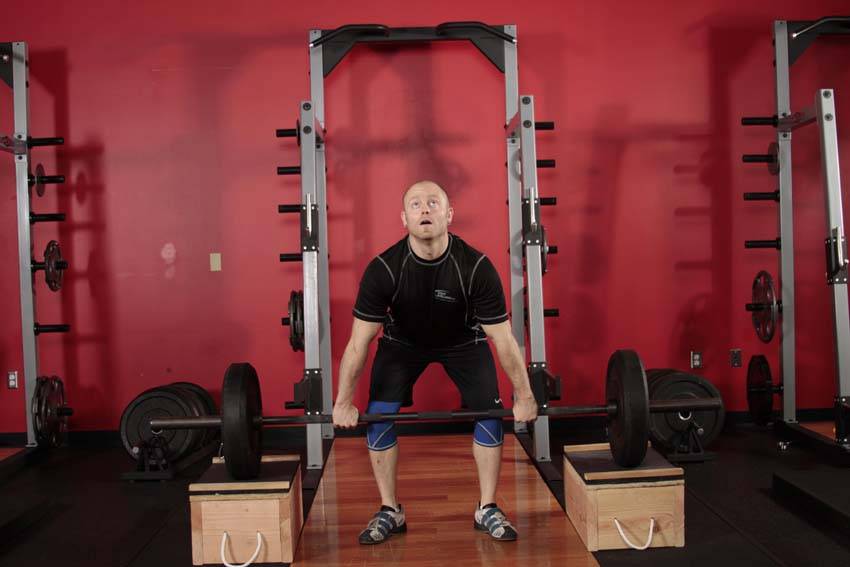
7. Clean From Blocks
76% match- Quadriceps
- Barbell
- Advanced
- Compound
A looser match: it uses the same equipment, but it works the quadriceps rather than the quads.
How to perform this exercise
- With a barbell on boxes or stands of the desired height, take an overhand or hook grip just outside the legs. Lower your hips with the weight focused on the heels, back straight, head facing forward, chest up, with your shoulders just in front of the bar. This will be your starting position.
- Begin the first pull by driving through the heels, extending your knees. Your back angle should stay the same, and your arms should remain straight with the elbows pointed out.
- As full extension is achieved, transition into the receiving position by aggressively shrugging and flexing the arms with the elbows up and out. Aggressively pull yourself down, rotating your elbows under the bar as you do so. Receive the bar in a front squat position, the depth of which is dependent upon the height of the bar at the end of the third pull. The bar should be racked onto the protracted shoulders, lightly touching the throat with the hands relaxed. Continue to descend to the bottom squat position, which will help in the recovery.
- Immediately recover by driving through the heels, keeping the torso upright and elbows up. Continue until you have risen to a standing position. Return the weight to the boxes for the next rep.
Sets and reps: 3 to 5 sets of 5 to 8 reps.
Why this matches
- Primary muscle: quadriceps, not quads
- Equipment: free weights, the same as the Clean Pull
- Body position: standing, the same as the Clean Pull
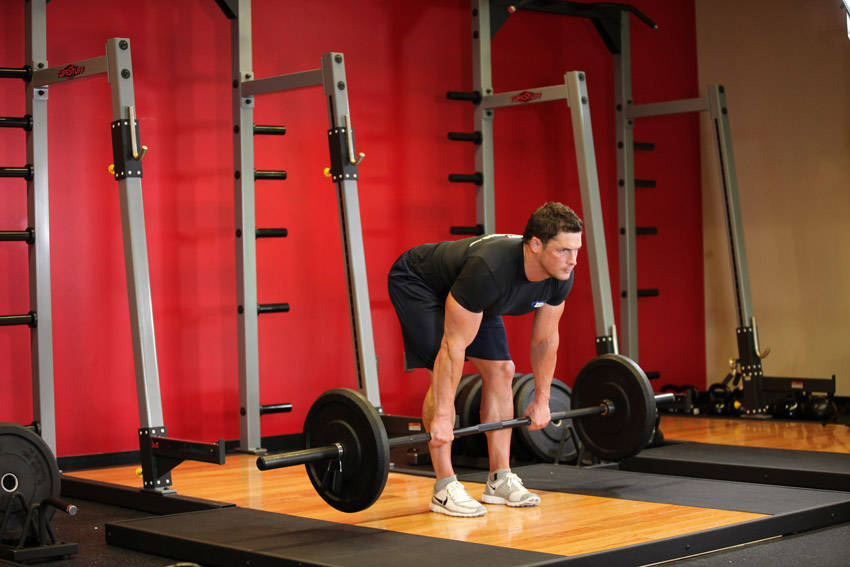
8. Stiff-legged Barbell Deadlift
75% match- Hamstrings
- Barbell
- Intermediate
- Compound
How to perform this exercise
- Grasp a bar using an overhand grip (palms facing down). You may need some wrist wraps if using a significant amount of weight.
- Stand with your torso straight and your legs spaced using a shoulder width or narrower stance. The knees should be slightly bent. This is your starting position.
- Keeping the knees stationary, lower the barbell to over the top of your feet by bending at the hips while keeping your back straight. Keep moving forward as if you were going to pick something from the floor until you feel a stretch on the hamstrings. Inhale as you perform this movement.
- Start bringing your torso up straight again by extending your hips until you are back at the starting position. Exhale as you perform this movement.
- Repeat for the recommended amount of repetitions.
Sets and reps: 3 or 4 sets of 6 to 10 reps.
Why this matches
- Primary muscle: hamstrings, not quads
- Equipment: free weights, the same as the Clean Pull
- Body position: standing, the same as the Clean Pull
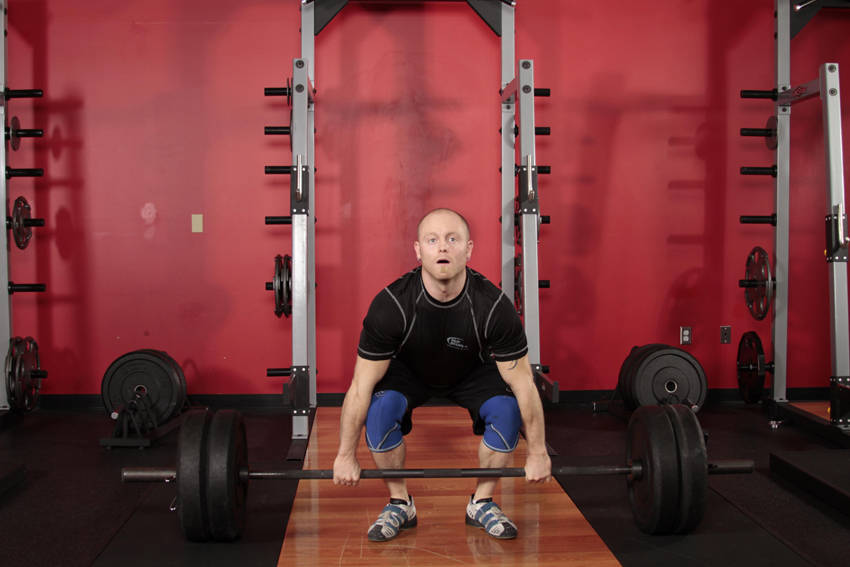
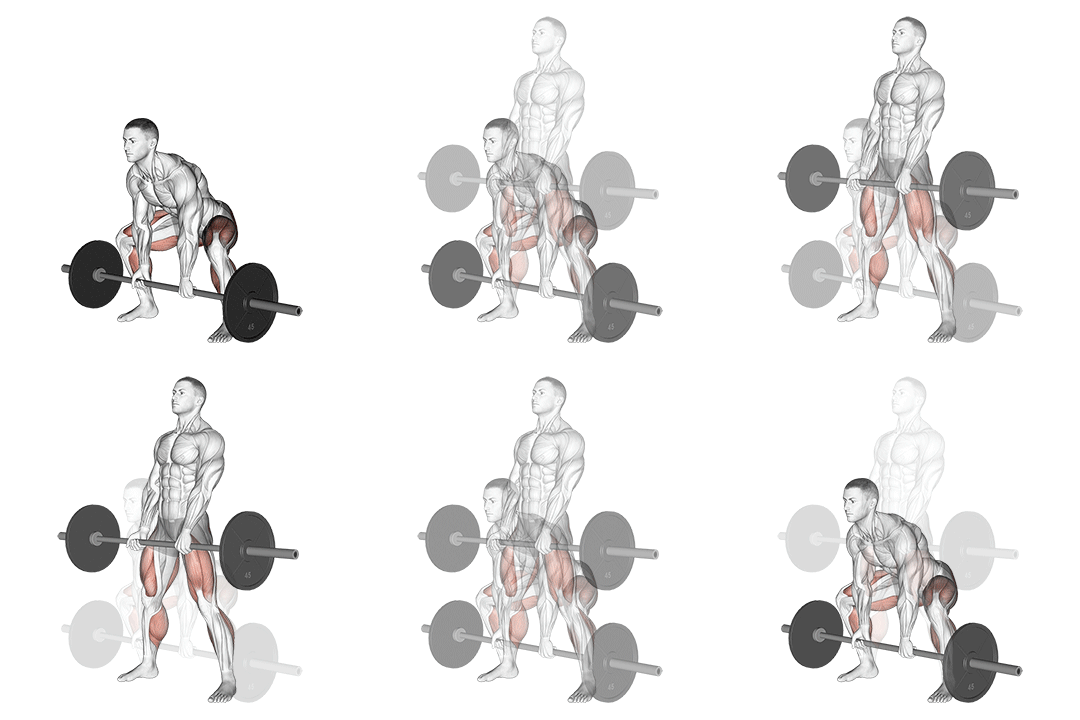
9. Clean Deadlift
75% match- Hamstrings
- Barbell
- Intermediate
- Compound
How to perform this exercise
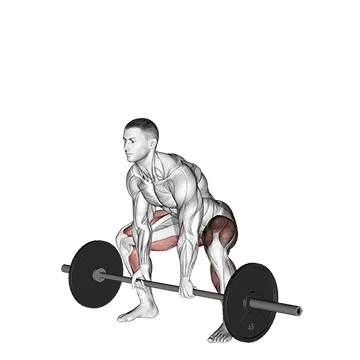
- Begin standing with a barbell close to your shins. Your feet should be directly under your hips with your feet turned out slightly. Grip the bar with a double overhand grip or hook grip, about shoulder width apart. Squat down to the bar. Your spine should be in full extension, with a back angle that places your shoulders in front of the bar and your back as vertical as possible.
- Begin by driving through the floor through the front of your heels. As the bar travels upward, maintain a constant back angle. Flare your knees out to the side to help keep them out of the bar's path.
- After the bar crosses the knees, complete the lift by driving the hips into the bar until your hips and knees are extended.
Sets and reps: 3 or 4 sets of 6 to 10 reps.
Why this matches
- Primary muscle: hamstrings, not quads
- Equipment: free weights, the same as the Clean Pull
- Body position: standing, the same as the Clean Pull
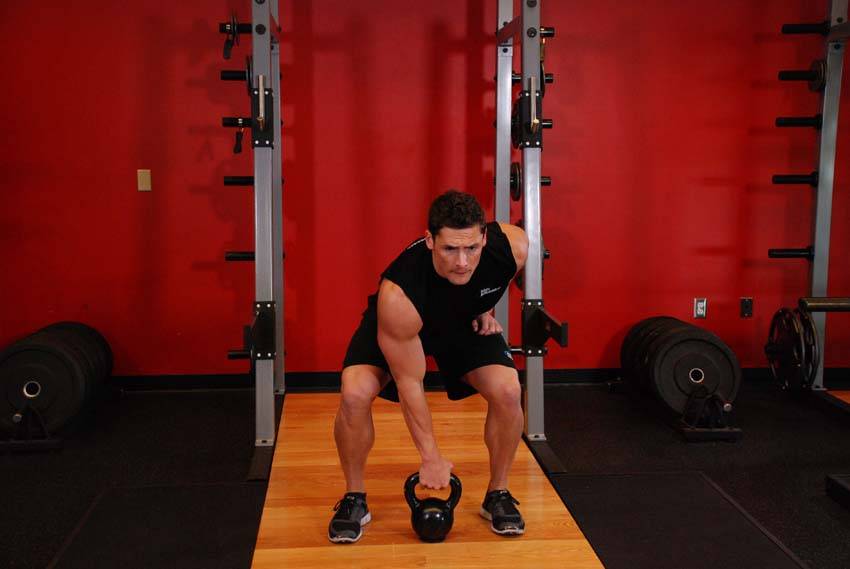
10. Kettlebell Dead Clean
73% match- Hamstrings
- Kettlebell
- Advanced
- Compound
How to perform this exercise
- Place kettlebell between your feet. To get in the starting position, push your butt back and look straight ahead.
- Clean the kettlebell to your shoulder. Clean the kettlebell to your shoulders by extending through the legs and hips as you raise the kettlebell towards your shoulder. The wrist should rotate as you do so.
- Lower the kettlebell, keeping the hamstrings loaded by keeping your back straight and your butt out.
Sets and reps: 3 to 5 sets of 5 to 8 reps on each side.
Why this matches
- Primary muscle: hamstrings, not quads
- Equipment: free weights, the same as the Clean Pull
- Body position: standing, the same as the Clean Pull
Why You Might Need a Clean Pull Alternative
Lifters look for a Clean Pull swap when the technique itself is the obstacle. Driving through the first pull, timing the hip snap of the second pull, and finishing in full extension takes practice most sessions do not have room for. Others just want the same hip hinge and heavy pull without learning an Olympic lift's technique at all. Every one of these swaps still needs a barbell or a kettlebell, so equipment is rarely the reason to change. What changes is the grip, the stance and whether the pull stays explosive or slows into a controlled lift. Some keep the same explosive speed, others slow the pull into a controlled deadlift, and a few shift the load toward the hamstrings and glutes instead of the quads.
How to Choose the Right Clean Pull Substitute
If you already own the Clean Pull's technique, take the Snatch Pull first: it starts with the same barbell pull off the floor and explosive hip drive, then continues into a drop under the bar and an overhead catch in a squat. The Clean Deadlift suits the heavy pull without the timing: you drive through the front of your heels, keep a constant back angle, and drive your hips into the bar to finish. The One-arm Side Deadlift has you stand beside the bar, grip it like a briefcase and drive through your legs, then switch arms, a good test once the two-handed versions feel easy. The Power Clean and the Clean add the catch the Clean Pull leaves out, so treat them as the lift you are building toward, once your pull is consistent.
Clean Pull FAQ
Can I do the Clean Pull without Olympic lifting experience?
Not easily, since the first and second pull take real coaching to time well. The Clean Deadlift is the more forgiving choice if you have not practiced the technique: you squat down to the bar, drive through the front of your heels with your knees flared out, and drive your hips into the bar to stand, with no second pull to time.
How does the Snatch Pull differ from the Clean Pull?
The Snatch Pull uses the same barbell and the same first and second pull off the floor, so the explosive hip drive stays in place. The real change comes after the extension: the Snatch Pull shrugs and pulls the elbows high, then drops under the bar to catch it overhead in a deep squat, which the Clean Pull never does.
Which alternative trains one side at a time?
The One-arm Side Deadlift. It has you stand beside the bar and lift it in one hand like a briefcase, driving up through your legs, so each side works on its own and any imbalance the two-handed pull can hide shows up. Use it once the standard pulls feel easy on both sides.
Should I pick the Power Clean or the Clean instead?
Only once your Clean Pull is consistent. Both the Power Clean and the Clean add a catch under the bar after the same first and second pull, which turns a pulling drill into the full lift and asks for the mobility and timing needed to receive the bar.
Find Alternatives for Any Exercise
Search the exercise database and filter the ranked substitutes by the equipment you own.
Similarity scores compare exercise metadata such as movement pattern, muscles, equipment and body position. They are not a safety rating or a check that you own the equipment. Learn about our methodology